Kazakhstan’s wide open steppes, deserts and mountain ranges host a surprising mix of plant life adapted to harsh seasons and varied soils. Learning about these species gives a clearer picture of local ecosystems, grazing patterns and traditional uses across regions.
There are 28 Kazakhstan’s native plants, ranging from Black berry thorn to Winterfat; for each entry I list Scientific name,Type,Distribution & habitat — you’ll find below.
Which of these plants are protected or listed as at-risk in Kazakhstan?
Several species on the list have regional protection or appear in Kazakhstan’s Red Book; protection varies by region and threat (overgrazing, habitat loss, collection). Use the Scientific name column to cross-check official conservation lists or contact local conservation agencies to confirm current status before any collection or land-use planning.
How can I use this list for field identification or study?
Treat the list as a starting point: use the Distribution & habitat column to narrow likely finds, rely on Scientific name for accurate literature searches, and combine this table with a photographic field guide, seasonality notes, and local herbarium records or citizen-science apps for reliable identification and research.
Kazakhstan’s Native Plants
| Common name | Scientific name | Type | Distribution & habitat |
|---|---|---|---|
| Feather grass | Stipa pennata | grass | central and eastern steppe, dry plains |
| Needle grass | Stipa capillata | grass | dry steppes, sandy soils, southern and central Kazakhstan |
| Steppe feather grass | Stipa lessingiana | grass | open steppe, arid plains, southern Kazakhstan |
| Siberian larch | Larix sibirica | tree | Altai and East Kazakhstan montane forests |
| Wild apple | Malus sieversii | tree | Tien Shan foothills, Almaty region |
| Saxaul | Haloxylon ammodendron | shrub | Kyzylkum, Betpak‑Dala deserts, sandy dunes |
| Sea buckthorn | Hippophae rhamnoides | shrub | riverbanks, dunes, northern slopes, widespread |
| Fernleaf peony | Paeonia tenuifolia | forb | sandy steppe, southern and central Kazakhstan |
| Karatau onion | Allium karataviense | forb | Karatau mountains, rocky slopes, southern Kazakhstan |
| Kaufmann’s tulip | Tulipa kaufmanniana | forb | Tien Shan foothills, mountain steppes |
| Kolpakowsky’s tulip | Tulipa kolpakowskiana | forb | sandy steppes and low hills, central Kazakhstan |
| Snow lotus | Saussurea involucrata | forb | high Tien Shan alpine scree and rocky ridges |
| Nitre bush | Nitraria schoberi | shrub | saline flats, river deltas, semi-deserts |
| Winterfat | Krascheninnikovia ceratoides | shrub | semi-desert, steppe plains, rocky slopes |
| Savin juniper | Juniperus sabina | shrub | mountain slopes, rocky soils, southern Kazakhstan |
| Jointpine | Ephedra equisetina | shrub | semidesert plains, dunes, sandy steppes |
| Euphrates poplar | Populus euphratica | tree | desert river floodplains, oases, southern Kazakhstan |
| Desert poplar | Populus pruinosa | tree | river corridors, southern desert oases |
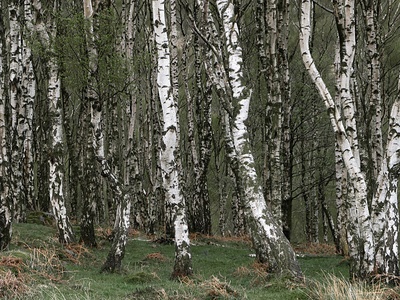
| Silver birch | Betula pendula | tree | northern forests, river valleys, uplands |
| Korolkow honeysuckle | Lonicera korolkowii | shrub | Tien Shan and Pamir slopes, rocky mountain areas |
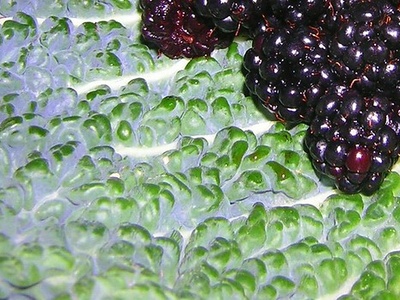
| Black berry thorn | Lycium ruthenicum | shrub | saline deserts, riverbeds, arid regions |
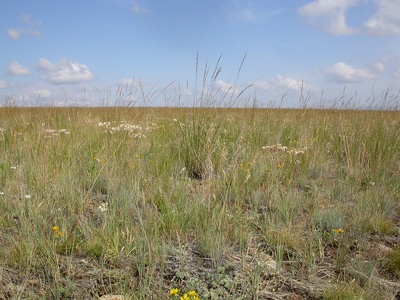
| Steppe fescue | Festuca valesiaca | grass | open steppe grasslands, dry slopes, central Kazakhstan |
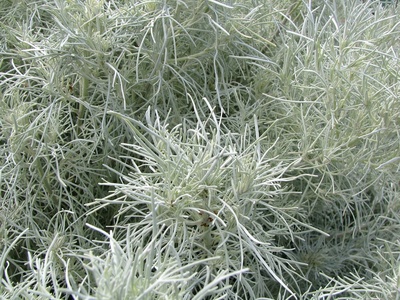
| White wormwood | Artemisia terrae-albae | shrub | desert-steppe, sandy and saline soils across central Asia |
| Fringed sagebrush | Artemisia frigida | shrub | dry steppes, open plains, throughout Kazakhstan |
| Dwarf iris | Iris pumila | forb | dry steppes and rocky hills, western and central Kazakhstan |
| Common yarrow | Achillea millefolium | forb | meadows, steppe edges, river valleys |
| Tamarisk | Tamarix ramosissima | shrub | saline riverbanks, floodplains, southern Kazakhstan |
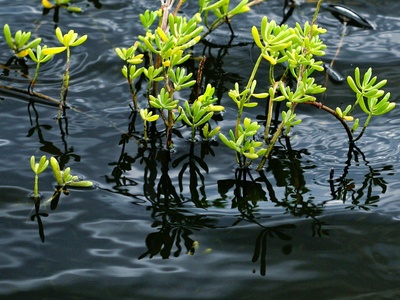
| Saltwort | Halocnemum strobilaceum | shrub | coastal and inland saline flats, semi-desert zones |
Images and Descriptions
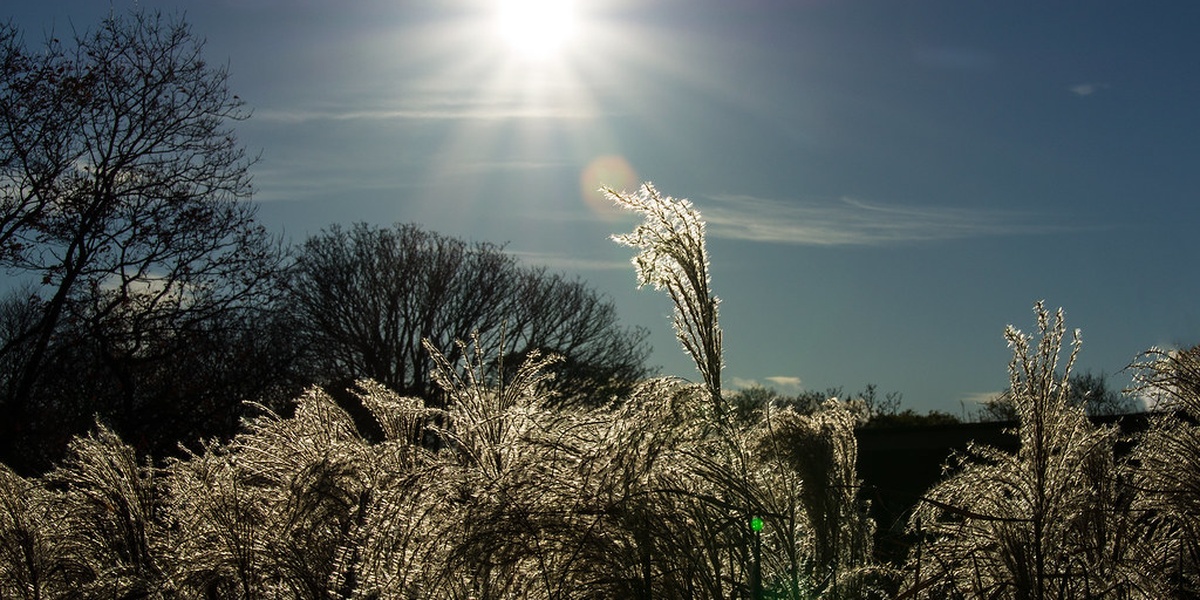
Feather grass
Distinctive tussocks with long, feathery silvery awns; blooms late spring. A steppe emblem, tolerates drought and grazing, forming wind-swept lawns and important habitat for steppe wildlife.

Needle grass
Tufted perennial with long, twisting awns and narrow leaves; late-spring flowering. Dominant in dry grasslands, key for grazing systems and recognizable by its hair-like seed awns.
Steppe feather grass
Perennial bunchgrass with stiff leaves and long awns, common on nutrient-poor soils. Important for steppe ecosystem stability and grazing, identifiable by dense tussocks and silvery seed plumes in summer.
Siberian larch
Deciduous conifer with soft needle clusters and small cones; turns golden before leaf drop. Forms extensive mountain forests, important for timber, biodiversity and local climate regulation.
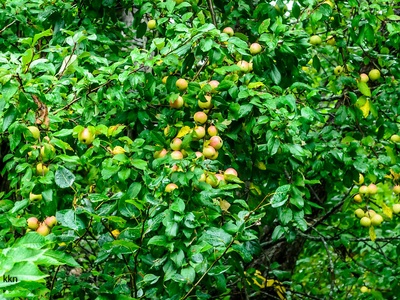
Wild apple
Wild ancestor of domestic apples; fragrant white-pink spring blossoms and small diverse fruits. Genetically important, under conservation due to habitat loss and prized by botanists and breeders.
Saxaul
Leafless-looking gray shrub with knobbly branches, excellent sandbinder and windbreak. Vital desert keystone species providing shelter, forage and stabilizing shifting dunes across arid Kazakhstan.
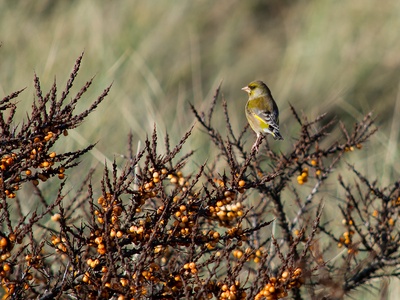
Sea buckthorn
Silvery leaves and bright orange berry clusters; flowers early spring. Berries rich in vitamins used medicinally, important for erosion control and wildlife food along waterways.
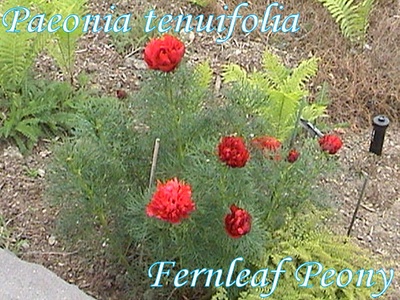
Fernleaf peony
Low perennial with finely divided, fern-like leaves and striking red spring flowers. A charismatic steppe wildflower valued for ornamental beauty and cultural significance in grassland regions.
Karatau onion
Broad strap-like leaves and pink spherical flower heads in spring; endemic to Karatau. A bulbous ornamental native, adapted to rocky substrates and mountain-steppe climates.
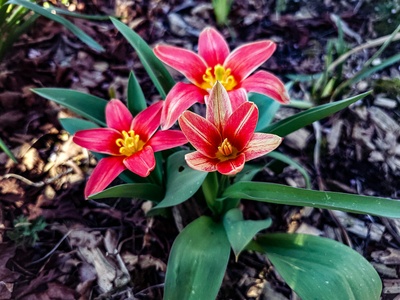
Kaufmann’s tulip
Low, early-blooming wild tulip with bowl-shaped red/orange flowers and glossy leaves. Spring ephemeral of rocky slopes and meadows, one of the native wild tulips of Central Asia.
Kolpakowsky’s tulip
Small native tulip with patterned tepals; spring flowering bulb. A component of the steppe bulb flora, often overlooked but ecologically significant for pollinators.
Snow lotus
Woolly, silver rosette with dense bracts; rare high‑mountain herb. Valued in traditional medicine, slow-growing and protected because of restricted alpine habitat and collection pressure.
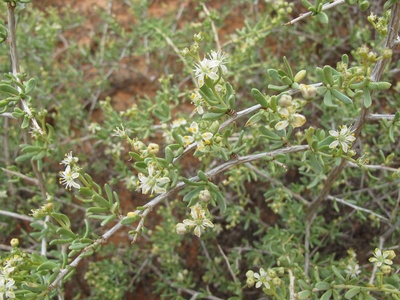
Nitre bush
Salt-tolerant, low thorny shrub with fleshy fruits eaten by birds. Stabilizes saline soils and forms dense stands in salty steppe and desert margins, important for wildlife.
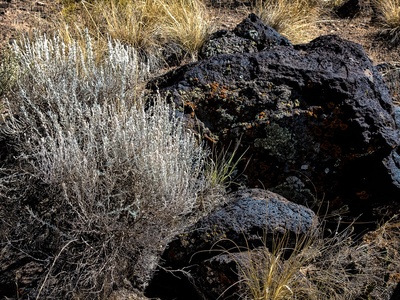
Winterfat
Silver-gray, woolly subshrub with narrow leaves; valuable forage especially in winter. Common across alkaline soils, recognizable for its cylindrical stems and dusty appearance.
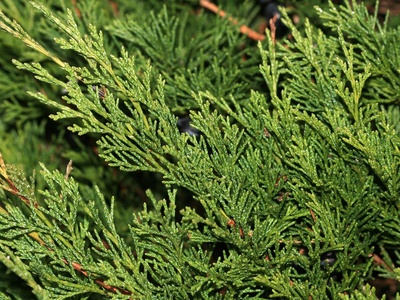
Savin juniper
Low, sprawling conifer with aromatic foliage and berry-like cones. Tolerant of poor soils and wind, used naturally as shelter and for erosion control on steep slopes.
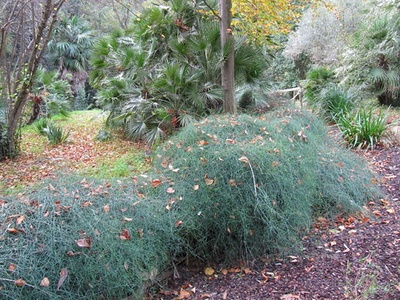
Jointpine
Leafless, jointed green stems with tiny leaves; contains alkaloids historically used medicinally. A hardy pioneer of dry sites, often forming low thickets on sandy soils.
Euphrates poplar
Twisted, gnarled poplar tolerant of salinity and drought; pale peeling bark and lanceolate leaves. Forms narrow gallery forests that are crucial for desert riparian biodiversity.
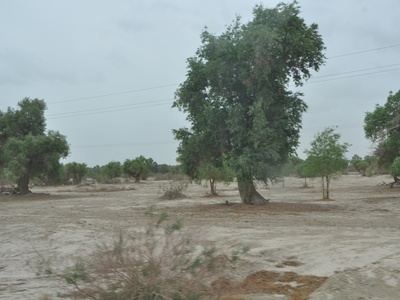
Desert poplar
Closely related to Euphrates poplar; tolerant of saline, dry soils. Provides shade and habitat along ephemeral rivers and is important for desert riparian restoration.
Silver birch
Graceful tree with papery white bark and triangular leaves; catkins in spring. A pioneer species in moist sites, common in northern Kazakhstan woodlands and riparian zones.
Korolkow honeysuckle
Compact shrub with fragrant tubular flowers attractive to pollinators; berries later in season. Grows on rocky slopes, providing nectar and fruit for mountain fauna.
Black berry thorn
Low thorny shrub with distinctive black berries and grey-green leaves. Highly salt-tolerant, fruits feed birds and people, common in saline flats and steppe depressions.
Steppe fescue
Tussock-forming perennial with fine leaves; spring–summer flowering. A dominant steppe grass providing forage, soil protection and typical texture to Eurasian grasslands.
White wormwood
Pale, woolly shrub with aromatic leaves; important for forage and traditional uses. Widespread in arid landscapes, recognizable by silvery foliage and pungent scent.
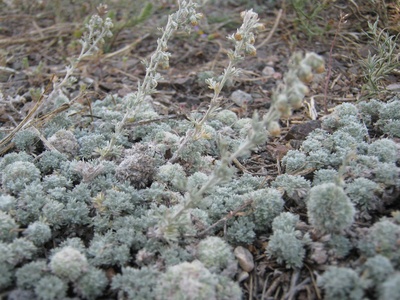
Fringed sagebrush
Low, finely divided aromatic leaves and compact flower heads; common on grazed ground. Important forage and medicinal herb, tolerates trampling and drought.
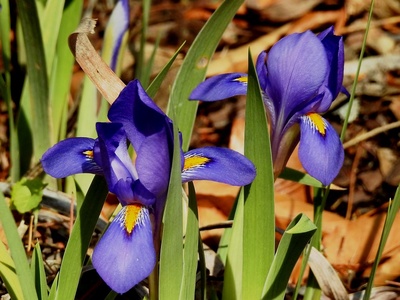
Dwarf iris
Low spring-blooming iris with violet or yellow flowers and narrow leaves. Early ephemeral that colors steppe margins and rocky outcrops in springtime.
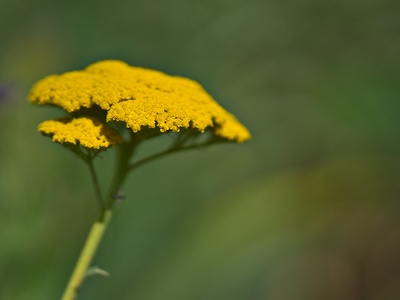
Common yarrow
Flat-topped clusters of white flowers and feathery leaves; blooms summer. Widely used in folk medicine, attracts pollinators and occurs across a broad range of Kazakhstan habitats.
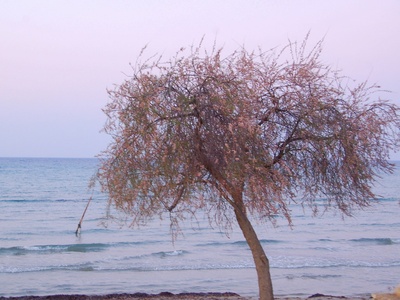
Tamarisk
Fine, feathery foliage and pink flower spikes; salt-excreting leaves. Stabilizes riparian and saline soils, common along desert waterways and in floodplain scrub.
Saltwort
Succulent, salt-tolerant shrub forming dense hummocks on saline soils. Key species of salt marshes and takyrs, supporting specialized plant and invertebrate communities.