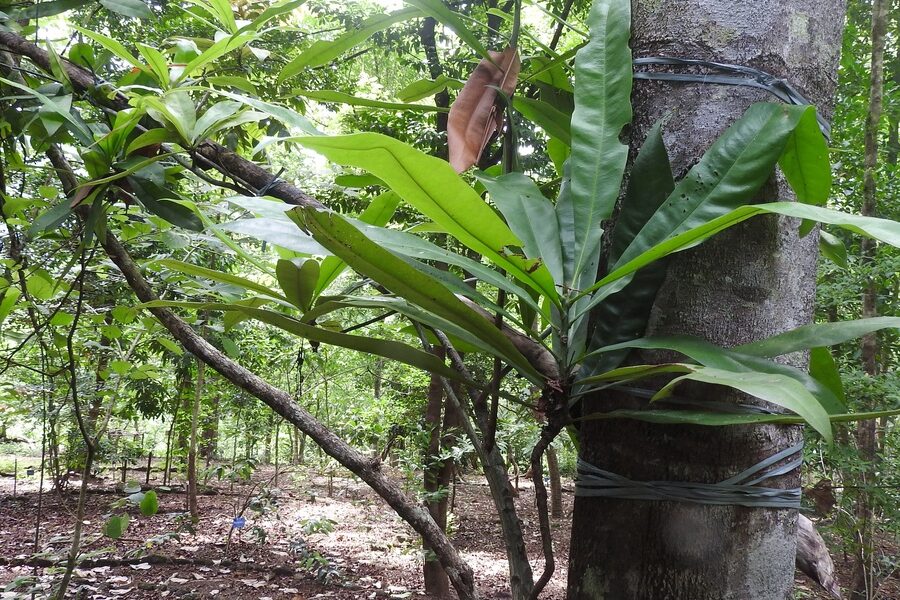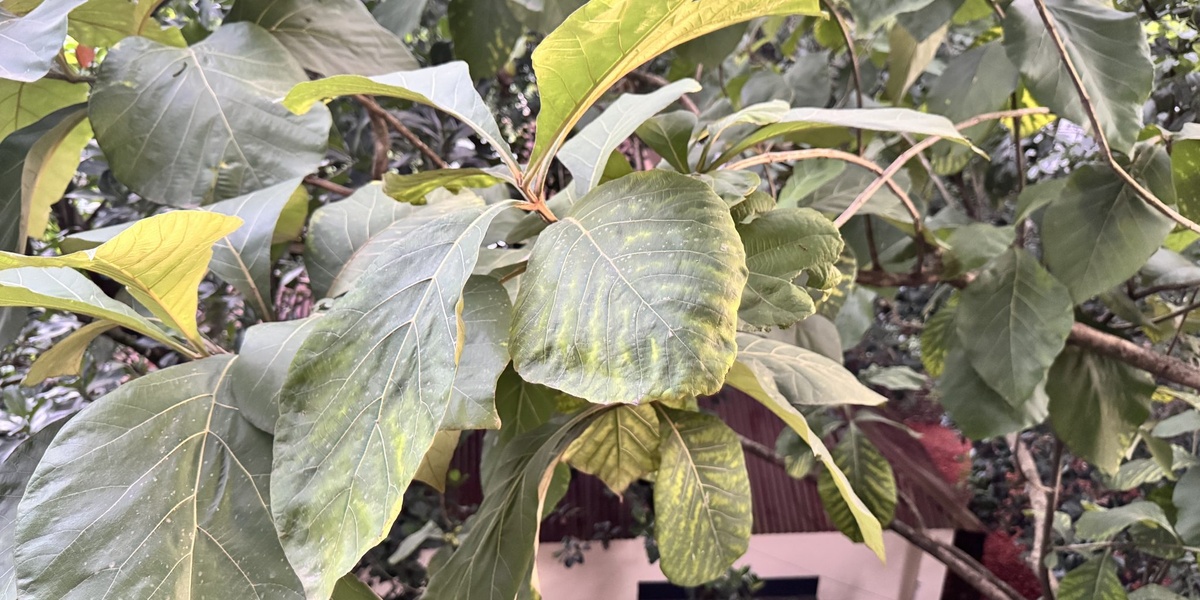
Myanmar’s forests, river valleys and coastal zones host a wide variety of plant life shaped by monsoon patterns and varied elevation. Local knowledge, timber use, and shifting land use all influence which species thrive in different parts of the country, making a compact reference list useful for students, gardeners and conservationists alike.
There are 45 Myanmar’s native plants, ranging from Agarwood to White cheesewood. For each entry you’ll find below the fields organized as Scientific name,Height (m),Range in Myanmar so you can quickly compare species by taxonomy, typical size and geographic distribution — you’ll find below.
How can I use this list to identify plants when I’m out in the field?
Start by matching the plant’s height and range from the list to what you observe, then confirm with the scientific name; local common names vary widely. Carrying a simple photo guide, noting habitat (forest, riverbank, coastal) and comparing leaf and bark traits will speed identification and reduce confusion.
Where can I check whether any of these species are protected or regulated?
Check Myanmar’s Forest Department publications and the IUCN Red List for conservation status; some species (for example Agarwood/Aquilaria) are also subject to international trade rules like CITES. Local regulations and recent assessments provide the most reliable guidance.
Myanmar’s Native Plants
| Common name | Scientific name | Height (m) | Range in Myanmar |
|---|---|---|---|
| Teak | Tectona grandis | 30 | Central dry deciduous forests |
| Burmese padauk | Pterocarpus macrocarpus | 25 | Central and southern lowland forests |
| Gurjan | Dipterocarpus alatus | 40 | Lowland evergreen forests |
| Keruing | Dipterocarpus tuberculatus | 25 | Dry dipterocarp forests |
| Pyinkado | Xylia xylocarpa | 25 | Central dry forests |
| Sal | Shorea robusta | 30 | Northern and central forests |
| Ironwood (Hopea) | Hopea odorata | 40 | Lowland evergreen and riverine forests |
| Agarwood | Aquilaria malaccensis | 15 | Hill and lowland evergreen forests |
| Schima | Schima wallichii | 30 | Montane and lower hill forests |
| Frangipani/Magnolia champaca | Magnolia champaca | 30 | Moist lowland and foothill forests |
| Crape myrtle | Lagerstroemia speciosa | 15 | Riverine and lowland forests |
| Banyan | Ficus benghalensis | 20 | Urban areas and dry forests |
| Sacred fig | Ficus religiosa | 25 | Riverbanks and lowland forests |
| Cluster fig | Ficus racemosa | 15 | Riverine and lowland forests |
| Red mangrove | Rhizophora apiculata | 15 | Mangrove coastlines |
| Avicennia mangrove | Avicennia alba | 4 | Mangroves and tidal flats |
| Mangrove apple | Sonneratia apetala | 15 | Estuaries and tidal creeks |
| Nipa palm | Nypa fruticans | 5 | Estuarine mangroves |
| Areca palm | Areca catechu | 12 | Lowland and coastal villages |
| Clumping bamboo | Bambusa bambos | 10 | Thickets in plains and forest edges |
| Dendrocalamus bamboo | Dendrocalamus strictus | 18 | Dry lowland forests and edges |
| Beleric | Terminalia bellirica | 20 | Riverine and dry forests |
| Haritaki | Terminalia chebula | 15 | Forest edges and riverine areas |
| Lannea | Lannea coromandelica | 15 | Dry deciduous woodlands |
| Axlewood | Anogeissus latifolia | 20 | Dry deciduous forests |
| Dry dipterocarp Shorea | Shorea obtusa | 20 | Dry dipterocarp forests |
| Mangrove mangrove apple | Sonneratia caseolaris | 10 | Mangrove river mouths |
| Kusum | Schleichera oleosa | 20 | Dry deciduous forests |
| Cajeput | Melaleuca cajuputi | 15 | Riverine swamp forests |
| Orchid tree | Bauhinia variegata | 8 | Open woodlands and roadsides |
| Lotus | Nelumbo nucifera | 0.50 | Ponds and shallow lakes |
| Tea (wild) | Camellia sinensis | 2 | Northern hill forests and uplands |
| Cycad | Cycas pectinata | 2 | Open hills and limestone outcrops |
| Khasi pine | Pinus kesiya | 25 | Upper hill forests northern Myanmar |
| Rhododendron | Rhododendron arboreum | 10 | Upper montane forests northern Myanmar |
| White cheesewood | Alstonia scholaris | 30 | Lowland and hill forests |
| Indian gooseberry | Phyllanthus emblica | 10 | Dry and open forests |
| Burflower tree | Butea monosperma | 12 | Dry deciduous woodlands |
| Screw pine | Pandanus tectorius | 6 | Coastal dunes and riverbanks |
| Indian elm | Holoptelea integrifolia | 20 | Riverine and dry forests |
| Indian laurel | Litsea glutinosa | 12 | Lowland and hill forests |
| Jungle jalebi | Pithecellobium dulce | 8 | Open forests and disturbed areas |
| Sissoo/Indian rosewood | Dalbergia sissoo | 20 | Riverine plains and lowland forests |
| Indian cork tree | Millingtonia hortensis | 15 | Roadsides and secondary forests |
| Makha | Madhuca longifolia | 20 | Dry deciduous forests |
Images and Descriptions

Teak
Iconic timber tree prized for durable heartwood used in furniture and boats. Common in central dry zone but overexploited locally; valuable for restoration and sustainable forestry initiatives, with some natural stands declining from logging.

Burmese padauk
Hardwood prized for fine furniture, veneer and traditional carving. Distinctive seasonal flowering makes it culturally notable; heavily logged in parts of Myanmar, so remaining native populations merit protection and sustainable harvest.
Gurjan
Large emergent dipterocarp used for timber and resin; resin used locally for caulking and medicine. Important canopy tree of lowland forests, vulnerable to logging and habitat conversion in coastal and delta regions.
Keruing
Resin-producing tree common in dry deciduous forests, used locally for timber and fuel. Important for seasonal forests’ ecology; local overcutting and conversion to agriculture threaten some populations.
Pyinkado
Extremely hard, termite‑resistant timber valued for heavy construction and tool handles. Native central dry-forest species that regenerates slowly; overexploitation has reduced mature trees in many areas.
Sal
Culturally and economically important timber tree of mixed deciduous forests. Supports traditional uses and forest livelihoods; habitat clearance and selective logging have reduced native stands in places.
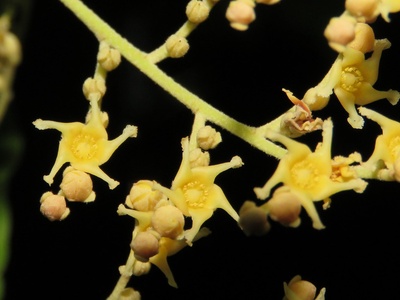
Ironwood (Hopea)
Dense hardwood used in boatbuilding and construction; a classic lowland rain-forest species. Overharvesting and forest fragmentation have left populations locally depleted; conservation and replanting recommended.
Agarwood
Source of fragrant agarwood (perfume, incense) when infected; highly prized and illegally overharvested. Wild populations are heavily exploited and conservation action is urgent to curb poaching.
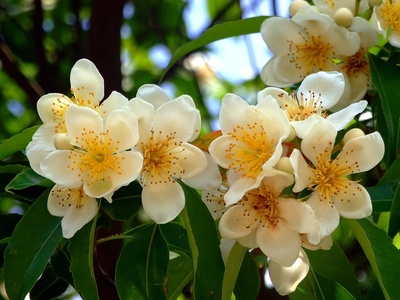
Schima
Hardwood tree of montane and hill forests used for timber and firewood. Often forms mixed stands; regeneration can be slow and some hill populations are impacted by shifting cultivation.
Frangipani/Magnolia champaca
Fragrant flowers used for perfumery and religious garlands; also shade and ornamental tree. Native wild populations are valued culturally; habitat loss threatens some local populations.
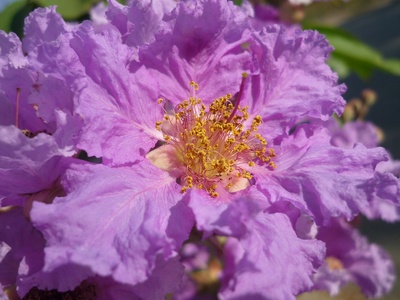
Crape myrtle
Attractive flowering tree used ornamentally and for light timber; bark and leaves have traditional medicinal uses. Widespread but declining locally where riverine habitats are altered.
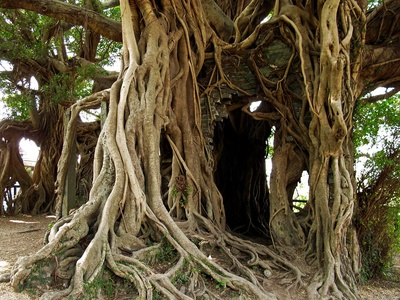
Banyan
Large strangling fig that forms vast canopies; keystone species supporting many frugivores. Culturally revered and often protected in villages, but old trees are vulnerable to land clearance.
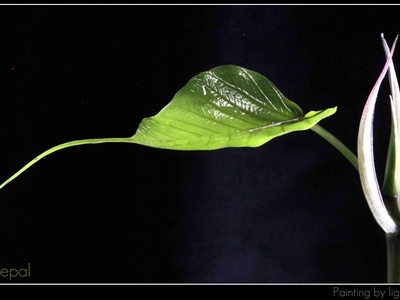
Sacred fig
Sacred fig used in religious practice; provides abundant fruit for wildlife. Common in disturbed and riparian sites; valued culturally and often preserved despite habitat changes.
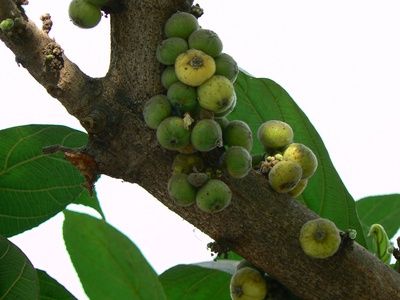
Cluster fig
Produces large fig fruits eaten by people and many animals; has medicinal uses in folk medicine. Widespread riparian species that supports biodiversity but suffers where waterways are altered.
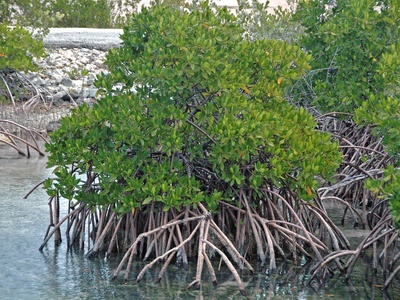
Red mangrove
Dominant mangrove stabilizing shorelines and providing fish nursery habitat. Valued locally for poles; mangrove clearance for development and aquaculture has reduced its extent in parts of Myanmar.
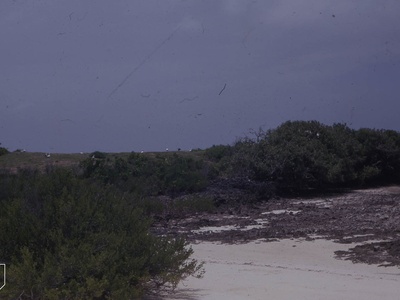
Avicennia mangrove
Salt-tolerant pioneer mangrove used in local fuel and coastal protection. Important for early mangrove succession; coastal development pressures have degraded many stands.
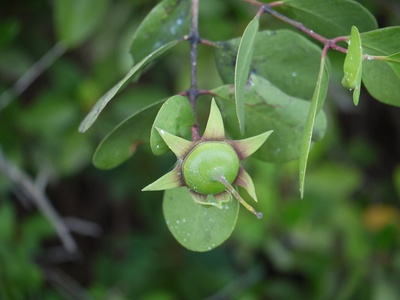
Mangrove apple
Fast-growing mangrove used widely in coastal restoration; produces edible fruits and supports fisheries. Valuable for rehabilitation projects, but some natural stands face clearance.
Nipa palm
Estuarine palm; sap produces sugar and local alcohol, thatch from leaves used traditionally. Key for coastal livelihoods and sediment trapping; vulnerable to reclamation and coastal development.
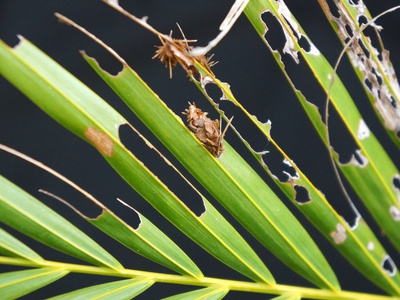
Areca palm
Source of betel nut, culturally and economically significant across Myanmar. Found wild and cultivated; management is essential to avoid genetic erosion from overharvest.
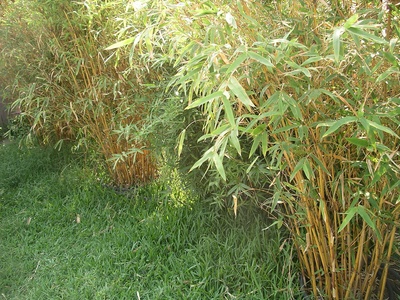
Clumping bamboo
Large bamboo used for construction, scaffolding and crafts. Rapidly regenerating when managed, but local overharvest affects supply and associated biodiversity.
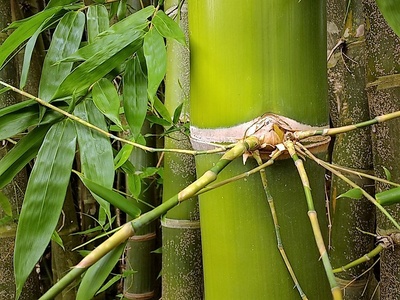
Dendrocalamus bamboo
Robust bamboo used for poles, housing and tools. Important rural resource; sustainable harvest practices maintain stands and prevent erosion.
Beleric
Produces medicinal fruit used in traditional remedies and as a dye; timber used locally. Common in mixed forests but impacted by land‑use change and fuelwood collection.
Haritaki
Fruit widely used in traditional medicine systems; tree tolerates disturbed sites. Harvesting for medicine is common, generally sustainable but intensified collection can stress local populations.
Lannea
Multi-purpose tree used for dye, fodder and light timber. Common in dry woodlands but local clearing and grazing reduce regeneration in some areas.
Axlewood
Timber and tannin source important to rural economies; often coppiced. Populations decline where forests are cleared or burned frequently.
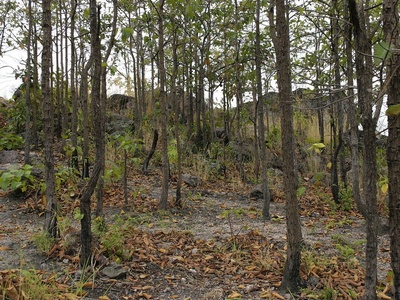
Dry dipterocarp Shorea
Resinous dipterocarp of dry forests used for timber and resin. Integral to dry forest ecology; vulnerable to logging and conversion to agriculture.
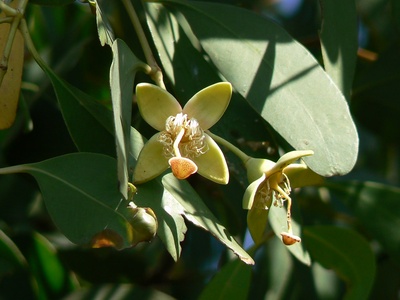
Mangrove mangrove apple
Mangrove tree with edible fruit and important nursery habitats for fish. Supports coastal communities but is threatened by mangrove clearance and development.
Kusum
Oilseed tree producing seed oil used for cooking, lamp oil and soap; also timber. Local populations have declined in areas of intensive land conversion.
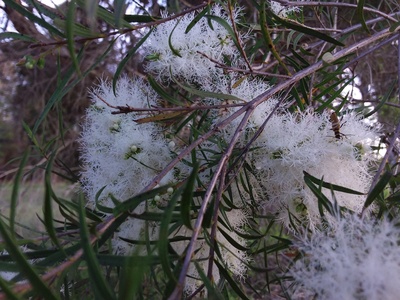
Cajeput
Source of cajeput oil used medicinally; common in seasonally inundated wetlands. Valuable for traditional medicine and restoration, but wetland drainage threatens local stands.
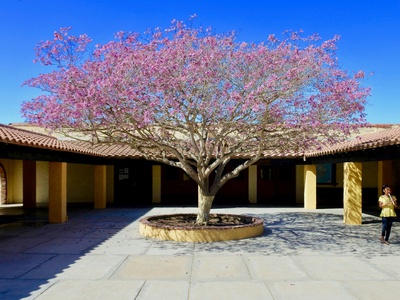
Orchid tree
Attractive flowering tree used ornamentally and for traditional medicine and tannin. Common in disturbed areas; resilient but local habitat change can reduce wild occurrences.

Lotus
Sacred aquatic plant used for food, medicine and ritual; seeds and roots are edible. Wetland drainage and pollution threaten natural populations and wetland habitats.
Tea (wild)
Wild tea relatives occur in northern hills; source of cultivated tea and local tea strains. Wild populations are important genetic resources threatened by forest clearance and plantation expansion.

Cycad
Native cycad with ornamental and cultural uses; seeds are toxic without processing. Populations are vulnerable to collection and habitat disturbance; conservation measures needed.
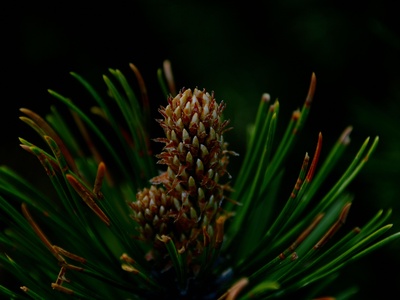
Khasi pine
Pine forming montane and submontane stands used for timber and resin. Fires, logging and conversion pressure montane forests where it occurs.
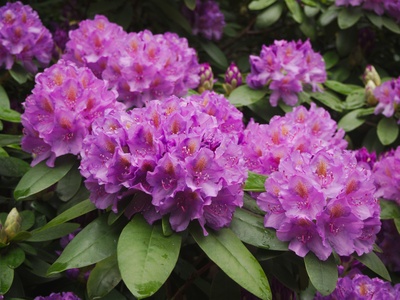
Rhododendron
Showy flowering shrub/tree used ornamentally and for honey production. Montane habitat specialist; some populations impacted by grazing and clearance.
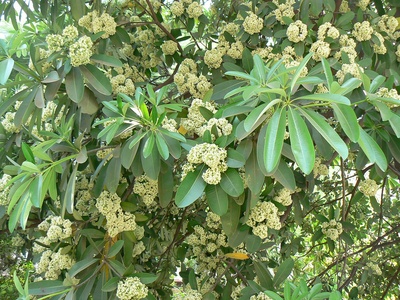
White cheesewood
Medicinal bark and light timber tree used in traditional medicine; common in secondary forests. Local overharvest for medicine can impact wild stands in accessible areas.
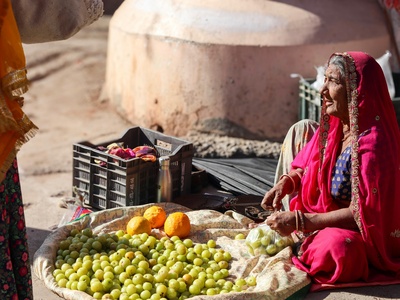
Indian gooseberry
Produces amla fruit prized in traditional medicine and cuisine. Trees found wild and cultivated; wild genetic resources merit protection from overharvest.
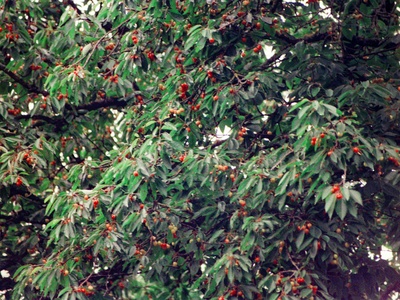
Burflower tree
Flame-of-the-forest with bright orange flowers used for dye and fodder; culturally important. Resilient but clearing of dry woodlands reduces natural populations.
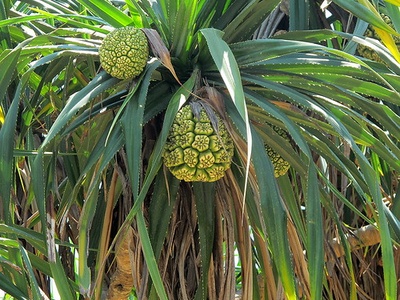
Screw pine
Pandanus leaves used for weaving mats and roofs; fruits edible in some areas. Important coastal stabilizer; coastal development reduces natural stands.
Indian elm
Hardy tree used for timber and traditional medicine. Often found in disturbed sites but local cutting and land conversion reduce mature trees.
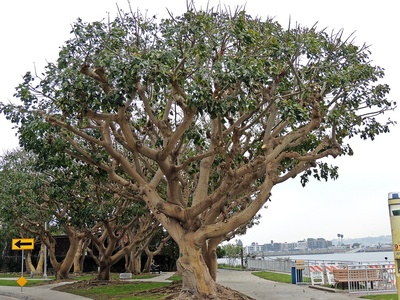
Indian laurel
Used for timber, firewood and traditional remedies; aromatic bark used locally. Common but habitat fragmentation affects genetic continuity in some regions.
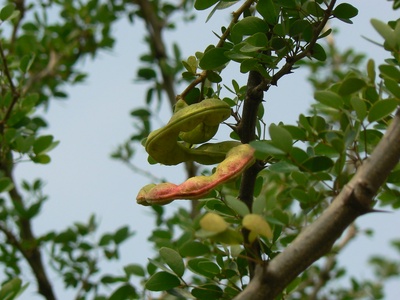
Jungle jalebi
Nitrogen-fixing tree providing fodder and browse; fruits eaten locally. Often common in degraded lands; considered valuable for agroforestry and erosion control.
Sissoo/Indian rosewood
Valued hardwood for furniture and tool-making; important riparian species. Overharvesting and illegal trade threaten wild populations in some river valleys.
Indian cork tree
Fragrant white flowers used ornamentally and medicinally; light timber. Common in disturbed habitats but mature trees are reduced by urban development.
Makha
Produces edible oil-rich seeds used locally; also tap sugar. Important for rural livelihoods; habitat clearance and overcollection have reduced wild populations in parts of Myanmar