Sweden’s mix of dense forests, mountain ranges and long coastline shapes the wildlife people run into — from hikers and berry-pickers to farmers and city dwellers. Knowing which animals can pose a real threat helps you make smart choices outdoors, whether you’re camping, hunting or just walking a trail.
There are 11 Dangerous Animals in Sweden, ranging from Brown bear to Wolf. For each animal you’ll find below the Scientific name,Risk level,Where & season so you can quickly see where and when encounters are most likely and what precautions to take — you’ll find below.
How likely am I to be seriously injured by one of these animals?
Serious injuries are rare: most species avoid people and incidents usually come from surprise encounters, protecting young, or scavenging near food; common-sense steps — keep dogs leashed, store food properly, make noise on trails, and give animals space — cut the risk dramatically.
Who should I contact if I see an aggressive or injured animal?
If an animal behaves aggressively or is injured, contact local emergency services or wildlife authorities so professionals can respond; for non-urgent sightings, report location and behavior to regional wildlife offices so they can monitor patterns and warn others.
Dangerous Animals in Sweden
| Name | Scientific name | Risk level | Where & season |
|---|---|---|---|
| Moose | Alces alces | High | All Sweden; collisions peak Sep–Nov, dawn/dusk |
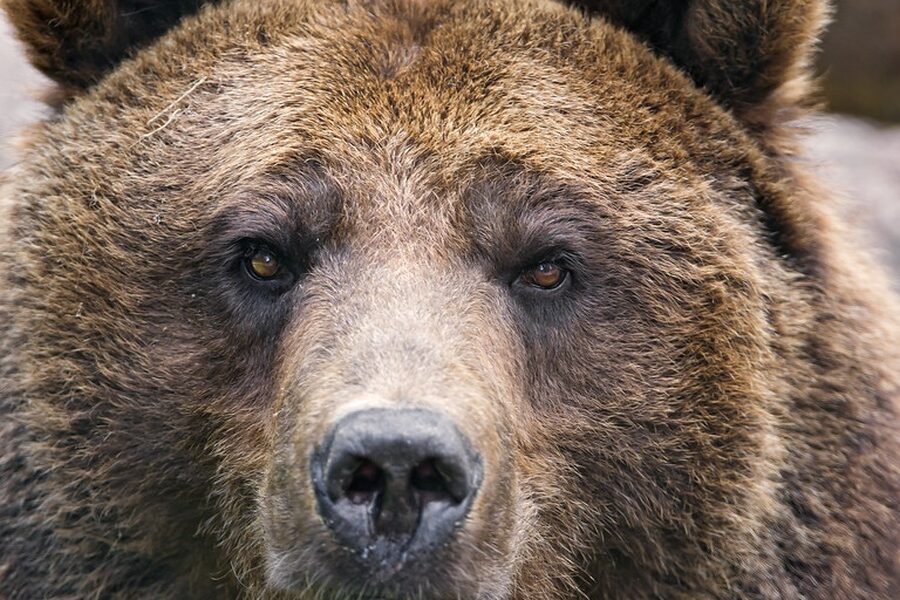
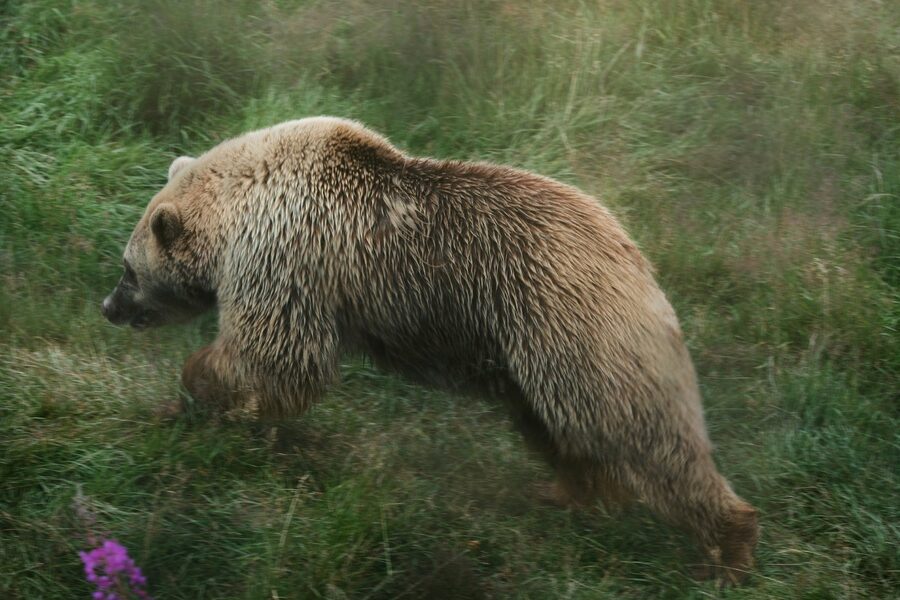
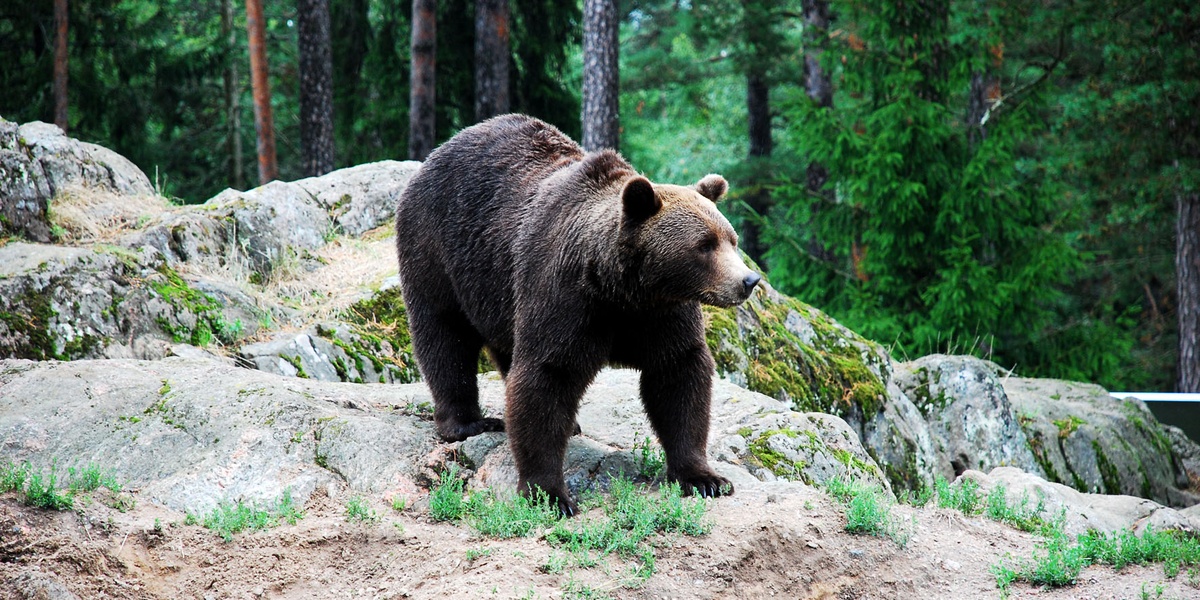
| Brown bear | Ursus arctos | Moderate | Northern/central forests; May–Sep |
| Wolf | Canis lupus | Low | Northern/central Sweden; year‑round, rare near farms |
| Wild boar | Sus scrofa | Moderate | Southern/central woodlands; spring–autumn encounters |
| European adder | Vipera berus | Moderate | Across Sweden except far north; Apr–Oct |
| Tick | Ixodes ricinus | High | Southern/central forests and grass; Apr–Oct |
| Stinging insects (wasps,hornets,bees) | Vespula spp./Vespa crabro/Apis mellifera | Moderate | All Sweden; activity peaks Jun–Sep |
| Cattle (cow,bull) | Bos taurus | Moderate | Grazing pastures nationwide; May–Sep |
| Domestic dog (aggressive/free‑roaming) | Canis lupus familiaris | Low | Urban & rural areas; year‑round |
| Lion’s mane jellyfish | Cyanea capillata | Low | West coast and Baltic shores; Jun–Aug |
| Grey seal | Halichoerus grypus | Low | Coastal Sweden; year‑round, more near haul-outs summer |
Images and Descriptions
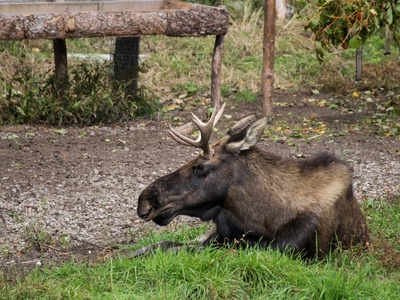
Moose
Huge deer species; collisions cause severe vehicle damage, injuries and fatalities, and moose can be aggressive during rut or with calves. Slow down at signs, be extra alert at dawn/dusk; after collisions, call emergency, check for breathing, control bleeding, warm victims.
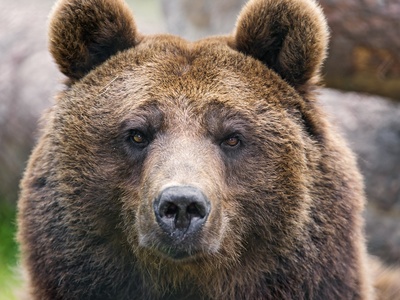
Brown bear
Large omnivore; attacks are rare but can cause crushing injuries and bleeding. Avoid surprising bears, store food, make noise and keep distance. If attacked defensive‑style, follow local guidance; after any contact, call emergency services, control bleeding, immobilize injuries and seek hospital care.
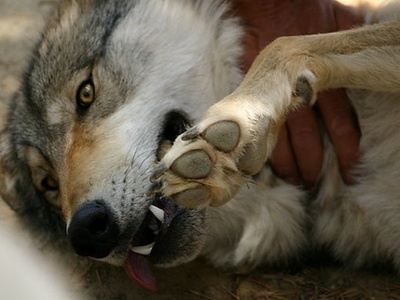
Wolf
Social predator; human attacks are extremely rare but bites can cause lacerations and infection. Avoid leaving children unattended, secure livestock and do not approach packs. For bites, clean wound thoroughly, apply pressure for bleeding, seek medical attention for antibiotics and tetanus review.
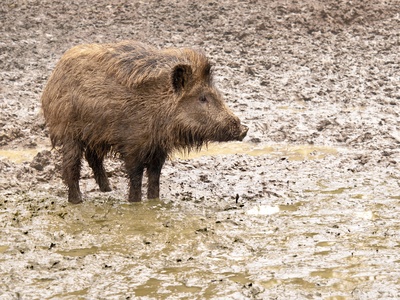
Wild boar
Stocky wild pig; can charge or gore, especially when wounded or protecting piglets, causing deep wounds. Give them space, retreat slowly and avoid dogs. For injuries, control heavy bleeding, immobilize, seek emergency care; wounds have high infection risk so antibiotics and tetanus may be needed.
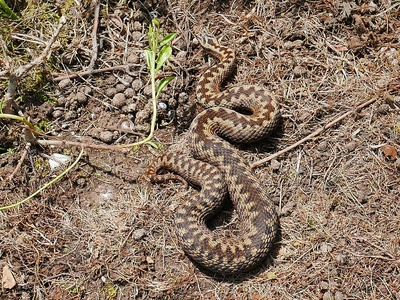
European adder
Sweden’s only venomous snake; bite causes pain, swelling and rarely systemic effects. Stay on paths, wear boots, watch logs and rocks. If bitten, stay calm, immobilize limb at heart level, seek ambulance, do not cut or suck the wound or apply tourniquet; hospital observation often required.
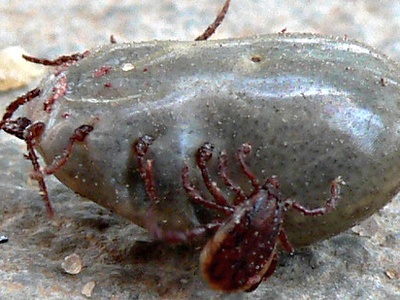
Tick
Hard tick common in grassy and forested areas; transmits Lyme disease and TBE. Prevent with repellents, long clothing and tick checks; TBE vaccination recommended for risk areas. If bitten, remove carefully with fine tweezers, clean site, save tick if possible, and monitor for flu-like symptoms.
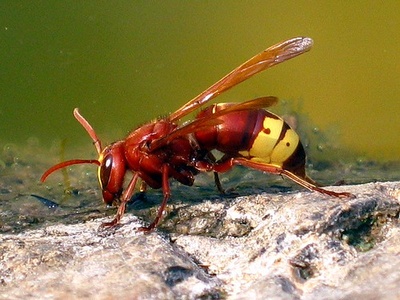
Stinging insects (wasps,hornets,bees)
Wasps, hornets and bees deliver painful stings; allergic reactions can be life‑threatening. Avoid bright clothing, keep food covered and stay calm near nests. Remove visible stinger, cold compress, antihistamines for minor reactions; use epinephrine and call emergency services for breathing or anaphylaxis.
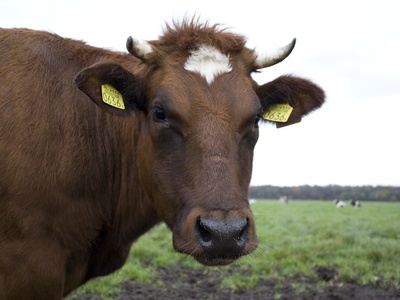
Cattle (cow,bull)
Grazing cows and bulls in summer pastures can charge, especially if dogs or calves are nearby. Keep dogs leashed, give animals a wide berth and detour from herds. If attacked, move to safe ground, control bleeding, immobilize fractures and seek urgent medical care.

Domestic dog (aggressive/free‑roaming)
Dog bites cause punctures, lacerations and infection; free‑roaming or unfamiliar dogs sometimes attack. Avoid approaching unknown dogs, don’t run and ask owners for control. For bites, wash and irrigate wound, apply pressure if bleeding, seek medical care for stitches, antibiotics and tetanus as needed.
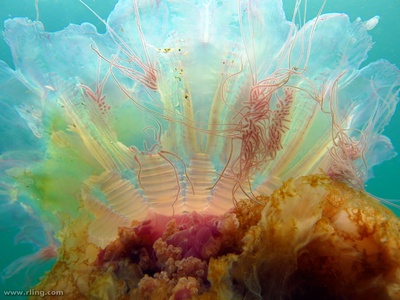
Lion’s mane jellyfish
Large scyphozoan jellyfish found off Swedish coasts; tentacle stings cause intense pain, skin irritation and rarely systemic symptoms. Watch local beach warnings and wear protection. Rinse with seawater, remove tentacles with gloved hand or stick, hot water immersion or pain relief, seek care for severe reactions.
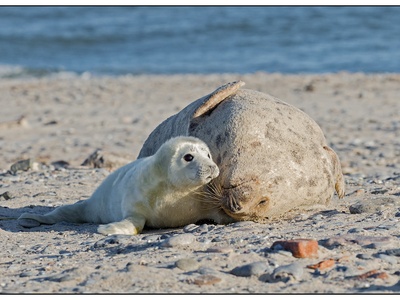
Grey seal
Coastal seal species; generally shy but can bite or cause injury if cornered, especially near pups or when fed. Keep distance, avoid boats close to haul-outs. After bites, control bleeding, clean wounds thoroughly, seek medical care; marine bacteria can cause serious infections requiring antibiotics.