The Marshall Islands are a scatter of low coral atolls where salt spray, wind and thin soils shape a distinctive coastal flora; those conditions mean the islands’ plants are hardy, often salt-tolerant, and tightly tied to specific habitats like beach strands and lagoon edges. Walking an atoll shows how vegetation patterns follow sand, rock and freshwater lenses more than elevation.
There are 12 The Marshall Islands’ native plants, ranging from Beach cordia to Tree heliotrope. For each one, the entry below lists Scientific name, Endemic/native, and Primary habitat so you can quickly compare which species are local, which are widespread, and where they grow—you’ll find below.
How can I identify these native plants when visiting an atoll?
Look first at habitat (beach, coastal forest, inland shrub), then note leaf shape, flower color and growth form—trees, shrubs or groundcover; many coastal species have thick, salt-shedding leaves. Use photos and local field guides, compare with the Scientific name in the list, and take GPS-tagged photos to confirm later with experts or online plant ID resources.
Are any of these species endemic or at conservation risk?
Yes—some entries are endemic or have restricted ranges and are vulnerable to habitat loss, invasive plants and sea-level rise; the Endemic/native column flags those. Check local conservation resources or botanical surveys for up-to-date status before collecting or disturbing plants.
The Marshall Islands’ Native Plants
| Common name | Scientific name | Endemic/native | Primary habitat |
|---|---|---|---|
| Beach naupaka | Scaevola taccada | Native | Coastal strand and dune |
| Pemphis | Pemphis acidula | Native | Coastal rock and strand |
| Screw pine | Pandanus tectorius | Native | Coastal strand and inland thickets |
| Beach hibiscus | Hibiscus tiliaceus | Native | Coastal strand and lagoon margins |
| Sea gardenia | Guettarda speciosa | Native | Coastal strand and inland forest margins |
| Mastwood | Calophyllum inophyllum | Native | Coastal strand and inland grove |
| Tree heliotrope | Tournefortia argentea | Native | Coastal strand and dunes |
| Beach morning-glory | Ipomoea pes-caprae | Native | Coastal strand and dunes |
| Sea purslane | Sesuvium portulacastrum | Native | Coastal strand and salt flats |
| Beach cordia | Cordia subcordata | Native | Coastal strand and inland groves |
| Sea poison tree | Barringtonia asiatica | Native | Coastal strand and lagoon edges |
| Coastal spinifex | Spinifex sericeus | Native | Dunes and coastal strand |
Images and Descriptions

Beach naupaka
Shrubby coastal plant with fleshy leaves and distinctive fan-shaped white flowers. Widespread on Marshall Islands atolls, it stabilizes sandy shores and tolerates salt spray. Not endemic; locally common but vulnerable to severe coastal development and storm overwash.
Pemphis
Low, hardy shrub on rocky shorelines and reef flats with thick opposite leaves and gnarled stems. Found across atolls where it reduces erosion. Not endemic; populations are generally stable though threatened by shoreline disturbance and sand mining.
Screw pine
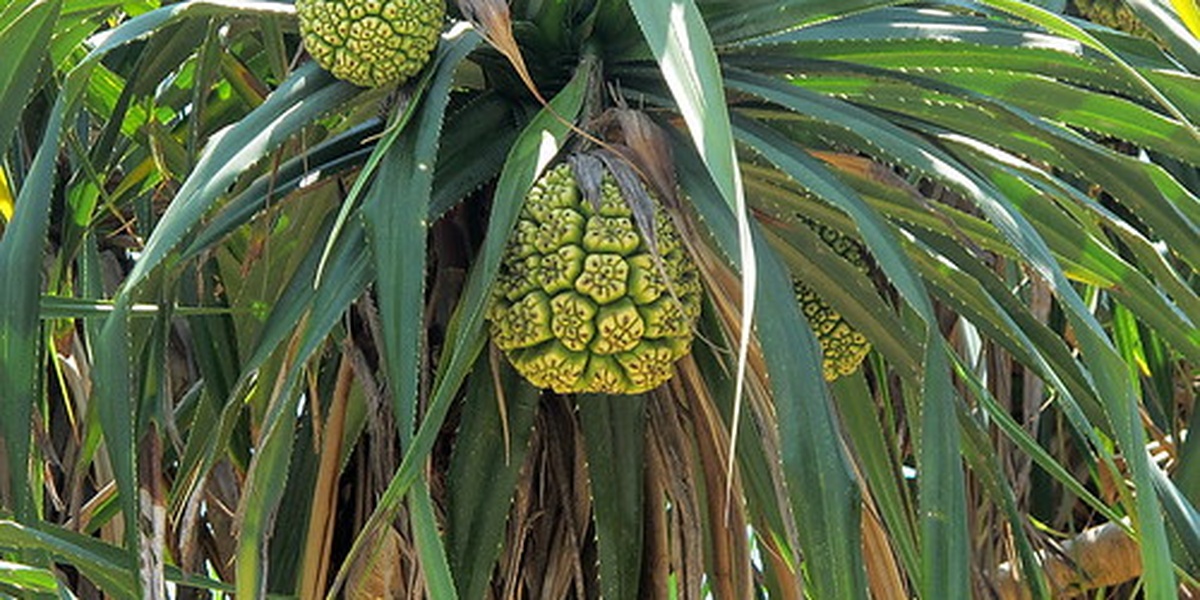
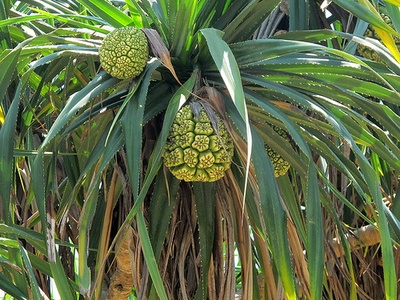
Stilt-rooted tree with long spiral leaves and pineapple-like fruit; forms dense groves on atoll margins. Widespread in the Marshall Islands and used for weaving and food. Not endemic; culturally important and susceptible to clearing.
Beach hibiscus
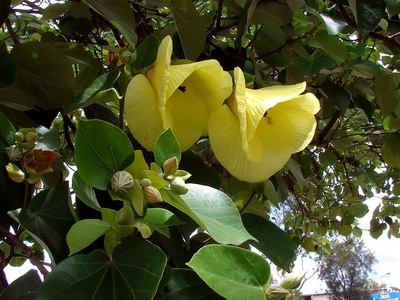
Small tree with heart-shaped leaves and yellow-orange blooms, often planted for shade and windbreaks. Common on many atolls. Not endemic; tolerant of coastal conditions but declines where coasts are altered.
Sea gardenia
Small tree with large ovate leaves and fragrant white tubular flowers that attract pollinators. Found on shorelines and inner islets. Not endemic; persists but can decline with habitat loss and invasive species.
Mastwood
Broad-leaved evergreen with glossy leaves, fragrant flowers and buoyant nuts. Occurs on larger islets and atoll interiors, used for timber and oil. Not endemic; sensitive to clearing and coastal modification.
Tree heliotrope
Evergreen small tree with silvery foliage and clusters of white flowers; common on windward shores and dunes where it stabilizes sand. Not endemic; typically common but susceptible to storm damage and shoreline change.
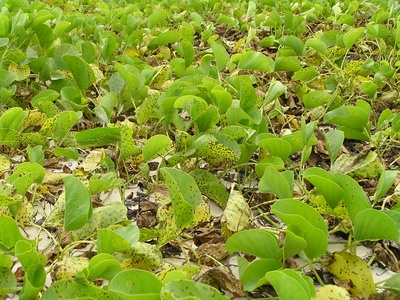
Beach morning-glory
Trailing succulent vine with funnel-shaped flowers and thick stems that form mats on sandy beaches. Widespread across Marshall Islands, key dune stabilizer. Not endemic; resilient but vulnerable to trampling and development.
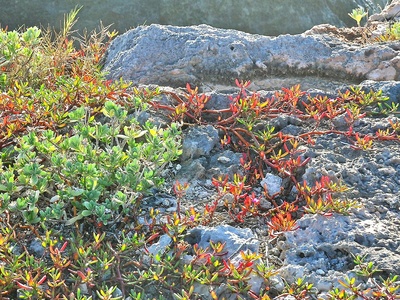
Sea purslane
Low succulent groundcover with reddish stems and fleshy leaves forming dense mats on salt flats and beach edges. Very common and salt-tolerant, important for sediment stabilization. Not endemic; generally secure.
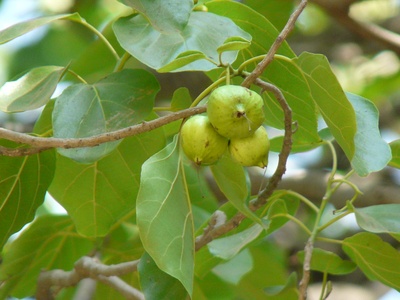
Beach cordia
Small tree with orange to red tubular flowers and smooth grey bark; produces buoyant seeds that disperse by water. Found across atolls and valued for wood and carving. Not endemic; populations stable but locally reduced.
Sea poison tree
Large coastal tree with distinctive box-like fruits and white tassel flowers; seeds disperse by water and it grows on lagoon margins. Present on some atolls’ shores. Not endemic; vulnerable where shorelines are heavily altered.
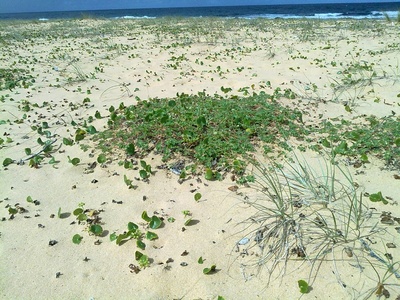
Coastal spinifex
Perennial grass forming hummocks with long wiry leaves and spiny seedheads that colonize shifting dunes. Widespread across atolls and important for dune formation. Not endemic; durable but sensitive to heavy human trampling.