Chad’s landscapes — from the Lake Chad basin to Sahelian plains and riparian strips — host a wide mix of tree species that support local communities, livestock and wildlife. Many are adapted to dry seasons and variable soils, making them important for fuel, shade and erosion control.
There are 28 Trees of Chad, ranging from African birch to Winter thorn. For each entry the list includes Scientific name,Height (m),Distribution in Chad; you’ll find below.
How can I identify these trees when I’m in the field?
Start with simple traits: leaf shape, bark texture, overall height and typical habitat. Use the Scientific name and Height (m) columns to match what you see, and check Distribution in Chad to narrow species by region. Carry a small hand lens and a notebook or take photos of leaves and bark for later verification.
Which species on the list need conservation attention in Chad?
Some trees face pressure from overcutting, grazing and agricultural expansion, especially those with limited distributions. Use the Distribution in Chad column to spot narrowly distributed species, then consult local conservation reports or NGOs for up-to-date status and recommended actions.
Trees of Chad
| Common name | Scientific name | Height (m) | Distribution in Chad |
|---|---|---|---|
| Gum arabic tree | Senegalia senegal | 6-12 | Sahel |
| Red acacia | Vachellia seyal | 6-12 | Sahel, riverine |
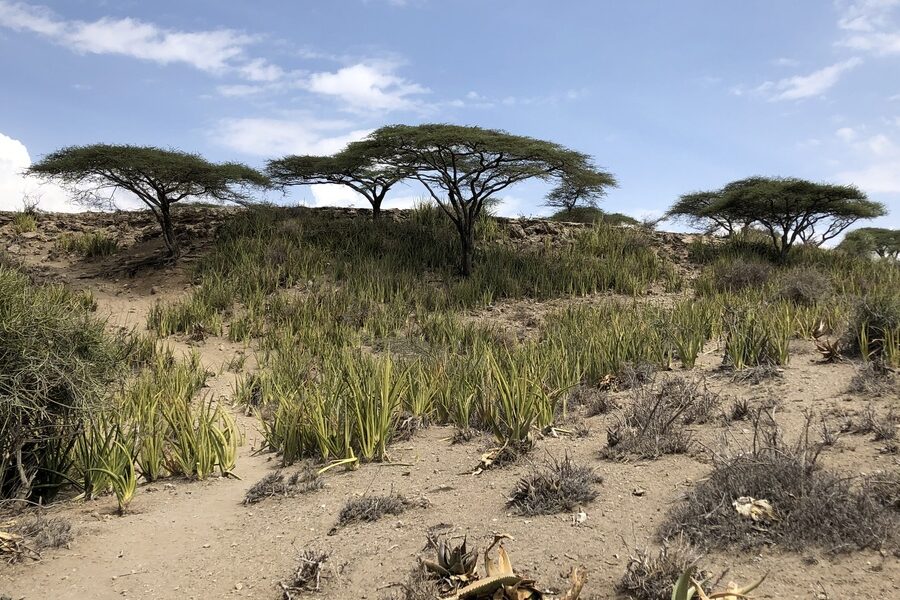
| Umbrella thorn | Vachellia tortilis | 6-12 | Sahel, Sudanian fringe |
| Babul (Nilotic acacia) | Vachellia nilotica | 8-15 | Sahel, riverine |
| Winter thorn | Faidherbia albida | 10-15 | Sahel, Sudanian |
| Desert date | Balanites aegyptiaca | 6-12 | Sahel, Sahara margins |
| Baobab | Adansonia digitata | 6-25 | Sahel, Sudanian |
| African locust bean | Parkia biglobosa | 8-20 | Sahel, Sudanian |
| Sweet detar | Detarium microcarpum | 6-15 | Sahel, Sudanian |
| Mesquite | Prosopis juliflora | 5-12 | Sahel, disturbed areas |
| Christ’s thorn jujube | Ziziphus spina‑christi | 5-10 | Sahel, Sahara margins |
| Shea | Vitellaria paradoxa | 10-18 | Sahel, Sudanian fringe |
| Marula | Sclerocarya birrea | 5-12 | Sudanian |
| African ebony | Diospyros mespiliformis | 8-20 | Sudanian, gallery forest |
| African mahogany | Khaya senegalensis | 20-30 | Sudanian |
| Camel’s foot tree | Piliostigma reticulatum | 4-10 | Sahel, Sudanian |
| Saxla (Boscia) | Boscia senegalensis | 3-8 | Sahel |
| African birch | Anogeissus leiocarpa | 10-20 | Sudanian, gallery forest |
| Neem | Azadirachta indica | 10-20 | Sahel, Sudanian (naturalized) |
| Tamarind | Tamarindus indica | 10-20 | Sudanian, cultivated/naturalized |
| River red gum | Eucalyptus camaldulensis | 20-35 | Sahel riverine, cultivated/naturalized |
| Combretum glutinosum | Combretum glutinosum | 6-12 | Sahel |
| Terminalia avicennioides | Terminalia avicennioides | 6-12 | Sahel, Sudanian |
| African grape | Lannea microcarpa | 8-15 | Sahel, Sudanian |
| African rosewood | Pterocarpus erinaceus | 10-18 | Sahel (localized) |
| Afzelia | Afzelia africana | 20-30 | Sudanian |
| Jujube (Indian) | Ziziphus mauritiana | 3-10 | Sahel, cultivated/naturalized |
| Spiny monkey orange | Strychnos spinosa | 3-8 | Sudanian, gallery forest |
Images and Descriptions
Gum arabic tree
Small thorny tree with pinnate leaves and pale yellow flowers; common across Chad’s Sahel belt. Source of gum arabic, fodder and fuelwood. Tolerant of drought but threatened by overexploitation and land clearance; locally conserved for livelihoods.
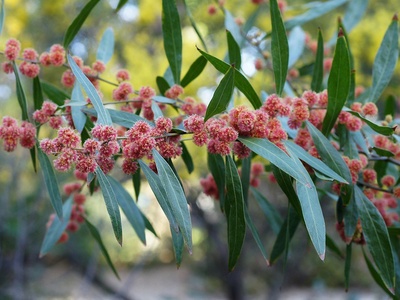
Red acacia
Short-stemmed acacia with rough bark and dense pods, found along seasonal rivers and wadis. Provides shade, tannins and fodder. Resilient to dry soils but pressure from charcoal production and grazing can reduce populations.
Umbrella thorn
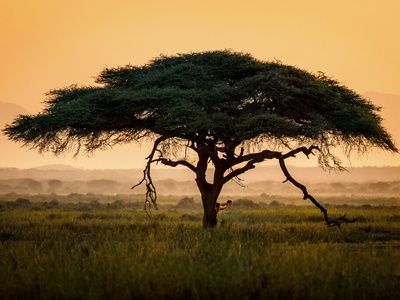
Flat-topped thorn tree characteristic of open Sahelian woodlands. Identified by umbrella canopy, small pinnate leaves and hooked thorns. Important for browse and shade; declining locally where woodland is cleared for agriculture.

Babul (Nilotic acacia)
Spiny, water-loving acacia with dense pods and fragrant flowers along rivers and wetlands. Used for timber, medicine and tannins. Locally resilient but riverside clearance and overuse threaten some stands.
Winter thorn
Deciduous tree notable for reversing leaf phenology (leafless in wet season). Planted and wild in agroforestry parklands, improves soils and provides fodder. Highly valued; sustainable management is key to persistence.
Desert date
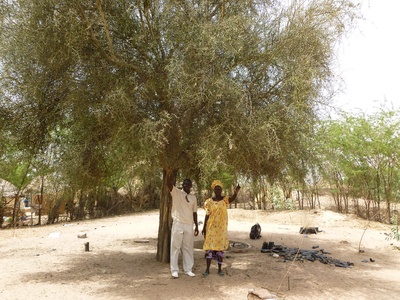
Spiny tree with pinnate leaves and olive-like fruits; occurs in dry plains and rocky soils. Fruits eaten, oil and traditional medicines produced. Drought-hardy but overharvest and land conversion reduce local populations.
Baobab
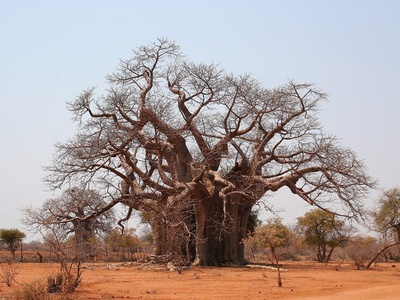
Massive trunked baobab recognizable by huge swollen trunk and palmate leaves. Produces edible pulp and fibers, water stores in trunk. Cultural and nutritional importance; large old trees are often protected but regeneration is affected by grazing.
African locust bean
Broad-crowned tree with hanging pods; seeds fermented into néré, an important protein-rich food. Prefers parklands and savannas. Overharvesting of pods and land conversion threaten local stands; culturally protected in many villages.
Sweet detar
Medium tree with dense crown and hard-shelled fruits eaten locally; wood used for tools. Found in savanna and gallery forests. Vulnerable to overcollection and habitat loss though widespread across traditional agroforestry areas.
Mesquite
Introduced invasive small tree now naturalized in many dry areas; thorny with pods that spread readily. Provides fuel and fodder but outcompetes native species and alters soils; considered a management problem in parts of Chad.
Christ’s thorn jujube
Tough small tree with thorny branches and glossy leaves; deep-rooted in arid plains and wadis. Fruits eaten and trees used for shade. Highly drought-tolerant but young saplings are vulnerable to browsing.
Shea
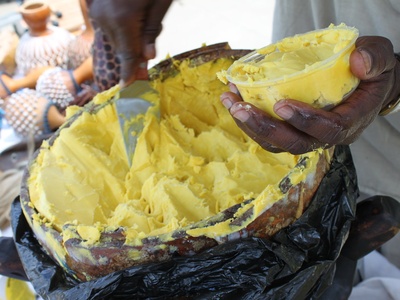
Iconic savanna tree producing shea nuts, processed into butter used locally and internationally. Distinctive rough bark and dense crown in parklands. Protected by communities but threats include land clearance and unsustainable harvesting.
Marula
Medium deciduous tree with compound leaves and yellow fruits eaten fresh or processed. Found in wooded savannas and riverine strips. Valued for food and oil; local use and habitat change influence conservation status.
African ebony
Hardwood tree with smooth bark and edible fruits; occurs in riverine and wooded savanna. Timber valued for carving; overexploitation and deforestation can reduce populations, especially near settlements.
African mahogany
Large forest tree with pinnate leaves and reddish durable timber. Occurs in southern woodlands and gallery forests. Heavily logged for high-quality timber; regional conservation and sustainable use efforts are important.
Camel’s foot tree
Small to medium tree with compound leaves and rounded pods; common in dry savannas and parklands. Used for fodder, fuel and traditional medicine. Locally abundant but sensitive to heavy grazing and fire.
Saxla (Boscia)
Small drought-tolerant tree/shrub with simple leaves and edible seeds (hanza). Grows on arid plains and favoured by pastoral communities. Important famine food and income source; overharvest and land degradation threaten some populations.
African birch
Tall tree of gallery forests with flaky bark and winged seeds. Valued for timber, tannins and traditional medicines. Habitat loss from conversion to agriculture is a primary threat in southern Chad.
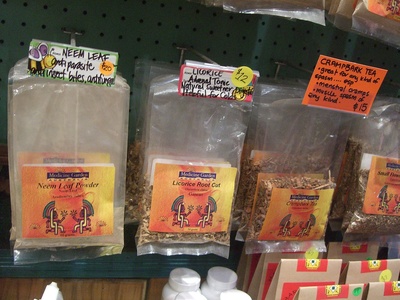
Neem
Introduced from Asia but widely naturalized; pinnate leaves and fragrant white flowers. Used for medicine, agroforestry and shade. Often planted and spreading; not native but important for local livelihoods and erosion control.
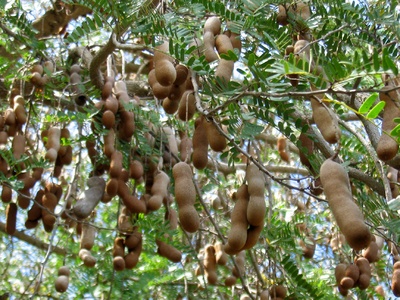
Tamarind
Large fruiting tree with feathery leaves and sour pods used in cooking. Common in villages and market gardens; cultivated and naturalized in southern Chad. Valuable food tree though mostly managed rather than wild.
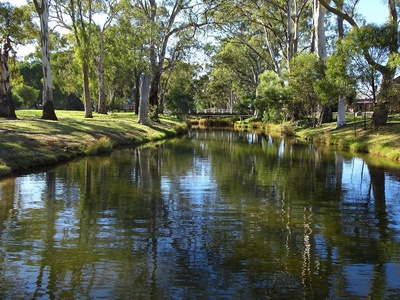
River red gum
Introduced Australian species widely planted near watercourses for timber and shade. Fast-growing and drought-tolerant, sometimes naturalized. Benefits include fuelwood and poles; concerns include groundwater impacts and competition with natives.
Combretum glutinosum
Hardy small tree of Sahelian woodlands with dense crown and winged seeds. Used for fuel, shade and traditional medicine. Survives in coarse soils; local clearing for agriculture can reduce its extent.
Terminalia avicennioides
Deciduous tree of savannas and gallery forests, identifiable by oblong leaves and winged fruit. Used for timber, shade and medicine. Habitat loss and selective logging locally reduce mature trees.
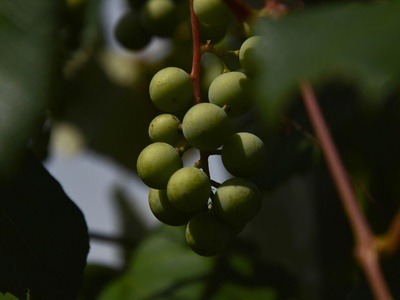
African grape
Medium tree with pinnate leaves and edible fruits; grows in savannas and parklands. Fruit and bark used locally for food and medicine. Populations face pressure from land conversion and heavy fruit collection.
African rosewood
Hardwood tree of dry savannas with bright flowers; valued for quality timber and dyes. Present in parts of the western Sahel and recorded in neighboring regions; overexploitation and illegal logging are major threats.
Afzelia
Large canopy tree of southern woodlands with heavy, valuable timber. Found in more humid southern Chad. Subject to logging pressure; regeneration slow where seed collection and clearance occur.
Jujube (Indian)
Introduced jujube tree producing edible fruits, commonly cultivated and naturalized around settlements. Useful for food and fencing. Often managed in agroforestry but not a native species; spread varies regionally.
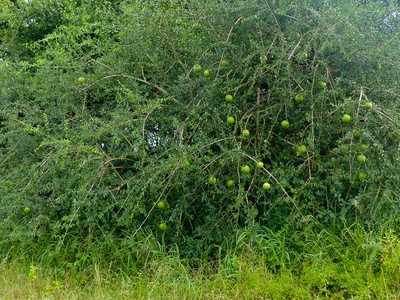
Spiny monkey orange
Spiny small tree bearing large orange fruits eaten locally. Grows in woodland and riverine habitats. Fruits are valued; threats include habitat loss and fluctuating fruit harvest pressures.