Brazil’s landscapes—from the flooded várzeas of the Amazon to the dry Cerrado plains and the coastal Atlantic Forest—support a wide variety of mammal species and ecosystems. This list gathers those species to give a clear picture of distribution and conservation priorities across Brazil’s major habitats.
There are 54 Mammals of Brazil, ranging from Agouti to White-lipped peccary. For each, you’ll find below Scientific name,IUCN status,Range (Brazil regions/biomes).
How current are the IUCN statuses shown here?
The IUCN status column reflects assessments available at the time this list was compiled, but statuses can change with new research; for the latest updates check the IUCN Red List and Brazil’s national conservation databases. Use the IUCN status here as a starting point and verify before citing or making management decisions.
Which regions in Brazil host the most species on this list?
Species richness is highest in the Amazon, followed by the Atlantic Forest and Cerrado, though each biome has unique endemics and threatened species; consult the Range (Brazil regions/biomes) column below to target particular habitats or plan fieldwork.
Mammals of Brazil
| Common name | Scientific name | IUCN status | Range (Brazil regions/biomes) |
|---|---|---|---|
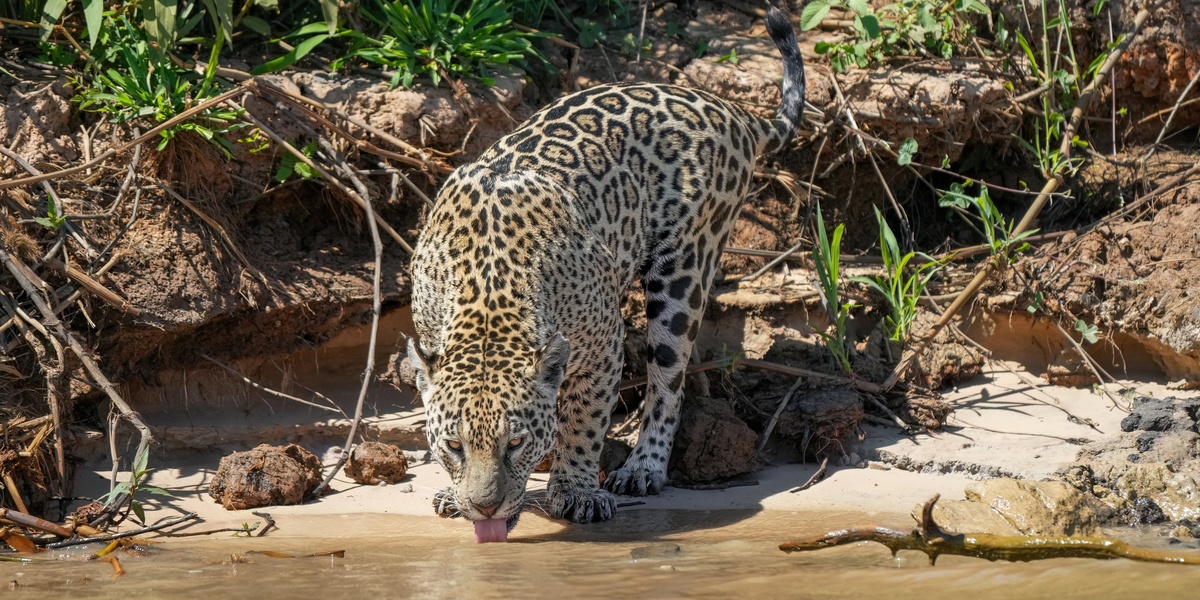
| Jaguar | Panthera onca | Near Threatened | Amazon, Pantanal, Cerrado, Atlantic Forest |
| Puma | Puma concolor | Least Concern | Widespread: Amazon to Pampas |
| Ocelot | Leopardus pardalis | Least Concern | Amazon, Pantanal, Atlantic Forest |
| Margay | Leopardus wiedii | Near Threatened | Atlantic Forest, Amazon |
| Oncilla | Leopardus tigrinus | Vulnerable | Atlantic Forest, Cerrado, Amazon edges |
| Maned wolf | Chrysocyon brachyurus | Near Threatened | Cerrado, Pampas, Pantanal |
| Bush dog | Speothos venaticus | Vulnerable | Amazon, Pantanal, Atlantic Forest |
| Giant otter | Pteronura brasiliensis | Endangered | Amazon rivers, Pantanal |
| Neotropical otter | Lontra longicaudis | Near Threatened | Rivers, coastal south and southeast Brazil |
| Crab-eating fox | Cerdocyon thous | Least Concern | Widespread: Cerrado, Pantanal, Amazon |
| Tayra | Eira barbara | Least Concern | Amazon, Atlantic Forest |
| Coati | Nasua nasua | Least Concern | Atlantic Forest, Cerrado, Amazon, Pantanal |
| Brown-throated sloth | Bradypus variegatus | Least Concern | Atlantic Forest, Amazon |
| Hoffmann’s two-toed sloth | Choloepus hoffmanni | Least Concern | Amazon, Atlantic Forest |
| Giant anteater | Myrmecophaga tridactyla | Vulnerable | Cerrado, Pantanal, Amazon |
| Southern tamandua | Tamandua tetradactyla | Least Concern | Widespread forests and savannas |
| Brazilian tapir | Tapirus terrestris | Vulnerable | Amazon, Atlantic Forest, Pantanal |
| Capybara | Hydrochoerus hydrochaeris | Least Concern | Wetlands across Brazil, Pantanal |
| Pacarana | Dinomys branickii | Near Threatened | Western Amazon forests |
| Brazilian porcupine | Coendou prehensilis | Least Concern | Amazon, Atlantic Forest |
| Agouti | Dasyprocta leporina | Least Concern | Amazon, Atlantic Forest |
| Capuchin (tufted) | Sapajus apella | Least Concern | Amazon, Cerrado, Atlantic Forest |
| Common marmoset | Callithrix jacchus | Least Concern | Northeastern Brazil: Caatinga, Atlantic Forest |
| Golden lion tamarin | Leontopithecus rosalia | Endangered | Atlantic Forest (Rio de Janeiro) |
| Black lion tamarin | Leontopithecus chrysopygus | Endangered | Atlantic Forest (São Paulo) |
| Muriqui (northern) | Brachyteles hypoxanthus | Critically Endangered | Atlantic Forest (southeastern Brazil) |
| Squirrel monkey | Saimiri sciureus | Least Concern | Amazon and northern Brazil |
| Pampas fox | Lycalopex gymnocercus | Least Concern | Southern Brazil, Pampas |
| Nine-banded armadillo | Dasypus novemcinctus | Least Concern | Widespread: Cerrado, Caatinga |
| Giant armadillo | Priodontes maximus | Vulnerable | Amazon, Cerrado |
| Three-banded armadillo | Tolypeutes tricinctus | Vulnerable | Caatinga, Cerrado, northeastern Brazil |
| Common vampire bat | Desmodus rotundus | Least Concern | Widespread: forests, pastures |
| Greater bulldog bat | Noctilio leporinus | Least Concern | Coastal & riverine, Amazon, Pantanal |
| Parnell’s mustached bat | Pteronotus parnellii | Least Concern | Amazon caves & forests |
| Little yellow-shouldered bat | Sturnira lilium | Least Concern | Amazon, Atlantic Forest |
| Amazon river dolphin | Inia geoffrensis | Endangered | Amazon Basin freshwater |
| Tucuxi | Sotalia fluviatilis | Data Deficient | Amazon Basin rivers |
| Humpback whale | Megaptera novaeangliae | Least Concern | South Atlantic migratory, coastal waters |
| Blue whale | Balaenoptera musculus | Endangered | Offshore South Atlantic |
| Sperm whale | Physeter macrocephalus | Vulnerable | Offshore deep waters |
| Bottlenose dolphin | Tursiops truncatus | Least Concern | Coastal waters throughout Brazil |
| Amazonian manatee | Trichechus inunguis | Vulnerable | Amazon freshwater rivers |
| West Indian manatee | Trichechus manatus | Vulnerable | Northeastern coastal mangroves |
| Brazilian guinea pig | Cavia aperea | Least Concern | Grasslands, Cerrado, Pampas |
| Brown howler | Alouatta guariba | Vulnerable | Atlantic Forest, southern Brazil |
| Black howler | Alouatta caraya | Least Concern | Pantanal, Amazon, central Brazil |
| White-lipped peccary | Tayassu pecari | Vulnerable | Amazon, Atlantic Forest, Pantanal |
| Collared peccary | Pecari tajacu | Least Concern | Widespread, forests and scrub |
| Jaguarundi | Herpailurus yagouaroundi | Least Concern | Amazon, Cerrado, Pantanal, Atlantic Forest |
| Short-tailed opossum | Monodelphis domestica | Least Concern | Amazon & adjacent regions |
| Common opossum | Didelphis marsupialis | Least Concern | Widespread: forests, urban edges |
| Gray four-eyed opossum | Philander opossum | Least Concern | Amazon, Atlantic Forest |
| Southern right whale | Eubalaena australis | Least Concern | Southern coast wintering |
| Silvery marmoset | Mico argentatus | Least Concern | Northern Amazon, Maranhão |
Images and Descriptions

Jaguar
Iconic apex predator of Brazil, stalking forests and wetlands from the Amazon to the Pantanal. Faces habitat loss and persecution, but protected areas and corridor projects support recovery. Solitary, powerful swimmer with a spotted coat and varied diet.
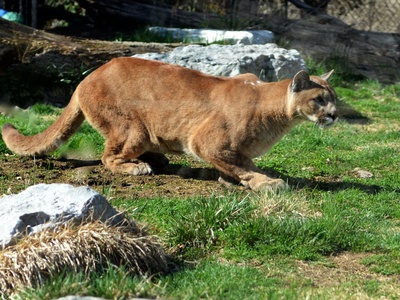
Puma
Adaptable large cat occurring from dense Amazon rainforest to open Pampas. Often avoids humans but suffers from conflict and habitat fragmentation. Solitary and secretive, pumas are versatile predators that help control herbivore populations across many Brazilian ecosystems.
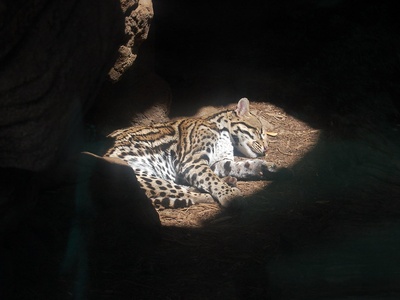
Ocelot
Medium-sized spotted cat found in forests and wetlands; active at night. Ocelots were historically hunted for fur and remain vulnerable to habitat fragmentation and road mortality. A secretive forest specialist and skilled climber and swimmer.
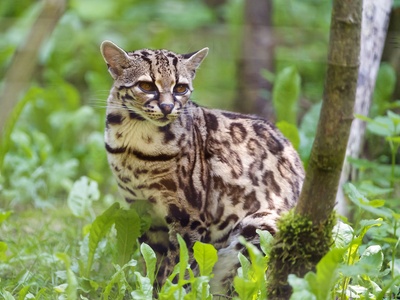
Margay
Small, arboreal spotted cat that lives almost entirely in trees. Margays have exceptional ankle flexibility for climbing. Threatened by deforestation and the pet trade; conservation needs intact canopy and reduced hunting pressure.
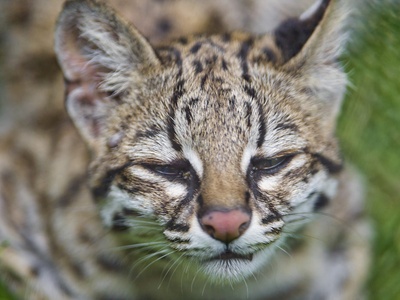
Oncilla
A small, elusive spotted cat of forest understory and fragmented habitats. Oncillas face habitat loss, fragmentation, and persecution. Their secretive nature makes them hard to study, complicating conservation planning in Brazil’s threatened forest regions.
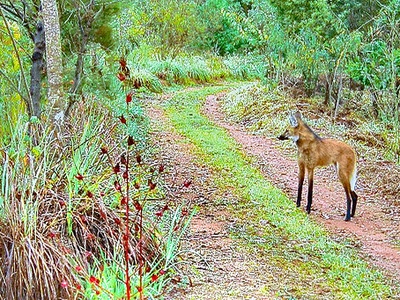
Maned wolf
Tall, long-legged canid of open savanna-like habitats with distinctive mane and omnivorous diet. Main threats include habitat conversion, roadkill, and disease from domestic dogs. Important seed disperser for some fruiting plants.
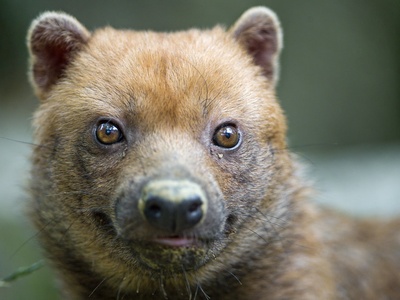
Bush dog
Rare, small pack-hunting dog that prefers wet forests and grasslands. Bush dogs are sensitive to habitat loss and disease. Their secretive pack behavior and low densities make detection difficult, highlighting conservation challenges across Brazil.

Giant otter
Social, charismatic river predator forming family groups and territorial clans. Giant otters suffered severe hunting for pelts and now face habitat degradation and fisheries competition. Protected rivers and reserves are vital for recovery and ecotourism interest.
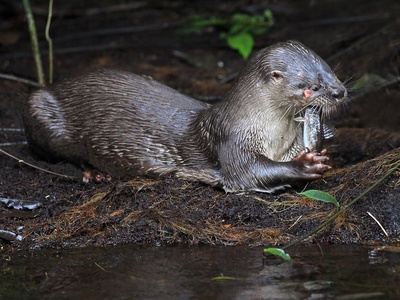
Neotropical otter
Widespread river otter found in freshwater and coastal systems. Threats include water pollution, habitat loss, and fisheries interactions. Solitary and territorial, this otter signals healthy waterways when present.
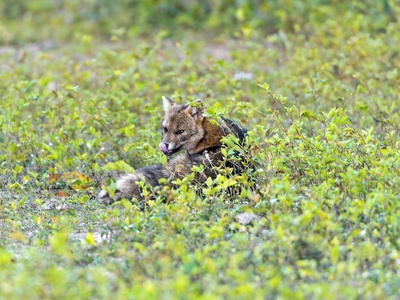
Crab-eating fox
Common adaptable canid that uses forests, savannas, and agricultural edges. Omnivorous and opportunistic, it eats fruits, small animals, and crabs. Tolerant of human-modified landscapes but impacted locally by persecution and disease.
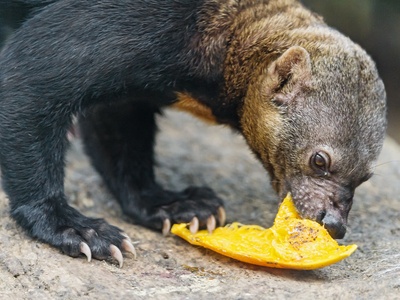
Tayra
Agile, omnivorous mustelid that forages in trees and on the ground. Tayras eat fruits, birds, and small mammals, and are notable prey-handlers. They benefit from large forest blocks but decline with heavy logging and fragmentation.
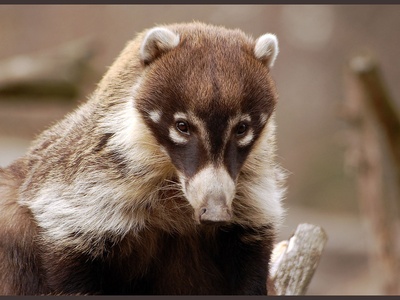
Coati
Social, long-nosed procyonid commonly seen in forests and parks. Coatis are omnivores that forage in trees and on the ground. They adapt well to disturbed habitats but sometimes conflict with humans in urban edges.
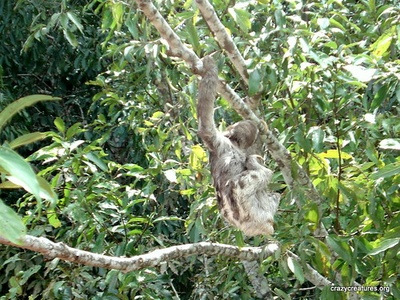
Brown-throated sloth
Slow-moving tree-dweller with algae-streaked fur that hosts a micro-ecosystem. Lives in canopy of humid forests and faces habitat fragmentation and road mortality when forced to descend. Iconic emblem of tropical tree biodiversity.
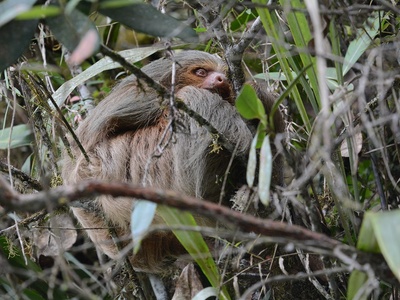
Hoffmann’s two-toed sloth
Larger two-toed sloth favoring dense forest canopy and a more omnivorous diet than three-toed sloths. Vulnerable to deforestation and fragmentation; unusual locomotion and long claws make it an intriguing forest specialist.
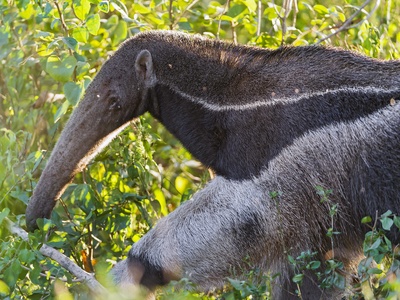
Giant anteater
Distinctive long-snouted insectivore of grasslands and forests that feeds on ants and termites with a sticky tongue. Threatened by habitat loss, road kills, and burning of savannas. Conservation focuses on protected areas and reducing human-wildlife conflict.
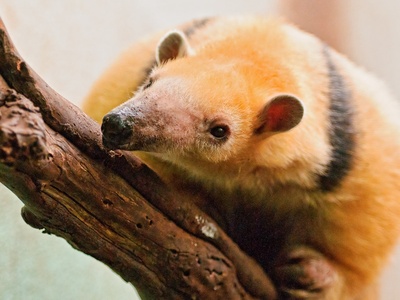
Southern tamandua
Arboreal and terrestrial anteater that uses strong foreclaws to raid termite nests. Occurs across many Brazilian biomes and adapts to disturbed areas, though persecution and vehicle collisions are local threats.
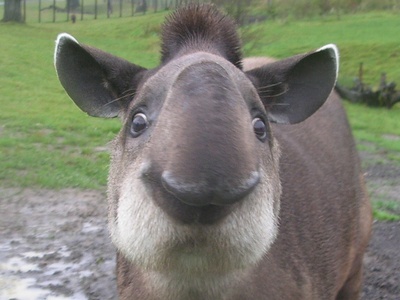
Brazilian tapir
Large browsing mammal crucial for seed dispersal in forests and wetlands. Tapirs are threatened by hunting and habitat fragmentation, but survive in many protected areas; often called a garden of the forest for their role in plant regeneration.
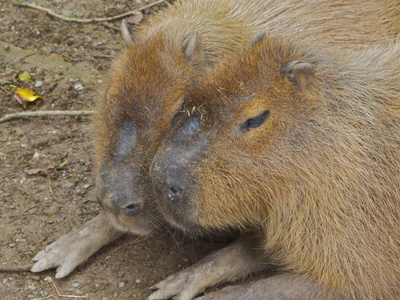
Capybara
World’s largest rodent, highly social and tied to water bodies. Capybaras thrive in wetlands and are hunted locally; they attract predators like jaguars and are a common sight in Brazilian marshes and floodplains.

Pacarana
Large, slow-moving nocturnal rodent of remote Amazon forest slopes and riverine habitats. Pacaranas are seldom seen and vulnerable to habitat loss and hunting. Their ancient lineage makes them of particular scientific interest.

Brazilian porcupine
Arboreal porcupine with prehensile tail, feeds on leaves and fruits. Nocturnal and well-camouflaged, it uses tree hollows and is impacted by heavy deforestation and hunting in some regions.
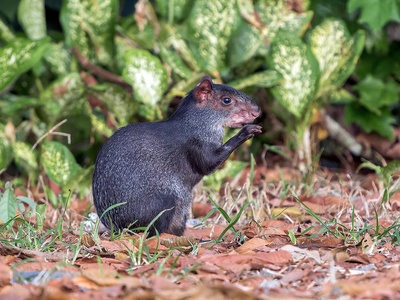
Agouti
Medium-sized rodent that disperses seeds and caches nuts, crucial for forest regeneration. Agoutis tolerate a range of forested habitats but decline where hunting pressures are high and forests are fragmented.
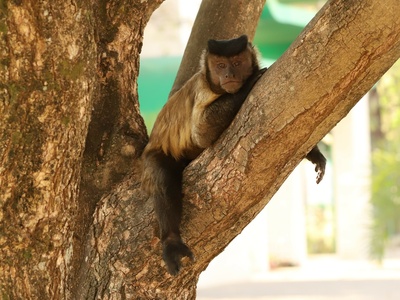
Capuchin (tufted)
Intelligent, dexterous primate often seen using tools and foraging in troops. Capuchins are adaptable but suffer from habitat loss and capture for the pet trade; important for seed dispersal in many Brazilian forests.
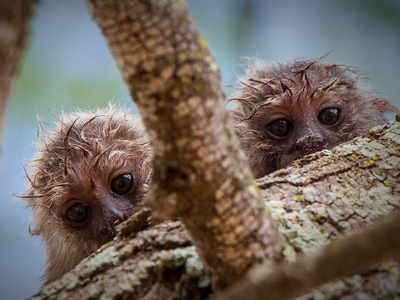
Common marmoset
Small, social primate with twin births and specialized gums for exudate feeding. Native to northeast Brazil, it faces habitat loss and hybridization with introduced marmoset species in some areas.
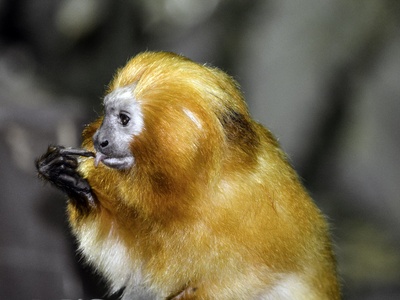
Golden lion tamarin
Striking orange-coated, small arboreal primate endemic to a severely fragmented Atlantic Forest. Intensive captive-breeding and reintroduction programs have aided recovery, but habitat loss and fragmentation remain critical threats.
Black lion tamarin
Endemic, rare tamarin with distinctive black and golden fur restricted to remnant Atlantic Forest fragments. Faces intense habitat fragmentation and relies on protected corridors and reforestation for survival.
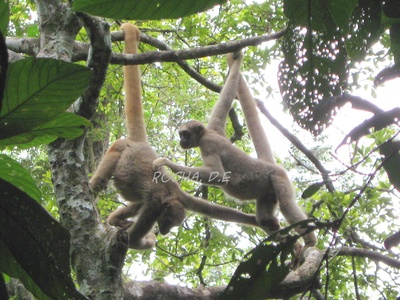
Muriqui (northern)
One of the world’s largest primates, the northern muriqui is highly endangered from forest loss and hunting. Gentle, folivorous, and social, its survival depends on protecting and reconnecting Atlantic Forest remnants.

Squirrel monkey
Active, vocal small primate of riverine and lowland Amazon forests. Squirrel monkeys form large troops and are important seed and insect predators. They face habitat loss and capture, but remain widespread in intact forest.
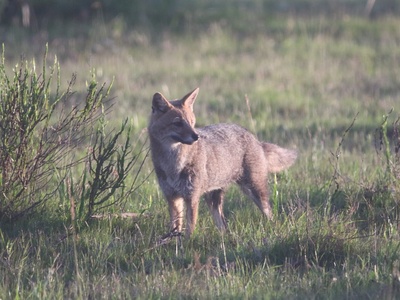
Pampas fox
Small, adaptable canid of grasslands and agricultural landscapes. Pampas foxes feed on rodents, insects, and fruits and are resilient to moderate habitat change but vulnerable to persecution and roadkill in human-dominated areas.

Nine-banded armadillo
Iconic armored mammal that excavates burrows and feeds on insects. Expanding in some areas, nine-banded armadillos are resilient but locally impacted by road mortality and hunting; their digging influences soil and ecosystem processes.
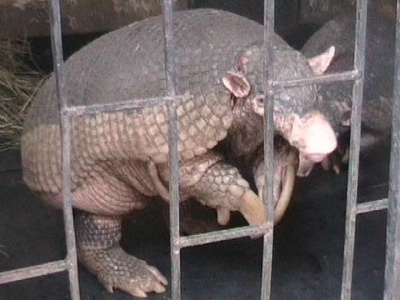
Giant armadillo
Largest armadillo with powerful claws for digging large burrows used by many species. Giant armadillos are rare and vulnerable due to hunting and habitat loss; their burrows are ecological keystone structures in some systems.
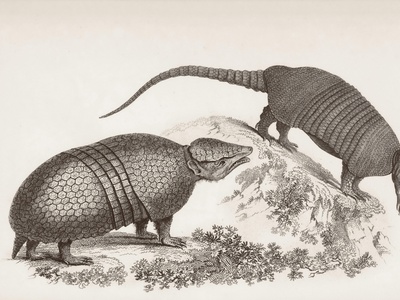
Three-banded armadillo
Unique defensive roller in parts of northeastern Brazil; three-banded armadillos curl into a ball when threatened. Habitat loss and hunting threaten populations, and conservation action focuses on habitat protection and community outreach.
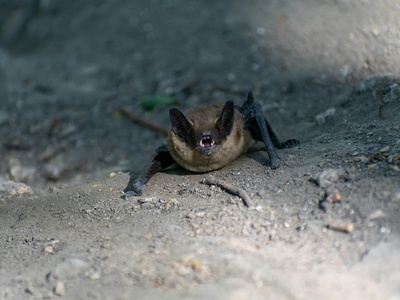
Common vampire bat
Conspicuous blood-feeding bat that roosts in caves and buildings; common vampire bats can transmit rabies to livestock and humans. They are ecologically specialized and persist in altered landscapes where prey and roosts exist.
Greater bulldog bat
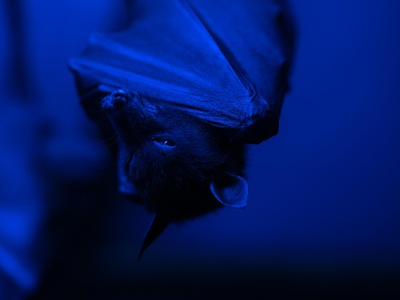
Fish-eating bat that hunts over water using large feet to scoop prey. Found in tropical wetlands and coastal lagoons, it highlights Brazil’s rich aquatic-linked bat fauna and depends on healthy waterways.
Parnell’s mustached bat
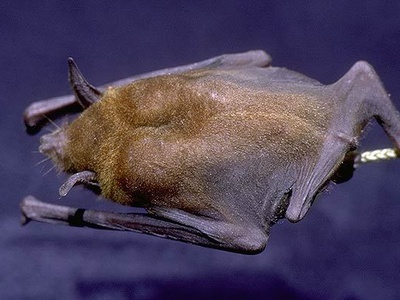
Echolocating insectivorous bat often associated with caves and hollow trees. Important predator of nocturnal insects, it is sensitive to roost disturbance and benefits from cave and forest protection.
Little yellow-shouldered bat
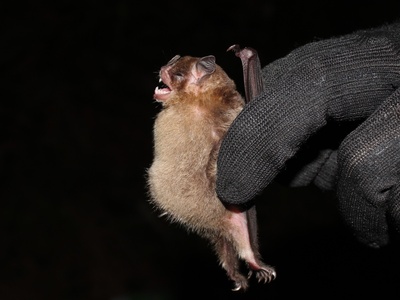
Fruit-eating bat that helps disperse seeds of rainforest plants. Common across forested habitats, these bats are important for ecological regeneration and persist where forest cover remains.

Amazon river dolphin
Pink-hued river dolphin endemic to Amazon tributaries, vulnerable to habitat degradation, pollution, and fishing bycatch. Cultural emblem of Amazon biodiversity and a target for riverine conservation and research initiatives.

Tucuxi
Small freshwater dolphin of Amazonian rivers, often confused with marine relatives. Data on population trends are limited; threats include bycatch, habitat alteration, and pollution in river systems.

Humpback whale
Long-distance migratory baleen whale that breeds off Brazil’s coast. Humpbacks draw whale-watching interest, have recovered from whaling but remain sensitive to ship strikes and entanglement in fishing gear.

Blue whale
Largest animal on Earth, occasional visitor to Brazil’s offshore waters. Blue whales remain globally endangered from historic whaling and present threats like ship strikes and noise; sightings are notable conservation events.

Sperm whale
Deep-diving toothed whale that feeds on giant squid in offshore Brazilian waters. Sperm whales face past whaling impacts, ship strikes, and entanglement; they are important apex predators of the open ocean.

Bottlenose dolphin
Common coastal dolphin often seen near beaches and estuaries. Bottlenose dolphins face habitat degradation, pollution, and fisheries interactions; they are popular in ecotourism and research along Brazil’s coastline.

Amazonian manatee
Fully freshwater manatee endemic to Amazon rivers and floodplains. Vulnerable to hunting, entanglement, and habitat alteration. Gentle herbivore that plays a role in aquatic plant dynamics and merits riverine protection.

West Indian manatee
Coastal and estuarine manatee found in Brazil’s northeastern mangroves. Threatened by boat strikes, habitat loss, and hunting. Conservation includes protected areas, rescue centers, and community education in coastal regions.
Brazilian guinea pig
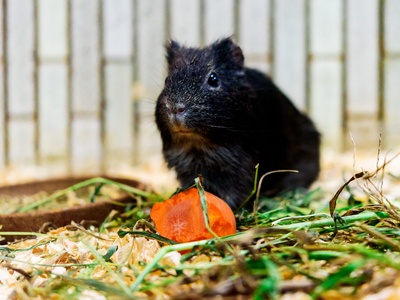
Wild relative of domestic guinea pigs, living in grasslands and scrub. Important seed predator and prey for carnivores, it tolerates open habitats but is sensitive to intense agricultural conversion and fragmentation.
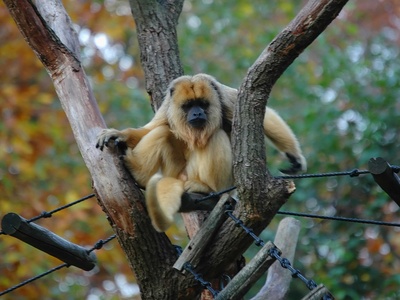
Brown howler
Loud-calling leaf-eating monkey notable for its resonant morning howls. Brown howlers are threatened by deforestation, disease, and fragmentation of the Atlantic Forest; their vocal groups are a hallmark of forest soundscapes.
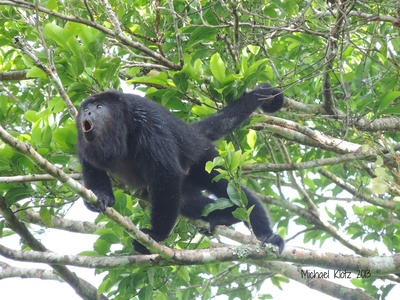
Black howler
Robust howler monkey found in gallery forests and floodplains. Black howlers are folivores with deep calls heard across wetlands, tolerant of some disturbance but reliant on contiguous canopy for movement.
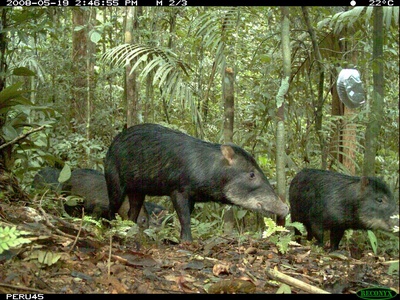
White-lipped peccary
Social, herd-living pig that shapes understory dynamics through rooting and foraging. White-lipped peccaries are sensitive to hunting and habitat loss, causing local extirpations that reverberate through forest ecosystems.
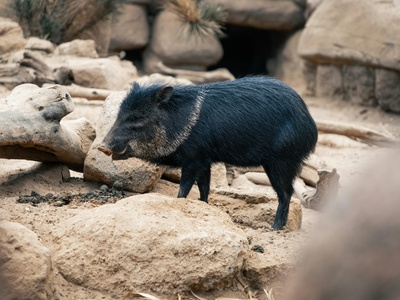
Collared peccary
Resilient pig-like omnivore found in diverse habitats from dry scrub to forests. Collared peccaries form small social groups and are an important prey item for large predators like jaguars.

Jaguarundi
Small, weasel-like wild cat that frequents low vegetation and forest edges. Jaguarundis are versatile hunters of birds and small mammals and tolerate some habitat change, but local declines occur where persecution is intense.
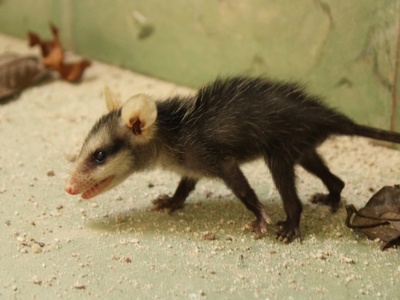
Short-tailed opossum
Small, terrestrial marsupial active at night and feeding on insects and fruits. Short-tailed opossums are common in secondary forests and play roles in insect population control and seed dispersal.
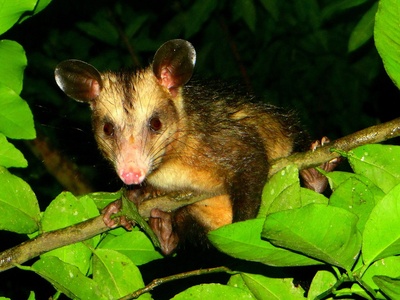
Common opossum
Flexible, nocturnal marsupial often found near human settlements. Omnivorous and resilient, common opossums help control insects and rodents but are susceptible to road mortality and domestic animal diseases.
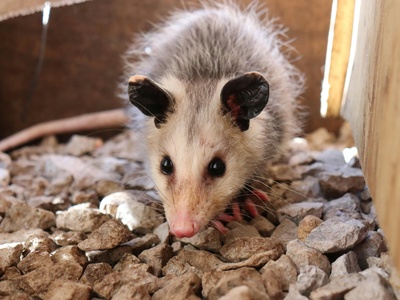
Gray four-eyed opossum
Named for pale spots above the eyes, this arboreal marsupial is nocturnal and omnivorous. It occupies diverse forest habitats and shows resilience in the face of moderate disturbance.

Southern right whale
Large baleen whale that winters along southern Brazil to breed and raise calves. Populations have recovered since whaling and attract tourism, but calves and mothers remain vulnerable to ship strikes and habitat disturbance.
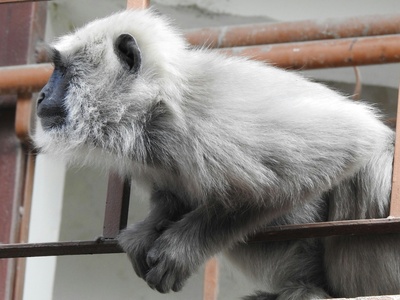
Silvery marmoset
Small insect and gum-feeding primate of northern Amazon patches and gallery forests. Silvery marmosets live in family groups and are sensitive to forest fragmentation; they highlight the diversity of Amazonian primates in Brazil.