Benin’s landscapes—coastline, wetlands, savanna and semi-deciduous forest—support a wide array of plants that play roles in local food systems, medicine and crafts. Seasonal patterns and traditional knowledge shape how people use and recognize these species across the country.
There are 27 Benin’s native plants, ranging from African fan palm to Wild custard apple. For each species you’ll find below Scientific name, Family, Habitat & distribution (Benin), organized so you can quickly see taxonomy and where each plant occurs — a handy reference for field ID or further study you’ll find below.
How can I identify these native plants in the field?
Start with habitat and overall form (tree, shrub, herb, palm), then check leaves, flowers/fruits and bark; compare with the listed Scientific name and Family for precision. Use local common names, photos and a regional field guide or herbarium specimens to confirm tricky cases.
Are any of these plants threatened or regulated in Benin?
Some species face pressure from habitat loss, agriculture and overharvesting; a few may appear on national or international conservation lists. For any concern, consult IUCN listings, Benin’s environmental authorities or local NGOs and avoid collecting protected plants without permission.
Benin’s Native Plants
| Common name | Scientific name | Family | Habitat & distribution (Benin) |
|---|---|---|---|
| Shea | Vitellaria paradoxa | Sapotaceae | Parklands and savannas across central and northern Benin (Guineo‑Sudanian and Sudanian zones) |
| African locust bean | Parkia biglobosa | Fabaceae | Guineo‑Sudanian savanna and parklands in central and northern Benin |
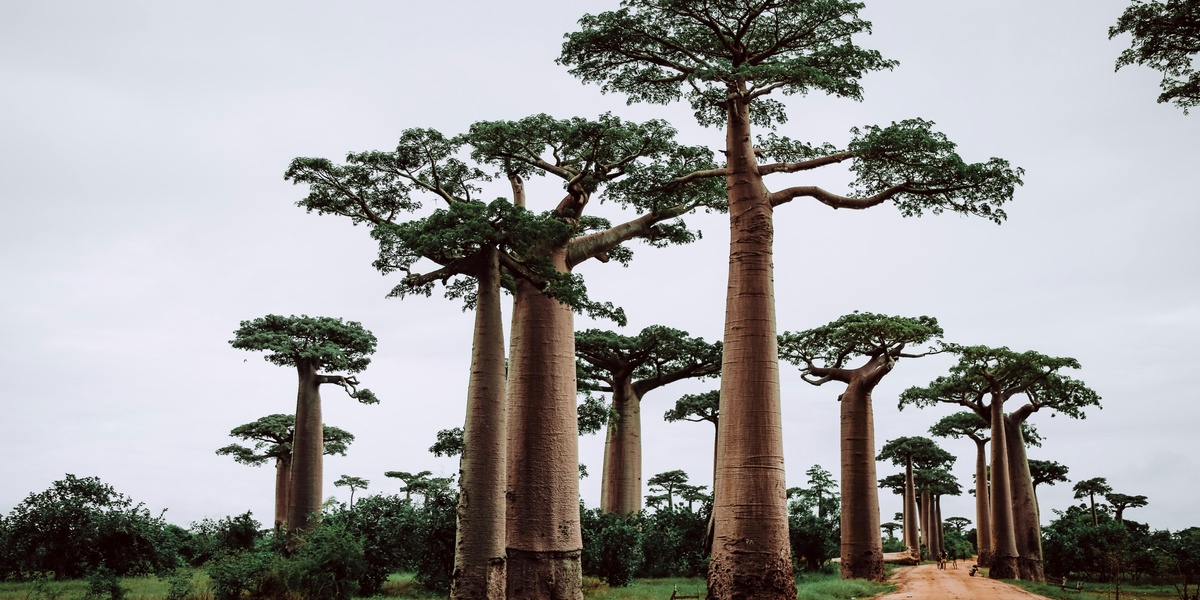
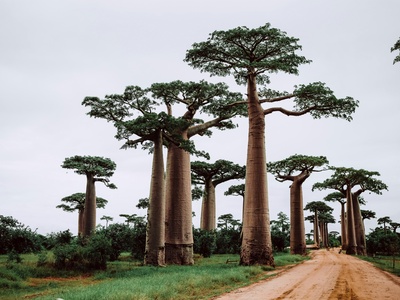
| Baobab | Adansonia digitata | Malvaceae | Sudanian and Guineo‑Sudanian savannas, common in north and protected areas like Pendjari |
| African mahogany | Afzelia africana | Fabaceae | Gallery forests and woodland savannas in central and southern Benin |
| Khaya | Khaya senegalensis | Meliaceae | Riparian zones, floodplains and dry forests in central and northern Benin |
| Pterocarpus (African rosewood) | Pterocarpus erinaceus | Fabaceae | Dry savannas and Sudanian zone in northern Benin, including Pendjari fringe |
| Anogeissus | Anogeissus leiocarpa | Combretaceae | Gallery forests, riverbanks and wooded savannas in central and northern Benin |
| Red kapok | Bombax costatum | Malvaceae | Sudanian savanna and open woodlands in northern Benin |
| Marula | Sclerocarya birrea | Anacardiaceae | Savannas and parklands in central and northern Benin |
| Faidherbia | Faidherbia albida | Fabaceae | Seasonally flooded fields, parklands and Sahel‑Sudanian transition zones in central and northern Benin |
| African fan palm | Borassus aethiopum | Arecaceae | Guineo‑Sudanian and Sudanian savannas, scattered in central and northern Benin |
| Iroko | Milicia excelsa | Moraceae | Remnant moist semi‑deciduous forest patches in southern Benin |
| Waterberry | Syzygium guineense | Myrtaceae | Swampy forest edges, riverine thickets and wetlands in southern Benin |
| Jackalberry | Diospyros mespiliformis | Ebenaceae | Woodland and savanna across central and northern Benin, often near water |
| Black plum | Vitex doniana | Lamiaceae | Wooded savanna, gallery forests and fallows widespread in Benin |
| Prickly ash | Zanthoxylum zanthoxyloides | Rutaceae | Sudanian and Sahelian zones in northern and central Benin |
| Kinkeliba | Combretum micranthum | Combretaceae | Sahelian and Sudanian savannas of northern Benin |
| Terminalia | Terminalia macroptera | Combretaceae | Gallery forests, savanna margins and open woodlands in central and northern Benin |
| Wild custard apple | Annona senegalensis | Annonaceae | Savannas, bushland and forest edges across Benin |
| Sycamore fig | Ficus sycomorus | Moraceae | Riverbanks, sacred groves, villages and parklands throughout Benin |
| Camel’s foot | Piliostigma thonningii | Fabaceae | Sudanian and Guineo‑Sudanian savannas, often on termite mounds and riverbanks |
| Desert date | Balanites aegyptiaca | Balanitaceae | Sahelian to Sudanian zones in northern Benin, dry thorny savannas |
| Kola nut (red) | Cola nitida | Malvaceae | Lowland semi‑deciduous forest fragments and agroforests in southern Benin |
| Kola nut (bitter) | Cola acuminata | Malvaceae | Moist forest patches and traditional agroforestry systems in southern Benin |
| Bush mango | Irvingia gabonensis | Irvingiaceae | Semi‑deciduous forest patches and agroforestry areas in southern Benin |
| Black mangrove | Avicennia germinans | Acanthaceae | Coastal mangrove belts and estuaries along southern Benin (Cotonou lagoon, Sèmè) |
| Red mangrove | Rhizophora racemosa | Rhizophoraceae | Main coastal mangrove channels and tidal creeks of southern Benin |
Images and Descriptions

Shea
Iconic parkland tree up to 15–25m; produces shea nuts used for butter and cooking oil. Culturally important, widely managed in the wild and vital for local livelihoods and soil protection.
African locust bean
Medium tree with long pods; seeds fermented into local condiment (dawadawa). Valuable for shade, fodder and nitrogen‑fixing association; often protected near villages.
Baobab
Massive, long‑lived tree with distinctive trunk; edible leaves, fruit and seed pulp used for food, medicine and water storage in dry seasons.
African mahogany
Large deciduous tree with valuable timber; straight bole and pinnate leaves. Locally used for construction and traditional medicine; vulnerable to overharvest in remnant forests.
Khaya
Tall mahogany family tree prized for durable timber. Found along rivers and gallery forests; bark and seeds used in traditional remedies, populations reduced by logging.
Pterocarpus (African rosewood)
Medium tree with reddish timber used for furniture and drums. Produces flamboyant yellow flowers; heavily harvested and considered threatened across its range.
Anogeissus
Hardwood tree with flaky bark and winged fruit; bark used in tanning and medicine. Important in riverine woodlands and as a source of firewood.
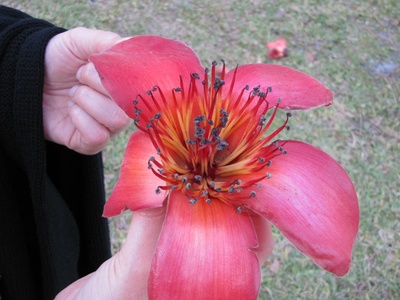
Red kapok
Striking deciduous tree with red, brushlike flowers attracting pollinators. Lightweight fibrous seed hairs once used for stuffing; seasonal leaf drop marks dry season aesthetics.
Marula
Small to medium fruit tree producing tart yellow fruits eaten fresh or fermented into drinks. Seeds yield oil; culturally significant and integrated into agroforestry.
Faidherbia
Unique reverse leaf phenology (leafless in rainy season) makes it ideal for agroforestry. Deep‑rooted, fixes nitrogen and improves cropping soils.
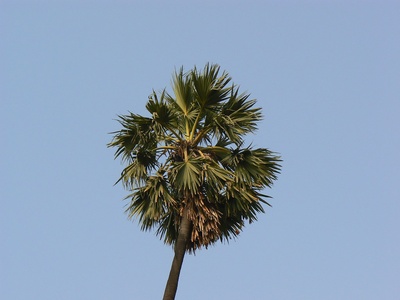
African fan palm
Stately palm with fan leaves and large edible fruits; stems used for construction, leaves for thatch and crafts. Iconic in savanna landscapes.
Iroko
Large, durable timber tree of southern forests. Broad crown and smooth grey bark; historically important source of hard wood, now reduced by logging and habitat loss.
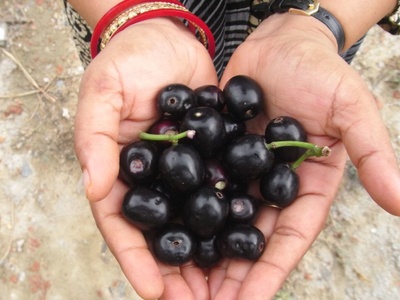
Waterberry
Evergreen shrub or small tree with glossy leaves and edible berries. Often found in wetland margins; fruits eaten fresh and used locally.
Jackalberry
Medium tree with edible sweet fruits and dense dark timber. Important for wildlife food and traditional uses; recognizable by glossy leaves and orange fruit.
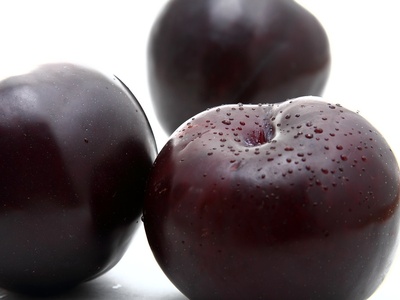
Black plum
Small to medium tree with aromatic leaves and purple edible fruit. Common wild fruit tree used for food, medicine and shade in villages and farms.
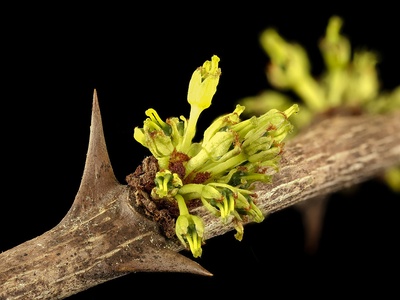
Prickly ash
Spiny shrub used widely in traditional medicine; bark and roots have analgesic and antimicrobial uses. Grows in dry savanna and rocky soils.
Kinkeliba
Multi‑branched shrub known for bitter leaves brewed as a restorative tea. Common in dry savanna; used medicinally and culturally as a tonic.
Terminalia
Deciduous tree with spreading crown and winged fruit. Bark and leaves used in traditional medicine; often found along waterways and degraded forest patches.
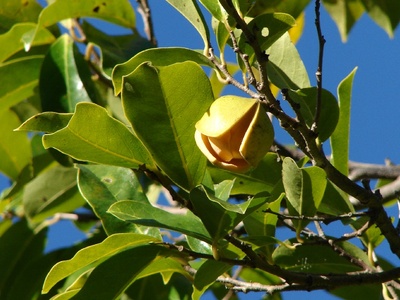
Wild custard apple
Shrub or small tree with fruits eaten fresh; flowers and fruits attract wildlife. Used in traditional medicine for a range of ailments.
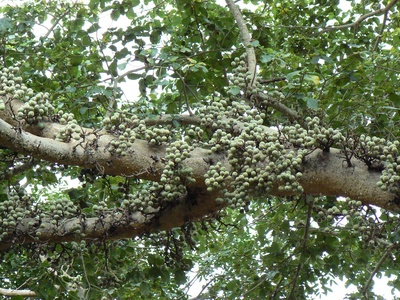
Sycamore fig
Large fig with broad crown and edible figs. Cultural and ecological keystone providing year‑round fruit for people and wildlife; common in settled landscapes.
Camel’s foot
Small tree with distinctive pods and bluish foliage; used for fodder, medicine and fuelwood. Resilient in dry conditions and commonly managed by farmers.
Desert date
Spiny small tree producing oily edible fruits and seeds used for oil extraction. Important in dryland livelihoods and as a drought‑tolerant resource.
Kola nut (red)
Evergreen tree producing caffeinated nuts chewed socially and used in ceremonies; cultivated and wild in remaining forest patches, valued for cultural and economic uses.
Kola nut (bitter)
Closely related kola producing aromatic nuts used in rituals and local trade. Prefers humid lowland forest and shaded farm gardens.
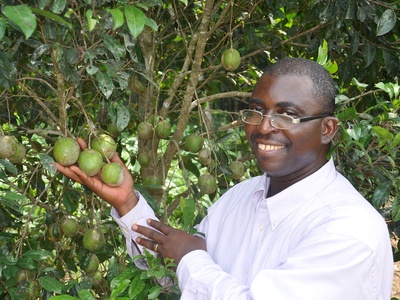
Bush mango
Fruit and seed (dika nut) yield a fatty, thickening ingredient for soups; tree found in remnant forests and farmer‑managed groves, important for income.
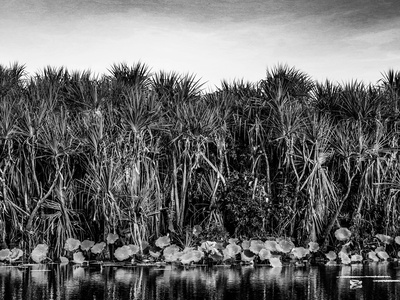
Black mangrove
Salt‑tolerant tree with pneumatophores in tidal flats. Stabilizes coastlines, supports fisheries and provides wood and traditional remedies.
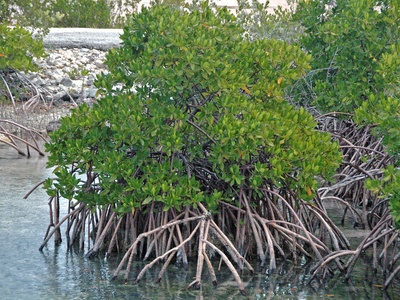
Red mangrove
Distinctive prop‑rooted tree anchoring soft sediments. Critical nursery habitat for fish and crustaceans; common in dense mangrove stands near estuaries.