Many gardeners expect the beds to go quiet after the first frost, but the right selections can provide color, fragrance, and structure from October through March.
Winter often gets a bad reputation as a season of bare branches and beige beds, yet a thoughtful mix of trees, shrubs and grasses keeps yards engaging for months. With thoughtful plant choices you can keep your garden visually compelling all winter long; this guide highlights The best winter interest plants that deliver structure, color, scent, and wildlife value when most other plants are dormant.
Below I group eight top performers by the type of interest they provide—structure, winter bloom and fragrance, and foliage/berries/texture—and include bloom windows, USDA hardiness guidance (zones), landscape uses and quick maintenance tips so you can select the right spot and care routine.
Structural interest: branches, bark and silhouettes
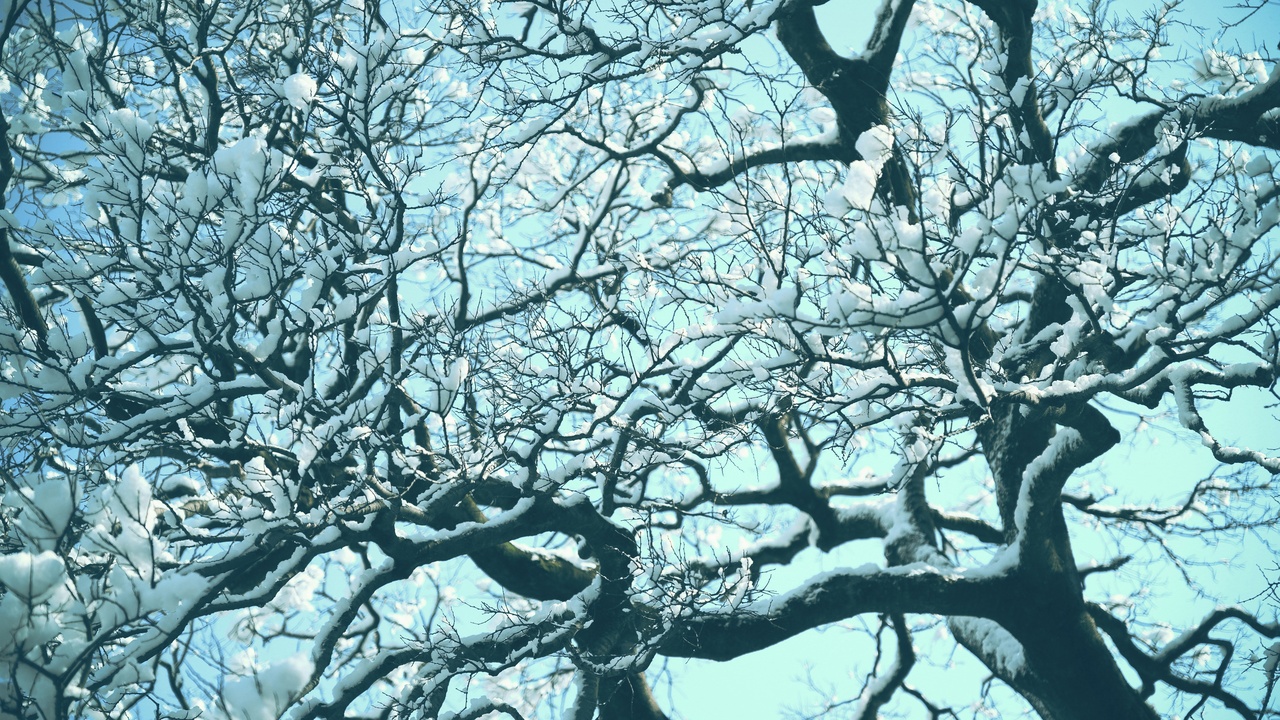
Structure gives a winter garden its backbone: branching patterns, bark color and seed-head silhouettes remain visible long after leaves fall. Place structural specimens near entries, along paths or at the back of mixed borders so their form provides contrast for lower winter-blooming shrubs and grasses.
1. Architectural branches and silhouettes (paper birch, beech)
Some deciduous trees are striking in winter because their branching and bark create bold contrast against snow and evergreens. Betula papyrifera (paper birch) shows bright white bark that can read like sculpture against darker trunks; mature height ranges roughly 40–70 ft, so give it room and use as a single specimen or in a small grove.
Fagus sylvatica (European beech) often retains bronze leaves on young branches into winter, adding warm color and texture; many specimens keep leaves through January–February. Sit both species in full sun to partial shade, space to their mature spread, and prune in late winter (February–March) before spring bud swell to preserve silhouette.
2. Showy bark and colored stems (coral bark maple, red osier dogwood)
Bark and stems can supply mid-winter color even when trunks are leafless. Cornus alba ‘Sibirica’ (red osier dogwood) holds bright red stems through winter; coppice renewal every 2–3 years in late winter (February) brings the most vivid color.
Acer palmatum ‘Sango-kaku’ (coral bark maple) offers coral to salmon stems that glow in snow and pair beautifully with dark evergreens. Plant these at hedge or border height and contrast them with conifers or a snowy lawn for dramatic winter punctuation.
Winter bloom and fragrance: shrubs that flower in cold months
Shrubs that bloom from late fall through early spring deliver color when little else flowers and their scent carries on cold, still air—perfect by doors, along paths or near patios. Siting matters: many early bloomers do best on a sheltered, south- or west-facing wall to avoid damage from late freezes.
Check hardiness (USDA zones) and stagger selections so you get blooms across several months—plant combos that flower from October into March for continuous interest and layered fragrance.
3. Witch hazel and other true winter-bloomers
Hamamelis (witch hazel) produces fragrant, ribbon-like petals in mid- to late winter, providing color and scent in December–February depending on the cultivar. Many hybrid Hamamelis perform well in USDA zones 4–8.
Hamamelis x intermedia ‘Arnold Promise’ commonly flowers in late winter and reaches about 8–15 ft; prune lightly after flowering (late winter) to shape and avoid cutting next season’s flower wood. Plant as a specimen or underplant with hellebores for layered late-winter interest.
4. Hellebores and long-lasting late-winter bloomers
Hellebores (Helleborus spp.) reliably bloom from late winter into spring—often December–April in milder regions—and their flowers can last 6–8 weeks. They tolerate shade and typically reach 12–20 inches tall, ideal for woodland edges or the front of borders.
Try H. niger (Christmas rose) for early white blooms or H. x hybridus for a wide color range. Trim back old leaves in late winter (February–March) to reveal fresh flowers and reduce disease risk.
5. Camellias and evergreen winter-flowering shrubs
Camellias combine glossy evergreen foliage with large, showy flowers. Camellia sasanqua typically blooms October–December and suits USDA zones 7–9, while C. japonica often flowers later (January–March) in mild climates.
Sit camellias in acidic, well-drained soil with afternoon shade in hot regions and provide shelter from drying winter winds. Use them as evergreen backdrops to accent winter-blooming shrubs and grasses.
Foliage, berries and texture: evergreens, fruit and grasses
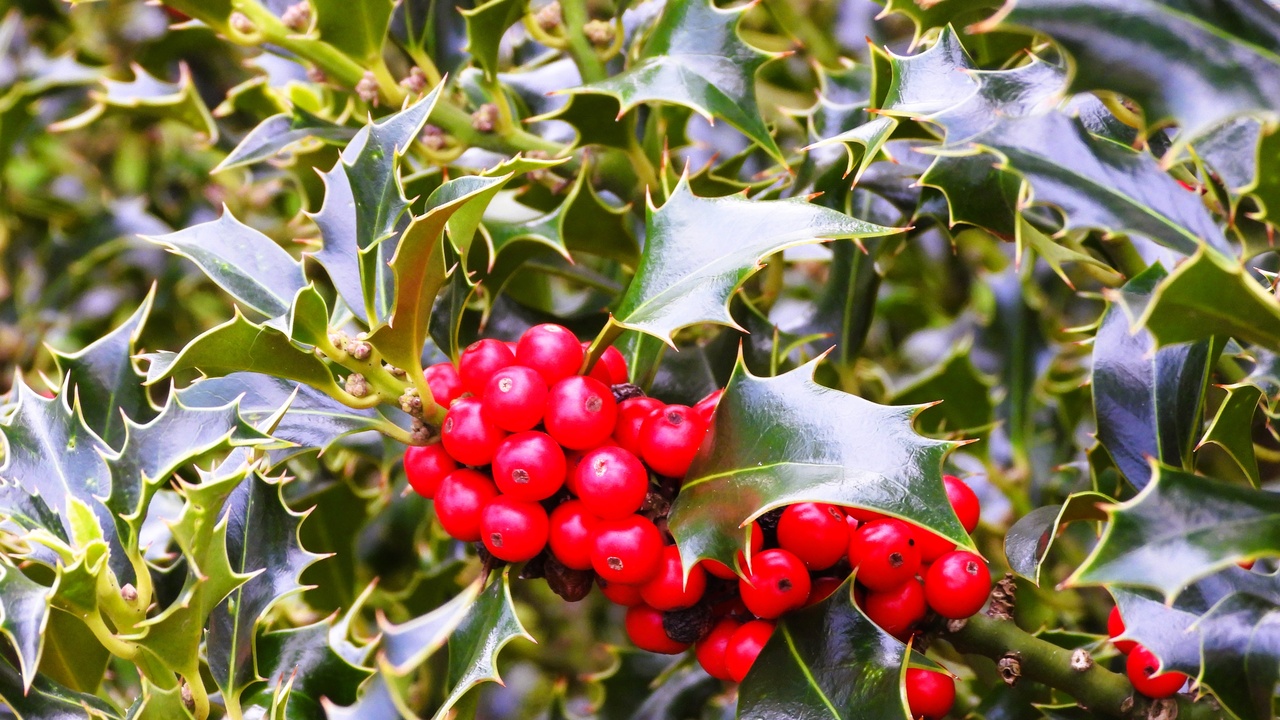
Persistent foliage, colorful berries and seedheads supply week-to-week interest and support wildlife through the cold months. Mix evergreens, berrying shrubs and ornamental grasses to create layers of form, color and movement that last from autumn into spring.
Be mindful of toxicity (holly berries can be harmful to pets) and of how long each species typically holds fruit or plumes; combining varieties ensures continuous winter displays and predictable maintenance.
6. Evergreen shrubs and conifers for year-round structure (boxwood, yew, dwarf conifers)
Evergreens anchor beds with steady color and form. Buxus sempervirens (boxwood) is a classic hedge material—mature sizes vary from about 2–8 ft depending on cultivar—while Taxus baccata (yew) tolerates deep shade and shapes well for formal elements.
Prune boxwood for shaping in late spring or mid-summer and mulch roots in autumn for protection in colder zones (especially below zone 5). Use dwarf conifers for texture and low water demand once established.
7. Berry-bearing shrubs for winter color and wildlife (holly, cotoneaster, pyracantha)
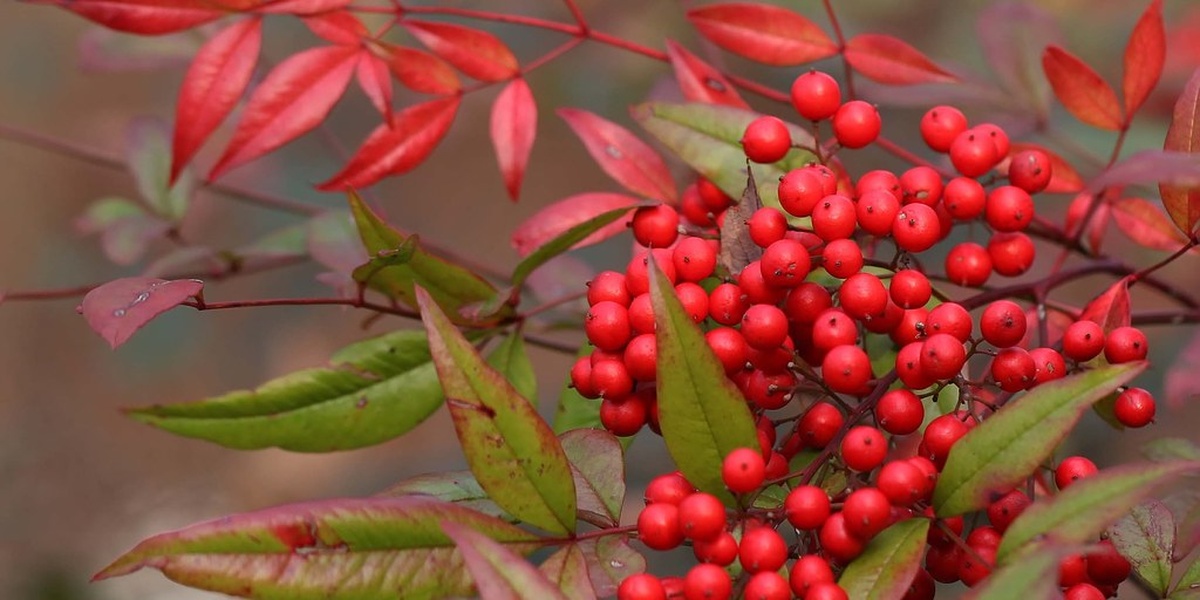
Berries add focal points of red, orange or yellow and feed birds through winter. Ilex aquifolium (holly) often keeps red berries into February–March, while Cotoneaster horizontalis produces abundant small red fruits that attract cedar waxwings and robins.
Pyracantha (firethorn) provides orange berries and thorny habit useful for security hedging. Note toxicity warnings for children and pets with some species; place thorny types away from play areas and prune lightly after fruiting to maintain shape.
8. Ornamental grasses and seedheads for winter texture (Miscanthus, Pennisetum)
Seedheads and plumes give vertical lines and movement, and they catch frost and snow attractively. Miscanthus sinensis holds tall plumes for roughly 3–6 months through late autumn into winter; many cultivars reach 3–6 ft.
Leave stems standing over winter and cut back in early spring (March–April) to reveal fresh growth. Use grasses in masses or at the back of borders to provide rhythm and to set off structural trees and evergreen shrubs.
Summary
- Choose plants that offer structure, winter bloom and texture so the yard stays interesting from October through March.
- Mix evergreens (boxwood, yew), winter-blooming shrubs (witch hazel, camellia) and seedheads (Miscanthus, Pennisetum) for layered seasonal interest.
- Match species to microclimates and USDA zones (many witch hazels grow in zones 4–8; camellias prefer 7–9) and time pruning for late winter or early spring to preserve winter color.
- Include berry-bearing shrubs (holly, cotoneaster) to feed winter birds like cedar waxwings and robins, but note toxicity and placement for safety.
- Evaluate your site and plant three new The best winter interest plants this season—one structural tree, one winter-flowering shrub and one grass or berry shrub—to see immediate improvement in winter appeal.