From the snow-capped Alps to the salt marshes of the Atlantic coast, Europe’s habitats host a broad mix of mammals, birds, reptiles and more shaped by climate and human history. This list gives a quick tour of species you might spot across different regions and why they matter to local ecosystems.
There are 50 Animals of Europe, ranging from Alpine ibex to Whooper swan. For each entry, you’ll find below the columns: Scientific name, Typical size (cm), European range — presented so you can scan size and distribution at a glance; you’ll find below.
How were the species chosen for this list?
The selection focuses on species that are native or regular across European regions and that together represent different habitats (mountains, forests, wetlands, coasts), combining well-known and lesser-known taxa to give geographic and ecological breadth rather than an exhaustive inventory.
Can I use the table to help identify animals I see in the field?
Yes — the Scientific name, Typical size (cm) and European range provide quick clues for ID, but sizes overlap and ranges change seasonally; use the table alongside photos or a regional field guide for confident identification.
Animals of Europe
| Common name | Scientific name | Typical size (cm) | European range |
|---|---|---|---|
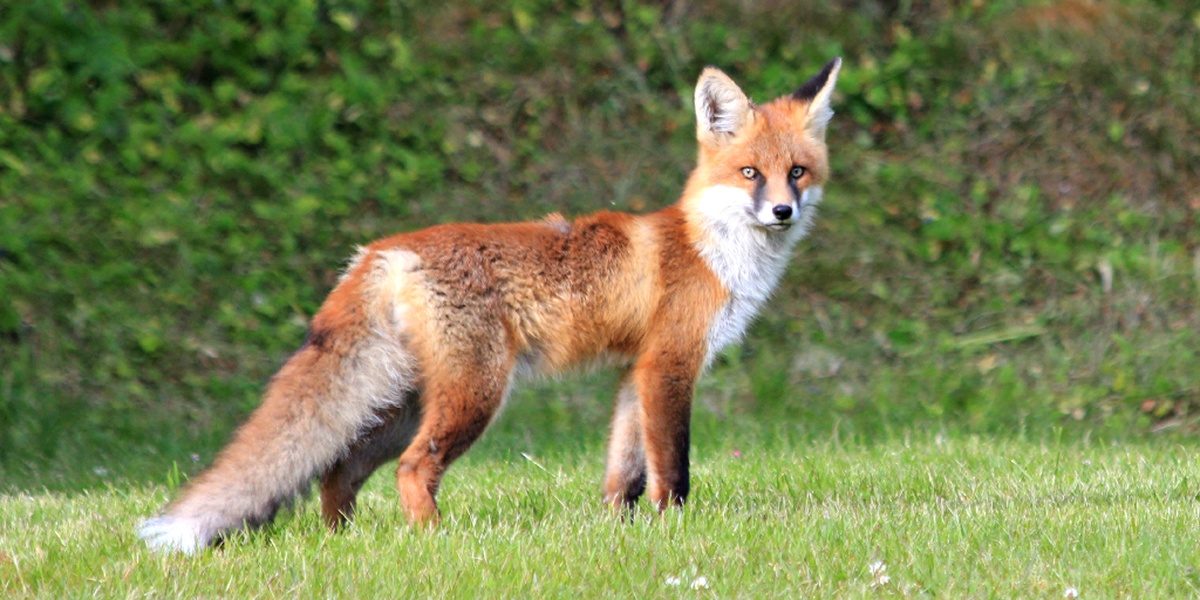
| Red fox | Vulpes vulpes | 90 | Widespread across Europe |
| European hedgehog | Erinaceus europaeus | 25 | Much of Europe, absent in parts of north |
| Eurasian badger | Meles meles | 80 | Much of Europe, common in west and central |
| Roe deer | Capreolus capreolus | 120 | Widespread across Europe except far north |
| Red deer | Cervus elaphus | 240 | Widespread in forests and mountains |
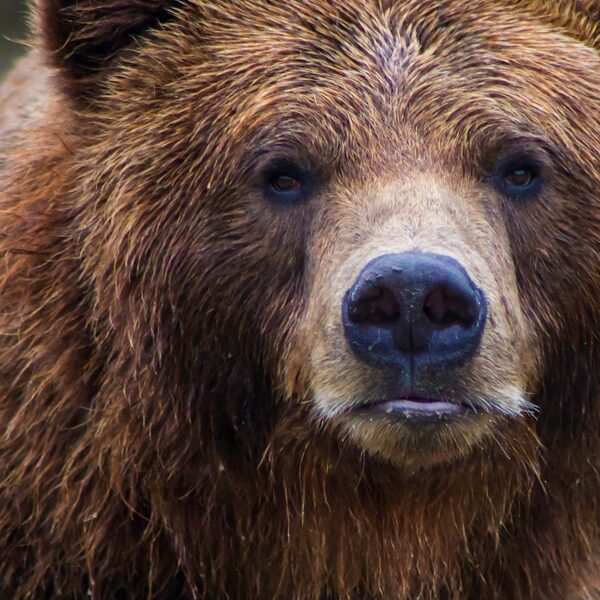
| Brown bear | Ursus arctos | 200 | Northern, eastern and some southern mountains |
| Grey wolf | Canis lupus | 140 | Northern, eastern and parts of western Europe |
| Iberian lynx | Lynx pardinus | 90 | Southern Spain, small Portuguese populations |
| Eurasian lynx | Lynx lynx | 120 | Northern, eastern and parts of central Europe |
| European wildcat | Felis silvestris | 60 | Scattered woodlands across Europe |
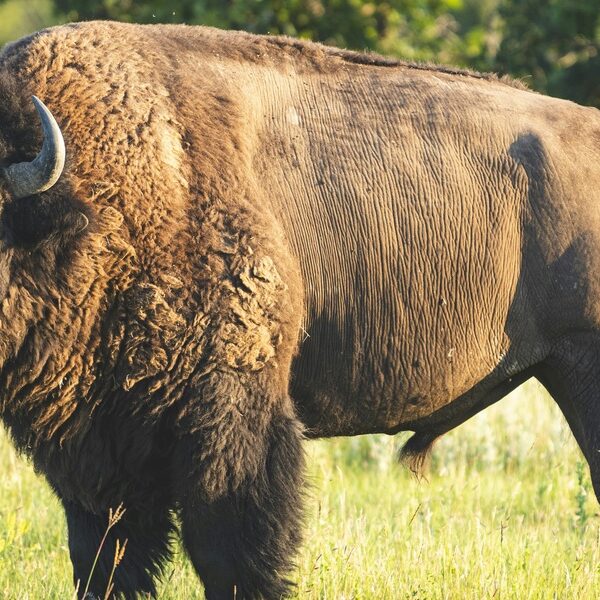
| European bison | Bison bonasus | 300 | Poland, Belarus, Baltic states and reintroductions |
| Alpine ibex | Capra ibex | 120 | Alps and nearby mountain ranges |
| Moose | Alces alces | 250 | Northern Europe and Russia |
| Common pipistrelle | Pipistrellus pipistrellus | 22 | Widespread across Europe in towns and countryside |
| Harbour seal | Phoca vitulina | 150 | Atlantic, North Sea and Baltic coasts |
| Barn swallow | Hirundo rustica | 34 | Breeds across Europe, winters in Africa |
| Eurasian blue tit | Cyanistes caeruleus | 20 | Much of Europe in woodlands and gardens |
| European robin | Erithacus rubecula | 14 | Across Europe in gardens and woodlands |
| Common blackbird | Turdus merula | 27 | Widespread across Europe in towns and woods |
| Common buzzard | Buteo buteo | 120 | Widespread across Europe in varied habitats |
| Golden eagle | Aquila chrysaetos | 220 | Mountains and wild areas in north and south |
| White-tailed eagle | Haliaeetus albicilla | 230 | Northern and eastern coasts, large lakes |
| Atlantic puffin | Fratercula arctica | 55 | North Atlantic coasts: UK, Ireland, Iceland, Norway |
| Northern gannet | Morus bassanus | 170 | North Atlantic colonies around Britain, Iceland, Norway |
| Eurasian eagle-owl | Bubo bubo | 160 | Rocky and forested areas across Europe |
| Mute swan | Cygnus olor | 240 | Widespread across European wetlands and parks |
| Whooper swan | Cygnus cygnus | 240 | Breeds north, winters in western and central Europe |
| Common kingfisher | Alcedo atthis | 25 | Widespread across Europe near clean freshwater |
| Common crane | Grus grus | 200 | Breeds in north/east, winters in west/south |
| Common chaffinch | Fringilla coelebs | 24 | Widespread across Europe in woodlands and gardens |
| European adder | Vipera berus | 60 | Widespread across northern, central and parts of western Europe |
| Grass snake | Natrix natrix | 120 | Wetlands and gardens across much of Europe |
| Hermann’s tortoise | Testudo hermanni | 20 | Mediterranean scrub of southern Europe |
| Common wall lizard | Podarcis muralis | 20 | Southern and central Europe in rocky locales |
| Fire salamander | Salamandra salamandra | 25 | Central and southern European forests |
| Common frog | Rana temporaria | 9 | Widespread across Europe in ponds and wetlands |
| Natterjack toad | Epidalea calamita | 7 | Sandy coasts, heathlands in western and northern Europe |
| Green lizard | Lacerta viridis | 40 | Southern and central Europe in warm habitats |
| Atlantic salmon | Salmo salar | 75 | Rivers across Europe, migrates to North Atlantic |
| European eel | Anguilla anguilla | 80 | Rivers and coasts across Europe, migratory to Sargasso Sea |
| Northern pike | Esox lucius | 100 | Lakes and slow rivers throughout Europe |
| European perch | Perca fluviatilis | 35 | Widespread in European lakes and rivers |
| Common carp | Cyprinus carpio | 80 | Lakes, canals and slow rivers across Europe |
| Brown trout | Salmo trutta | 60 | Cold rivers and lakes across Europe |
| European honey bee | Apis mellifera | 1.3 | Found across all of Europe, managed and wild |
| European stag beetle | Lucanus cervus | 7 | Forests, parks and gardens across much of Europe |
| Old World swallowtail | Papilio machaon | 7 | Widespread across much of Europe |
| Common blue butterfly | Polyommatus icarus | 3 | Grasslands and meadows across Europe |
| European mantis | Mantis religiosa | 7 | Warm southern and central Europe |
| Red admiral | Vanessa atalanta | 6 | Breeds south, common migrant throughout Europe |
Images and Descriptions
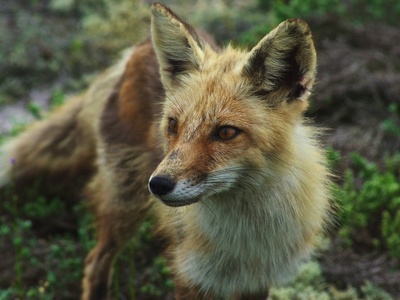
Red fox
Widespread adaptable canid with reddish coat, bushy tail and sharp senses. Lives in woodlands, farmland and cities across Europe. Omnivorous and common, occasionally preys on livestock; generally not dangerous to humans but can carry rabies and mange.
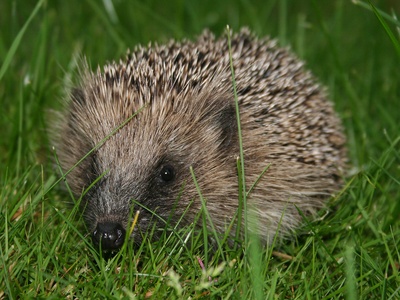
European hedgehog
Small nocturnal insectivore with spiny coat, rounded body and short legs. Common in gardens, fields and hedgerows across much of Europe. Eats insects, slugs and worms; populations declining from habitat loss, road mortality and pesticides.
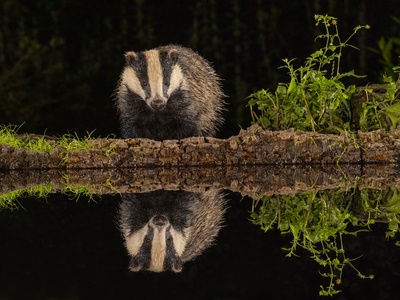
Eurasian badger
Stocky nocturnal omnivore with black-and-white striped face and strong forelimbs for digging. Found in woodlands, farmland and scrub across much of Europe. Lives in social setts; hunted historically but largely protected and tolerant of human landscapes.
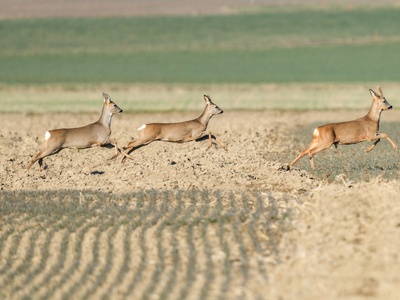
Roe deer
Small graceful deer with short antlers and reddish-brown summer coat. Widespread in woodlands, farmland and scrub from Atlantic to Ural mountains. Shy but common; important game species and herbivore shaping vegetation structure.
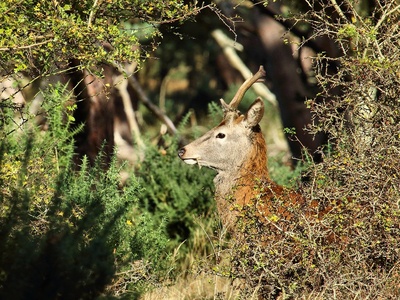
Red deer
Large deer species with impressive branching antlers on males and reddish-brown coat. Inhabits forests, moorland and mountains across much of Europe. Valued for hunting and conservation; populations stable in many regions after historical declines.
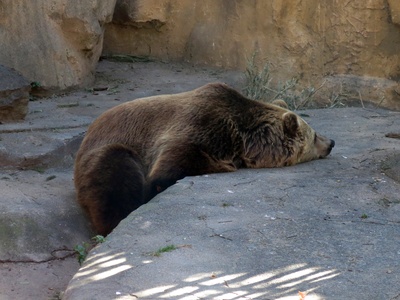
Brown bear
Powerful omnivorous carnivore with large body, long claws and hump on shoulders. Found in remote forests and mountains of northern, eastern and parts of southern Europe. Populations recovering in places; can be dangerous if surprised or protecting cubs.
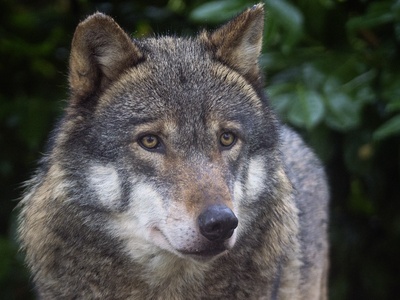
Grey wolf
Social pack-living predator with keen senses and variable coat colors. Once widespread, now present across northern, eastern and parts of western Europe. Important top predator, recolonizing some areas; conflicts with livestock are a major management issue.
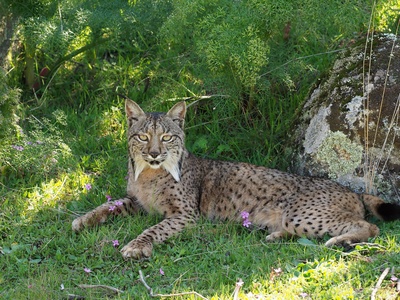
Iberian lynx
Very rare spotted wild cat native to Iberian Peninsula, specialized in hunting rabbits. Restricted to southern Spain and small Portuguese areas after severe declines; intense conservation has boosted numbers but it remains endangered and highly localized.
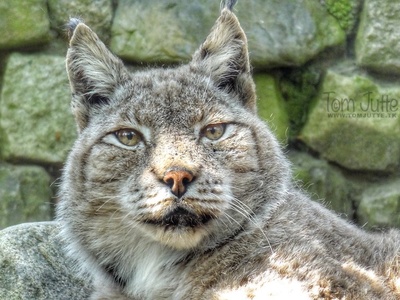
Eurasian lynx
Large spotted cat with tufted ears and long legs, secretive in forests and mountains. Found across northern, eastern and parts of central Europe. Solitary predator of deer and smaller mammals; populations recovering in some regions.
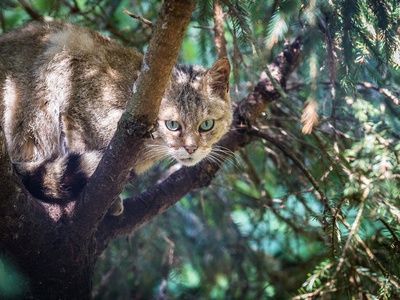
European wildcat
Stocky, thick-furred cat resembling domestic tabby but with bushy tail and distinct markings. Lives in woodlands and scrub across parts of Europe; threatened by hybridization with domestic cats and habitat loss but persists in remote areas.
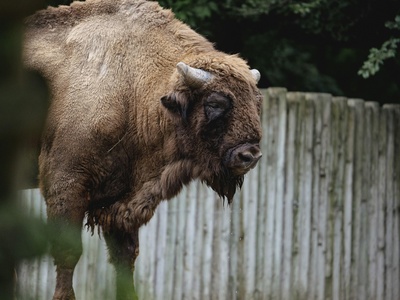
European bison
Hefty grazing mammal reintroduced to forests and reserves from small populations. Europe’s largest land mammal, living in Poland, Belarus and scattered sites; recovered through reintroduction but remains vulnerable and dependent on conservation.
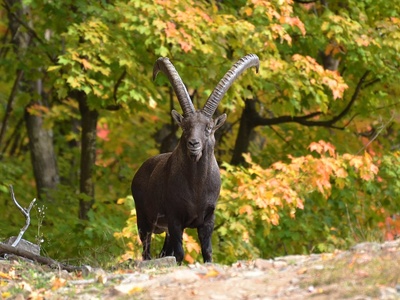
Alpine ibex
Mountain-dwelling wild goat with massive curved horns on males and sure-footed hooves. Inhabits Alps and other European ranges, thriving on steep cliffs. Recoveries from past overhunting turned it into a conservation success in its range.
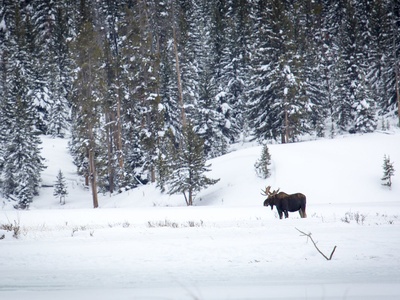
Moose
Huge herbivore with palmate antlers on males and long legs adapted to wetlands. Found in northern Europe and Russia in boreal forests and marshes. Important for ecosystems and prized by wildlife watchers; vulnerable to habitat change and traffic collisions.
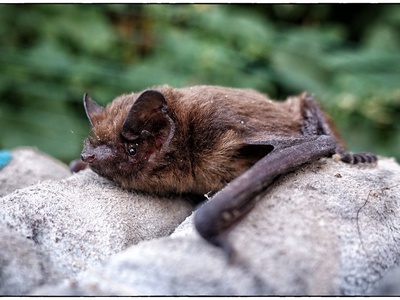
Common pipistrelle
Tiny insectivorous bat with fast fluttering flight and echolocation calls. Common in towns, woodlands and farmland across Europe. Roosts in buildings and trees; threatened locally by roost loss but generally resilient and widespread.
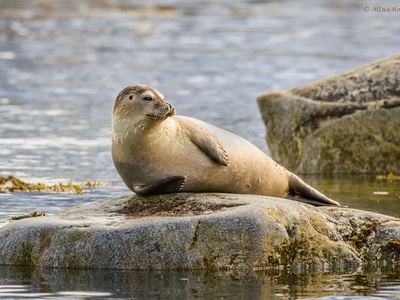
Harbour seal
Medium-sized pinniped with spotted grey coat, often seen hauled out on coasts and islands. Found along Atlantic and Baltic coasts, and parts of the Mediterranean. Vulnerable to fisheries interactions, pollution and habitat disturbance.
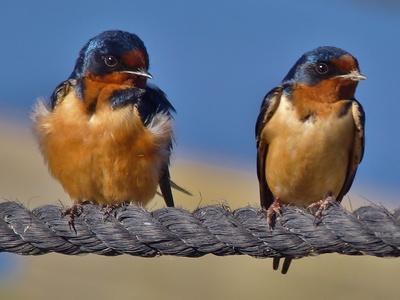
Barn swallow
Iconic migratory passerine with forked tail and sleek blue-black upperparts. Breeds across Europe in open countryside and buildings, winters in Africa. Eats flying insects; populations declined in some regions due to habitat and insect loss.
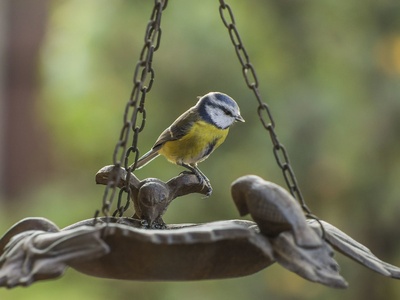
Eurasian blue tit
Small colorful tit with blue cap and yellow belly, common in parks, gardens and woodlands. Resident across much of Europe, forms mixed feeding flocks in winter. Benefits from nest boxes but affected by habitat change.
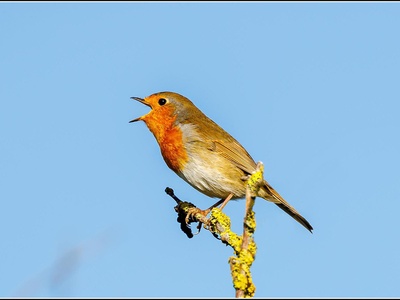
European robin
Familiar small songbird with orange-red breast and curious behavior around people. Lives in woodlands, gardens and parks across Europe, often year-round. Not migratory in many areas; a cultural favorite and common garden visitor.
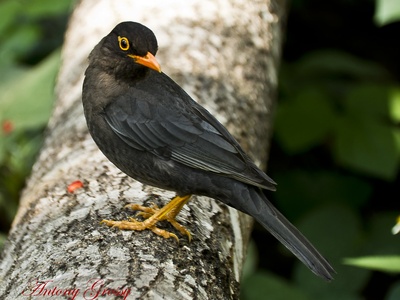
Common blackbird
Medium thrush with glossy black male plumage and orange bill, females brown-speckled. Common in gardens, parks and woodlands across Europe. Omnivorous diet including invertebrates and fruit; often bold in urban areas.
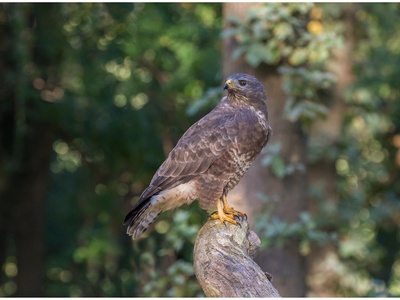
Common buzzard
Broad-winged raptor with variable brown plumage and soaring flight. Widely distributed across Europe in woodlands and agricultural landscapes. Feeds on small mammals, carrion and birds; tolerant of human presence and common in many regions.
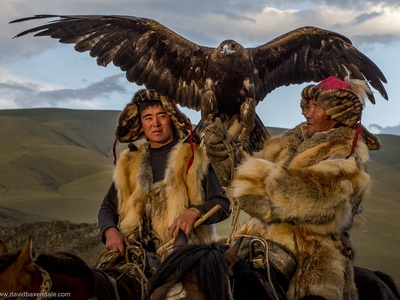
Golden eagle
Large powerful eagle with dark plumage and golden nape; impressive wingspan. Lives in mountainous and wild areas across northern and parts of southern Europe. Apex predator feeding on mammals and birds; protected but sensitive to disturbance.
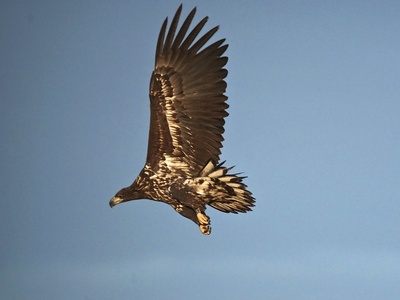
White-tailed eagle
Massive sea eagle with pale tail and powerful beak, often seen near coasts and large lakes. Found around northern and eastern European coasts and islands. Recovered after declines; conservation success in several countries.
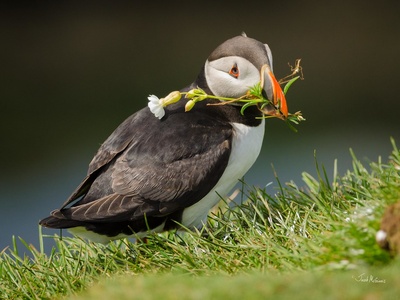
Atlantic puffin
Stocky seabird with colorful bill in breeding season, nests on coastal cliffs and islands. Breeds in North Atlantic coasts from Iceland to Britain and Norway. Vulnerable to fishing impacts and climate-driven food shortages.
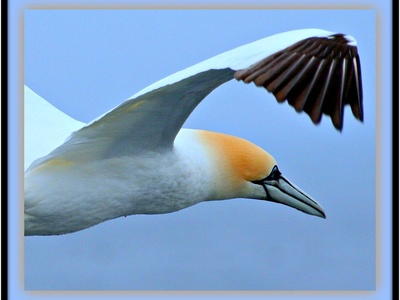
Northern gannet
Large white seabird with black wingtips and dramatic plunge-diving for fish. Breeds on North Atlantic cliffs from Britain to Iceland and Norway. Forms dense colonies; sensitive to overfishing and pollution.
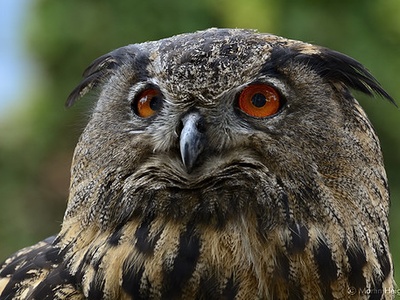
Eurasian eagle-owl
One of the world’s largest owls with ear tufts and orange eyes; powerful nocturnal predator. Occurs in remote forests and rocky areas of Europe. Feeds on mammals and birds; often avoided by humans due to size and voice.
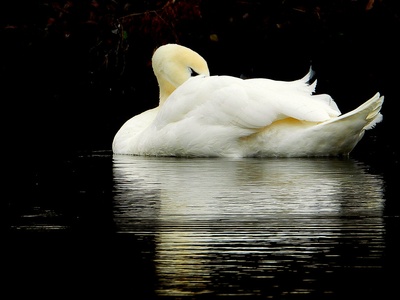
Mute swan
Large graceful swan with white plumage and orange bill, often seen on lakes and rivers. Widespread across Europe in suitable wetlands and parks. Territorial in breeding season; popular but can be aggressive around people.
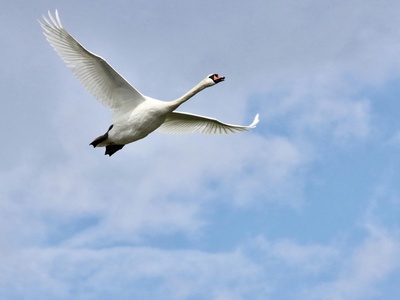
Whooper swan
Large migratory swan with straight yellow-and-black bill and loud calls. Breeds in northern wetlands and migrates to western and central Europe in winter. Vulnerable to wetland loss but remains locally common where habitats persist.
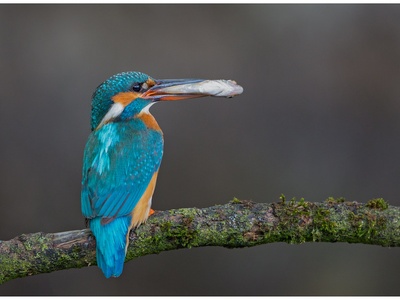
Common kingfisher
Tiny bright blue-and-orange bird that perches near slow rivers and ponds before diving for small fish. Widespread across Europe in clean freshwater habitats. Sensitive to water quality and bank disturbance; a popular wildlife sighting.
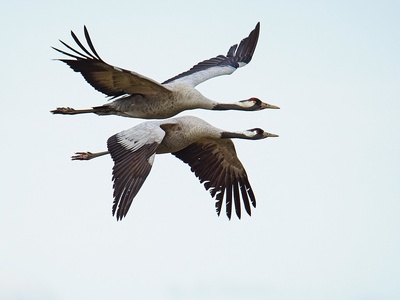
Common crane
Tall long-legged migratory bird with loud trumpeting calls, cranes forage in wetlands and agricultural fields. Breeds in northern and eastern Europe, winters in western and southern regions. Recovering populations due to protection and habitat management.
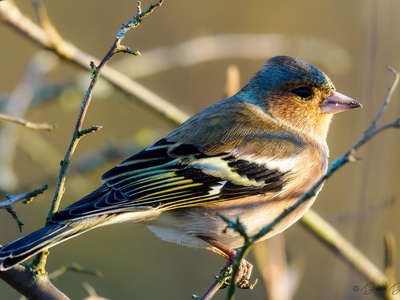
Common chaffinch
Colorful finch with blue-grey head and rufous underparts in males, frequent in woodlands and gardens. Widespread across Europe and common at feeders. Varied diet of seeds and insects; many populations are resident year-round.
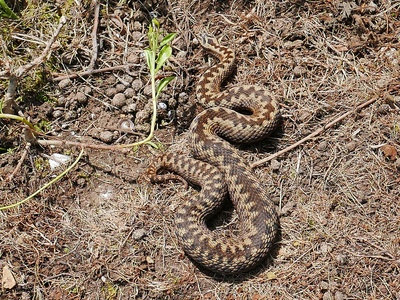
European adder
Venomous viper with zigzag dorsal pattern, stout body and triangular head. Found in heathland, moorland and woodland across much of Europe, tolerating cold climates. Bites are rarely fatal to healthy adults but medical attention recommended.
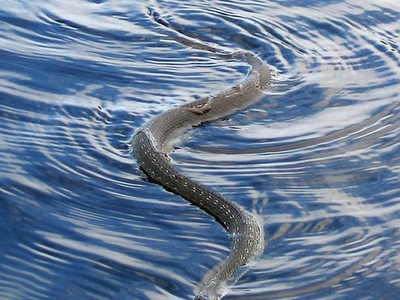
Grass snake
Non-venomous semi-aquatic snake often olive-green with yellow collar. Inhabits wetlands, ponds and gardens across Europe. Feeds mainly on amphibians and fish; harmless to humans but can emit foul smell when threatened.
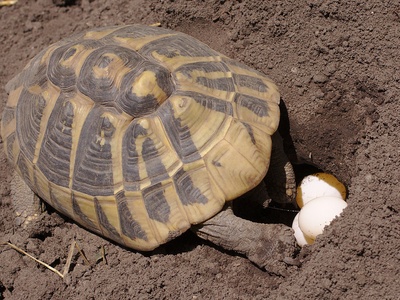
Hermann’s tortoise
Small Mediterranean tortoise with domed shell, herbivorous and sun-loving. Found in southern Europe in scrub, maquis and dry hills. Threatened by habitat loss, pet trade and road mortality but survives in protected sites.
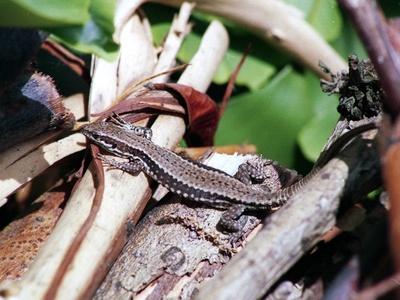
Common wall lizard
Small agile lizard with variable green or brown patterning, often seen on rocks and walls. Widespread in southern and central Europe in gardens and rocky habitats. Eats insects and can bask in sunlit spots.
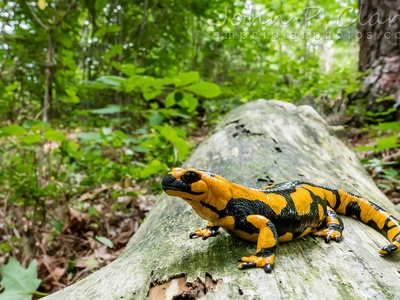
Fire salamander
Black amphibian with vivid yellow markings, lives in damp forests near streams. Found across much of central and southern Europe. Nocturnal predator of invertebrates; sensitive to pollution and fungal diseases.
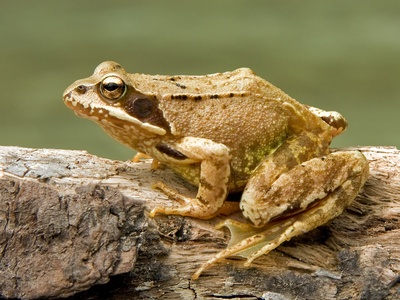
Common frog
Widespread pond-breeding frog with variable brown or green coloration and powerful hind legs. Found across much of Europe in gardens, ponds and wetlands. Feeds on invertebrates; populations affected by habitat loss and disease in some areas.
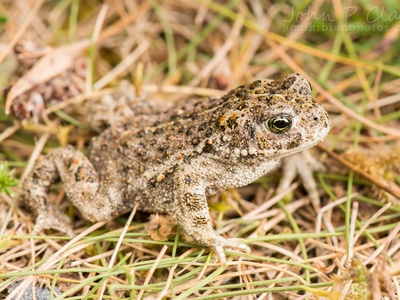
Natterjack toad
Small squat toad with distinctive yellow dorsal stripe and loud mating calls from shallow pools. Occurs in sandy coasts and heathlands in parts of western and northern Europe. Declines due to habitat loss and pond drainage.
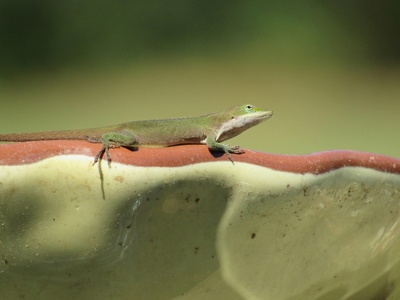
Green lizard
Large vivid green lizard with long tail, often seen in sunny scrub and grassland. Found in southern and central Europe. Fast-moving insectivore frequently seen basking on rocks and walls during mornings.
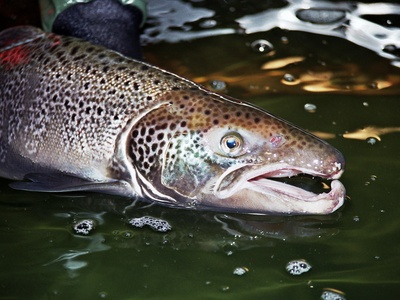
Atlantic salmon
Anadromous fish that breeds in cold rivers and migrates to the North Atlantic to feed. Once abundant across European rivers; populations have declined from dams, pollution and overfishing but some stocks recover with restoration.
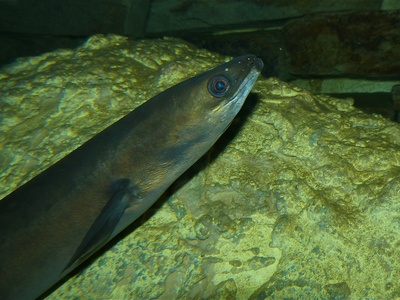
European eel
Catadromous, snake-like fish that spawns in the Sargasso Sea and grows in European rivers and coasts. Widespread historically but now critically endangered due to barriers, overfishing and unknown recruitment declines.
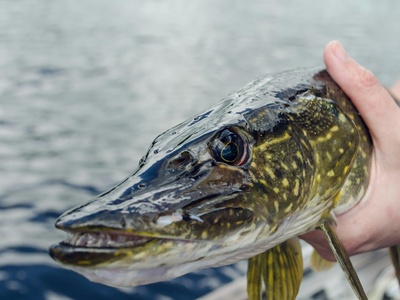
Northern pike
Ambush predator fish with elongated body and toothy jaws, common in lakes and slow rivers. Widespread across Europe; prized by anglers and influential in freshwater food webs. Can reach large sizes and affect fish community structure.
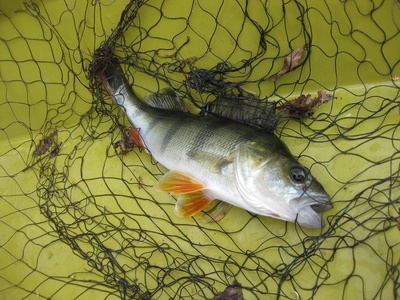
European perch
Striped freshwater fish with spiny dorsal fin, common in lakes and rivers. Widespread throughout Europe and a key prey and predator in many freshwater systems; popular with recreational anglers year-round.
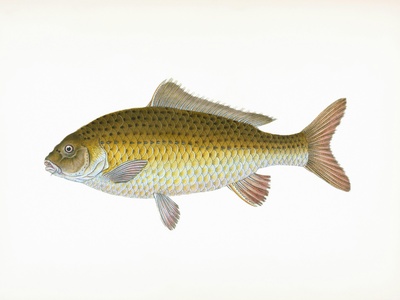
Common carp
Large omnivorous freshwater fish with robust body, tolerant of varied conditions; widely introduced and naturalized across Europe. Found in lakes, canals and slow rivers; prized by anglers and often impacts native ecosystems where invasive.
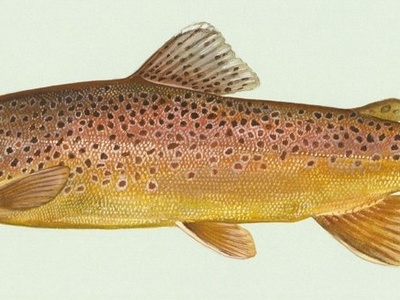
Brown trout
Variable freshwater and sea-run fish inhabiting cold rivers and lakes; often brown with spots. Native throughout Europe; popular for sport fishing and indicator of clean waters, though some populations hybridize with farmed fish.
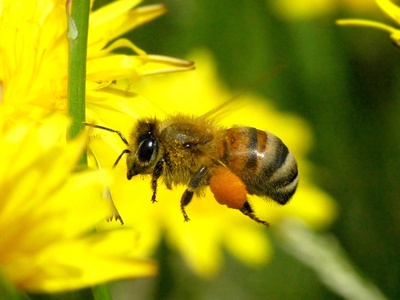
European honey bee
Social pollinator with fuzzy golden body, crucial for crops and wildflowers. Found across Europe in managed hives and feral colonies. Threatened by disease, pesticides and habitat loss but essential to ecosystems and agriculture.
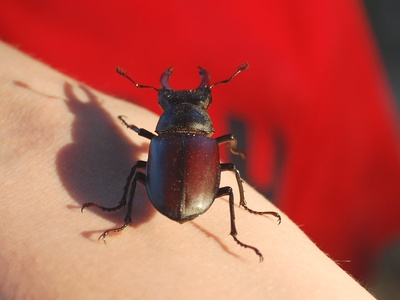
European stag beetle
Large dark beetle with impressive mandibles on males, associated with decaying wood. Found in forests, parks and gardens across much of Europe. Dependent on old trees and deadwood; vulnerable to habitat loss in some areas.
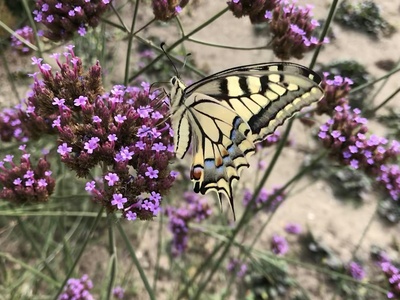
Old World swallowtail
Large colorful butterfly with distinct tail-like hindwing extensions; prefers flower-rich meadows, wetlands and mountains. Widespread across Europe with regional subspecies. Larvae feed on umbellifers; popular with naturalists and variable locally.
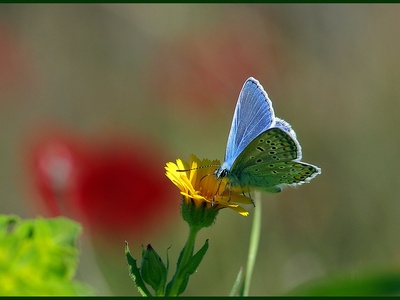
Common blue butterfly
Small blue butterfly whose males show bright blue wings; breeds in grasslands, meadows and roadside verges. Common and widespread in Europe; larvae feed on legumes and populations fluctuate with habitat management.
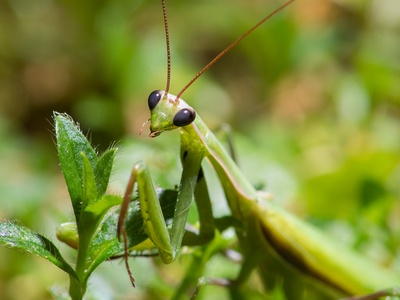
European mantis
Praying mantis species with elongated prothorax and raptorial forelegs, ambush predator of insects. Found in warm habitats across southern and central Europe. Often seen on flowers and shrubs; populations stable locally.
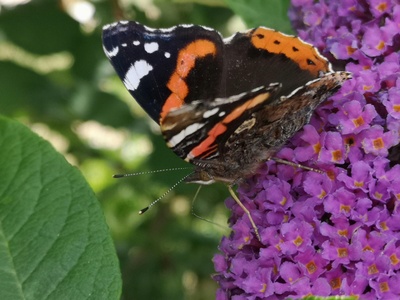
Red admiral
Bold migratory butterfly with black wings and red bands, frequents gardens and woodlands. Breeds in southern Europe and migrates north in summer. Feeds on nectar and rotting fruit; easily recognized and common at flowers.