Slovakia’s mix of Carpathian peaks, lowland rivers and old-growth forests supports a surprising variety of wildlife. From wetland visitors to mountain specialists, the country’s habitats shape which species thrive and where you’ll spot them on a walk or a drive.
There are 30 Animals of Slovakia, ranging from Alpine newt to White stork. For each entry I list Scientific name,Status (IUCN),Where found (regions/habitat) — you’ll find below.
How were the species on this list chosen?
The list focuses on species that are characteristic or regularly recorded in Slovakia across different habitats and conservation statuses; selection balances common and notable species to give a representative snapshot rather than an exhaustive inventory.
Where can I observe these animals in Slovakia and when is best?
Many species are seasonal or habitat-specific: wetlands and floodplains are best for storks and waterbirds in spring and summer, forests and alpine meadows for amphibians and mountain fauna in late spring to early autumn; local nature reserves and national parks often have guided sightings and up-to-date info.
Animals of Slovakia
| Name | Scientific name | Status (IUCN) | Where found (regions/habitat) |
|---|---|---|---|
| Brown bear | Ursus arctos | Least Concern | Tatra and Carpathian forests, mountain valleys |
| Gray wolf | Canis lupus | Least Concern | Carpathians, forested lowlands and protected areas |
| Eurasian lynx | Lynx lynx | Least Concern | Carpathian mature forests and remote mountain zones |
| European bison | Bison bonasus | Vulnerable | Poloniny and eastern Carpathian forests and meadows |
| European beaver | Castor fiber | Least Concern | Lowland rivers, floodplains and wetlands nationwide |
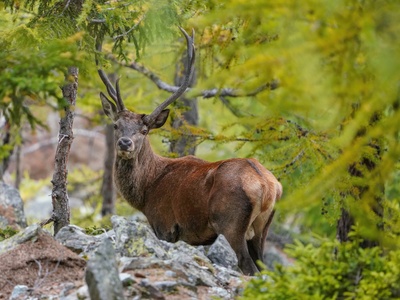
| Red deer | Cervus elaphus | Least Concern | Carpathians, highland forests and mountain meadows |
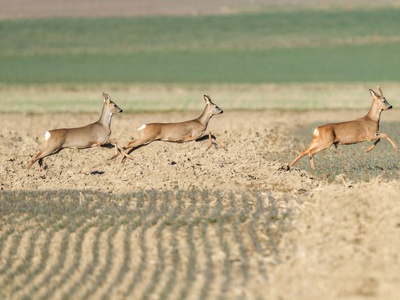
| Roe deer | Capreolus capreolus | Least Concern | Woodlands, field margins and foothills nationwide |
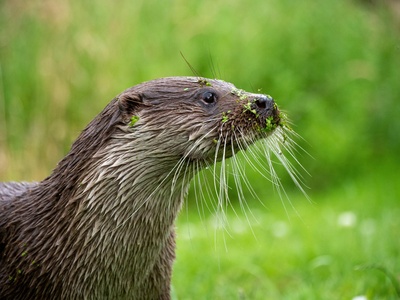
| European otter | Lutra lutra | Near Threatened | Clean rivers, lakes and wetlands nationwide |
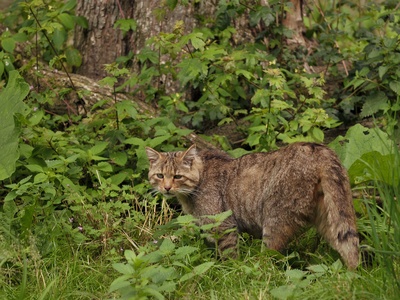
| European wildcat | Felis silvestris | Least Concern | Mature deciduous and mixed forests, lowlands and foothills |
| European hare | Lepus europaeus | Least Concern | Farmland, meadows and open woodland edges nationwide |
| White stork | Ciconia ciconia | Least Concern | Lowland villages, river floodplains and meadows |
| Black stork | Ciconia nigra | Least Concern | Secluded Carpathian forests near wetlands |
| Common kingfisher | Alcedo atthis | Least Concern | Clean rivers, streams and banks nationwide |
| Eurasian eagle-owl | Bubo bubo | Least Concern | Rocky cliffs, forested mountains and quarries in Carpathians |
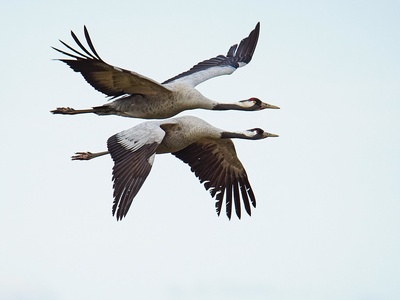
| Common crane | Grus grus | Least Concern | Eastern wetlands, floodplains and meadows (migration sites) |
| Common buzzard | Buteo buteo | Least Concern | Agricultural landscapes, forest edges and hills nationwide |
| Great tit | Parus major | Least Concern | Gardens, parks and woodlands across Slovakia |
| European robin | Erithacus rubecula | Least Concern | Woodlands, parks, gardens and hedgerows nationwide |
| European adder | Vipera berus | Least Concern | Open heath, meadows and forest edges lowlands and mountains |
| Grass snake | Natrix natrix | Least Concern | Rivers, ponds, wetlands and wet meadows nationwide |
| Sand lizard | Lacerta agilis | Least Concern | Sandy grasslands, dry slopes, southern and SW regions |
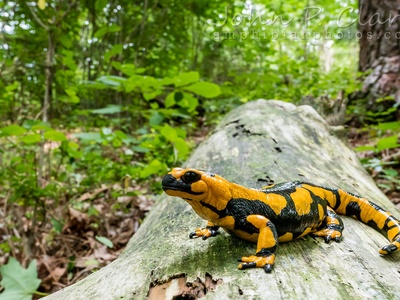
| Fire salamander | Salamandra salamandra | Least Concern | Moist deciduous forests, springs and streamside mountain habitats |
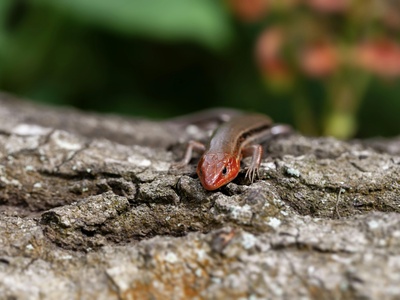
| Alpine newt | Ichthyosaura alpestris | Least Concern | Mountain ponds, forest pools and ditches in Carpathians |
| Common frog | Rana temporaria | Least Concern | Gardens, wetlands, forests and breeding pools nationwide |
| European grayling | Thymallus thymallus | Least Concern | Cold, well-oxygenated rivers in mountains and foothills |
| Brown trout | Salmo trutta | Least Concern | Cold streams, rivers and lakes in Carpathians and highlands |
| Northern pike | Esox lucius | Least Concern | Slow rivers, lakes and floodplain waters nationwide |
| Stag beetle | Lucanus cervus | Near Threatened | Old deciduous woodlands, parks and veteran trees |
| Apollo butterfly | Parnassius apollo | Vulnerable | Alpine and subalpine flower-rich meadows in Carpathians |
| Swallowtail | Papilio machaon | Least Concern | Wet meadows, riparian corridors and gardens lowlands/foothills |
Images and Descriptions
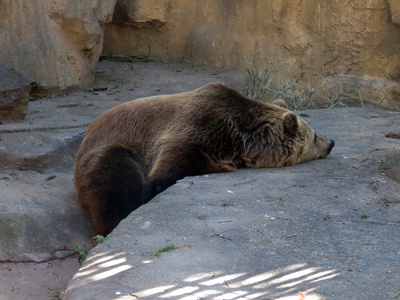
Brown bear
Large omnivorous mammal, 100–350 kg adults, secretive, forages on berries, insects and carrion. Notable in Tatra and Carpathian forests; active year-round but hibernate in winter. Seen rarely; best viewed in protected valleys and forested mountain zones.

Gray wolf
Social carnivore living in packs, 15–50 kg, highly vocal; hunts deer and wild boar. Present across Carpathians and lowland woodlands; territorial and mostly nocturnal. Increasingly recovering; best chance to detect tracks, howls or camera-trap photos in protected areas.

Eurasian lynx
Medium-sized solitary cat, 15–30 kg, elusive and crepuscular. Prefers mature Carpathian forests with dense understory; preys on roe and chamois. Rare but stable in protected mountain zones; sightings usually via camera traps or expert-guided tours.

European bison
Europe’s largest herbivore, 400–1,000 kg, robust grazer reintroduced to Poloniny and eastern Carpathians. Lives in small free-ranging herds inside protected forests and meadows; vulnerable globally. Hard to spot; local guides and observation hides improve viewing chances.

European beaver
Large semi-aquatic rodent, 20–30 kg, builds dams and lodges; shapes river habitats. Recovered well after reintroduction; found in lowland rivers and wetlands across Slovakia, notably in floodplains. Active mostly at night; easy to find by lodges and gnawed trees.
Red deer
Large cervid, males up to 200 kg with impressive antlers; social, grazes woodlands and mountain meadows. Widespread in Carpathians and managed forests; rut in autumn is notable. Common game species and visible from forest edges and clearings.
Roe deer
Small graceful deer, 15–30 kg, browsers of shrubs and herbs. Common across woodlands, agricultural edges and foothills throughout Slovakia; year-round resident. Often seen at dawn and dusk near field margins or hedgerows.
European otter
Slender semiaquatic mustelid, 5–10 kg, feeds on fish and crustaceans. Found along clean rivers, lakes and wetlands in lowlands and mountains; populations recovering but sensitive to pollution. Most active at dawn and dusk; signs include spraints and slides.
European wildcat
Sturdy forest cat, 3–8 kg, striped coat and bushy tail with blunt tip; shy and nocturnal. Inhabits mature deciduous and mixed forests in lowlands and foothills. Rarely seen but indicated by tracks and remains; conservation focused on habitat connectivity.

European hare
Fast-running lagomorph, 2–5 kg, long ears and strong hindlegs; common in farmland, meadows and open woodland edges across Slovakia. Mainly crepuscular and active year-round; often seen in fields at dawn and dusk, and an important prey species for raptors.

White stork
Large long-legged migrant, 2–4 kg, nests on roofs and poles; feeds on wetlands and meadows. Breeds across lowland Slovakia and river floodplains; returns in spring, winters in Africa. Popular and culturally significant, easy to observe in villages and reserves.

Black stork
Sleek forest stork, 1.5–3 kg, nests in large secluded woodlands near wetlands; avoids human settlements. Breeds in Carpathian forests and floodplain woods; migratory, winters in Africa. Skittish and harder to see than white stork; best in protected forest valleys.

Common kingfisher
Small bright blue-and-orange bird, 10–20 g, dives to catch fish. Found along clean rivers and slow streams with perches across Slovakia; resident and migratory individuals. Often seen as a flash of color; best viewed from riverbanks and hides.

Eurasian eagle-owl
One of the largest owls, 2–4 kg, striking orange eyes and ear tufts; nocturnal apex predator. Occupies rocky cliffs, forested mountains and quarries in the Carpathians. Rare but conspicuous by deep hoots; visible at dusk from safe distances.
Common crane
Large migratory wader, 3–6 kg, long-legged and red-crowned; performs spectacular courtship displays. Passes and occasionally breeds in eastern wetland areas and floodplains. Seen during migration in spring and autumn in wetlands and meadows; popular with birdwatchers.

Common buzzard
Medium raptor, 0.7–1.3 kg, variable plumage; soars over fields and forest edges hunting small mammals. Widespread throughout Slovakia in agricultural landscapes and hills. Year-round resident with increased visibility during migration and thermal-soaring days.

Great tit
Common cavity-nesting songbird, 16–21 g, bold and adaptable, feeds on insects and seeds. Found in gardens, parks, and woodlands across Slovakia year-round. Easy to see at feeders and woodland edges; vocal throughout breeding season.

European robin
Small, plump songbird, 16–22 g, orange-red breast and confiding nature. Common in woodlands, parks and gardens across Slovakia; resident year-round with increased singing in spring. Frequently seen near human habitations and garden edges.

European adder
Venomous but generally shy viper, up to 60–80 cm, variable patterning. Occurs in open heath, meadows and forest edges in lowlands and mountains. Active spring to autumn; usually retreating from people but occasionally basking on paths or sunny clearings.

Grass snake
Nonvenomous aquatic snake, 70–150 cm, olive-green with yellow collar. Found along rivers, ponds and wet meadows across Slovakia; excellent swimmer that eats amphibians. Common but secretive; often seen near water in warm months.

Sand lizard
Small diurnal lizard, 18–25 cm tail included, green males show breeding colors. Inhabits sandy grasslands, dunes and warm rocky slopes in southern and southwestern Slovakia. Sun-loving and quick; easiest to spot on sunny days in open habitats.
Fire salamander
Black amphibian with yellow markings, 10–20 cm, secretes toxins. Prefers moist deciduous forests, springs and streamside habitats in hills and mountains. Mostly nocturnal and active in wetter months; breeding occurs in slow streams and small pools.
Alpine newt
Colorful small newt, 6–10 cm, males display bright orange belly during breeding. Found in mountain ponds, ditches and forest pools in Carpathians and higher hills. Terrestrial outside breeding season; visible in water during spring and early summer.

Common frog
Robust brown/green frog, 6–9 cm, breeds explosively in spring pools. Widespread across Slovakia in gardens, wetlands and forests; tolerates a range of habitats. Active spring through autumn; easy to hear and see during breeding aggregations.

European grayling
Stream-dwelling salmonid, 25–50 cm, silvery with large dorsal fin; prized by fly anglers. Prefers cold, well-oxygenated rivers in mountain and foothill areas of Slovakia. Resident year-round; sensitive to pollution and river modification.

Brown trout
Native trout, 20–80 cm depending on habitat, variable colors; apex freshwater predator. Lives in cold streams, rivers and lakes in Carpathians and highlands; fished widely. Stream-resident and migratory forms; most visible during spawning runs.

Northern pike
Ambush predator fish, 50–150 cm, torpedo-shaped and toothy. Found in slow rivers, lakes and floodplain waters across Slovakia; eats fish and waterbirds. Active spring through autumn; popular sport fish often sighted near vegetation margins.

Stag beetle
Large shiny beetle, males with antler-like mandibles, 30–80 mm. Lives in old deciduous woodlands and parks; larvae need decaying timber. Locally declining and Near Threatened; adults active in warm summer evenings around deadwood and oak trees.

Apollo butterfly
Striking white butterfly with red eye-spots, wingspan 6–8 cm; threatened in parts of range. Inhabits flower-rich alpine and subalpine meadows in the Carpathians. Local and Vulnerable; best seen on sunny summer days visiting nectar plants.

Swallowtail
Large colorful butterfly, 6–9 cm wingspan, black-yellow with tail extensions. Found in wet meadows, riparian corridors and gardens across lowland and foothill Slovakia. Strong flier and frequent garden visitor; caterpillars feed on umbellifers in summer.