Forests around the world cradle a wide variety of life that many communities and ecosystems depend on. As forests shrink and fragment, species that once moved freely across large tracts now face smaller populations, increased human conflict, and new disease pressures.
There are 23 endangered forest animals, ranging from the African forest elephant to the Western gorilla. For each species, you’ll find below entries organized with Scientific name,IUCN status,Range so you can quickly see conservation status and where they’re found — you’ll find below.
How is a forest species classified as endangered?
Species are typically listed as endangered based on IUCN criteria that look at population size, rate of decline, and geographic range; for forest animals the main drivers are habitat loss, fragmentation, hunting, and sometimes disease. Checking the IUCN Red List entries for each species gives the official assessment and the key threats affecting their survival.
What practical steps can I take to help protect these endangered forest animals?
Support reputable conservation organizations, choose products that avoid driving deforestation (look for sustainable palm oil, FSC timber, etc.), back community-led forest protection or restoration projects, and share accurate information to raise awareness — small consumer and advocacy choices can reduce pressure on vulnerable forest species.
Endangered Forest Animals
| Name | Scientific name | IUCN status | Range |
|---|---|---|---|
| Sumatran orangutan | Pongo abelii | Critically Endangered | Northern Sumatra, Indonesia |
| Tapanuli orangutan | Pongo tapanuliensis | Critically Endangered | Batang Toru region, Sumatra, Indonesia |
| Bornean orangutan | Pongo pygmaeus | Critically Endangered | Borneo (Indonesia, Malaysia, Brunei) |
| African forest elephant | Loxodonta cyclotis | Critically Endangered | Central and West African rainforests |
| Western gorilla | Gorilla gorilla | Critically Endangered | West and Central African tropical forests |
| Eastern gorilla | Gorilla beringei | Critically Endangered | Albertine Rift, Virunga and Bwindi forests (DRC,Rwanda,Uganda) |
| Tiger | Panthera tigris | Endangered | South and Southeast Asia, Russian Far East |
| Javan rhinoceros | Rhinoceros sondaicus | Critically Endangered | Ujung Kulon National Park, Java, Indonesia |
| Sumatran rhinoceros | Dicerorhinus sumatrensis | Critically Endangered | Scattered forests of Sumatra and Borneo |
| Sunda pangolin | Manis javanica | Critically Endangered | Southeast Asia (Indonesia, Malaysia, Thailand, Vietnam) |
| Chinese pangolin | Manis pentadactyla | Critically Endangered | China, Myanmar, parts of Southeast Asia |
| Red panda | Ailurus fulgens | Endangered | Eastern Himalayas (Nepal, Bhutan, India, China) |
| Philippine eagle | Pithecophaga jefferyi | Critically Endangered | Philippine islands (Mindanao, Luzon, Leyte historically) |
| Saola | Pseudoryx nghetinhensis | Critically Endangered | Annamite Range, Laos and Vietnam |
| Hainan gibbon | Nomascus hainanus | Critically Endangered | Hainan Island, China |
| Kakapo | Strigops habroptilus | Critically Endangered | New Zealand offshore predator-free islands, temperate forests |
| Black-and-white ruffed lemur | Varecia variegata | Critically Endangered | Eastern rainforests of Madagascar |
| Aye-aye | Daubentonia madagascariensis | Endangered | Madagascar forests and disturbed woodland |
| Pygmy three-toed sloth | Bradypus pygmaeus | Critically Endangered | Isla Escudo de Veraguas mangrove forests, Panama |
| Golden lion tamarin | Leontopithecus rosalia | Endangered | Atlantic Forest, Brazil (coastal São Paulo/Rio states) |
| Malayan tapir | Tapirus indicus | Endangered | Malay Peninsula, Sumatra (lowland tropical forests) |
| Asian elephant | Elephas maximus | Endangered | South and Southeast Asian forests (India, Sri Lanka, SE Asia) |
| Red-shanked douc | Pygathrix nemaeus | Endangered | Vietnam, Laos evergreen forests |
Images and Descriptions
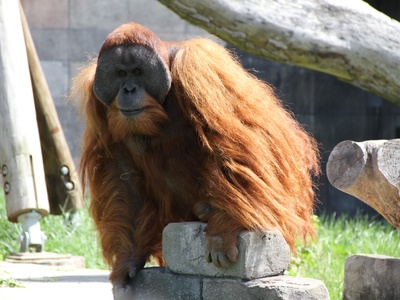
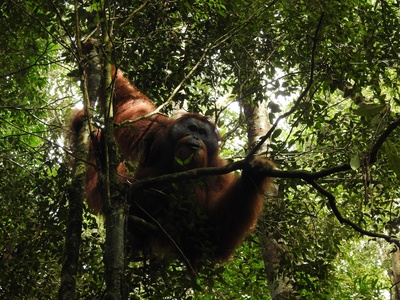
Sumatran orangutan
Sumatran orangutan (Pongo abelii) is Critically Endangered in Sumatra, threatened by palm-oil-driven deforestation, illegal pet trade and fragmentation; conservation actions focus on protected-area enforcement, habitat restoration and community forest programs to secure remaining populations.
Tapanuli orangutan
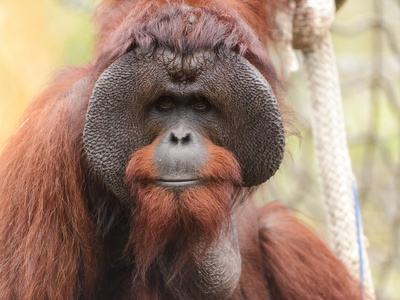
Tapanuli orangutan (Pongo tapanuliensis) is Critically Endangered and restricted to Batang Toru forests; threats include habitat loss from logging and planned infrastructure plus small population size; conservation priorities are habitat protection, preventing development and targeted law enforcement.
Bornean orangutan
Bornean orangutan (Pongo pygmaeus) is Critically Endangered across Borneo’s rainforests, driven by conversion for palm oil, logging and hunting; conservation actions include protected reserves, forest corridor restoration and anti-poaching patrols to stabilize populations.
African forest elephant
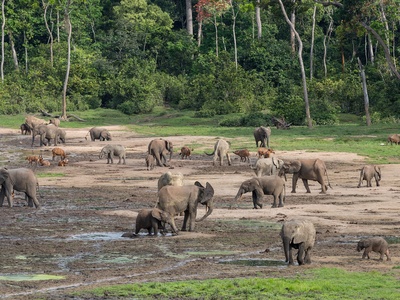
African forest elephant (Loxodonta cyclotis) is Critically Endangered in dense African rainforests, primarily due to ivory poaching and habitat fragmentation; key conservation actions include stronger anti-poaching enforcement, community engagement and transnational habitat protection.

Western gorilla
Western gorilla (Gorilla gorilla) is Critically Endangered in Central and West African forests, threatened by hunting, habitat loss and disease; conservation measures emphasize protected-area management, anti-poaching teams and health monitoring to prevent disease outbreaks.
Eastern gorilla
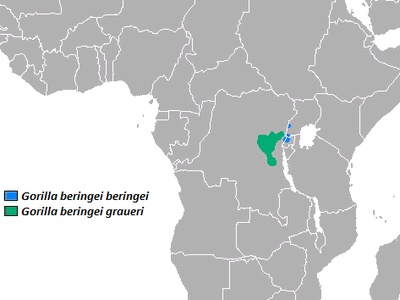
Eastern gorilla (Gorilla beringei) is Critically Endangered in highland African forests, imperiled by poaching, conflict and habitat encroachment; conservation focuses on protected-area security, community livelihoods and long-term monitoring of small populations.
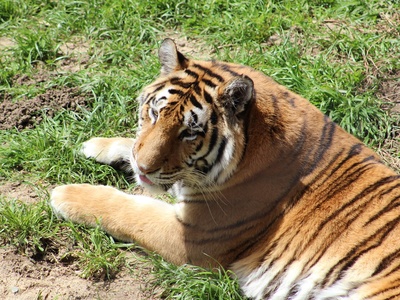
Tiger
Tiger (Panthera tigris) is Endangered across Asian forests, facing habitat loss, prey depletion and poaching for illegal trade; conservation actions include protected reserves, anti-poaching units, landscape connectivity and community-based conflict reduction.
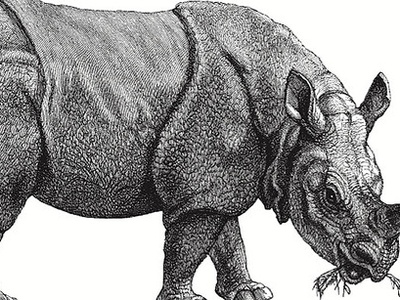
Javan rhinoceros
Javan rhinoceros (Rhinoceros sondaicus) is Critically Endangered and confined to a single Indonesian park, threatened by habitat loss, disease risk and tiny population size; conservation relies on strict habitat protection, invasive-species control and potential population expansion.
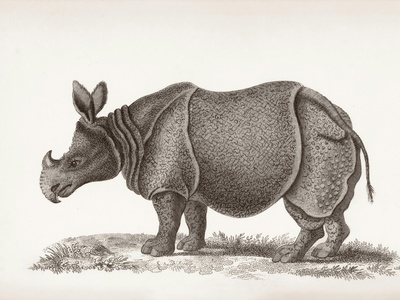
Sumatran rhinoceros
Sumatran rhinoceros (Dicerorhinus sumatrensis) is Critically Endangered in fragmented Southeast Asian forests, driven by poaching and habitat fragmentation; conservation includes captive-breeding, anti-poaching patrols and habitat corridors to reconnect isolated individuals.

Sunda pangolin
Sunda pangolin (Manis javanica) is Critically Endangered in Asian forests due to heavy illegal wildlife trade and habitat loss; conservation actions emphasize law enforcement, rescue and rehabilitation centers and demand-reduction campaigns.
Chinese pangolin
Chinese pangolin (Manis pentadactyla) is Critically Endangered in Asian woodlands, primarily from poaching for scales and skin plus habitat loss; urgent conservation includes trade bans, strengthened enforcement and rescue-release programs.
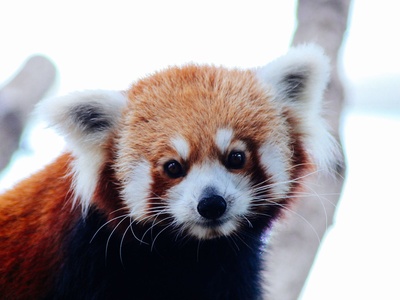
Red panda
Red panda (Ailurus fulgens) is Endangered in montane forest and bamboo habitats of the eastern Himalayas, threatened by deforestation, livestock competition and poaching; conservation focuses on protected area networks, bamboo habitat restoration and community-based stewardship.
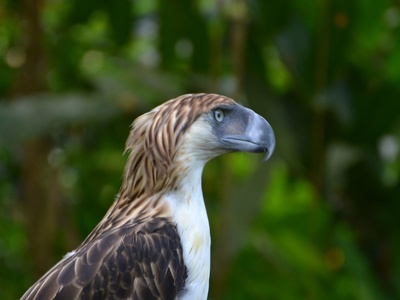
Philippine eagle
Philippine eagle (Pithecophaga jefferyi) is Critically Endangered in Philippines’ lowland forests, imperiled by deforestation and persecution; conservation includes nest protection, captive-breeding, habitat protection and community education to reduce hunting and logging.
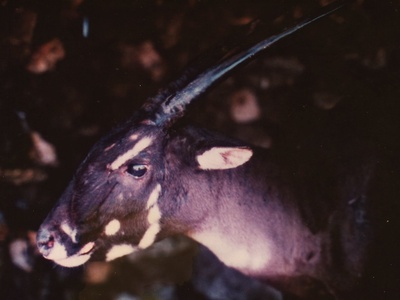
Saola
Saola (Pseudoryx nghetinhensis) is Critically Endangered and extremely rare in Annamite Range forests, primarily threatened by snaring and habitat loss; conservation efforts focus on intensive anti-snare patrols, protected-area designation and regional enforcement cooperation.
Hainan gibbon
Hainan gibbon (Nomascus hainanus) is Critically Endangered and restricted to a tiny remnant of Hainan forest, threatened by past habitat loss and small population effects; conservation priorities are forest restoration, strict protection and population monitoring.
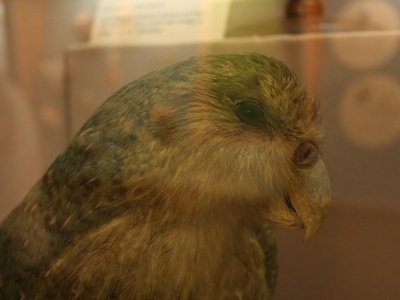
Kakapo
Kakapo (Strigops habroptilus) is a Critically Endangered, flightless parrot of New Zealand forest habitats, decimated by introduced predators; conservation is intensive: predator-free sanctuaries, hand-rearing and managed breeding programs.
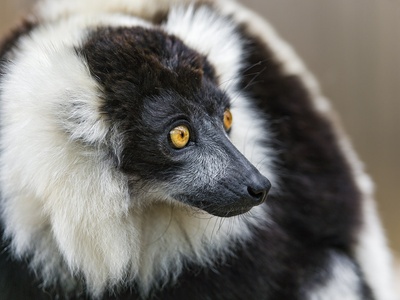
Black-and-white ruffed lemur
Black-and-white ruffed lemur (Varecia variegata) is Critically Endangered in Madagascar’s eastern rainforests, suffering from logging, hunting and cyclones; conservation includes protected-area expansion, reforestation and community-based conservation to reduce hunting pressure.
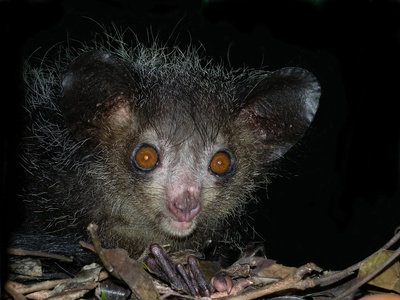
Aye-aye
Aye-aye (Daubentonia madagascariensis) is Endangered in Madagascar’s forests, vulnerable to habitat loss and local persecution due to superstition; conservation actions include habitat protection, education to reduce killing and research into population trends.
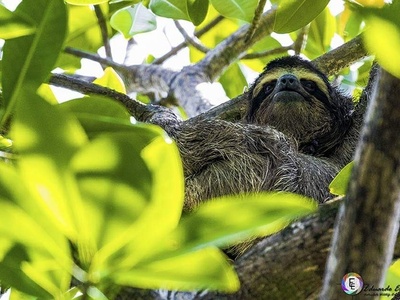
Pygmy three-toed sloth
Pygmy three-toed sloth (Bradypus pygmaeus) is Critically Endangered and limited to a single mangrove-forest island, facing habitat degradation and small-population risks; conservation focuses on habitat protection, strict local management and invasive-species control.
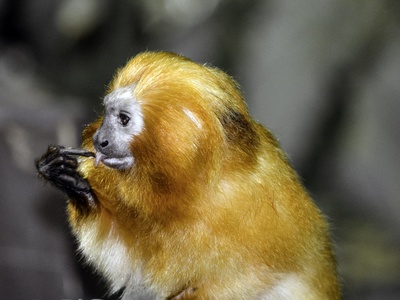
Golden lion tamarin
Golden lion tamarin (Leontopithecus rosalia) is Endangered in Brazil’s Atlantic Forest due to fragmentation and pet trade; conservation successes include reintroduction, protected forest corridors and community conservation programs to increase habitat connectivity.
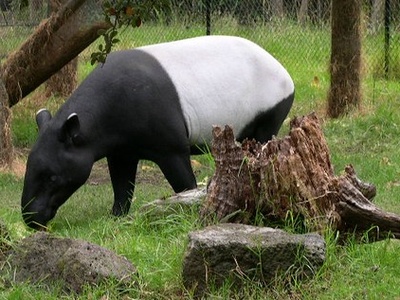
Malayan tapir
Malayan tapir (Tapirus indicus) is Endangered in Southeast Asian forests, threatened by habitat conversion, fragmentation and hunting; conservation actions include protected-area management, habitat corridors and reduced human-wildlife conflict initiatives.
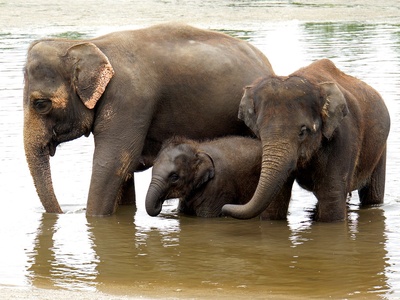
Asian elephant
Asian elephant (Elephas maximus) is Endangered in forested landscapes across Asia, facing habitat loss, fragmentation and human–elephant conflict; conservation focuses on habitat connectivity, protected areas and community-based mitigation to reduce conflicts.
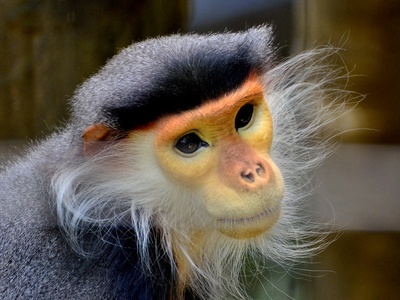
Red-shanked douc
Red-shanked douc (Pygathrix nemaeus) is Endangered in Indochinese forests, threatened by hunting and habitat loss; conservation actions include anti-poaching patrols, habitat protection and local education to reduce hunting for bushmeat and trade.