Finland has 501 confirmed bird species on its official checklist, which is exactly the kind of number that makes a beginner close the tab. You don’t need 501. You need to know the swan on the euro coin, the four owls that make Finnish forests famous, and the dozen or so species that tell you “yes, this is the north” the moment you see one. That’s what this guide to the birds of Finland actually delivers.
The country sits where the boreal forest meets the Arctic, with the Gulf of Bothnia funneling migrants up the western coast every spring. That geography concentrates birds in ways southern Europe never sees. Great Grey Owls hunt voles in clearings. Whooper Swans trumpet across half-frozen lakes in April. And for a few weeks each summer, the light barely goes out, so the birds barely stop.
Table of Contents
- Quick reference: the birds worth knowing
- The national bird: Whooper Swan
- The owls of Finland
- Forest birds: the boreal specialists
- Wetland and coastal birds
- Where and when to see them
- Finnish bird names you’ll see on signs
Quick reference: the birds worth knowing
If you remember nothing else, remember these. The rest of the post explains them.
| Bird | Finnish name | Habitat | Best season |
|---|---|---|---|
| Whooper Swan | Laulujoutsen | Lakes, wetlands | April–May, autumn |
| Great Grey Owl | Lapinpöllö | Forest clearings, bogs | Year-round; spring display |
| Ural Owl | Viirupöllö | Mature forest | Late winter, spring |
| Northern Hawk-Owl | Hiiripöllö | Forest edges, burns | Winter, early spring |
| Eurasian Pygmy Owl | Varpuspöllö | Spruce forest | Dawn/dusk, autumn calls |
| Western Capercaillie | Metso | Pine forest | Spring lek, April dawn |
| Siberian Jay | Kuukkeli | Old-growth taiga | Year-round |
| Siberian Tit | Lapintiainen | Northern conifer forest | Year-round |
Finland’s owl diversity is the headline. Ten owl species breed here, which is more than most birders see in a lifetime across an entire continent.
The national bird: Whooper Swan
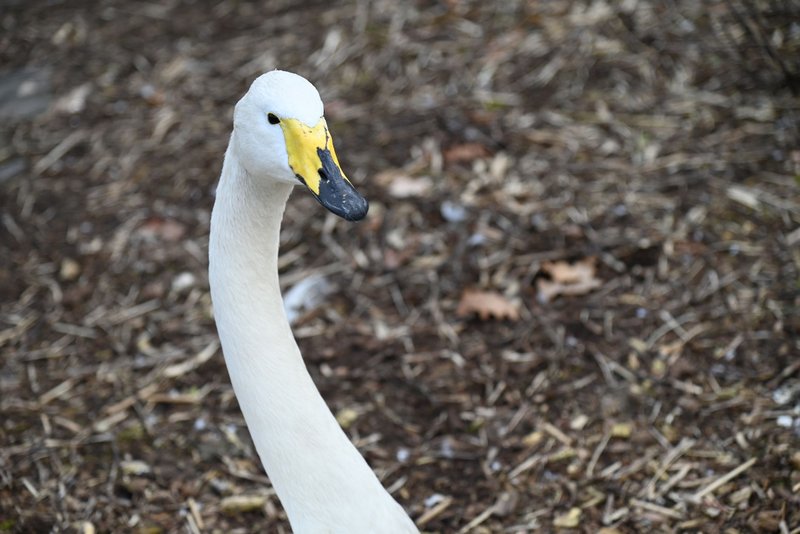
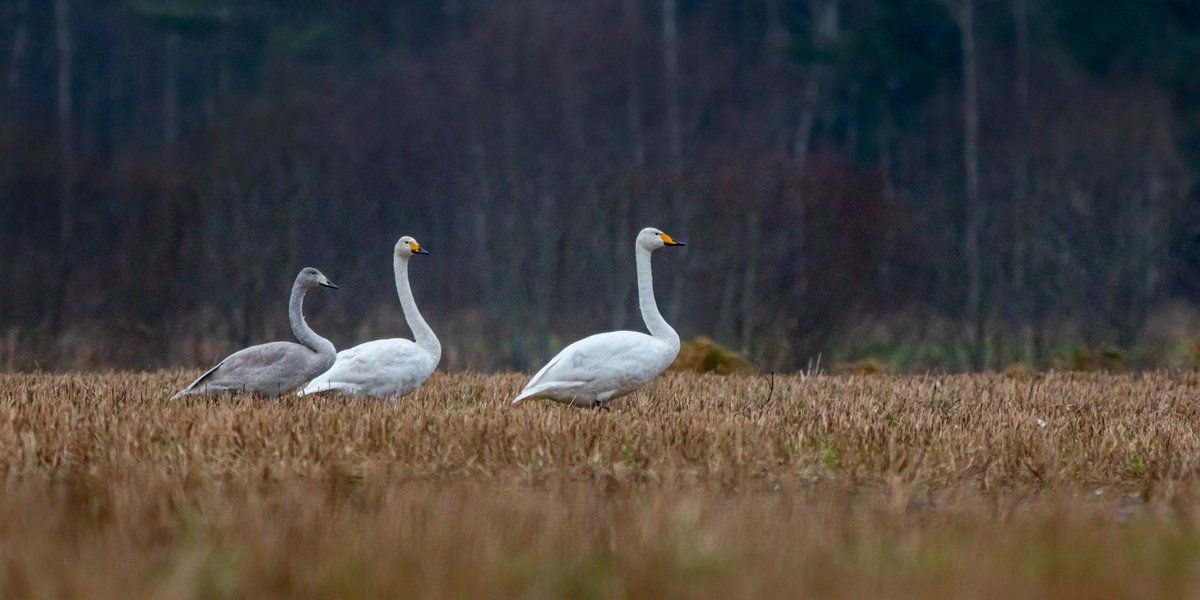
The Whooper Swan (Cygnus cygnus) is Finland’s national bird, and it earns the title in a way the symbol committee clearly enjoyed: its image sits on the Finnish one-euro coin. Locals call it laulujoutsen, the “singing swan,” because it doesn’t hiss like a Mute Swan. It bugles. A flock coming in over a lake sounds like a brass section warming up.
Tell it apart from a Mute Swan by the bill. Whoopers have a wedge of yellow that runs forward past the nostril, ending in a point; Mute Swans have an orange bill with a black knob. The Whooper also holds its neck dead straight, not in the graceful S-curve of the Mute.
These birds were nearly wiped out in Finland in the early 20th century, down to a handful of breeding pairs in remote Lapland bogs. Strict protection brought them back, and the recovery is one of the genuine conservation wins of Nordic wildlife. You can now find them on lakes across the whole country. April is prime time, when they gather on the first patches of open water before the ice fully breaks.
The owls of Finland
Finland is owl country. The combination of vole-rich forests, long open winters, and vast undisturbed habitat supports breeding populations that birders fly in specifically to see. Four are the ones you came for.
Great Grey Owl
The Great Grey Owl (Strix nebulosa), lapinpöllö in Finnish, is the one on every Finland birding poster. It looks enormous, with a facial disc the size of a dinner plate and concentric grey rings around piercing yellow eyes. The size is partly a trick: most of that bulk is feather. A Great Grey weighs less than a Eurasian Eagle-Owl despite standing taller.
What makes it special is the hunting. It can hear a vole moving under deep snow and punch straight through the crust to grab it. Population numbers swing wildly with vole cycles, so a good vole year in eastern Finland can mean many pairs in an area that had almost none the season before. The voles themselves are part of a wider cast of taiga mammals whose boom-and-bust cycles drive much of what happens in the forest above them.
Ural Owl
The Ural Owl (Strix uralensis), viirupöllö, is the one that’ll actually hurt you. It’s smaller than the Great Grey but ferociously defensive of its nest, and Finnish researchers checking nest boxes wear face protection for a reason. The helmet-wearing field crews aren’t being dramatic; a Ural Owl strike to the head draws blood.
It has a plain, rounded facial disc with small dark eyes and a long tail that helps it weave through dense forest. Listen for a deep, rhythmic hooting on still nights in late winter, the earliest of the owls to start calling.
Northern Hawk-Owl
The Northern Hawk-Owl (Surnia ulula), hiiripöllö, breaks every owl stereotype. It hunts in broad daylight, perches conspicuously on the very top of a dead spruce, and behaves more like a falcon than an owl, with a long tail and fast, direct flight. It favors recently burned forest and clearings. Like the Great Grey, its numbers track the vole supply, so irruption winters push birds further south where they become unusually approachable.
Eurasian Pygmy Owl
The Eurasian Pygmy Owl (Glaucidium passerinum), varpuspöllö, is the smallest owl in Europe, roughly the size of a starling. It hunts small birds and stores surplus prey in tree cavities for winter, a larder strategy that lets it survive when hunting gets lean. Find it by its call: a monotonous, whistled series of notes at dawn and dusk in autumn, when small songbirds mob it the moment they spot it.
Finland also hosts Tengmalm’s Owl (the Boreal Owl), Short-eared and Long-eared Owls, the massive Eurasian Eagle-Owl, and the Arctic Snowy Owl in the far north. The IUCN Red List tracks the conservation status of all of them, and most boreal owls stay stable where forest habitat stays intact.
Forest birds: the boreal specialists
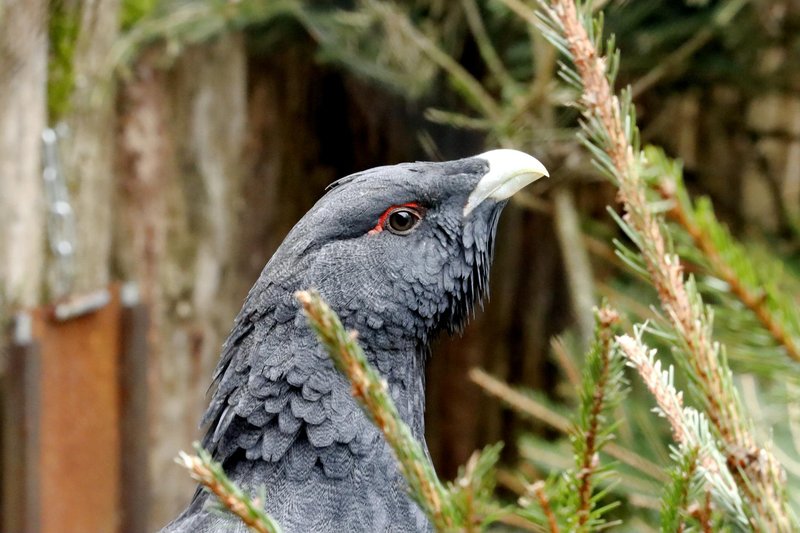
The Finnish forest — taiga, in the proper sense — holds a set of species that exist almost nowhere in western Europe. These are the birds that make a trip feel genuinely northern, and they share the canopy and understory with the rest of the animals of Finland that make the boreal zone so distinctive.
The Western Capercaillie (metso) is the giant of the group, a turkey-sized grouse where the males display at dawn leks each April. The male’s display includes a bizarre clicking-and-popping song that ends in a sound like a cork pulled from a bottle, during which the bird briefly goes deaf. Hunters and birders have exploited that deaf moment for centuries to approach within meters.
The Siberian Jay (kuukkeli) is the one that finds you. In old-growth forests it’s famously tame, dropping out of the canopy to investigate hikers and raid open backpacks, hoping for a snack. Soft rusty-orange in the wings and tail, fluffed against the cold, it’s a favorite for a reason. Folklore in Lapland holds that seeing one brings good luck.
The Siberian Tit (lapintiainen) is a tougher find, a small brown-capped tit restricted to the northern conifer belt and one of the classic targets for visiting birders. The Three-toed Woodpecker works dead spruce trunks in mature forest, leaving rings of bark stripped at chest height, while the larger Black Woodpecker (Europe’s biggest) drills nest holes that owls and goldeneyes later reuse. The drumming carries for hundreds of meters through quiet woods.
Wetland and coastal birds
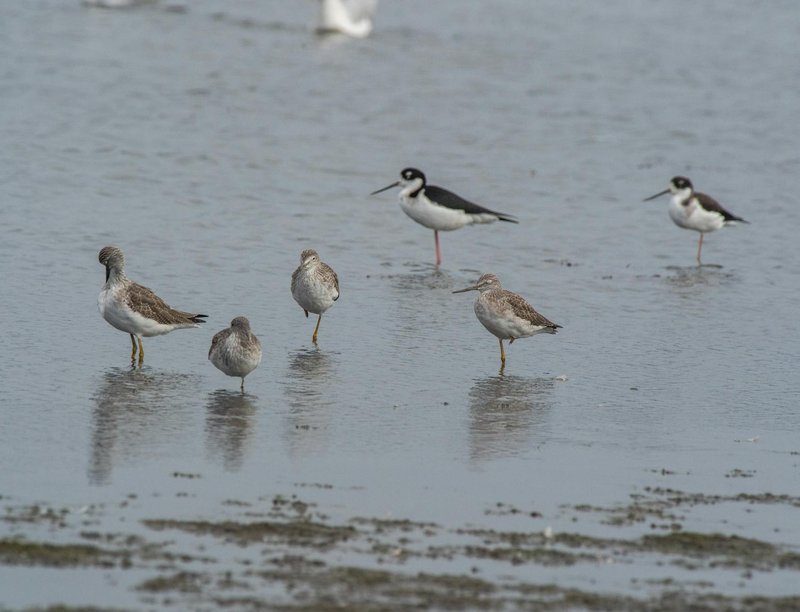
Finland’s tens of thousands of lakes, its peat bogs, and the long Baltic coastline pull in a different cast entirely, and spring migration concentrates them in numbers worth planning a trip around.
The Common Crane (kurki) stages in huge flocks during migration, their bugling calls audible long before the birds appear. Black-throated and Red-throated Divers (loons) breed on quiet forest lakes, their wailing calls one of the defining sounds of a Finnish summer night. On the coast and larger wetlands you’ll find breeding waders by the thousands — Ruff males in their absurd spring ruffs, Wood Sandpipers, Spotted Redshanks, and the occasional Broad-billed Sandpiper picking through the mud.
Coastal islands and skerries support Arctic Terns, Razorbills, and Velvet Scoters, while the White-tailed Eagle — another conservation comeback story — now patrols the archipelago and inland lakes after near-extinction from pesticide poisoning decades ago. A two-meter wingspan cruising low over the water is hard to mistake for anything else.
Where and when to see them
Timing matters more here than almost anywhere in Europe, because the season is short and intense.
The window: Late April through July is the heart of it. Migration peaks in May, breeding and song run through June, and the midnight sun in the north means you can bird around the clock. Winter (January–March) is the time for irruptive owls and for seeing the boreal residents against snow, but daylight is brutally short.
Liminka Bay (Liminganlahti), near Oulu on the Gulf of Bothnia, is the single best wetland in the country — a vast reed-and-meadow estuary with a visitor center, towers, and boardwalks, packed with waders, cranes, and rarities during spring migration. Kuusamo and Oulanka in the northeast are the go-to region for Great Grey Owls, Siberian Jays, and boreal forest specialties; the same old-growth that shelters these birds also supports the distinctive plants of Finland that carpet the forest floor and bogs. For Arctic species and Snowy Owls, you push all the way up to Varanger-adjacent Lapland and the northern fells. Local operators like Finnature run guided trips into the prime owl and forest sites, which saves a lot of guesswork on a first visit.
A pair of binoculars, patience at dawn, and a willingness to stand still in a bog are the actual requirements. The birds do the rest.
Finnish bird names you’ll see on signs
Reserve signage and local guides use Finnish names, and they rarely match anything you’d guess. A quick cheat sheet so you can read the nature trail boards:
| English | Finnish | Notes |
|---|---|---|
| Whooper Swan | Laulujoutsen | “Singing swan” |
| Great Grey Owl | Lapinpöllö | “Lapland owl” |
| Ural Owl | Viirupöllö | “Striped owl” |
| Northern Hawk-Owl | Hiiripöllö | “Mouse owl” |
| Eurasian Pygmy Owl | Varpuspöllö | “Sparrow owl” |
| Capercaillie | Metso | — |
| Siberian Jay | Kuukkeli | Lucky-charm bird |
| Common Crane | Kurki | — |
| White-tailed Eagle | Merikotka | “Sea eagle” |
| Black-throated Diver | Kuikka | — |
The pattern, once you spot it: pöllö means owl. So any nature-reserve sign ending in pöllö is pointing you toward one of the species that made Finland a birding destination in the first place. Build a trip around the owls and the Whooper Swan, organize the rest by habitat, and you’ll see more of the real birds of Finland in a week than a checklist of 501 names could ever convey.