Hungary is landlocked, has no coastline, and yet fish sits at the center of the country’s most important winter meal. That contradiction is the whole story. The rivers and lakes here — the Danube, the Tisza, shallow Lake Balaton — hold roughly 80 freshwater species, and a handful of them turn up everywhere: in fishing licenses, on Christmas tables, and in a paprika-red soup that Hungarians will argue about for hours.
This is a guide to the fish of Hungary from all three angles at once. The species you’ll see in the water, the ones you’ll eat, and the practical bits if you want to wet a line yourself.
Table of Contents
- The headline species
- Wels catfish: the river monster
- Carp, the national fish
- Hungarian fish on the plate
- The hekk curiosity
- Fishing in Hungary: a quick primer
- Common questions
The headline species
Most of the fish Hungarians care about are the same ones an angler, a cook, and a biologist would all point to. Here’s the short list — the names you’ll hear at the bait shop, on a menu, and in a species catalog.
| Hungarian name | English name | Typical size | Where you’ll find it |
|---|---|---|---|
| Ponty | Common carp | 2–8 kg (much larger possible) | Lakes, slow rivers, Balaton |
| Harcsa | Wels catfish | 1–50+ kg | Danube, Tisza deep holes |
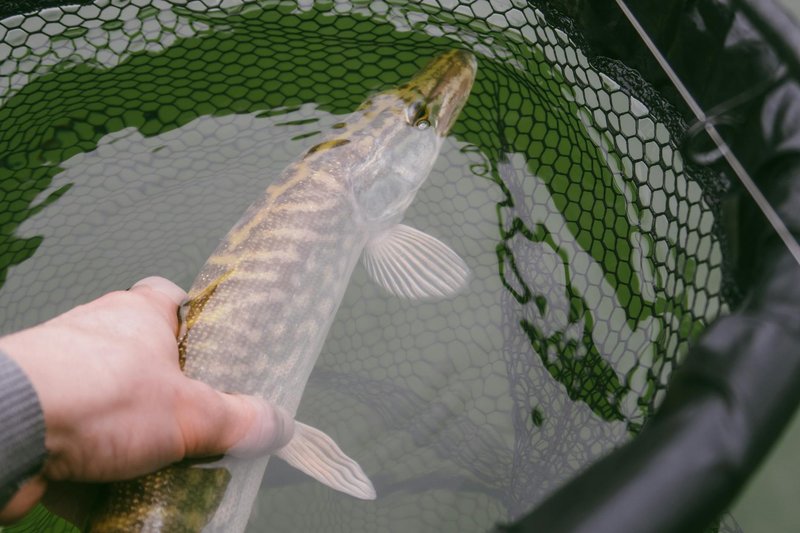
| Csuka | Northern pike | 2–8 kg | Weedy lake margins, backwaters |
| Süllő | Zander (pike-perch) | 1–5 kg | Balaton, Danube, clear lakes |
| Sügér | European perch | 0.2–1 kg | Almost everywhere |
| Dévérkeszeg | Common bream | 0.5–3 kg | Slow rivers, lake bottoms |
| Kecsege | Sterlet (small sturgeon) | 0.5–2 kg | Danube, Tisza main channels |
| Márna | Barbel | 1–4 kg | Fast, gravelly river stretches |
A few notes that don’t fit in a table. Zander — süllő — is the prestige fish, the one with firm white flesh that ends up on the better restaurant menus and is genuinely tied to Lake Balaton’s identity. Perch and bream are the bread-and-butter catches, the fish a kid pulls out on their first afternoon. And the sterlet is the survivor of the sturgeon family here: the bigger Danube sturgeons were once present but are now critically endangered or functionally gone, blocked by dams and overfishing. They join a longer roster of endangered species in Europe whose decline traces back to dammed rivers and habitat loss. The small sterlet hangs on.
Wels catfish: the river monster
If Hungary has a signature fish for anglers, it’s the wels catfish — harcsa. This is the largest freshwater fish in the country and one of the largest in Europe, a smooth-skinned, whiskered predator that lives in the deep holes of the Danube and Tisza. Specimens over two meters and 50 kilograms turn up regularly, and the European record class — fish pushing 2.5 meters — has been documented from Italian and Spanish rivers fed by introduced populations.
The wels is an ambush hunter. It sits in the dark, low-oxygen deep water during the day and moves to feed at night, swallowing other fish, frogs, even waterfowl whole. The European Union’s invasive-species research has tracked how aggressively wels catfish expand once introduced outside their native range — the same dynamic that lands them on lists of invasive species in Hungary and beyond when waters are stocked artificially — which is exactly why catching them in Hungary, where they belong, is such a draw for anglers who travel here specifically for it.
For the record-curious: the IUCN Red List classes the wels catfish as Least Concern across its native European range, so this is a fish you can target in good conscience. It’s not the sturgeon’s story.
Carp, the national fish
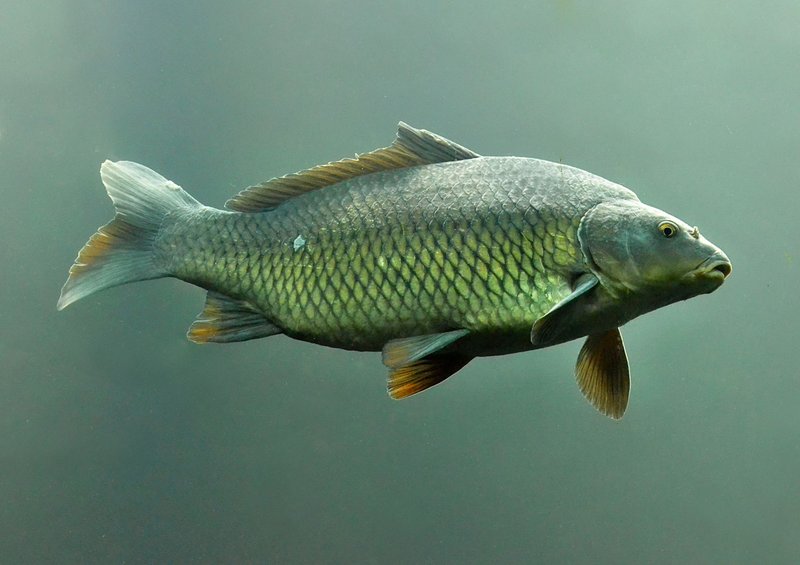
Carp — ponty — is the fish that matters most to the most Hungarians, and not because of sport. It’s the fish of Christmas Eve.
The common carp was farmed across the Carpathian Basin for centuries in monastery and estate ponds, and it became the affordable, reliable protein for a country far from any sea. That history is why carp fishing, pontyozás, is practically a national pastime, with carefully managed lakes, weigh-in culture, and specialized tackle. Hungarian-bred carp strains are exported to fisheries across Europe.
But the deeper reason carp is everywhere comes down to one date on the calendar. Which brings us to the table.
Hungarian fish on the plate
Three dishes tell you almost everything about how Hungary eats fish.
Carp at Christmas. Fried carp with potato salad is the traditional Christmas Eve dinner across much of Hungary. In some households the live carp famously spends a day or two swimming in the bathtub before the meal — a custom that’s fading but not gone. The fish is scaled, cut into thick steaks, breaded, and pan-fried. Simple, and tied to the calendar in a way no other fish here is.
Halászlé, the fisherman’s soup. This is the dish Hungarians will fight about. Halászlé is a fiery red fish soup built on carp (often with catfish or other river fish), onions, and a serious quantity of sweet and hot paprika. The two great schools are the Szeged version — strained, smooth, layered with different fish — and the Baja version, served over thin pasta with the broth and fish kept separate. People hold genuine regional loyalty to one or the other. It’s cooked outdoors in a bogrács, a cauldron over open flame, and it’s the centerpiece of festivals along the Tisza and Danube.
The everyday fry. Outside of holidays, the most common way to meet fish in Hungary is fried and lakeside — which is where the strangest entry on this list comes in.
The hekk curiosity
Here’s the thing that confuses every first-time visitor. The most popular fried fish you’ll eat at Lake Balaton isn’t Hungarian, isn’t freshwater, and was never caught anywhere near Hungary.
Hekk is deep-fried hake — a saltwater fish, imported frozen, sold from lakeside stalls and eaten with your hands while you look out over the water. A landlocked country adopted an ocean fish as its quintessential summer beach food. It arrived during the socialist era, when frozen sea hake was cheap and widely distributed, and it stuck so hard that hekk is now a genuine Balaton institution. According to Britannica, the country has been landlocked since the post-WWI borders were drawn, which makes the whole hekk phenomenon a small lesson in how food culture follows supply chains, not geography.
So when someone in Hungary talks about their favorite “Hungarian fish” and means hekk, they’re not wrong about the culture — just the biology.
Fishing in Hungary: a quick primer
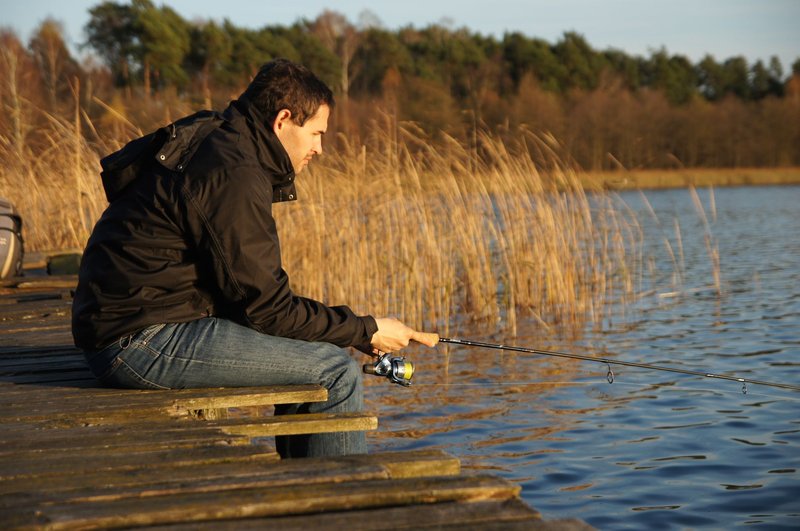
If you want to actually catch any of this, the rules are straightforward but real.
Licenses. You need two things: a state fishing card (a basic national requirement, sometimes preceded by a short exam for residents) and a local water ticket for the specific lake or river stretch you’re fishing. Day and short-term tickets are widely sold to visitors at tackle shops near the major waters. Don’t skip the local ticket — fisheries are actively patrolled.
The top waters:
- Lake Balaton — Central Europe’s largest lake, shallow and warm, best known for zander and carp. The summer hub.
- The Danube — big-river fishing for wels catfish, barbel, and zander, especially in the deeper sections.
- The Tisza — slower and warmer than the Danube, excellent catfish water and the spiritual home of halászlé.
- Lake Velence — a smaller, shallow, reedy lake near Budapest, good for carp and pike.
Records and realism. Hungary produces serious carp and catfish, which is why European anglers book trips here specifically. You won’t pull a record on your first day ticket, but the fish are genuinely there, and the well-managed lakes mean the population isn’t fished out. The same reedy margins and backwaters that hold pike and carp also support a surprising amount of other life, including the amphibians of Hungary that share these wetlands. For current rules and protected-species lists, the Hungarian government’s official portal is the authority, since size limits and closed seasons change by species and water.
Common questions
What is the most popular fish in Hungary? By cultural weight, carp — it’s the Christmas fish and the base of fisherman’s soup. By summer street-food volume, hekk (fried hake) at Lake Balaton, even though it’s an imported saltwater fish.
What is the biggest fish in Hungary? The wels catfish (harcsa), which regularly exceeds 50 kilograms and two meters in the Danube and Tisza. It’s the largest freshwater fish in the country.
What fish do Hungarians eat at Christmas? Fried carp with potato salad is the traditional Christmas Eve meal across much of the country.
Is there sturgeon in Hungary? Yes, but mostly the small sterlet (kecsege). The larger Danube sturgeon species are critically endangered and largely gone from Hungarian waters, blocked by dams and historical overfishing.
Do you need a license to fish in Hungary? Yes — a state fishing card plus a local ticket for the specific water. Both are required, and waters are patrolled.
The fish of Hungary only make sense when you stop separating the biology from the dinner table. The same carp that an angler weighs and releases is the one fried for Christmas Eve. The catfish prowling a Danube hole ends up in the same cauldron of fisherman’s soup that a festival is built around. And the country’s favorite fried fish came from an ocean it doesn’t touch. That’s the real catalog — not 80 names in a table, but the handful of species a whole food culture is wrapped around.