TLDR
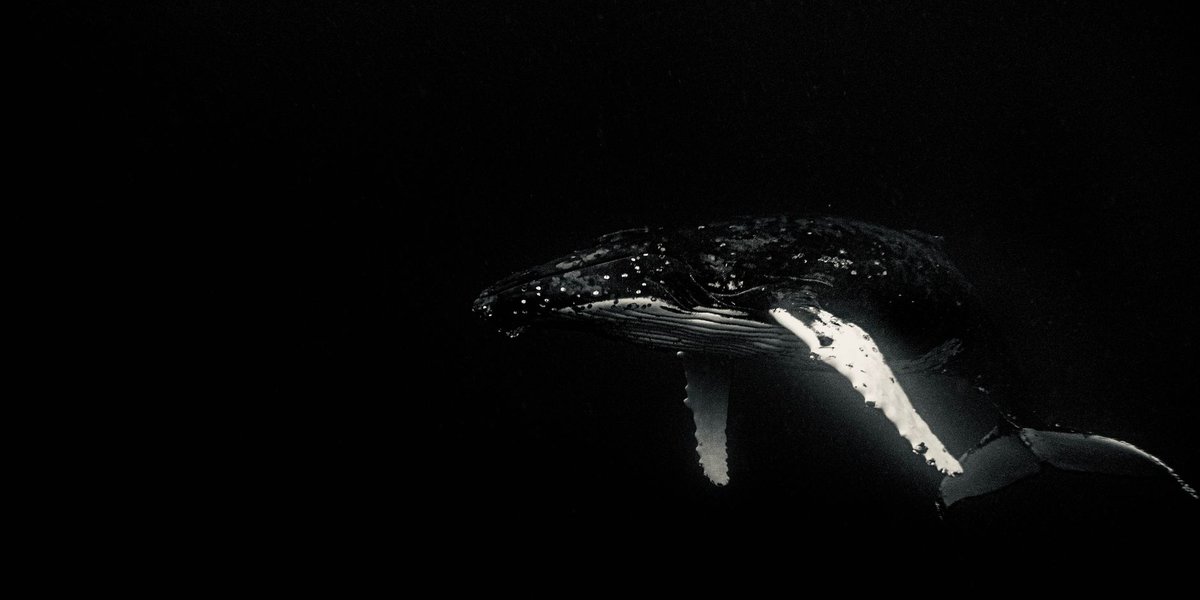
A spade-toothed whale (Mesoplodon traversii) has never been seen alive, but a landmark 2024 necropsy in New Zealand finally gave scientists direct evidence of its diet: squid beaks, squid eye lenses, and parasitic worms, found packed into nine separate stomach chambers. Like its beaked whale relatives, it almost certainly hunts deep-sea squid — and possibly small fish — by suction-feeding at extreme depths, locating prey through echolocation in total darkness.
The 2024 Necropsy: What Was Actually Found
In July 2024, a 5-meter male spade-toothed whale washed up on a beach in Otago, on New Zealand’s South Island. That alone was remarkable — only six confirmed specimens of this species had ever been documented, and none had been recovered intact enough for a full scientific dissection. This one had.
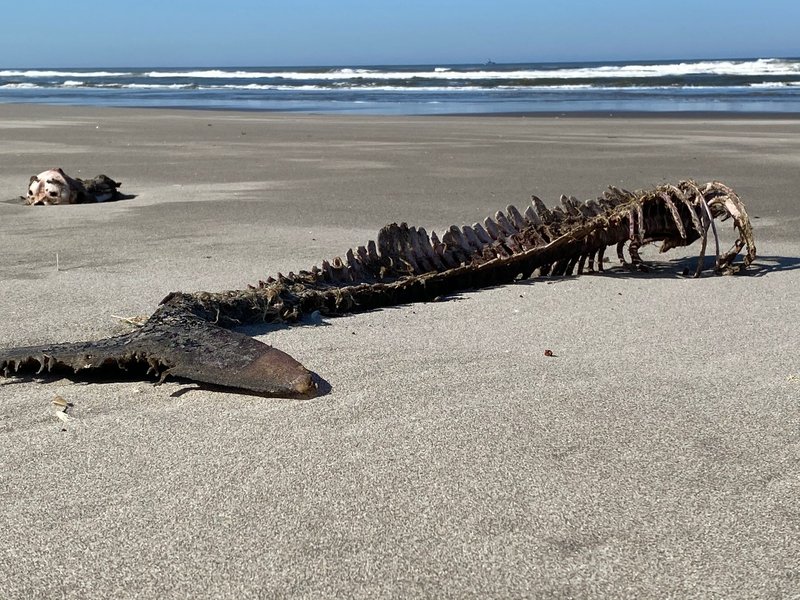
From December 2 to 6, 2024, researchers and Ngāi Tahu iwi (the local Māori tribal authority, who hold cultural guardianship over stranded whales in the region) carried out the necropsy at the Invermay AgResearch Centre. What they pulled from the whale’s stomachs was the first hard evidence of what this species actually eats: squid beaks, squid eye lenses, and parasitic worms, according to New Zealand’s Department of Conservation. Squid beaks are the one part of a squid that doesn’t digest — they’re chitinous, and they pile up in a predator’s gut long after the soft tissue is gone. Finding them, along with the lens-like structures from squid eyes, is about as close to a smoking gun as marine biology gets for an animal nobody has ever watched feed.
The dissection also confirmed something else that had only been theorized: this whale has nine separate stomach chambers, a trait shared with other beaked whales and thought to aid in digesting hard prey parts like beaks. Researchers also examined vestigial teeth buried in the gums — nonfunctional “tusks” that never erupt in females and barely show in males, nicknamed wisdom teeth by the Smithsonian Magazine coverage of the dissection.
So What’s the Actual Diet?
Based on the stomach contents and what’s known about its close relatives, the picture is: cephalopods first, with fish as a likely secondary food source.
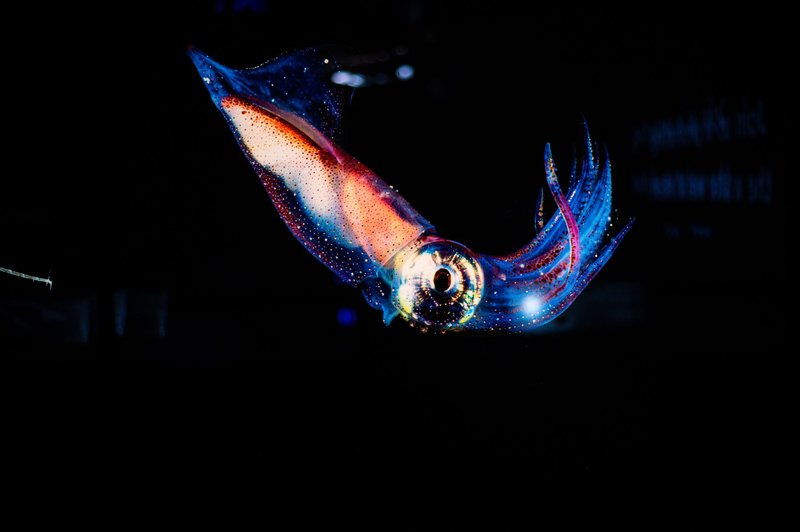
- Deep-sea squid — the primary food source, confirmed by beaks and eye lenses recovered from the stomachs.
- Small fish — not directly confirmed in this specimen, but standard fare for other Mesoplodon species and consistent with the whale’s tooth and jaw structure.
- Occasional crustaceans — plausible but unconfirmed; some related beaked whales take them opportunistically.
No plant material, no surface prey, nothing that suggests feeding anywhere near daylight. Every clue points to hunting in deep, dark water.
How a Toothless-Looking Whale Actually Catches Squid
Spade-toothed whales barely have usable teeth — males grow two blade-like tusks that stay hidden inside the gum tissue, and females don’t grow visible teeth at all. That’s not a design flaw. Beaked whales don’t bite their prey; they inhale it.
Like other members of the genus, this whale likely feeds by suction. A pair of throat grooves lets the tongue retract explosively, creating negative pressure that yanks prey into the mouth whole — less “predator with teeth” and more “biological vacuum.” It’s the same mechanism documented in Sowerby’s beaked whale and other Mesoplodon species, where tagging studies have recorded echolocation clicks and buzzes synced to prey capture hundreds of meters down.
Beaked whales as a family are some of the deepest, longest divers in the ocean — some species regularly work depths past 1,000 meters, in water pressure and darkness that would crush most animals, per research from the Woods Hole Oceanographic Institution. Down there, eyesight is close to useless. Echolocation does the work instead: the whale sends out clicks, listens for the return, and builds a sonar picture of anything moving nearby, including a squid that thinks it’s hidden in total blackness.
How It Compares to Its Beaked Whale Relatives
The spade-toothed whale’s diet fits a pattern seen across the genus rather than standing apart from it. The strap-toothed whale (Mesoplodon layardii), one of the better-studied relatives, has been found with the remains of two dozen different squid species in its stomach, alongside deep-sea fish. Other Mesoplodon species documented in stranding and bycatch studies show similar squid-heavy diets, with genera like Histioteuthis, Taonius, and Chiroteuthis — all deep-water squid that live well below where sunlight reaches — showing up repeatedly.
That consistency across the family is exactly why scientists were comfortable inferring so much about the spade-toothed whale’s diet even before the 2024 necropsy. It’s also why the necropsy mattered: inference is one thing, a beak recovered from an actual stomach is another.
Why So Much Is Still Guesswork
Here’s the honest caveat: nobody has ever seen a live spade-toothed whale. Not a diver, not a boat, not a drone. Everything known about this species — its color pattern, its size range, and now its diet — comes from a handful of stranded or dead animals recovered over decades. The 2024 specimen is the first complete necropsy the species has ever gotten, which is a big reason it made international news despite being, on paper, “just” a whale eating squid.
Until someone documents one hunting in open water, the diet picture will stay built from evidence, not observation — stomach contents, tooth structure, and comparisons to close relatives that have been studied more thoroughly. Right now, that’s about as good as it gets for the rarest whale in the world.