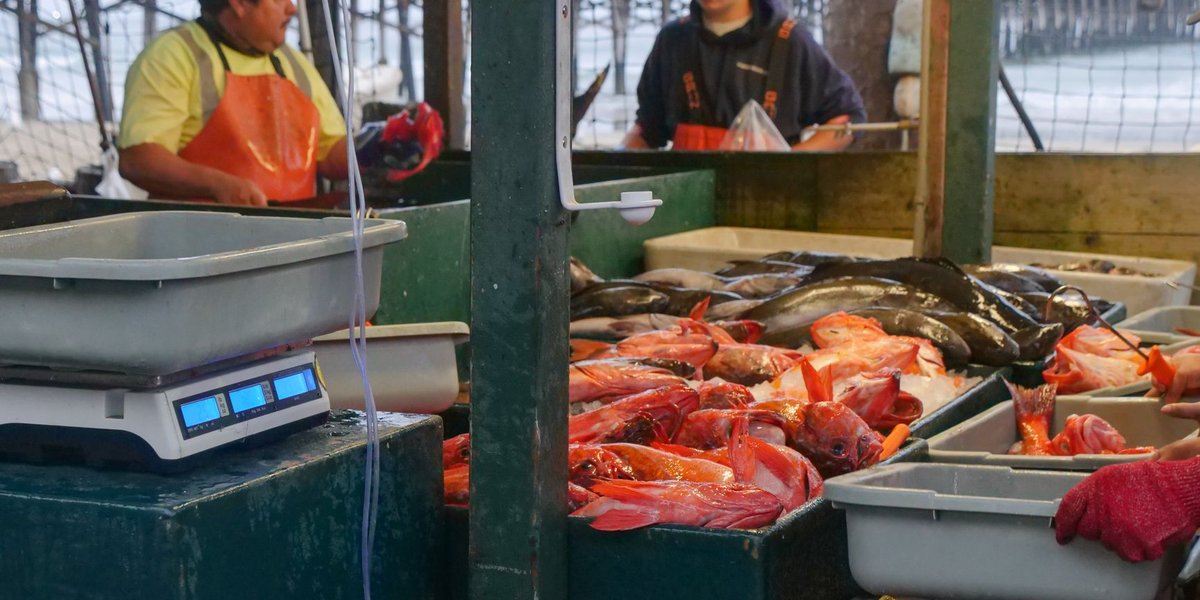
Type “fish of Korea” into a search bar and you get two options: a Wikipedia taxonomy page with dozens of unlabeled links, or a specialist checklist built for ichthyologists who already know what Eschmeyer’s Catalog is. Neither tells you what’s actually swimming past you on a hike along the Han River, or what you just ordered at a Busan fish market without realizing it.
South Korea’s fish split into two very different stories. Up in the mountain streams, a set of small, quietly disappearing species exist nowhere else on the planet — dammed rivers and vanishing gravel beds have pushed several onto the country’s endangered list. Down in the Yellow Sea, the East Sea, and the strait off Jeju, a completely different cast of fish shows up grilled, stewed, dried, and fermented on Korean tables, often several times a week. This list covers both halves: the endemic river fish worth knowing about, and the marine species that explain half of what you’ll see on a Korean menu.
Table of Contents
The rivers: fish found nowhere else on Earth
- Korean Bitterling
- Korean Oily Bitterling
- Splendid Dace
- Korean Spine Loach
- Kumgang Fat Minnow
- Korean Spotted Barbel
- Korean Minnow
- Manchurian Trout
The sea: fish that built South Korea’s food culture
- Chub Mackerel
- Hairtail
- Korean Skate
- Pacific Cod
- Alaska Pollock
- Anchovy
- Large Yellow Croaker
- Pacific Saury
- Olive Flounder
- Japanese Amberjack
- Red Seabream
- Sailfin Sandfish
- Chum Salmon
- Japanese Spanish Mackerel
The rivers: fish found nowhere else on Earth
These species live in a shrinking set of streams on the Korean peninsula and, for most of them, nowhere else. They’re not the fish anyone eats — they’re the endemic fish that tell you how a river is doing.
1. Korean Bitterling
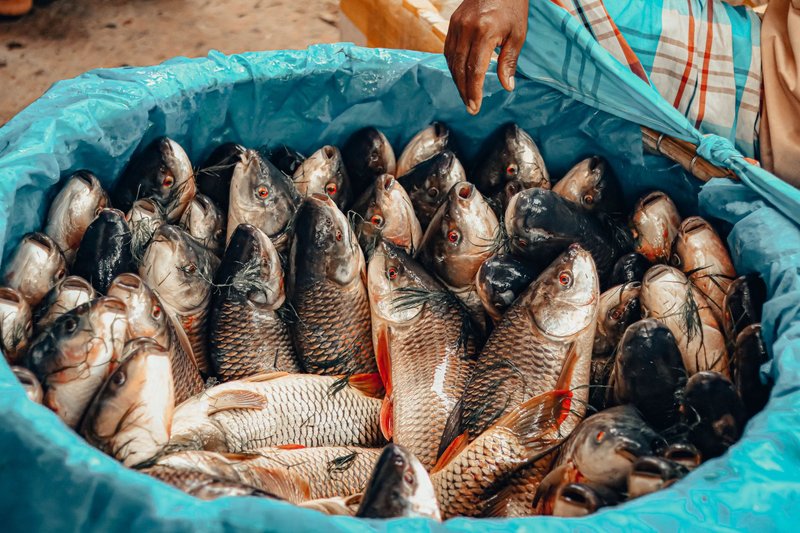
The Korean bitterling survives in one place on Earth: the Han River system, mostly in shallow, gravel-bottomed stretches near Seoul and north into the Imjin-Hantan basin. It’s an unremarkable-looking fish for most of the year — then breeding season hits and the males flash orange and blue along their flanks.
The strange part is where the eggs go. Females grow a long, tube-like ovipositor and use it to lay eggs directly inside the gill chamber of a living freshwater mussel, where the fry develop protected until they’re ready to swim free. Lose the mussel, lose the fish, and stream channelization has done exactly that to enough populations that Korea’s Ministry of Environment now lists the species for legal protection. Researchers tracking its mitochondrial DNA have found the surviving populations are genetically thin — bureaucratic language for a species running out of river to lose.
2. Korean Oily Bitterling
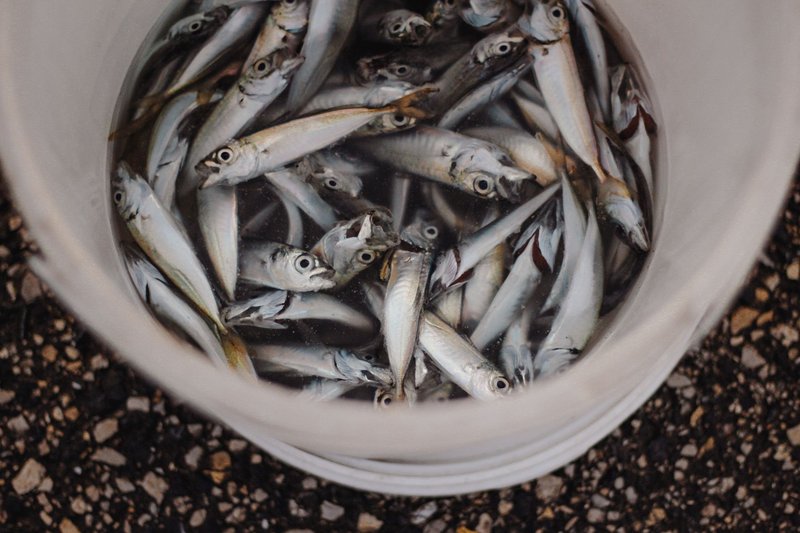
A slimmer, more silver-bodied cousin of the Korean bitterling, with a faint gold sheen that shows up when the light hits it right. It keeps to a different set of river systems along Korea’s western and southern coastal plains, and like its relative, it needs a host mussel to reproduce — no mussel population, no next generation. Anglers and aquarium hobbyists rarely encounter it outside a handful of protected streams, which is exactly why it’s stayed obscure enough that most “fish of Korea” roundups skip it entirely.
3. Splendid Dace
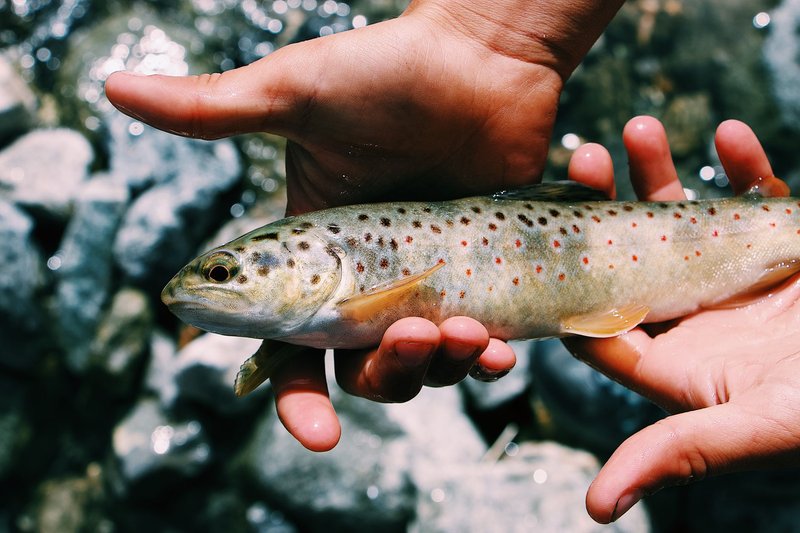
One of the more striking small fish you’ll find in a clear mountain stream: a slender, silvery body cut through by an iridescent blue-green stripe that flashes when it turns in the current. It’s a fast-water specialist, sticking to riffles and gravel runs where the current keeps oxygen levels high, and it’s genuinely endemic to the Korean peninsula rather than a regional variant of something found elsewhere in East Asia. Stream engineering projects that slow or straighten rivers tend to push it out fast, since it has almost no tolerance for still or silted water.
4. Korean Spine Loach
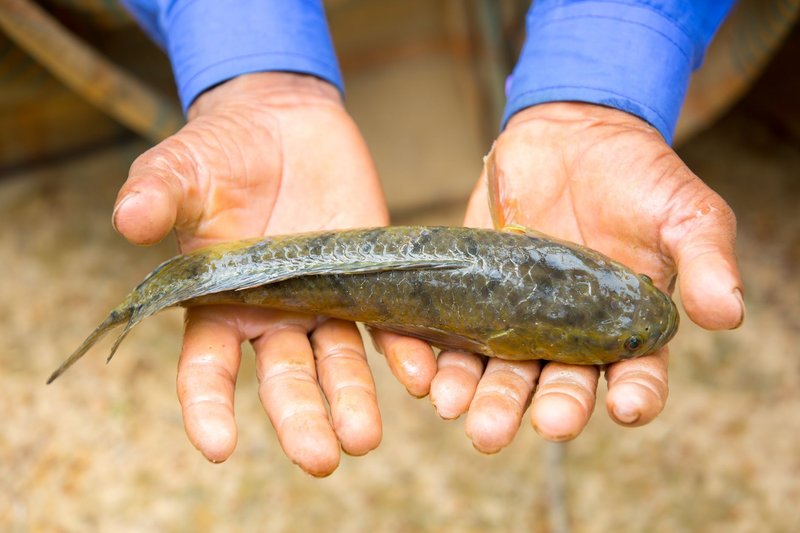
A bottom-dweller built like a slim, flattened rod, roughly seven to ten centimeters long, patterned with a row of triangular blotches down each flank. Three pairs of barbels ring its mouth for feeling along sand and gravel substrate, and a small two-pronged spine sits beneath each eye — a defense feature that gives the whole spine-loach group its name. Research into a closely related tetraploid spined loach on Korea’s east coast has shown this genus is more genetically complicated than its plain appearance suggests. It wants cold, clear, moving water and disappears fast from anything silted or slowed.
5. Kumgang Fat Minnow
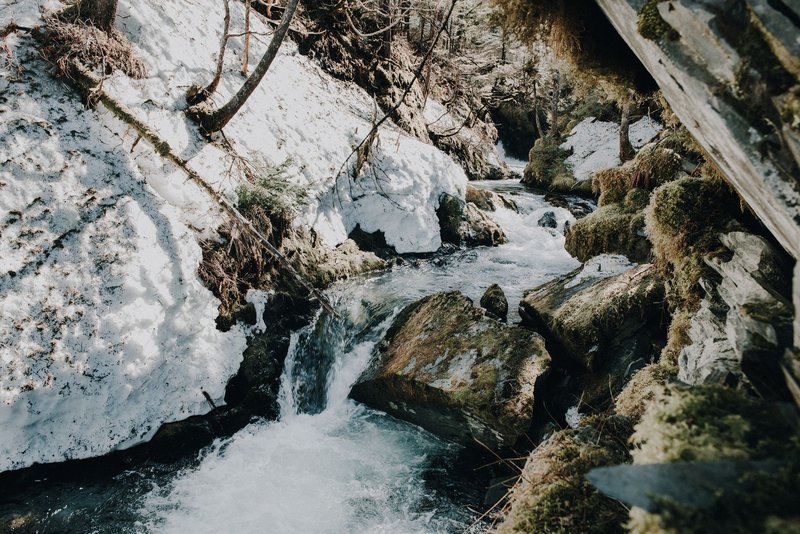
Named for the Kumgang mountain region near the North Korean border, this chunky, thick-bodied minnow makes its living in cold, high-elevation streams that would stall out most other cyprinids. It tolerates near-freezing winter water that keeps flowing under ice, a niche most Korean freshwater fish simply avoid. Because its range straddles one of the most heavily restricted areas on the peninsula, a decent share of its remaining habitat has been left alone less by conservation policy than by decades of restricted access near the border.
6. Korean Spotted Barbel
The biggest fish in this half of the list, and large enough to be an actual angling target rather than a curiosity — dark, saddle-shaped blotches run down a pale body, with a barbel-fringed, downturned mouth built for grubbing along fast gravel riffles. It needs exactly the kind of habitat Korea has been paving over for decades: fast, unpolluted, unobstructed river reaches. Dam construction fragments its populations into isolated pockets, and it’s now one of the country’s legally protected endangered species.
7. Korean Minnow
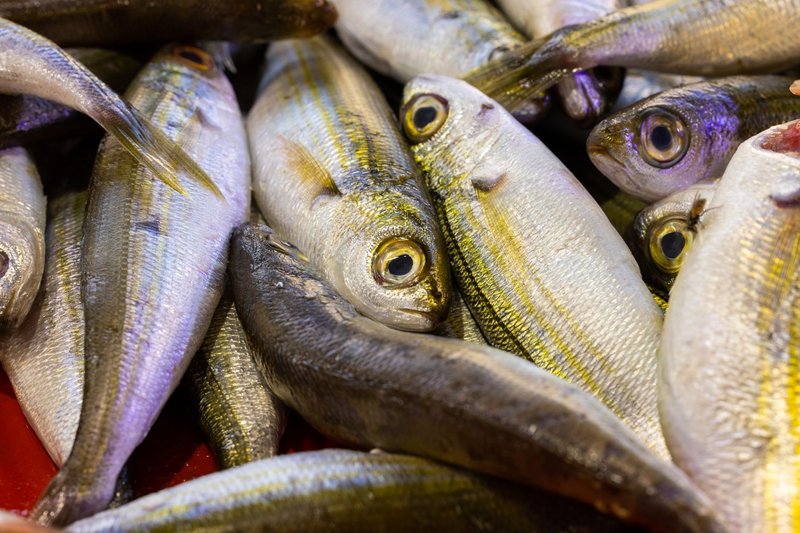
Common where the endemics above are rare, this pale-chub relative is the fish most people in Korea have actually seen without knowing its name — schooling in shallow riffles all over the peninsula. Come spring breeding season, males flush deep red and electric blue along the body, a transformation dramatic enough that biologists use it as a rough field indicator of stream health: bright, actively displaying males generally mean clean, well-oxygenated water nearby.
8. Manchurian Trout
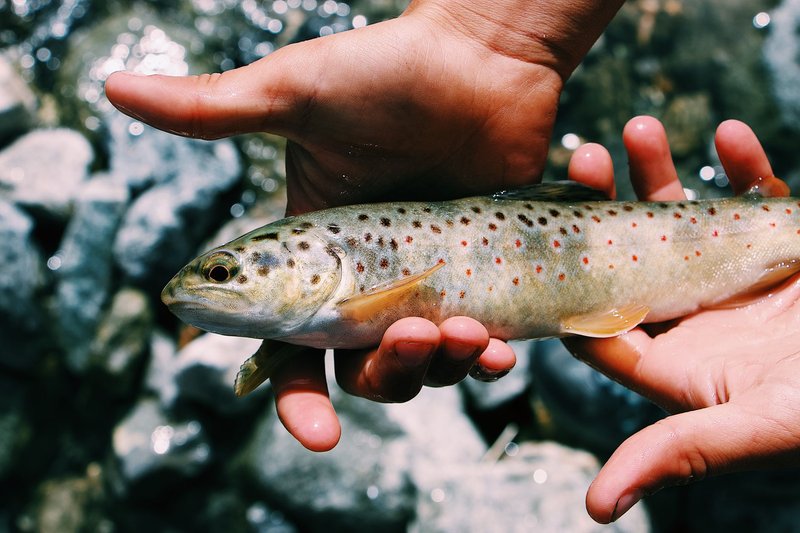
A true salmonid holdout, and one of the rarest fish in South Korea — cold-water populations have been squeezed into a small number of spring-fed streams as the rest of the peninsula’s rivers warmed and were dammed. It’s a lenok, a genus more associated with Siberia and the Amur basin than the Korean peninsula, which makes South Korea’s remaining population something of a relict: fish that got isolated here as conditions changed around them, rather than fish that evolved here from scratch.
The sea: fish that built South Korea’s food culture
Switch from river to coastline and the story flips. These species aren’t rare — they’re the backbone of what gets caught, farmed, and eaten across the peninsula, from the anchovy stock under nearly every Korean soup to the whole grilled mackerel that shows up at neighborhood restaurants for lunch.
9. Chub Mackerel
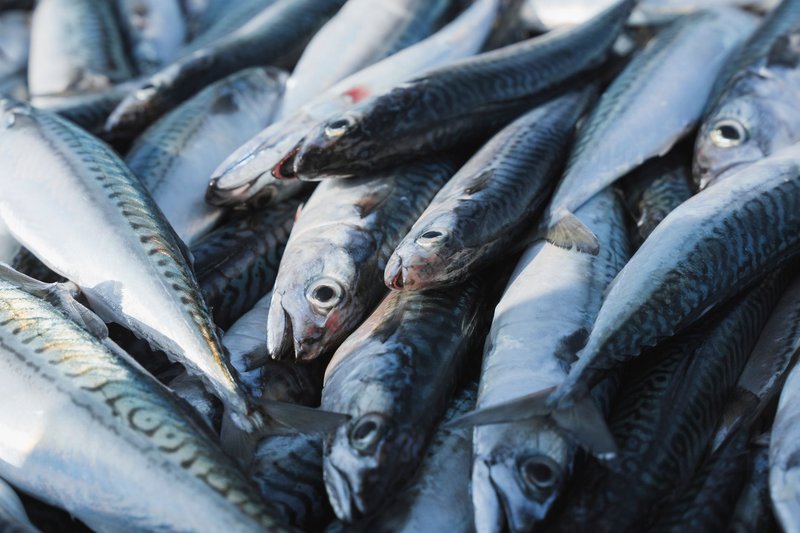
Korea’s most-consumed fish by a wide margin — grilled whole with the skin scored, salted, and served with rice often enough that godeungeo jorim (braised mackerel) counts as comfort food rather than a special-occasion dish. It runs roughly 30 to 50 centimeters long, travels in dense schools through the Yellow Sea and the waters off Jeju, and its fat content swings hard by season: autumn mackerel, fattened up before winter, is considered the best of the year and priced accordingly.
10. Hairtail
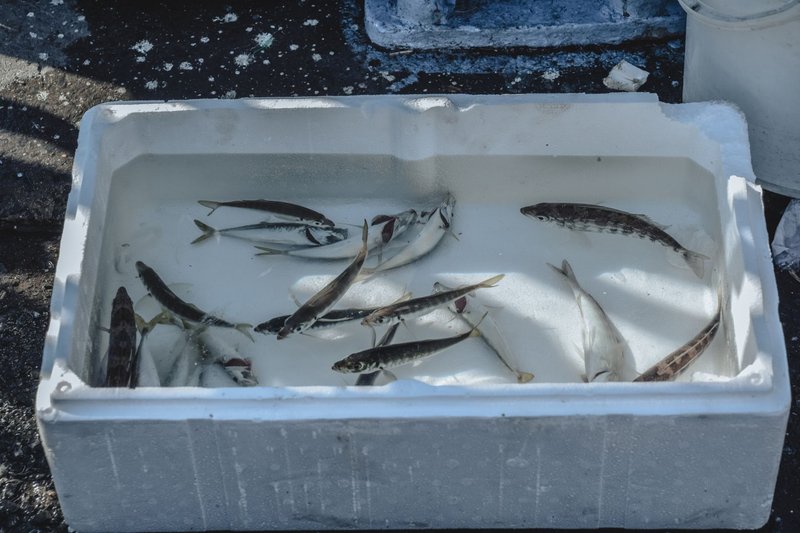
Genuinely strange-looking — a silver ribbon of a fish that can stretch past a meter, tapering to a whip-thin tail with no distinct tail fin at all. Jeju’s version, caught on baited lines rather than nets, is sold as eungalchi and commands a real premium over the darker-skinned, net-caught meokgalchi landed around Mokpo. Peak season runs July through October, and salted, pan-fried hairtail is common enough on Korean tables that most households have an opinion about which region’s catch tastes better.
11. Korean Skate
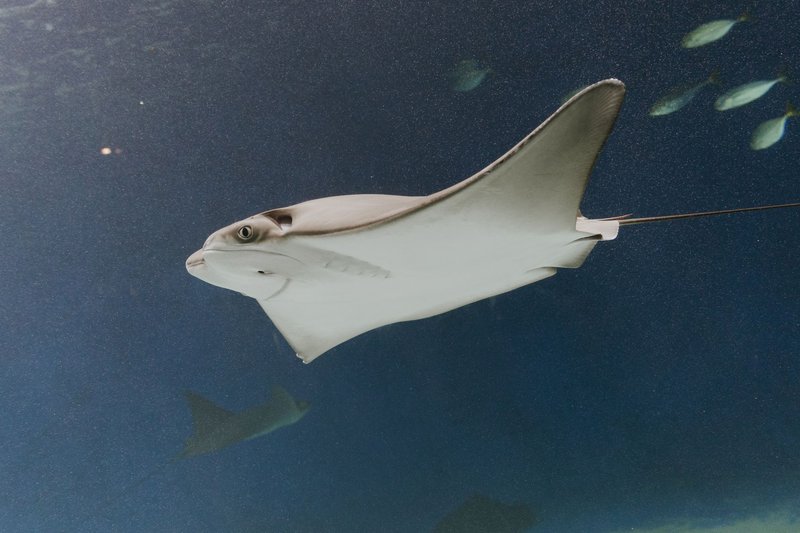
A flat, kite-shaped cartilaginous fish related to sharks and rays, and the center of one of Korea’s most divisive foods. Skate processes waste through its skin rather than a conventional urinary tract, so once it’s fermented for days or weeks — as it traditionally is in Korea’s southwestern Jeolla region — it develops an ammonia punch strong enough to clear a room. Hongeo-hoe, the fermented raw version, is considered a delicacy precisely because it’s an acquired taste; a milder, unfermented version gets grilled or dried instead.
12. Pacific Cod
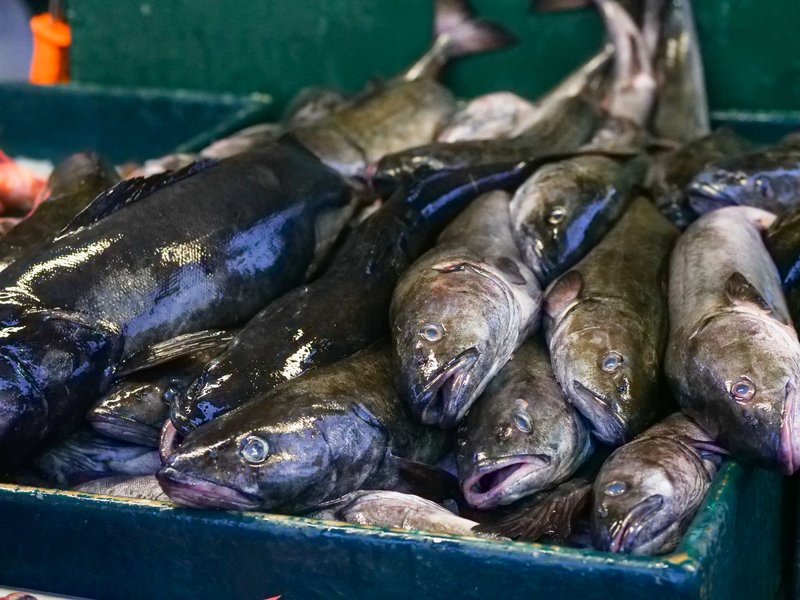
A cold-water bottom-feeder with a signature chin barbel and a mild, flaky, low-fat flesh that makes it a stew fish rather than a grilling fish in Korean cooking — daegu-tang, a clear, spicy fish soup, is a classic hangover cure. NOAA’s stock assessments track Pacific cod populations across the North Pacific, and the same broad range that supports major U.S. and Russian fisheries extends into the cold waters off Korea’s east coast, where it’s a winter catch.
13. Alaska Pollock
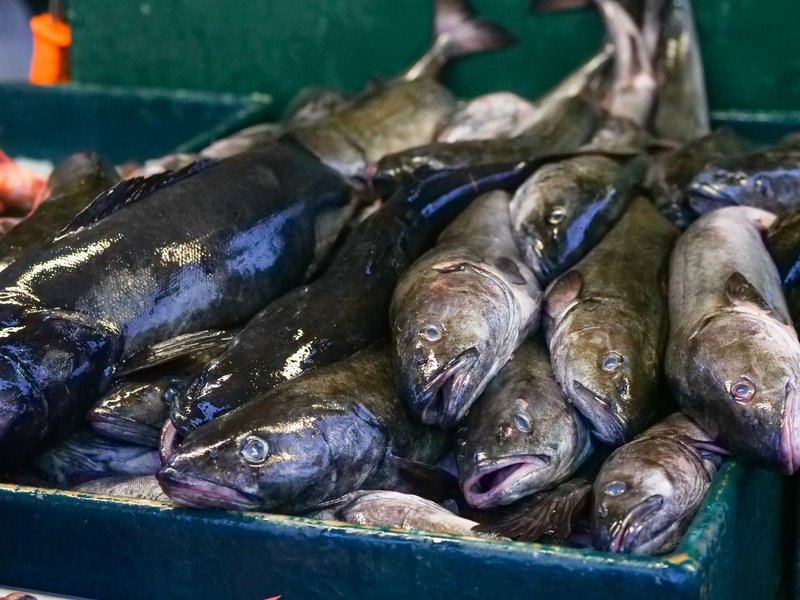
No fish in Korean cuisine has more names, and each one marks a different stage of processing: fresh is saengtae, frozen is dongtae, wind-dried over weeks on outdoor racks until it turns pale gold is hwangtae, and half-dried is kodari. NOAA describes Alaska pollock as a schooling, semipelagic species that typically runs 12 to 20 inches, though it can reach three feet — one of the largest fisheries on the planet, and Korea imports heavily from it even as wild catches off its own coast have collapsed over recent decades.
14. Anchovy
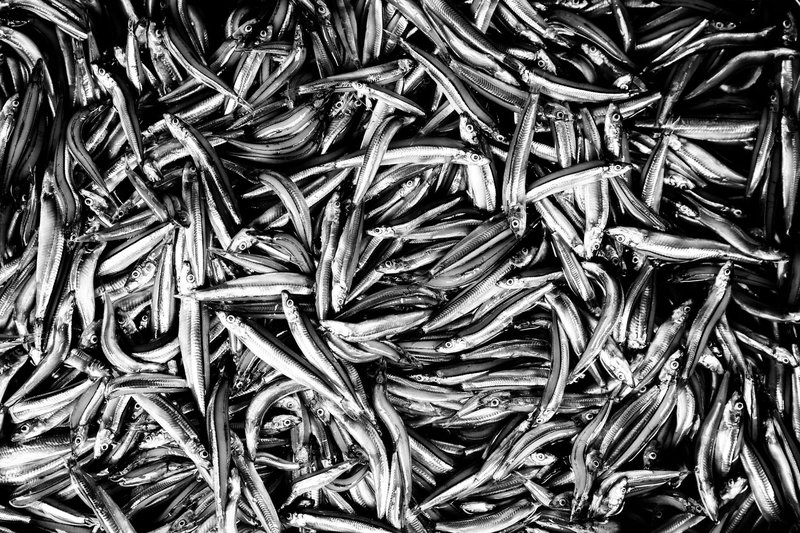
Small enough to be dismissed as an ingredient rather than a fish in its own right, but Korean cooking treats it as foundational: dried anchovy stock is the base for a huge share of Korean soups and stews, and the smallest grade gets stir-fried whole with soy sauce and nuts as a side dish that shows up at nearly every meal. Larger anchovies get fermented into myeolchi-jeot, a pungent seasoning used the way other cuisines use fish sauce.
15. Large Yellow Croaker
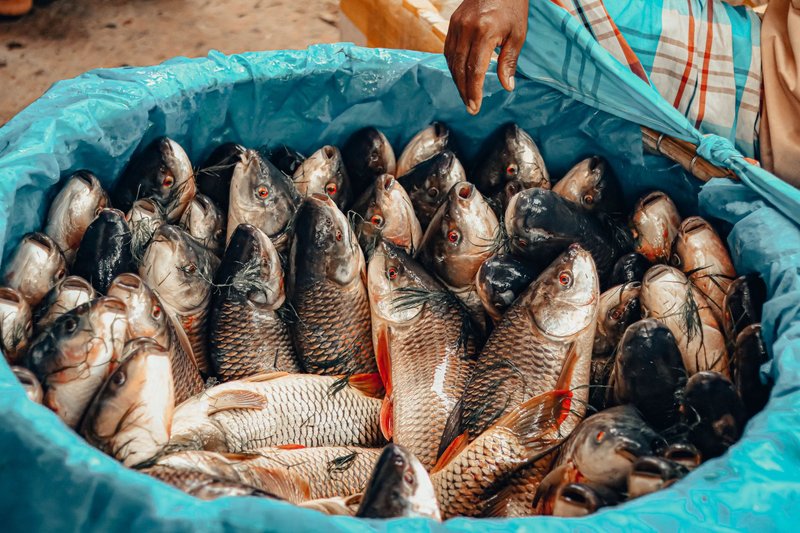
A golden-bodied fish tied to Korean holiday tradition more than any other on this list — salted and dried whole, it’s the centerpiece of gulbi, and the town of Yeonggwang built its reputation on curing it. Wild stocks off Korea have been fished hard enough that a meaningful share of what’s sold now comes from aquaculture or nearby waters rather than the historic Yellow Sea grounds, but gulbi remains a standard gift box during Chuseok and Lunar New Year regardless of where the fish actually came from.
16. Pacific Saury
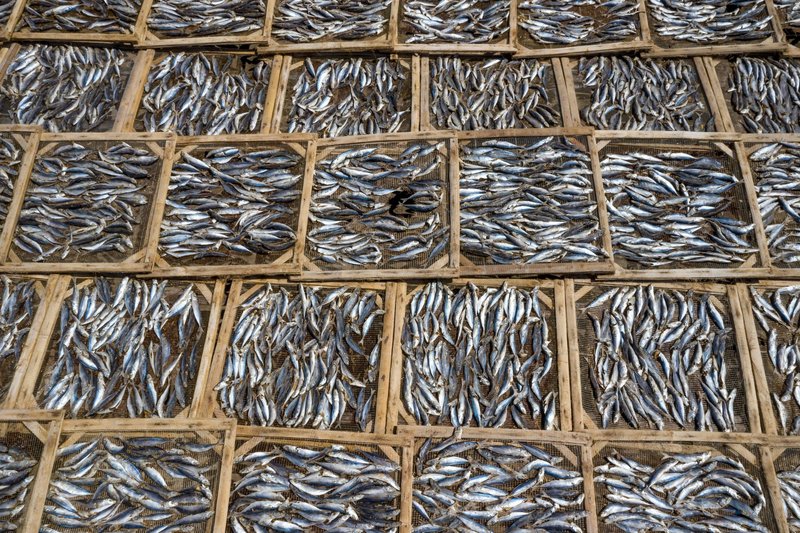
A slim, silver-blue schooling fish with an elongated lower jaw, caught in cold autumn waters off Korea’s east coast and almost always grilled whole, bones and all, until the skin blisters. It’s cheap relative to mackerel or hairtail, which has made it a staple at neighborhood grill restaurants rather than a special-occasion fish, and its oil content spikes in the fall the same way mackerel’s does.
17. Olive Flounder
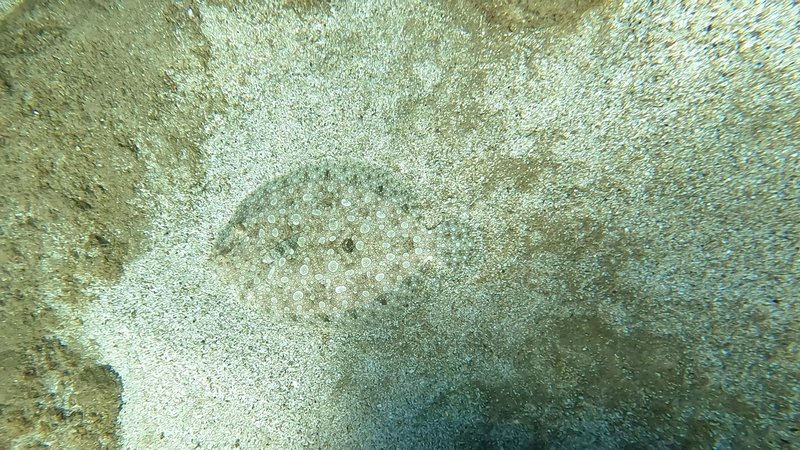
Korea’s dominant aquaculture fish by volume, raised in land-based tanks fed with pumped seawater, heavily concentrated on Jeju Island where the water stays cool and clean year-round. Both eyes sit on the same side of its flattened body, the classic flatfish arrangement, and it’s the default whitefish for sliced raw preparations (hoe) at coastal restaurants — firmer and cheaper than the wild-caught alternatives it has largely displaced.
18. Japanese Amberjack
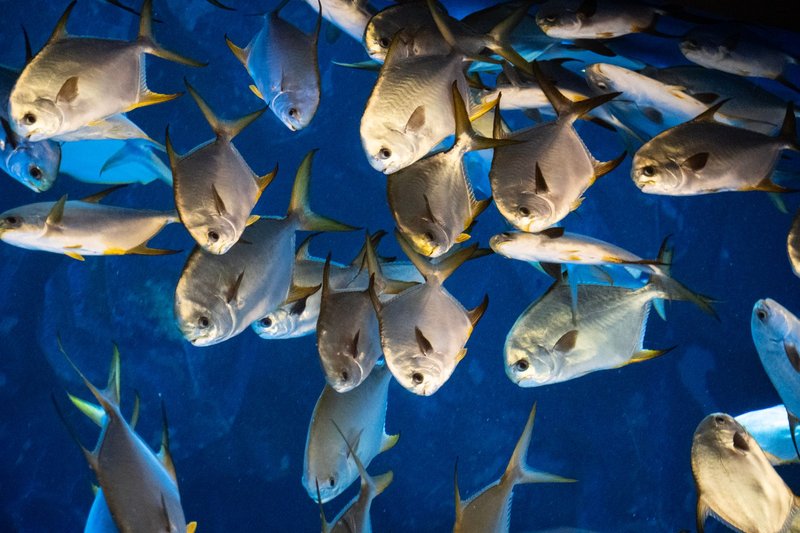
A fast-swimming, deep-bodied predator that shows up in Korean waters mainly in cooler months, prized in raw-fish culture for a fattier, richer bite than most whitefish. Size matters with this one — a small amberjack and a large one are treated almost as different ingredients, with the bigger, fattier winter fish commanding real premiums at coastal markets on the south coast and around Jeju.
19. Red Seabream
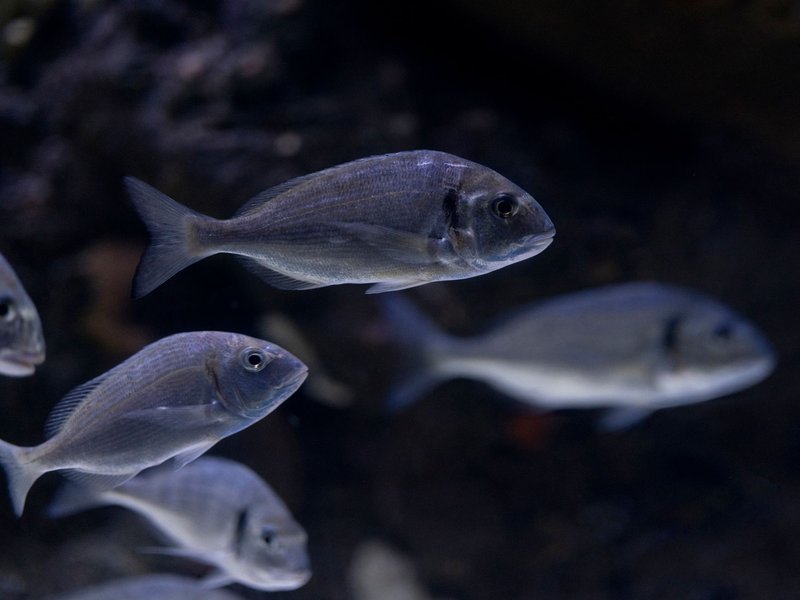
A pink-red, high-backed fish that shows up at celebrations more than everyday meals — its color reads as auspicious across East Asian food culture generally, and whole steamed or grilled seabream is a common dish at weddings and first-birthday spreads. It holds firm, mild flesh that takes well to simple preparation, part of why it’s stayed a special-occasion fish rather than an everyday one despite being fished all along Korea’s southern coast.
20. Sailfin Sandfish
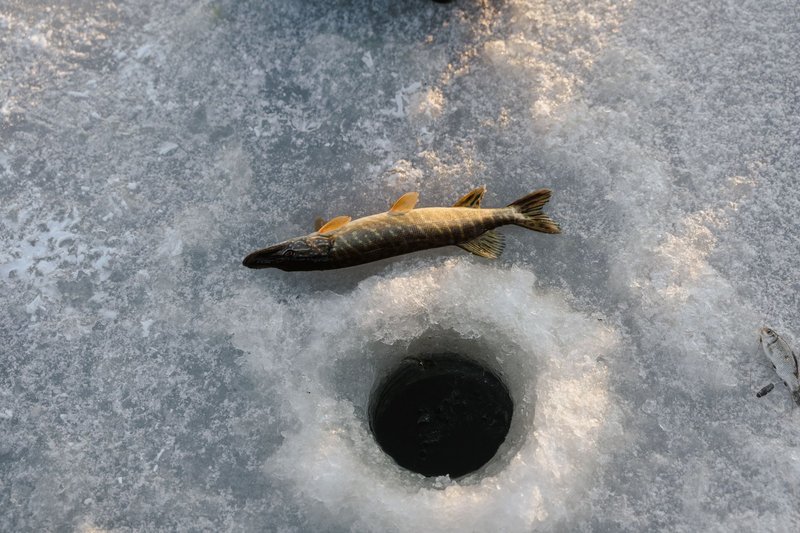
A small, soft-bodied fish caught off Korea’s east coast in winter, historically associated with Gangwon Province fishing towns like Gangneung, where egg-laden females turn up grilled or in stew during the cold months. Its Korean name, dorumuk, carries a folk story about a king who renamed the fish after a disappointing second taste of it — a rare case of a food fish whose name is literally a punchline about its own reputation.
21. Chum Salmon
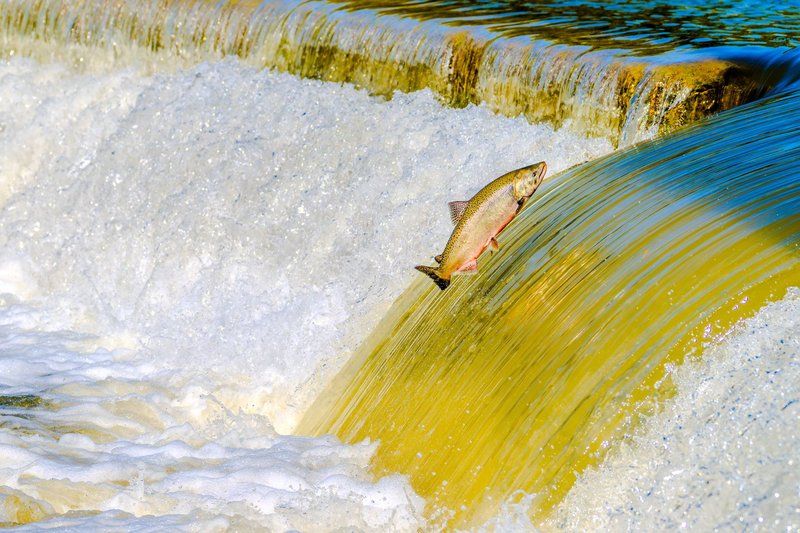
Wild chum salmon return each autumn to spawn in a handful of clean, cold rivers on Korea’s east coast, most famously the Namdae Stream near Yangyang, where the run has become enough of a local event that the town holds a salmon festival around it. It’s a small fraction of what’s actually sold as salmon in Korea, most of which is farmed or imported, but the wild run is the one Koreans point to when they talk about salmon as a native fish rather than an imported one.
22. Japanese Spanish Mackerel
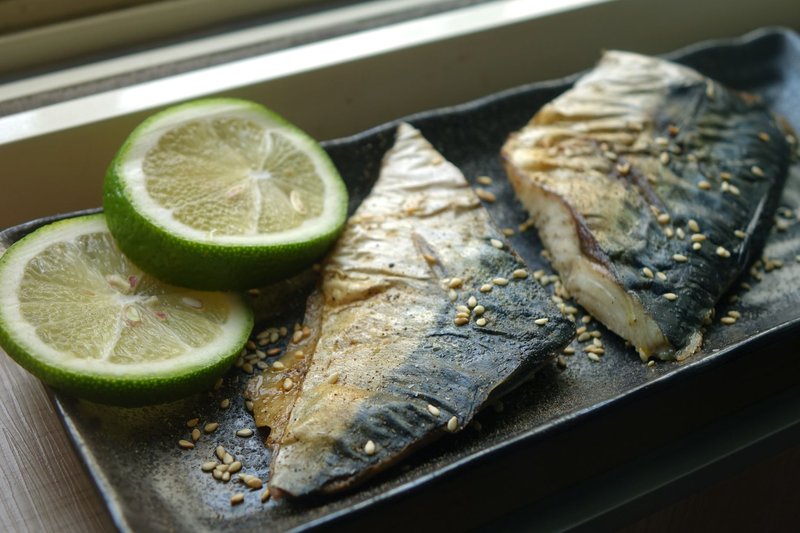
A long, silver, torpedo-shaped mackerel relative that’s become dramatically more common in Korean waters over the past two decades as sea temperatures have climbed — a species once associated more with Japan’s warmer coastline and now a regular part of the catch off South Korea’s south and west coasts. It’s milder and less oily than chub mackerel, usually cut into steaks and pan-fried or grilled, and its growing numbers are frequently cited as one of the clearer local signs of a warming ocean.
Where to see them, or eat them
The endemic river fish on this list aren’t going to show up on a dinner menu, and most people who aren’t fishing or diving won’t cross paths with them at all — spotting a Korean bitterling or a splendid dace means a trip to a protected stream, ideally with someone who already knows where to look. The marine half is the opposite problem: once you know the Korean names, you’ll realize you’ve probably already eaten half of this list without knowing what it was called. That gap, between the fish nobody sees and the fish everybody’s eaten without noticing, says more about South Korea’s relationship with its own waters than either list does on its own.