An ocean food chain is the path energy takes from sunlight to a top predator: tiny algae make food from light, small animals eat the algae, bigger animals eat the small ones, and so on up. Each step is called a trophic level, and each one hands on only a sliver of the energy it received.
TLDR
- Most ocean food chains start with phytoplankton, microscopic drifters that also make roughly half of Earth’s oxygen.
- Only about 10% of energy passes from one level to the next, which is why chains stop at four or five links.
- Real oceans run on food webs, not single chains, because almost every animal eats more than one thing.
- In the dark deep sea, the base is either falling debris or bacteria that feed on chemicals instead of sunlight.
Table of Contents
- The producers: where it all starts
- The small consumers that feed the sea
- Why ocean food chains are so short
- Predators at the top
- Food chain vs food web
- Deep-sea food chains
The producers: where it all starts
A simple sunlit-zone chain looks like this:
Phytoplankton → zooplankton → small fish → larger fish → apex predator
Here’s how the levels compare.
| Level | Role | Example | What it eats |
|---|---|---|---|
| Producer | Makes food from sunlight | Phytoplankton, kelp | Light and dissolved nutrients |
| Primary consumer | Eats producers | Zooplankton, krill, sea urchins | Phytoplankton, algae |
| Secondary consumer | Eats primary consumers | Sardines, herring, small squid | Zooplankton, krill |
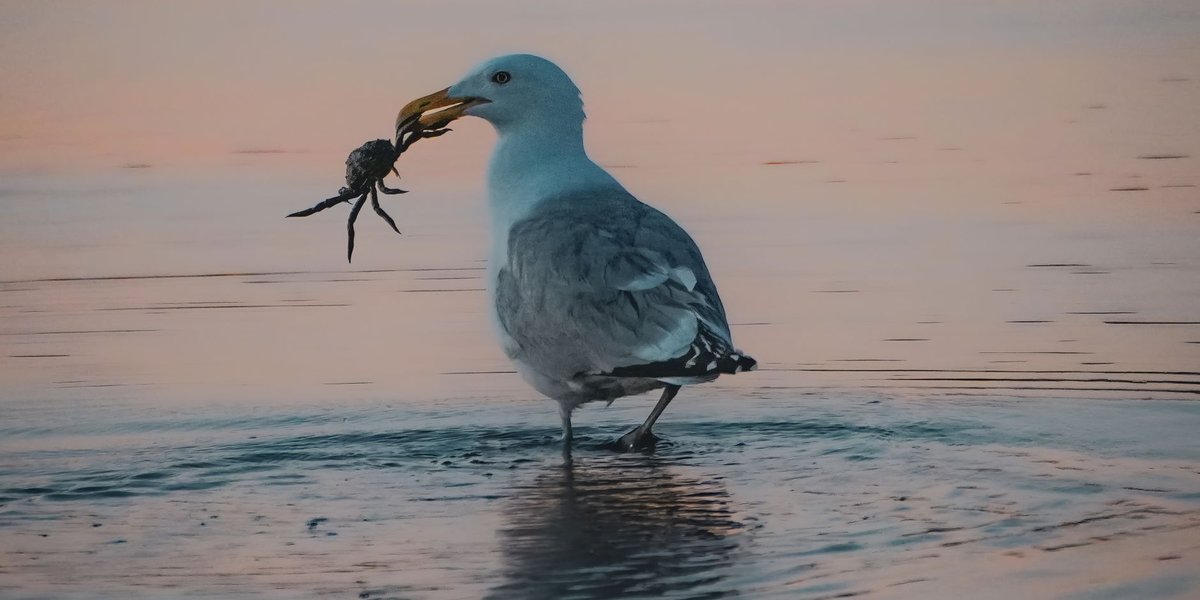
| Tertiary consumer | Eats other predators | Tuna, salmon, seals | Small fish, squid |
| Apex predator | Nothing hunts it as an adult | Orcas, great white sharks | Fish, seals, other predators |
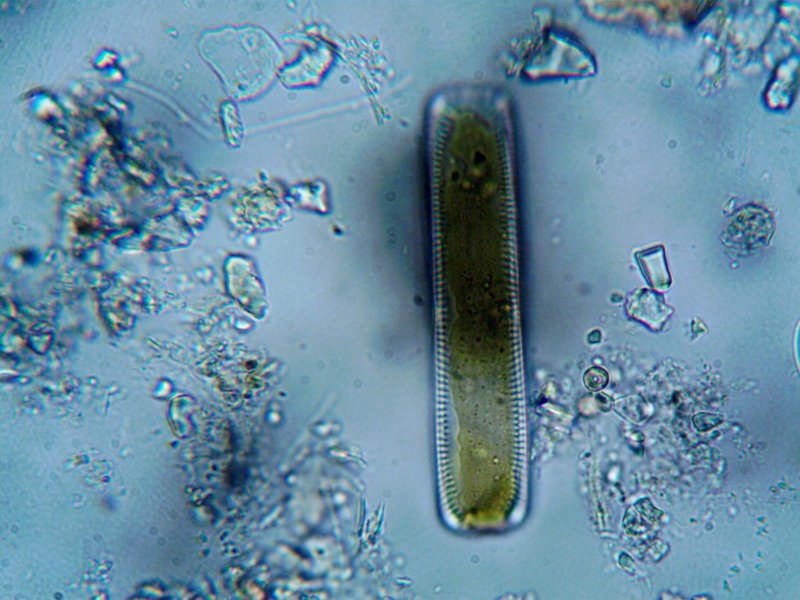
1. Phytoplankton make about half of Earth’s oxygen. NOAA estimates that at least 50% of the oxygen in the atmosphere comes from the ocean, and most of that is produced by phytoplankton. These cells are the base of nearly every marine chain.
2. Phytoplankton blooms are visible from space. Each cell is far too small to see, but when nutrients and sunlight line up, billions of them turn patches of water green, turquoise or red. Satellites track these blooms to measure ocean productivity.
3. Diatoms build glass shells. Diatoms, one of the most common phytoplankton groups, wrap themselves in silica, the same material as glass. Those shells sink and pile up on the seafloor, and ancient deposits of them are mined on land today.
The small consumers that feed the sea
4. Zooplankton run the largest daily migration on Earth. Every night, huge numbers of zooplankton and small fish rise hundreds of meters from the deep to feed near the surface, then sink back before dawn to hide from predators. It happens in every ocean.
5. Antarctic krill outweigh most animal species. Estimates of Antarctic krill biomass run to several hundred million tonnes. This one shrimp-like species is the food source for whales, seals, penguins and squid across the Southern Ocean.
6. A blue whale eats around 4 tonnes of krill a day. In peak feeding season, the largest animal that has ever lived survives on one of the smallest prey. That’s a food chain with just three links: phytoplankton, krill, whale.
7. A few small fish hold up the whole web. Sardines, anchovies and herring eat plankton and are eaten by almost everything bigger. The Peruvian anchoveta is regularly among the largest single-species fisheries on Earth, and its boom-and-bust years ripple through seabirds, tuna and sea lions.
Why ocean food chains are so short
8. Only about 10% of energy moves up each level. The rest is burned for movement, heat and growth, or lost as waste. National Geographic’s education resource covers this energy flow. Do the math: if phytoplankton capture 10,000 units of energy, zooplankton get about 1,000, small fish about 100, and a tuna about 10.
9. Most chains stop at four or five links. By the fifth step, there isn’t enough energy left to support another predator. The 10% figure is a rule of thumb, and real transfer efficiency ranges from a few percent to over 20%, but the ceiling is the same.
Predators at the top
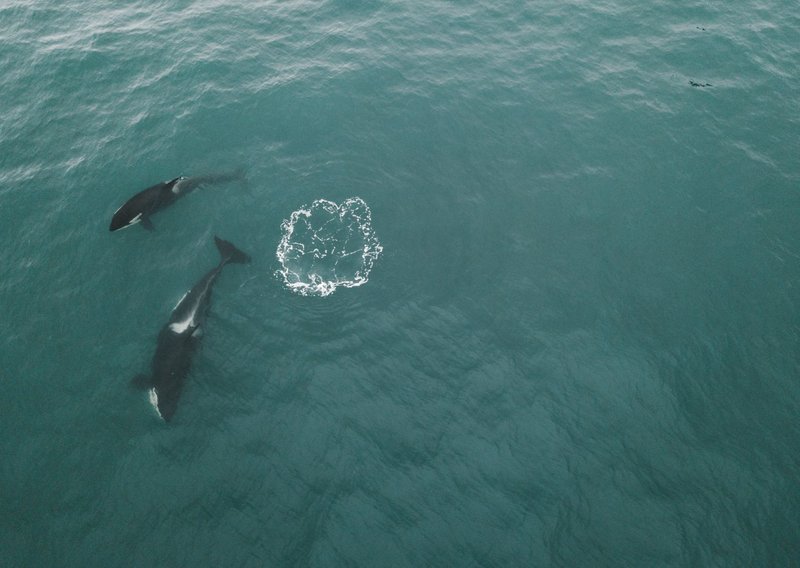
10. Orcas hunt great white sharks. Great whites are apex predators in most people’s minds, but orcas sit above them. Off South Africa, orcas have killed great whites and eaten only their nutrient-rich livers, after which the sharks abandoned the area.
11. Sea otters protect kelp forests by eating urchins. Remove otters and sea urchin numbers explode, then the urchins graze kelp down to bare rock. Ecologists call this a trophic cascade: change one level and every level below it shifts.
12. Mercury concentrates as it moves up the chain. Plankton absorb tiny amounts of mercury, and each predator accumulates the load of everything it eats. That’s why the FDA advises pregnant women and young children to avoid high-mercury fish such as swordfish and king mackerel, and why small fish like sardines are safer.
Food chain vs food web
A food chain is a single line: A is eaten by B, which is eaten by C. A food web is every one of those lines overlaid on each other. A tuna eats squid, mackerel and sardines. A squid eats shrimp and small fish. A sea turtle eats jellyfish, and so does a sunfish.
That overlap matters because webs are more resilient than chains. Lose one prey species and many predators can switch to another. Lose a keystone species, like the otters above, and the web can still unravel. The chain is the easy diagram for school. The web is what’s actually happening.
Deep-sea food chains
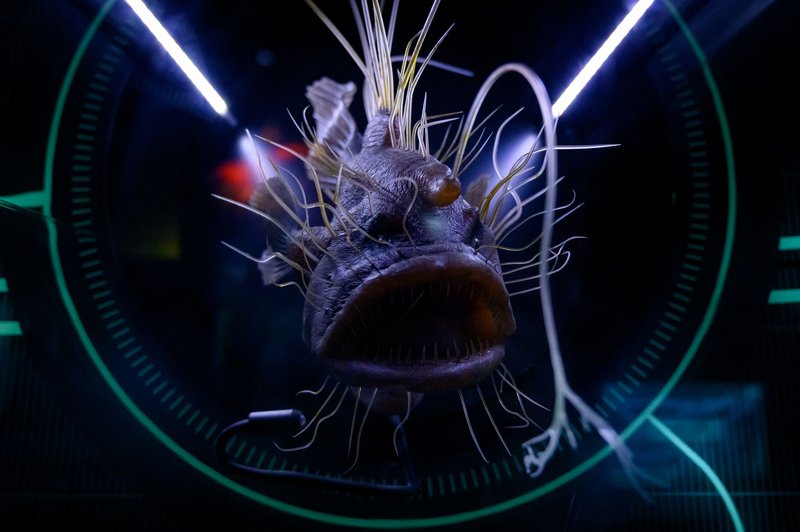
Below about 200 meters, sunlight fades. Below 1,000 meters, it’s gone. Food chains there run on different fuel.
13. Marine snow feeds the deep. Dead plankton, fecal pellets and bits of organic matter drift down continuously as “marine snow.” Most of it is eaten or decomposed on the way, so what reaches the abyss is a thin, patchy supply that deep-sea animals compete for.
14. A dead whale feeds a community for decades. When a whale carcass sinks, it becomes a “whale fall.” Scavengers strip the flesh first, then worms and bacteria work on the bones for years. Bone-eating Osedax worms, sometimes called zombie worms, dissolve skeletons to reach the fat inside them.
15. Some deep-sea chains start with chemicals, not light. Around hydrothermal vents, bacteria perform chemosynthesis, using hydrogen sulfide from the vent fluid to make food. Giant tube worms have no mouth or gut as adults and rely entirely on these bacteria living inside them. NOAA’s ocean exploration team explains how vents work and why entire ecosystems cluster around them in total darkness.
Same rule applies there as at the surface: producers at the base, consumers above, and a steep loss of energy at every step.