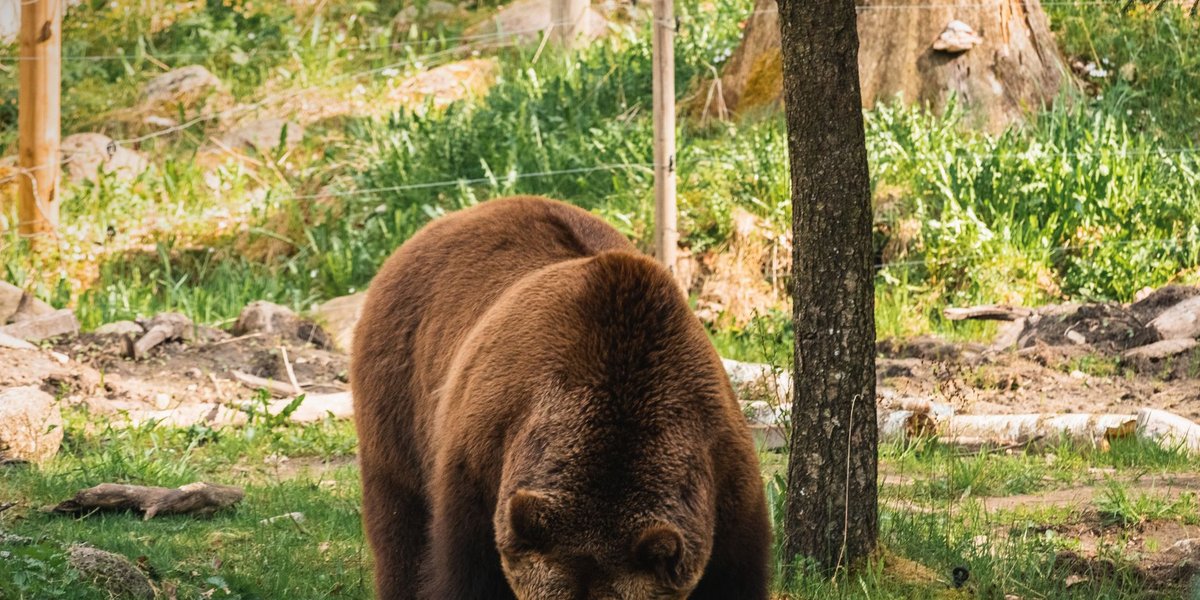
An omnivore is an animal that regularly eats both plants and other animals. That’s the definition. The characteristics below explain how omnivores pull it off, and why being a generalist is one of the most successful strategies in nature.
TLDR
- Diet: a mix of plant matter (fruit, seeds, roots, leaves) and animal matter (insects, eggs, fish, meat, carrion).
- Teeth: a combination of incisors, canines and molars, with no extreme specialization.
- Gut: a digestive tract of intermediate length, longer than a carnivore’s and shorter than a herbivore’s.
- Behavior: opportunistic feeding, wide-ranging foraging, and a talent for learning new food sources.
- Trade-off: omnivores rarely digest any single food as well as a dedicated specialist does.
Table of Contents
- Characteristic 1: A mixed diet
- Characteristic 2: All-purpose teeth
- Characteristic 3: A middle-length digestive tract
- Characteristic 4: Opportunistic feeding
- Characteristic 5: Adaptability across habitats
- Herbivore vs carnivore vs omnivore
- The ecological role of omnivores
- Edge cases: when “omnivore” gets blurry
- FAQ
Characteristic 1: A mixed diet
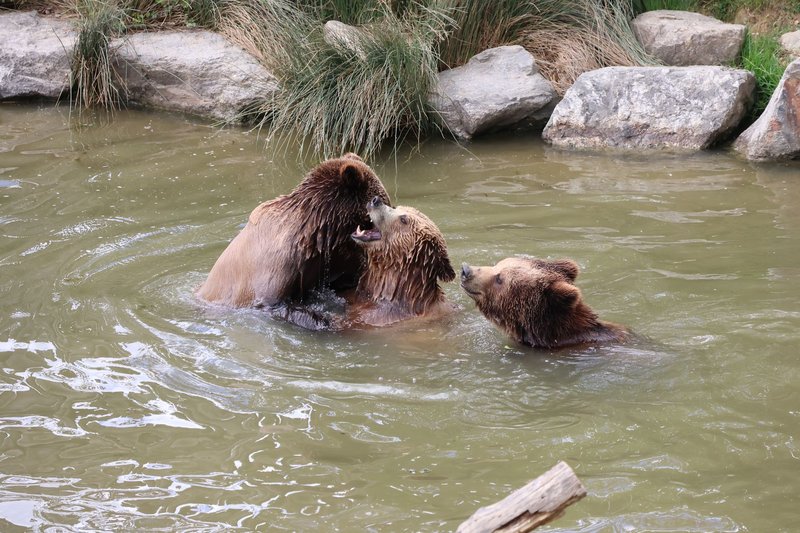
The defining trait is the menu. Omnivores don’t just tolerate both food groups, they regularly use both to get what they need.
A brown bear in Alaska might spend early summer eating sedges and roots, switch to spawning salmon in July, then finish the year on berries. Pigs root up tubers and acorns, then eat worms, eggs and small animals they come across. Crows will take seeds, fruit, insects, eggs and roadkill in a single afternoon.
The mix is often seasonal. Plants are plentiful in summer, protein is easier to find in other months, and omnivores shift their diet to match what’s available.
Characteristic 2: All-purpose teeth
Look at an omnivore’s mouth and you’ll find a bit of everything. Incisors at the front for cutting and nipping, canines for gripping and tearing, and flat-topped molars at the back for grinding.
Compare that with the specialists. A cat’s back teeth are sharp blades built to slice meat, and a cow’s are broad grinding plates built for grass. Omnivore teeth sit between the two. Humans have 32 adult teeth in this pattern: eight incisors, four canines, eight premolars and twelve molars. Pigs have 44 teeth, with prominent canines (the tusks in boars) and wide molars.
The compromise works for most foods. It just doesn’t cut or grind any one thing with maximum efficiency.
Characteristic 3: A middle-length digestive tract
Gut length tracks diet. Meat is dense and easy to break down, so carnivores get by with a short, simple gut. Plant tissue is tough and full of cellulose, so herbivores need long intestines, and often fermentation chambers, to extract the nutrients.
Omnivores fall in between. Human intestines are around 7 to 8 meters long in total, far shorter than a cow’s but much longer than a cat’s relative to body size. Omnivores usually have a single stomach with acidic digestion for protein, plus enough intestinal length to absorb nutrients from fruit, seeds and starchy roots.
The Open University’s overview of mammal feeding strategies covers how this kind of flexibility lets opportunists use whatever food shows up.
Characteristic 4: Opportunistic feeding
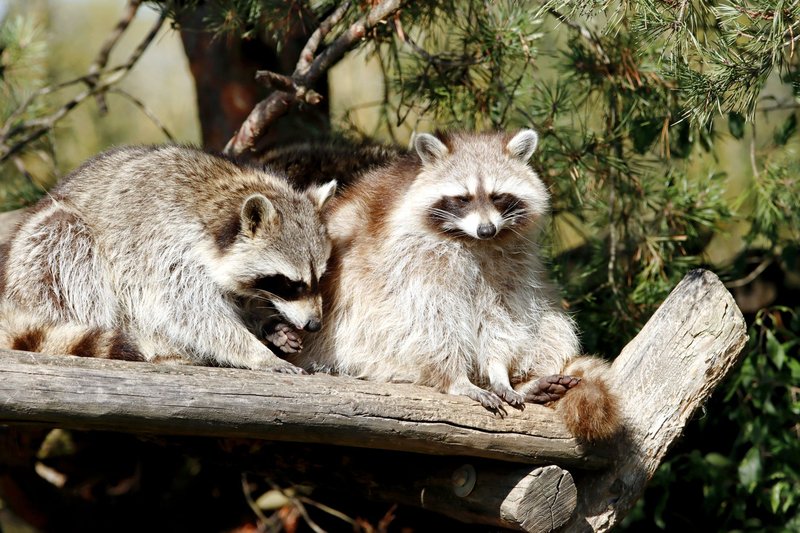
Omnivores don’t wait for their preferred food. They eat what’s there.
Raccoons are the standard example. Their sensitive front paws feel through shallow water for crayfish, pull open garbage bins, and handle fruit, eggs and nuts with equal ease. Crows have been recorded dropping walnuts onto roads so passing cars crack them open. Rats, gulls and foxes do the same thing at a smaller scale: they test new foods and remember what worked.
This is why omnivores turn up so often in cities and farmland. A landscape full of human waste and crops is just a very large buffet.
Characteristic 5: Adaptability across habitats
A narrow diet ties an animal to a narrow habitat. A koala needs eucalyptus; a polar bear needs sea ice and seals. An omnivore can survive wherever at least some edible plants and animals exist.
That’s why brown bears range from tundra to forest, why wild boar have spread across much of Europe, Asia and, as introduced populations, North America, and why humans live on every continent except Antarctica’s permanent interior. When one food source collapses, an omnivore switches to another instead of starving.
Herbivore vs carnivore vs omnivore
| Feature | Herbivore | Carnivore | Omnivore |
|---|---|---|---|
| Diet | Plants only | Mostly or only animals | Plants and animals |
| Teeth | Broad grinding molars, often sharp incisors | Sharp canines and blade-like carnassials | Mix of incisors, canines and molars |
| Gut | Long, often with fermentation chambers | Short and simple | Intermediate |
| Feeding style | Graze or browse, often constantly | Hunt or scavenge, eat in bursts | Forage, hunt, scavenge as opportunity arises |
| Examples | Cow, rabbit, elephant | Lion, owl, wolf | Bear, pig, crow, raccoon, human |
The ecological role of omnivores
Omnivores connect parts of the food web that would otherwise stay separate.
- Seed dispersal: A bear eating berries carries seeds in its gut and deposits them, with fertilizer, far from the parent plant.
- Scavenging: Crows, gulls and red foxes clear carcasses, which speeds up nutrient recycling.
- Pest control: Birds and rodents that eat insects alongside seeds keep insect numbers in check.
- Population buffers: Because omnivores can switch foods, they often keep going when specialist prey or plants decline.
National Geographic Education’s omnivore resource gives a good classroom-level summary of where omnivores sit in the food chain.
Edge cases: when “omnivore” gets blurry
Real animals don’t always fit tidy labels.
Bears. Most bears are classed as omnivores, yet their guts are short and carnivore-like. They digest fruit and meat well but extract little from tough leaves, so they favor soft, high-energy plant foods like berries and nuts.
Giant pandas. They belong to the order Carnivora and have a carnivore’s gut, yet bamboo makes up almost their entire diet. They’re usually called herbivores in practice.
Mostly-one-food omnivores. Many omnivores eat 90 percent plants or 90 percent animal matter at certain times of year. They still count, because the capacity and the occasional intake of the other food group is what matters.
Humans. Yes, humans are omnivores. Our teeth, intermediate gut and ability to digest both starch and animal protein all fit the pattern. People can choose a plant-only diet and stay healthy with planning, but biology puts us in the omnivore column.
Why omnivory pays off, and what it costs
Flexibility is the evolutionary advantage. When drought kills the plants or disease wipes out the prey, a generalist has a fallback. That lowers the risk of local extinction and makes it easier to colonize new places.
The cost is efficiency. A specialist like a koala or an anteater is tuned precisely to its food and often beats generalists in the places where that food is abundant. Omnivores trade peak performance for survival odds.
FAQ
What is the main characteristic of an omnivore? A diet that regularly includes both plants and animals.
What do omnivore teeth look like? A mix: incisors, pointed canines and flat molars, none extremely specialized.
Can omnivores survive on only plants or only meat? Often for a while, yes. Over the long term it depends on the species and which nutrients it can get.
Are omnivores predators? Some are. Others mainly forage or scavenge. Many do all three.
Name five common omnivores. Bears, pigs, raccoons, crows and humans.