White is a bad predictor of danger. Plenty of the animals on this list are white because they live on snow, and a few are only white in places. Others aren’t white at all, and we’ll say so. The point of a list of dangerous white animals is to sort the genuine threats from the reputation, so each entry covers where the animal lives, why it’s dangerous, and how often it actually hurts people.
Contents
- White, albino or leucistic?
- 1. Great white shark
- 2. Polar bear
- 3. White tiger
- 4. White lion
- 5. Arctic wolf
- 6. White rhino
- 7. Mute swan
- 8. Snowy owl
- 9. Cottonmouth
- 10. White-tailed spider
- Comparison table
- Which one should worry you most?
White, albino or leucistic?
Three different things get lumped together as “white animals.”
Naturally white species have white coloring as the normal state: polar bears, Arctic wolves, snowy owls. Every healthy adult looks the part.
Albino animals lack melanin entirely. They have white or pale fur and pink or red eyes. It’s a genetic fluke, and albino animals do badly in the wild because they can’t hide and often see poorly.
Leucistic animals have a partial loss of pigment, so they’re white or pale but keep dark eyes, and some keep patches of normal color. Most “white” big cats are in this group. A white tiger with blue eyes and dark stripes is leucistic, not albino.
1. Great white shark
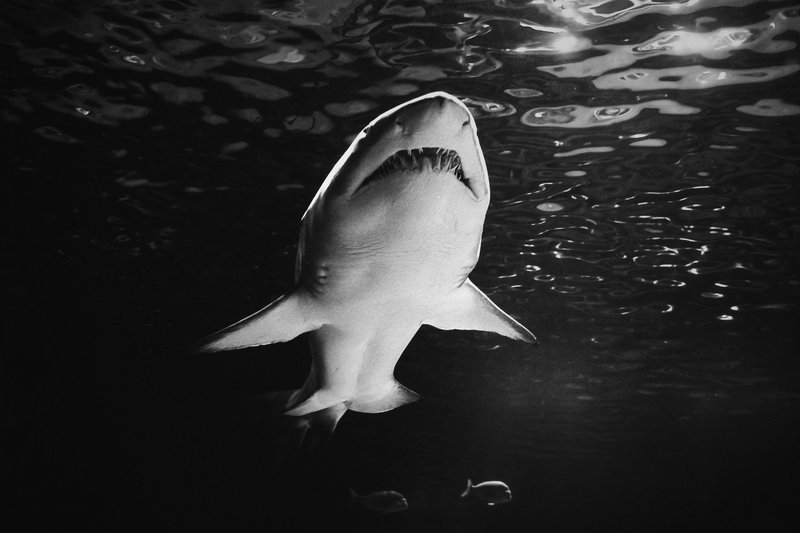
The great white is the poster child for dangerous white animals, though only its belly is white. Its back is slate gray, which is why it disappears against deep water when seen from above.
It lives in temperate coastal waters worldwide, with hotspots off South Africa, Australia, California and the Mediterranean. It’s dangerous because of size and a bite built for seals: adults commonly reach 4 to 5 meters.
The numbers are lower than the reputation. The International Shark Attack File records 351 unprovoked great white bites on humans since 1580, 59 of them fatal. Many victims are bitten once and released, which suggests the shark samples a surfer and decides it isn’t a seal.
Safety note: Stay out of the water near seal colonies, at dawn and dusk, and don’t swim where fish are being cleaned or baited.
2. Polar bear
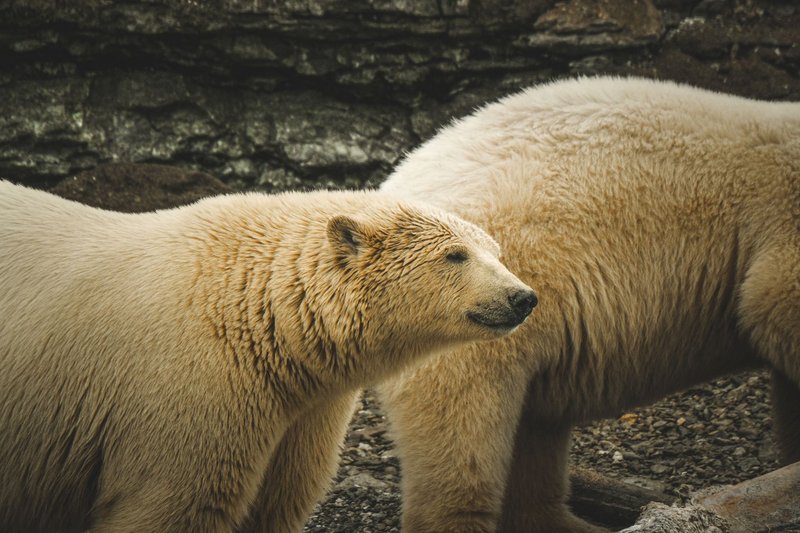
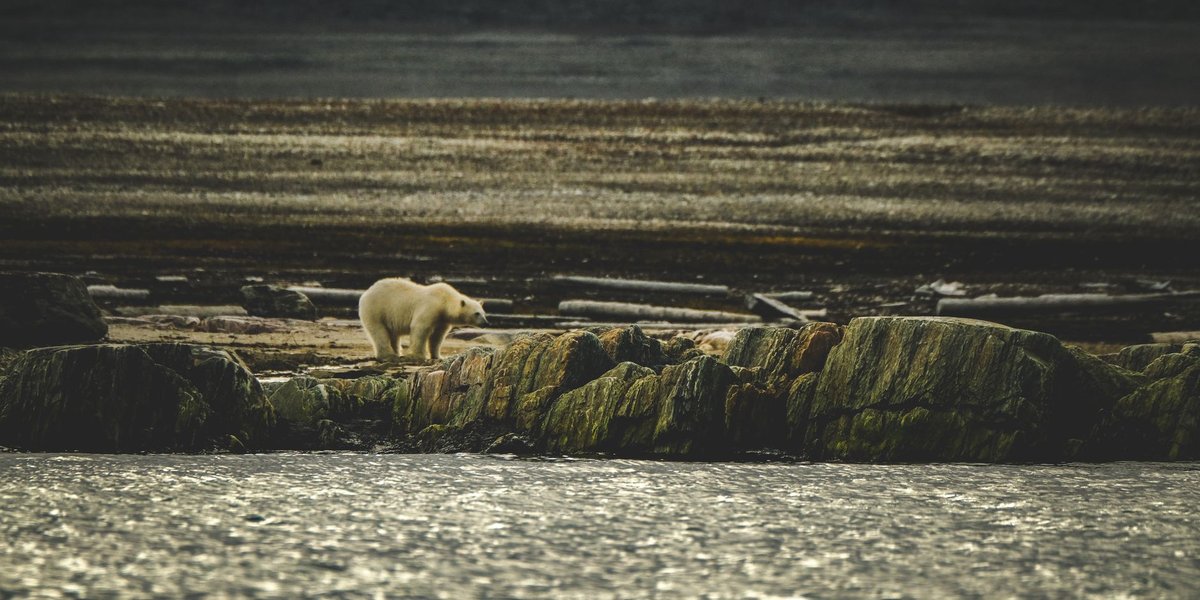
The polar bear is the most dangerous white animal on land, and the only large bear that treats humans as ordinary prey. It lives on Arctic sea ice and coasts in Canada, Alaska, Greenland, Norway’s Svalbard and Russia.
It’s dangerous because it’s a hunter first. A male can weigh over 450 kg and take a seal at a breathing hole after waiting for hours. A hungry bear that finds a person doesn’t need provoking.
Attacks are still rare because few people go where polar bears live. Those who do, such as researchers and residents of Arctic towns, carry flares, rifles or bear-deterrent dogs. Retreating sea ice is pushing more bears into villages, and National Geographic covers the species’ range and the pressures on it.
Safety note: Never travel on foot in polar bear country without an armed guide and a deterrent plan. Don’t run.
3. White tiger
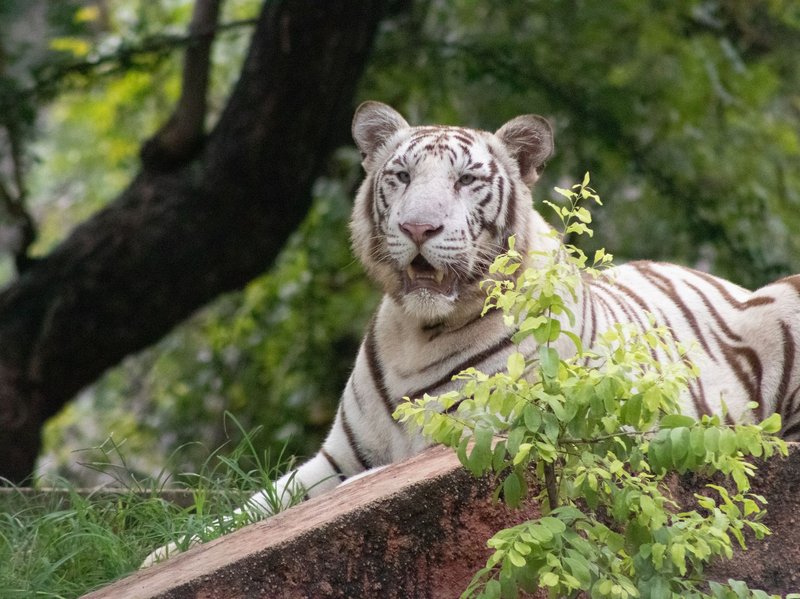
White tigers are not a separate species. They’re Bengal tigers carrying a recessive gene that strips most of the orange. They have blue eyes, pale fur and dark brown or black stripes, which makes them leucistic rather than albino.
You’ll almost never see one in the wild. Nearly all white tigers alive today are captive, and they come from heavily inbred lines, which causes crossed eyes, skeletal problems and short lives.
The danger is the tiger underneath. A tiger of any color can weigh 200 kg or more and kill with a bite to the throat or neck. Incidents with white tigers involve zoo and circus handlers, not hikers.
Safety note: Barriers exist for a reason. Never reach into or climb into an enclosure for a photo.
4. White lion
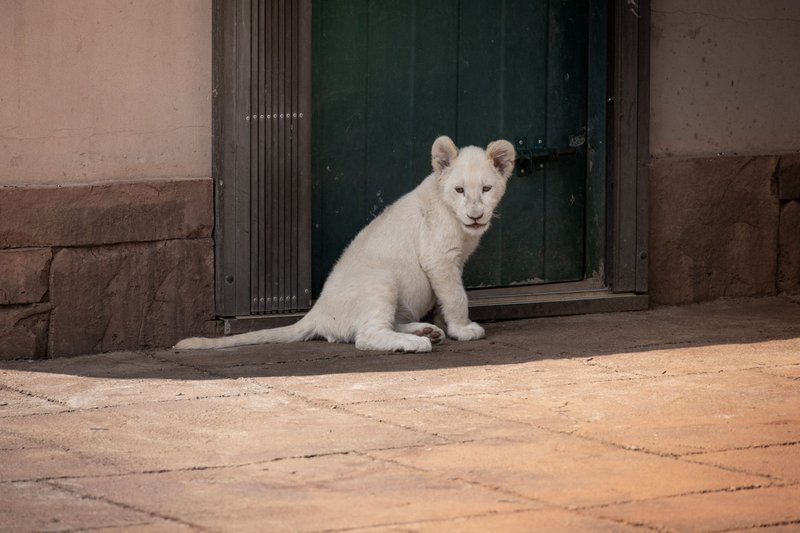
White lions are a rare leucistic form of the African lion, first documented in the Timbavati region of South Africa. They’re pale cream or near-white with normal-colored eyes.
Their color makes them worse at hunting in tawny grass, so wild white lions struggled for a long time and were largely wiped out by trophy hunting and capture. Reintroduction projects have brought a few back to the wild.
As far as danger goes, a white lion is a lion. Adult males can weigh 190 kg, and lions kill more people each year than most other large cats. The “white lion vs white tiger” question has no real answer, because the two never meet. In a face-to-face fight, a tiger is generally the heavier animal.
Safety note: On safari, stay inside the vehicle, and never get out near a pride, whatever the color.
5. Arctic wolf
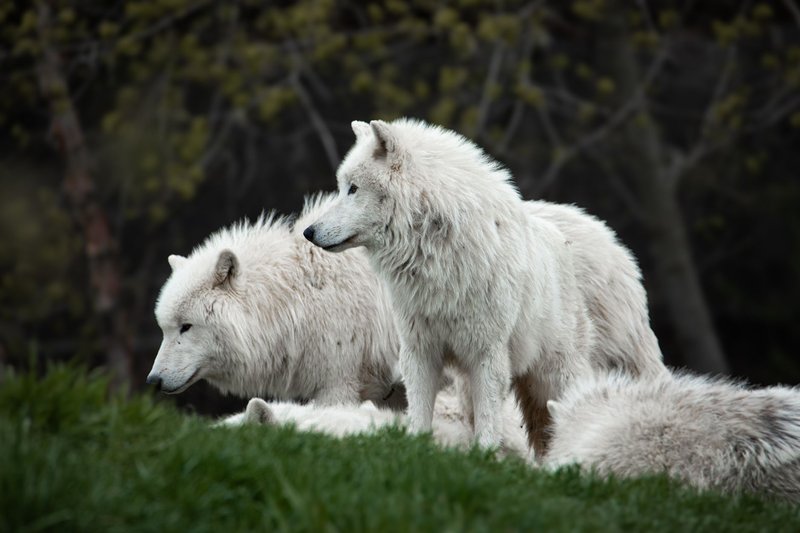
The Arctic wolf is a subspecies of gray wolf, living in northern Canada and Greenland. Its thick white coat is natural camouflage in a land of snow.
It’s the least dangerous predator on the list for a simple reason: almost nobody meets one. Arctic wolves hunt muskoxen and Arctic hares across empty tundra, and they have little exposure to people. Unlike wolves in more populated regions, they often approach humans out of curiosity, which can look like aggression and isn’t.
Wolves in general rarely attack humans, and healthy wild wolves usually flee. The documented risk comes from habituated animals that have been fed.
Safety note: Don’t feed or approach wolves. Make noise, stand tall and back away.
6. White rhino
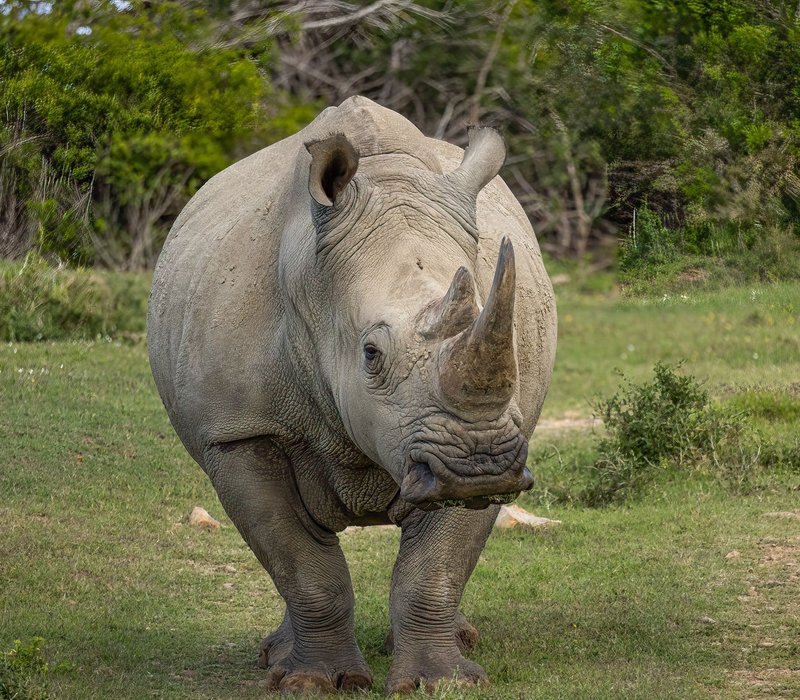
Here’s the myth-buster. The white rhino isn’t white. It’s gray, like the black rhino. The name is usually traced to the Afrikaans word wyd, meaning wide, a reference to its broad lip, which got misheard as “white.”
It makes the list anyway, because it’s a large animal and one of Africa’s heavier killers on foot. Males reach roughly 2,000 to 2,300 kg and can sprint at about 50 km/h. Rhinos see poorly, so a startled one charges at whatever moves.
Most incidents involve people who walk too close, on foot or in a vehicle. Both rhino species are under heavy pressure from poaching, and the IUCN Red List tracks their status.
Safety note: Keep your distance. If a rhino charges on foot, get behind a large tree and don’t stand in the open.
7. Mute swan
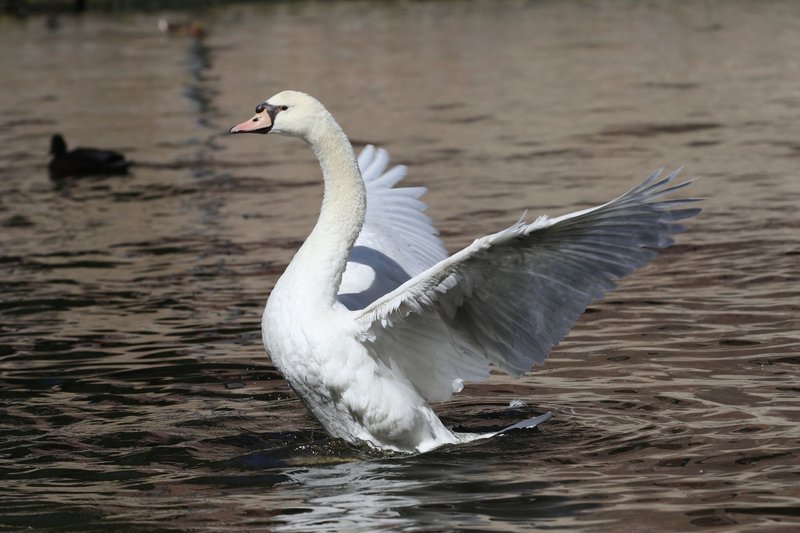
A swan is the most underrated entry here. The mute swan is common in parks, lakes and canals across Europe and North America, and it’s genuinely white all over.
During nesting season, males defend their territory aggressively. They hiss, flare their wings and charge, and they beat intruders with a wing and bite with a hard bill. A large male weighs up to 12 kg.
The line about a swan breaking your arm with a wing is folklore. A swan won’t break a bone, but it can knock a child over or push a kayaker into the water, and it can cause bruises and panic.
Safety note: Give nests a wide berth in spring. Back away slowly and don’t turn and run.
8. Snowy owl
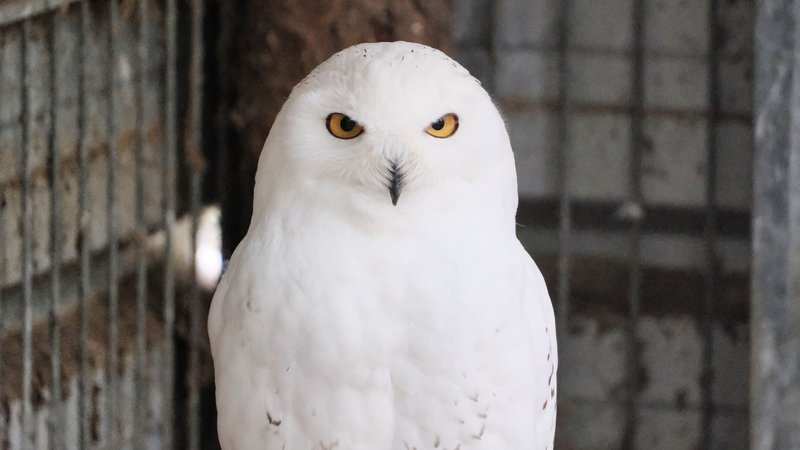
The snowy owl breeds on the Arctic tundra and winters farther south, sometimes in open farmland and airports in the northern United States and southern Canada. Adults are mostly white, with females showing darker barring.
An owl’s danger is talons and nest defense. Snowy owls nest on the ground, so a person walking across tundra can end up inside a defended territory. The owl will dive, strike and drive them off.
Serious injuries are unusual, mostly scratches. It makes the list as a lesson in size and weapons: a bird of up to 2 kg, with feet that can kill a hare, shouldn’t be crowded.
Safety note: If an owl is diving at you, leave the area, and keep a hat on. Never approach a nest.
9. Cottonmouth
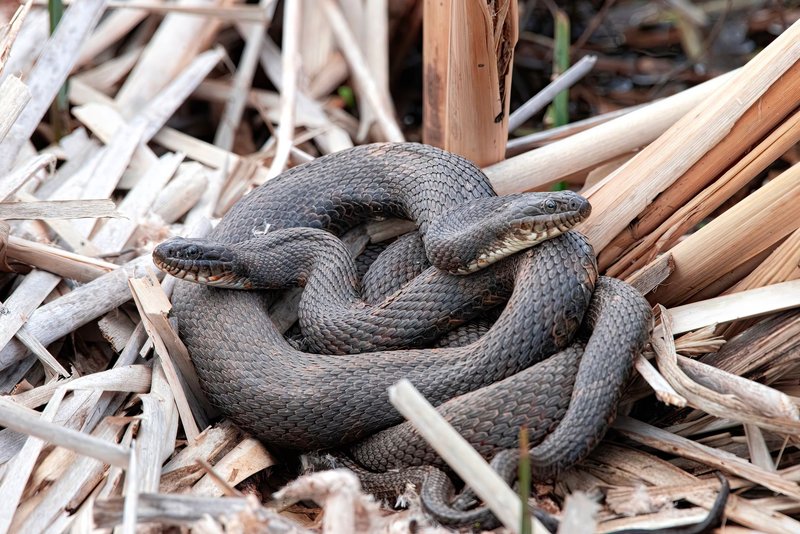
The cottonmouth, or water moccasin, is only white inside. When threatened it opens its mouth wide in a gape display that shows a cotton-white lining, hence the name. The body is dark brown or olive.
It lives in swamps, bayous and slow streams of the southeastern United States. It’s one of the few North American pit vipers that live in water. Its venom destroys tissue and interferes with blood clotting.
Deaths are rare in the United States because antivenom is available. Most bites happen when someone steps on or handles a snake. The gape is a warning, and it’s the cue to leave.
Safety note: Watch where you put hands and feet near water, wear boots, and never try to move one yourself.
10. White-tailed spider
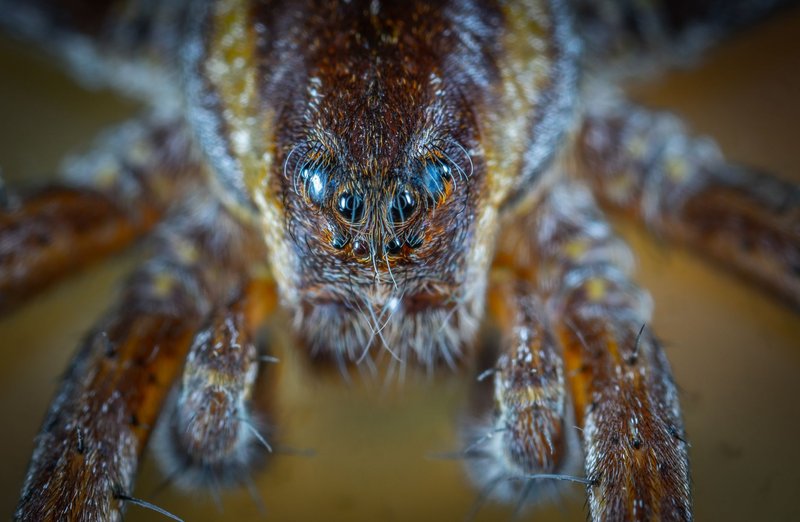
The white-tailed spider (Lampona) takes its name from the pale tip of its abdomen. It’s found in Australia and New Zealand, and it has been blamed for flesh-eating wounds for decades.
The reputation doesn’t hold up. A study of 130 confirmed bites, published in the Medical Journal of Australia by Geoffrey Isbister and Michael Gray, found no necrotic ulcers or infections caused by the spider. Bites cause pain, swelling and itching that usually fade quickly.
That makes it the best example on this list of a dangerous reputation outrunning the evidence.
Safety note: Shake out shoes and clothes. If a bite becomes badly swollen or infected, get medical advice.
Comparison table
| Animal | Habitat | Whiteness | Threat level | Typical human encounter |
|---|---|---|---|---|
| Great white shark | Temperate coastal oceans | White belly only | High, but rare | Surfer or swimmer near a seal colony |
| Polar bear | Arctic sea ice and coasts | Naturally white | High | Researcher or resident in the Arctic |
| White tiger | Captivity | Leucistic | High | Zoo or circus handler |
| White lion | Africa and reserves | Leucistic | High | Safari or reserve |
| Arctic wolf | High Arctic tundra | Naturally white | Low | Curious wolf approaches a visitor |
| White rhino | African savanna | Not white (gray) | High | Hiker or driver too close |
| Mute swan | Lakes and rivers | Naturally white | Low | Park visitor near a nest |
| Snowy owl | Arctic tundra and open fields | Naturally white | Low | Hiker near a nest |
| Cottonmouth | Southeastern US wetlands | White mouth lining | Moderate | Stepping on a snake near water |
| White-tailed spider | Australia and New Zealand | White tail tip | Low | Bite while dressing or in bed |
Which one should worry you most?
If you live in a city, a swan is statistically your best bet for a bad day, and a mild one at that. If you travel to Arctic Canada or Svalbard, the polar bear is the one that matters. Great whites get the fear, but the odds of a fatal bite are tiny next to the odds of a car crash on the way to the beach.
The real lesson from these dangerous white animals is that color tells you very little. The things that matter are size, weapons, hunger and how close you are standing.