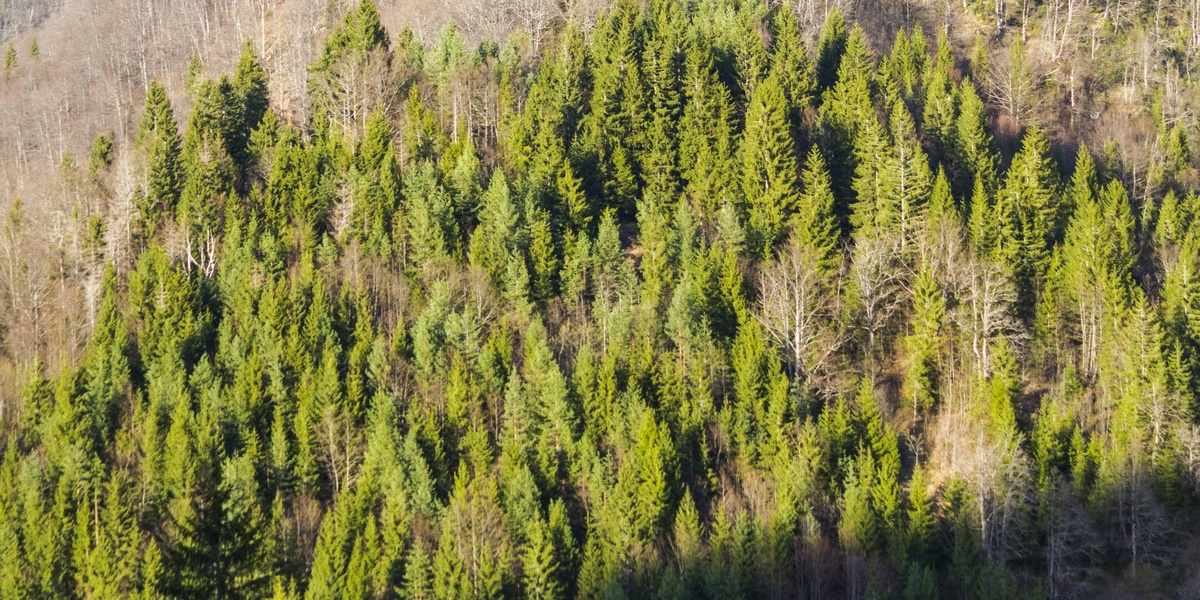
Albania’s varied landscapes—from Ionian coasts and river valleys to high mountain meadows—support a rich mix of wildflowers, shrubs and trees. That diversity makes the country a great place to explore plant life whether you’re walking a coastal trail or hiking in the Albanian Alps.
There are 42 Albania’s native plants, ranging from Alder to Yarrow. For each entry you’ll find below the Scientific name,Family,Habitat & range so you can see exact identification, taxonomic grouping and where each species occurs in the country — you’ll find below.
How can I use this list to identify plants in the field?
Use the Scientific name for precise searches in field guides or ID apps, check the Family to understand related species, and consult the Habitat & range to narrow down likely spots and seasons. Start with obvious features (leaf shape, flowers), match to the list, and take photos of key details for confirmation.
Are any of these species considered rare or protected in Albania?
Yes — some native species have limited ranges or are subject to protection; the Habitat & range column highlights restricted distributions. For conservation status, cross-reference the names here with Albania’s national red lists or IUCN entries, and report notable sightings to local conservation groups.
Albania’s Native Plants
| Common name | Scientific name | Family | Habitat & range |
|---|---|---|---|
| Beech | Fagus sylvatica | Fagaceae | Mountain forests, Albanian Alps and central mountains, 600-1,800 m |
| Silver fir | Abies alba | Pinaceae | Mixed montane forests in north and central ranges, 800-1,800 m |
| Norway spruce | Picea abies | Pinaceae | High montane forests in northern and eastern mountains, 1,000-2,000 m |
| Bosnian pine | Pinus heldreichii | Pinaceae | High rocky alpine ridges in northern and central mountains, 1,200-2,200 m |
| Macedonian pine | Pinus peuce | Pinaceae | Subalpine slopes in eastern and northeastern mountains, 900-1,900 m |
| Black pine | Pinus nigra | Pinaceae | Dry slopes and plateaus across interior and coastal hills, 200-1,200 m |
| Common juniper | Juniperus communis | Cupressaceae | Alpine meadows and rocky slopes nationwide, 400-2,000 m |
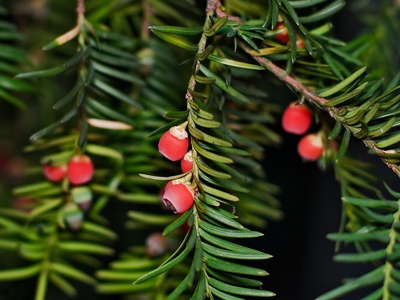
| European yew | Taxus baccata | Taxaceae | Shady, calcareous woodlands in central and southern mountains, 300-1,600 m |
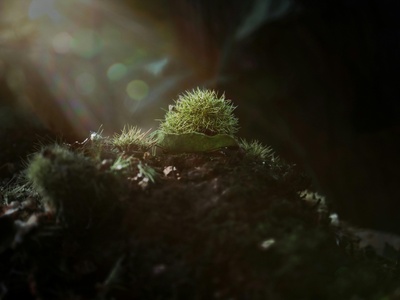
| Sweet chestnut | Castanea sativa | Fagaceae | Lower montane and valley woods in central and southern Albania, 200-800 m |
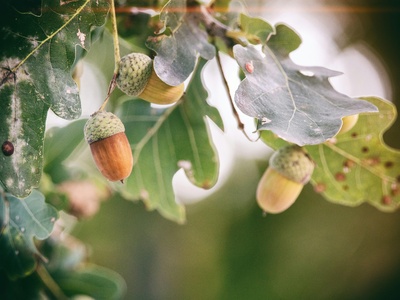
| Sessile oak | Quercus petraea | Fagaceae | Mixed deciduous forests in inland and hilly regions, 200-1,200 m |
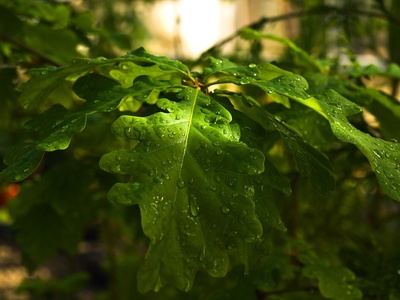
| Downy oak | Quercus pubescens | Fagaceae | Dry, rocky hills and coastal hinterland, southern and central Albania, 0-800 m |
| Holm oak | Quercus ilex | Fagaceae | Coastal evergreen woodlands and maquis in southern coast, sea level-400 m |
| Turkey oak | Quercus cerris | Fagaceae | Lowland and hilly forests across Albania, 100-800 m |
| Hungarian oak | Quercus frainetto | Fagaceae | Warm lowland and sub-Mediterranean forests, central and southeastern Albania, 50-700 m |
| Wild olive | Olea europaea | Oleaceae | Coastal scrub and rocky slopes along the Adriatic and Ionian coast, sea level-600 m |
| Wild fig | Ficus carica | Moraceae | Dry rocky sites and old terraces near coast and river valleys, sea level-600 m |
| Hazel | Corylus avellana | Betulaceae | Woodland understory and hedgerows across Albania, 100-1,200 m |
| Blackthorn | Prunus spinosa | Rosaceae | Hedgerows, open woodlands and scrub throughout Albania, 100-1,600 m |
| Bird cherry | Prunus padus | Rosaceae | Moist montane woods and river valleys in northern and central ranges, 400-1,500 m |
| Rowan | Sorbus aucuparia | Rosaceae | Subalpine and montane woodlands across high mountains, 700-2,000 m |
| Alder | Alnus glutinosa | Betulaceae | Riverbanks and wetlands throughout Albania, sea level-1,000 m |
| Silver birch | Betula pendula | Betulaceae | Open highland woodlands and river gorges in northern/central mountains, 600-1,800 m |
| Sweet violet | Viola odorata | Violaceae | Shady woodlands and hedgerows across Albania, 0-1,600 m |
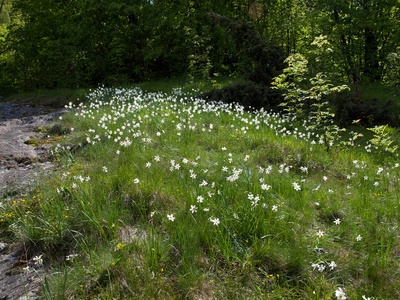
| Poet’s daffodil | Narcissus poeticus | Amaryllidaceae | Meadows and open woodlands in hills and mountains, central and southern Albania, 500-1,600 m |
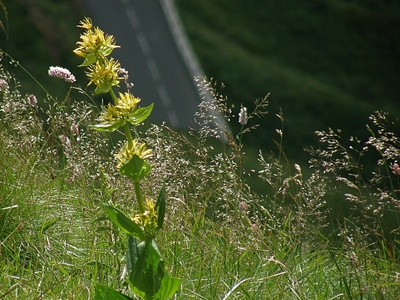
| Great yellow gentian | Gentiana lutea | Gentianaceae | Subalpine meadows and mountain pastures in central and northern ranges, 1,200-2,000 m |
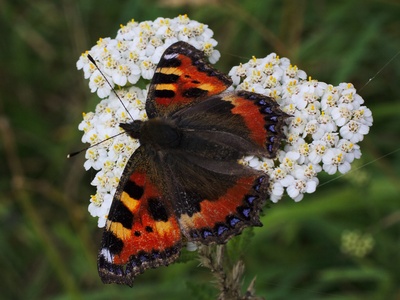
| Yarrow | Achillea millefolium | Asteraceae | Grasslands, roadsides, meadows nationwide, sea level-2,000 m |
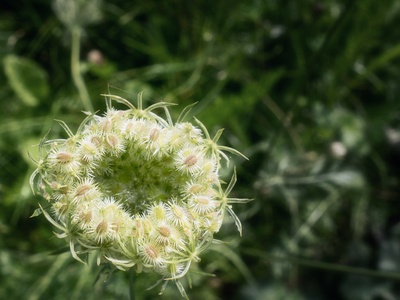
| Wild carrot | Daucus carota | Apiaceae | Dry meadows, fields and disturbed ground throughout lowlands and hills, sea level-1,800 m |
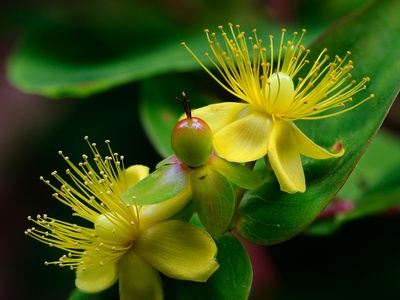
| St John’s wort | Hypericum perforatum | Hypericaceae | Meadows, open woodlands and hillsides across Albania, sea level-1,800 m |
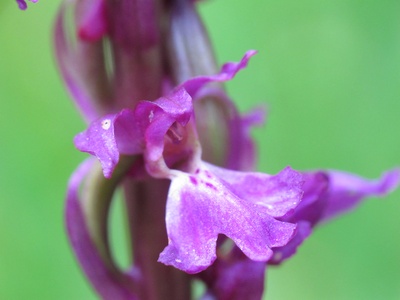
| Early purple orchid | Orchis mascula | Orchidaceae | Woodlands and meadows in hills and montane zones, northern and central Albania, 200-1,600 m |
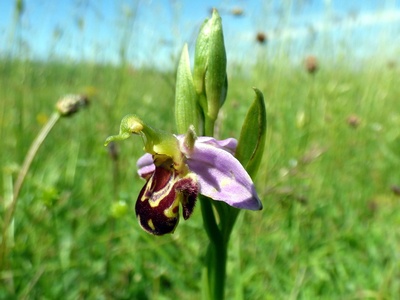
| Bee orchid | Ophrys apifera | Orchidaceae | Calcareous grasslands and coastal meadows, widespread but local, sea level-1,200 m |
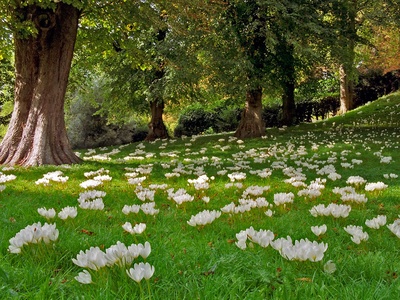
| Autumn crocus | Colchicum autumnale | Colchicaceae | Grasslands and open woodlands in upland areas, central and northern Albania, 200-1,500 m |
| Mountain tea | Sideritis raeseri | Lamiaceae | Rocky slopes and meadows in montane regions, central and southern Albania, 700-1,800 m |
| Wild thyme | Thymus serpyllum | Lamiaceae | Rocky ground, garrigue and dry pastures along coast and inland, sea level-1,600 m |
| Mediterranean heather | Erica arborea | Ericaceae | Maquis and rocky coastal scrub in southern coast, sea level-600 m |
| Bird’s-foot trefoil | Lotus corniculatus | Fabaceae | Meadows, pastures and roadside verges nationwide, sea level-1,800 m |
| Common ivy | Hedera helix | Araliaceae | Shade of woodlands, cliffs and built structures across Albania, sea level-1,800 m |
| Manna ash | Fraxinus ornus | Oleaceae | Warm, rocky slopes and woodland edges in central and southern Albania, 100-900 m |
| Common broom | Cytisus scoparius | Fabaceae | Open scrub and heathland in upland and hilly areas, central and northern Albania, 200-1,600 m |
| White willow | Salix alba | Salicaceae | Riverbanks and floodplains across lowland and mountain valleys, sea level-1,000 m |
| Common hawthorn | Crataegus monogyna | Rosaceae | Hedgerows, wood edges and scrub throughout Albania, 0-1,400 m |
| Common cornel | Cornus mas | Cornaceae | Woodland edges and rocky slopes in lowland and hilly areas, 50-1,200 m |
| Wild leek | Allium ampeloprasum | Amaryllidaceae | Rocky slopes, scrub and open woodlands, coastal and inland, sea level-1,200 m |
Images and Descriptions
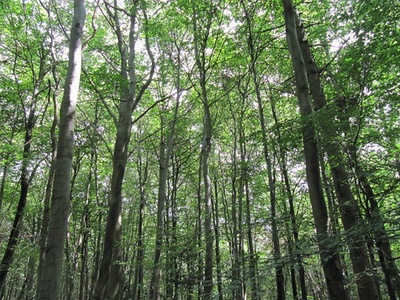
Beech
Tall, smooth-barked deciduous tree forming dense montane forests. Flowers in spring; glossy toothed leaves turn golden in autumn. Common in cooler interior mountains of Albania. Notable as a dominant forest species shaping understory ecology.
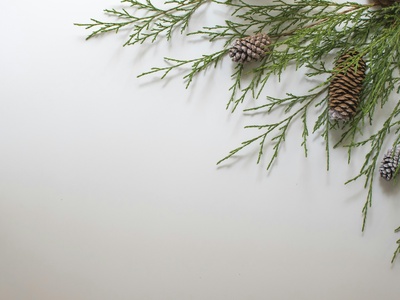
Silver fir
Conical evergreen with flat needles and smooth grey bark. Cones upright on branches; regenerates in cool, moist mountain forests. Locally common in higher woodlands; important for timber and biodiversity in Albania’s mountain zones.
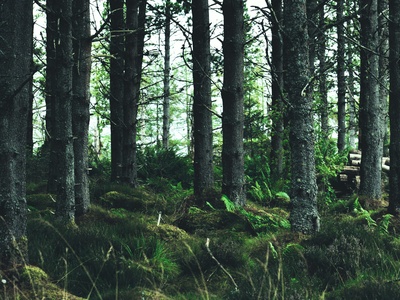
Norway spruce
Tall conifer with pendulous branchlets and drooping cones. Prefers cool, moist sites. Scattered but significant on Albania’s high slopes; important habitat tree for mountain fauna and erosion control.
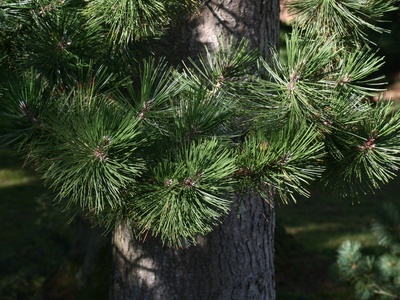
Bosnian pine
Slow-growing, long-lived pine with needles in pairs and stout cones. Lives on exposed limestone crags. Locally rare but iconic in Albanian highlands; a relict species of conservation interest.
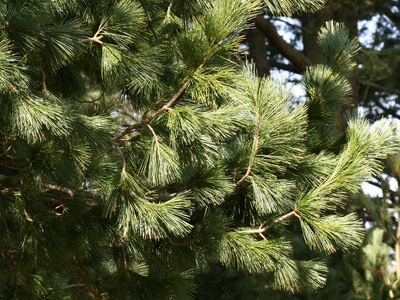
Macedonian pine
Conifer with five-needle fascicles and smooth grey bark. Forms pure stands on cooler slopes. Regionally restricted in Albania, valued for its Balkan endemism and rugged mountain character.
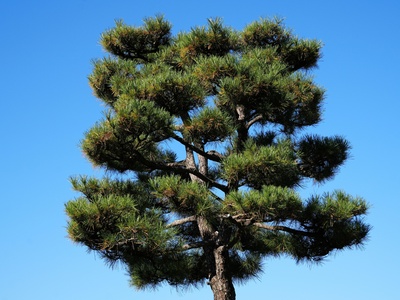
Black pine
Robust pine with dark fissured bark and dense crowns. Tolerant of dry soils and wind. Common in Albania’s hilly landscapes and coastal hinterland; used as a native shelterbelt and erosion control species.
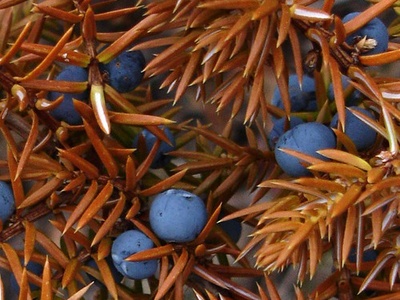
Common juniper
Low shrub to small tree with prickly, sharp needles and berry-like cones. Widespread and hardy from coast to high mountains. Berries used traditionally; pioneer on poor soils and rocky screes.
European yew
Evergreen with glossy needles and red arils. Slow-growing and long-lived but locally rare due to past exploitation. Found in sheltered ravines and karst forests; highly poisonous but culturally significant.
Sweet chestnut
Large deciduous tree with toothed leaves and spiny burrs enclosing edible nuts. Produces showy catkins in summer. Common in warmer valleys; traditionally important for food and rural livelihoods.
Sessile oak
Sturdy oak with smooth bark and stalkless acorns. Forms extensive broadleaf forests. Widespread across Albania’s inland hills; supports rich fungal and animal communities.
Downy oak
Smaller oak with hairy leaves underside and rounded lobes. Adapted to dry, warm sites and shallow soils. Common in lowland maquis and transitional woodlands along the coast.
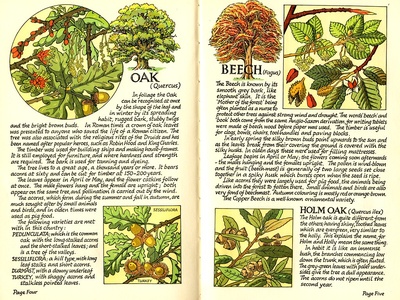
Holm oak
Evergreen oak with leathery, glossy leaves forming dense coastal woodlands. Very tolerant of salt spray and drought. Characteristic of southern Albanian coastlines and Mediterranean maquis.
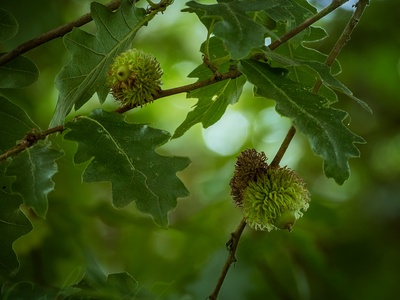
Turkey oak
Tall deciduous oak with deeply ridged bark and bristled lobes on leaves. Produces hairy acorn cups. Common in mixed lowland forests and transitional zones; important for timber and biodiversity.
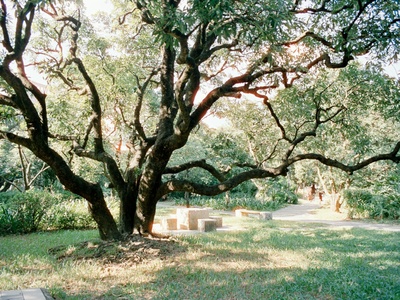
Hungarian oak
Robust oak with large lobed leaves and deep acorn cups. Favors warm, fertile soils. Locally common in southeastern lowlands and riparian woodlands.
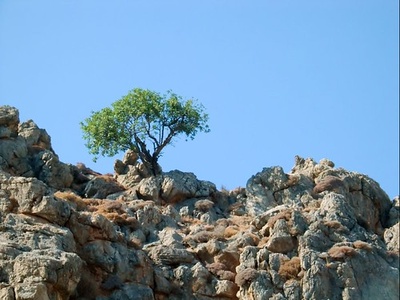
Wild olive
Evergreen shrub or small tree with silvery foliage and fragrant flowers. Wild form of cultivated olive, native on rocky coastal outcrops. Important for coastal scrub biodiversity and traditional uses.
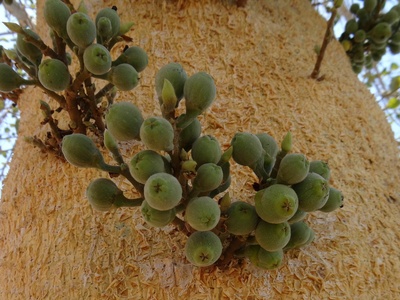
Wild fig
Small deciduous tree with large lobed leaves and sweet figs. Naturalized wild stands occur on warm slopes and terraces. Common in lowland valleys and coastal areas; culturally and economically significant historically.
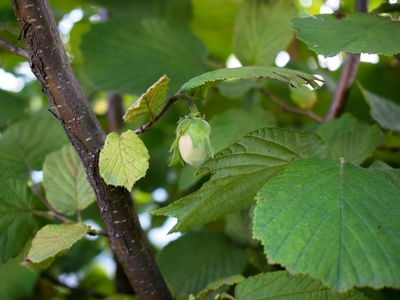
Hazel
Multi-stemmed shrub with rounded leaves and edible nuts in autumn. Catkins appear before leaves in early spring. Widespread in woodlands and human-influenced landscapes; supports wildlife and traditional nut harvests.
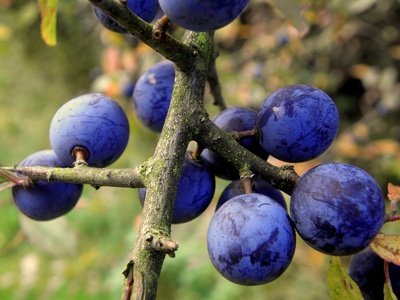
Blackthorn
Spiny shrub with white spring flowers and dark sloe fruits in autumn. Forms dense thickets used as hedges and for stabilizing slopes. Very common and important for nesting birds and pollinators.
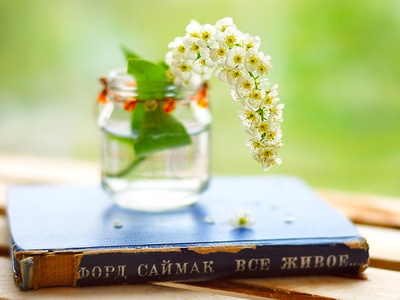
Bird cherry
Small tree with racemes of fragrant white flowers in spring and black cherries later. Prefers damp soils along streams. Local and patchy in Albania’s cooler river valleys and ravines.
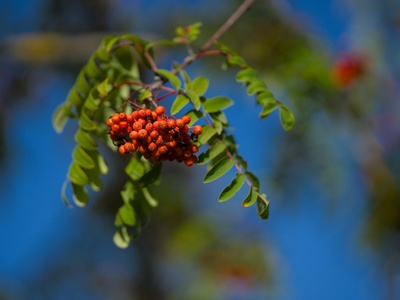
Rowan
Small tree with pinnate leaves and bright red berry clusters in autumn. Tolerant of cold, often marking treeline. Common in Albanian highlands and valued as a food source for birds and mammals.
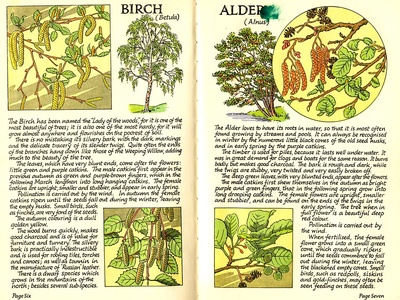
Alder
Deciduous tree with rounded leaves and catkins; fixes nitrogen in wet soils. Forms dense bands along streams and marshes. Widespread and key for stabilizing banks and supporting aquatic biodiversity.
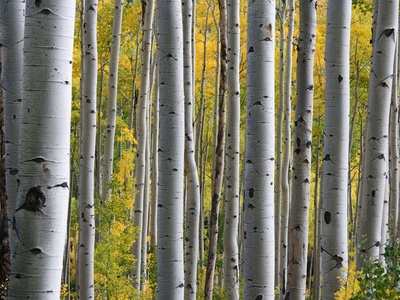
Silver birch
Slender, white-barked tree with triangular toothed leaves and drooping catkins. Colonizes disturbed upland sites. Present in higher Albanian woodlands and scenic montane valleys.
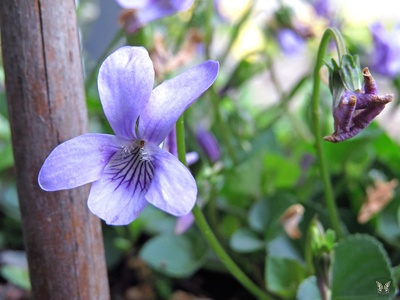
Sweet violet
Low perennial with heart-shaped leaves and fragrant purple flowers in spring. Common and often overlooked in understories and gardens; traditional medicinal and cultural uses across the region.
Poet’s daffodil
Perennial bulb with white fragrant flowers and a small yellow cup edged in red, blooming in late spring. Localized but striking in mountain meadows; valued in folklore and traditional gardens.
Great yellow gentian
Tall perennial with opposite leaves and large yellow tubular flowers in summer. Bitter root used medicinally. Scattered and locally harvested; indicator of high-quality mountain grasslands.
Yarrow
Low perennial with feathery leaves and flat-topped white flower clusters in summer. Very common across Albania in disturbed and semi-natural habitats; used traditionally for wound care and teas.
Wild carrot
Umbellifer with finely divided leaves and a flat white flower head often with a central dark floret. Common in open sites; ancestral wild relative of cultivated carrot and important nectar source for insects.
St John’s wort
Perennial herb with opposite leaves and yellow flowers dotted with oil glands. Blooms in summer; common and used in traditional remedies. Tolerant of a range of soils and climates nationwide.
Early purple orchid
Terrestrial orchid with spotted leaves and dense spikes of purple flowers in spring. Local and attractive to botanists; indicator of undisturbed grassland and woodland habitats.
Bee orchid
Ground orchid with remarkable lip mimicking a bee; pink to brown flowers in late spring. Scattered but locally abundant on limestone soils; pollination strategies fascinate naturalists.
Autumn crocus
Bulb-like perennial flowering in autumn with mauve crocus-like blooms and no leaves at flowering. Poisonous but historically significant; occurs in moist meadows and upland pastures.

Mountain tea
Aromatic subshrub with grey-green leaves and pale yellow tubular flowers in summer. Harvested for traditional herbal tea; characteristic of Balkan mountain flora and popular in local ethnobotany.
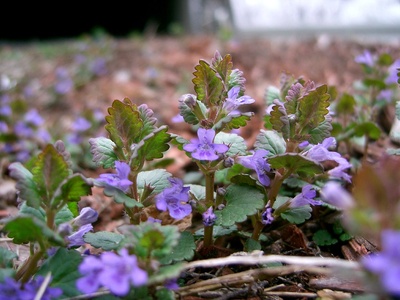
Wild thyme
Low, aromatic mat-forming herb with tiny pink to purple flowers in summer. Very common on dry limestone and coastal cliffs; important nectar plant for bees and butterflies.
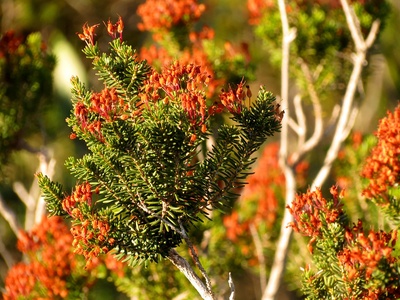
Mediterranean heather
Evergreen shrub with needle-like leaves and urn-shaped white to pale pink flowers. Forms dense thickets in coastal maquis. Common in southern Albanian Mediterranean habitats and important for coastal biodiversity.
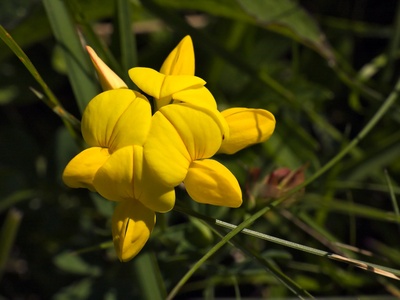
Bird’s-foot trefoil
Low perennial legume with pinnate leaves and clusters of yellow-orange pea-flowers in summer. Widely distributed and common in grasslands; fixes nitrogen and supports pollinators and grazing livestock.
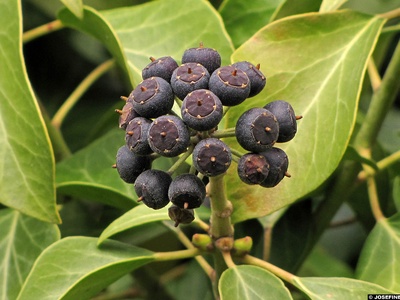
Common ivy
Evergreen climbing vine with lobed leaves and spherical black fruits in autumn. Tolerant of deep shade and stabilizes cliffs and old walls. Widespread and important for winter food for birds.
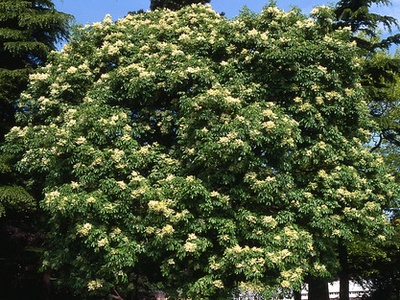
Manna ash
Deciduous tree with pinnate leaves and creamy bottlebrush flowers in late spring. Produces sweet exudate historically called “manna.” Locally common on warmer slopes and limestone outcrops.
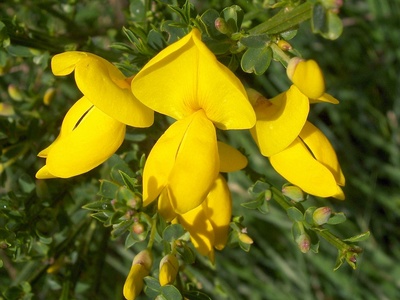
Common broom
Upright shrub with trifoliate leaves and bright yellow pea-flowers in late spring. Colonizes open ground and helps fix nitrogen. Widespread in upland clearings and road margins.
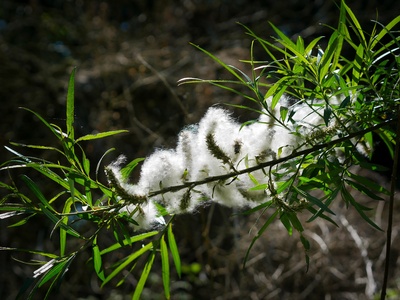
White willow
Fast-growing tree with silvery undersides to narrow leaves and elongated catkins in spring. Common along rivers and floodplains, important for bank stabilization and riparian habitat structure.
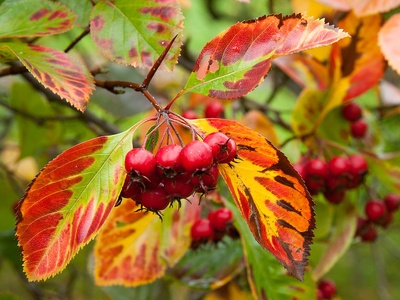
Common hawthorn
Spiny shrub or small tree with lobed leaves and abundant white spring flowers followed by red haws in autumn. Very widespread and valuable for wildlife and traditional hedging in rural landscapes.
Common cornel
Small tree with early yellow flowers before leaves and red ovoid drupes in late summer. Native and used locally for jams; appears in mixed deciduous woodlands and hedgerows.
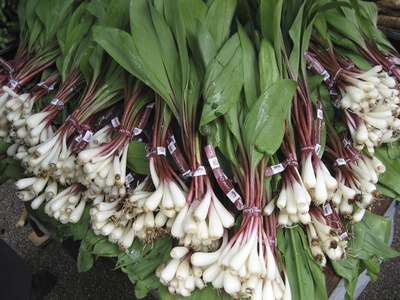
Wild leek
Bulbous plant with hollow leaves and spherical clusters of white to pink flowers in summer. Wild relative of cultivated leek, used locally as a vegetable and flavoring in traditional cuisine.