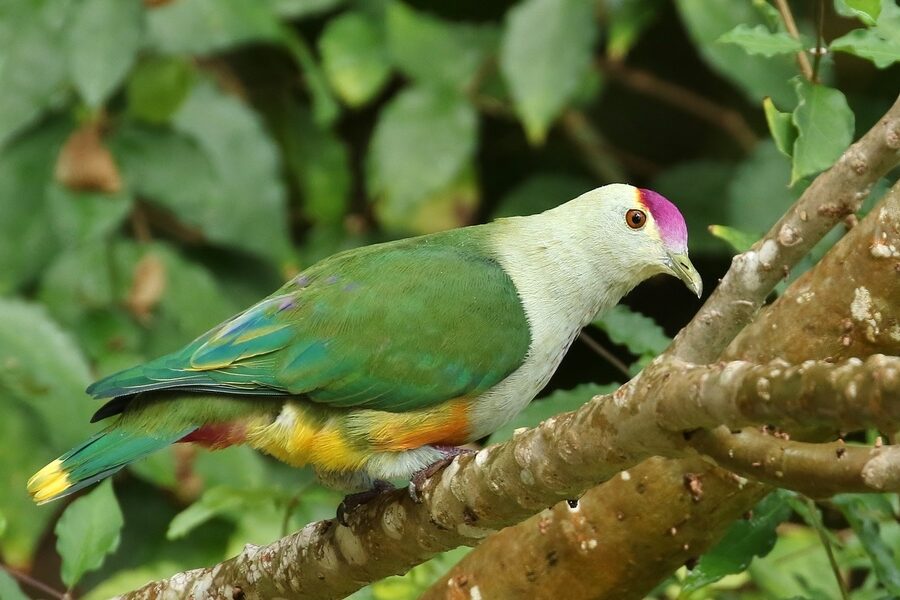
Serbia’s rivers, floodplain forests and patchwork of farmland create a varied backdrop for birdlife, where migrants and residents pass through different habitats across the year. From quiet wetlands to upland woods, you’ll notice shifts in species with the seasons and local land use.
There are 77 Birds of Serbia, ranging from Barn Swallow to Yellowhammer. For each species you’ll find below Scientific name,Size (cm),Status so you can quickly match field notes to identification, size and occurrence information before planning visits or recording sightings.
Where and when should I go to see the most species in Serbia?
Spring and autumn migrations concentrate the highest diversity—river corridors and floodplains (Danube, Sava), wetland areas in Vojvodina, and mixed woodlands like Fruška Gora are especially productive; visit during migration peaks and early morning for the best variety.
How can I use the Scientific name,Size (cm),Status columns when birding?
Use the Scientific name to avoid confusion between look‑alikes, Size (cm) to separate similar species in handbooks or photos, and Status to set expectations (resident, migrant, rare) so you focus effort where sightings are most likely.
Birds of Serbia
| Common name | Scientific name | Size (cm) | Status |
|---|---|---|---|
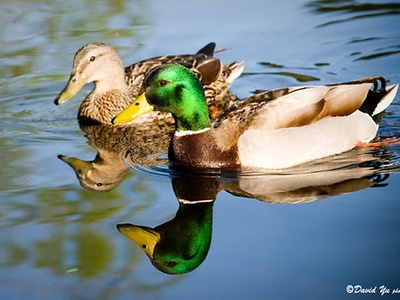
| Mallard | Anas platyrhynchos | 50-65 | Resident, common wetlands and rivers |
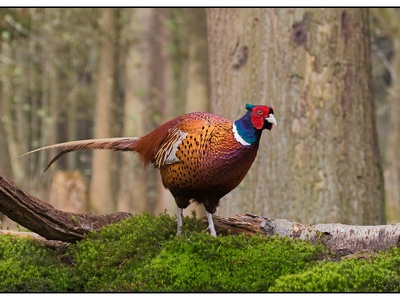
| Common Pheasant | Phasianus colchicus | 50-90 | Resident, farmland and reed margins |
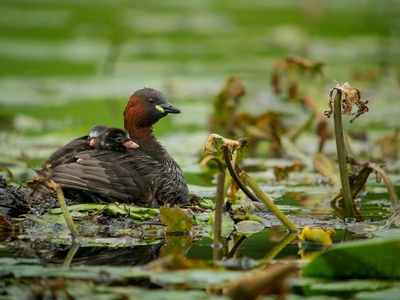
| Little Grebe | Tachybaptus ruficollis | 23-29 | Resident, small lakes and ponds |
| Great Crested Grebe | Podiceps cristatus | 46-51 | Breeder and migrant, large lakes and reservoirs |
| Great Cormorant | Phalacrocorax carbo | 70-95 | Resident, rivers and reservoirs |
| Little Egret | Egretta garzetta | 55-65 | Breeder and migrant, wetlands and floodplains |
| Grey Heron | Ardea cinerea | 84-100 | Resident, wetlands, rivers and marshes |
| Black Stork | Ciconia nigra | 95-100 | Scarce breeder and migrant, forested wetlands |
| White Stork | Ciconia ciconia | 100-115 | Breeder, farmland and villages |
| Eurasian Spoonbill | Platalea leucorodia | 80-95 | Migratory visitor, also occasional breeder at large wetlands |
| Common Shelduck | Tadorna tadorna | 55-65 | Migrant and winter visitor, large rivers and reservoirs |
| Northern Shoveler | Spatula clypeata | 48-56 | Migrant and summer visitor, marshes and shallow lakes |
| Garganey | Spatula querquedula | 40-47 | Spring-summer migrant and breeder, shallow reed-fringed wetlands |
| Ferruginous Duck | Aythya nyroca | 38-48 | Uncommon breeder and migrant, lakes and marshes |
| Tufted Duck | Aythya fuligula | 40-49 | Breeder and winter visitor, deep lakes and reservoirs |
| Common Pochard | Aythya ferina | 40-46 | Winter visitor and breeder, open water bodies |
| Common Kingfisher | Alcedo atthis | 16-20 | Resident, rivers, canals and ponds |
| Grey Partridge | Perdix perdix | 30-35 | Resident, arable farmland and grassland |
| Common Quail | Coturnix coturnix | 16-19 | Summer migrant and breeder, grassland and farmland |
| Common Crane | Grus grus | 100-120 | Passage migrant and occasional winter flocks, wetlands and floodplains |
| Common Moorhen | Gallinula chloropus | 30-35 | Resident, marshes and reedbeds |
| Eurasian Coot | Fulica atra | 34-38 | Resident, lakes and wetlands |
| Purple Heron | Ardea purpurea | 78-95 | Summer breeder and migrant, reedbeds and marshes |
| Squacco Heron | Ardeola ralloides | 40-48 | Summer migrant and breeder, shallow wetlands and reed fringes |
| Little Bittern | Ixobrychus minutus | 32-38 | Summer breeder and migrant, dense reedbeds |
| Black-headed Gull | Chroicocephalus ridibundus | 34-38 | Breeder and winter visitor, inland waters and stadia |
| Mediterranean Gull | Ichthyaetus melanocephalus | 38-42 | Local breeder and migrant, Danube wetlands |
| Common Gull | Larus canus | 40-46 | Winter visitor and passage migrant, lakes and rivers |
| Yellow-legged Gull | Larus michahellis | 48-56 | Visitor and local breeder, reservoirs and river islands |
| Eurasian Sparrowhawk | Accipiter nisus | 29-40 | Resident breeder, woodlands and towns |
| Common Buzzard | Buteo buteo | 50-60 | Resident and migrant, open country and wood edges |
| Eurasian Kestrel | Falco tinnunculus | 33-38 | Resident breeder, open country and urban areas |
| Peregrine Falcon | Falco peregrinus | 34-58 | Breeder and passage migrant, cliffs and urban sites |
| Eurasian Eagle-Owl | Bubo bubo | 56-75 | Resident, mountainous and rocky areas, rare |
| Little Owl | Athene noctua | 21-23 | Resident breeder, farmland and villages |
| Tawny Owl | Strix aluco | 37-39 | Resident, woodlands and parks |
| Long-eared Owl | Asio otus | 31-39 | Breeder, woodlots and parks |
| Common Swift | Apus apus | 16-17 | Summer breeder, towns and cliffs |
| Barn Swallow | Hirundo rustica | 17-19 | Summer breeder, farms and open country |
| House Martin | Delichon urbicum | 13-15 | Summer breeder, villages and towns |
| Sand Martin | Riparia riparia | 11-13 | Summer breeder, riverbanks and gravel pits |
| European Roller | Coracias garrulus | 29-32 | Summer breeder, open woodlands and orchards, scarce |
| Eurasian Hoopoe | Upupa epops | 25-32 | Summer migrant and breeder, open habitats |
| European Bee-eater | Merops apiaster | 27-29 | Summer breeder, river valleys and sandy banks |
| Wood Pigeon | Columba palumbus | 38-41 | Resident, woodlands and towns |
| Stock Dove | Columba oenas | 31-34 | Resident, woodland and farmland |
| Eurasian Collared-Dove | Streptopelia decaocto | 30-34 | Resident, towns and farmland |
| European Turtle Dove | Streptopelia turtur | 23-26 | Summer migrant and breeder, hedgerows and orchards, declining |
| Eurasian Magpie | Pica pica | 44-46 | Resident, open woodland and farmland |
| Eurasian Jay | Garrulus glandarius | 32-35 | Resident, deciduous woodlands |
| Hooded Crow | Corvus cornix | 45-52 | Resident, open country and towns |
| Common Raven | Corvus corax | 55-69 | Resident, mountains and open country |
| Great Tit | Parus major | 12-14 | Resident, widespread in woodlands and gardens |
| Blue Tit | Cyanistes caeruleus | 11-12 | Resident, woodlands and gardens |
| Coal Tit | Periparus ater | 10-12 | Resident, coniferous woodlands |
| Eurasian Nuthatch | Sitta europaea | 14-16 | Resident, mature woodlands |
| Eurasian Treecreeper | Certhia familiaris | 12-14 | Resident, mature woodlands and parks |
| White Wagtail | Motacilla alba | 16-19 | Breeder and migrant, rivers, towns and fields |
| Yellow Wagtail | Motacilla flava | 15-18 | Summer breeder and migrant, wet meadows and agricultural land |
| Grey Wagtail | Motacilla cinerea | 18-19 | Resident, mountain streams and rivers |
| European Robin | Erithacus rubecula | 12-14 | Resident, gardens and woodlands |
| Common Nightingale | Luscinia megarhynchos | 15-16 | Summer breeder, dense shrubs and riparian thickets |
| Common Redstart | Phoenicurus phoenicurus | 13-14 | Breeder and migrant, open woodlands and parks |
| Black Redstart | Phoenicurus ochruros | 13-14 | Resident and migrant, towns and rocky slopes |
| Mistle Thrush | Turdus viscivorus | 24-25 | Resident, woodlands and parks |
| Song Thrush | Turdus philomelos | 20-23 | Resident and migrant, gardens and woodlands |
| Fieldfare | Turdus pilaris | 25-28 | Winter visitor, open country and orchards |
| Redwing | Turdus iliacus | 20-23 | Autumn-spring migrant and winter visitor, wood edges and gardens |
| House Sparrow | Passer domesticus | 14-16 | Resident, towns and villages |
| Tree Sparrow | Passer montanus | 12-14 | Resident, farmland and villages |
| Chaffinch | Fringilla coelebs | 14-16 | Resident, woodlands and gardens |
| European Greenfinch | Chloris chloris | 14-16 | Resident, gardens and farmland |
| Eurasian Siskin | Spinus spinus | 11-13 | Winter visitor and breeder, coniferous woodlands |
| Common Crossbill | Loxia curvirostra | 15-18 | Irregular breeder, mountain conifer forests |
| Corn Bunting | Emberiza calandra | 17-19 | Resident breeder, arable farmland and open grassland |
| Yellowhammer | Emberiza citrinella | 16-18 | Resident, hedgerows and farmland |
| Reed Bunting | Emberiza schoeniclus | 14-16 | Resident, reedbeds and wetlands |
Images and Descriptions
Mallard
Familiar dabbling duck with glossy green-headed males and mottled females. Quacks loudly, easy to see on lakes, rivers and floodplains; common year-round and often first duck species newcomers notice in Serbia.
Common Pheasant
Large, colorful gamebird with long tail; males show brilliant plumage and make loud clucking calls. Often found along field edges and reedbeds, commonly seen or heard at dawn and dusk across rural Serbia.
Little Grebe
Compact waterbird with a rounded head and rapid dives; breeding plumage shows chestnut neck. Secretive but common on quiet ponds and reed-fringed water, bobbing and slipping unseen beneath the surface.
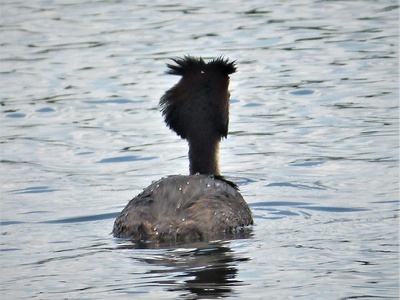
Great Crested Grebe
Elegant diving bird with ornate head plumes in summer and a dramatic courtship. Seen on larger lakes, dives for fish and often forms loose feeding flocks in migration and winter.
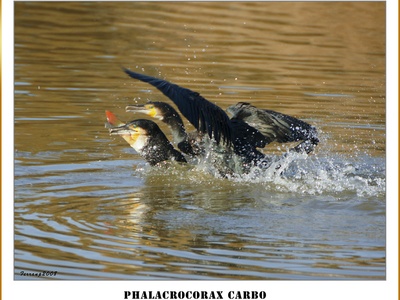
Great Cormorant
Large dark waterbird that perches with wings outstretched to dry. Dives for fish and often seen in groups on riverbanks and dams; commonly encountered on the Danube and larger reservoirs.
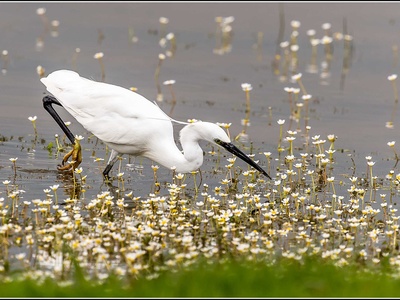
Little Egret
Slim white heron with black legs and yellow feet, fishing in shallow water. Increasingly common in Serbia, seen at ponds, marshes and along slow rivers from spring through autumn.

Grey Heron
Tall, long-legged heron with slow deliberate hunting style. Stands motionless stalking fish and amphibians; widespread at lakes, rivers and flooded fields year-round.
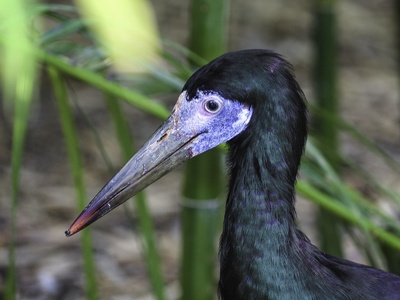
Black Stork
Shy large stork with black plumage and long red bill. Nests in mature forests near wetlands and is less common than the familiar white stork; best sought in remote woodlands.
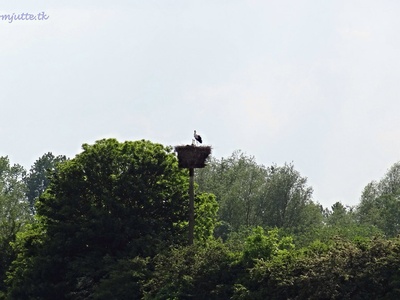
White Stork
Iconic white bird with black wing tips and long red legs; nests on chimneys and poles. Common summer breeder across villages and wetlands, often seen foraging in meadows and fields.
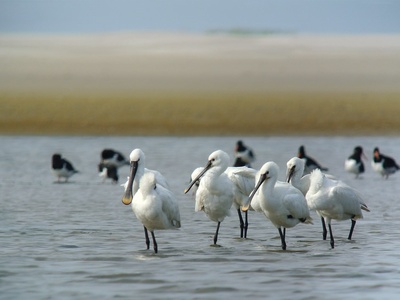
Eurasian Spoonbill
White wader with distinctive spoon-shaped bill used for sweeping in shallow water. Seen on large floodplain wetlands and sometimes breeds on large colonies.
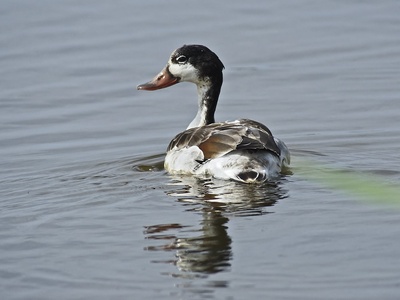
Common Shelduck
Large colorful duck with chestnut band and white body. Occurs in flocks on big water bodies during migration and winter, favoring sandy shores and mudflats along rivers.
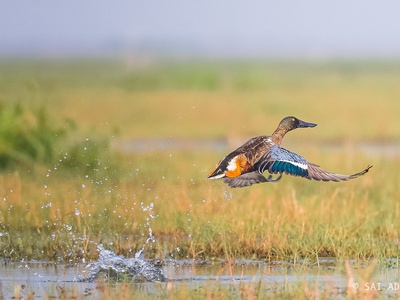
Northern Shoveler
Distinctive broad bill for filtering small prey; males show green head and white chest in breeding season. Common on shallow wetlands during migration and breeding.
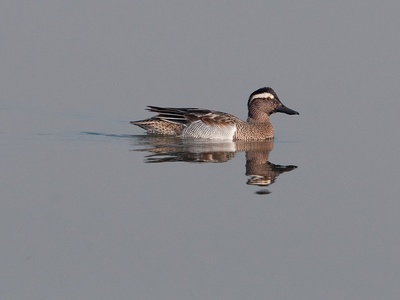
Garganey
Small, elegant dabbling duck with striped male head in spring. Appears in flooded meadows and reedbeds during migration and breeds in suitable shallow water sites.
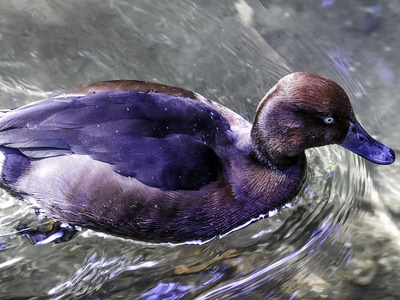
Ferruginous Duck
Glossy chestnut diving duck with a pale eye; locally important in Serbia where it breeds in reed-fringed lakes. Conservation interest species, best seen on quiet freshwater bodies.

Tufted Duck
Black-and-white diving duck with a distinctive head tuft in males. Common on larger lakes and reservoirs in winter and breeding season, often in mixed diving flocks.
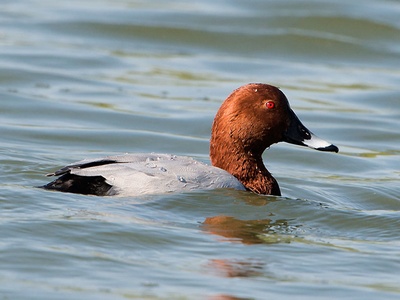
Common Pochard
Stocky diving duck with red head in males; numbers increase in winter on lakes and reservoirs. Vulnerable locally; often seen in larger flocks.
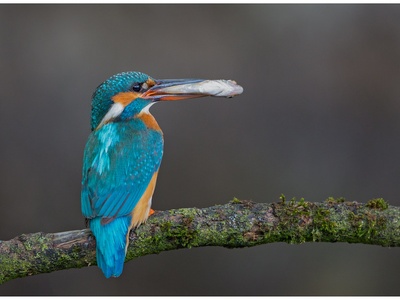
Common Kingfisher
Tiny, brilliant blue-and-orange bird that hunts from perches, diving for fish. Fast and showy near slow-flowing water and canals; a highlight for birdwatchers close to towns and countryside.

Grey Partridge
Ground-dwelling gamebird with mottled brown plumage. Secretive but often glimpsed in fallow fields and cereal fields; populations have declined and are more local.

Common Quail
Small cryptic gamebird with rapid churring song. Often heard more than seen in summer across grassy meadows and cereal crops; migrates at night.

Common Crane
Tall, stately bird with loud trumpeting calls during migration. Seen in flocks passing through in spring and autumn, sometimes wintering in large wetlands or agricultural stubble fields.
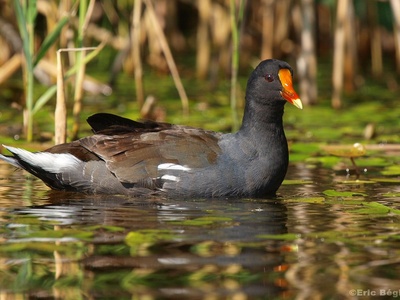
Common Moorhen
Black waterbird with red frontal shield and long toes for walking on vegetation. Common in reed-fringed ponds and canals, often skittering through dense vegetation.
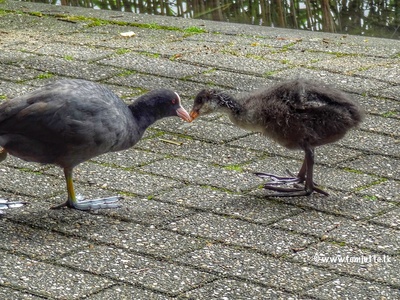
Eurasian Coot
Chunky black waterbird with white bill and frontal shield, adept swimmer and diver. Widespread on lakes and reservoirs throughout Serbia, often in noisy flocks.
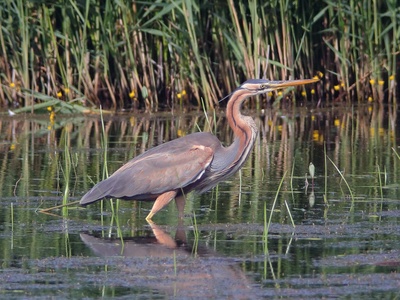
Purple Heron
Slender, brownish heron that favors tall reeds and marsh vegetation. More secretive than the grey heron, often seen at dusk and dawn in large wetland complexes.
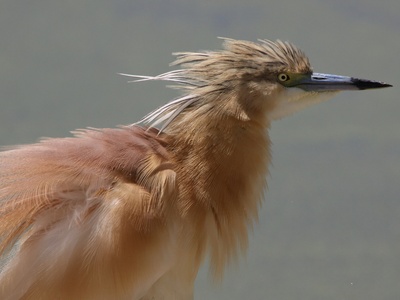
Squacco Heron
Stocky, buff-colored heron with a hunched posture while hunting small fish and insects. Often roosts in reedbeds and breeds in mixed heron colonies.
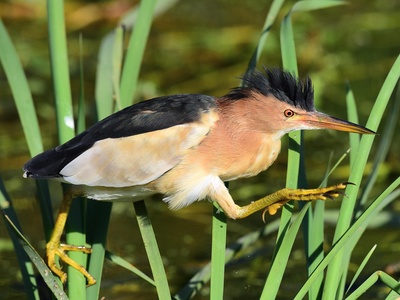
Little Bittern
Small, elusive heron with streaky buff and black plumage in males. Secretive and hard to spot; listens for croaking calls among reeds in summer evenings.
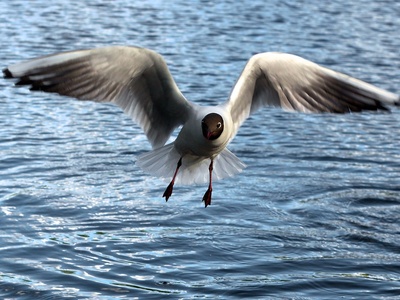
Black-headed Gull
Small gull with dark summer head and white body. Common on rivers and lakes and often seen scavenging at landfills and sports venues; noisy and sociable in flocks.

Mediterranean Gull
White gull with black hood in summer, smaller and more delicate than common gulls. Increasingly breeds on gravel islands and riverine colonies along the Danube.

Common Gull
Medium-sized pale gull often seen with larger species on reservoirs and riverbanks. Winters inland in Serbia and can be found in mixed gull flocks feeding on fish and refuse.
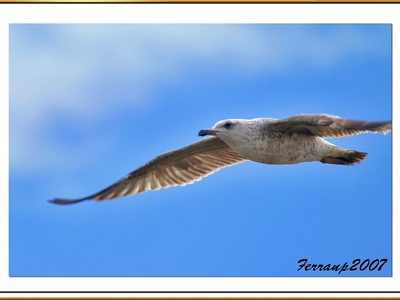
Yellow-legged Gull
Large gull with yellow legs and loud calls. Increasingly observed on major rivers and reservoirs, often dominating mixed gull flocks near water and human refuse.
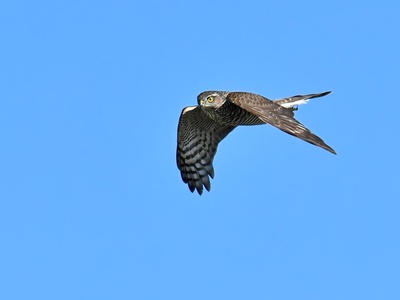
Eurasian Sparrowhawk
Small agile raptor that darts through trees to catch small birds. Often seen in gardens and parks; males and females differ noticeably in size and plumage tone.

Common Buzzard
Stocky raptor with broad wings, soars on thermals and perches on fence posts. Very variable plumage, common across lowlands and hills throughout Serbia.
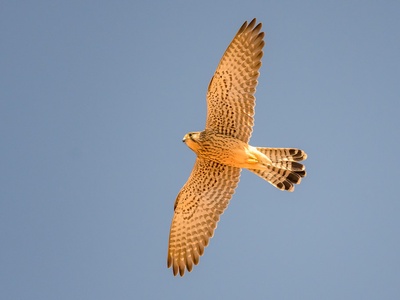
Eurasian Kestrel
Small falcon often seen hovering while hunting rodents and insects. Common along roadsides, fields and town margins; adaptable and frequently encountered.
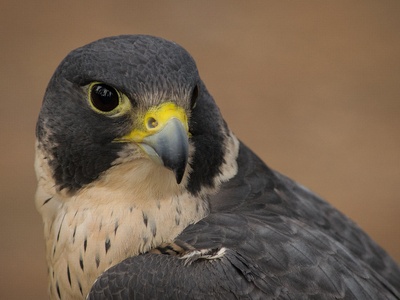
Peregrine Falcon
Powerful fast falcon that dives at high speed to catch birds mid-air. Breeds on cliffs and increasingly in cities; spectacular to watch during hunting stoops.
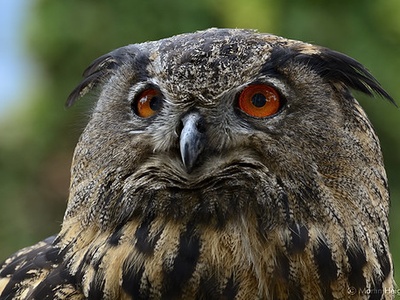
Eurasian Eagle-Owl
Huge nocturnal owl with ear-tufts and deep hoots. Prefers remote cliffs and large forests; sightings are memorable but the species remains scarce and localized.
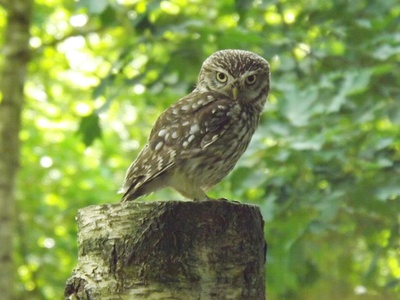
Little Owl
Small, stocky owl often perched in the open on posts or tree cavities. Bold and diurnal at times, giving a characteristic soft chuckle; common in rural settlements.
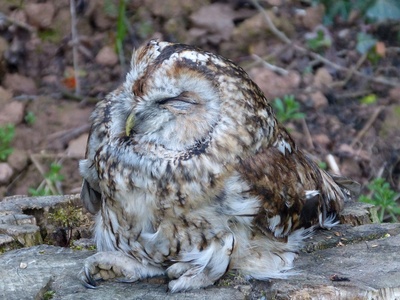
Tawny Owl
Medium-sized nocturnal owl with mottled plumage and a rounded face. Common in mature woodlands and urban parks, noted for its characteristic territorial hoot at night.
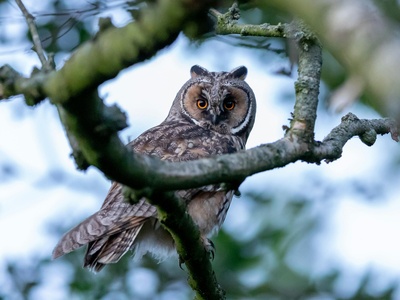
Long-eared Owl
Slim, long-eared silhouette with nocturnal habits and piercing orange eyes. Roosts in dense conifers by day and hunts small mammals at night; often found near villages.
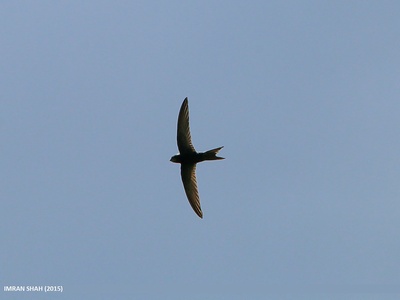
Common Swift
Aerial specialist that spends most of its life on the wing. Screaming, fast-flying flocks over towns in summer, nesting in building crevices and under eaves.

Barn Swallow
Familiar mud-nest builder with forked tail and glossy blue upperparts. Agile aerial insectivore that nests on barns and bridges; a lively summer presence across Serbia.

House Martin
White-rumped swallow that builds mud nests under eaves. Seen in flocks near human habitation, catching insects above fields and water during summer.

Sand Martin
Small brown-and-white swallow that nests in colonies in sandy banks. Seen hawking insects low over water and often forms large nesting colonies along rivers.
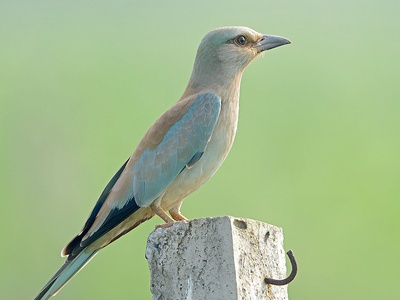
European Roller
Striking blue and chestnut bird that performs acrobatic flights. Locally regular in southern Serbia and Vojvodina; nests in tree cavities and feeds on large insects.
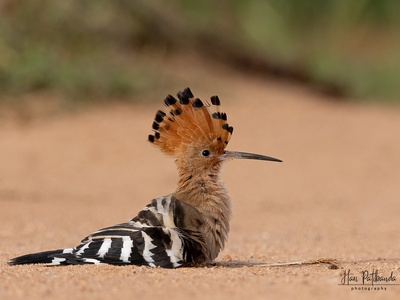
Eurasian Hoopoe
Distinctive crested bird with bold black-and-white wings and long decurved bill. Probes soil for insects in orchards, parks and warm open countryside during summer.
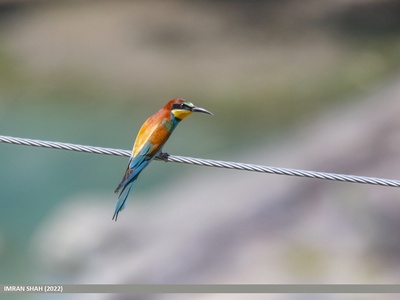
European Bee-eater
Colorful, elongated bird with bright green, blue and chestnut plumage. Breeds in sandy banks in colonies, catching bees and insects on the wing; spectacular and vocal.
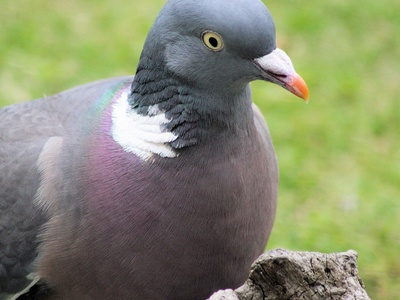
Wood Pigeon
Large pigeon with white neck patches and rhythmic wing clapping in flight. Abundant across forests, parks and farmland, often seen in flocks at feeders and fields.
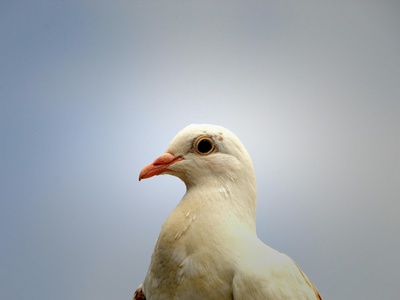
Stock Dove
Plain grey pigeon that favors old trees and cavities for nesting. Less conspicuous than wood pigeon, often in mixed flocks and visiting stubble fields.
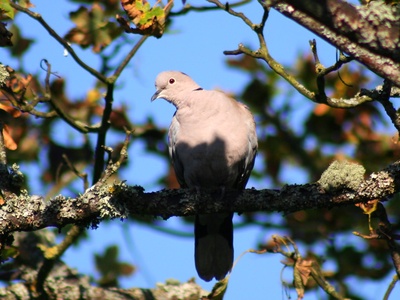
Eurasian Collared-Dove
Pale grey dove with a black neck collar, common in villages and towns. Expanding since mid-20th century and often seen perched on wires and rooftops.

European Turtle Dove
Delicate patterned dove with soft purring song. Once common in farmland hedges and orchards, now much reduced; wintering birds migrate to Africa.
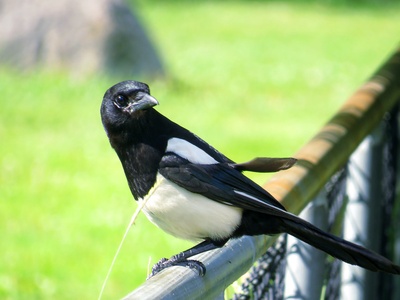
Eurasian Magpie
Bold black-and-white corvid with long tail and raucous calls. Intelligent and opportunistic, commonly seen around villages, parks and agricultural land.
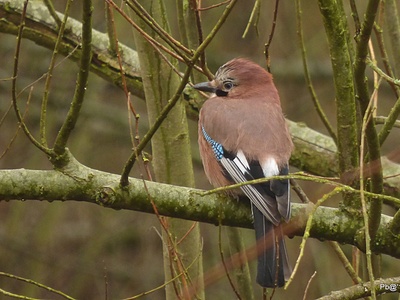
Eurasian Jay
Noisy colorful corvid with pinkish plumage and blue wing patch. Excellent acorn disperser, often the first sign of a rich woodland community in Serbia.
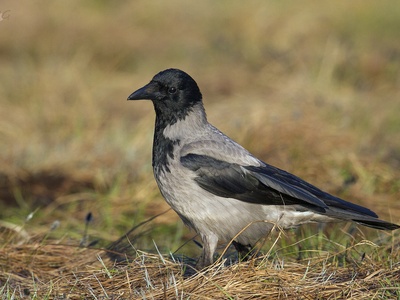
Hooded Crow
Grey-bodied crow with black head and wings common in northern and lowland Serbia. Omnivorous and highly adaptable, often found near human habitation and carcasses.
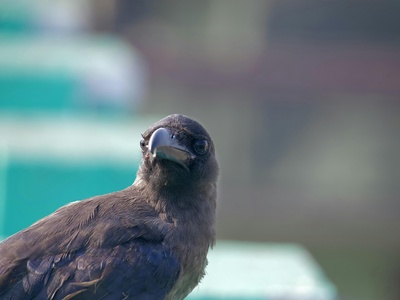
Common Raven
Large glossy black corvid with deep croaks and impressive flight. Associates with cliffs and remote landscapes, sometimes visits lowlands and towns in winter.
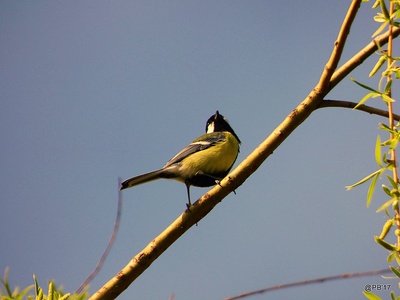
Great Tit
Bold, adaptable songbird with black head and white cheek patch. Common in gardens and parks, readily visits nestboxes and feeders; varied diet and clear two-syllable call.
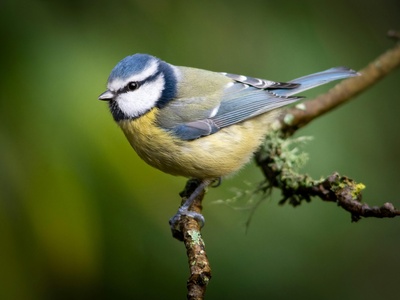
Blue Tit
Small, azure-capped tit with bright yellow underparts. Energetic and acrobatic, frequent at feeders and nesting boxes; common in towns and countryside across Serbia.
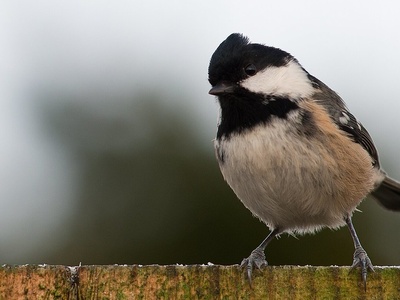
Coal Tit
Small, grey-backed tit with a small black cap and white nape patch. Prefers conifers and higher ground; often occurs alongside other tits at feeders.

Eurasian Nuthatch
Short-tailed, compact bird that climbs tree trunks headfirst to forage on bark. Distinctive loud calls and bold behavior, frequent in mature oak and beech forests.
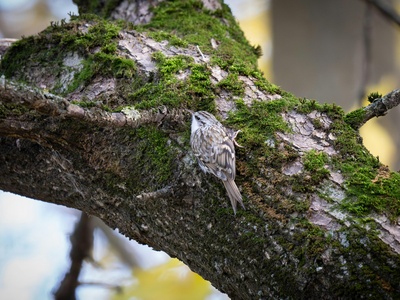
Eurasian Treecreeper
Tiny, streaky bird that spirals up trunks searching for insects. Camouflaged plumage, thin curved bill and high, thin song; best found in older woods.
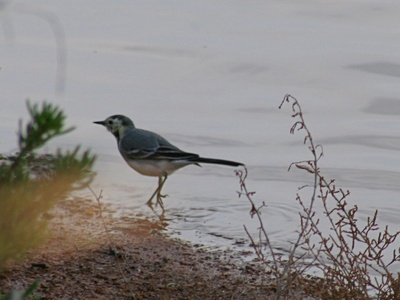
White Wagtail
Slender, bouncy bird with black-and-white plumage and constant tail-bobbing. Common along riverbanks, roads and urban areas; migrants arrive in spring and autumn.
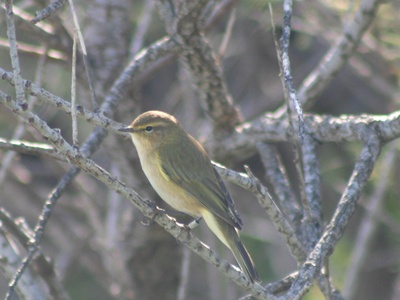
Yellow Wagtail
Bright, agile insect-eater often seen on damp fields. Many regional forms; nests on the ground and is conspicuous in summer with yellow plumage.
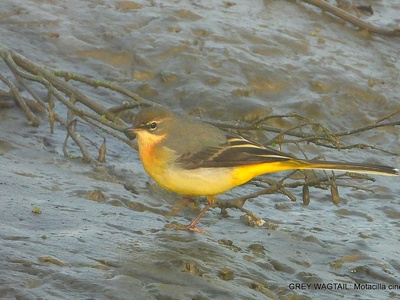
Grey Wagtail
Slim wagtail with long tail and yellow underparts, preferring fast-flowing water. Often forages on rocks and perches low over streams, common in upland areas.

European Robin
Familiar tame bird with orange-red breast and melodic song. Bold in gardens and parks, often sings through mild winters and is a pleasure for casual birdwatchers.
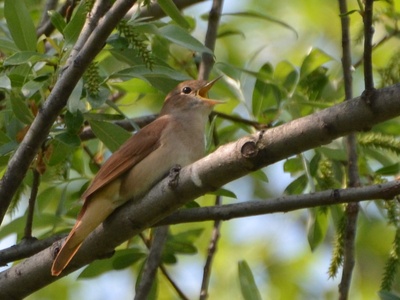
Common Nightingale
Renowned songster with powerful, varied melody delivered from cover. Secretive by day, often heard at dawn or dusk in hedgerows and riverine scrub.
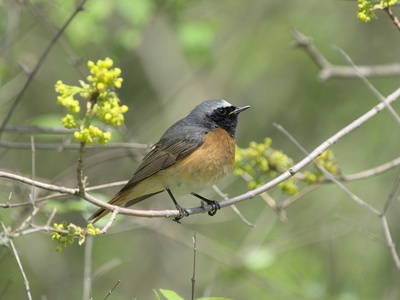
Common Redstart
Small flycatcher with orange-red tail and pale breast. Often perches openly to sally for insects; breeds in tree cavities and nestboxes in woodland edges.
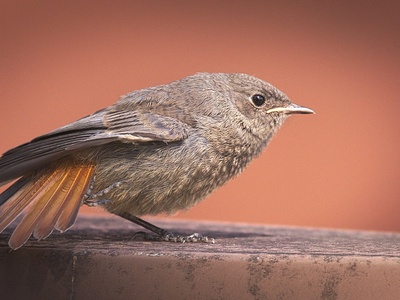
Black Redstart
Dark, sooty plumage with orange tail and a tail-flicking habit. Common in urban areas and on rocky outcrops, often nesting in buildings and quarries.
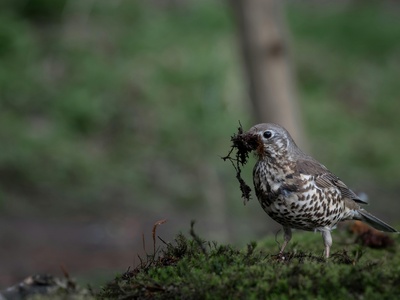
Mistle Thrush
Tall thrush with spotted underparts and loud wheezy song. Feeds on berries and invertebrates, often seen perched prominently singing from treetops.
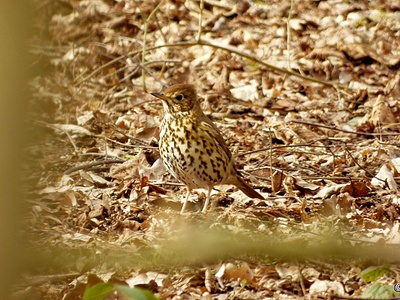
Song Thrush
Medium-sized thrush famed for repeating musical phrases. Feeds on snails and worms, common in parks and gardens and often noticed by its song.
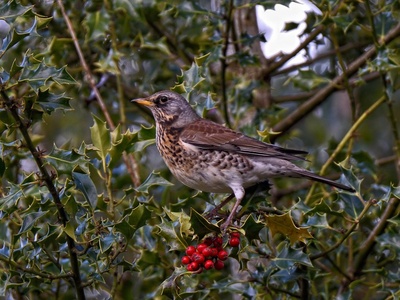
Fieldfare
Large migratory thrush with grey back and rufous flanks. Arrives in winter in flocks to feed on berries and fallen fruit in orchards and hedgerows.
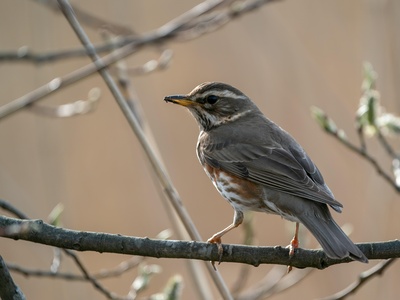
Redwing
Small thrush with pale eye stripe and reddish flanks, often seen in noisy flocks. Winters in Serbia feeding on berries and invertebrates.

House Sparrow
Familiar small brown sparrow common around people. Sociable and noisy, nests in buildings and feeds on scraps and seeds; an everyday bird in urban and rural settlements.

Tree Sparrow
Small brown-headed sparrow with black cheek spot, common in rural settlements. Prefers farmland and hedgerows, often seen at feeders and grain stores.

Chaffinch
Colorful finch with blue-grey cap in males and hearty song. Common across woodland edges and gardens, frequents seed feeders in winter.
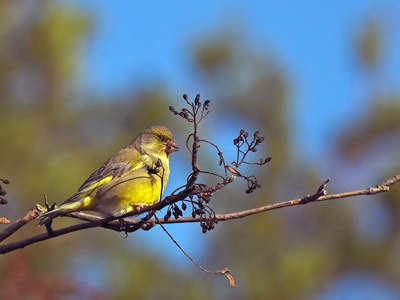
European Greenfinch
Chunky green-and-yellow finch with a strong beak for seeds. Common at feeders, hedgerows and orchards; gives a wheezing song and flutters with a bounding flight.
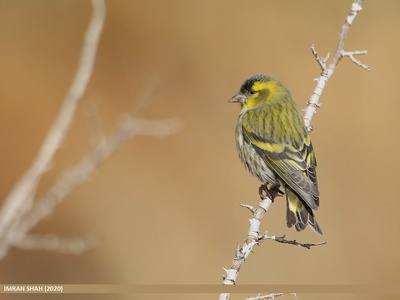
Eurasian Siskin
Small streaky finch with yellow-green flashes and a lively twitter. Moves in flocks to feeders and seed-bearing trees, especially in winter irruptions.
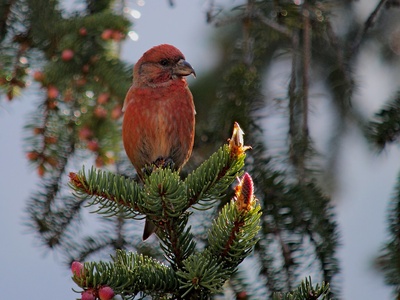
Common Crossbill
Parrot-like finch with crossed bill adapted to extract seeds from cones. Breeding is sporadic and tied to cone crop abundance; occurs in forested mountains.
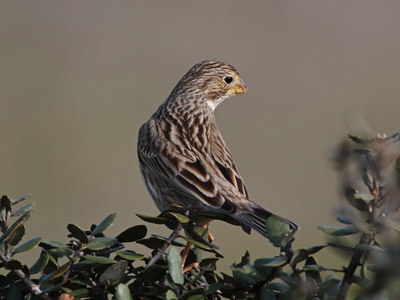
Corn Bunting
Stout, streaked bunting with a simple jangling song. Associated with cereal fields and dry meadows; more common in open, lowland agricultural landscapes.
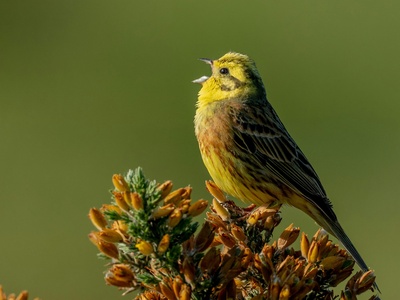
Yellowhammer
Bright yellow male in summer with metallic song often heard from perches. Prefers farm edges, hedgerows and grassy field margins where it nests on the ground.
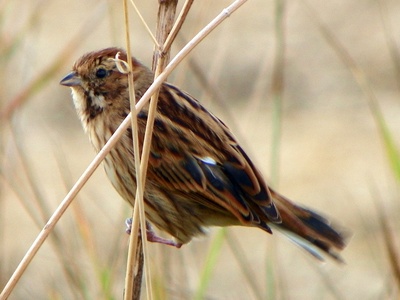
Reed Bunting
Slim bunting with streaky brown plumage; males show black heads in breeding season. Common in reedbeds, ditches and wet meadows, often perched atop reeds.