Russia’s vast terrain—taiga, tundra, mountains and coastlines—supports a wide range of wildlife, many of which can be hazardous if you encounter them unexpectedly. Local habits, seasons and remote access all affect where and how people meet these animals.
There are 28 Dangerous Animals in Russia, ranging from Amur (Siberian) tiger to Wild reindeer. For each animal you’ll find below Scientific name,Region found,Danger (type, severity), so you can quickly see where they live and what threat they pose; you’ll find those details below.
Which of these animals are most likely to threaten people?
Risk varies by region and activity, but brown bears, wolves, Amur (Siberian) tigers and large herbivores (like moose or reindeer when provoked) account for most dangerous encounters; venomous snakes and ticks are also common regional risks. Most incidents happen when animals are surprised, protecting young, or drawn by food.
What practical precautions should I take when traveling in their habitats?
Stay on trails, make noise in dense areas, store food securely, avoid feeding or approaching wildlife, travel in groups, carry deterrents where legal (e.g., bear spray), check for ticks after outings, and learn local emergency contacts before you go.
Dangerous Animals in Russia
| Name | Scientific name | Region found | Danger (type, severity) |
|---|---|---|---|
| Brown bear | Ursus arctos | Siberia,Far East,Kamchatka,European Russia | Attack, mauling; severe, potentially lethal |
| Polar bear | Ursus maritimus | Arctic coast,Chukotka,Franz Josef Land | Attack, mauling; lethal |
| Amur (Siberian) tiger | Panthera tigris altaica | Primorsky Krai,Khabarovsk (Russian Far East) | Attack, predation; lethal |
| Eurasian wolf | Canis lupus | Throughout Russia especially Siberia | Attack, bites; moderate to severe (lethal rare) |
| Wild boar | Sus scrofa | European Russia,Caucasus,Far East | Goring,trampling; moderate to severe |
| Moose | Alces alces | Forests across Russia (Karelia,Siberia) | Kicks/collisions; moderate to severe |
| Wild reindeer | Rangifer tarandus (wild) | Arctic tundra,Siberia,Kola Peninsula | Kicks/goring,stampede; moderate |
| European bison | Bison bonasus | Caucasus,Kaluga and reintroduction sites | Charging,trampling; severe |
| Asiatic black bear | Ursus thibetanus | Russian Far East (Primorye) | Attack, mauling; severe |
| Raccoon dog | Nyctereutes procyonoides | Far East,and introduced in parts of European Russia | Bites,rabies vector; moderate to severe |
| Red fox | Vulpes vulpes | Nationwide | Bites,rabies vector; moderate to severe |
| Eurasian lynx | Lynx lynx | Forested regions (Ural,Siberia) | Attack, scratch/bite; minor to moderate |
| Walrus | Odobenus rosmarus | Arctic coast,Chukotka,Novaya Zemlya | Trampling,blunt force; severe, potentially lethal |
| Ticks (taiga tick) | Ixodes persulcatus | Taiga,Siberia,Far East | Disease vector (TBE); severe potential |
| Ticks (Dermacentor) | Dermacentor reticulatus/D.silvarum | Forests,meadows across Russia | Disease vector (Tularemia,others); moderate to severe |
| Hantavirus reservoirs (rodents) | Myodes,Microtus species (various) | Rural Siberia,Far East | Disease (hantavirus); severe, potentially lethal |
| Mosquitoes (disease vectors) | Anopheles,Culex (various) | Wetlands,river valleys across Russia | Disease vector (West Nile,others); moderate |
| Hornets and wasps | Vespidae (various) | Forests and steppe throughout Russia | Stings,anaphylaxis; severe (allergic deaths possible) |
| Honey bees (feral and swarms) | Apis mellifera | Across Russia (apiaries and feral) | Stings,anaphylaxis; severe |
| Mediterranean black widow | Latrodectus tredecimguttatus | Southern steppe,Caspian region,Caucasus | Neurotoxic bite; moderate to severe |
| European adder | Vipera berus | Widespread across Russia | Venomous bite; moderate to severe |
| Halys viper (Pallas’s viper) | Gloydius halys | South Siberia,Altai,steppe regions | Venomous bite; severe |
| Ussuri pit viper | Gloydius ussuriensis | Russian Far East (Primorye) | Venomous bite; severe |
| Levantine/Caucasus viper | Macrovipera lebetina | Caucasus foothills,southern Russia | Venomous bite; severe |
| Black Sea jellyfish (Pelagia) | Pelagia noctiluca | Black Sea,Sea of Azov | Stings; moderate (rarely severe) |
| Stingrays (Black Sea) | Dasyatis pastinaca (and relatives) | Black Sea coastal waters | Sting,venomous barb; moderate |
| Mediterranean scorpions | Euscorpius,Buthus species | Caucasus,Crimea,southern steppe | Sting; moderate (rarely severe) |
| Large stray predators (rabid cases) | Various (Canis, Vulpes,Nyctereutes) | Rural and suburban Russia | Bites,rabies; severe, lethal if untreated |
Images and Descriptions
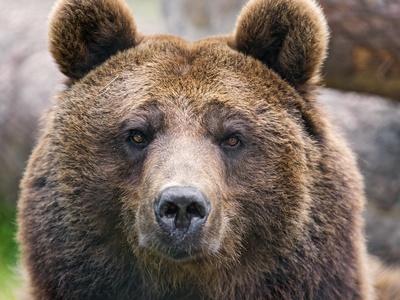
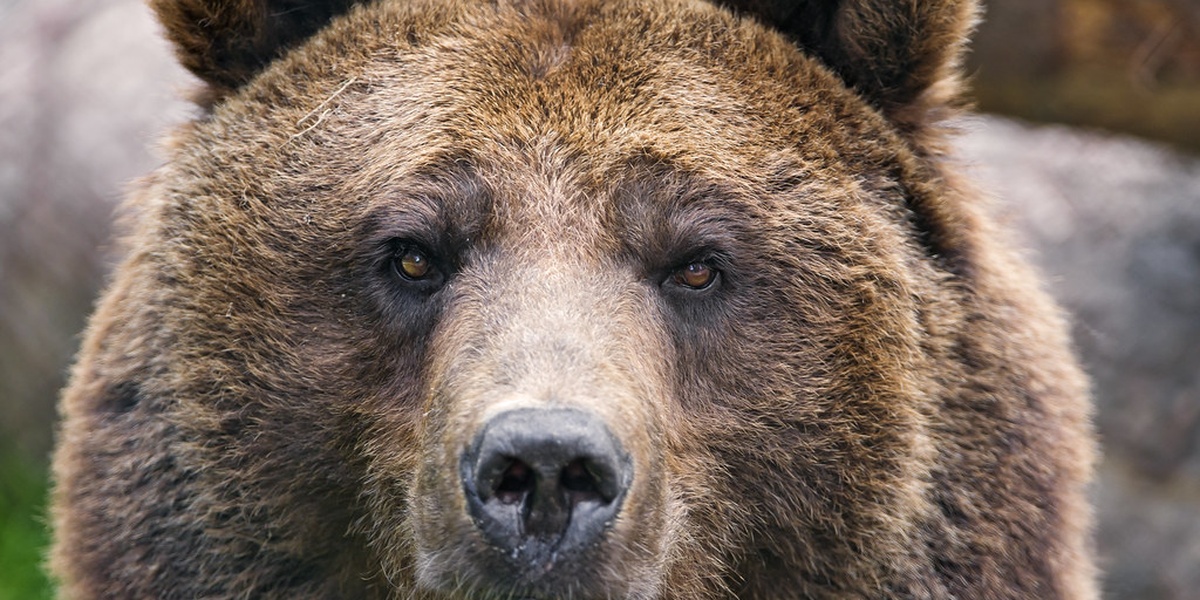
Brown bear
Huge omnivore that can maul or charge, especially females with cubs or surprised adults in spring–autumn. Documented attacks in Kamchatka and Siberia. Notable for food-conditioned bears near camps. Safety tip: keep distance, store food, make noise on trails.
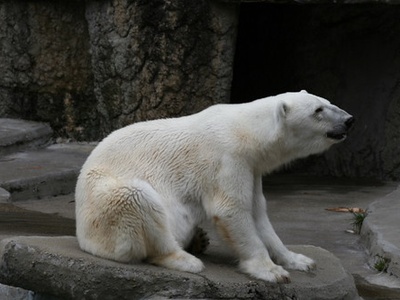
Polar bear
Arctic polar predator that treats humans as prey in some encounters during ice-free seasons. Recorded deadly attacks in Chukotka and Arctic islands. Notable for roaming coasts when seals scarce. Safety tip: avoid shoreline travel alone; use armed guides in high-risk zones.
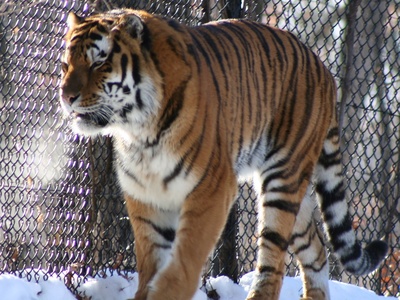
Amur (Siberian) tiger
Largest cat in Russia; rare but historically documented man-eating incidents. Most active near dusk and in dense forest. Notable conservation success but still dangerous if surprised. Safety tip: avoid walking alone at night in tiger country; follow ranger advice.
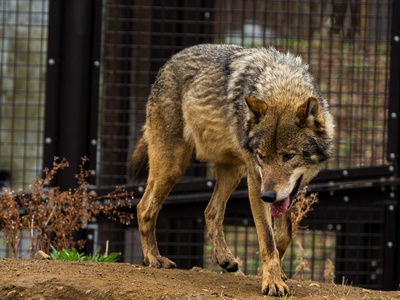
Eurasian wolf
Pack predator that can bite or attack, with higher risk from rabid individuals or habituated packs. Rare direct attacks but some lethal cases historically. Notable in remote rural areas. Safety tip: don’t feed wildlife; keep distance and secure livestock.
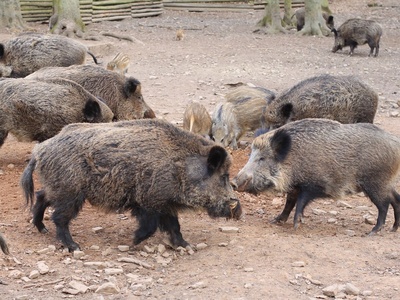
Wild boar
Aggressive pig-like omnivore that can gore or trample people, especially sows defending piglets or males during rut (autumn). Frequent crops- and road-related encounters. Safety tip: back away slowly; avoid piglets and dense cover at dusk.

Moose
Very large ungulate causing serious injuries by kicking or vehicle collisions, especially during rut in autumn or when cows have calves. Notable for causing severe road accidents. Safety tip: give wide berth; slow down in moose country.
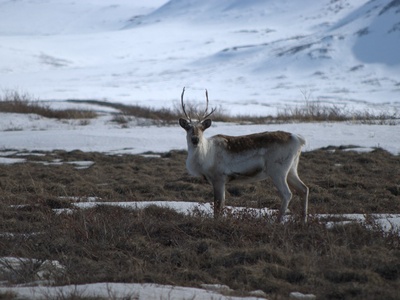
Wild reindeer
Wild herds can gore during rut and cause stampedes near roads or settlements. Encounters peak in rut and migration seasons. Notable around northern infrastructure. Safety tip: keep distance from bulls and herds, avoid corralling them.
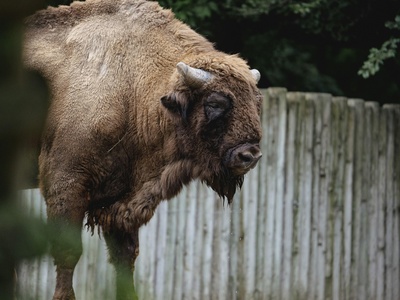
European bison
Powerful reintroduced herbivore that can charge if surprised or cornered; incidents are uncommon but injuries can be severe. Notable where populations were recently reintroduced. Safety tip: observe from distance; do not approach.
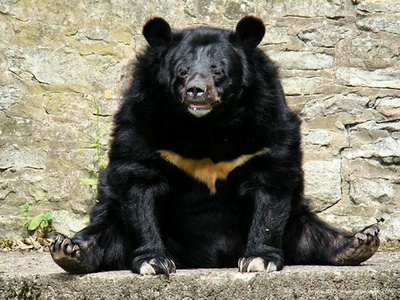
Asiatic black bear
Smaller bear in southern Far East that can bite or maul when surprised or defending cubs. Documented regional encounters near settlements. Safety tip: avoid dense brush, make noise when hiking.
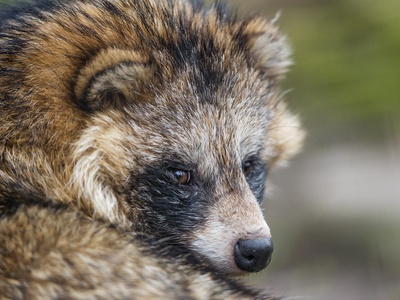
Raccoon dog
Small canid often linked to rabies transmission in rural areas; bites and rabid animals pose real health risks. Notable as a species that adapted to human landscapes. Safety tip: avoid contact, report strange behavior.
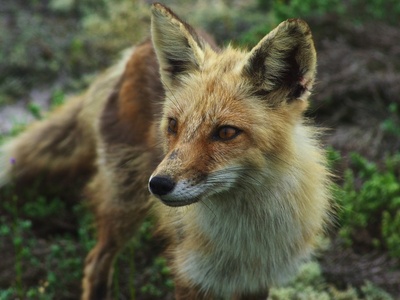
Red fox
Common fox that can transmit rabies and occasionally bite humans or pets; rabid foxes have caused human fatalities historically. Notable around villages and camps. Safety tip: don’t approach wildlife; vaccinate pets.

Eurasian lynx
Solitary cat whose attacks on humans are extremely rare; can become bold near livestock. Not typically a serious threat but can defend itself if cornered. Safety tip: avoid surprising a resting lynx.
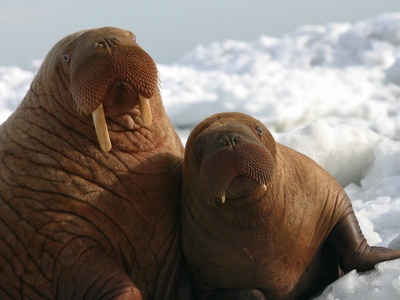
Walrus
Large pinniped that can gore or trample people on ice or beaches when disturbed. Documented aggressive incidents near haul-outs. Safety tip: give wide berth to hauled-out walruses; keep to boats when observed.
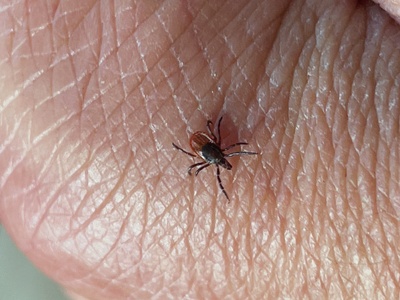
Ticks (taiga tick)
Hard tick that transmits tick-borne encephalitis and Lyme disease; risk peaks late spring–summer. Many documented TBE cases in Siberia. Safety tip: use repellents, wear long clothing, consider TBE vaccination.
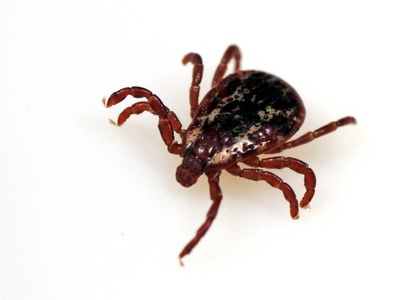
Ticks (Dermacentor)
Dermacentor species spread tularemia and other pathogens; bites can cause serious illness. Notable in many rural regions. Safety tip: check for ticks and seek prompt medical advice if fever develops.
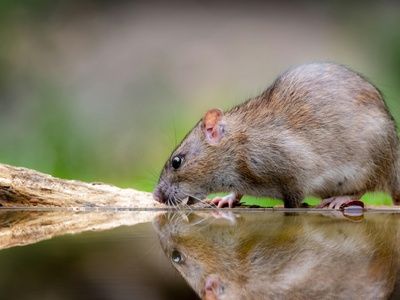
Hantavirus reservoirs (rodents)
Field rodents shed hantaviruses that cause hemorrhagic fever with renal syndrome; notable outbreaks near cabins and grain storage. Safety tip: avoid rodent-infested buildings; ventilate and disinfect before entry.
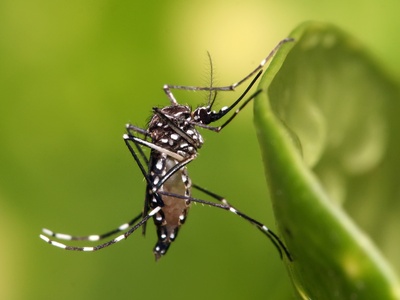
Mosquitoes (disease vectors)
Mosquitoes transmit various pathogens and are intense nuisance pests in summer. Southern regions see more vector-borne disease risk. Safety tip: use repellent, nets, and protective clothing.
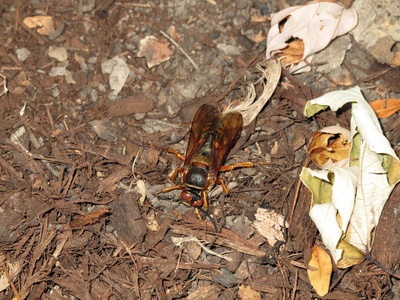
Hornets and wasps
Multiple stinging species (e.g., Vespa crabro,Far East Vespa species). Mass attacks or allergic reactions can be life-threatening. Notable in summer. Safety tip: avoid nests; seek urgent care for anaphylaxis.
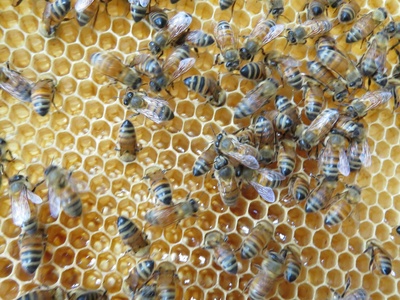
Honey bees (feral and swarms)
Bees can fatally sting allergic people or in mass attacks; swarms near settlements can be hazardous. Notable during summer swarming. Safety tip: avoid provoking hives; seek emergency care if allergic.

Mediterranean black widow
Highly venomous spider in southern Russia; bites cause severe pain and systemic symptoms, rarely fatal with treatment. Seasonal activity in warm months. Safety tip: check boots and be cautious near debris.
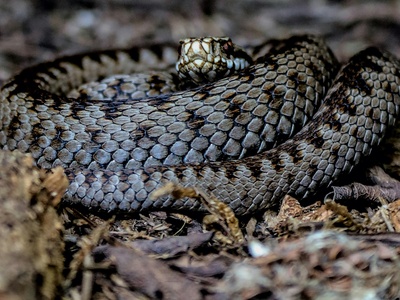
European adder
Common viper whose bite causes pain and sometimes serious systemic symptoms, especially in children and elderly. Active spring–autumn in forests and meadows. Safety tip: avoid stepping in tall grass; seek antivenom quickly.
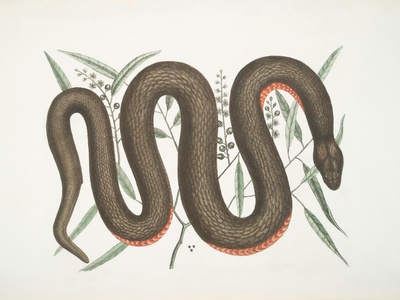
Halys viper (Pallas’s viper)
Large Asian viper causing significant envenomations in steppe and forest-steppe areas; systemic effects possible. Notable for medically serious bites. Safety tip: seek urgent medical care; avoid handling snakes.
Ussuri pit viper
Venomous viper of the Far East producing painful, potentially dangerous bites; encounters occur in warm months. Safety tip: wear boots in snake country and seek antivenom promptly.
Levantine/Caucasus viper
Large viper in southern Russia with potent venom; bites can be life-threatening without treatment. Notable in rocky, dry terrain. Safety tip: avoid tight rocky areas and use caution when climbing.
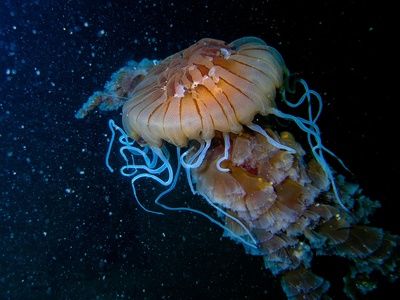
Black Sea jellyfish (Pelagia)
Pelagic jellyfish causing painful stings to swimmers in summer; irritation and systemic symptoms possible in heavy blooms. Not usually lethal. Safety tip: rinse with seawater, seek medical help for severe reactions.
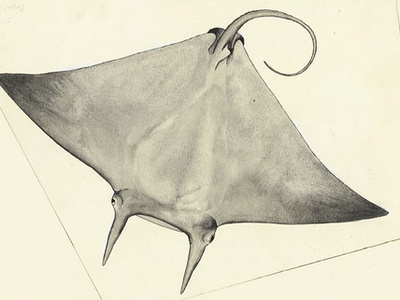
Stingrays (Black Sea)
Stingrays in shallow Black Sea waters can inflict painful venomous stings, mostly accidental when stepped on. Seasonal bathing risk. Safety tip: shuffle feet when wading; seek medical care for deep stings.
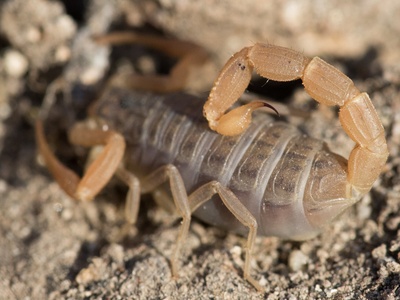
Mediterranean scorpions
Several scorpion species in southern Russia can deliver painful stings; some Buthus species have medically significant venom. Risk highest in warm months. Safety tip: check shoes and bedding; seek treatment for severe symptoms.
Large stray predators (rabid cases)
Rabid wild or feral canids and other mammals occasionally attack people; rabies remains a serious risk in some regions. Notable for causing human rabies cases historically. Safety tip: avoid contact; post-exposure prophylaxis after bites.