Table of Contents
- The Quick Answer
- Quick Facts
- What’s Actually on the Menu
- Prey by Region
- How They Hunt
- The Diet Shift Nobody Asked For
- How Scientists Know Any of This
- How This Compares to Other Otters
- FAQ
The Quick Answer
Hairy-nosed otters (Lutra sumatrana) eat mostly fish, followed by crabs, water snakes, mollusks, frogs, and the occasional waterbird. Fish dominates almost everywhere they’re found, but the species mix underneath that headline changes a lot depending on which wetland you’re standing in and what season it is.
That simple answer hides a more interesting story: this otter didn’t always eat this way, and the reason it does now says something uncomfortable about the wetlands it lives in.
Quick Facts
| Primary prey | Fish (climbing perch, snakeheads, walking catfish) |
| Secondary prey | Crabs, water snakes, mollusks, frogs |
| Occasional prey | Waterbirds |
| Hunting style | Solitary, chases fish into submerged roots and vegetation |
| Diet study method | Spraint (scat) analysis |
| Conservation status | Endangered — IUCN SSC Otter Specialist Group |
What’s Actually on the Menu
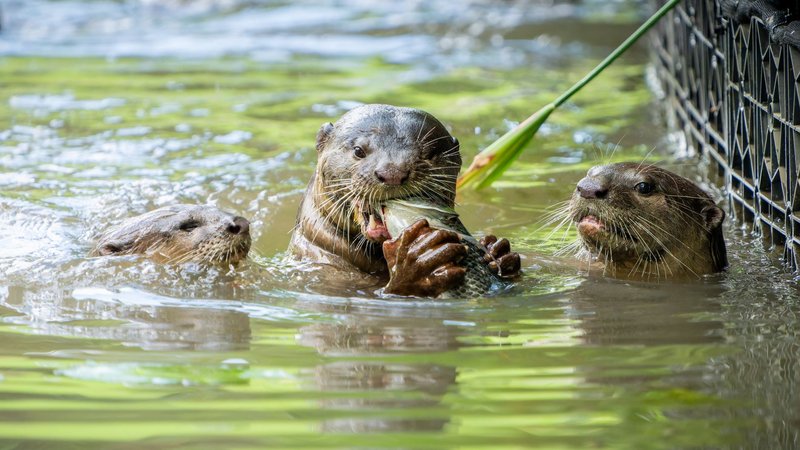
Fish make up the bulk of a hairy-nosed otter’s diet almost everywhere researchers have looked. But “fish” isn’t one category — it’s whatever swims in the specific canal, peat swamp, or drainage ditch this otter is working that week. Climbing perch and snakeheads show up constantly in scat samples from Thailand’s wetlands, while walking catfish turn up more often in Vietnamese populations. Both fish groups share a trait that matters: they can survive in shallow, oxygen-poor water, which is exactly the kind of habitat this otter prefers.
Crabs used to be a much bigger part of the picture — more on that below. Water snakes and frogs fill in the gaps, especially in flooded rice paddies and marsh edges where amphibians are easy pickings. Mollusks appear less often but consistently, and waterbirds show up rarely enough that they read more like opportunism than a real food source.
Prey by Region
| Region | Dominant prey | Notes |
|---|---|---|
| Thailand (peninsular wetlands) | Climbing perch, snakeheads | Air-breathing fish that tolerate low-oxygen canals |
| Vietnam (Mekong Delta, coastal wetlands) | Walking catfish | Same shallow-water advantage as climbing perch |
| Cambodia (Tonle Sap region) | Fish, water snakes | Diet shifts seasonally with flood-pulse water levels |
| Sumatra (peat swamp forests) | Fish, crabs, mollusks | Historically the region with the highest crab intake |
The table simplifies a messier reality — populations are small, scattered, and understudied, so these patterns come from a handful of spraint studies rather than exhaustive surveys. Still, the regional split holds up across the literature: whatever fish species can handle poor water quality tends to win.
How They Hunt
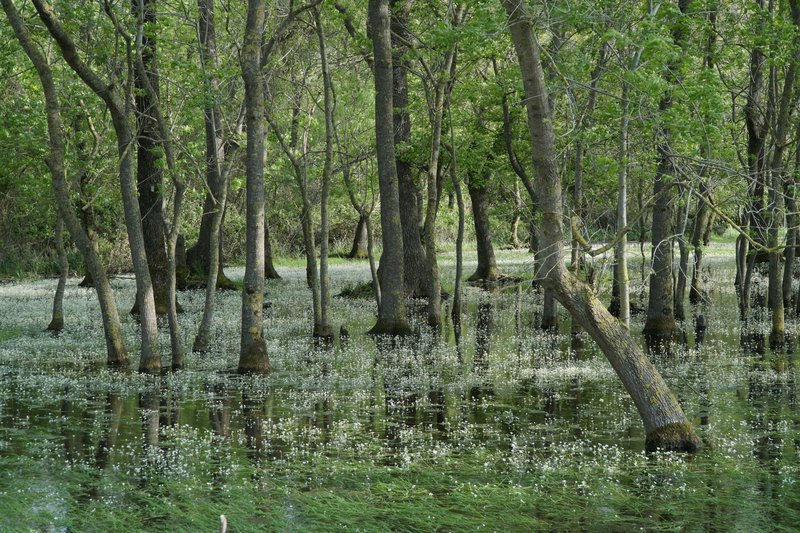
Hairy-nosed otters hunt alone, unlike the social, group-fishing river otters people picture when they hear “otter.” A lone otter will chase fish toward submerged tree roots and dense underwater vegetation, using the roots like a trap wall — the fish has nowhere to go, and the otter closes in. It’s a technique suited to cluttered, root-choked wetland margins rather than open water, which tracks with where this species actually lives: peat swamp forests, mangrove fringes, and slow drainage canals, not rivers.
Foraging intensifies in the dry season, when water levels drop and fish and crabs get concentrated into shrinking canals and ponds. Less water means less room to hide, and the otters take advantage of it.
The Diet Shift Nobody Asked For
This is the detail every generic otter profile skips: hairy-nosed otter diet has documented a measurable shift away from crabs and toward fish and water snakes over recent decades, and the cause isn’t a natural food preference — it’s people. Human harvesting of crustaceans in Southeast Asian wetlands has pushed crab populations down hard enough that the otters have had to substitute. When your preferred prey gets fished out by humans, you eat what’s left.
That matters because it links the diet directly to why the species is listed as Endangered in the first place. Prey scarcity from overharvesting isn’t a side note to the conservation story — for this otter, it’s part of the mechanism.
How Scientists Know Any of This
Nobody’s watching hairy-nosed otters eat dinner. The species is secretive, nocturnal-leaning, and lives in dense, hard-to-access wetlands across a fragmented range — direct observation is rare. Almost everything known about the diet comes from spraint analysis: researchers collect otter scat, pick through it for bone fragments, scales, exoskeleton pieces, and fur, and identify prey species from what’s left behind.
It’s not glamorous fieldwork, but it’s reliable. Spraint sites also double as a way to confirm an otter population exists in an area at all, since actual sightings are so uncommon.
How This Compares to Other Otters
Fish-heavy diets aren’t unique to this species — most otters eat mostly fish when it’s available. The difference shows up in the secondary prey and the hunting range. Sea otters lean heavily on shellfish and urchins because they’re working a marine habitat with a completely different prey base. Eurasian otters take a broader mix of fish, amphibians, and crustaceans across rivers and lakes. The hairy-nosed otter’s diet sits closest to other Southeast Asian freshwater otters, but its historical reliance on crabs — and the forced shift away from them — is a pattern that’s better documented here than in most related species.
FAQ
Do hairy-nosed otters eat crabs? Yes, though less than they used to. Crabs were historically a significant part of the diet, especially in Sumatran populations, but overharvesting by humans has reduced crab availability and pushed the diet toward fish and water snakes instead.
Do hairy-nosed otters hunt in groups? No. They’re typically solitary hunters, which sets them apart from more social otter species that fish cooperatively.
What’s the single most common prey item? Fish, and specifically species that tolerate shallow, low-oxygen water — climbing perch, snakeheads, and walking catfish depending on the region.
Why does the diet change by season? Dry-season water levels concentrate prey into smaller canals and ponds, making fish and crabs easier to catch. Diet composition shifts accordingly as the season changes.
Is the diet connected to the species’ Endangered status? Yes. The documented shift away from crabs, driven by human overharvesting of crustaceans in the wetlands this otter depends on, is tied directly to the pressures behind its conservation status.