Micronesia’s island groups host a mix of atoll, volcanic and limestone habitats shaped by isolation, salt spray and traditional land use. That variety creates distinct plant communities found nowhere else and supports local livelihoods, so a concise list helps both casual readers and fieldworkers get oriented.
There are 20 Micronesia’s native plants, ranging from Birdcatcher tree to Tamanu. For each, you’ll find below the Scientific name, Endemic status, Main habitat & range.
How can I tell if a plant on this list is endemic to Micronesia?
Check the Endemic status column and the Main habitat & range notes — endemic species will be marked and described as limited to one or a few islands or island groups. Cross-referencing the Scientific name with regional floras or herbarium records provides confirmation and links to conservation assessments.
Are any of these plants used by local communities or important for conservation?
Yes; several listed species have traditional uses (medicine, oils, building materials, weaving) and some are conservation priorities due to restricted ranges or habitat loss. The Main habitat & range and Endemic status fields indicate where cultural use overlaps with vulnerability, and local conservation programs or botanical gardens can offer practical guidance.
Micronesia’s Native Plants
| Common name | Scientific name | Endemic status | Main habitat & range |
|---|---|---|---|
| Screw pine | Pandanus tectorius | Native (wider Pacific) | Coastal strand, reef islets; Caroline, Mariana, Marshall, Palau |
| Naupaka | Scaevola taccada | Native (wider Pacific) | Seaside strand and dunes; widespread across Caroline, Mariana, Marshall, Palau |
| Sea hibiscus | Hibiscus tiliaceus | Native (wider Pacific) | Coastal and lowland forests; common on Yap, Pohnpei, Kosrae, Marianas |
| Tamanu | Calophyllum inophyllum | Native (wider Pacific) | Coastal forests, village shade trees; seen across Micronesia |
| Sea gardenia | Guettarda speciosa | Native (wider Pacific) | Coastal strand, sandy shores; common on atolls and high islands |
| Birdcatcher tree | Pisonia grandis | Native (wider Pacific) | Coastal forests, seabird colonies on atolls; Caroline, Marshall, Palau |
| Black-stemmed shrub | Premna serratifolia | Native (wider Pacific) | Coastal scrub and limestone forests; widespread across Micronesia |
| Sea poison-tree | Barringtonia asiatica | Native (wider Pacific) | Coastal fringe, rocky shores; Caroline, Mariana, Palau |
| Sea-mango | Cerbera manghas | Native (wider Pacific) | Coastal strand and littoral forests; across Micronesian islands |
| Island lychee | Pometia pinnata | Native (regional) | Lowland rainforest on larger islands; Yap, Pohnpei, Kosrae, Palau |
| Merbau | Intsia bijuga | Native (regional) | Lowland to coastal forests on larger islands; Palau, Yap, Pohnpei |
| Lantern tree | Hernandia nymphaeifolia | Native (wider Pacific) | Coastal forest and strand; common on atolls and high islands |
| Micronesian cycad | Cycas micronesica | Endemic | Upland and lowland forests of Guam, Rota, Saipan (Marianas) |
| Giant fern | Angiopteris evecta | Native (wider Pacific) | Moist valleys, streambanks and shaded forests; Pohnpei, Kosrae, Yap |
| Red mangrove | Rhizophora stylosa | Native (wider Pacific) | Mangrove fringe, sheltered lagoons; widespread across Micronesia |
| Mangrove apple | Sonneratia alba | Native (wider Pacific) | Upper mangrove and tidal flats; common in lagoons and estuaries |
| Spurred mangrove | Ceriops tagal | Native (wider Pacific) | Lower to mid mangrove zones in sheltered bays; scattered islands |
| Octopus bush | Heliotropium foertherianum | Native (wider Pacific) | Coastal scrub and strand; widespread across atolls and high islands |
| Fig | Ficus prolixa | Native (wider Pacific) | Lowland and coastal forests; found on many high Micronesian islands |
| Milkwood | Ochrosia oppositifolia | Native (wider Pacific) | Coastal limestone and strand; present across Micronesia |
Images and Descriptions
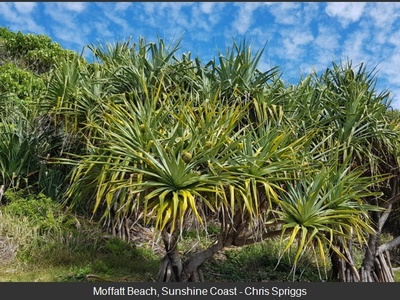
Screw pine
Stilt-rooted shrub with long spiny leaves and segmented fruits; leaves are traditional for mats, thatch and baskets. Common on lagoon edges and atolls, helps bind sand and is culturally important across island communities.

Naupaka
Low to sprawling shrub with thick, glossy leaves and white fan-shaped flowers. A classic beach plant used for windbreaks and folklore; very salt-tolerant and one of the first plants seen on recovering shorelines.
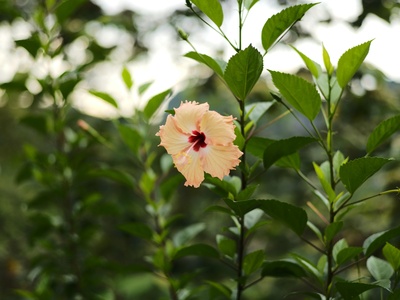
Sea hibiscus
Small tree with broad heart-shaped leaves and yellow-to-red hibiscus flowers. Valued for canoe construction, cordage and shade; distinctive when flowering and often planted near villages and shorelines.
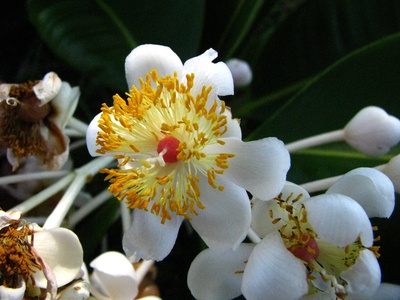
Tamanu
Evergreen tree with glossy leaves and fragrant white flowers, producing oily seeds used traditionally for healing (tamanu oil). Tolerant of salt spray, commonly found near settlements and beaches.
Sea gardenia
Large shrub or tree with glossy leaves and fragrant white tubular flowers. Its round fruits wash ashore; culturally noted for medicinal uses and as a landmark tree near beaches.
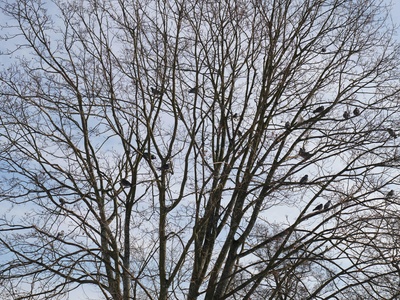
Birdcatcher tree
Tall coastal tree with sticky seed clusters that trap seabirds (hence name). Forms shady groves on atolls and is ecologically important for seabird nesting and nutrient cycling; vulnerable where seabirds decline.
Black-stemmed shrub
Salt-tolerant shrub with toothed leaves and small clusters of tubular flowers. Often used for traditional medicine and hedges; easy to spot in dry coastal thickets and along reef terraces.
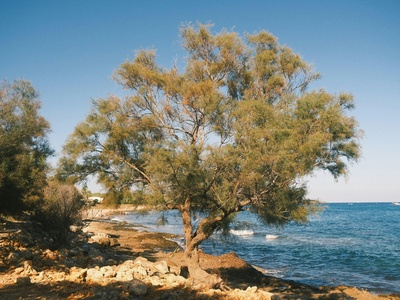
Sea poison-tree
Large coastal tree with dramatic dangling white or pink flowers and large buoyant fruits. Historically used for fish stunning and timber; distinctive nocturnal blooms attract bats and moths.
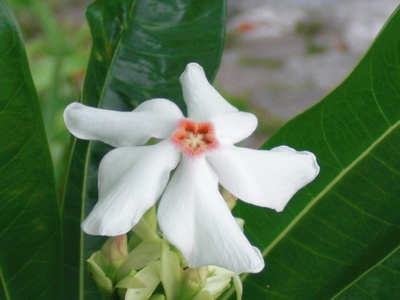
Sea-mango
Small coastal tree with elliptic leaves and toxic, attractive fruits; wood and traditional uses exist but fruit is poisonous. Common on shorelines and important in coastal plant communities.
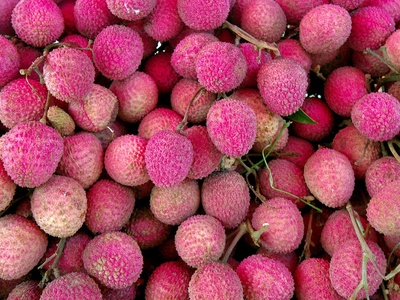
Island lychee
Evergreen rainforest tree with pinnate leaves and edible fruits favored locally. Strong timber and food value; typically grows in mature forests rather than exposed atolls.
Merbau
Large hardwood tree with pinnate leaves and showy yellow flowers; valued for durable timber and traditional carving. Slow-growing and locally reduced by logging on bigger islands.
Lantern tree
Small tree with pale bark and papery fruits enclosed in lantern-like bracts. Frequently used for shade and as a canoe plant; characteristic of coastal groves and beach forest margins.
Micronesian cycad
A stout, palm-like cycad with pinnate leaves and large cones; culturally used and once common in Marianas. Now critically endangered from invasive pests and habitat loss; look for slow-growing individuals in native forests.
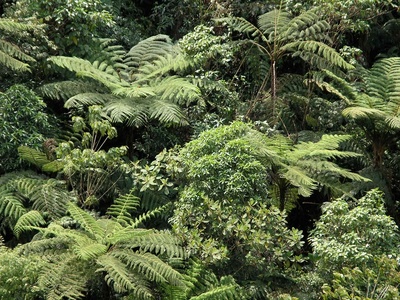
Giant fern
Massive fern with enormous fronds that form dramatic clumps in wet forest gullies. Locally used for shelter and sometimes food; a good indicator of intact, humid forest.
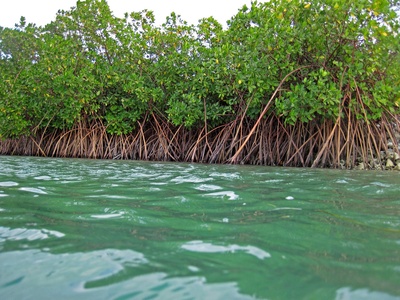
Red mangrove
Classic stilt-rooted mangrove with prop roots and leathery leaves. Forms dense coastal thickets that stabilize shorelines and provide fish nursery habitat; easily ID’d by its distinctive roots.
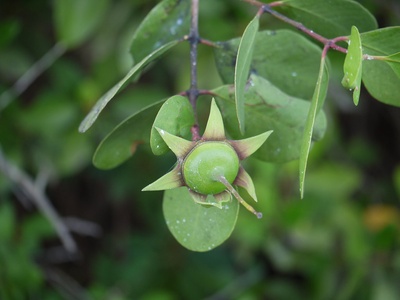
Mangrove apple
Mangrove tree with large white flowers and spongy pneumatophores. Important for sediment trapping and local fisheries; flowers open at night and attract pollinators.
Spurred mangrove
Smaller mangrove tree with opposite leaves and distinctive curved fruiting bodies. Often found in denser mangrove stands; useful for identifying transitions between mangrove zones.
Octopus bush
Thick-leaved shrub with silvery undersides and clusters of fragrant cream flowers. Leaves used in traditional crafts and medicine; common stabilizer of dunes and reef flats.
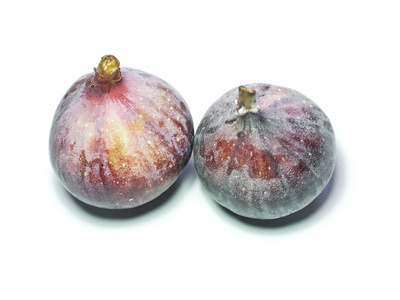
Fig
Strangler or free-standing fig with aerial roots and edible figs eaten by birds. Important keystone species for wildlife and forest regeneration; notice figs feeding many bird species.
Milkwood
Small tree with opposite glossy leaves and white tubular flowers producing paired follicles. Sap is milky; traditionally used in local remedies and tolerated well on coral substrates.