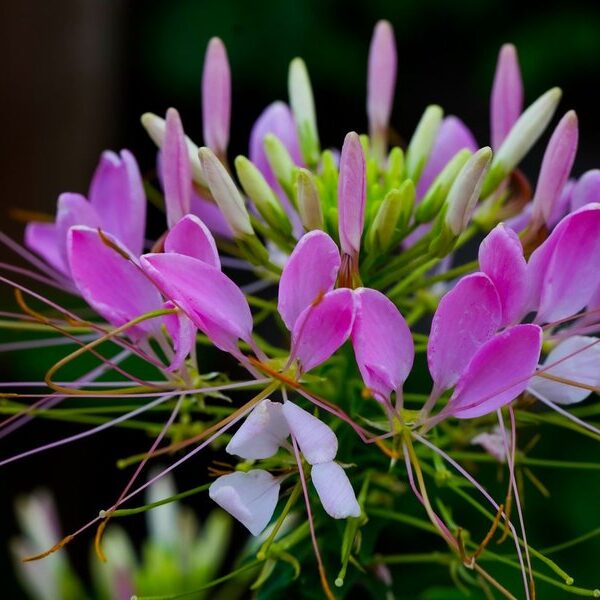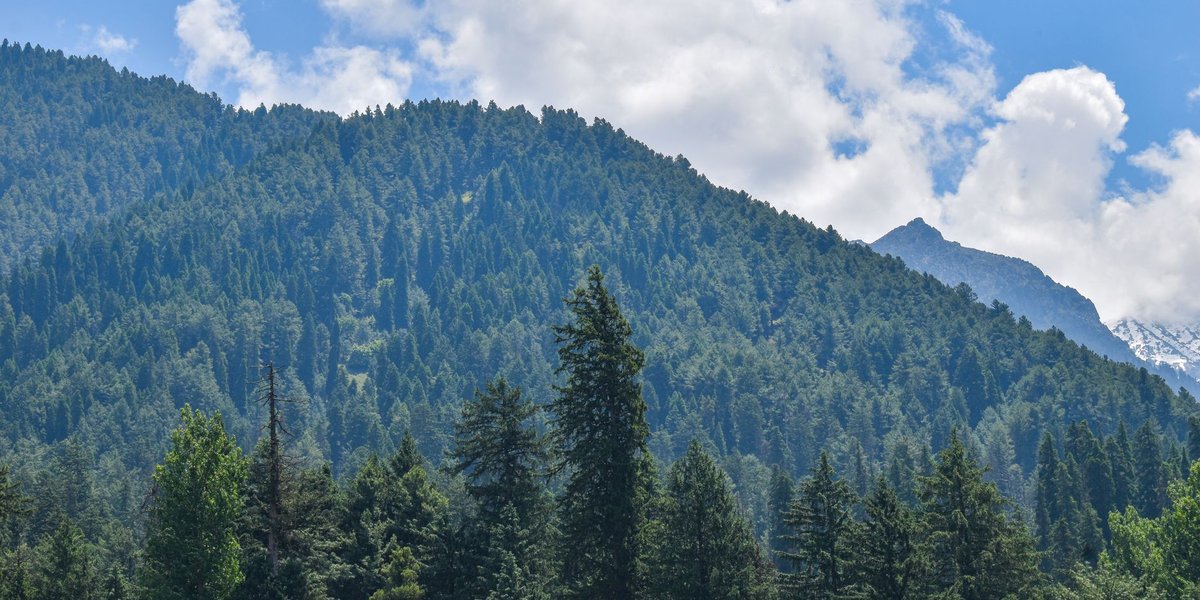
Armenia is a small, landlocked country that somehow contains almost every forest type in the temperate world. The lowest point, the Debed Gorge in the north, sits at 375 meters. The highest, the north peak of Mount Aragats, tops out at 4,090 meters. Squeeze that much vertical range into a country the size of Belgium and you get birch and beech forests dripping with moss thirty kilometers from junipers clinging to bone-dry volcanic scree.
Forest cover hovers around 11-12% of the land today, which is low by regional standards and lower than it used to be — more on why below. But what’s left is not filler. It’s a genuinely unusual mix: relict oak-juniper woodland old enough to predate the Ice Age, a pocket of near-subtropical trees surviving in the far south, and one fruit tree so identified with the country that its Latin name is literally “Armenian.”
That last one answers a question a lot of people search for directly: Armenia doesn’t have a legally designated national tree. Ask an Armenian anyway and the answer comes back apricot, every time. Here are 16 trees that explain why, and what’s actually growing between those two elevation extremes.
Table of Contents
- Oriental Plane
- Armenian Oak
- Juniper
- Caucasian Hornbeam
- Oriental Beech
- Caucasian Pine
- Apricot
- Wild Pomegranate
- Hawthorn
- Sea Buckthorn
- Russian Olive
- Cornelian Cherry
- Walnut
- Caucasian Wild Pear
- Caucasian Persimmon
- European Yew
- Why Armenia Keeps Losing Forest
- The Tree That Became a Cross
16 Native Trees of Armenia
Oriental Plane
Scientific name: Platanus orientalis · Native range: Balkans through the Caucasus to Iran · Status: Native
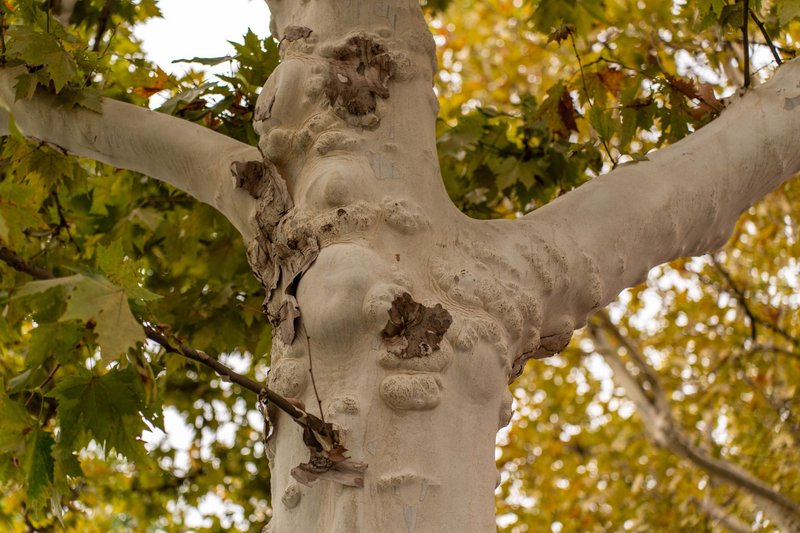
The oriental plane is Armenia’s shade tree of record, the one planted along village squares and irrigation channels for centuries because almost nothing kills it. It tolerates root damage, drought, and heavy pruning, then keeps producing a canopy wide enough to cool an entire courtyard. Mature specimens develop bark that flakes off in patches, leaving a mottled gray-and-cream pattern that makes old plane trees easy to pick out from a distance, even bare in winter.
Armenian Oak
Scientific name: Quercus macranthera · Native range: Lesser Caucasus, northern Iran, eastern Turkey · Status: Native, protected in reserves
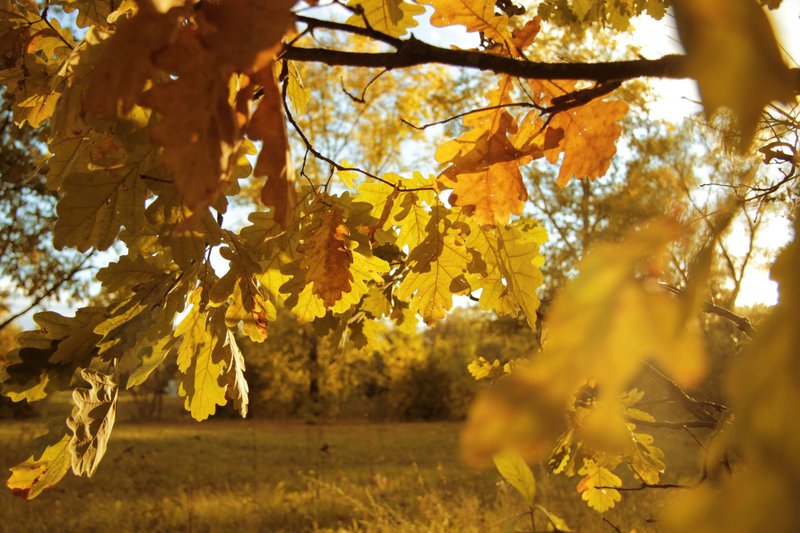
This oak forms the sparse, wind-bent forests that cover the upper slopes of Khosrov Forest State Reserve, one of the oldest protected areas on Earth — it was set aside as a royal hunting ground in the 4th century, roughly 1,700 years before “conservation” became a word anyone used. The oak-juniper woodland inside Khosrov survives from the Tertiary period, meaning some of what’s growing there predates the Ice Age entirely. Trunks stay short and twisted at these elevations; the tree spends its energy surviving wind, not growing tall. Khosrov’s protected status extends to the entire ecosystem—including the amphibians of Armenia that inhabit its mountain wetlands and streams.
Juniper
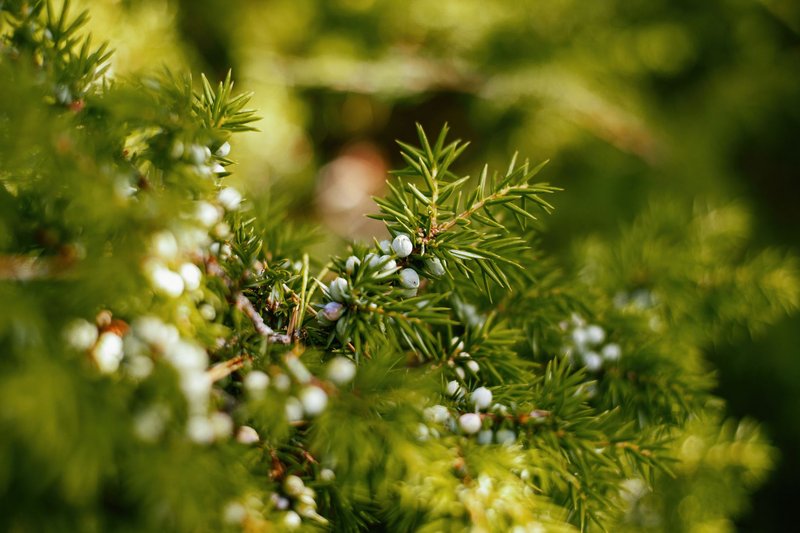
Scientific name: Juniperus polycarpos and J. foetidissima · Native range: Caucasus, Iran, central Asia · Status: Native, Red Book species
Juniper does the work in Armenia that pine does elsewhere: it colonizes rock, scree, and semi-desert where almost no other tree survives. The sparse juniper woodlands of Khosrov and the Vayots Dzor region grow slow and gnarled, some individual trees estimated at over a thousand years old, and they’re part of the same relict Tertiary ecosystem as the Armenian oak. Cut one down and it doesn’t come back in a human lifetime — which is exactly the problem when firewood shortages hit these regions hardest.
Caucasian Hornbeam
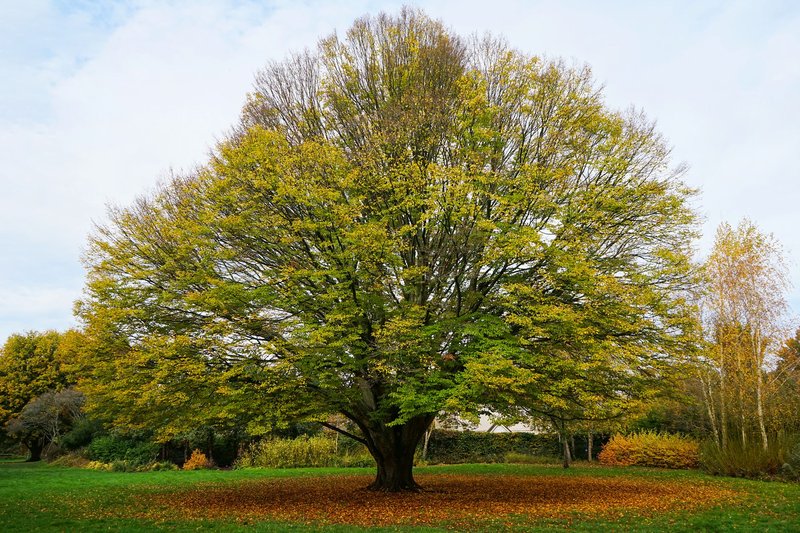
Scientific name: Carpinus caucasica · Native range: Caucasus, northern Turkey, northern Iran · Status: Native
Hornbeam is the tree that fills in around Armenia’s oaks and beeches without ever getting top billing. It forms the dense understory layer in the humid forests of the north, particularly around Tavush and Lori, and its wood is dense enough that it was traditionally used for tool handles and cart parts rather than furniture. The fluted, muscular-looking trunk is the giveaway — hornbeam bark ripples like it’s flexing.
Oriental Beech
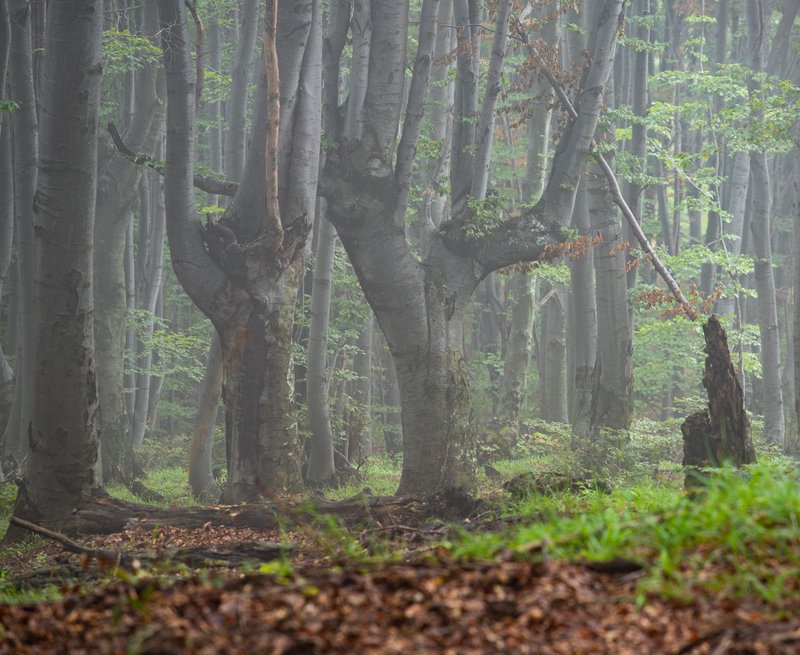
Scientific name: Fagus orientalis · Native range: Caucasus, Balkans, northern Iran · Status: Native
Beech needs moisture that most of Armenia doesn’t get, which is why it’s concentrated almost entirely in the wetter northeast — the forests around Dilijan and Tavush, often called “Armenian Switzerland” for the fog and green that build up on those slopes. Where beech dominates, it crowds out almost everything else, forming a closed canopy dark enough that little grows on the forest floor beneath it. It’s the closest thing Armenia has to a genuinely temperate European forest.
Caucasian Pine
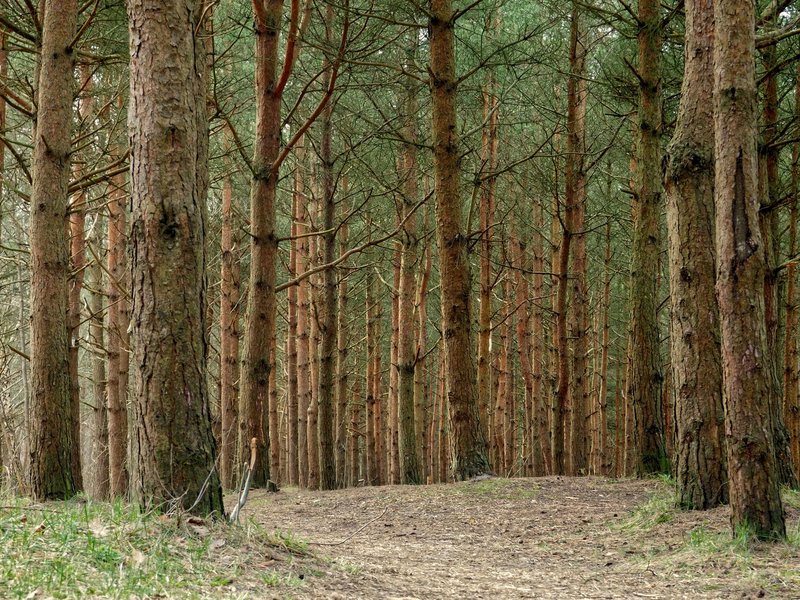
Scientific name: Pinus kochiana (treated by some botanists as P. sylvestris var. hamata) · Native range: Lori, Tavush, wider Caucasus · Status: Native, limited range
Most people picture pine forest when they think “forest,” but Armenia barely has any. Native stands are restricted almost entirely to the Lori and Tavush regions in the north, at elevations between 1,000 and 2,000 meters, with the largest natural pine woodland growing around the Dendropark “Sochut” near Dilijan. Everywhere else in the country, pine you see was planted, often as part of post-Soviet reforestation efforts rather than something that grew there on its own.
Apricot
Scientific name: Prunus armeniaca · Native range: Central Asia, long cultivated in Armenia · Status: Naturalized, culturally native
The Latin name is not a coincidence. Europeans encountered the fruit through Armenia and named it accordingly — “Armenian plum” — and the country has run with that association ever since. The orange stripe on the Armenian flag is popularly called apricot rather than orange, a distinction Armenians will correct you on. The duduk, the reed instrument that shows up on every “sounds of Armenia” playlist, is traditionally carved from apricot wood and its original name, tsiranapokh, translates to “apricot pipe.” No law makes the apricot Armenia’s national tree. Nothing else has ever seriously competed for the title either.
Wild Pomegranate
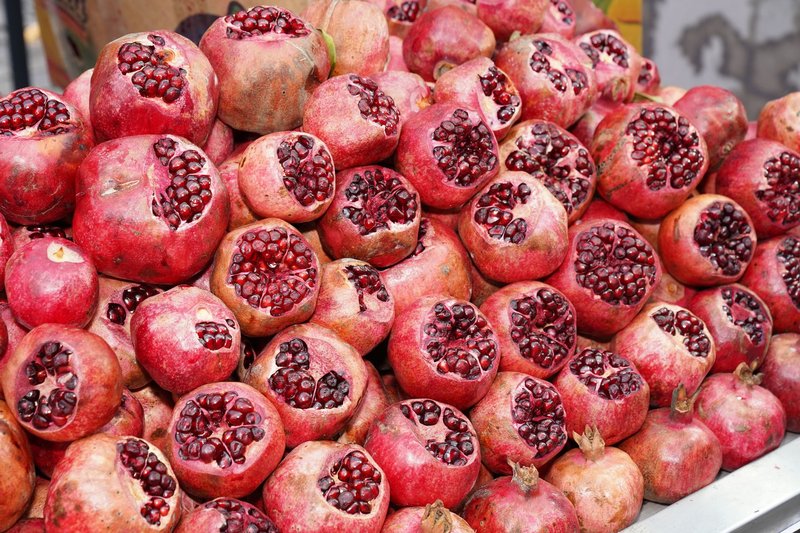
Scientific name: Punica granatum · Native range: Ijevan, Zangezur, and Meghri regions of Armenia · Status: Native
Most people assume pomegranate is a Mediterranean import that got planted in gardens everywhere. In Armenia’s far south, it’s genuinely wild — growing untended in scrubby “shibliak” thickets around Meghri, kilometers from the nearest village. Paleobotanical evidence backs the native claim, and the naming makes the point on its own: a village near Meghri is called Nrnadzor, which translates to “pomegranate canyon.” The fruit shows up carved into medieval Armenian stonework centuries before anyone was farming it commercially.
Hawthorn
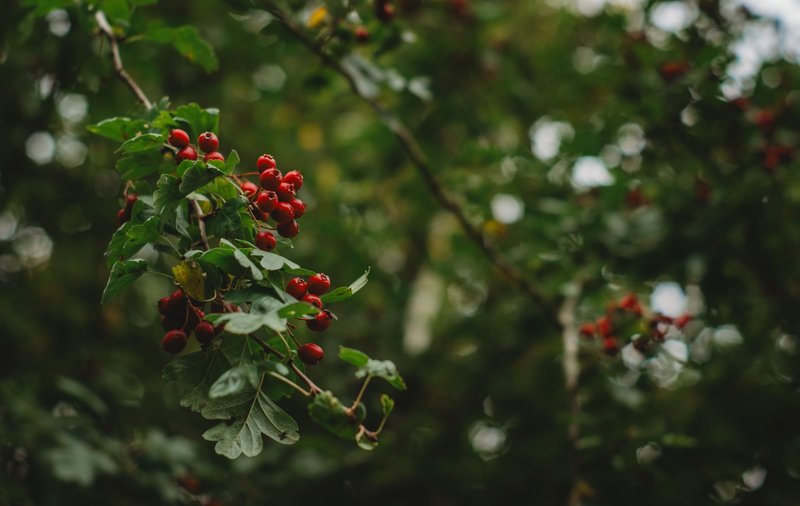
Scientific name: Crataegus spp. · Native range: Widespread across Armenia’s mid-elevation forests · Status: Native
Hawthorn is the toughest fruiting tree on this list — it grows on rocky slopes other species skip entirely, tolerates poor soil, and still produces small red fruit every autumn. Rural households have historically dried the berries into fruit leather or used them in home remedies, a use pattern that shows up across the wider Caucasus and Central Asia wherever hawthorn grows wild. It rarely gets planted on purpose; it just persists.
Sea Buckthorn
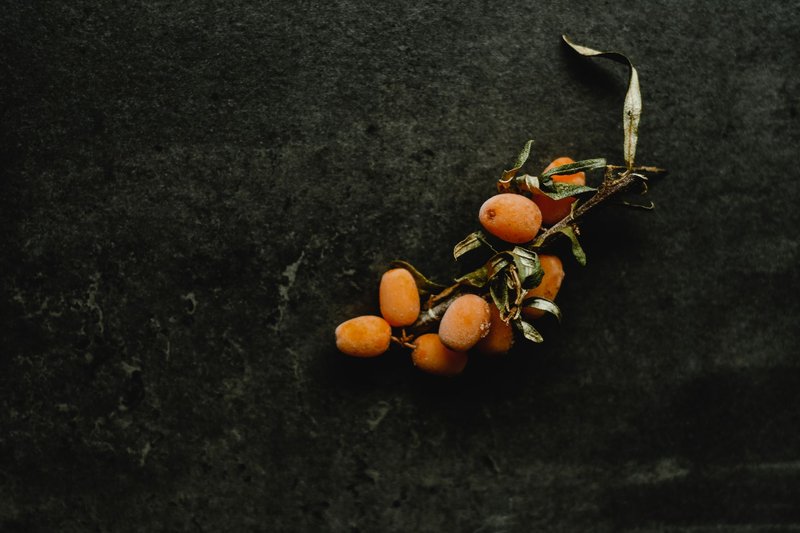
Scientific name: Hippophae rhamnoides · Native range: Lake Sevan basin, Vayots Dzor, Syunik · Status: Native
Known locally as chichkhan, sea buckthorn is a thorny colonizer of riverbanks and dry, wind-scoured ground — the kind of terrain that defeats most woody plants. Around Lake Sevan and further south in Vayots Dzor and Syunik, it fruits in dense orange clusters that locals turn into juice, jam, and a home-brewed liqueur. The berries are absurdly high in vitamin C for a wild fruit, which is part of why the harvest has stuck around as a household tradition rather than fading out.
Russian Olive
Scientific name: Elaeagnus angustifolia · Native range: Western Asia, Caucasus · Status: Native
Also called oleaster, this is the tree lining a lot of streets in Yerevan and the Ararat valley, chosen because almost nothing stops it — drought, salty soil, and heat all fail to slow it down. In spring it puts out small, intensely fragrant yellow flowers that perfume entire streets before the silvery leaves fill in. The small, dry, date-like fruit has been eaten dried for generations, though it’s a background snack now rather than a staple.
Cornelian Cherry
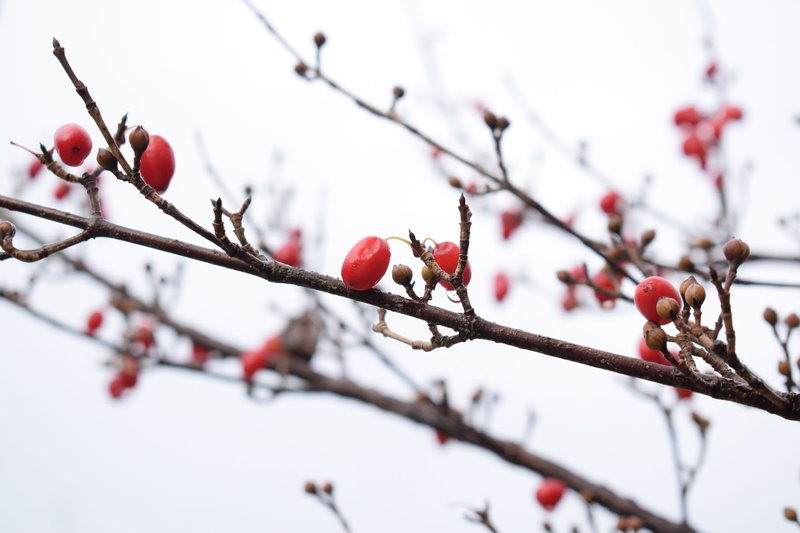
Scientific name: Cornus mas · Native range: Caucasus, Asia Minor, southern and central Europe · Status: Native
Armenians call it hon, and it shows up in two very different forms: a bright red preserve called muraba that gets stirred into hot tea as a cold remedy, and a sharp home-distilled vodka made from the same fruit. Cornelian cherry is technically a dogwood, and it flowers absurdly early — often while snow is still on the ground — which makes it one of the first visible signs that a Tavush or Lori winter is ending.
Walnut
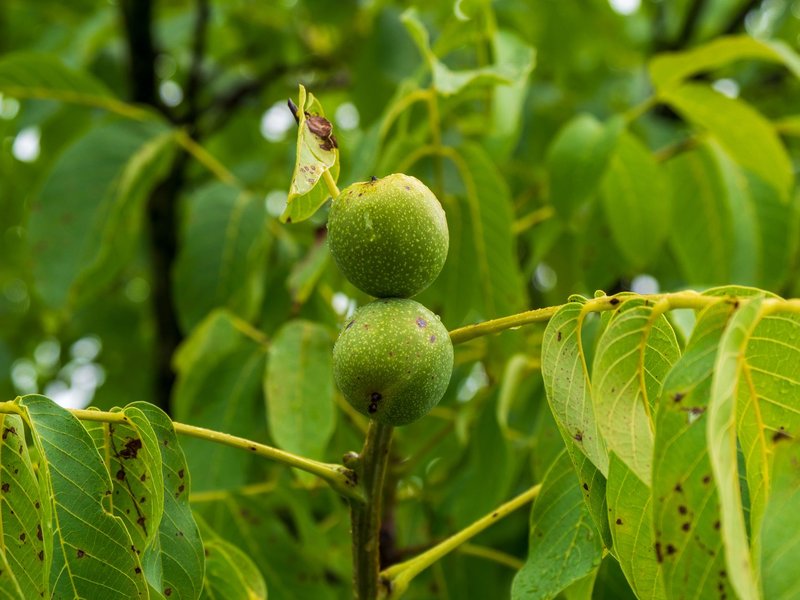
Scientific name: Juglans regia · Native range: Tavush province, scattered stands in Syunik · Status: Native
Tavush is the one part of Armenia where walnut grows wild rather than as an orchard crop, forming natural groves inside forests that also hold wild apple, cornelian cherry, and wild pear — essentially an ancestral fruit-and-nut forest that predates any planted orchard nearby. Inside Dilijan National Park, these mixed groves are protected specifically because true wild walnut habitat has become rare across its native range; most of the walnut trees people encounter elsewhere in the world today are cultivated. Similar ancestral mixed forests are rare globally, with comparable systems documented in neighboring Afghanistan and other mountainous regions where wild tree habitats are equally valued.
Caucasian Wild Pear
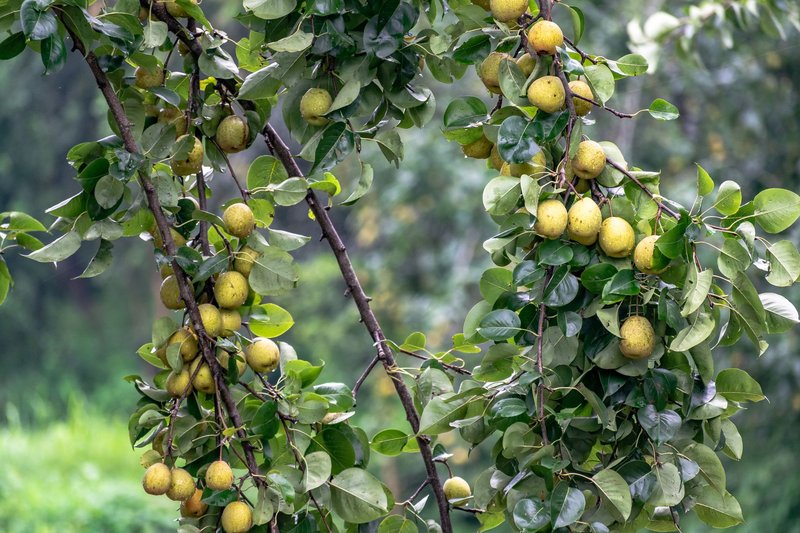
Scientific name: Pyrus caucasica · Native range: Caucasus region, including Armenia’s northern forests · Status: Native
The wild ancestor behind a lot of cultivated pear varieties, this tree grows scattered through the same mixed forests as walnut and cornelian cherry rather than in pure stands. Its fruit is small, hard, and astringent until well past the point most people would consider a pear ripe — it needs frost or storage time to soften into something edible. Foresters use it as a marker species: where wild pear persists, the forest hasn’t been heavily disturbed.
Caucasian Persimmon
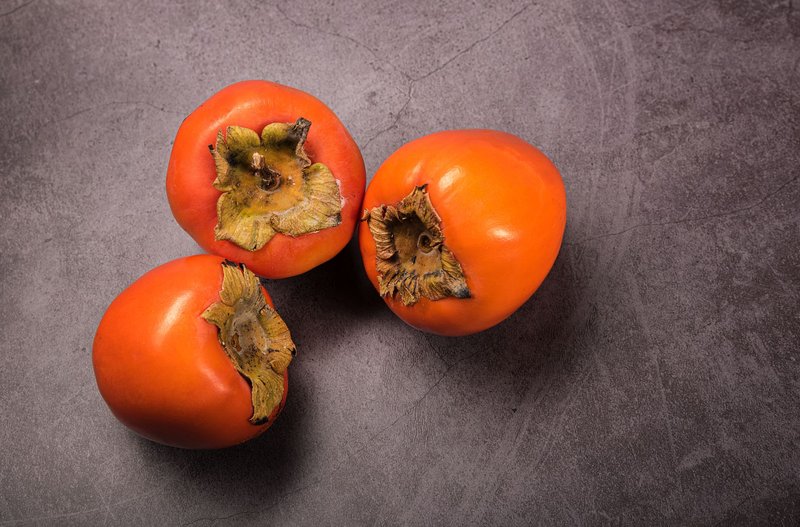
Scientific name: Diospyros lotus · Native range: Warm enclave around Meghri, southern Syunik · Status: Native, range-restricted
This is the tree that gives away just how different Armenia’s southern tip is from the rest of the country. The area around Meghri sits low enough and warm enough to hold onto species that read as almost subtropical next to the oak-juniper woodland further north — date-plum grows here alongside wild pomegranate and fig, a small relict pocket of a warmer, older climate. The fruit is small, dark, and sweetens dramatically after the first frost, similar to its more famous cousin, the Asian persimmon.
European Yew
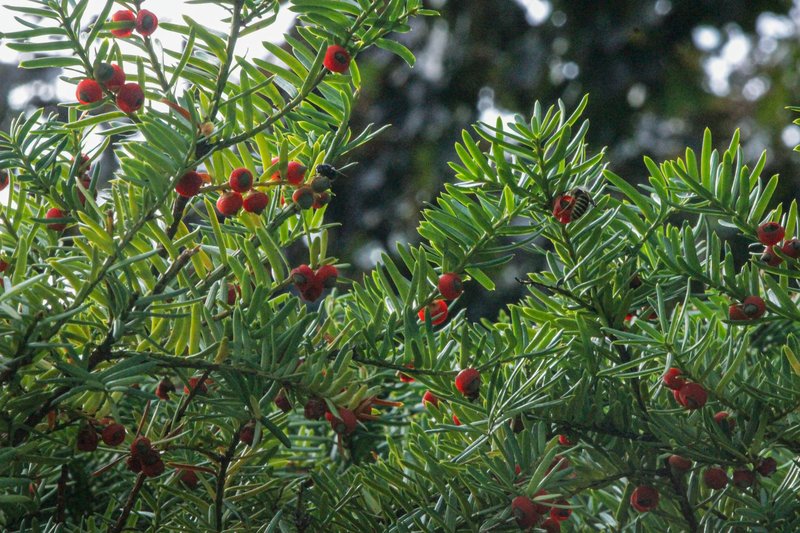
Scientific name: Taxus baccata · Native range: Shikahogh State Reserve, southern Armenia · Status: Native, Red Book species
Yew is the rarest tree on this list by a wide margin. The main grove sits inside Shikahogh State Reserve in Syunik province, one of Armenia’s largest and oldest forest reserves, where it grows in the reserve’s shaded, humid pockets alongside another relict, the oriental plane. Shikahogh protects around 1,100 plant species, 70 of which are listed in Armenia’s Red Book, and the yew grove is treated as one of its most sensitive habitats — yew regenerates so slowly that a damaged grove can take generations to recover, if it recovers at all.
Why Armenia Keeps Losing Forest
The 11-12% forest cover figure isn’t a historical constant — it’s a scar. In the early 1990s, Armenia lost its natural gas supply during the war with Azerbaijan, and with 90% of the country’s energy having come from that gas, people had almost no alternative heat source for winter. Families cut down whatever trees they could reach. Estimates put the toll at two to three million trees felled in just a few years, and forest cover reportedly fell from around 11.2% in the mid-1990s to as low as 8.2% by 2000, according to a PBS NOVA report on the country’s reforestation efforts.
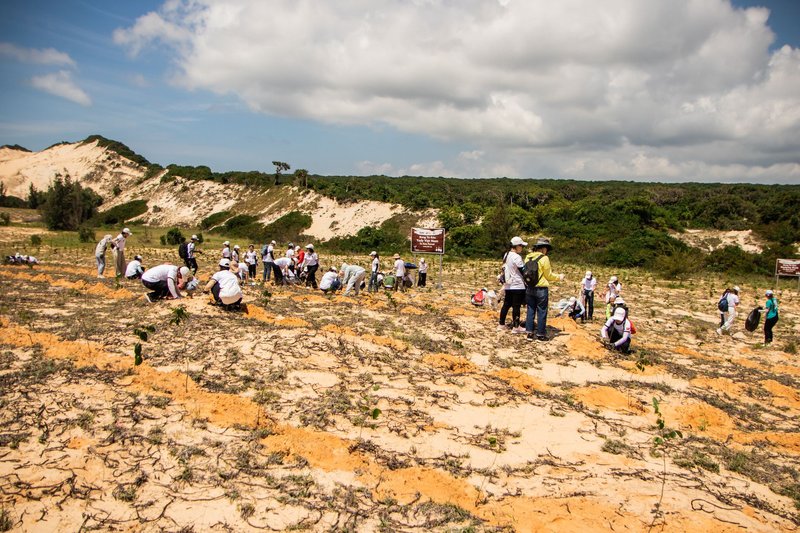
The Armenia Tree Project, founded in 1994 by Carolyn Mugar, exists directly because of that crisis. It has since helped plant several million trees across the country, working with rural communities on nurseries and reforestation rather than just handing out saplings and leaving. Species selection matters here as much as volume — planting fast-growing monoculture stands does little for the relict oak-juniper or yew ecosystems described above, which is why more recent reforestation work has leaned toward native species mixes instead of whatever grows quickest. For a fuller species-level picture of what’s being protected, the Acopian Center for the Environment at the American University of Armenia maintains one of the more rigorous tree and shrub inventories for the country.
The Tree That Became a Cross
Long before any of this was written down, Armenians were carving trees into stone. The Tree of Life motif appears on artifacts that predate Christianity in the region, and rather than disappearing when Armenia adopted Christianity in the early 4th century, it got absorbed into it. On khachkars — the carved stone crosses found across the country — the cross itself frequently sprouts branches, vines, and fruit, most often pomegranates and grapes, radiating outward as a tree of life bearing the promise of resurrection.
The same motif shows up woven into traditional Armenian carpets, where a central tree represents a family or a clan rather than a religious idea specifically — abundance and protection rendered in wool instead of stone, as the Smithsonian’s account of the tradition lays out in more detail. It’s a strange thing to sit with once you’ve walked through the actual forests: a culture that carved trees into permanence in stone and wool has spent the last three decades fighting to keep the real ones standing.