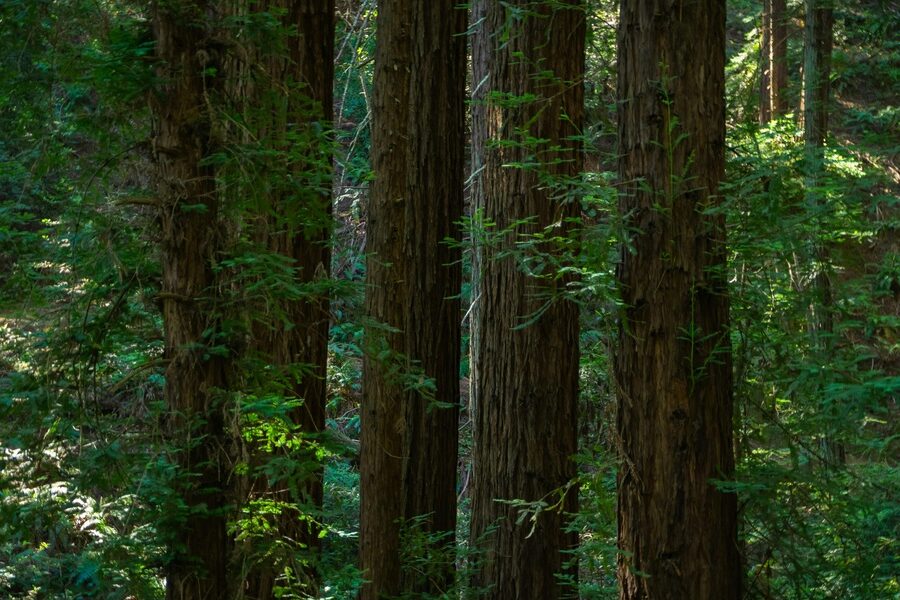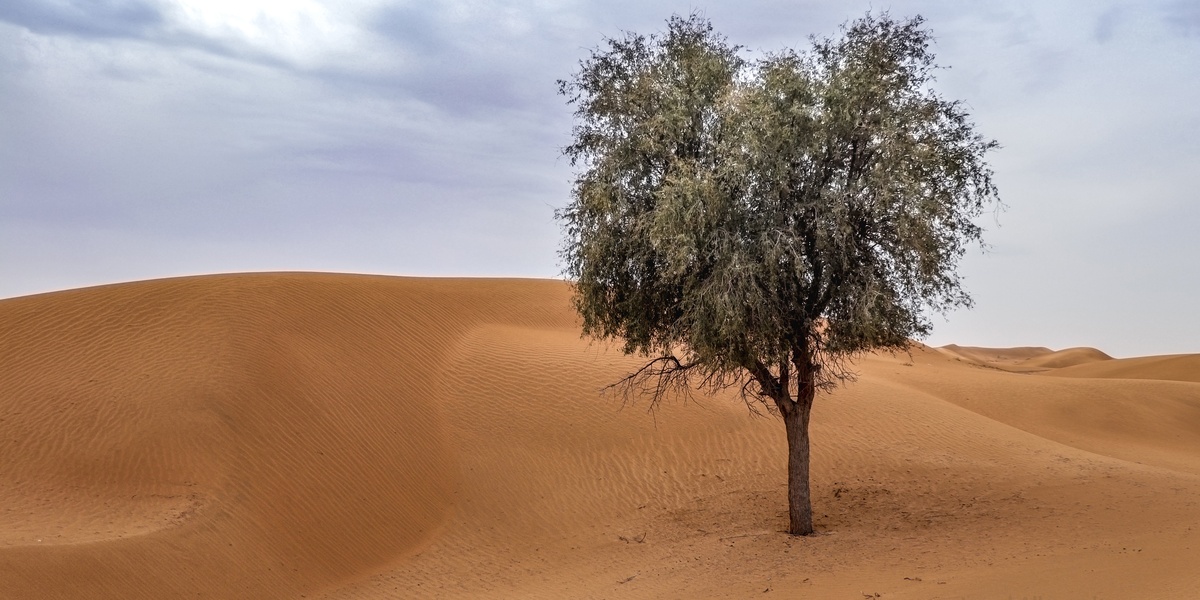
The United Arab Emirates’ landscapes span windswept coastlines, saline flats, sandy deserts and the rocky Hajar Mountains, creating a variety of niches where hardy, adapted plants survive. Spotting native species helps explain seasonal blooms, wildlife foraging and how vegetation stabilizes different habitats.
There are 20 The United Arab Emirates’ native plants, ranging from Arfaj,Wolfberry across coastal, desert and mountain zones; for each species the details are organized as Scientific name,Typical habitat & regional distribution,Typical height (cm), which you’ll find below.
How can I tell native UAE plants apart from introduced species?
Look at where the plant grows naturally (salt flats, dunes, wadis, mountains), its tolerance to heat and saline soils, and local flowering season; cross-check with regional field guides, botanical garden lists or government flora resources.
Are these native species suitable for home gardens in the UAE?
Many are ideal because they need less water and tolerate local soils, but choose species matched to your microclimate and planting site, buy from reputable nurseries, and follow recommended planting and watering to ensure establishment.
The United Arab Emirates’ Native Plants
| Common name | Scientific name | Typical habitat & regional distribution | Typical height (cm) |
|---|---|---|---|
| Ghaf | Prosopis cineraria | desert plains,wadis; Abu Dhabi,Dubai,Sharjah,Ras Al Khaimah,Fujairah | 600 |
| Umbrella thorn acacia | Vachellia tortilis | open desert,wadis,dunes; Abu Dhabi,Dubai,Sharjah,Ras Al Khaimah | 700 |
| Desert acacia | Vachellia ehrenbergiana | sandy plains,dunes,wadis; Abu Dhabi,Dubai,Sharjah | 300 |
| Arta | Calligonum comosum | dunes,sandy desert; Abu Dhabi,Dubai,Sharjah,Umm Al Quwain | 80 |
| Arfaj | Rhanterium epapposum | dune flats,stony desert; Abu Dhabi,Dubai,Sharjah,Ras Al Khaimah | 60 |
| Toothbrush tree | Salvadora persica | coastal,sabkha,wadis; Abu Dhabi,Dubai,Sharjah,Umm Al Quwain | 500 |
| Grey mangrove | Avicennia marina | mangrove mudflats,coast; Abu Dhabi,Dubai,Sharjah,Umm Al Quwain | 500 |
| Rimth | Haloxylon salicornicum | stony plains,dunes; Abu Dhabi,Dubai,Sharjah,Ras Al Khaimah | 80 |
| Desert cotton | Aerva javanica | sandy plains,dunes,wadis; Abu Dhabi,Dubai,Sharjah | 60 |
| Wolfberry | Lycium shawii | wadis,rocky slopes,plains; Abu Dhabi,Dubai,Sharjah,Ras Al Khaimah | 120 |
| Dune grass | Panicum turgidum | dunes,sandy plains; Abu Dhabi,Dubai,Umm Al Quwain,Sharjah | 100 |
| Feather grass | Stipagrostis plumosa | dunes,desert plains; Abu Dhabi,Dubai,Sharjah,Ras Al Khaimah | 40 |
| Nitre bush | Nitraria retusa | saline flats,sabkha,coast; Abu Dhabi,Sharjah,Umm Al Quwain | 100 |
| Tetraena | Tetraena qatarensis | coastal sabkha,rocky flats; Abu Dhabi,Dubai,Sharjah | 35 |
| Sea‑blite | Suaeda fruticosa | salt marshes,sabkha; Abu Dhabi,Dubai,Sharjah,Umm Al Quwain | 50 |
| Saltbush | Salsola imbricata | sandy,stony deserts,coastal flats; Abu Dhabi,Dubai,Sharjah | 70 |
| Leptadenia | Leptadenia pyrotechnica | dunes,sandy plains,wadis; Abu Dhabi,Dubai,Sharjah,Ras Al Khaimah | 200 |
| Caper bush | Capparis spinosa | rocky slopes,walls,wadis; Ras Al Khaimah,Fujairah,Sharjah | 30 |
| Jujube | Ziziphus spina‑christi | wadis,plains,coastal terraces; Abu Dhabi,Dubai,Sharjah,Ras Al Khaimah | 400 |
| Spiny euphorbia | Euphorbia larica | rocky slopes,wadis,mountains; Fujairah,Ras Al Khaimah,Abu Dhabi | 120 |
Images and Descriptions
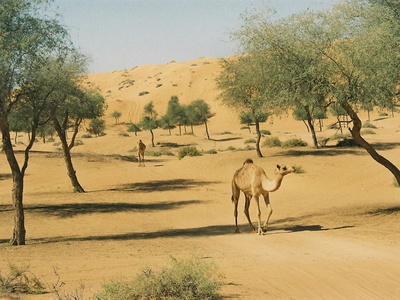
Ghaf
The ghaf is a deep‑rooted iconic desert tree valued for shade and resilience. Common in inland plains and dry wadis, it stabilizes soil and provides forage and traditional uses, often living for many decades in harsh conditions.
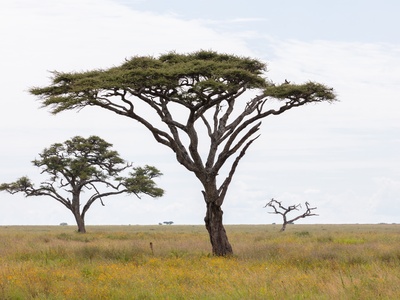
Umbrella thorn acacia
A classic thorny acacia with a flat, umbrella crown. It survives low rainfall, offers shade and wildlife habitat across plains and wadis, and is easily spotted by its distinctive branching and small yellow flower clusters in spring.
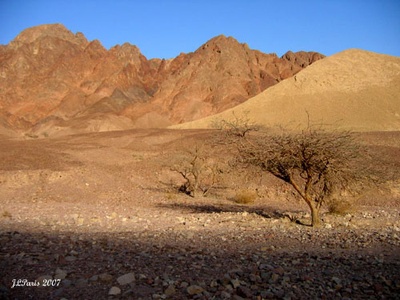
Desert acacia
A small, drought‑tolerant acacia with sparse pinnate leaves and short thorns. It forms low trees or shrubs on sandy soils, providing fodder and stabilising loose sand while blooming inconspicuously after rare rains.

Arta
A common sand‑binding shrub of shifting dunes with wiry, jointed branches and small leaves. Arta helps stabilise dunes, flowers with tiny white or pink blooms, and is an unmistakable part of sandy desert ecosystems.
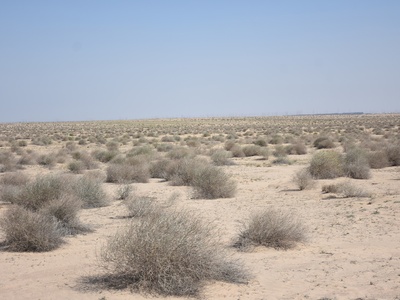
Arfaj
A low, silvery shrub that carpets desert flats with pale foliage and fragrant white to yellow flowers in cooler months. Arfaj is a hardy pioneer species that indicates healthier desert rangeland where it grows.
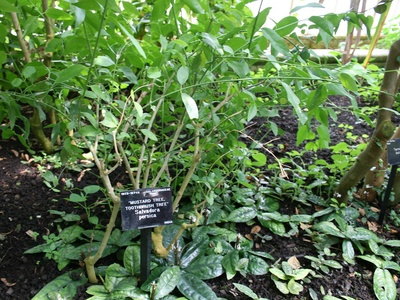
Toothbrush tree
A small evergreen tree known for its traditionally used fibrous twigs for dental care. It tolerates saline soils, grows near coasts and wadis, bears small white flowers and red fruits eaten by birds and people.
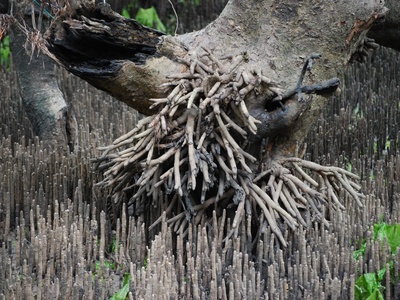
Grey mangrove
The dominant mangrove species along UAE coasts, forming dense tidal forests on muddy shores. Avicennia marina tolerates salt and tidal inundation, supports fish nurseries, stabilises shorelines and is visible as knobbly pneumatophores at low tide.
Rimth
A leaf‑reduced shrub with jointed succulent stems that survives extreme drought. Rimth is common on gravelly plains and dunes, where its pale, broom‑like stems give deserts a ghostly appearance after dry seasons.
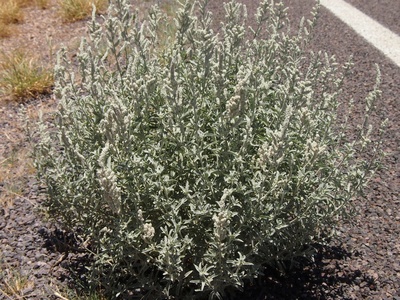
Desert cotton
A soft, hairy perennial with cottony seed heads that catch the eye after rainfall. It colonises sandy ground, flowers conspicuously when moisture allows, and is used traditionally for fodder and minor medicinal purposes.

Wolfberry
A thorny shrub with narrow leaves and red berry clusters attractive to birds. Lycium shawii grows in rocky wadis and plain margins, tolerates saline soils, and its fruits and dense branches are notable in desert scrubland.
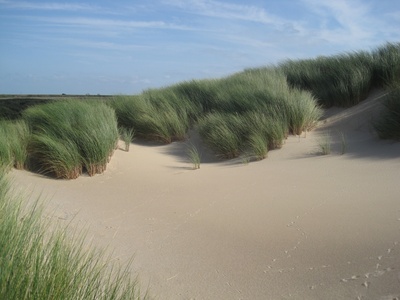
Dune grass
A robust perennial grass with dense tufts and deep roots that stabilise shifting dunes. Panicum turgidum forms hummocks on sand seas, providing grazing material and anchoring fragile dune systems against wind erosion.
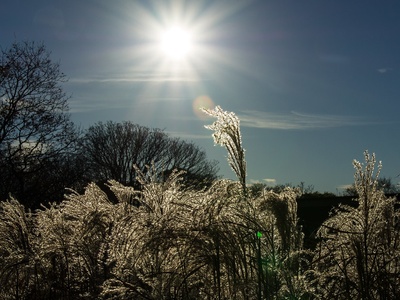
Feather grass
A fine, feathery perennial grass common on sandy ground; it forms soft tussocks and turns golden after flowering. Feather grass is a classic desert species, visible across dunes and plains after seasonal rains.
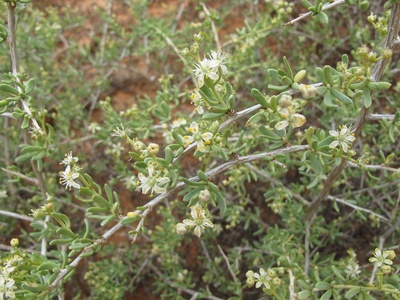
Nitre bush
A salt‑tolerant shrub of coastal sabkhas and saline depressions with fleshy leaves and small edible fruits. Nitraria retusa helps stabilise salty soils, providing shelter for birds and insects along the seashore.
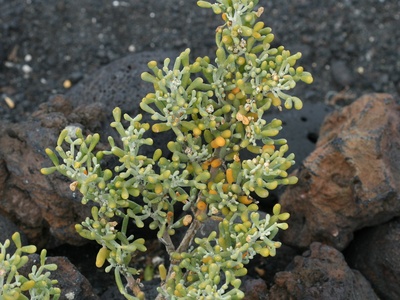
Tetraena
A low, mat‑forming shrub adapted to extreme salinity and aridity. Its succulent, rounded leaves and dense habit help it persist on sabkha flats and rocky coastal ground where few other plants survive.
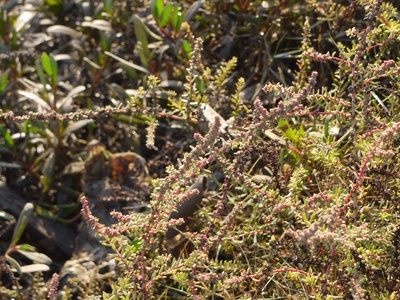
Sea‑blite
A fleshy, salt‑tolerant shrub common in salt marshes and coastal flats. Suaeda fruticosa turns reddish seasonally, provides halophyte habitats for birds and invertebrates, and marks saline wetlands on the coast.
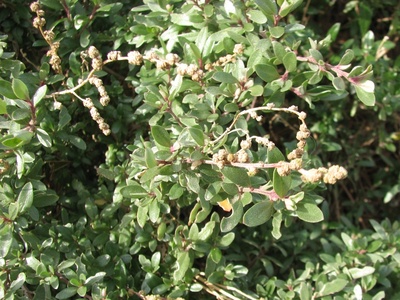
Saltbush
A tough, spiky shrub with grey‑green foliage that thrives on poor, salty soils. Salsola imbricata is an adaptable coloniser of disturbed desert ground and provides important shelter and forage during sporadic growth periods.
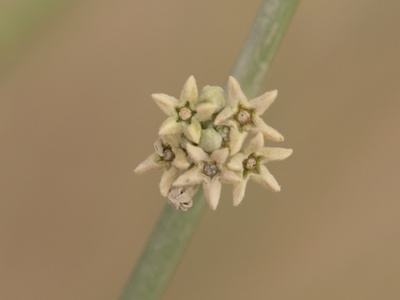
Leptadenia
A tall, leafless or nearly leafless shrub with long drooping branches that bind sand and tolerate drought. It produces pale tubular flowers and is used locally for basketry and traditional medicine.
Caper bush
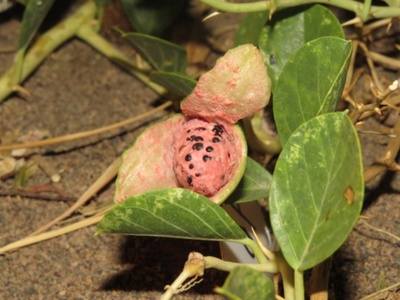
A low, sprawling perennial that clings to rock faces and old walls. Capparis bears showy white flowers and edible pickled buds (capers); it’s a hardy sight on mountain ledges and dry wadi cliffs.
Jujube
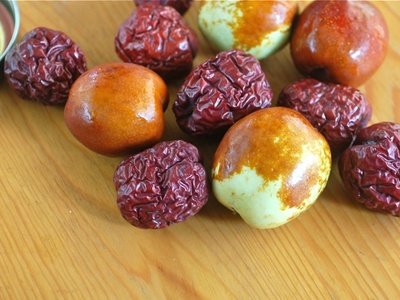
A thorny, evergreen tree with glossy leaves and sweet edible fruits. Ziziphus spina‑christi thrives near wadis and terraces, provides shade and food, and has deep cultural and medicinal significance across the region.
Spiny euphorbia
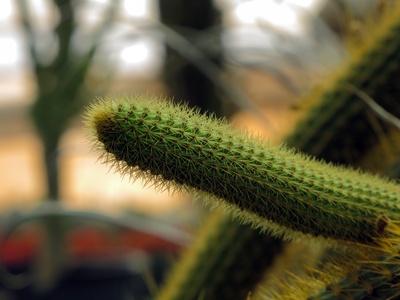
A branched, resinous shrub with distinctive succulent stems and yellow‑green cyathia (flower clusters). Euphorbia larica is common on rocky slopes and lower mountains, adapted to arid soils and providing year‑round structure in scrub communities.