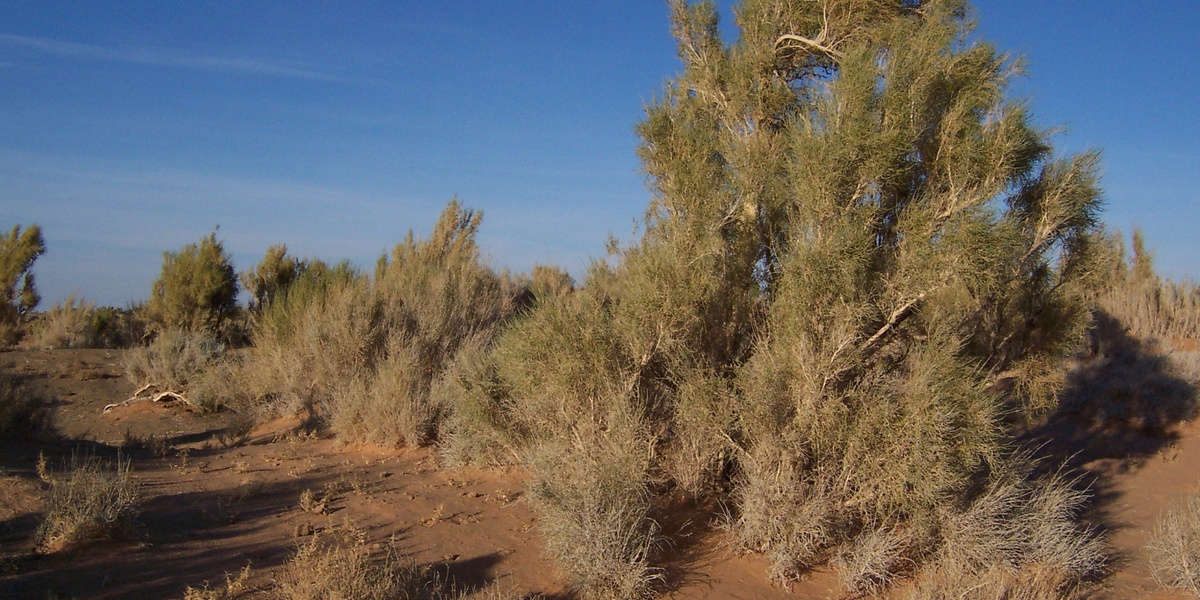
From the dry steppes to river corridors and city streets, Kazakhstan supports a wide variety of tree species that influence local ecosystems, landscaping and everyday life. Knowing which trees grow where makes it easier to identify species, plan plantings and support conservation efforts.
There are 26 Trees of Kazakhstan, ranging from Apple to Willow. For each species — organized by Scientific name, Status & region, Typical height (m) — you’ll find below.
Which entries in the list are native versus introduced?
Look at the Status & region column to see whether a species is native, naturalized or cultivated; the Scientific name helps you verify identity in regional floras. Native entries typically note natural ranges and habitats, while introduced ones are marked by cultivation or naturalization status.
How can I use this list when choosing trees to plant locally?
Match the Status & region notes to your local climate and soil, use Typical height (m) to plan spacing and canopy needs, and favor native species for resilience. After shortlisting, check local nurseries or forestry services for provenances and planting guidance.
Trees of Kazakhstan
| Name | Scientific name | Status & region | Typical height (m) |
|---|---|---|---|
| Birch | Betula pendula | Native; northern forests, mountains | 20 |
| Aspen | Populus tremula | Native; across Kazakhstan | 25 |
| White poplar | Populus alba | Native; river valleys, northern Kazakhstan | 20 |
| Black poplar | Populus nigra | Native; riverbanks, south & west | 25 |
| Euphrates poplar | Populus euphratica | Native; southern deserts, river corridors | 15 |
| Siberian elm | Ulmus pumila | Native/naturalized; widespread, steppes & towns | 15 |
| Tien Shan spruce | Picea schrenkiana | Native; Tien Shan & Zailiysky Ala-Too | 30 |
| Siberian larch | Larix sibirica | Native; Altai and northern mountains | 30 |
| Scots pine | Pinus sylvestris | Native; northern forests, mountains | 25 |
| Siberian pine | Pinus sibirica | Native; Altai mountains, eastern ranges | 25 |
| Wild apple | Malus sieversii | Native; Tien Shan foothills, Almaty region | 10 |
| Walnut | Juglans regia | Native; Ili-Tien Shan valleys, southern Kazakhstan | 25 |
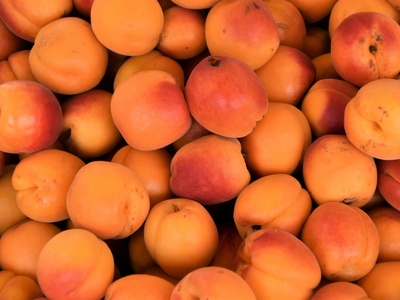
| Apricot | Prunus armeniaca | Native; foothills and valleys in south | 8 |
| Bird cherry | Prunus padus | Native; northern forests and riverine zones | 8 |
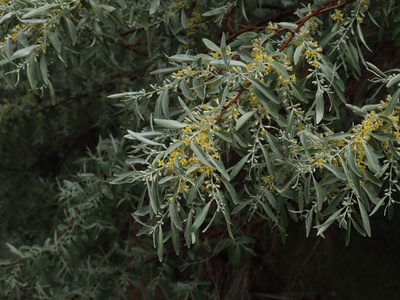
| Russian olive | Elaeagnus angustifolia | Introduced/naturalized; river valleys, steppe shelterbelts | 8 |
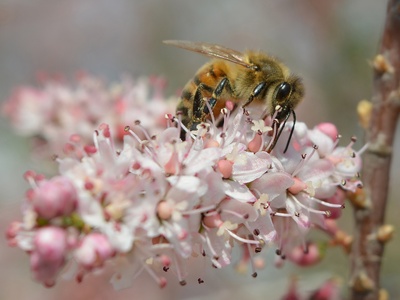
| Tamarisk | Tamarix ramosissima | Native/introduced; saline riverbeds, south & central | 6 |
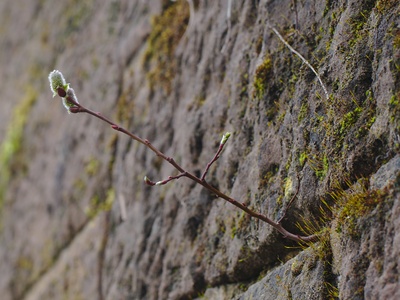
| Willow | Salix alba | Native; rivers, floodplains | 25 |
| Weeping willow | Salix babylonica | Introduced; planted along rivers and gardens | 20 |
| Boxelder | Acer negundo | Introduced/naturalized; rivers, towns, steppes | 15 |
| Tatar maple | Acer tataricum | Native; steppe edges and foothills | 10 |
| Rowan | Sorbus aucuparia | Native; mountains and forest edges | 8 |
| Juniper | Juniperus polycarpos | Native; southern mountains and foothills | 6 |
| Plane | Platanus orientalis | Introduced; southern towns, river promenades | 30 |
| Tree of heaven | Ailanthus altissima | Introduced; urban areas, roadsides | 20 |
| Common ash | Fraxinus angustifolia | Native/naturalized; river corridors, south | 20 |
| Apple | Malus domestica | Introduced/cultivated; orchards, sometimes feral | 6 |
Images and Descriptions
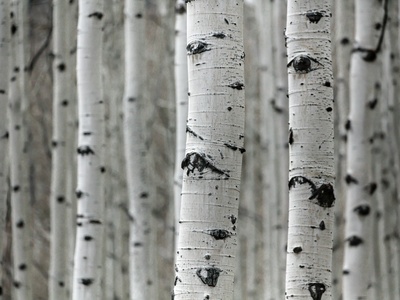
Birch
Silver birch with white peeling bark and triangular leaves, common in northern Kazakhstan and mountain slopes. Fast-growing pioneer tree in mixed forests and clearings; notable for papery bark, catkins in spring, and graceful crowns that lighten forest understories.
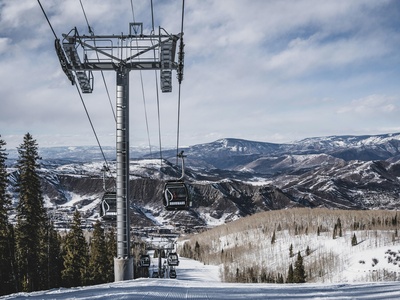
Aspen
Aspen with trembling, rounded leaves and smooth grey bark, widespread from steppes to mountains. Forms clonal stands from root suckers, provides fast cover after disturbance; leaves quake even in slight breeze, making it easy to identify in spring and summer.

White poplar
White poplar with pale underside to lobed leaves and patchy whitish bark, common along rivers and floodplains. Large fast-growing poplar with broad crown; often planted for windbreaks but spreads via root suckers, forming groves along waterways.
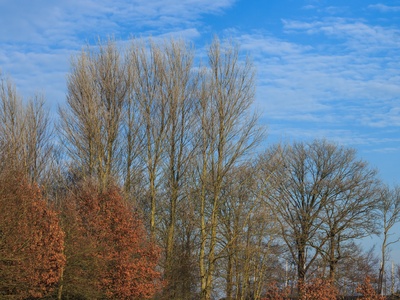
Black poplar
Black poplar is a tall riparian tree with rough bark and triangular leaves, found along southern rivers. Valuable for stabilizing banks and timber; distinguished by its deeply fissured trunk, variability in leaf shape, and tendency to hybridize with other poplars.
Euphrates poplar
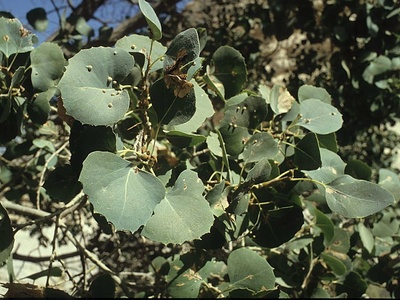
Euphrates poplar thrives in saline, arid riverbeds and desert fringes of southern Kazakhstan. Gnarled trunks and thick leaves tolerate drought and salt; forms gallery forests along the Syr Darya and Ili rivers, crucial for local biodiversity and erosion control.
Siberian elm
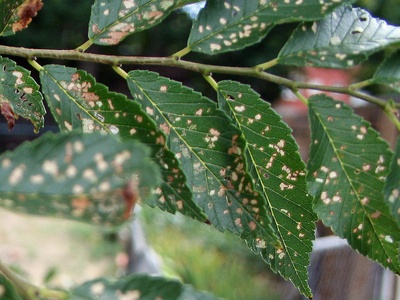
Siberian elm is a hardy, fast-growing tree with small serrated leaves and rough bark, common in steppes and urban plantings. Tolerant of drought and poor soils, it readily colonizes disturbed sites and is a frequent roadside and shelterbelt species.
Tien Shan spruce
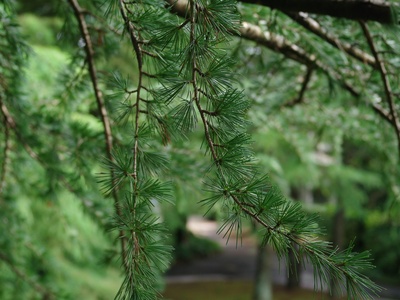
Tien Shan spruce forms dense, dark conifer forests in high mountain ranges near Almaty. Conical crown and pendent needles characterize it; an important source of timber and mountain wildlife habitat, often mixed with fir and juniper at subalpine elevations.
Siberian larch
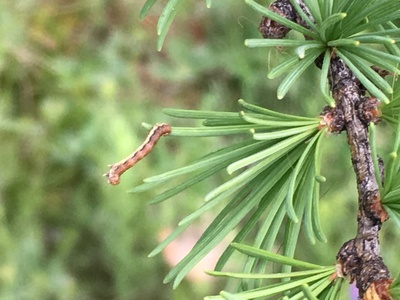
Siberian larch is a deciduous conifer with soft needles that turn yellow and drop in autumn. Forms open, fire- and frost-resistant forests in cold mountain zones; prized for durable timber and distinctive fluted trunks on rocky slopes.
Scots pine
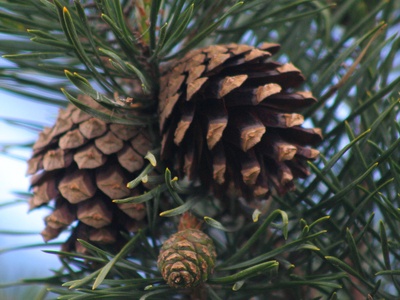
Scots pine is a straight-trunked pine with orange-red bark on upper stems and long needles in pairs. Widespread in northern Kazakhstan and mountain slopes, it tolerates poor soils and forms large, long-lived forests important for timber and wildlife.
Siberian pine
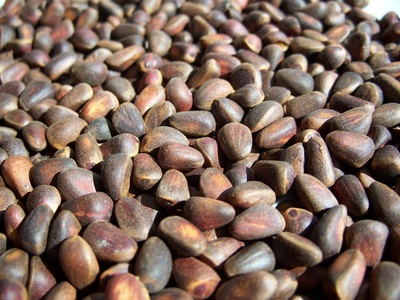
Siberian pine (cedar) bears heavy edible seeds (pine nuts) and has stout, often crooked trunks in high-altitude forests. Found in Altai woodlands; valued locally for nuts, resin, and durable timber, and for its distinctive umbrella-like crowns.
Wild apple
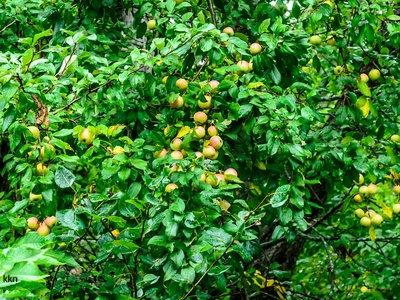
Wild apple, ancestor of domestic apples, grows in Tien Shan mountain forests near Almaty. Small to medium tree with fragrant spring blossoms and variable fruit, key for genetic diversity and fruit breeding; often found in mixed mountain woodlands.
Walnut
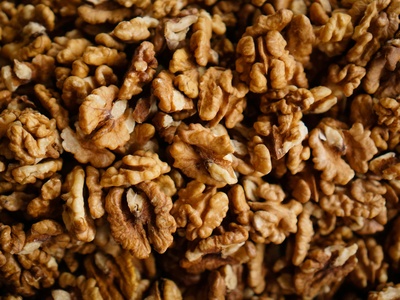
Persian walnut forms stately trees in Ili and Tien Shan valleys, producing valuable edible nuts. Pinnate leaves, deeply furrowed bark, and large spreading crowns characterize it; wild stands are culturally and economically important, often in riverine mountain sites.
Apricot
Wild apricot grows across southern Kazakhstan’s foothills and lower mountain slopes, with fragrant spring flowers and orange fruits. Important for local diets and traditional orchards, wild stands show genetic diversity used in breeding and are often resilient to arid conditions.

Bird cherry
Bird cherry is a small ornamental tree with clusters of white fragrant flowers in spring and small black fruits in summer. Found in moist forest edges and river corridors, it attracts birds and is noticeable for its fragrant blossoms.
Russian olive
Russian olive is a thorny, silvery-leaved tree often planted for windbreaks and erosion control; now naturalized along rivers and in steppe shelterbelts. Fragrant yellow flowers and small oily fruits attract wildlife but it can be invasive in disturbed habitats.
Tamarisk
Tamarisk is a salt-tolerant shrub-tree with feathery pink flowers and fine grey foliage, common in saline river margins and desert wadis. Forms dense thickets that stabilize banks but can alter soil salinity and compete with native gallery trees.
Willow
White willow is a tall fast-growing willow with narrow lanceolate leaves that are pale beneath, frequently shading riverbanks and floodplains. It roots easily from cuttings, used for bank stabilization and timber, and supports diverse riparian wildlife.
Weeping willow
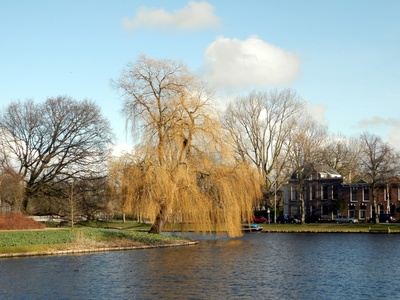
Weeping willow is known for its graceful pendulous branches and long narrow leaves, commonly planted along waterways and in parks. Fast-growing and water-loving, it stabilizes banks but can become invasive near irrigation channels and drains.
Boxelder
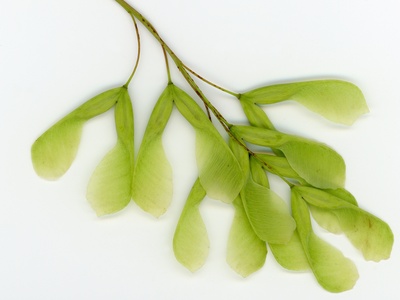
Boxelder, a fast-growing maple with pinnate leaves, is widely planted and often naturalized along rivers and in towns. Tolerant of varied soils and moisture, it produces winged samaras and quickly colonizes disturbed ground and riverbanks.
Tatar maple
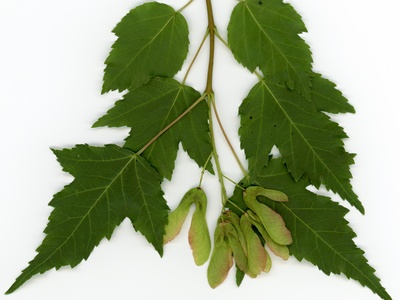
Tatar maple is a small, often multi-stemmed tree with lobed leaves and dense autumn color, occurring on steppe edges and rocky foothills. Used in hedges and shelterbelts, it tolerates dry soils and adds seasonal interest with bright foliage.
Rowan
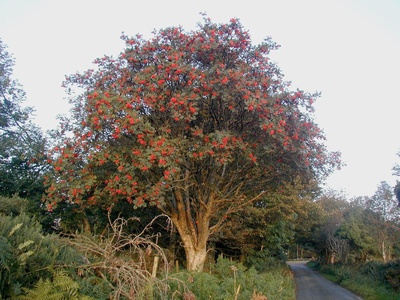
Rowan is a small tree with compound leaves and bright orange-red berry clusters that feed birds. Common in mountain woodlands and forest edges, it provides seasonal color and is often planted for ornament and wildlife value.
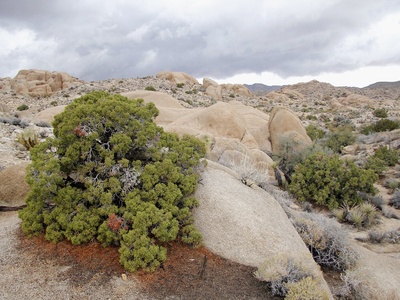
Juniper
Juniper in Kazakhstan forms trees or large shrubs with scale-like foliage and berry-like cones, common on dry slopes and rocky ridges. Long-lived and drought-tolerant, juniper woodlands are important for erosion control and mountain pastoral landscapes.
Plane
Oriental plane is a large shade tree with mottled flaking bark and broad lobed leaves, widely planted in southern Kazakhstan towns and river promenades. Tolerant of urban conditions, it provides summer shade and picturesque bark texture.
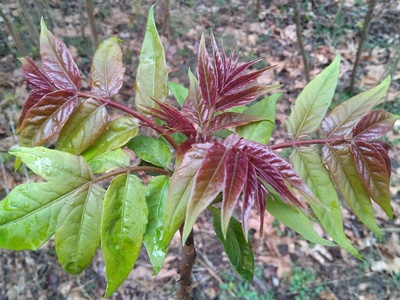
Tree of heaven
Tree of heaven is a fast-growing, tolerant urban tree with large pinnate leaves and clusters of samaras; common along roads and in wastelands. Known for rapid spread from root suckers and prolific seed, it can become aggressive in disturbed sites.
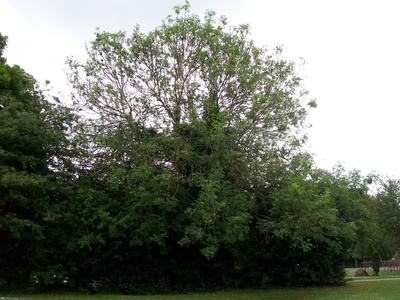
Common ash
Common ash is a medium to large deciduous tree with pinnate leaves and winged fruit, found in southern river corridors and irrigated valleys. Important for shade, timber, and shelterbelts; tolerates periodic flooding and fertile alluvial soils.
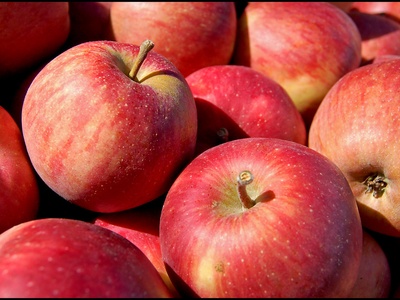
Apple
Domestic apple trees are widespread in orchards across Kazakhstan and sometimes escape cultivation to form feral stands near villages. Cultivated varieties vary widely in fruit and form; managed trees support rural economies and local food traditions.