South Sudan’s mix of Nile floodplains, Acacia-dotted savannas, and seasonal wetlands supports a wide variety of tree species that matter for local people, wildlife, and soil health. Knowing which trees grow where helps with everything from shade and timber to restoration planning.
There are 25 Trees of South Sudan, ranging from African mahogany to Winter thorn. The list is organized with the columns Scientific name,Height (m),Habitat & distribution for each entry, and you’ll find below the full entries to scan or reference.
Which species on the list are native versus introduced to South Sudan?
Most entries are native or long-established regional species, but a few may be naturalized introductions; the Habitat & distribution column notes native range or introduced status so you can quickly see which trees are indigenous to South Sudan and which are not.
How can I use this list to identify trees in the field?
Use the Scientific name to confirm identity, check Height (m) for size expectations, and compare Habitat & distribution to the location you’re in; together those three columns make it easier to narrow down likely species when you’re surveying or just curious about a tree.
Trees of South Sudan
| Name (common) | Scientific name | Height (m) | Habitat & distribution |
|---|---|---|---|
| Umbrella thorn | Vachellia tortilis | 10 | Dry savanna, open plains and riverine edges across South Sudan |
| Gum arabic tree | Senegalia senegal | 8 | Northern and central savanna, semi-arid zones |
| Egyptian thorn (Babul) | Vachellia nilotica | 12 | Floodplains, riverine forests, Nile valleys and wetter lowlands |
| Red acacia | Vachellia seyal | 8 | Riverbanks, swamp edges and seasonally flooded areas |
| Winter thorn | Faidherbia albida | 15 | Seasonal floodplains, agroforestry lands in central and southern regions |
| Desert date | Balanites aegyptiaca | 8 | Dry lowlands, riverine fringes, northern and central South Sudan |
| African mahogany | Khaya senegalensis | 30 | Riparian forests, wetter southern and central lowlands |
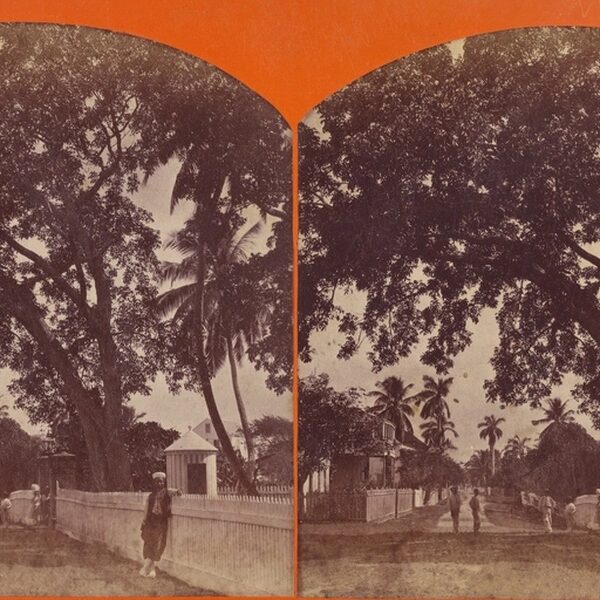
| Baobab | Adansonia digitata | 15 | Dry savanna, seasonal floodplains and villages across the country |
| Doum palm | Hyphaene thebaica | 10 | Nile corridors, swampy islands and seasonally flooded areas |
| Sycamore fig | Ficus sycomorus | 20 | Riverbanks, gallery forests and moist lowlands |
| Gum/rock fig | Ficus thonningii | 12 | Savanna woodlands, riverine fringes and high-moisture sites |
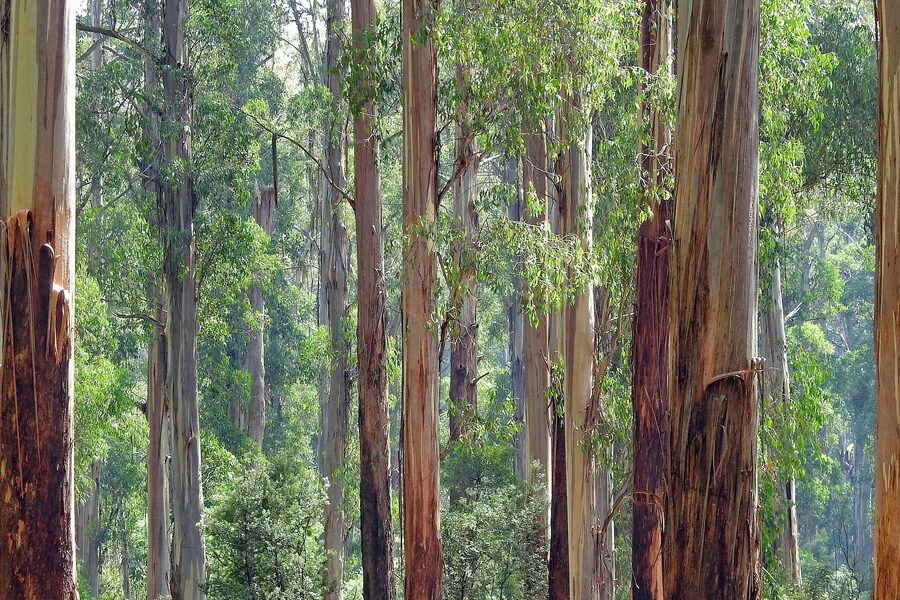
| River red gum (introduced) | Eucalyptus camaldulensis | 25 | Planted along rivers, irrigation zones and settlements |
| Mesquite (invasive) | Prosopis juliflora | 10 | Disturbed sites, riverine fringes, dry lowlands — widespread invasive |
| African oak | Anogeissus leiocarpa | 20 | Sudanian woodlands, gallery forests and upland savannas |
| Afzelia | Afzelia africana | 25 | Gallery forests and moist savanna patches in western regions |
| Camel’s foot | Piliostigma thonningii | 8 | Savanna woodlands, riverine slopes and dry lowlands |
| Christ’s thorn jujube | Ziziphus spina-christi | 8 | Dry lowlands, riverine edges and village hedges |
| Tamarind | Tamarindus indica | 12 | Villages, riverine gardens and dry lowland cultivation |
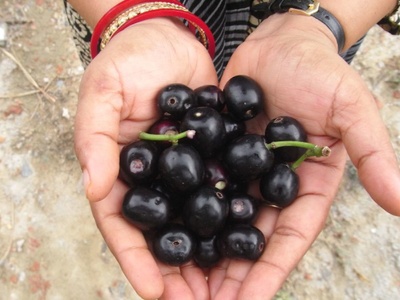
| Waterberry | Syzygium guineense | 15 | Swamps, gallery forests and moist riverine zones |
| Terminalia brownii | Terminalia brownii | 15 | Riverbanks, seasonally flooded woodlands and gallery forests |
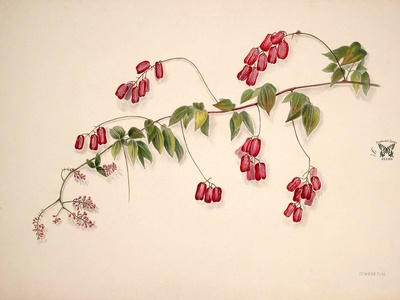
| Bushwillow | Combretum collinum | 10 | Savanna and woodland edges, drier riverine sites |
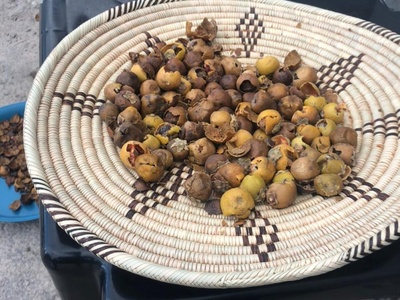
| Jackalberry | Diospyros mespiliformis | 15 | Riverine forests, floodplains and moist savanna pockets |
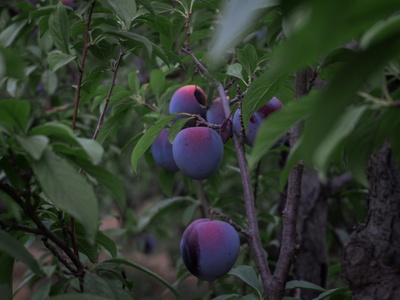
| Black plum | Vitex doniana | 12 | Savanna woodlands and riverine patches in central and southern areas |
| Sausage tree | Kigelia africana | 15 | Riverbanks, gallery forests and moist savanna areas |
| Longwhorl acacia | Vachellia polyacantha | 10 | Savanna woodlands, floodplain margins and disturbed ground |
Images and Descriptions
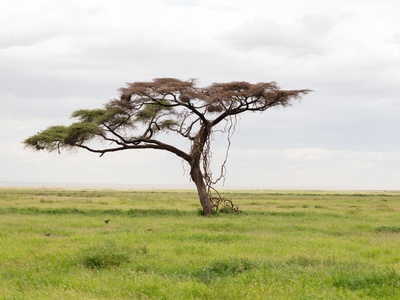
Umbrella thorn
Iconic flat-topped acacia of Sudanian savannas; recognisable by its twisted branches and small pinnate leaves. Provides shade, browse for livestock, and firewood; locally important but vulnerable where clearance and overgrazing occur.
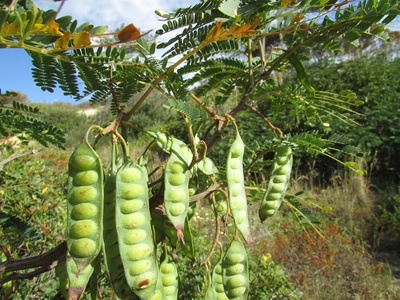
Gum arabic tree
Small thorny tree producing gum arabic tapped commercially. Identified by thorns, bipinnate leaves and pale pods. Vital for local economies, fodder and soil stabilization; sustainably managed populations are important to prevent overexploitation.
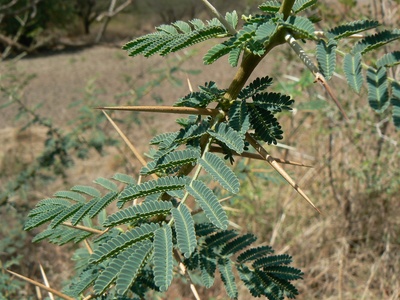
Egyptian thorn (Babul)
Robust thorny tree with dense crown and pods used for fodder, tannins and fuel. Common along waterways; provides durable timber and shade. Overharvesting and land conversion threaten older stands.
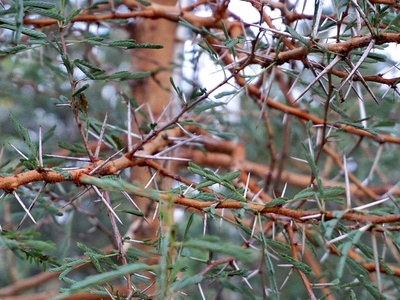
Red acacia
Medium thorny tree with reddish bark and fragrant flowers. Often forms riverine thickets, used for charcoal, poles and traditional medicine. Important for stabilising riverbanks and shading livestock.
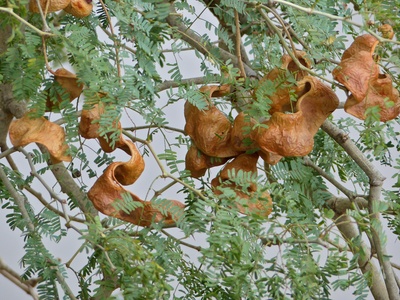
Winter thorn
Unique reverse-leafing acacia valued in agroforestry: sheds leaves in rainy season, improving crops. Deep-rooted, provides fodder, mulch and soil fertility; historically integrated into farming systems.
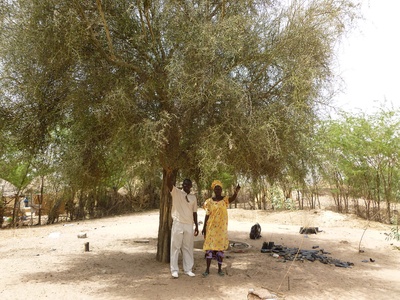
Desert date
Hardy small tree with spiny branches and olive-like fruits eaten locally. Fruits, oil and medicinal uses; tolerant of drought and a keystone species for pastoral landscapes.

African mahogany
Large emergent tree prized for quality timber and shade. Pinnate leaves and winged seeds; subject to logging pressure. Conserving riverine stands is important for biodiversity and local livelihoods.
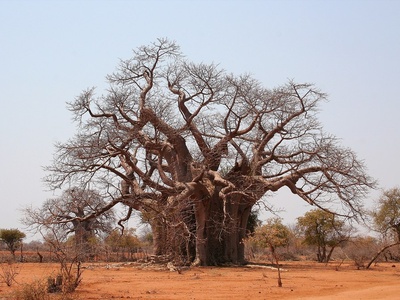
Baobab
Massive, bottle-shaped trunk with large edible fruits and nutritious leaves. Cultural and nutritional importance; trees store water and provide food, medicine and fibre. Mature individuals are locally valued and sometimes protected.
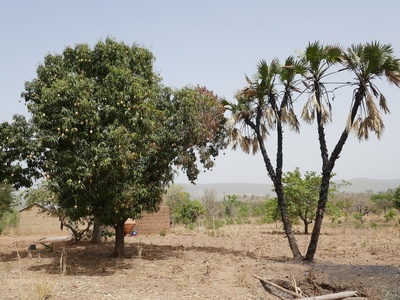
Doum palm
Fan-palmed tree with branching stem and edible fibrous fruit. Used for weaving, food and traditional crafts; characteristic of riverine wetlands and floodplain islands.
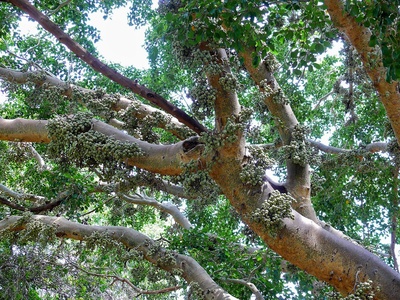
Sycamore fig
Large fig with broad canopy and distinctive figs eaten by people and wildlife. Key for fruit-eating birds and mammals; supports riparian biodiversity and provides shade and timber.
Gum/rock fig
Moderate-sized fig with dense crown and many small figs. Important forage for wildlife and livestock, used for shade and traditional medicine; regenerates readily from seed.
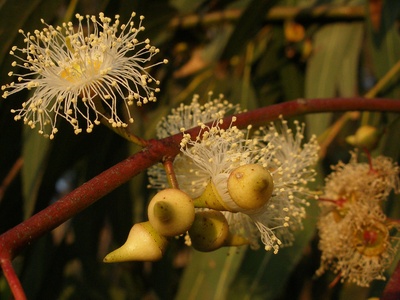
River red gum (introduced)
Australian species widely planted for shade, timber and bank stabilisation along the Nile and wetlands. Fast-growing and valued for fuelwood, but invasive tendencies can alter native wetlands and groundwater.
Mesquite (invasive)
Tough thorny tree introduced for forage and erosion control; now widespread and invasive in some areas, outcompeting native plants and altering grazing lands. Provides fuelwood but causes ecological problems.
African oak
Medium-to-large tree with flaky bark and winged seeds. Durable timber and tannin sources, plus shade and fodder. Locally important but suffers from cutting for charcoal and timber.
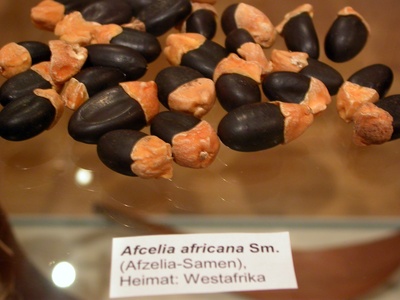
Afzelia
Large hardwood tree with heavy, valuable timber used for furniture and construction. Distinct pinnate leaves and pods; conservation concern where logging and habitat loss occur.
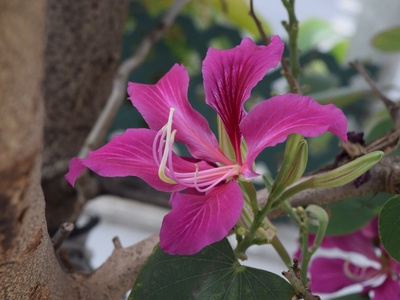
Camel’s foot
Open-crowned tree with distinctive flattened pods and pinnate leaves. Common roadside and farmland tree providing fodder, fuelwood and traditional medicines; valued agroforestry species.
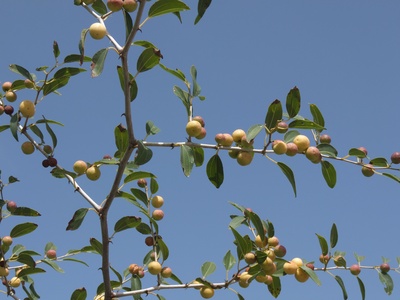
Christ’s thorn jujube
Spiny tree with glossy leaves and edible, tangy fruits. Used for shade, fencing, fuel and traditional remedies. Tolerant of harsh conditions and widely used in rural areas.
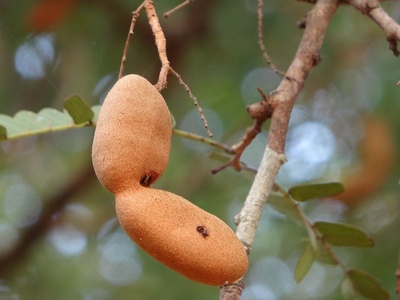
Tamarind
Long-lived, fruiting tree bearing sour pods used in cooking and traditional medicine. Introduced but long-established in many settlements; valued shade tree and local food source.
Waterberry
Evergreen to semi-evergreen tree with fleshy fruits eaten by people and wildlife. Grows in wetter parts of South Sudan; important for riparian biodiversity and local fruit use.
Terminalia brownii
Tall, spreading tree with oblong leaves and winged fruit clusters. Used for timber, fodder and traditional medicine; found in wetter belt and floodplain woodlands.
Bushwillow
Resilient tree with slender branches and four-winged fruits. Provides browse, fuelwood and occasional timber; common in woodlands and transitional savanna zones.
Jackalberry
Large fruiting tree with edible fruits and dense, durable timber. Important for wildlife and local communities for food, shade and construction; conserved in many village groves.
Black plum
Fruit-bearing tree with aromatic leaves and dark edible plums eaten fresh or processed. Used for timber, medicine and shade; replenishes soils and supports rural diets.
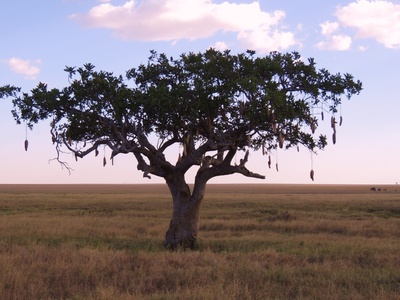
Sausage tree
Striking tree with huge sausage-like fruit and showy flowers attracting bats and birds. Used medicinally, for ropes and as shade. Locally familiar along rivers and wetland fringes.
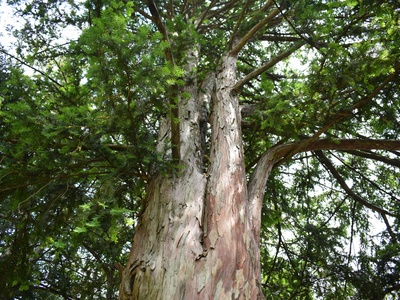
Longwhorl acacia
Spiny, multi-stemmed acacia with dense crowns and small pale flowers. Provides browse, stabilises soils and supplies firewood; common pioneer species after disturbance.