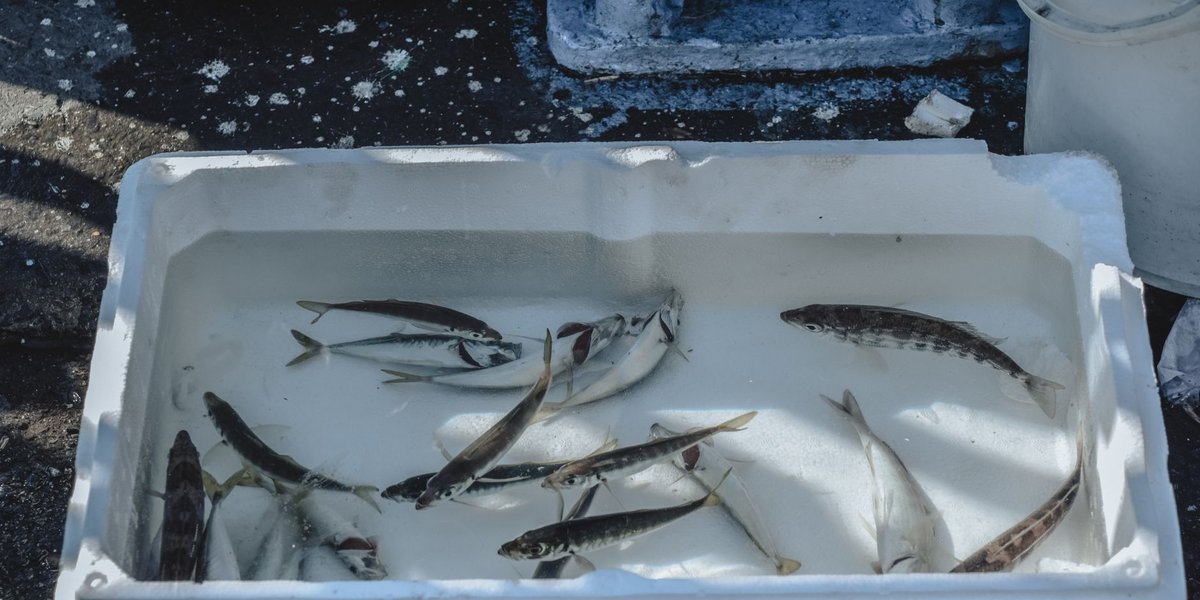
White fish is a culinary category, not a scientific one. It covers lean fish with pale, mild flesh that store their oil in the liver rather than in the muscle. Cod, haddock, pollock, hake, halibut, flounder and sole are the classics. Salmon, mackerel, sardines and herring are the opposite: oily fish, with fat spread through the meat.
That one difference decides almost everything else: how the fish tastes, how it cooks, and why it goes from perfect to rubbery in about a minute.
Contents
- TLDR
- What makes a fish a white fish
- White fish compared
- Which one should you buy
- How to cook white fish without ruining it
- Nutrition, mercury and sustainability
- White fish vs whitefish
TLDR
- Want the mildest, most forgiving option: cod or haddock.
- Want cheap and firm: pollock or hake.
- Want a steak-like fillet and can pay for it: halibut.
- Cook to 145°F (63°C) and stop. Thin fillets need minutes, not a timer you forget about.
- Most common white fish are low in mercury and low in fat. Check the label for MSC certification.
What makes a fish a white fish
The term comes from the fisheries trade. Most white fish are bottom dwellers, called demersal fish, that feed near the seafloor. Their muscle is used in short bursts rather than constant cruising, which gives pale meat. Their energy reserves sit in the liver (cod liver oil is the proof), so the fillet itself stays lean, often under one gram of fat per 100 grams.
Oily fish like salmon and mackerel are swimmers. They store fat in the flesh to fuel long migrations, which is why they taste stronger and tolerate heat better. White fish have no such cushion. Lean means mild, and it also means unforgiving.
White fish compared
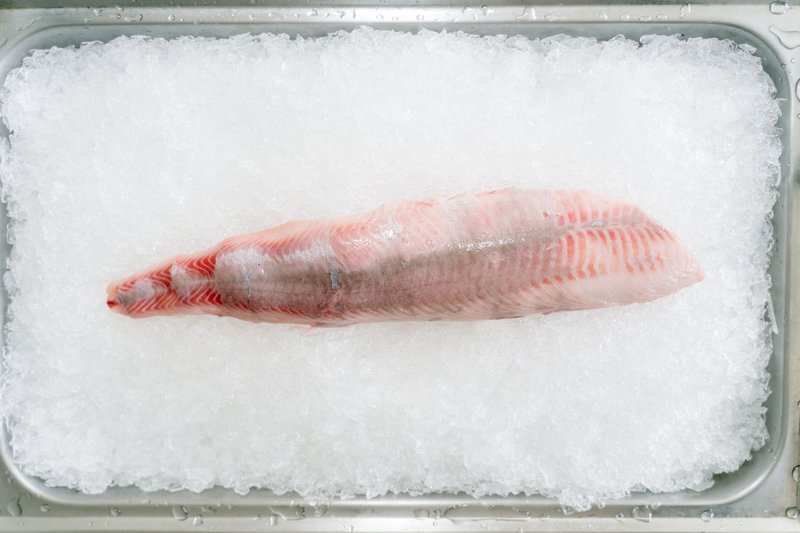
Here are ten common species side by side. Price is relative to the others in the table, since it varies by region and season.
| Fish | Flavor | Texture | Price | Best method |
|---|---|---|---|---|
| Cod | Mild, slightly sweet | Large, tender flakes | Mid | Baking, poaching, frying |
| Haddock | Mild, a bit sweeter than cod | Smaller, finer flakes | Mid | Frying, baking, smoking |
| Pollock | Very mild | Soft, small flakes | Low | Frying, breading, baking |
| Hake | Mild | Soft, delicate | Low to mid | Pan-searing, poaching |
| Halibut | Clean, faintly sweet | Dense, meaty | High | Searing, grilling, roasting |
| Flounder | Delicate | Thin, fine-grained, fragile | Mid | Quick pan-sear, broiling |
| Sole | Delicate, subtle | Thin, fine, tender | Mid to high | Pan-searing in butter |
| Sea bass | Mild, a little richer | Medium-firm, moist | Mid to high | Roasting, searing |
| Tilapia | Very mild, can taste muddy if poorly farmed | Firm, medium flakes | Low | Baking, pan-searing |
| Snapper | Mild, slightly sweet | Firm, moist | Mid to high | Roasting whole, grilling |
A few notes the table can’t carry:
Cod is the benchmark. Atlantic cod gives thick, pearly flakes that separate on a fork, which is why it anchors fish and chips and baked fish dishes across the North Atlantic.
Haddock is cod’s smaller cousin. In the UK it’s the preferred chip-shop fish, and smoked haddock is the base of dishes like kedgeree and cullen skink.
Pollock is the quiet workhorse. Alaska pollock is the fish in most fish sticks and fast-food fish sandwiches. It’s cheap because the fisheries are huge, not because it’s bad.
Flounder and sole are the delicate end. Fillets are thin enough to cook in two or three minutes. Be aware that in North American stores, “sole” is usually a flounder species. True Dover sole is a European fish and costs accordingly.
Halibut is a giant flatfish with dense flesh that behaves almost like a pork chop. It’s also the easiest to overcook, because there’s no fat to rescue it.

Which one should you buy
Start with the texture you want, then check your budget.
Flaky and tender: cod, haddock, pollock. These break into big or small flakes and suit fish tacos, pies, chowders and anything baked. Pollock is the budget version of cod.
Firm and meaty: halibut, snapper, sea bass, tilapia. These hold together on a grill or in a hot pan and survive being flipped. Tilapia is the cheap option here.
Thin and delicate: flounder, sole. These cook fastest and fall apart if you fuss with them. Buy them for a quick butter-pan dinner, not for the grill.
Substitutions are easy within a group. Cod and haddock swap one for one. Pollock and hake will stand in for either in a recipe with a sauce or breading. Halibut, sea bass and snapper trade places in most roasting recipes. Don’t swap across groups without changing the method: a recipe written for sturdy halibut will turn flounder to mush.
How to cook white fish without ruining it
The USDA recommends cooking fish to an internal temperature of 145°F, and the flesh should turn opaque and flake easily. Because white fish carry carryover heat, pulling it at 140°F and letting it rest for a minute lands you close to the mark.
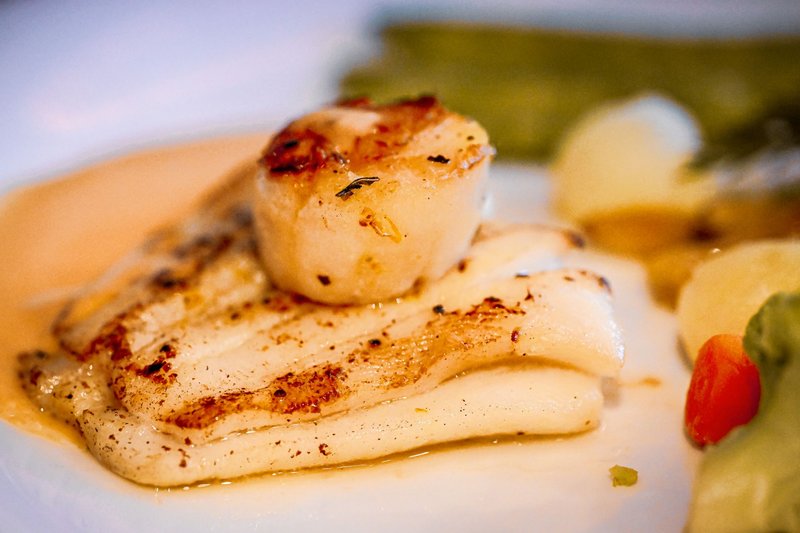
Baking. Heat the oven to 400°F (200°C). A common rule is about 10 minutes per inch of thickness, so a 1-inch cod fillet takes roughly 10 to 12 minutes. Pat the fish dry, oil it, and season it. A splash of lemon or a spoon of butter on top is insurance against dryness.
Pan-searing. Use a hot pan, a thin film of oil, and a dry fillet. Lay it down away from you and leave it alone for 3 to 4 minutes until the edge turns opaque about halfway up, then flip. Thin fillets like sole need only 1 to 2 minutes per side.
Poaching. Simmer, never boil. Bring stock, milk or water with aromatics to a bare shiver and slide the fish in. Cod and hake take about 6 to 8 minutes. It’s the most forgiving method for lean fish.
Frying. Keep oil around 350 to 375°F. Lower than that and the batter soaks up grease. Fry in small batches so the temperature doesn’t crash.
Two common failures. Dry fish means overcooked fish, almost every time. Mushy fish usually means it was frozen badly, thawed too fast, or sat in water. Thaw in the fridge overnight and dry the fillet before it hits the heat.
Nutrition, mercury and sustainability
White fish is mostly protein and water. A typical cooked portion delivers around 20 grams of protein for very little fat, plus B vitamins and selenium. What it lacks compared with oily fish is omega-3 content. If you eat white fish exclusively, you’re skipping the main reason people recommend fish twice a week.
Mercury is a minor concern for most of this list. The FDA’s advice about eating fish places cod, haddock, pollock, hake, tilapia, flounder and sole in its “best choices” group, which it considers safe for up to two to three servings a week, including for pregnant women. Halibut and snapper fall into the “good choices” tier, meaning roughly one serving a week.
Sustainability varies by stock, not by species name. Look for the blue Marine Stewardship Council label on wild-caught fish. Alaska pollock and Pacific cod are generally well-managed, while some Atlantic cod stocks have been slow to recover from decades of overfishing. NOAA’s FishWatch tracks the status of US fisheries species by species.
White fish vs whitefish
Search for “whitefish” and you’ll find a different animal. Whitefish are freshwater fish in the genus Coregonus and related groups, found across the cold lakes of Canada, the northern US and Europe. The lake whitefish of the Great Lakes is the best known. They’re also lean and mild, and they’re smoked and sold across the Midwest, but they’re a specific group of species, not the broad culinary category above. (Whitefish, Montana, is a ski town. You won’t find it in the seafood aisle.)
If you only remember one thing: white fish means mild, lean and fast to cook. Pick the texture you want, keep the heat honest, and pull it at 140°F.