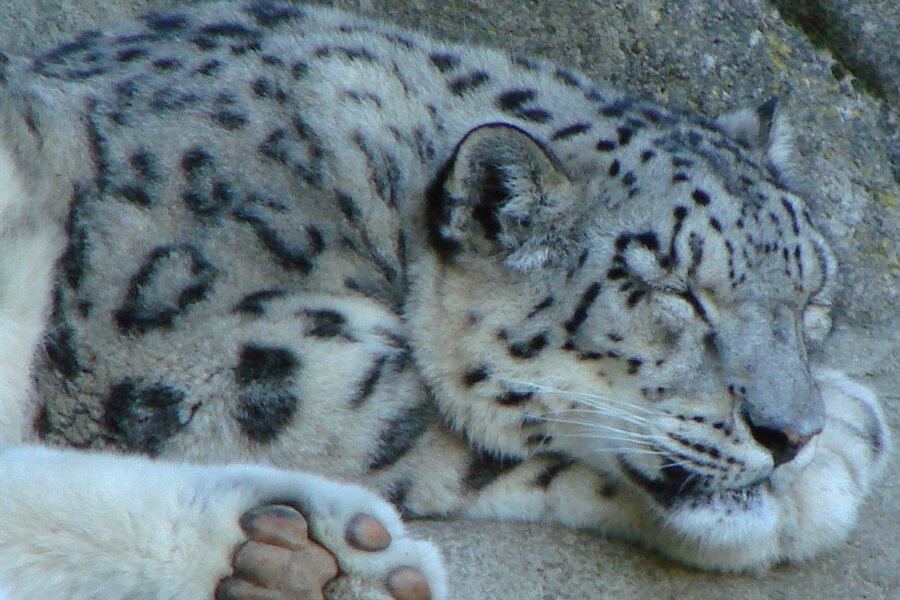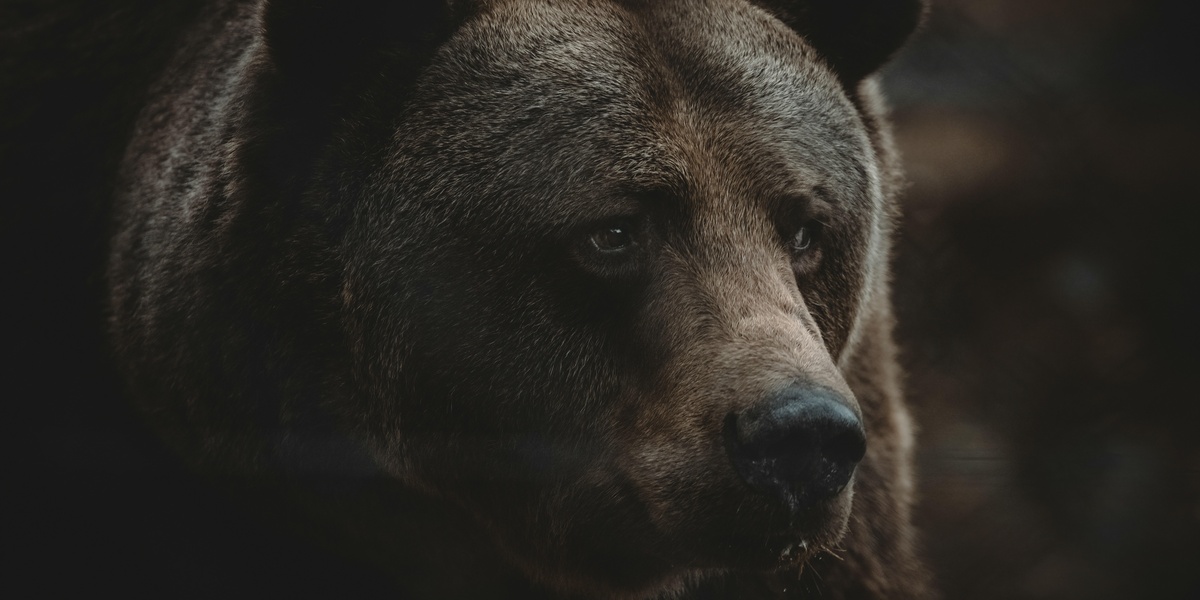
Croatia’s coast, islands, karst plains and mountain forests host a wide mosaic of life, from marine species in the Adriatic to ungulates and birds inland. That mix of habitats makes the country’s wildlife both diverse and interesting to explore.
There are 45 Croatia’s native animals, ranging from Adriatic sturgeon to Wild boar; each entry lists Scientific name, Habitat/range and IUCN status to help you see where species live and how threatened they are — you’ll find below.
How were the species on this list selected?
The list focuses on species native to Croatia or regularly occurring there, chosen to represent the country’s range of habitats and conservation interest; priority was given to established wild populations rather than occasional visitors.
How up-to-date is the IUCN status shown for each animal?
IUCN statuses reflect the most recent published assessments available at the time the list was compiled, but conservation ranks can change, so check the IUCN Red List or local conservation sources for the latest updates.
Croatia’s Native Animals
| Common name | Scientific name | Habitat/range | IUCN status |
|---|---|---|---|
| Brown bear | Ursus arctos | Forests, mountains; Gorski Kotar, Lika | Least Concern |
| Gray wolf | Canis lupus | Forests, mountains; Dinaric Alps and Lika | Least Concern |
| Eurasian lynx | Lynx lynx | Remote forests and mountains; Dinaric range | Least Concern |
| Eurasian otter | Lutra lutra | Rivers, lakes, coastal waters; inland and coast | Near Threatened |
| Wild boar | Sus scrofa | Woodland and agricultural areas across Croatia | Least Concern |
| Red deer | Cervus elaphus | Forests and mountain valleys; continental Croatia | Least Concern |
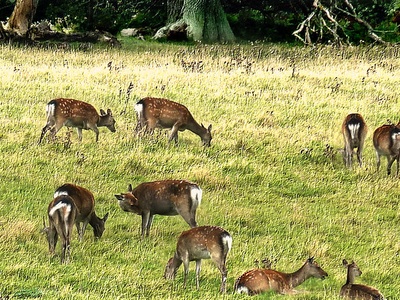
| Roe deer | Capreolus capreolus | Woodlands, fields and edges; widespread inland | Least Concern |
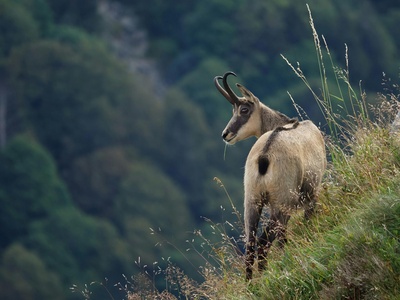
| Chamois | Rupicapra rupicapra | Rocky alpine zones; Dinaric Alps and Velebit | Least Concern |
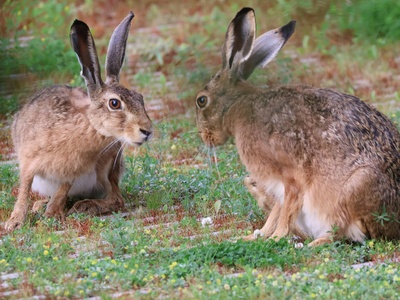
| European hare | Lepus europaeus | Open fields, farmland and grasslands; widespread inland | Least Concern |
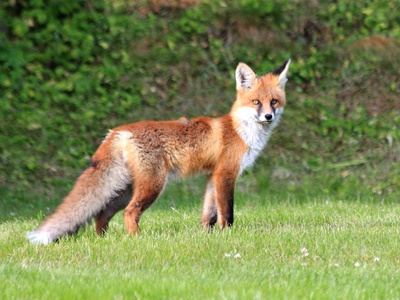
| Red fox | Vulpes vulpes | Woodlands, fields and urban edges across Croatia | Least Concern |
| European badger | Meles meles | Woodland and mixed habitats across Croatia | Least Concern |
| Golden jackal | Canis aureus | Lowlands, marshes, coastal plains; expanding range | Least Concern |
| Mediterranean monk seal | Monachus monachus | Coastal caves and remote islets; Adriatic coast | Endangered |
| Bottlenose dolphin | Tursiops truncatus | Coastal Adriatic Sea, bays and islands | Least Concern |
| Common dolphin | Delphinus delphis | Open and shelf waters of the Adriatic | Least Concern |
| Striped dolphin | Stenella coeruleoalba | Offshore Adriatic Sea | Least Concern |
| Loggerhead sea turtle | Caretta caretta | Adriatic Sea; forages and occasionally nests | Vulnerable |
| European eel | Anguilla anguilla | Rivers, lakes to sea; widespread in Croatia | Critically Endangered |
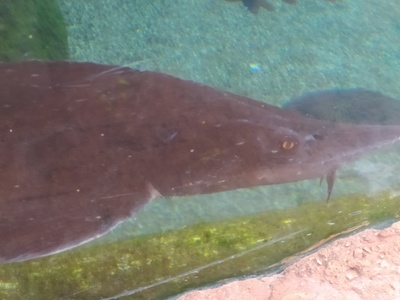
| Adriatic sturgeon | Acipenser naccarii | Historically rivers and northern Adriatic; now very rare | Critically Endangered |
| European hake | Merluccius merluccius | Adriatic Sea; continental shelf and deeper coastal waters | Least Concern |
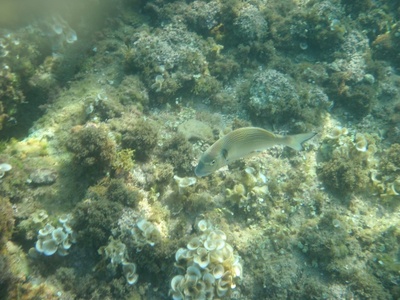
| Gilthead seabream | Sparus aurata | Shallow coastal waters, bays and lagoons; Adriatic coast | Least Concern |
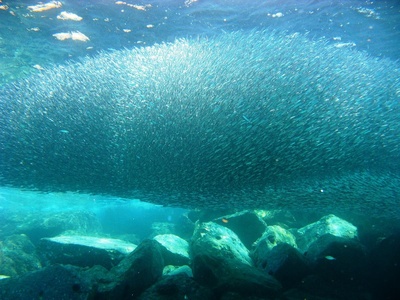
| European anchovy | Engraulis encrasicolus | Pelagic schools in Adriatic coastal waters | Least Concern |
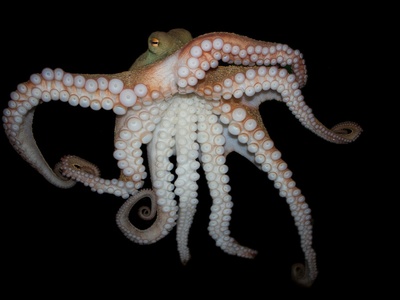
| Common octopus | Octopus vulgaris | Rocky reefs, seagrass and coastal caves in Adriatic | Least Concern |
| Moray eel | Muraena helena | Rocky coastal waters and caves; Mediterranean coast | Least Concern |
| European pond turtle | Emys orbicularis | Ponds, slow rivers and wetlands; inland lowlands | Near Threatened |
| Hermann’s tortoise | Testudo hermanni | Mediterranean scrub, karst and dry slopes; Dalmatian coast | Near Threatened |
| European tree frog | Hyla arborea | Wetlands, marsh edges and lakeshores; lowlands | Least Concern |
| Common toad | Bufo bufo | Woodlands, gardens, near ponds across Croatia | Least Concern |
| Nose-horned viper | Vipera ammodytes | Rocky slopes, dry forests and karst; coastal and inland hills | Least Concern |
| European green lizard | Lacerta viridis | Warm open habitats, stone walls and gardens; coast and inland | Least Concern |
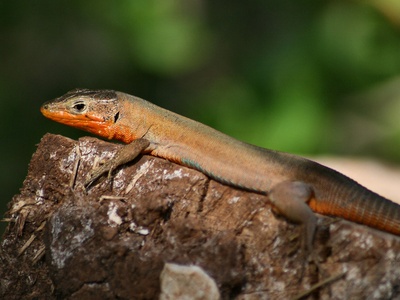
| Dalmatian wall lizard | Podarcis melisellensis | Rocky coast, islands and karst cliffs of Adriatic | Least Concern |
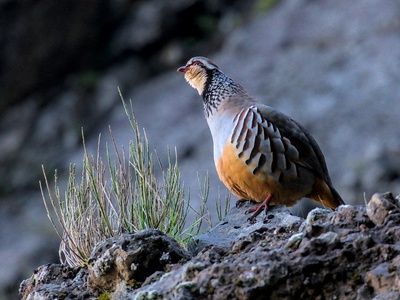
| Rock partridge | Alectoris graeca | Alpine and subalpine rocky areas; Dinaric mountains | Near Threatened |
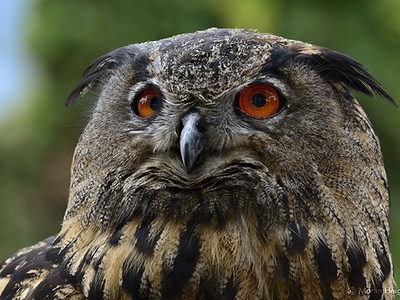
| Eurasian eagle-owl | Bubo bubo | Cliffs, rocky outcrops and forests; mountains and coast | Least Concern |
| White-tailed eagle | Haliaeetus albicilla | Coastal wetlands, lakes and islands; northern and coastal Croatia | Least Concern |
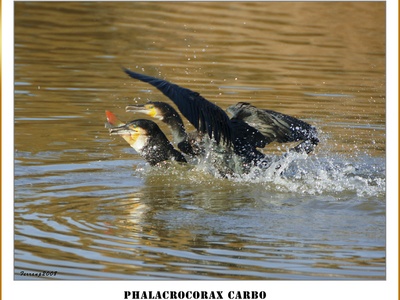
| Great cormorant | Phalacrocorax carbo | Coast, lakes and rivers across Croatia | Least Concern |
| Little egret | Egretta garzetta | Marshes, lagoons, riverbanks and tidal flats | Least Concern |
| Peregrine falcon | Falco peregrinus | Cliffs, coast and mountains; widespread but patchy | Least Concern |
| Common kingfisher | Alcedo atthis | Clear rivers, streams and lakes; inland and coastal waters | Least Concern |
| Brown trout | Salmo trutta | Cold rivers and streams; Dinaric karst rivers and mountain streams | Least Concern |
| Fire salamander | Salamandra salamandra | Moist deciduous forests and springs in mountains | Least Concern |
| Barn owl | Tyto alba | Open countryside, farmland and old buildings; widespread | Least Concern |
| Pine marten | Martes martes | Mixed and beech forests; woodlands nationwide | Least Concern |
| European polecat | Mustela putorius | Woodlands, wetlands and farmland across Croatia | Least Concern |
| Alpine newt | Ichthyosaura alpestris | Mountain ponds and cool forest pools; Dinaric uplands | Least Concern |
| European shag | Phalacrocorax aristotelis | Rocky coasts and islets of Adriatic | Least Concern |
Images and Descriptions
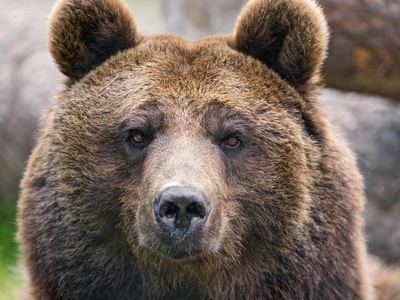
Brown bear
Large omnivore up to 200 kg in big males; shy but iconic in Croatia’s remote forests. Notable for long hibernation, powerful build and key role in healthy mountain ecosystems.
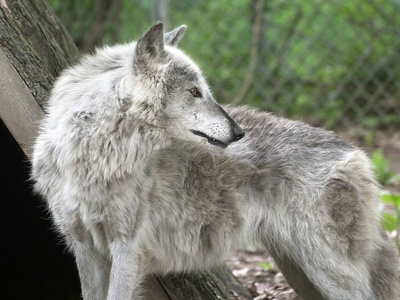
Gray wolf
Social predator living in packs across remote Dinaric ranges. Wolves shape prey populations, avoid people but occasionally appear near villages; a culturally important and recovering species in Croatia.
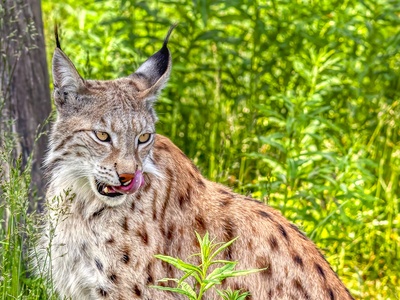
Eurasian lynx
Solitary, medium-sized spotted cat with tufted ears and padded paws. Rare but present in Croatia’s dense forests; secretive hunter of deer and small mammals.
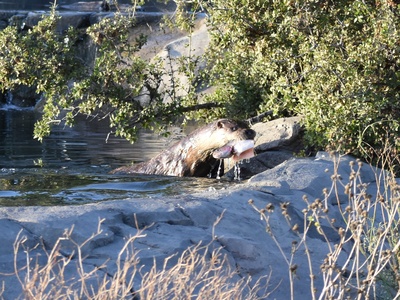
Eurasian otter
Streamlined, semi-aquatic mustelid up to ~1.2 m including tail. Seen on rivers, lakes and rocky coastlines; indicator of clean waters and fish-rich habitats.
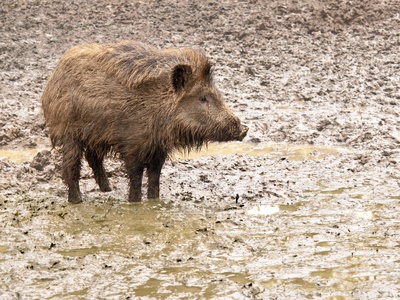
Wild boar
Stocky omnivore up to ~100 kg, adaptable and widespread. Forages in forests and fields, common near human areas; important game species and ecosystem engineer.
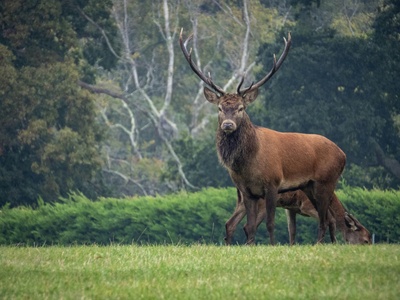
Red deer
Large deer with impressive antlers on males, up to 200 kg. Forms herds in forested areas; a familiar sight in national parks and hunting culture.
Roe deer
Smaller deer species that is agile and often seen at dawn or dusk. Adapts well to fragmented landscapes and common across Croatian countryside.
Chamois
Agile, goat-like ungulate found on steep cliffs and high pastures. Compact, sure-footed and alert, a charismatic species of Croatia’s high mountains.
European hare
Fast, long-eared mammal common in agricultural landscapes. Mostly nocturnal, it’s an important game species and prey for large predators.
Red fox
Adaptive omnivore with clever behavior, commonly seen at dusk. Uses dens, raids farms and thrives alongside people; varied diet from rodents to fruit.
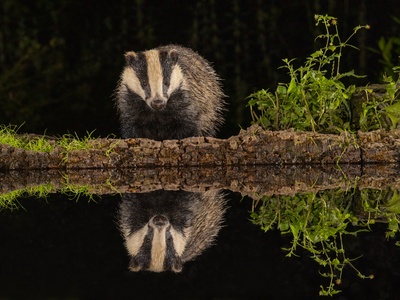
European badger
Nocturnal burrowing mammal living in family groups; stocky, black-and-white-faced and digs setts. Important for soil turnover and common in rural woodlands.
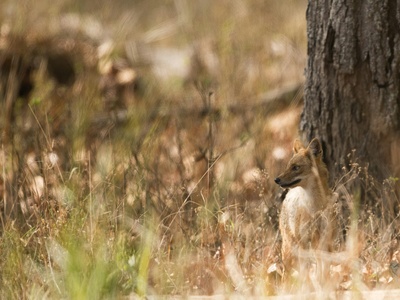
Golden jackal
Medium-sized canid spreading across Croatia recently. Opportunistic feeder that thrives in mosaics of wetlands, fields and scrub; often seen near human-modified landscapes.
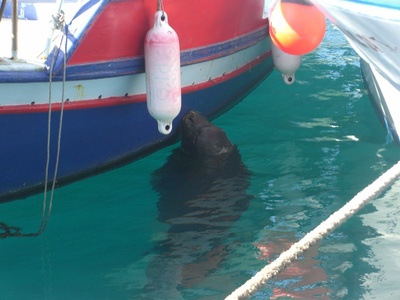
Mediterranean monk seal
One of Europe’s rarest marine mammals, using secluded sea caves to rest and raise pups. Extremely rare in Croatia, emblematic of pristine coastal habitat conservation.
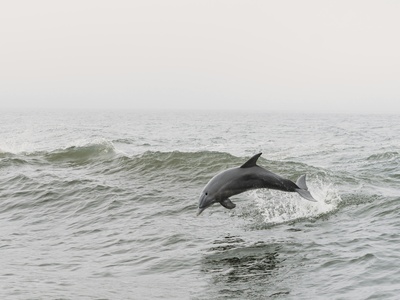
Bottlenose dolphin
Large friendly-looking dolphin often seen near shore and islands. Social, curious and common in sheltered Adriatic waters; popular with whale-watchers.
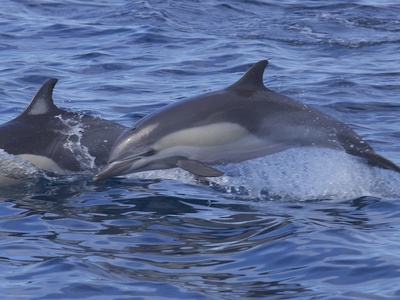
Common dolphin
Sleek, fast dolphin forming large energetic pods offshore. Often seen in open Adriatic waters, famous for bow-riding and high speeds.
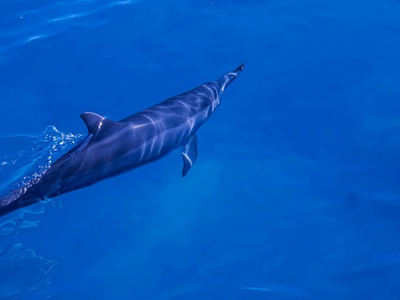
Striped dolphin
Slender pelagic dolphin with distinct stripes and long migrations. Mostly found offshore, known for acrobatic behavior and large groups in open sea.
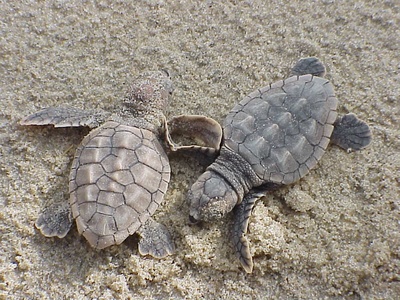
Loggerhead sea turtle
Large marine turtle with a heavy head and strong jaws. Visits Adriatic coasts to feed and sometimes nests on southern beaches; beloved and protected by conservationists.
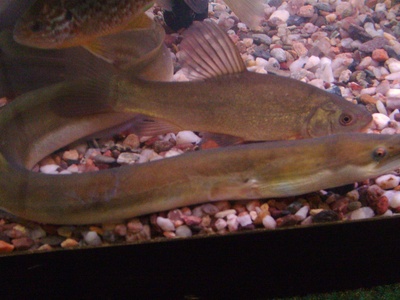
European eel
Catadromous fish that migrates thousands of kilometres to breed; spends most life in freshwater. Populations sharply declined, making it a conservation priority.
Adriatic sturgeon
Endemic sturgeon historically in Adriatic waters and rivers. Large, ancient fish with bony scutes; now critically endangered with only rare remnants.

European hake
Common demersal fish of the Adriatic, important for fisheries. Slender, up to ~1 m, and a familiar catch in coastal markets.
Gilthead seabream
Popular-looking silver fish with a golden stripe near the forehead. Common in seagrass beds and coastal fisheries; prized in cuisine.
European anchovy
Small schooling fish forming huge shoals near coastlines. Economically important for fisheries and a key prey item for many predators.
Common octopus
Intelligent cephalopod with strong arms and ink defense. Hunts shellfish among rocks and seagrass, commonly caught by local fishers and admired by divers.

Moray eel
Long, secretive predator hiding in crevices with a snake-like appearance. Mostly nocturnal and a striking sight for divers exploring rocky Adriatic coasts.

European pond turtle
Freshwater turtle that basks on logs and feeds on aquatic invertebrates. Populations are patchy and dependent on healthy wetland habitats.

Hermann’s tortoise
Small terrestrial tortoise with patterned shell, common in coastal scrub and karst. Diurnal and herbivorous, prized for its slow-moving charm and vulnerable to habitat loss.
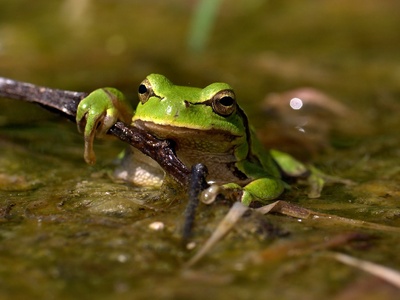
European tree frog
Small bright green frog that climbs vegetation and calls loudly in spring. Easily spotted near ponds and streams during breeding season.
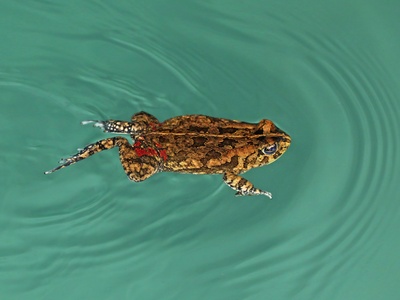
Common toad
Stout-bodied amphibian active mostly at night. Returns to ponds to breed, secretes toxins for defense, and tolerates a range of habitats including human areas.
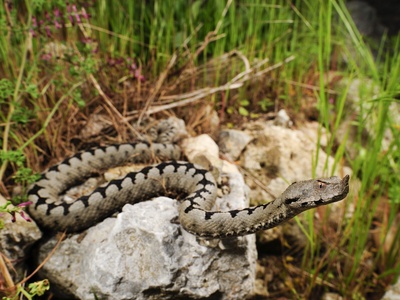
Nose-horned viper
Venomous snake with a distinctive nasal “horn.” Prefers warm rocky terrain; shy but potentially dangerous if provoked, respected by hikers.
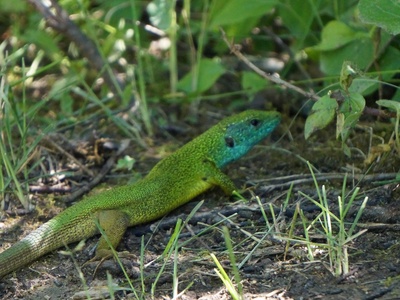
European green lizard
Large, bright green lizard often sunning on rocks or walls. Active hunter of insects, very visible in warm months and popular with naturalists.
Dalmatian wall lizard
Small agile lizard endemic to Adriatic coast and islands, often seen on dry stone walls and rocky shores; fast, alert and very localized.
Rock partridge
Ground-dwelling game bird of steep rocky slopes. Stocky and cryptically colored, it nests among stones and is prized by mountain birdwatchers and hunters.
Eurasian eagle-owl
One of Europe’s largest owls with striking orange eyes and deep hoots. Nocturnal top predator, nesting on cliffs and preying on mammals and birds.

White-tailed eagle
Huge sea eagle with wide wingspan, feeds on fish and waterbirds. Majestic coastal resident often seen near large lakes and rocky shores.
Great cormorant
Black diving bird often seen drying wings on rocks and piers. Efficient fish hunter common on Adriatic coastlines and inland waters.

Little egret
Small elegant white heron with black legs and yellow feet. Forages in shallow water, often visible in coastal lagoons and wetlands.
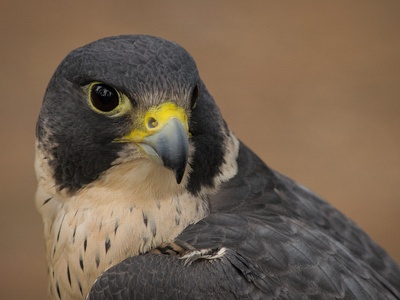
Peregrine falcon
World’s fastest bird in stoop, preys on other birds mid-air. Nests on cliffs and tall structures, a thrilling sight for birdwatchers.
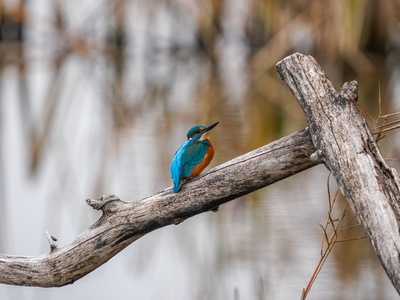
Common kingfisher
Tiny dazzling bird with turquoise back and orange belly that dives for fish. Prefers clear waters and perches low over streams.

Brown trout
Native freshwater salmonid prized by anglers. Variable colours and behaviour between river and sea-run forms, an indicator of healthy freshwater systems.
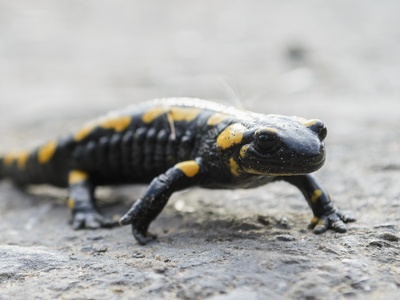
Fire salamander
Black amphibian with yellow markings, secretes toxins for defense. Lives in humid forested areas and returns to small streams to breed.
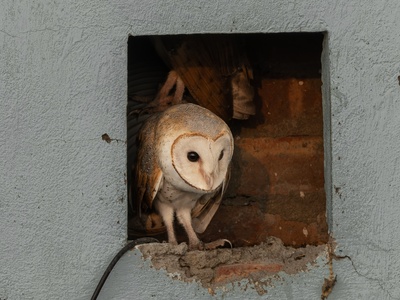
Barn owl
Pale, heart-faced nocturnal owl that hunts rodents in open farmland. Silent flight and ghostly appearance make it a beloved countryside resident.
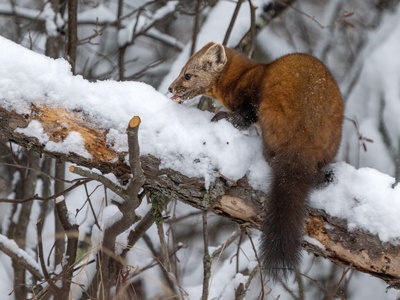
Pine marten
Arboreal mustelid with a creamy throat patch, agile in trees. Feeds on small mammals, birds and fruit and indicates healthy forest ecosystems.
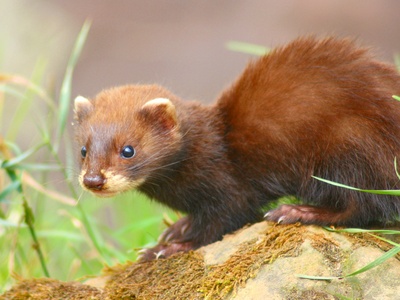
European polecat
Small carnivorous mustelid, nocturnal and elusive. Hunts rodents and birds; adaptable and occasionally seen near human habitations.
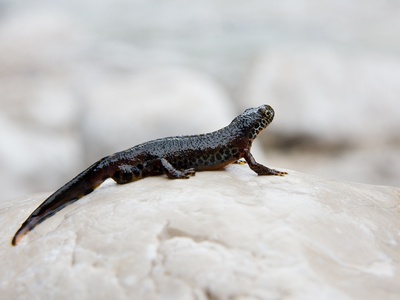
Alpine newt
Colorful newt of cool mountain waters; males show bright breeding colors. Prefers clean high-elevation ponds and is an indicator of pristine upland habitats.
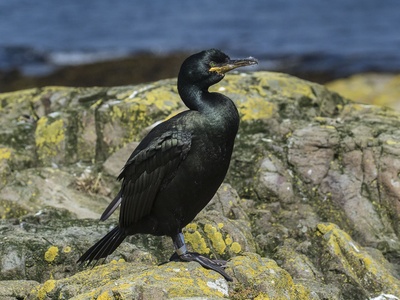
European shag
Smaller, sleeker cormorant favoring rocky shorelines and cliffs. Dives for fish close to shore and nests on rugged islets along Croatia’s coastline.