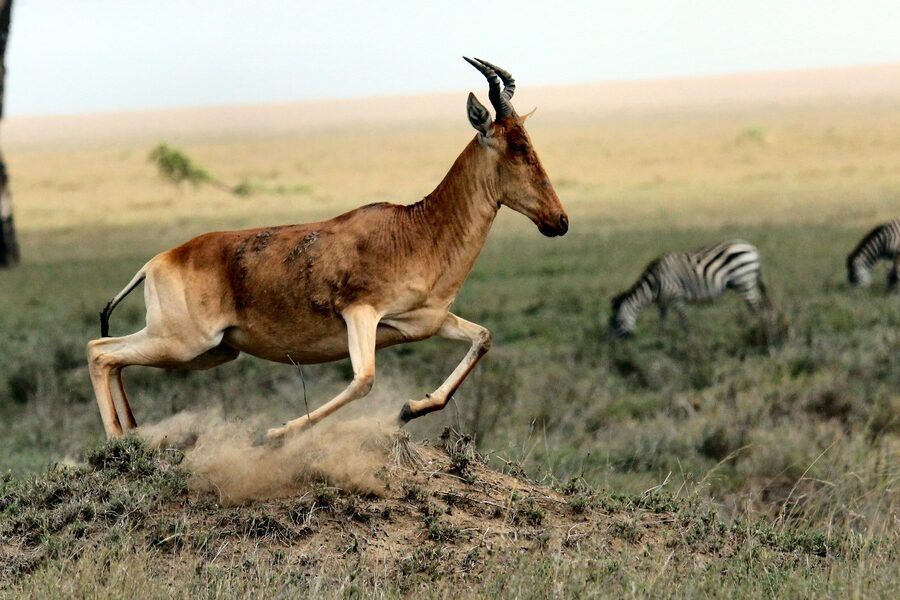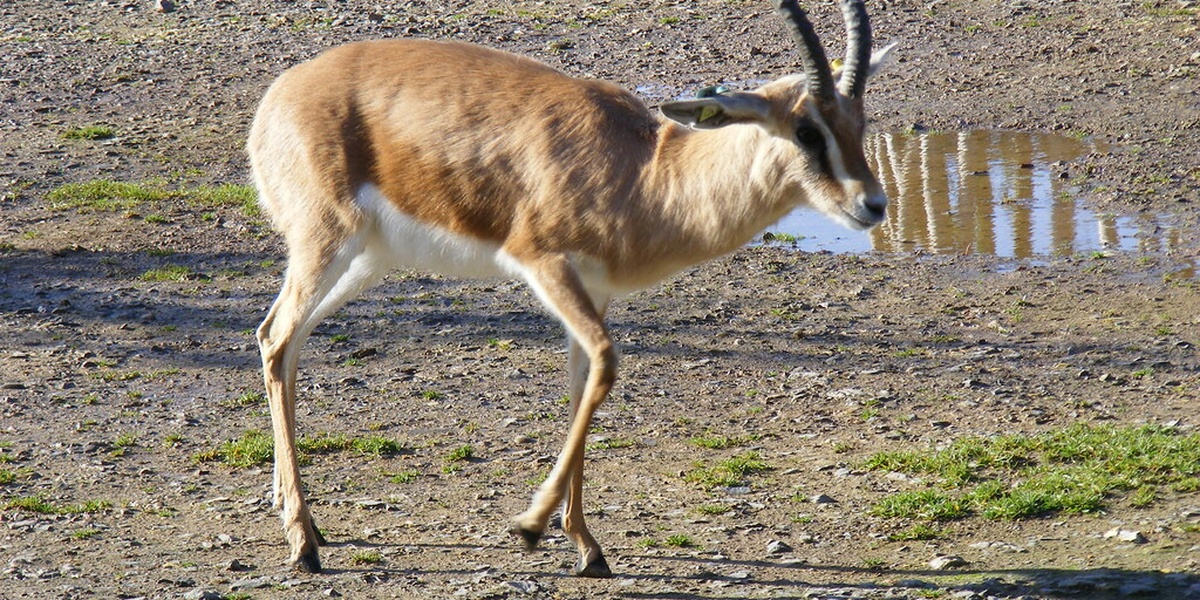
Palestine sits where Mediterranean, steppe and desert zones meet, creating a patchwork of habitats that support a varied mix of resident and migratory wildlife. From coastal plains and olive groves to rocky hills and wadis, the landscape shapes which species live and move through the region.
There are 28 Palestine’s native animals, ranging from Chukar partridge to Wild boar. For each species we list the Scientific name,Taxon & range,IUCN status so you can quickly see taxonomy, distribution and conservation standing — you’ll find below.
How can I tell which species are threatened?
Check the IUCN status column in the list: labels like Vulnerable, Endangered or Critically Endangered indicate increasing risk. Use the Taxon & range entry to understand where populations occur locally, and consult local conservation groups or government listings for up-to-date protections.
Where am I most likely to see animals such as the Chukar partridge or wild boar?
Chukar partridge favors rocky hillsides and terraced slopes, while wild boar use woodlands, agricultural edges and valleys and are often active at dawn or dusk. Look in protected areas and quieter rural sites, and always observe from a distance and follow local guidelines.
Palestine’s Native Animals
| Name | Scientific name | Taxon & range | IUCN status |
|---|---|---|---|
| Mountain gazelle | Gazella gazella | Mammal – Mediterranean hills, shrubland, West Bank | Vulnerable |
| Dorcas gazelle | Gazella dorcas | Mammal – arid plains, Negev margins and desert edges | Vulnerable |
| Striped hyena | Hyaena hyaena | Mammal – semi-desert, scrub, rocky areas, West Bank | Near Threatened |
| Golden jackal | Canis aureus | Mammal – varied habitats, agricultural land, West Bank | Least Concern |
| Red fox | Vulpes vulpes | Mammal – farmland, scrub, hills, West Bank | Least Concern |
| Wild boar | Sus scrofa | Mammal – woodlands, riparian areas, West Bank hills | Least Concern |
| Rock hyrax | Procavia capensis | Mammal – rocky cliffs, outcrops, Jerusalem and West Bank | Least Concern |
| Egyptian mongoose | Herpestes ichneumon | Mammal – scrub, olive groves, riparian corridors | Least Concern |
| Common genet | Genetta genetta | Mammal – rocky slopes, orchards, wooded areas | Least Concern |
| Palestine mole rat | Spalax ehrenbergi | Mammal – agricultural plains, subterranean soils, endemic complex | Least Concern |
| Palestine sunbird | Cinnyris osea | Bird – gardens, scrub, coastal and low hills | Least Concern |
| Tristram’s starling | Onychognathus tristramii | Bird – cliffs, desert wadis, Negev and Judean areas | Least Concern |
| Chukar partridge | Alectoris chukar | Bird – rocky hills, terraces, agricultural slopes | Least Concern |
| Common kestrel | Falco tinnunculus | Bird – open country, towns, cliffs | Least Concern |
| Hooded crow | Corvus cornix | Bird – urban, farmland, coastal areas | Least Concern |
| Common buzzard | Buteo buteo | Bird – woodlands, hills, farmland | Least Concern |
| Syrian woodpecker | Dendrocopos syriacus | Bird – orchards, gardens, groves, woodlands | Least Concern |
| Graceful prinia | Prinia gracilis | Bird – reedbeds, scrub, garden edges, wetlands | Least Concern |
| Common bulbul | Pycnonotus xanthopygos | Bird – gardens, scrub, orchards, lowlands | Least Concern |
| Laughing dove | Spilopelia senegalensis | Bird – gardens, fields, towns, lowlands | Least Concern |
| Palestine viper | Daboia palaestinae | Reptile – rocky slopes, scrub, agricultural edges | Least Concern |
| Spur-thighed tortoise | Testudo graeca | Reptile – dry scrub, bushland, hills, West Bank | Vulnerable |
| Levant green lizard | Phoenicolacerta laevis | Reptile – rocky outcrops, walls, scrubland | Least Concern |
| Starred agama | Stellagama stellio | Reptile – rocky desert, cliffs, masonry, sunny slopes | Least Concern |
| Nile softshell turtle | Trionyx triunguis | Reptile – rivers, estuaries, freshwater lakes, rare | Vulnerable |
| Levantine frog | Pelophylax bedriagae | Amphibian – marshes, canals, springs, wetlands | Least Concern |
| Middle East tree frog | Hyla savignyi | Amphibian – oases, wadis, cultivated springs | Least Concern |
| Green toad | Bufotes viridis | Amphibian – arid plains, gardens, temporary pools | Least Concern |
Images and Descriptions

Mountain gazelle
Slender, graceful antelope of Judean hills and open scrub; browsers that form small groups. Locally threatened by habitat loss and hunting, best seen in protected reserves where conservation programs help recover populations.
Dorcas gazelle
Small, pale desert gazelle adapted to hot, dry habitats; fast and wary. In Palestine’s southern and marginal deserts they are rare but historically native, surviving in scattered populations and protected areas.
Striped hyena
Large nocturnal scavenger with distinctive striped flanks and a coarse mane. Solitary and secretive, it uses caves and ruins; persecuted historically but still present in remote hills and protected valleys.
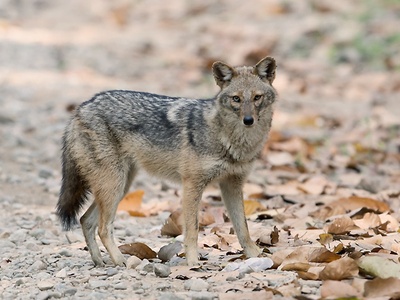
Golden jackal
A versatile small canid that scavenges and hunts small mammals and birds. Comfortable near human areas, often heard at dawn or dusk; common and expanding in many parts of the region.
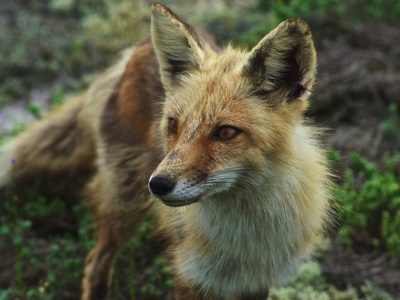
Red fox
Adaptive omnivore seen in hills and agricultural zones; reddish coat with bushy tail. Mostly nocturnal and elusive, but common near villages and in protected natural areas across Palestine.
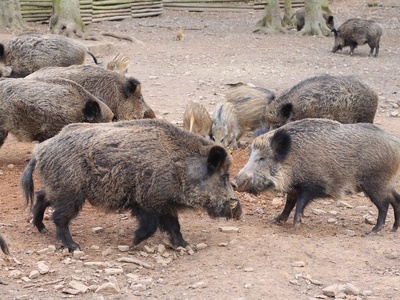
Wild boar
Heavyset, social omnivore rooting for tubers and roots in woodlands and gullies. Locally abundant where habitat persists; can conflict with farmers and is most active at night or dawn.
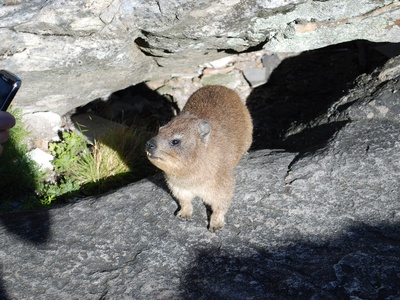
Rock hyrax
Small, furry mammal often sunning on rocks; surprisingly close relative of elephants. Lives in colonies on cliffs and ruins, vocal and easily spotted on sunny slopes.
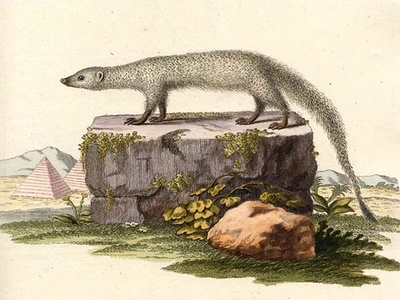
Egyptian mongoose
Slender carnivore hunting reptiles, rodents and birds in scrubby and farmed areas. Diurnal and bold, it uses stone walls and terraces and is a regular resident in suitable West Bank habitats.
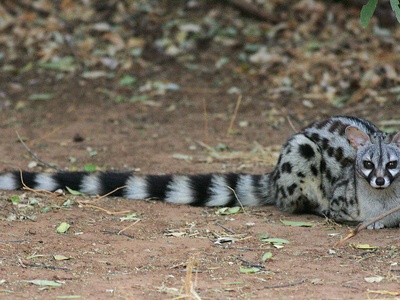
Common genet
Long-tailed, nocturnal carnivore with spotted coat and masked face. Prefers rocky or wooded terrain, hunts small mammals and birds; seen occasionally in agricultural and semi-natural habitats.
Palestine mole rat
Fossorial rodent that lives underground in family colonies, creating mound systems in cultivated fields. A long-established native, rarely seen yet common in some plains where it influences soil ecology.
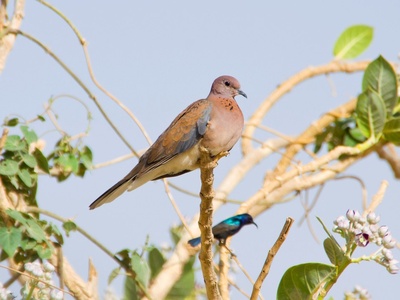
Palestine sunbird
Small iridescent nectar-feeder with a curved bill; males show shimmering plumage. Resident breeder in gardens, orchards and scrub, easily observed on flowering trees and shrubs throughout the region.
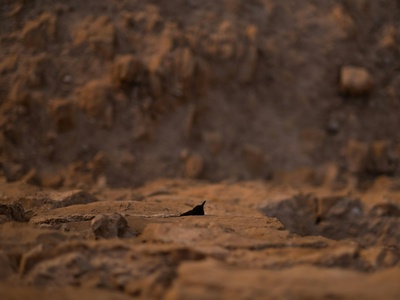
Tristram’s starling
Glossy, chestnut-winged starling of cliffs and desert oases; bold near human settlements in arid zones. A striking, vocal resident of rocky landscapes and canyon walls.
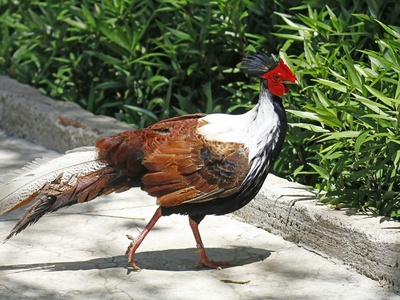
Chukar partridge
Stocky ground-dwelling gamebird with barred flanks and loud churr call. Breeds on rocky terraces and hillsides; shy but common in appropriate upland habitats and terraces across Palestinian hills.
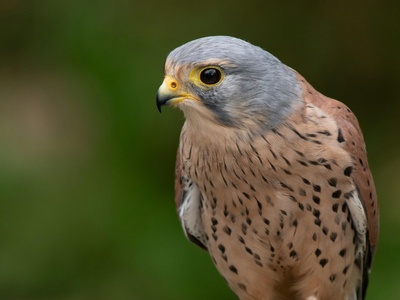
Common kestrel
Small falcon often seen hovering over fields and roadside verges. Nests on cliffs and buildings, feeds on insects and small mammals; a familiar resident raptor in both rural and urban landscapes.
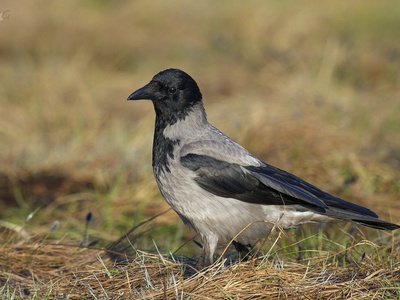
Hooded crow
Grey-and-black crow common in towns, farmland and coastal plains. Intelligent and opportunistic, often seen scavenging or perching on buildings; a regular resident across lowland Palestine.
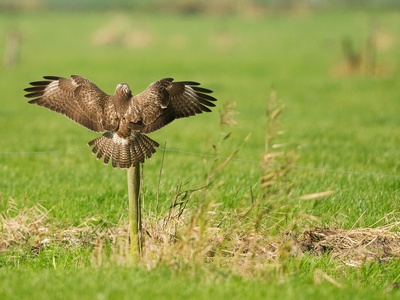
Common buzzard
Medium-sized broad-winged raptor that soars over hills and wooded valleys. Breeding resident in hill country, patient hunter of small mammals and reptiles, often visible from roadsides.
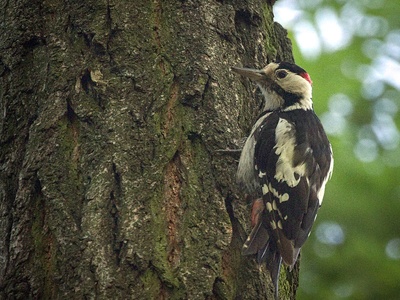
Syrian woodpecker
Medium woodpecker with spotted body and striped head; drums on trees and old posts. Resident breeder of orchards and wooded gardens, helpful to spot by its distinctive tapping and calls.
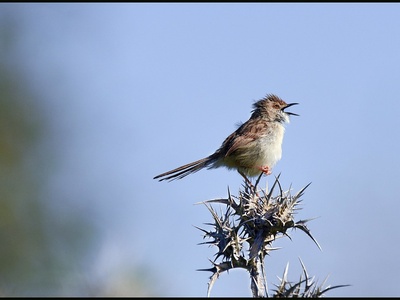
Graceful prinia
Tiny, lively warbler with a long tail flick and thin song. Common breeder in reedbeds and scrub near water; often seen flitting through low vegetation and hedgerows.
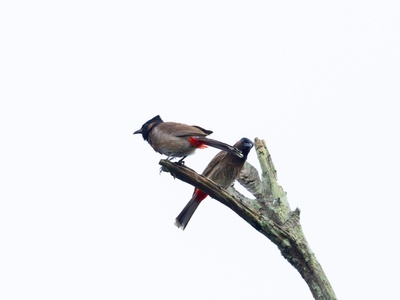
Common bulbul
Noisy, olive-brown songbird frequenting gardens and orchards; conspicuous and bold. A resident breeder that perks up urban and rural landscapes with its bubbling calls.
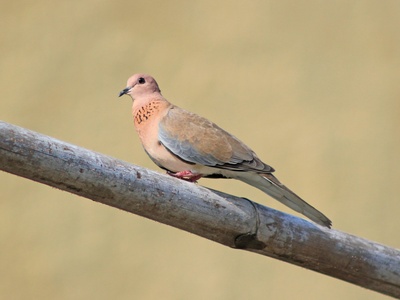
Laughing dove
Small, gentle dove with soft cooing notes, often on wires or ground-feeding. Resident and widespread in cultivated and urban areas; easy to find in towns and villages.
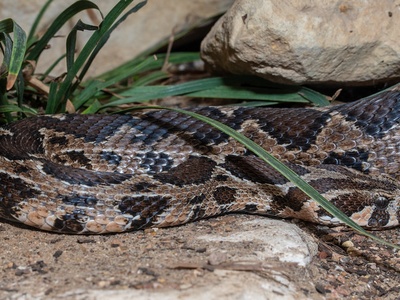
Palestine viper
Stout, venomous viper with a strong build and patterned back; active by night and at dusk. Prefers rocky pastures and stone walls; respected locally for its potent bite and secretive habits.
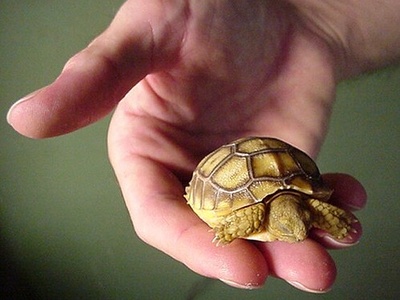
Spur-thighed tortoise
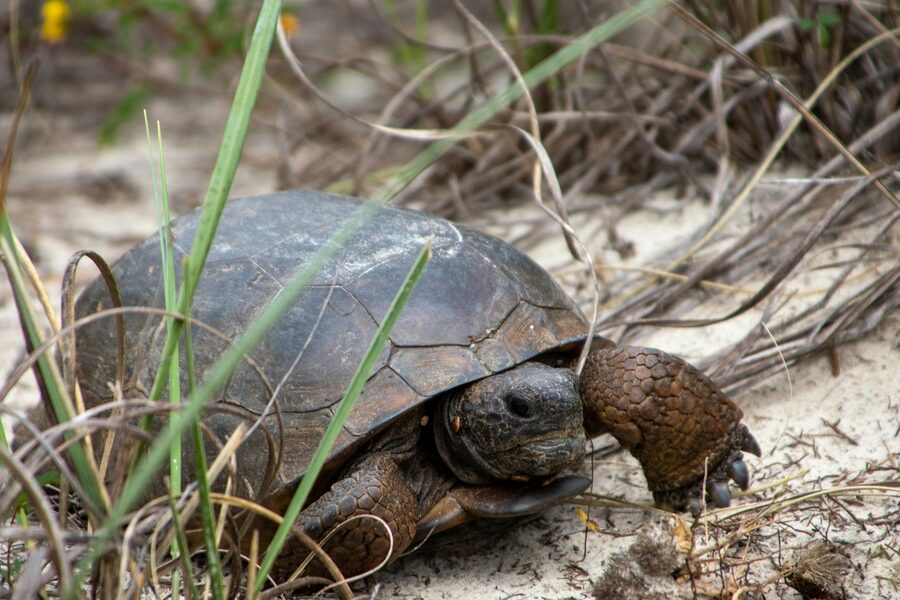
Terrestrial herbivorous tortoise that moves slowly through scrub and thorny vegetation. Long-lived and threatened by habitat loss and collection; best found in low hills and protected spots.
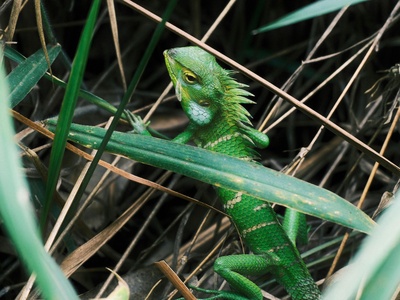
Levant green lizard
Fast, bright green lizard often sunning on rocks and old walls. Common in rural and semi-natural habitats, quick to dash into crevices when approached; a conspicuous daytime reptile.
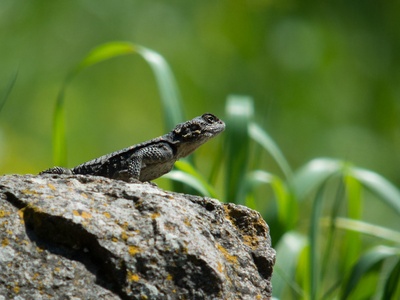
Starred agama
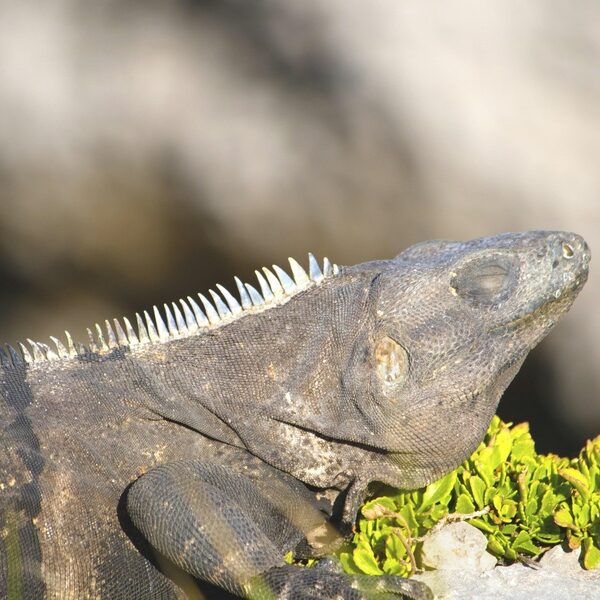
Robust agamid lizard with spiny scales and bold head crests; basks on stones and walls in arid hills. Territorial and easily observed on sunny cliffs and rock faces.
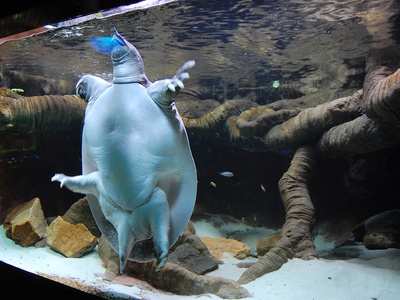
Nile softshell turtle
Large, flattened freshwater turtle with leathery shell, swims in slow-moving rivers and reservoirs. Rare in the region, vulnerable to habitat change and sought in riparian habitats and larger wetlands.
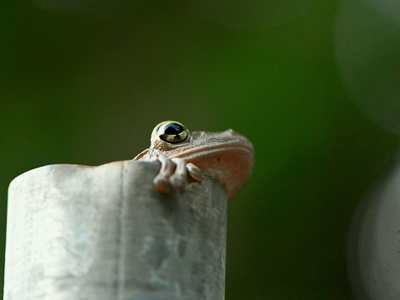
Levantine frog
Greenish pond frog often heard in marshes and irrigation canals; breeds in standing water. A familiar wetland species where freshwater habitats persist, often forming chorus groups in spring.
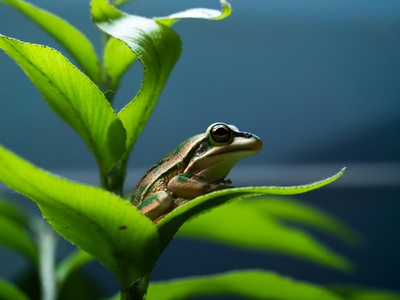
Middle East tree frog
Small climbing frog with sticky toe pads, calling from trees and reeds near water. Breeds in temporary pools and springs; local populations persist in oases and riparian vegetation.
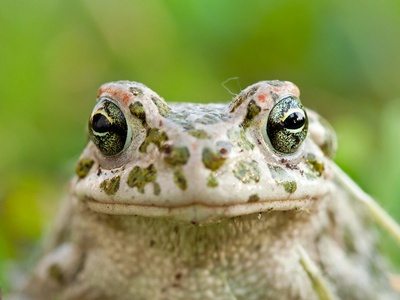
Green toad
Chunky, warty toad that tolerates dry environments and breeds explosively in seasonal pools. Found in agricultural lowlands and disturbed habitats; noticeable during rainy season breeding events.