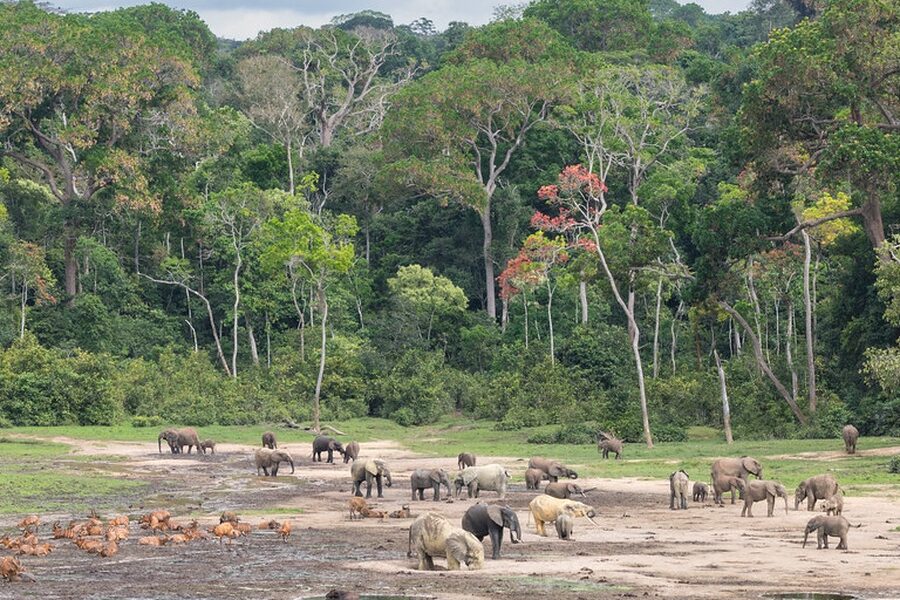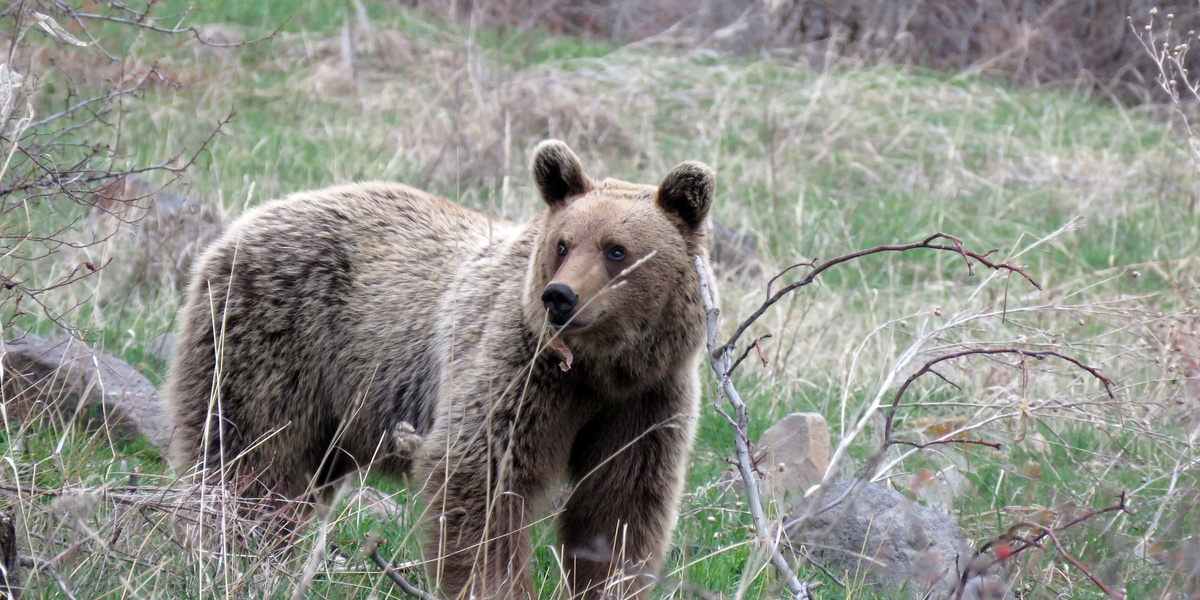
Armenia’s varied landscapes — from alpine peaks and forested slopes to river valleys and rural farmlands — host a surprising range of wild species. Whether you’re hiking, working the land, or exploring villages, a little local wildlife awareness helps keep interactions safe and respectful.
There are 16 Dangerous Animals in Armenia, ranging from Bats (various) to Wild boar. For each species the list provides Scientific name, Danger level, Typical habitat and where in Armenia, and you’ll find below.
How likely am I to encounter these animals while visiting or living in Armenia?
Encounters depend on region and season: many species stick to remote or wooded areas and avoid people, but animals like wild boar or venomous snakes can turn up near trails, gardens, or water sources. Use common-sense precautions (stay on paths, keep dogs leashed, store food securely) and learn local hot spots before you travel.
What practical precautions should hikers and residents take against dangerous wildlife?
Wear sturdy shoes and long pants in tick- or snake-prone areas, make noise on dense trails, keep distance from any wild animal, avoid entering caves or abandoned structures (bat roosts), and seek local advice about risky areas; if bitten or scratched, get medical help promptly.
Dangerous Animals in Armenia
| Name | Scientific name | Danger level | Typical habitat and where in Armenia |
|---|---|---|---|
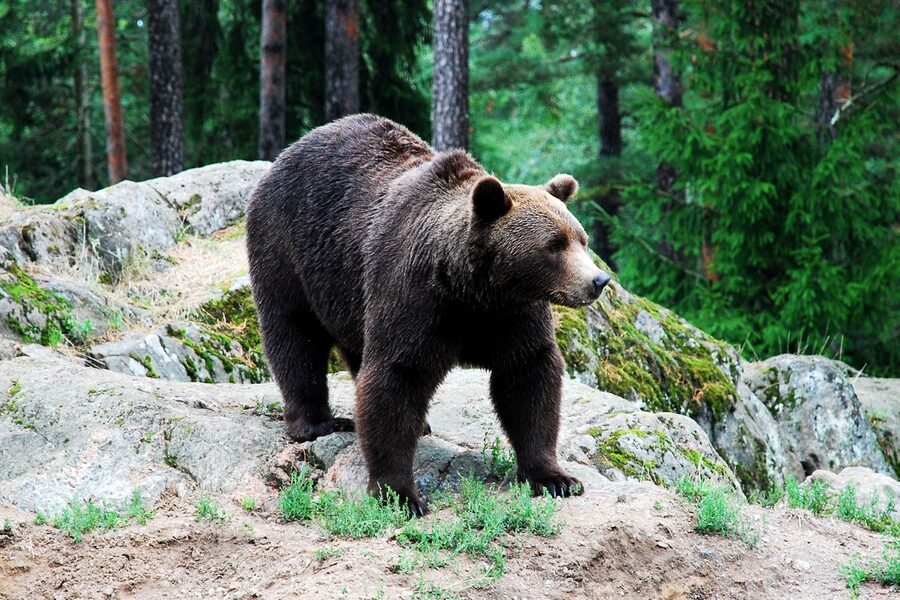
| Brown bear | Ursus arctos | High | Forests and mountains; Lori,Tavush,Syunik,Sevan highlands |
| Gray wolf | Canis lupus | Moderate | Mountains, forests and steppes; Tavush,Lori,Syunik,Ararat foothills |
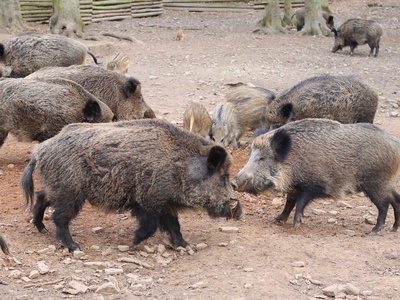
| Wild boar | Sus scrofa | High | Forests, scrub, river valleys; widespread including Tavush,Syunik,Ararat |
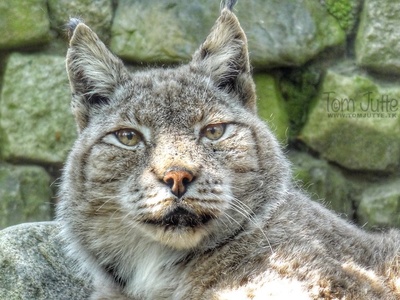
| Eurasian lynx | Lynx lynx | Low | Remote forests and mountains; Lori,Shirak,Syunik highlands |
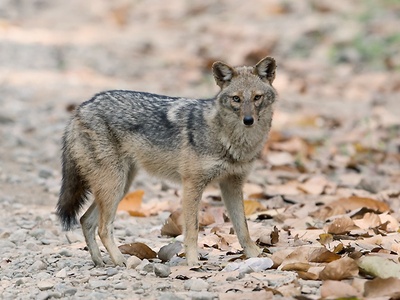
| Golden jackal | Canis aureus | Moderate | Lowlands and edges of settlements; Ararat,Gegharkunik,Tavush |
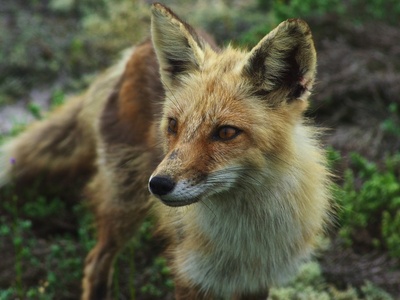
| Red fox | Vulpes vulpes | Moderate | Forests, fields and near settlements; widespread |
| Striped hyena | Hyaena hyaena | Low | Semi‑desert and steppe; rare, possible in southern provinces |
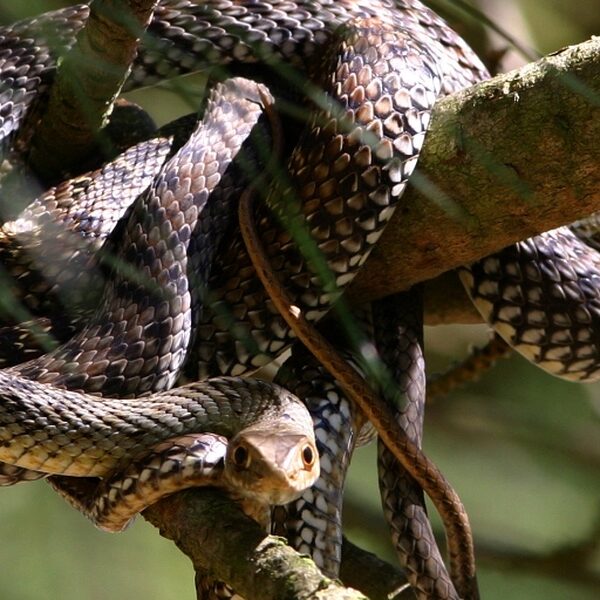
| Levant viper | Macrovipera lebetina | High | Lowland scrub and rocky terrain; Ararat valley and southeastern regions |
| Radde’s viper | Montivipera raddei | High | Mountain slopes and rocky highlands; Syunik,Lori,Armenian highlands |
| Scorpion (yellow) | Mesobuthus eupeus | Moderate | Warm arid lowlands and steppe; Ararat valley and southeastern areas |
| Mediterranean black widow | Latrodectus tredecimguttatus | Moderate | Dry sunny areas, stone walls and fields; Ararat,Sevan basin |
| Hard ticks (Hyalomma, Ixodes, Dermacentor) | Hyalomma marginatum;Ixodes ricinus;Dermacentor marginatus | High | Woodlands, grasslands and river valleys; Tavush,Lori,Gegharkunik |
| Mosquitoes (West Nile vectors) | Culex pipiens | Moderate | Wetlands, irrigation areas and standing water; Ararat,Sevan,Tavush |
| Bees and wasps | Apis mellifera;Vespula spp. | Moderate | Gardens, orchards and meadows; widespread in summer |
| Rats and mice | Rattus norvegicus;Mus musculus | Moderate | Urban and rural buildings, sewers and fields; nationwide |
| Bats (various) | Chiroptera (various species) | Moderate | Caves, buildings and forests; mountains and lowlands |
Images and Descriptions
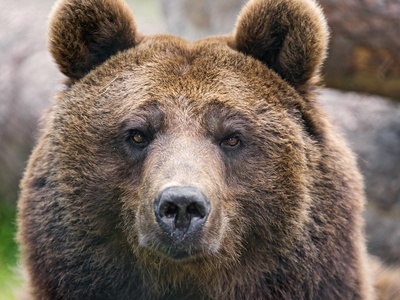
Brown bear
Large omnivore that can injure if surprised or protecting cubs; encounters spring–autumn in highlands. Avoid dawn/dusk hiking, store food securely. If charged try to appear large, back away slowly; for bites control bleeding, seek hospital for wound care and tetanus.
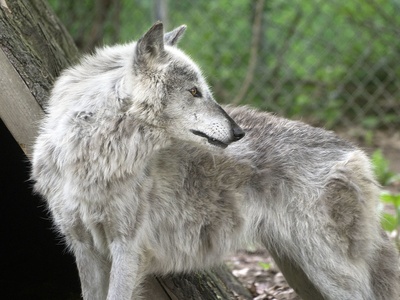
Gray wolf
Pack predator rarely attacks humans but risk rises with rabid or habituated individuals. Avoid leaving food, keep distance, secure livestock. If approached be loud and back away; for bites clean, apply pressure, seek urgent rabies and wound care.
Wild boar
Powerful animals that may gore when cornered, especially sows with piglets; active at dusk/night. Avoid dense brush and surprise encounters. If charged, put obstacle between you and boar. After wounds, control bleeding, clean, get sutures, antibiotics and tetanus check.
Eurasian lynx
Solitary felid; extremely rare to attack humans but can bite if cornered. Encounters unlikely for hikers. Do not feed or approach. For bites/scratches clean thoroughly, apply antiseptic, monitor for infection and seek medical advice regarding tetanus and rabies.
Golden jackal
Opportunistic scavenger that may come near people and can carry rabies; active dawn/dusk. Avoid leaving food and supervise pets. For bites wash with soap, apply pressure if bleeding, seek immediate rabies prophylaxis and wound care.
Red fox
Common omnivore and rabies reservoir that may bite if cornered. Avoid feeding or approaching. For bites clean thoroughly with soap and water, cover wound, seek medical evaluation for infection risk and possible rabies prophylaxis.
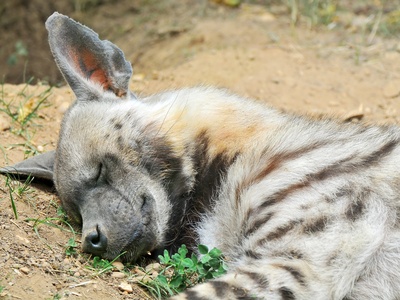
Striped hyena
Rare scavenger; uncommon encounters but can defend itself if trapped or cornered. Do not approach carcasses. If bitten, clean and dress wound, control bleeding, seek medical attention and rabies evaluation due to wild mammal exposure.

Levant viper
Large venomous viper; bite causes severe local pain, swelling and systemic effects. Active spring–summer in warm lowlands. Wear boots and watch crevices. For bite immobilize limb, keep calm and seek rapid transfer to facility with antivenom; do not cut or suck wound.
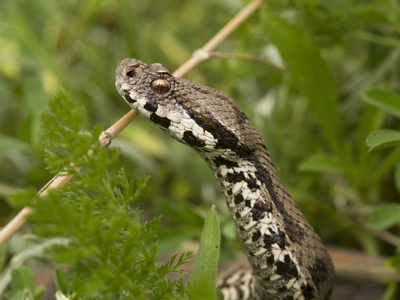
Radde’s viper
Mountain viper with potent venom; bites produce local and systemic symptoms. Encounter risk while hiking in warm months. Wear sturdy boots, check rock ledges. If bitten limit movement, keep limb low, get urgent antivenom and supportive hospital care.
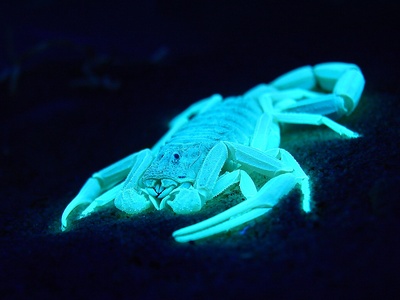
Scorpion (yellow)
Common scorpion that delivers painful stings; systemic reactions possible in children and allergic people. Check shoes and bedding in summer. For stings clean site, immobilize, apply cold compress and monitor breathing; seek emergency care for severe pain or systemic signs.
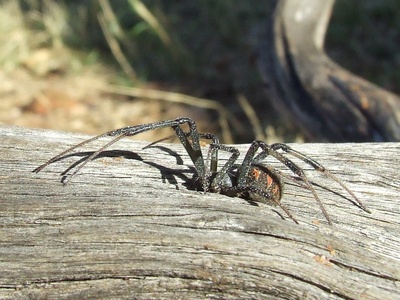
Mediterranean black widow
Venomous spider with neurotoxic bite causing severe pain, muscle cramps and autonomic symptoms. Found under stones and debris in summer. Avoid handling debris and wear gloves. For bite clean, immobilize, seek medical care for analgesia and antivenom if indicated.
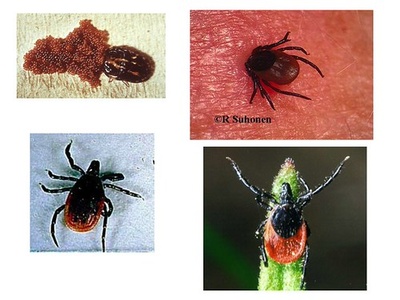
Hard ticks (Hyalomma, Ixodes, Dermacentor)
Ticks transmit CCHF, Lyme and other infections; peak activity spring–autumn. Use repellents, long clothing and body checks. Remove ticks with fine tweezers, clean site and watch for fever or rash; seek immediate medical care for febrile illness.
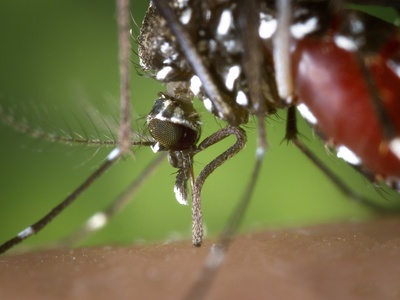
Mosquitoes (West Nile vectors)
Mosquitoes can transmit West Nile virus causing fever or neuroinvasive disease; active summer–autumn. Use repellents, nets and eliminate standing water. If fever or neurological symptoms occur after bites seek medical evaluation; treatment is supportive.
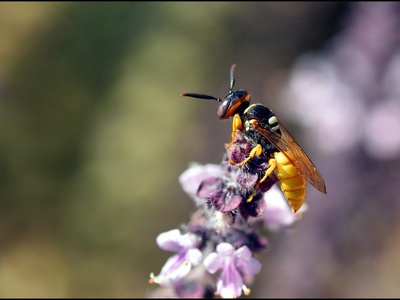
Bees and wasps
Stinging insects common in summer; most stings are local but allergic reactions can be life‑threatening. Avoid nests and don’t swat. For stings remove stinger, cold compress, antihistamine; for anaphylaxis use epinephrine and call emergency services.
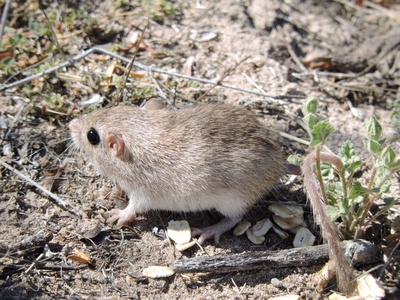
Rats and mice
Rodents carry leptospirosis, salmonella and other pathogens and may bite when cornered. Avoid handling and secure food stores. For bites clean thoroughly, seek medical care for wound infection, tetanus and potential zoonotic disease evaluation.
Bats (various)
Bats can carry rabies; handling grounded or sick bats increases risk. Avoid touching bats and inform local authorities if found. If bitten or touched, wash area thoroughly and seek immediate rabies post‑exposure prophylaxis and medical assessment.