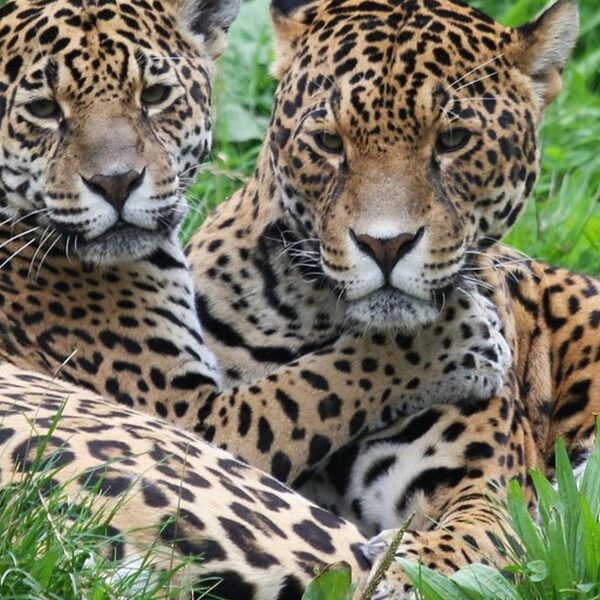
Scotland’s varied landscapes—from windswept coasts and peatlands to ancient woodlands and mountain plateaus—support a rich mix of wildlife. Whether you’re visiting national parks, coastal reserves or quiet glens, knowing what to look for makes spotting animals easier and more rewarding.
There are 41 Scotland’s native animals, ranging from Adder to White-tailed eagle. For each one you’ll find below Scientific name,Size (cm),Conservation status — organized so you can scan habitat, size and how at-risk each species is; you’ll find below.
How is “native” defined for Scotland’s animals?
“Native” generally means species that arrived or persisted in Scotland without recent human introduction; it includes animals that colonized naturally after the last ice age or have long-established populations. Reintroductions and natural recolonisations are noted separately in many lists, so check the conservation notes in the table.
Where am I most likely to see these species in the wild?
Look in the habitats tied to each animal: coastal cliffs and estuaries for seabirds and White-tailed eagle, heath and grassland for adders, woodlands for squirrels and deer, and rivers or lochs for otters. Visit local reserves, go at dawn or dusk, and follow sighting guidance from rangers to improve your chances while keeping wildlife disturbance to a minimum.
Scotland’s Native Animals
| Common name | Scientific name | Size (cm) | Conservation status |
|---|---|---|---|
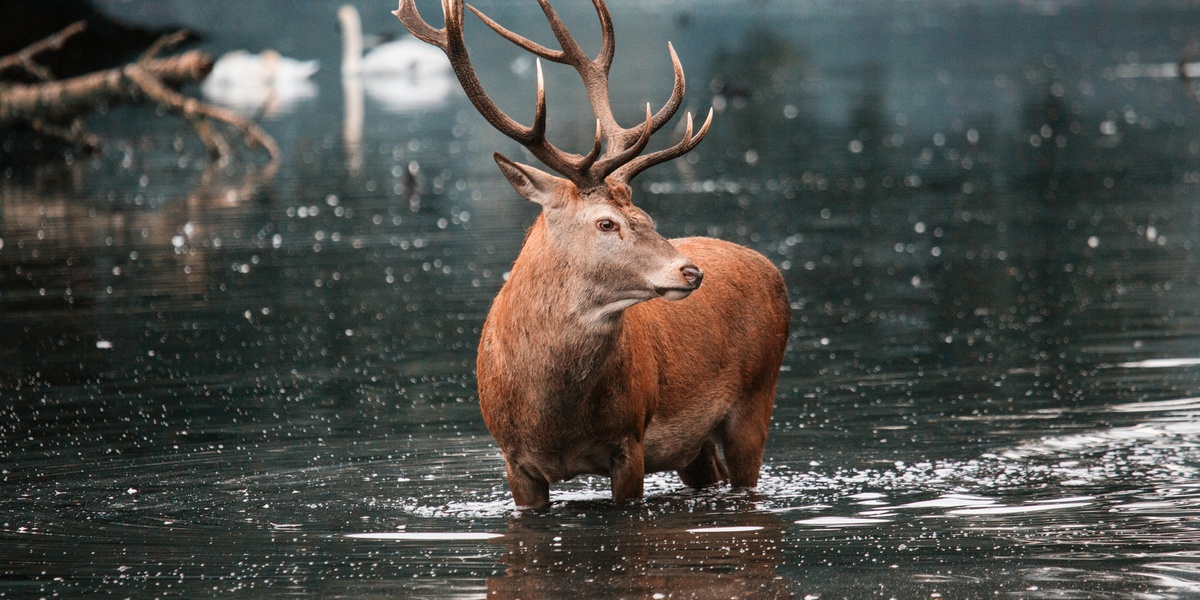
| Red deer | Cervus elaphus | 200 | Least Concern (IUCN) |
| Roe deer | Capreolus capreolus | 100 | Least Concern (IUCN) |
| Eurasian otter | Lutra lutra | 80 | Near Threatened (IUCN); recovering in Scotland |
| Red fox | Vulpes vulpes | 75 | Least Concern (IUCN) |
| Pine marten | Martes martes | 50 | Least Concern (IUCN); recovering locally |
| Scottish wildcat | Felis silvestris | 60 | Critically Endangered (UK) |
| European badger | Meles meles | 80 | Least Concern (IUCN) |
| European hedgehog | Erinaceus europaeus | 25 | Vulnerable (IUCN); declining in UK |
| Eurasian beaver | Castor fiber | 90 | Least Concern (IUCN); reintroduced |
| Mountain hare | Lepus timidus | 50 | Least Concern (IUCN); locally declining |
| Grey seal | Halichoerus grypus | 200 | Least Concern (IUCN); strong Scottish populations |
| Harbour seal | Phoca vitulina | 140 | Least Concern (IUCN) |
| Bottlenose dolphin | Tursiops truncatus | 260 | Least Concern (IUCN); protected populations |
| Harbour porpoise | Phocoena phocoena | 160 | Least Concern (IUCN) |
| Minke whale | Balaenoptera acutorostrata | 800 | Least Concern (IUCN) |
| Atlantic puffin | Fratercula arctica | 28 | Vulnerable (IUCN) |
| Northern gannet | Morus bassanus | 90 | Least Concern (IUCN) |
| Common guillemot | Uria aalge | 35 | Least Concern (IUCN) |
| Razorbill | Alca torda | 38 | Near Threatened (IUCN) |
| Eurasian oystercatcher | Haematopus ostralegus | 42 | Near Threatened (IUCN) |
| Eurasian curlew | Numenius arquata | 60 | Near Threatened (IUCN); UK conservation concern |
| Golden eagle | Aquila chrysaetos | 90 | Least Concern (IUCN) |
| White-tailed eagle | Haliaeetus albicilla | 90 | Least Concern (IUCN); recovered via reintroduction |
| Osprey | Pandion haliaetus | 60 | Least Concern (IUCN) |
| Hen harrier | Circus cyaneus | 40 | Near Threatened (IUCN); UK concern |
| Peregrine falcon | Falco peregrinus | 40 | Least Concern (IUCN) |
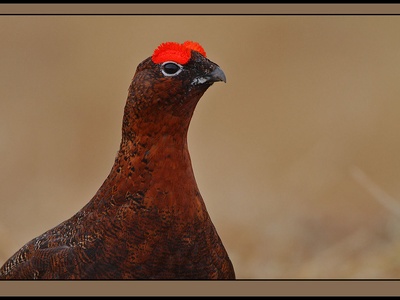
| Red grouse | Lagopus lagopus | 35 | Least Concern (UK) |
| Capercaillie | Tetrao urogallus | 90 | Endangered (UK) |
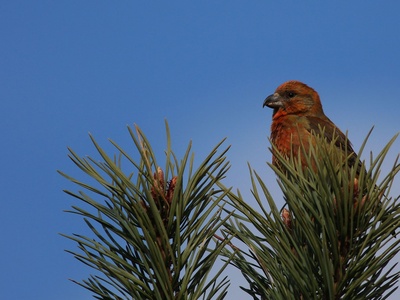
| Scottish crossbill | Loxia scotica | 16 | Least Concern (IUCN); Scottish endemic |
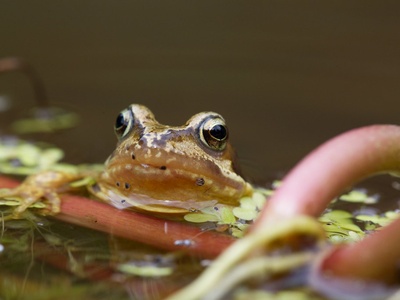
| Common frog | Rana temporaria | 6 | Least Concern (IUCN) |
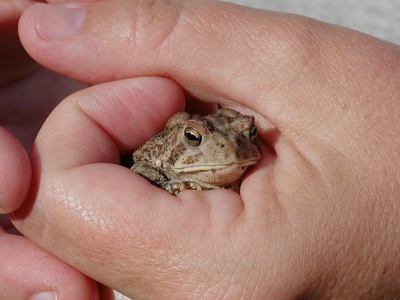
| Common toad | Bufo bufo | 7 | Least Concern (IUCN) |
| Smooth newt | Lissotriton vulgaris | 8 | Least Concern (IUCN) |
| Palmate newt | Lissotriton helveticus | 7 | Least Concern (IUCN) |
| Adder | Vipera berus | 60 | Least Concern (IUCN); protected locally |
| Common lizard | Zootoca vivipara | 15 | Least Concern (IUCN) |
| Atlantic salmon | Salmo salar | 75 | Least Concern (IUCN); declining locally |
| Brown trout | Salmo trutta | 50 | Least Concern (IUCN) |
| Atlantic cod | Gadus morhua | 80 | Vulnerable (IUCN); commercially depleted |
| European eel | Anguilla anguilla | 80 | Critically Endangered (IUCN) |
| Emperor moth | Saturnia pavonia | 4 | Least Concern (UK) |
| Large heath | Coenonympha tullia | 3 | Near Threatened (UK) |
Images and Descriptions
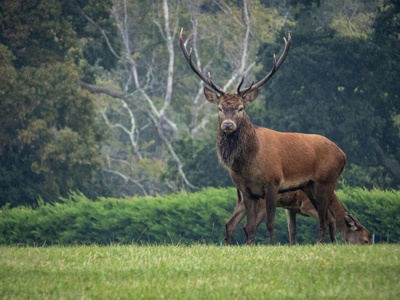
Red deer
Scotland’s largest land mammal, common across Highlands and islands. Males develop impressive antlers; seen in glens and moorland. Populations are widespread though managed for stalking and habitat impacts.
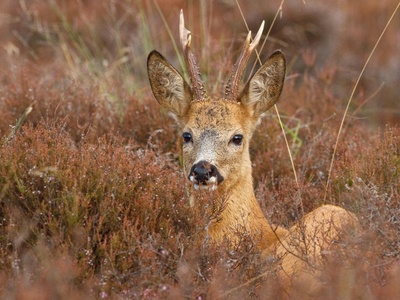
Roe deer
A smaller, adaptable deer found in woodland edges and lowland Scotland. Shy and crepuscular, roe are often spotted at dawn and dusk. Populations stable but local changes affect numbers.
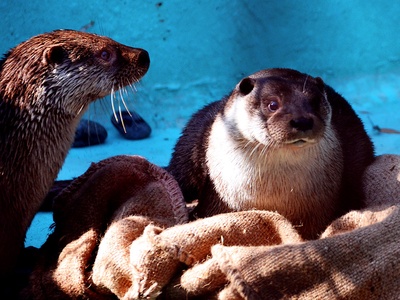
Eurasian otter
Semi-aquatic predator of rivers and coasts. Look for spraints on rocks and riverbanks. Populations have recovered from past declines thanks to cleaner waters and legal protection.
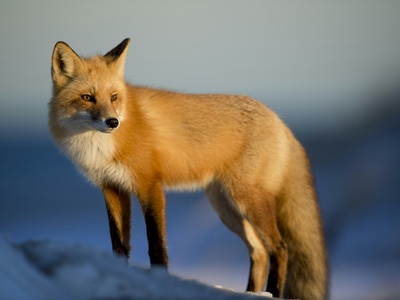
Red fox
Widespread across Scotland from towns to moorland. Opportunistic omnivore seen at night or dawn, sometimes venturing into gardens. Common and adaptable, with stable populations.
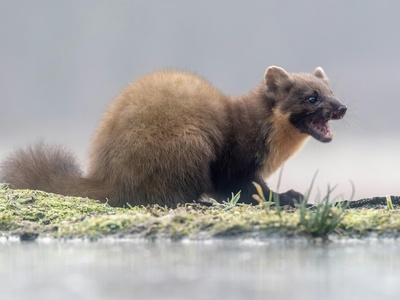
Pine marten
Elusive forest carnivore that favours woodlands of the Highlands and west. Arboreal and nocturnal, pine martens are increasingly detected as numbers recover from historical persecution.
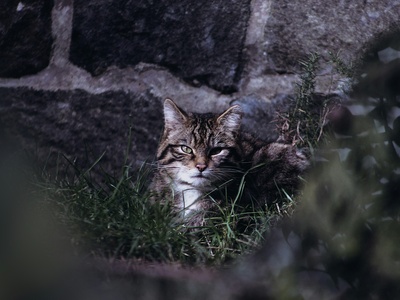
Scottish wildcat
Rare, elusive Highland predator; the UK’s most threatened mammal. Wildcats need remote wooded and moorland habitat and face hybridization with feral/escaped domestic cats.
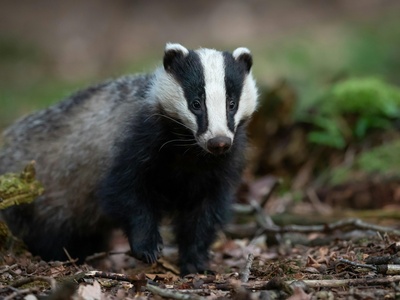
European badger
Nocturnal sett-dweller frequenting woodlands and farmland. Badgers form social groups and are widespread in lowland and southern Scotland, though absent in some highland areas.
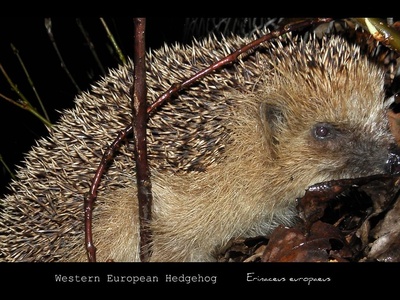
European hedgehog
Familiar garden visitor in lowland Scotland, hedgehogs forage for invertebrates at night. Populations have fallen due to habitat loss and road mortality.
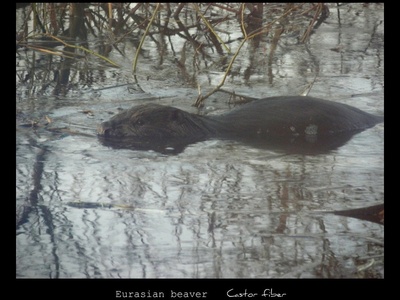
Eurasian beaver
Once native and now reintroduced, beavers are building dams in freshwater habitats across parts of Scotland. They create wetland habitat and are legally protected in reintroduction zones.
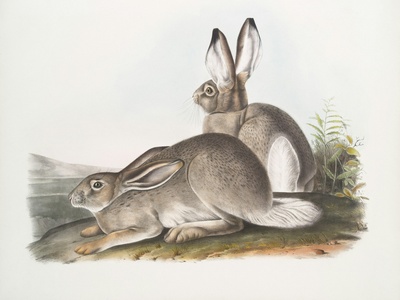
Mountain hare
Adapted to upland and moorland, mountain hares turn white in winter in some areas. Common in the Highlands and islands but sensitive to land-use changes and climate.
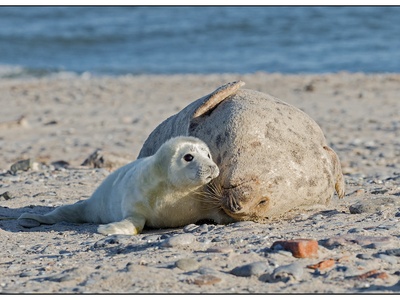
Grey seal
Large coastal seal that breeds on rocky islands and shores around Scotland. Colonies visible from cliffs and boats; a common sight in many coastal regions.
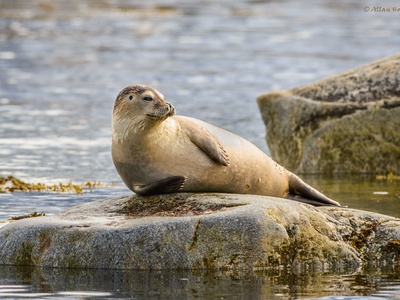
Harbour seal
Smaller coastal seal found on sheltered bays and estuaries. Regularly hauled out on sandbanks and rocks around Scotland’s coastlines; often seen from shore.
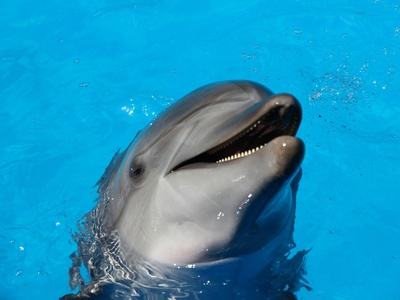
Bottlenose dolphin
Resident populations (notably Moray Firth) and coastal sightings are common. Acrobatic, social dolphins seen from boats and shores in northeast and west coasts.
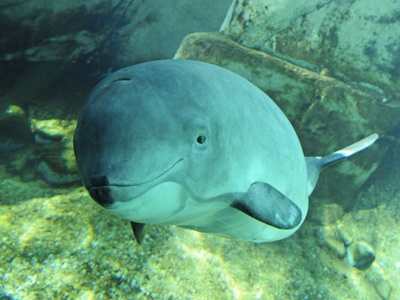
Harbour porpoise
Small, shy cetacean found in Scottish coastal waters. Frequently seen from boats and headlands; often solitary or in small groups and sensitive to underwater noise.
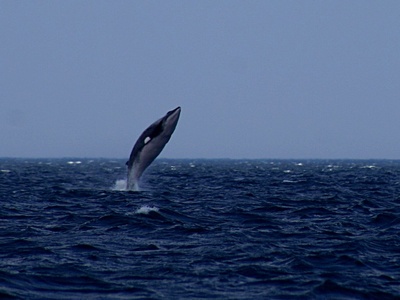
Minke whale
Small baleen whale regularly sighted off Scottish coasts in summer. Often encountered on wildlife boat trips; feeds on fish and small schooling prey.
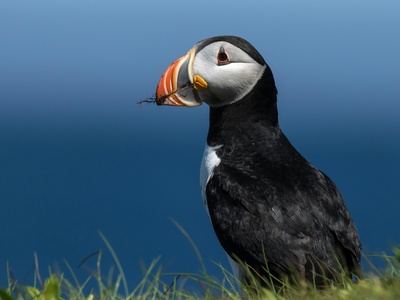
Atlantic puffin
Iconic seabird breeding on offshore islands and sea cliffs, like the Treshnish Isles and Shetland. Distinctive beak in summer; colonies are popular tourist attractions but face food-pressure declines.
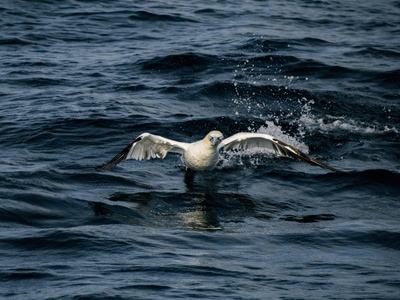
Northern gannet
Large white seabird with spectacular plunge-dives at colonies such as Bass Rock. Breeds on sea stacks and islands around Scotland and is easily seen offshore.
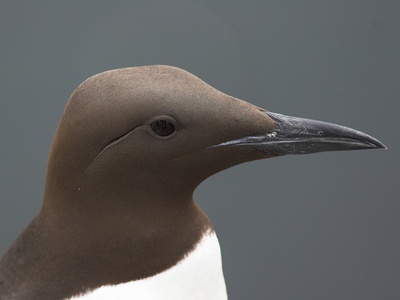
Common guillemot
Cliff-nesting seabird forming dense breeding colonies on islands and headlands. Often seen in large rafts offshore; vocal and territorial during breeding season.
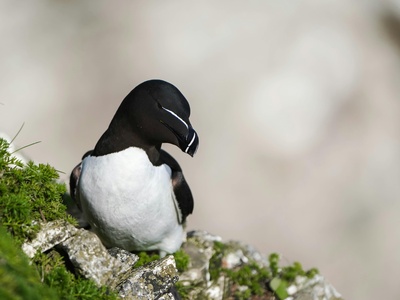
Razorbill
Black-and-white auk that breeds on rocky islands and cliffs. Often seen alongside guillemots and puffins; populations sensitive to food supply and oil pollution.
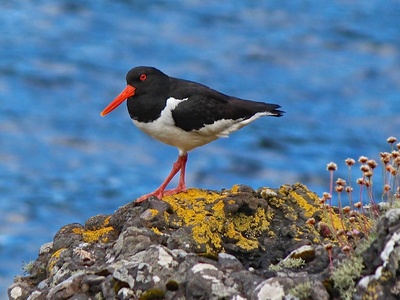
Eurasian oystercatcher
Black-and-white wader with bright orange bill, common on Scottish coasts, estuaries and some inland lochs. Vocal and conspicuous while feeding on shellfish.
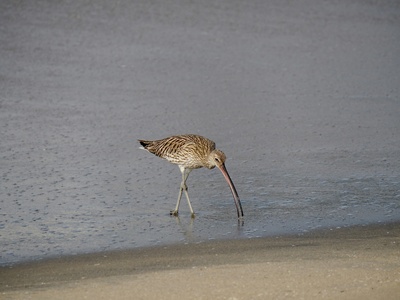
Eurasian curlew
Long-billed wader of moorland, wetlands and coasts. Scotland holds important breeding populations but numbers have fallen across the UK.
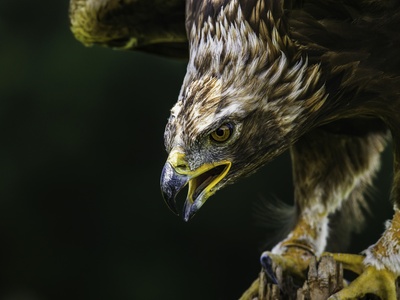
Golden eagle
Apex predator of the Highlands, seen over remote glens and mountains. Iconic and rare to spot; careful viewing needed to avoid disturbance at nest sites.
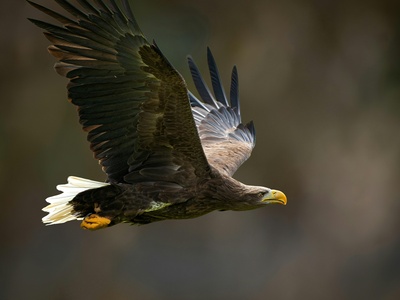
White-tailed eagle
Europe’s largest raptor now breeding on Scottish coasts and islands after successful reintroductions. Seen near estuaries and lochs, preying on fish and birds.
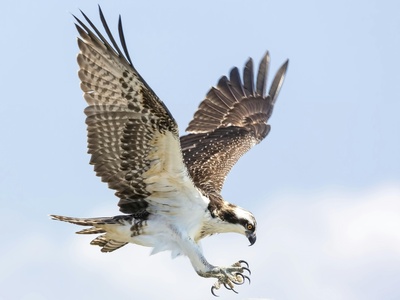
Osprey
Fish-eating raptor that nests by lochs and rivers; best known at spots like Loch of the Lowes. Migratory but breeds reliably in Scotland each summer.
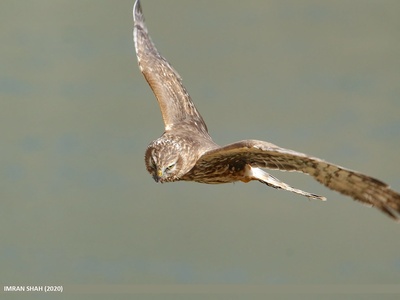
Hen harrier
Open-country raptor breeding on moorland and uplands. Populations are under pressure in some areas due to habitat and human factors.
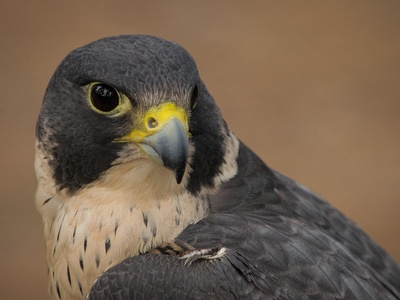
Peregrine falcon
Fast, cliff-nesting falcon found on sea cliffs and crags across Scotland. Hunts birds on the wing and is a thrilling sight at coastal colonies.
Red grouse
Endemic subspecies of heathland grouse found on heather moors. A game species closely linked to managed upland habitats; wary and well camouflaged.

Capercaillie
Large forest grouse of pinewoods, now rarer and confined to remnant native woodlands in Scotland. Males display noisily in spring; vulnerable to disturbance and habitat loss.
Scottish crossbill
A finch endemic to Caledonian pinewoods, specialist feeder on conifer seeds. Best seen in mature pine forests in the Highlands.
Common frog
Widespread amphibian breeding in ponds and slow streams across Scotland. Common in gardens and countryside, emerging in spring to spawn.
Common toad
Nocturnal amphibian often found in gardens, woodlands and ponds. Males migrate to breeding ponds in spring; populations vary regionally.
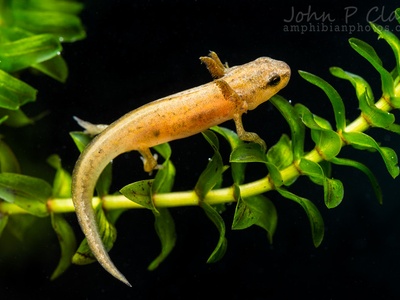
Smooth newt
Small newt breeding in garden ponds and wetlands, common in lowland Scotland. Secretive on land, more visible during the aquatic breeding season.
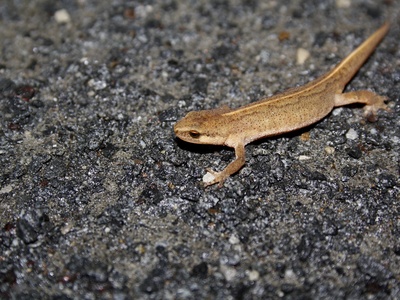
Palmate newt
A western newt found in western Scotland and islands; prefers still waters and peaty pools. Smaller than smooth newt, often under-recorded.
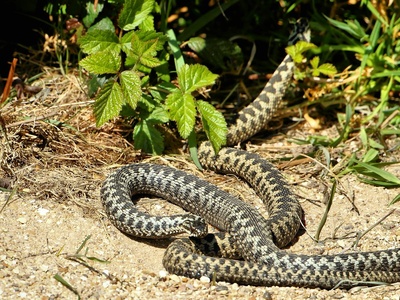
Adder
Britain’s only venomous snake, occupying heath and moorland in low densities. Shy and rarely aggressive; basking individuals can be seen on sunny slopes.
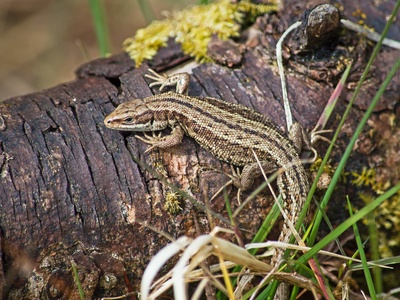
Common lizard
Small reptile found in heathland, dunes and moorland. Viviparous (gives birth to live young) and commonly seen basking on warm stones in Scotland.
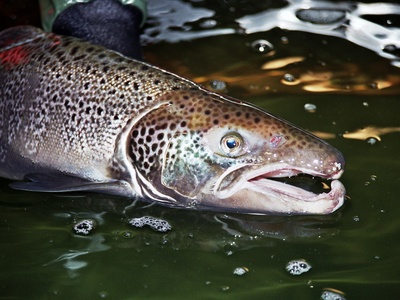
Atlantic salmon
Iconic migratory fish that returns to Scottish rivers to spawn. Angling and conservation focus on river habitats; populations face freshwater and marine pressures.
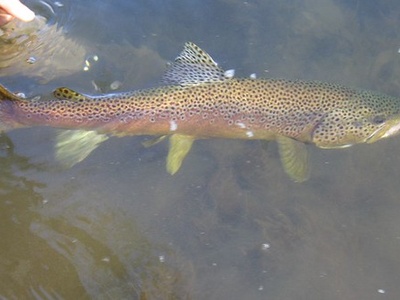
Brown trout
Native freshwater fish in rivers and lochs across Scotland. Resident and migratory forms exist; popular with anglers and an important ecological species.
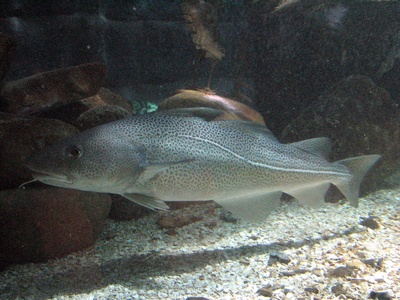
Atlantic cod
Historically abundant around Scottish coasts, cod stocks have declined due to overfishing. Still present and a key species in marine ecosystems.
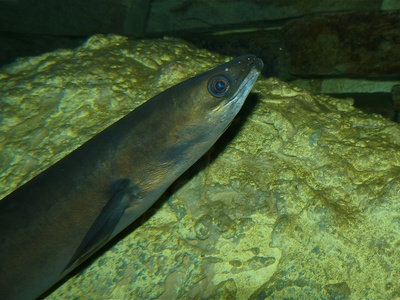
European eel
Once common in Scottish rivers and lochs, eels are now critically endangered. Complex life cycle and multiple threats have driven steep declines.
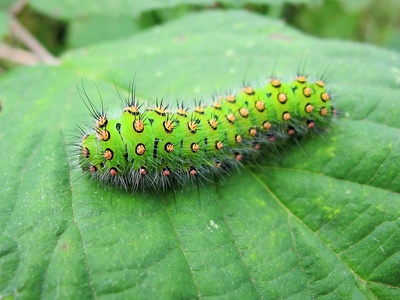
Emperor moth
A large, colourful night-flying moth of heathland and moorland that occurs in parts of Scotland. Males fly by day and night in search of females during summer.
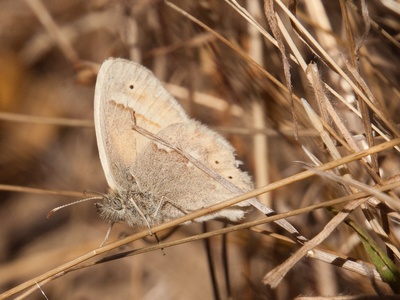
Large heath
Specialist butterfly of bogs and wet moorland, surviving in fragmented peatland sites. A good indicator of healthy peat bog habitat and often locally scarce.