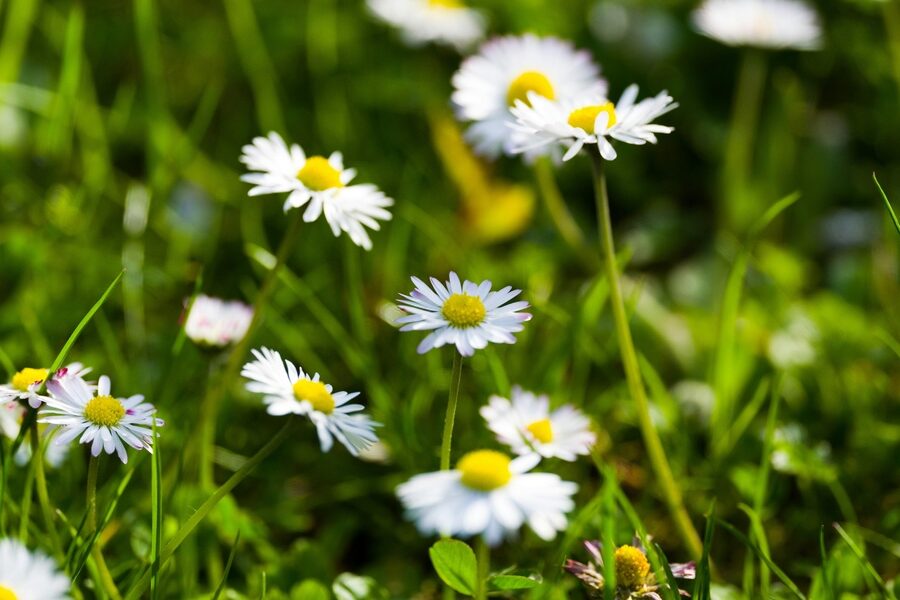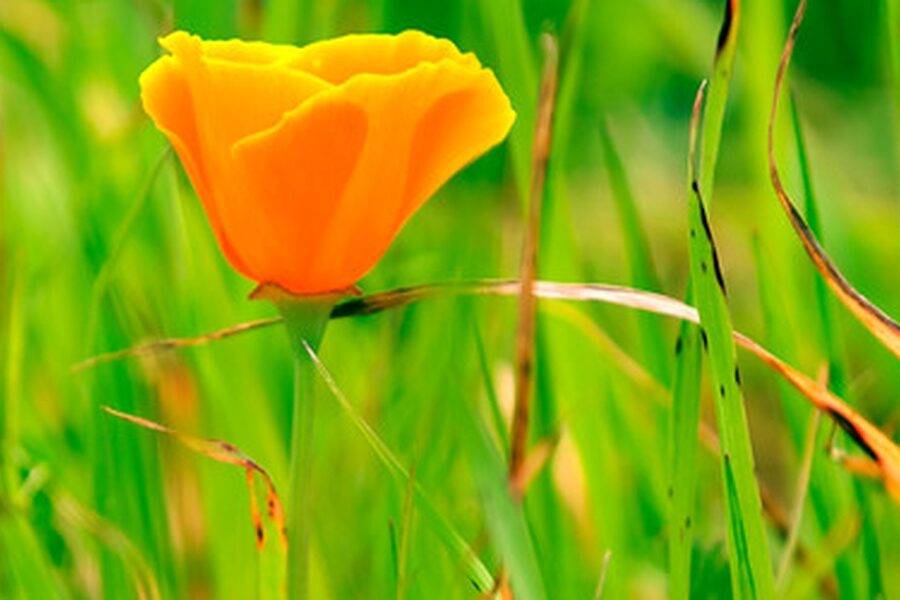
Native plants represent the species that evolved naturally within a particular region and climate. They range from towering canopy trees and dense shrubs to grasses, perennial wildflowers, ferns and aquatic species, each shaped by local soils, rainfall patterns and seasonal cycles. Those adaptations make native plants key players in supporting pollinators, stabilizing soils and sustaining food webs. In gardening, habitat restoration and conservation they are valued for resilience and ecological benefits, often requiring less irrigation and offering stronger support for local wildlife than many non-native ornamentals.
Context
The concept of native plants is grounded in biogeography and evolutionary history: species considered native arrived in or evolved within a region without direct human introduction. Botanical surveys estimate roughly 390,000 known vascular plant species globally, and many of these are endemic to specific countries or regions. Historically, indigenous peoples worldwide used native species for food, medicine, construction and cultural practices, forming deep ecological knowledge systems. Today, native plants are central to ecological restoration, pollinator conservation and climate-adaptive landscaping because they are preadapted to local conditions. Conservation assessments such as the IUCN Red List document thousands of plant species at risk, often due to habitat loss, invasive species or land-use change. Scientific research continues to clarify how native vegetation supports biodiversity, soil health and ecosystem resilience across landscapes.
Scope and coverage
This collection encompasses native plant species across regions and climate zones, focusing on broad categories rather than exhaustive checklists. It includes trees, shrubs, grasses, sedges, perennial wildflowers, ferns, mosses and aquatic plants from habitats such as temperate forests, grasslands, wetlands, deserts and alpine zones. Coverage highlights ecological roles, common adaptations, cultural uses and conservation status, and it presents examples relevant to habitat restoration, native gardening and biodiversity study. The emphasis is on illustrating regional variation, practical applications and the relationships between species and their ecosystems without implying complete inventories for every country.
Little-known facts about native plants:
- Botanical surveys document about 390,000 known vascular plant species worldwide, many with restricted native ranges.
- Certain butterflies, such as monarchs, depend on specific native host plants—monarch caterpillars feed primarily on milkweed species native to North America.
- Research shows native plants typically support a higher diversity of local insects than many exotic ornamental species.
- Using native species in restoration can help re-establish local soil microbial communities and plant–pollinator networks more effectively.
- IUCN assessments list thousands of threatened plant species, with habitat loss and invasive species among the leading causes.
- Native landscaping often reduces irrigation and chemical inputs compared with conventional turf-and-exotic-plant approaches, improving water efficiency and habitat value.