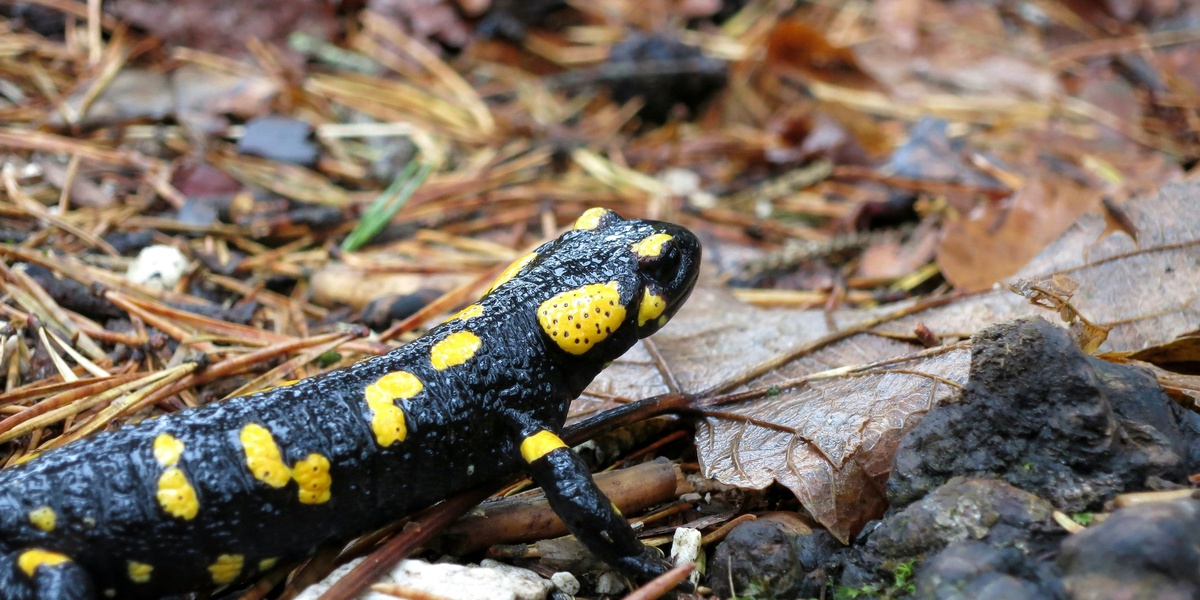
Andorra’s high Pyrenean landscape packs a surprising variety of freshwater habitats into a tiny country: shaded streams, high-elevation ponds, marshy valley floors and forested slopes all provide homes for cold-tolerant amphibians. For naturalists and hikers alike, the mix of altitude and microhabitats makes discovering local species both easy and rewarding if you know where to look.
There are 9 Amphibians of Andorra, ranging from Alpine newt to Pyrenean frog. For each species the list below is organized with Scientific name,Where found (elevation m; localities),IUCN & local status — you’ll find these details below.
Where in Andorra are these amphibians most likely to be seen?
Most species occur in and around freshwater: ponds, slow streams, marshes and damp forest edges, with some restricted to higher mountain tarns or valley wetlands; check the “Where found (elevation m; localities)” column in the list for precise elevations and local names to plan visits.
How can I observe them without causing harm?
Visit during their active/breeding seasons (usually spring–early summer), keep to paths, avoid entering breeding water, observe quietly from a distance, never handle amphibians, and clean footwear/equipment between sites to reduce disease spread.
Amphibians of Andorra
| Common name | Scientific name | Where found (elevation m; localities) | IUCN & local status |
|---|---|---|---|
| Common frog | Rana temporaria | 700–2,400 m; mountain streams, ponds; Sorteny, Coma Pedrosa | LC; No national red list; present |
| Pyrenean frog | Rana pyrenaica | 900–2,200 m; cold, fast-flowing mountain streams; Sorteny area, Coma Pedrosa | EN; No national red list; highly localized |
| Midwife toad | Alytes obstetricans | 400–1,800 m; woodland ponds, slow streams; Ordino, La Massana | LC; No national red list; present |
| Common toad | Bufo spinosus | 600–2,000 m; forest pools, gardens; Sant Julià, Encamp | LC; No national red list; present |
| Iberian waterfrog | Pelophylax perezi | 600–1,800 m; rivers, ponds, irrigation ditches; Valira valleys, La Massana | LC; No national red list; present |
| Alpine newt | Ichthyosaura alpestris | 700–2,200 m; mountain ponds, lakes; Tristaina, Sorteny | LC; No national red list; present |
| Palmate newt | Lissotriton helveticus | 600–1,600 m; slow streams, ponds; Ordino, Encamp | LC; No national red list; present |
| Marbled newt | Triturus marmoratus | 500–1,500 m; vegetated ponds and sluggish streams; southern valleys, Sant Julià | LC; No national red list; present |
| Fire salamander | Salamandra salamandra | 600–2,000 m; moist forests, springs; Madriu valley, Ordino | LC; No national red list; present |
Images and Descriptions
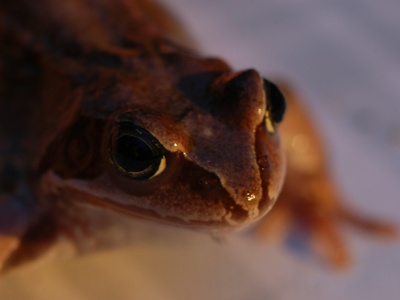
Common frog
Widespread mountain frog with variable brown or green coloration. Breeds early in ponds and slow streams; tadpoles develop in cool water. Tolerant of cold alpine conditions and common in mid- to high-elevation wetlands across Andorra.
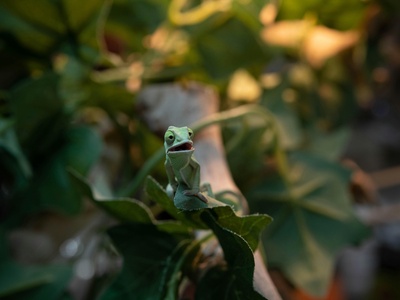
Pyrenean frog
A small, range-restricted frog endemic to the Pyrenees. Found in cold, fast-flowing mountain streams where it hides among rocks. Populations are highly localized and vulnerable to habitat change and disease.
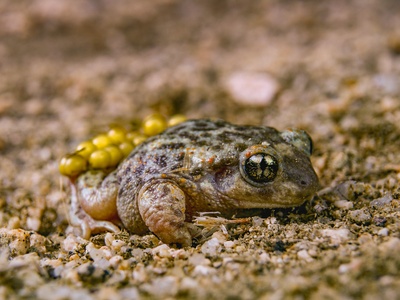
Midwife toad
Distinctive small toad whose male carries egg strings on his back. Prefers woodland ponds and slow-flowing streams; can be common in suitable sites but has suffered declines from habitat loss and chytrid fungus in parts of its range.
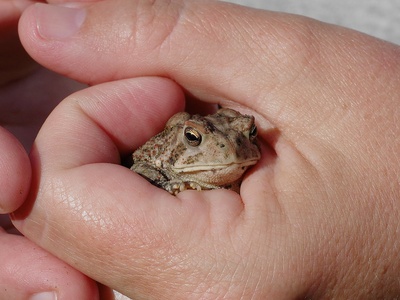
Common toad
Stout, nocturnal toad active in forests and gardens. Migrates to ponds to breed in spring; secretes toxic skin alkaloids to deter predators. Widespread in valleys and upland forests across Andorra.
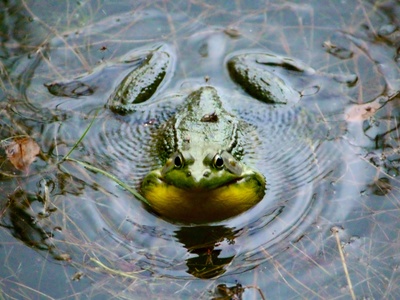
Iberian waterfrog
Smooth, green or brown water frog often found in rivers, ponds and irrigation ditches. Strong swimmer and jumper; common in lower valleys and agricultural wetlands, where it breeds through the warmer months.
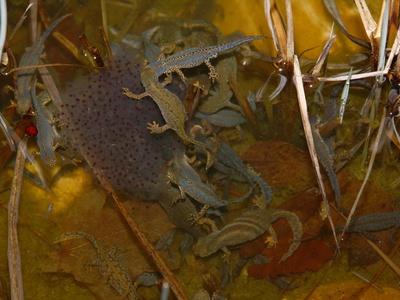
Alpine newt
Colorful small newt with bright orange belly and blue-flanked males in breeding season. Uses mountain ponds and lakes for breeding, spending rest of year in surrounding damp meadows and woodlands.
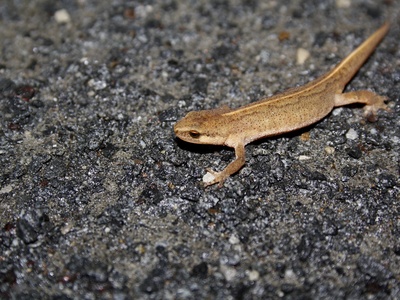
Palmate newt
Small, slender newt with a filamentous tail in males and a dark dorsal stripe. Common in forest ponds and slow streams; adaptable, often found in small water bodies in mid-elevation valleys.
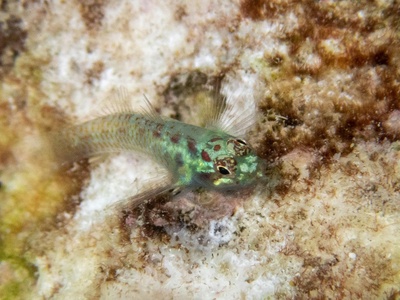
Marbled newt
Large, boldly patterned newt with marbled green-and-black skin. Prefers vegetated ponds and sluggish streams in warmer valleys; breeds in spring and autumn, often co-occurring with other newt species. It is largely aquatic during breeding.
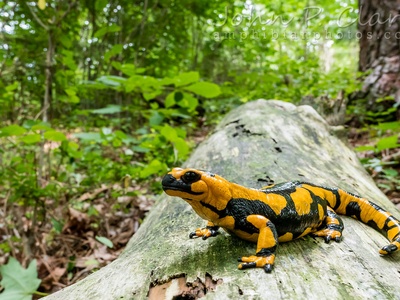
Fire salamander
Striking black-and-yellow salamander of moist, shady forests. Mostly terrestrial, found near springs and streams; females give birth to aquatic larvae or fully formed juveniles depending on subspecies. Sensitive to forest degradation and disease.