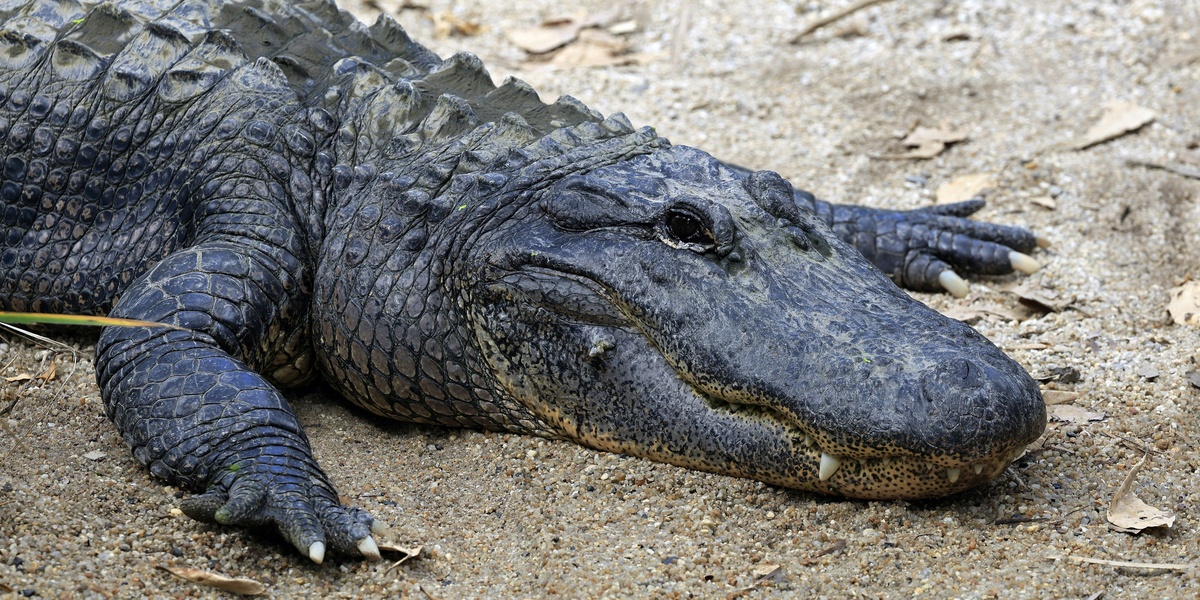
The Dominican Republic’s warm climate and varied ecosystems support a wide range of wildlife, from coastal reefs to inland forests. Visitors and residents alike benefit from knowing which animals pose real risks so outings stay safe and enjoyable.
There are 19 Dangerous Animals in the Dominican Republic, ranging from the Aedes aegypti mosquito to the Tiger shark. Each entry below is organized for quick reference with Scientific name,Danger level,Habitat / Where found so you can assess risks by species and location—you’ll find below.
How can I reduce the chance of encounters or bites from these animals?
Reduce risk by matching behavior to habitat: use insect repellent and eliminate standing water to limit Aedes aegypti, avoid swimming at dawn/dusk or near murky estuaries to lower shark and ray encounters, wear closed shoes in forested areas, and follow local warnings and signage; basic precautions cut most risks substantially.
Are any of these dangerous animals likely to be encountered in popular tourist spots?
Yes—some, like certain mosquitoes and reef-associated creatures, overlap with tourist areas. Resorts and tour operators usually mitigate common hazards, but staying informed about local advisories, using protective measures, and asking guides about seasonal hotspots helps you enjoy attractions while minimizing exposure.
Dangerous Animals in the Dominican Republic
| Name | Scientific name | Danger level | Habitat / Where found |
|---|---|---|---|
| American crocodile | Crocodylus acutus | High — large ambush predator | Coastal lagoons, rivers, Lake Enriquillo |
| Bull shark | Carcharhinus leucas | High — aggressive, enters shallow waters | Coastal waters, river mouths, some river systems |
| Tiger shark | Galeocerdo cuvier | High — large predator, strong bite force | Open shorelines, reefs, offshore waters |
| Caribbean reef shark | Carcharhinus perezi | Moderate — potential bite risk if provoked | Reefs, drop-offs, nearshore waters |
| Southern stingray | Hypanus americanus | Moderate — painful venomous spine | Sandy flats, seagrass beds, shallow bays |
| Moray eel | Gymnothorax funebris | Moderate — powerful bite, infection risk | Reef crevices, wrecks, rocky holes |
| Lionfish | Pterois volitans | Moderate — venomous spines, painful sting | Reefs, wrecks, shallow coral areas (invasive) |
| Portuguese man o’ war | Physalia physalis | Moderate — potent nematocyst venom | Open ocean, can wash up on beaches |
| Barracuda | Sphyraena barracuda | Moderate — may bite when attracted | Reefs, drop-offs, clear coastal water |
| Long-spined sea urchin | Diadema antillarum | Low — puncture and infection risk | Rocky reefs, tide pools, shallow coral zones |
| Giant centipede | Scolopendra gigantea | Moderate — very painful envenoming bite | Forests, leaf litter, around houses at night |
| Aedes aegypti mosquito | Aedes aegypti | High — daytime vector of multiple viruses | Urban areas, containers, standing water |
| Anopheles albimanus | Anopheles albimanus | Moderate — malaria vector in limited zones | Marshes, coastal wetlands, rural areas (night-active) |
| Rattus rattus | Rattus rattus | Moderate — rodent-borne disease risk | Urban homes, markets, farms, stored food areas |
| Stray dogs | Canis lupus familiaris | Moderate — bite and rabies risk | Urban streets, rural villages, beaches |
| Fire ants | Solenopsis geminata | Moderate — aggressive swarming stings | Disturbed soil, lawns, parks, some beaches |
| Kissing bug | Triatoma dimidiata | Moderate — Chagas disease transmission risk | Rural houses, thatch roofs, cracks in walls |
| Amblyomma tick | Amblyomma variegatum | Moderate — transmits rickettsial infections | Grassy, wooded areas, cattle pastures |
| Hispaniolan boa | Chilabothrus striatus | Low — nonvenomous constrictor (rare risk) | Forests, gardens, cane fields, near homes |
Images and Descriptions
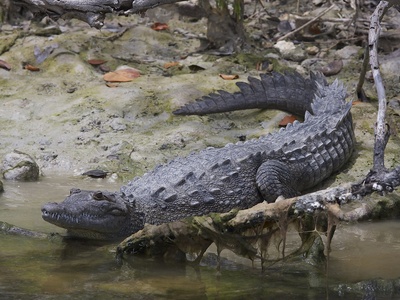
American crocodile
Found in brackish and freshwater, they ambush near shore. Bites cause massive trauma and heavy bleeding. Avoid swimming at dawn/dusk, keep distance from nesting sites. If attacked, call emergency services; massive bleeding and infection are main concerns.
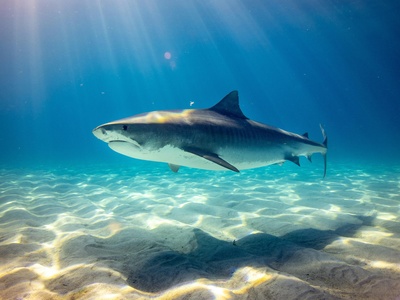
Bull shark
Bull sharks tolerate brackish water and come very close to shore. Attacks are sudden and can be life-threatening. Avoid murky water and night swimming, keep distance from fishing activity. If bitten, control bleeding, immobilize, and get urgent surgical care.
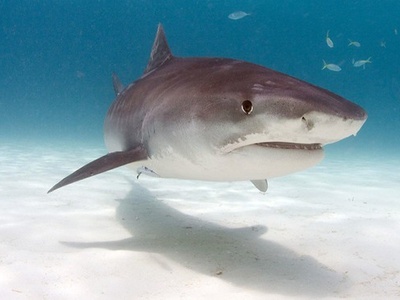
Tiger shark
Tiger sharks deliver deep lacerations and severe trauma when they bite. Heavier risk near reef dropoffs and at night. Follow local beach warnings, avoid night swimming and fishing near swimmers. Control bleeding and seek emergency surgery if attacked.
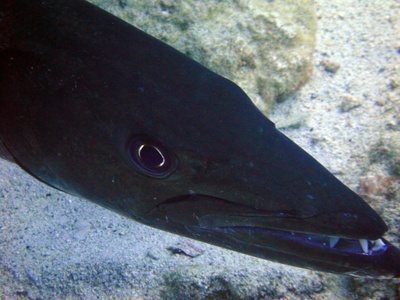
Caribbean reef shark
Usually wary but can bite if provoked or fed. Injuries cause punctures and lacerations. Avoid diving where sharks are being fed, keep safe distance, and get prompt wound cleaning and medical evaluation after any contact.
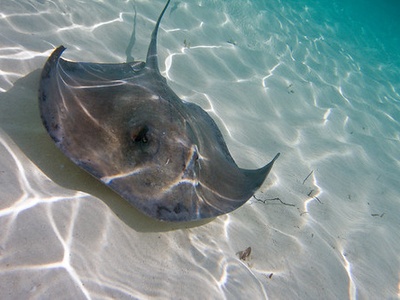
Southern stingray
Often stepped on in shallow water; the barbed tail delivers venom causing intense pain, swelling, and sometimes systemic signs. Shuffle feet when entering shallow water, treat stings with hot-water immersion, clean wound, and seek care for severe or infected injuries.
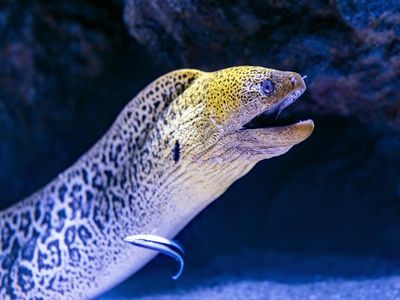
Moray eel
Morays bite when provoked or fed, producing deep tearing wounds prone to infection. Never probe crevices with hands, avoid feeding, irrigate and clean bites thoroughly, and seek medical attention and antibiotics for deep lacerations.
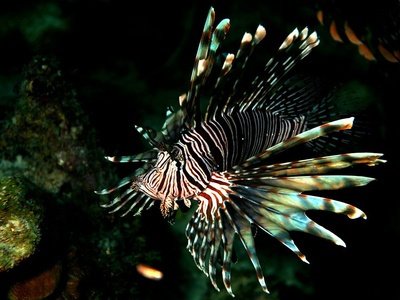
Lionfish
Invasive and common on reefs; dorsal spines inject venom causing intense pain, swelling, and possible systemic symptoms. Do not handle without puncture-proof protection. Treat stings with hot-water immersion and seek medical care for worsening signs.
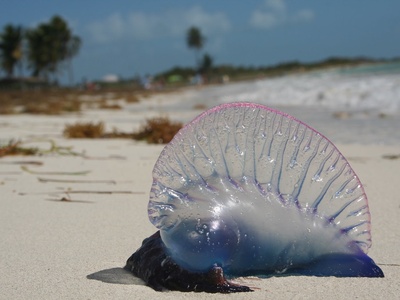
Portuguese man o’ war
Tentacle contact causes very painful stings and sometimes systemic allergic reactions. Avoid touching specimens on water or sand. Rinse with seawater (not freshwater), remove tentacles with a stick, immerse in hot water, and seek urgent care for severe reactions.
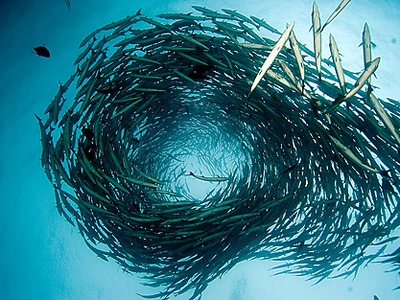
Barracuda
Attracted to shiny objects, barracudas can deliver deep lacerations and tooth injuries. Avoid wearing jewelry while swimming or spearfishing, do not chase fish near them, and seek immediate medical care, wound cleaning, and tetanus update after a bite.
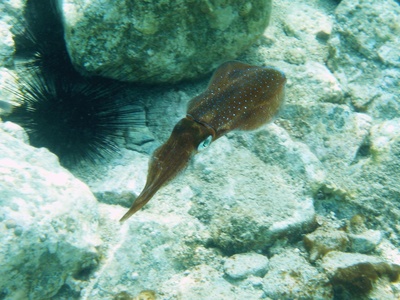
Long-spined sea urchin
Stepping on spines causes sharp punctures, pain, and possible infection. Remove visible spines carefully, soak the wound in hot water to reduce pain, watch for infection, and see a clinician for deeply embedded spines or persistent symptoms.
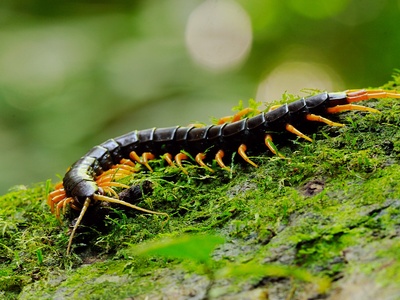
Giant centipede
Large centipedes deliver extremely painful bites causing swelling, nausea, and occasionally systemic effects. Avoid handling, shake out shoes and bedding, clean the wound, apply cold, and seek medical care for severe pain or allergic reactions.
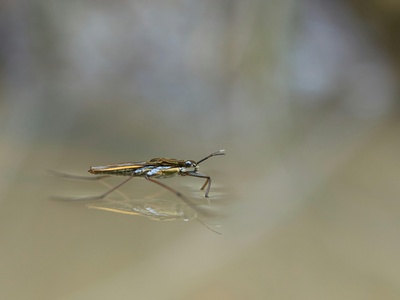
Aedes aegypti mosquito
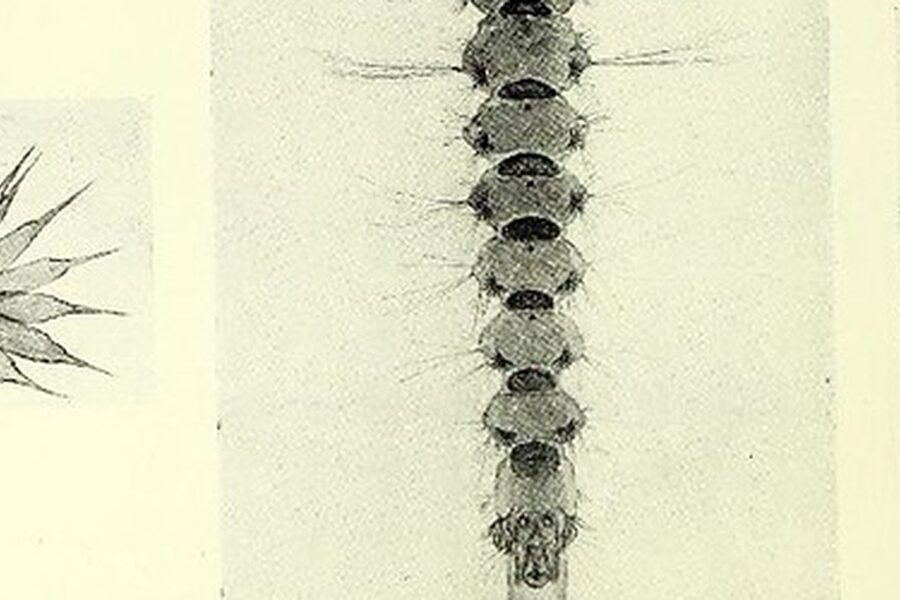
Day-biting mosquito transmits dengue, Zika, and chikungunya. Use DEET/icaridin repellent, wear long sleeves, and remove standing water. If you develop fever, rash, or severe joint pain, seek prompt medical evaluation and testing.
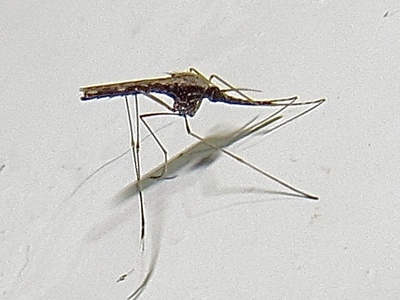
Anopheles albimanus
Night-biting mosquito that can transmit malaria in restricted areas. Use bed nets, repellents, and seek pre-travel advice about antimalarials. If fever develops after exposure, get immediate testing and treatment.
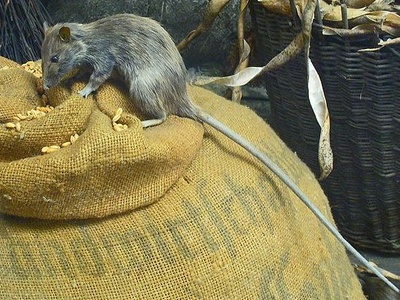
Rattus rattus
Black rats spread leptospirosis, salmonella, and other pathogens via urine and droppings. Avoid contact with rodents, store food securely, disinfect contaminated areas, and see a doctor if fever or respiratory symptoms follow suspected exposure.
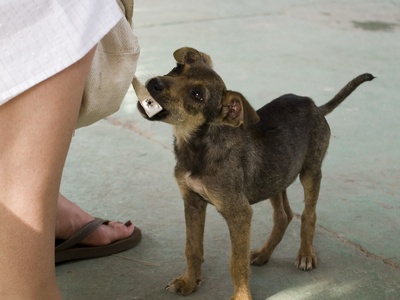
Stray dogs
Stray or unvaccinated dogs can bite and transmit rabies and bacterial infections. Do not approach or feed strays, vaccinate pets, and if bitten wash the wound thoroughly and seek rabies post-exposure prophylaxis and wound care immediately.
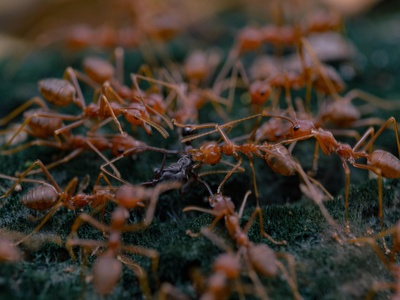
Fire ants
Fire ants swarm and deliver burning stings that can blister or trigger anaphylaxis in sensitive people. Avoid stepping on nests, check shoes and clothing, wash stings, and seek emergency care for breathing problems or widespread stings.
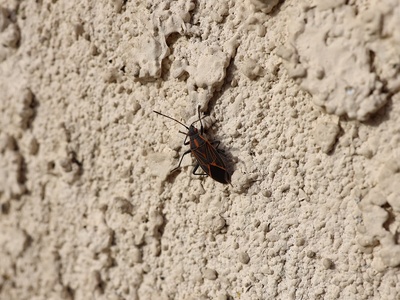
Kissing bug
Nocturnal bugs that can transmit Trypanosoma cruzi via fecal contamination of bites. Seal cracks, use bed nets, improve housing, and get tested if you suspect exposure or develop unexplained heart or digestive symptoms.
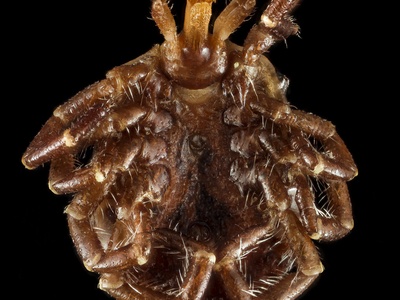
Amblyomma tick
These ticks attach during outdoor activities and can transmit rickettsial illnesses. Use repellents and protective clothing, check for ticks after being outdoors, remove attached ticks promptly with tweezers, and consult a clinician for fever or rash.
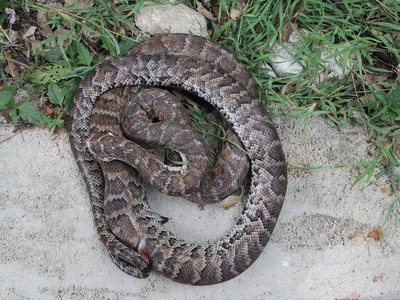
Hispaniolan boa
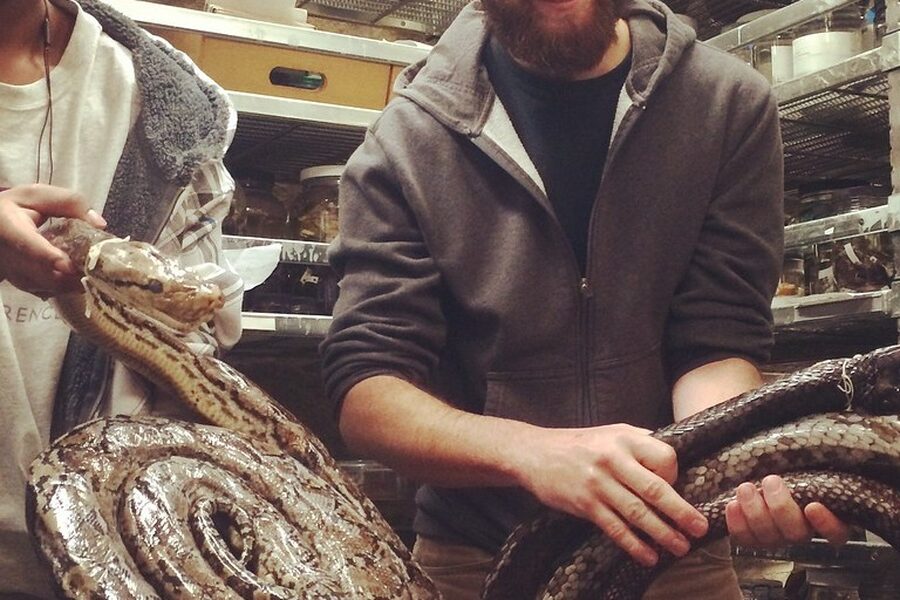
A large nonvenomous snake that can constrict small pets or rarely threaten children. Generally shy; avoid handling wild boas. Supervise children, do not attempt capture, and seek emergency care for constriction, severe bites, or large lacerations.