Mozambique’s long coastline, river systems and inland woodlands support a wide mix of wildlife, from migratory shorebirds to large mammals. Rising development, illegal hunting and unregulated fishing mean some species here face growing risks that deserve attention and clear information.
There are 20 Endangered Species in Mozambique, ranging from the African elephant to the Whale shark. The list covers terrestrial and marine species and is organized with columns: Scientific name,IUCN status,Main threats (max 15 words); you’ll find below.
How were the species on this list chosen?
Species were selected based on documented presence in Mozambique and their IUCN Red List status; entries focus on species currently assessed as endangered or facing equivalent national risk, with threats summarized to help prioritize action.
What practical steps can travelers or locals take to help these species?
Support responsible tourism operators, avoid buying wildlife products, report poaching or illegal trade to authorities, and consider donating time or funds to reputable local conservation groups working on habitat protection and community outreach.
Endangered Species in Mozambique
| Common name | Scientific name | IUCN status | Main threats (max 15 words) |
|---|---|---|---|
| African elephant | Loxodonta africana | EN 2021 | Poaching for ivory; habitat loss; human–wildlife conflict |
| Black rhinoceros | Diceros bicornis | CR 2020 | Poaching for horn; small population; habitat fragmentation |
| African wild dog | Lycaon pictus | EN 2018 | Habitat loss; persecution; disease; snaring |
| Cheetah | Acinonyx jubatus | VU 2015 | Habitat loss; prey decline; persecution; snaring |
| Lion | Panthera leo | VU 2014 | Habitat loss; trophy hunting; prey decline; conflict with people |
| Hippopotamus | Hippopotamus amphibius | VU 2017 | Hunting; wetland loss; river pollution; fishing gear entanglement |
| Temminck’s pangolin | Smutsia temminckii | VU 2019 | Illegal wildlife trade; poaching; habitat loss |
| Dugong | Dugong dugon | VU 2015 | Seagrass loss; gillnet bycatch; boat strikes; coastal development |
| Whale shark | Rhincodon typus | EN 2016 | Bycatch; vessel strikes; unregulated tourism; fisheries pressure |
| Giant manta | Mobula birostris | EN 2018 | Bycatch; targeted fishing; entanglement; tourism disturbance |
| Reef manta | Mobula alfredi | VU 2018 | Bycatch; reef degradation; tourism disturbance |
| Hawksbill turtle | Eretmochelys imbricata | CR 2018 | Illegal egg and shell trade; coastal development; bycatch |
| Green turtle | Chelonia mydas | EN 2018 | Bycatch; egg harvest; coastal development; pollution |
| Loggerhead turtle | Caretta caretta | VU 2013 | Bycatch; coastal development; light pollution; nest disturbance |
| Leatherback turtle | Dermochelys coriacea | VU 2013 | Bycatch; egg harvest; plastic ingestion; vessel strikes |
| Scalloped hammerhead | Sphyrna lewini | CR 2018 | Overfishing; bycatch; fin trade |
| Great hammerhead | Sphyrna mokarran | CR 2018 | Overfishing; fin trade; bycatch |
| Oceanic whitetip shark | Carcharhinus longimanus | CR 2018 | Longline bycatch; targeted fisheries; slow reproduction |
| Southern ground-hornbill | Bucorvus leadbeateri | VU 2018 | Habitat loss; persecution; low reproductive rate |
| Wattled crane | Bugeranus carunculatus | VU 2016 | Wetland drainage; agriculture expansion; hunting |
Images and Descriptions
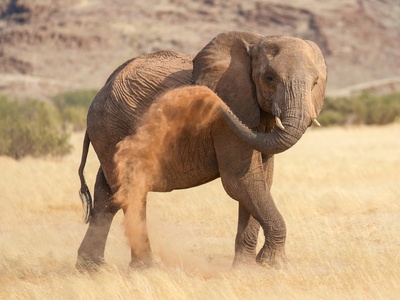
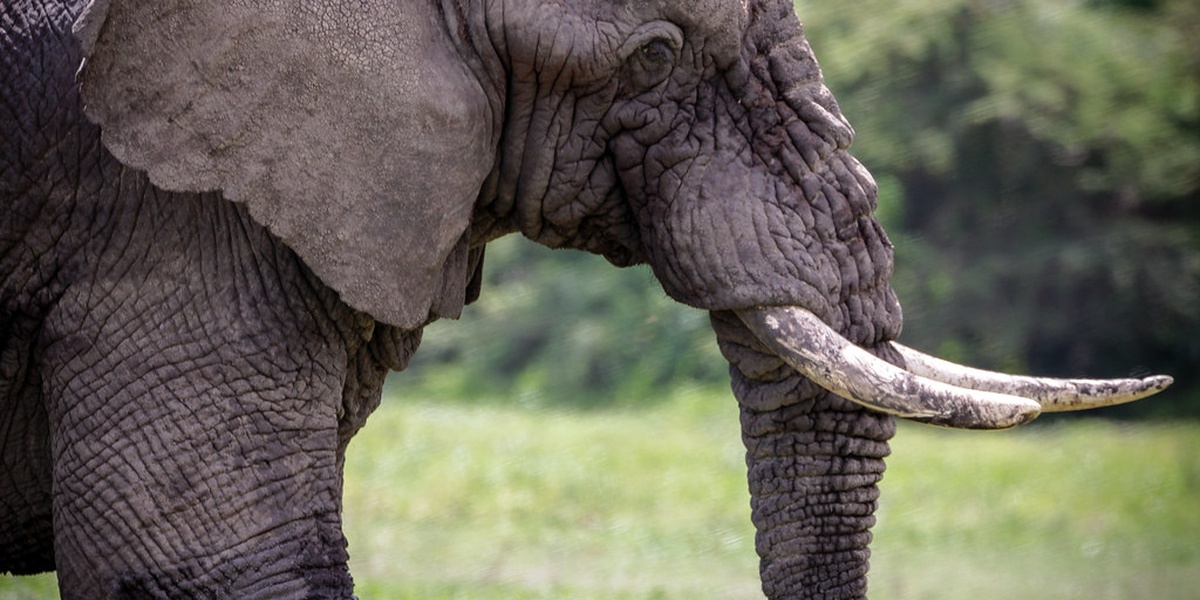
African elephant
Mozambique’s savanna and forest elephants occur in Niassa, Gorongosa and Limpopo areas, using woodlands and floodplains. Majestic keystone herbivores, they face poaching, habitat fragmentation and conflict with people. Conservation includes anti-poaching units, monitoring and translocations.
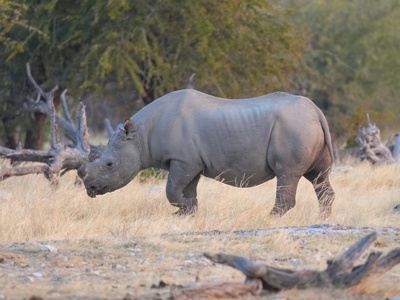
Black rhinoceros
Reintroduced into Gorongosa and protected areas, black rhinos occupy dry savanna and mopane woodland. Critically endangered from intense horn poaching; small reintroduced herds are closely monitored with strict protection, surveillance and community conservation programs.
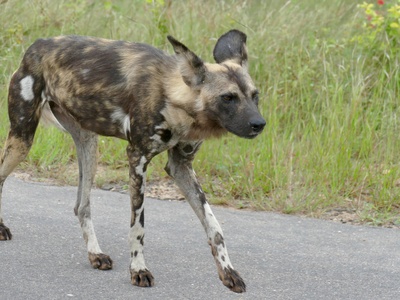
African wild dog
Occurring in Niassa and other remote reserves, wild dogs need large savanna ranges. Highly social predators suffer from habitat fragmentation, snaring and disease. Conservation emphasizes protected-area management, anti-snare patrols and community-based conflict reduction.
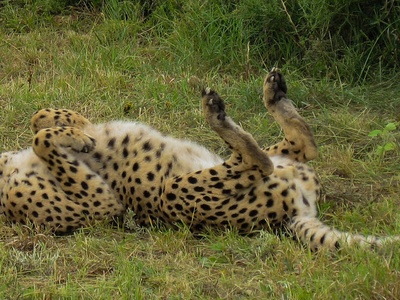
Cheetah
Cheetahs persist in Niassa and Gaza provinces in open savanna and scrub. Fast predators are threatened by habitat conversion, prey depletion and illegal snaring. Conservation includes monitoring, conflict mitigation and occasional translocations to strengthen small populations.
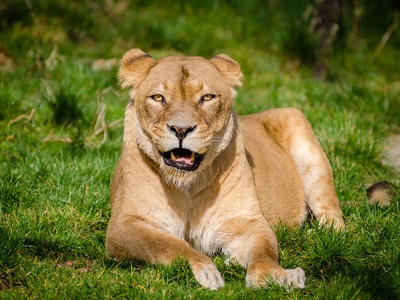
Lion
Mozambique’s lions live in Niassa, Zinave and Limpopo parks across savanna and woodland. Numbers fell from hunting and human–lion conflict. Conservation uses anti-poaching teams, community programs and cross-border protected-area cooperation.
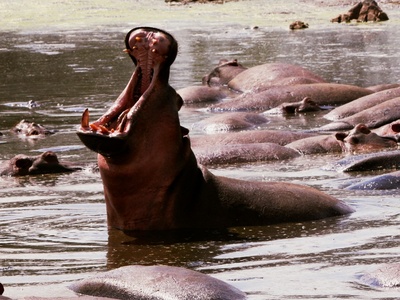
Hippopotamus
Hippos inhabit rivers, wetlands and floodplains including the Zambezi and Limpopo systems. Vulnerable from hunting, habitat degradation and disturbance. Conservation efforts focus on protected waterways, anti-poaching patrols and wetland restoration.
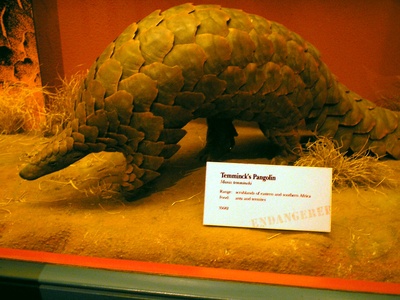
Temminck’s pangolin
Ground pangolins occur in Mozambique’s savanna and dry woodlands, especially in northern reserves. Scaled mammals are heavily targeted by illegal trade and local hunting; conservation involves rescues, anti-trafficking enforcement and community awareness campaigns.
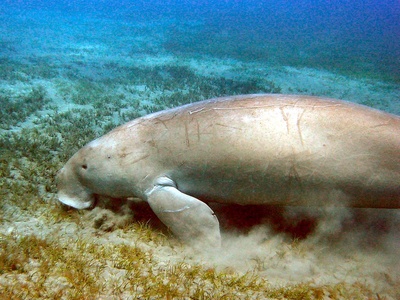
Dugong
Dugongs frequent seagrass beds around Bazaruto and Inhambane coasts. These marine herbivores are vulnerable to gillnet entanglement, boat strikes and coastal development. Conservation includes marine protected areas, seagrass restoration and fishery regulations.
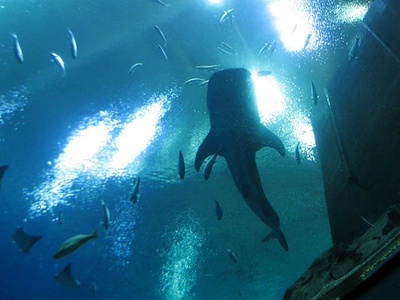
Whale shark
Seasonal visitors off Tofo and Inhambane, whale sharks use plankton-rich coastal waters. The world’s largest fish faces bycatch, boat strikes and uncontrolled tourism. Local ecotourism, research and protection measures support conservation and monitoring.
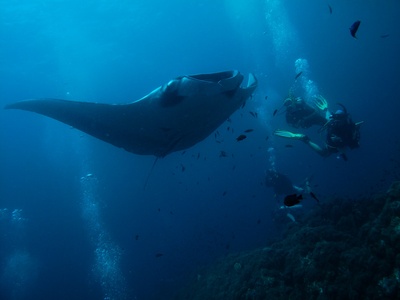
Giant manta
Giant mantas are found in offshore and nearshore waters around Mozambique’s reefs. Plankton feeders threatened by fisheries bycatch and targeted capture. Conservation emphasizes manta sanctuaries, fishing regulations and scientific monitoring.
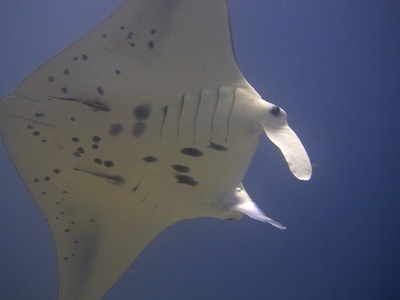
Reef manta
Reef mantas frequent Mozambique’s coral reefs and cleaning stations near Tofo and the Bazaruto archipelago. Vulnerable due to net entanglement and habitat degradation. Protection focuses on marine reserves, responsible tourism codes and fisher engagement.
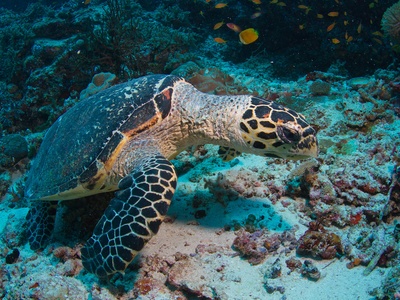
Hawksbill turtle
Hawksbills nest on Mozambique’s tropical beaches and use coral reefs along Bazaruto and Inhambane. Critically endangered from illegal shell trade and nest loss; local protection, nest monitoring and community beach patrols aid recovery.
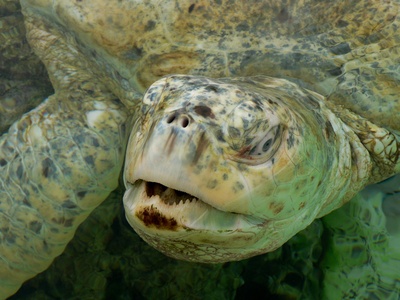
Green turtle
Green turtles nest on northern and central Mozambican beaches and forage on seagrass beds. Endangered from egg collection, bycatch and habitat loss. Conservation includes nest protection, marine reserves and community awareness programs.
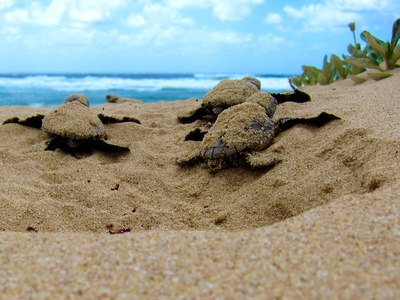
Loggerhead turtle
Loggerheads nest on Mozambique’s sandy coasts and forage offshore. Vulnerable to fisheries bycatch, beach disturbance and hatchling disorientation from lights. Conservation focuses on protected nesting beaches, nest monitoring and fisher engagement.
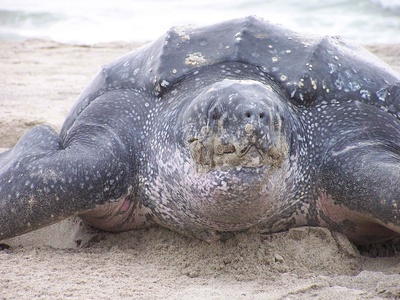
Leatherback turtle
Leatherbacks pass Mozambique’s shores during migrations and occasionally nest. Large oceanic turtles are threatened by fisheries bycatch, egg collection and marine pollution. Conservation emphasizes monitoring, nest protection and reduced fisheries interactions.
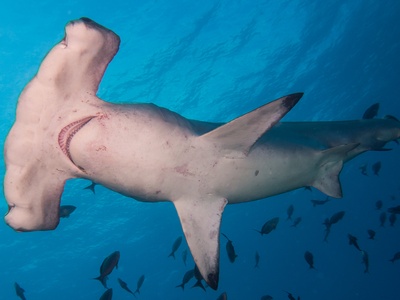
Scalloped hammerhead
Scalloped hammerheads occur in coastal and offshore Mozambican waters. Critically endangered from targeted fisheries and finning, they are highly susceptible to nets and longlines. Conservation needs fishing restrictions and improved bycatch mitigation.
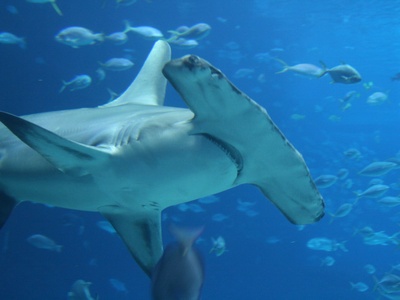
Great hammerhead
Great hammerheads patrol Mozambique’s coastal seas. Critically endangered due to targeted fishing and high fin value. Local measures include shark protection policies, bycatch reduction and international trade controls.
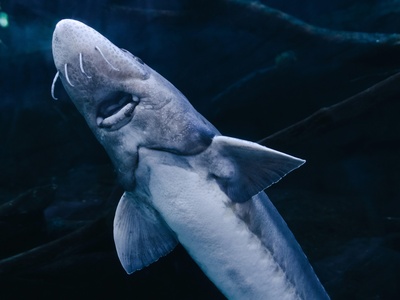
Oceanic whitetip shark
Oceanic whitetips roam Mozambique’s offshore waters and are critically endangered from longline bycatch and finning. Their slow life-history makes strict fisheries management and international trade restrictions crucial.
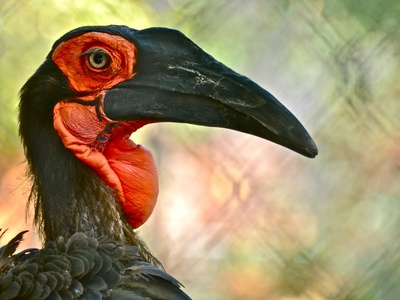
Southern ground-hornbill
These large ground-dwelling birds occur in Mozambique’s savannas and woodlands, particularly in northern provinces. Vulnerable due to habitat conversion and persecution; conservation uses nest protection, reintroductions and community education programs.
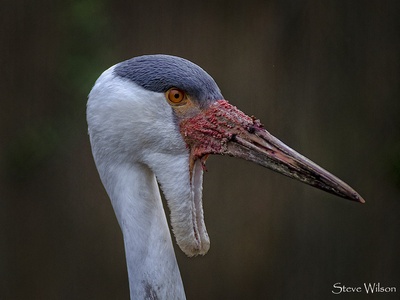
Wattled crane
Wattled cranes inhabit Zambezi floodplains and other wetlands in Mozambique. These tall, slow-breeding cranes are vulnerable to wetland loss and disturbance. Conservation focuses on wetland protection, monitoring and community stewardship.