The Solomon Islands sit at the junction of coral reefs, mangroves and rainforest, so encounters with wildlife are part of everyday life for locals and visitors alike. Between remote atolls and mainland shores you can find creatures that deserve respect and awareness before you swim, fish or hike.
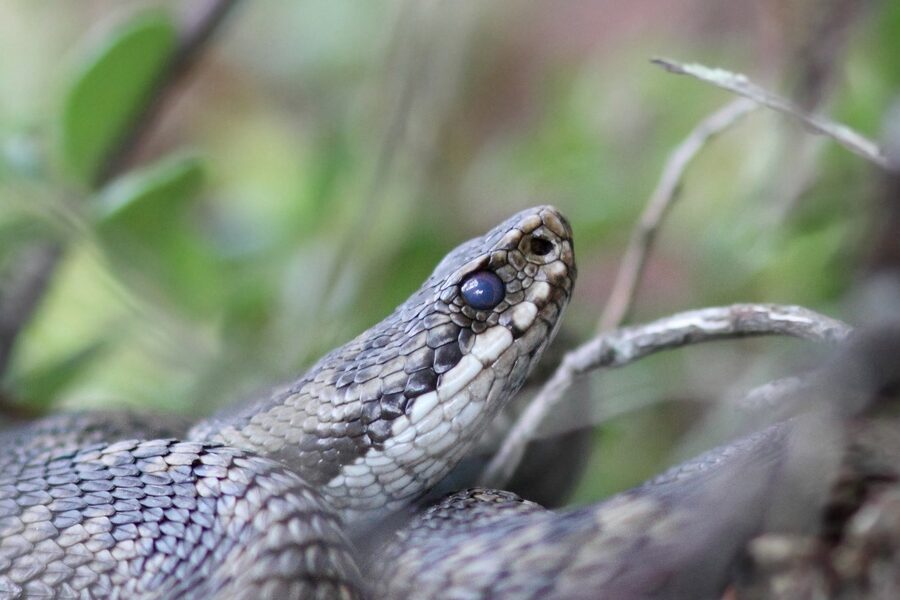
There are 24 Dangerous Animals in the Solomon Islands, ranging from Banded sea krait to Yellow-bellied sea snake. For each species you’ll find below the Scientific name, Danger level (1-5) & effects, Habitat / where found, so you can quickly assess which animals pose the greatest risk and where to be cautious — you’ll find below.
How risky are sea snakes and other venomous animals to swimmers or divers?
Most dangerous animals in the Solomons avoid people and bites are relatively uncommon, but some species (notably certain sea snakes and stonefish) carry potent toxins; risk depends on activity and habitat—handling, stepping on, or provoking an animal raises the chance of injury. Simple precautions like wearing reef shoes, avoiding night fishing without lights, and not touching unknown animals greatly reduce risk.
What should I do if someone is bitten or stung in the Solomon Islands?
Keep the person calm and still, immobilize the affected limb, remove constricting clothing/jewelry, and seek emergency medical help immediately; do not cut, suck the wound, or apply ice unless advised by a clinician. Local clinics can arrange antivenom or evacuation if needed, so get professional care as soon as possible.
Dangerous Animals in the Solomon Islands
| Name | Scientific name | Danger level (1-5) & effects | Habitat / where found |
|---|---|---|---|
| Saltwater crocodile | Crocodylus porosus | 5 & Crushing bite, drowning risk | Mangroves, estuaries, rivers, coastal swamps |
| Bull shark | Carcharhinus leucas | 5 & Large bite, severe trauma | Coastal waters, river mouths, estuaries |
| Tiger shark | Galeocerdo cuvier | 5 & Powerful bite, severe trauma | Tropical coastal and offshore waters, reefs |
| Blacktip reef shark | Carcharhinus melanopterus | 3 & Bite, lacerations, rare serious injury | Coral reefs, shallow lagoons |
| Great barracuda | Sphyraena barracuda | 3 & Powerful bite, lacerations | Reefs, drop-offs, coastal waters |
| Stonefish | Synanceia verrucosa | 5 & Excruciating venomous spine wounds | Coral rubble, shallow reef flats, tide pools |
| Lionfish | Pterois volitans | 3 & Painful venomous spine stings | Coral reefs, lagoons, rocky areas |
| Scorpionfish (various) | Scorpaenidae spp. | 3 & Venomous spines, severe pain | Reefs, rocky bottoms, sandy patches |
| Stingray (reef/whip) | Taeniura lymma and Dasyatidae spp. | 3 & Barbed tail sting, severe pain, bleeding | Shallow sandy flats, lagoons, beaches |
| Blue-ringed octopus | Hapalochlaena lunulata | 5 & Potent neurotoxin, paralysis | Rocky tidal pools, coral rubble, shallow coastal waters |
| Cone snail (geography cone) | Conus geographus | 5 & Fast-acting neurotoxin, respiratory failure | Shallow reefs, sandy patches, under rocks |
| Banded sea krait | Laticauda colubrina | 4 & Neurotoxic venom, paralysis possible | Coastal reefs, mangroves, rocky shores |
| Yellow-bellied sea snake | Hydrophis platurus | 4 & Potent venom, paralysis possible | Open ocean, surface waters, nearshore |
| Moray eel (giant moray) | Gymnothorax javanicus | 3 & Strong bite, deep lacerations, infection risk | Reef crevices, coral heads, lagoons |
| Portuguese man o’ war | Physalia physalis | 3 & Intense stinging tentacles, systemic reaction possible | Open ocean, surface currents, beaches |
| Box jellyfish | Chironex fleckeri (and related cubozoans) | 5 & Severe venom, cardiac/respiratory failure possible | Coastal tropical waters, nearshore beaches |
| Irukandji-type jellyfish | Carukia barnesi and other small cubozoans | 4 & Small sting causing severe systemic syndrome | Warm offshore and nearshore waters |
| Sea urchin (long-spined) | Diadema setosum | 2 & Puncture wounds, severe pain, infection risk | Coral reef crests, rocky areas, tide pools |
| Crown-of-thorns starfish | Acanthaster planci | 2 & Venomous spines cause painful wounds | Coral reefs, lagoon slopes |
| Giant centipede | Scolopendra subspinipes | 3 & Painful venomous bite, swelling | Forest litter, houses, under debris, gardens |
| Feral pig | Sus scrofa | 3 & Goring, trampling, bites can cause serious injury | Forests, gardens, plantations, rural areas |
| Mangrove monitor | Varanus indicus | 2 & Strong bite, scratches, infection risk | Mangroves, coastal forests, gardens |
| Scalloped hammerhead (occasional large shark) | Sphyrna lewini | 4 & Large bite, serious trauma possible | Offshore reefs, seamounts, deep waters |
| Scorpionfish (stonefish relative, e.g., Scorpaenopsis) | Scorpaenopsis spp. | 3 & Venomous spines, severe pain | Reefs, rubble, shaded rock areas |
Images and Descriptions
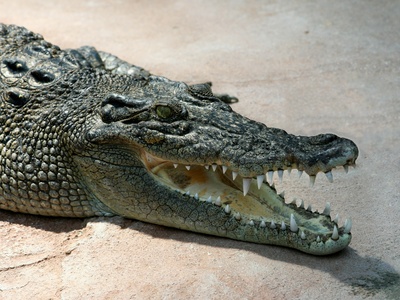
Saltwater crocodile
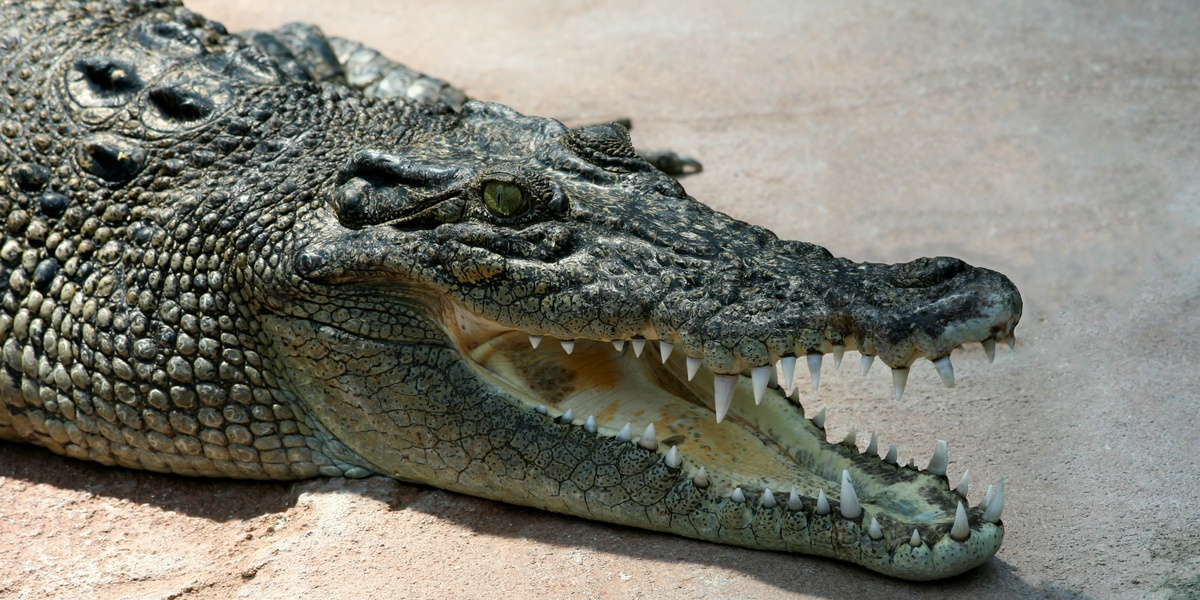
A very large ambush predator found in coastal rivers and mangroves. Can grab people from shore or water; avoid swimming near river mouths, especially at night, and follow local warnings and signs.
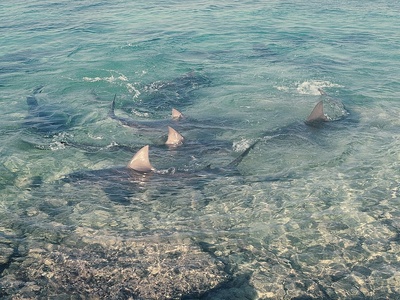
Bull shark
A powerful shark that tolerates brackish water and sometimes travels upriver. Close-range, shallow-water encounters can be dangerous; avoid swimming at dusk or near river mouths.
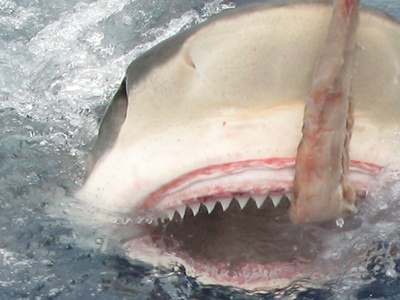
Tiger shark
A large opportunistic predator found around reefs and open coastal waters. Known to investigate divers and swimmers; caution advised when swimming or spearfishing near drop-offs and reefs.
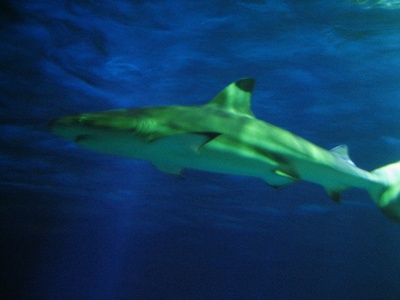
Blacktip reef shark
Common around reef flats and lagoons. Usually shy but may nip if provoked or when spearfishing; keep distance, avoid splashing and feeding areas.
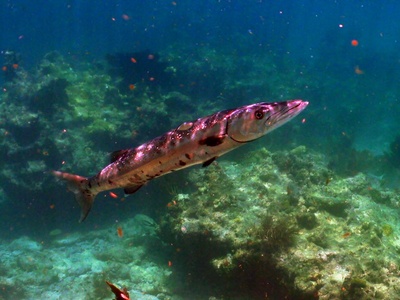
Great barracuda
Large predatory fish that can mistake shiny objects for prey. Attacks are rare but bites cause deep cuts. Avoid wearing jewelry while snorkeling or spearfishing.
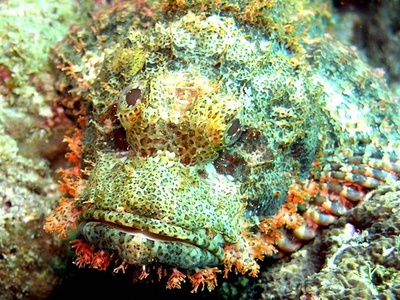
Stonefish
Well-camouflaged on the seabed, stepping on a stonefish causes intensely painful, venomous punctures. Wear protective footwear and shuffle feet in shallow water.
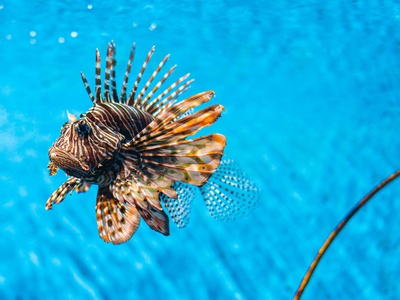
Lionfish
Attractive but venomous; spines cause intense pain and swelling. Common on reefs—do not handle; seek medical care for severe reactions or suspected envenomation.
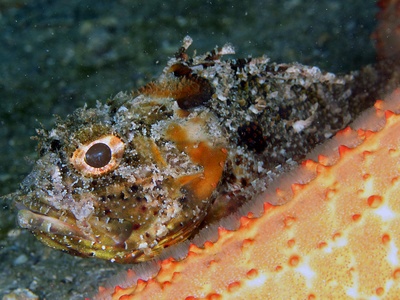
Scorpionfish (various)
Cryptic bottom-dwellers with venomous spines. Stepping or touching one causes sharp pain and swelling; treat wounds and seek medical attention for systemic symptoms.
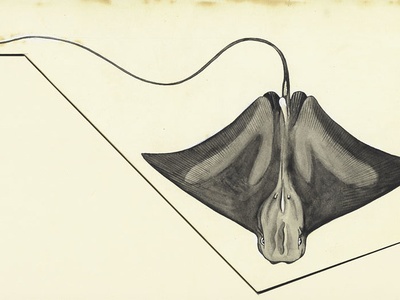
Stingray (reef/whip)
Often buried in sand on shallow flats. Defensive tail strikes cause puncture wounds and intense pain—shuffle feet when entering shallow water and avoid handling.
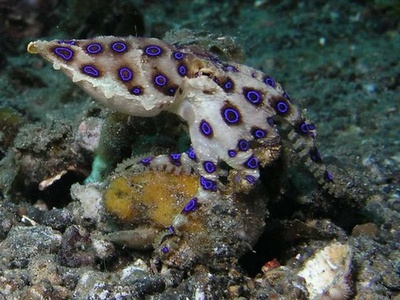
Blue-ringed octopus
Small but extremely venomous; bite can cause rapid paralysis and respiratory failure. They are shy and often in rock crevices—do not pick up or provoke.
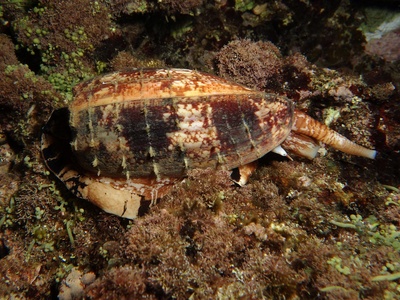
Cone snail (geography cone)
Beautiful but deadly; can inject potent venom with a harpoon-like tooth. Handling shells alive or stepping on them can be fatal—do not touch live cones.
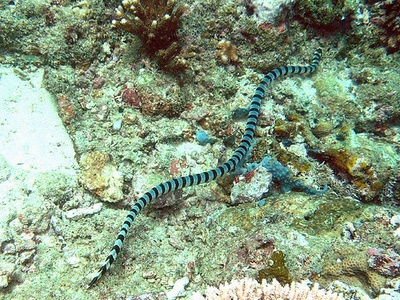
Banded sea krait
A sea krait that forages on reefs and returns to land to rest. Generally docile but bites can be medically serious; observe from a distance and avoid handling.

Yellow-bellied sea snake
A pelagic sea snake that drifts on the surface. Bites are rare but venomous; avoid handling or stepping on snakes washed ashore.
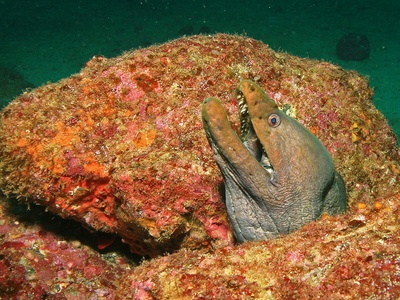
Moray eel (giant moray)
Powerful, territorial eels hide in crevices and can deliver painful bites if provoked or fed. Avoid placing hands in holes and respect dive guides’ instructions.
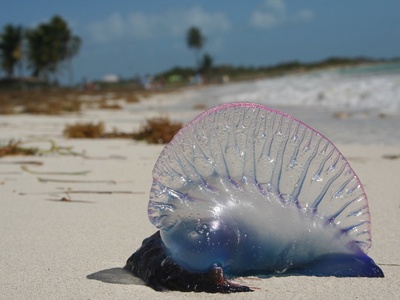
Portuguese man o’ war
Colonial organism whose long tentacles deliver painful stings; washed-up colonies still hurt. Avoid touching, treat stings carefully, and follow local first-aid guidance.
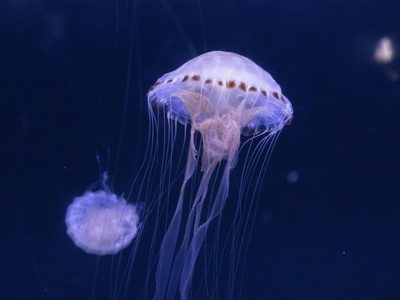
Box jellyfish
Box jellyfish (and similar cubozoans) can cause life-threatening stings. Occur seasonally in tropical waters—pay attention to beach warnings and wear protective stinger suits where advised.
Irukandji-type jellyfish
Tiny cubozoan jellyfish can produce Irukandji syndrome: severe pain, hypertension, and potentially life-threatening complications. Stings may be subtle at first—seek prompt medical care.
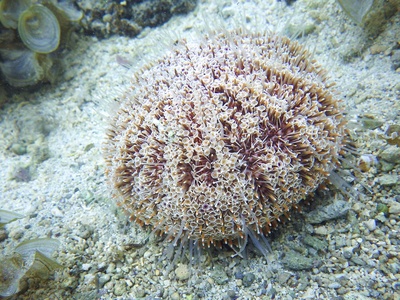
Sea urchin (long-spined)
Sharp spines can penetrate skin, causing painful injuries and possible infection or retained spine fragments. Wear footwear and be careful on rocky shores.
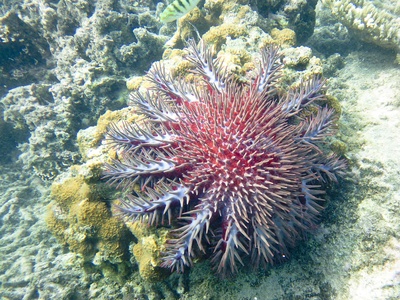
Crown-of-thorns starfish
Large starfish with venomous spines that puncture feet and hands. Stings are painful and can become infected—avoid touching and report outbreaks to local reef authorities.
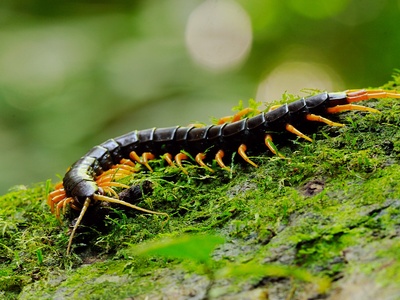
Giant centipede
Large nocturnal centipedes can deliver very painful bites that cause swelling, fever, and occasionally systemic symptoms. Shake out shoes and be cautious in leaf litter.
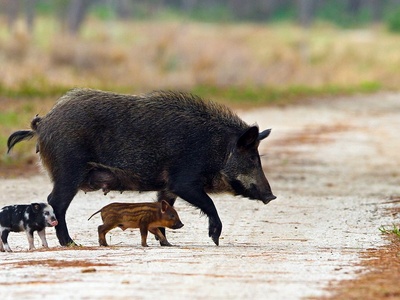
Feral pig
Common in rural and forested areas; boars can be aggressive, especially if cornered or protecting piglets. Keep distance, secure food, and avoid surprising them.
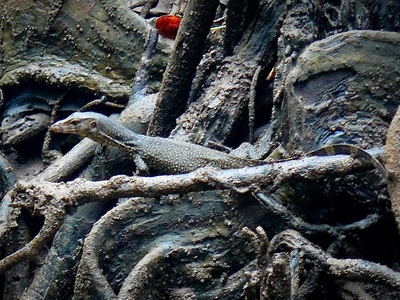
Mangrove monitor
Moderately large lizard that can bite or scratch if handled or cornered. Bites cause deep wounds and infection risk—observe and avoid attempting to catch or feed them.
Scalloped hammerhead (occasional large shark)
Occasionally encountered by divers and fishers; large size and power mean bites can be severe. Avoid diving alone at night and heed local advisories.
Scorpionfish (stonefish relative, e.g., Scorpaenopsis)
Camouflaged ambush predators with venomous dorsal spines. Stepping on or touching one produces intense localized pain and swelling—seek medical attention for severe reactions.