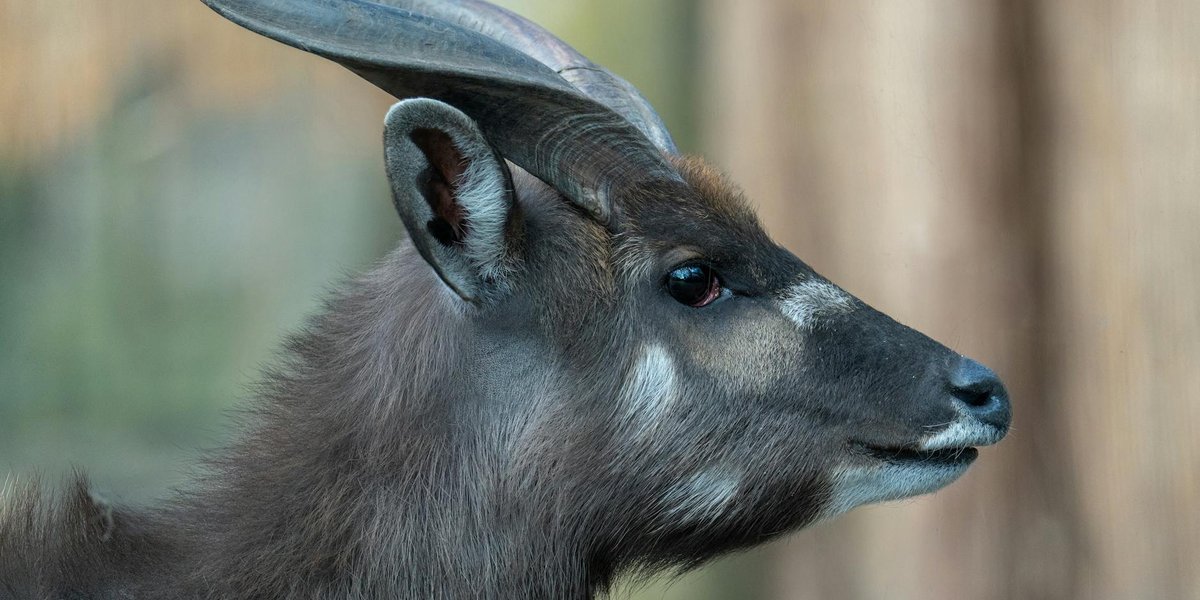
Japanese serows eat leaves, buds, shoots, acorns, and conifer foliage. They’re browsers, not grazers, and despite what a few sites claim, they are strict herbivores — not omnivores. A serow spends its day picking selectively through the forest, nibbling the most nutritious bits of broad-leaved trees and shrubs rather than mowing down grass like a cow.
That’s the short answer. If you want the seasonal breakdown, the feeding behavior, and the reason scientists have been studying this goat-antelope’s lunch for decades, keep reading.
Table of Contents
- The Quick Answer
- What Japanese Serows Eat by Season
- Core Foods in the Serow Diet
- How Japanese Serows Feed
- Herbivore, Not Omnivore: Clearing Up the Confusion
- Why the Serow’s Diet Surprised Scientists
- Frequently Asked Questions
The Quick Answer {#quick-answer}
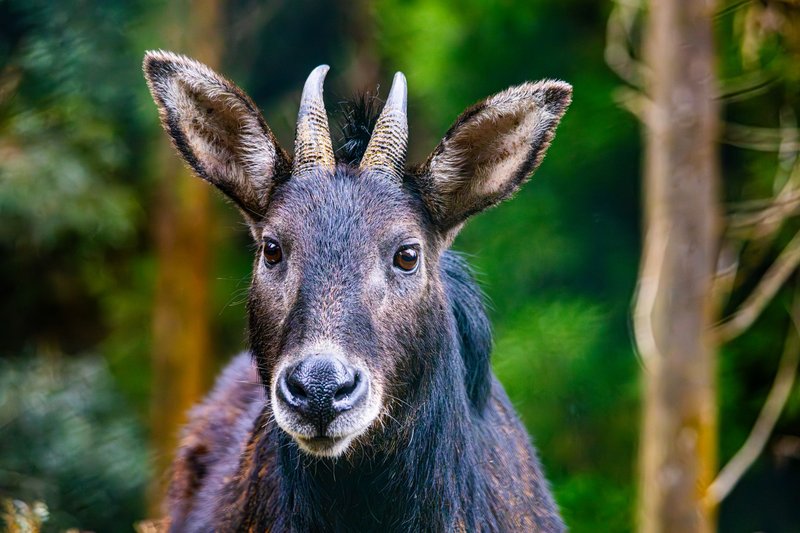
The Japanese serow (Capricornis crispus) is a goat-antelope native to the dense, mountainous forests of Honshu, Shikoku, and Kyushu. It’s a herbivorous browser, which means it eats the woody, leafy parts of trees and shrubs rather than ground vegetation.
Its menu centers on:
- Leaves and buds of deciduous broad-leaved trees
- Conifer foliage (cedar, fir, and similar evergreens)
- Acorns and other nuts in autumn
- Shoots, twigs, and shrubs year-round
- Grasses, ferns, and herbs when they’re available
A serow is picky. It moves through its territory and selects specific plants and specific parts of those plants, which is why naturalists call it a “selective browser.” It isn’t trying to fill its stomach with whatever’s underfoot — it’s choosing.
What Japanese Serows Eat by Season {#seasonal-diet}
Because the serow lives through real Japanese winters — deep snow, bare branches, scarce food — its diet shifts dramatically across the year. This seasonal flexibility is the single most important thing to understand about how it eats.
| Season | Primary Foods | Notes |
|---|---|---|
| Spring | Fresh grasses, new leaves, emerging shoots, herbs | The easiest season; tender new growth is everywhere |
| Summer | Broad leaves, fruits, flowers, shrub foliage | Peak abundance; the serow eats well and selectively |
| Autumn | Acorns, nuts, fallen fruit, maturing leaves | Fattening-up season before the snow arrives |
| Winter | Buds, twigs, evergreen conifer needles, bark | Survival mode; the serow browses whatever stays above the snow |
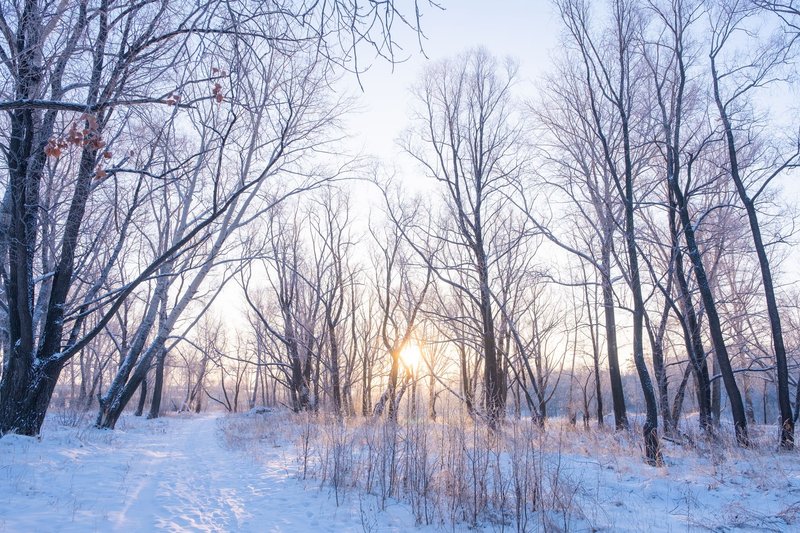
The winter column is where things get interesting. When deciduous trees drop their leaves and snow buries the forest floor, the serow can’t graze even if it wanted to. So it switches to the parts of the forest that stay accessible: dormant buds at the tips of branches, twigs, and the evergreen foliage of conifers. This is exactly why being a browser rather than a grazer matters — a grazer would starve once the grass disappears under a meter of snow.
Core Foods in the Serow Diet {#core-foods}
Researchers who’ve examined serow feeding have documented an impressively wide plant list — well over a hundred species across studies. A few categories carry most of the weight.
Deciduous broad-leaved trees. These are the backbone of the warm-season diet. The serow favors the leaves and buds of trees like Japanese maple, beech, and various deciduous shrubs that fill Honshu’s temperate forests.
Conifers. Evergreen needles from cedars and firs become critical in winter, when they’re some of the only green material around. The serow tolerates the tougher, more fibrous foliage that many herbivores avoid.
Acorns and nuts. Autumn mast — the seasonal crop of acorns and tree nuts — is a high-energy food that helps the serow build fat reserves before winter. According to Animal Diversity Web, nuts and acorns are a documented part of the autumn diet.
Shoots, ferns, and herbs. Ground-level greenery rounds out the diet when snow isn’t covering it. These are the foods most available in spring and early summer.
What you won’t find on the list: meat, insects, or any animal matter. The serow’s whole anatomy is built for processing plants, which brings us to how it actually eats.
How Japanese Serows Feed {#feeding-behavior}
The Japanese serow is a diurnal feeder, meaning it’s active during the day. It concentrates its foraging in the early morning and late afternoon, taking it easier during the midday hours.
It’s also a ruminant. Like cattle, deer, and goats, the serow has a four-chambered stomach that ferments tough plant material in stages, then brings it back up to chew again as cud. This is what lets it extract nutrients from fibrous leaves, twigs, and conifer needles that would pass straight through a simpler digestive system. A browser eating low-quality winter forage absolutely depends on this slow, thorough fermentation.
Serows are territorial and solitary. Each animal patrols a defined home range, marking boundaries with a scent gland below the eye. Within that territory, it knows where the good food is and returns to it. This isn’t random wandering — it’s a resident animal working a familiar patch of forest, which is part of why its diet stays so consistent over time.
The selective part bears repeating. A serow will walk past plenty of edible vegetation to reach the specific buds or leaves it prefers. That choosiness is a hallmark of browsers and a big reason the serow can coexist with other herbivores eating the same forest.
Herbivore, Not Omnivore: Clearing Up the Confusion {#herbivore}
Search around and you’ll find a handful of casual wildlife sites calling the Japanese serow an “omnivore.” That’s wrong, and it’s worth saying plainly.
An omnivore eats both plants and animals. The Japanese serow eats plants. Full stop. Its diet — leaves, buds, shoots, acorns, conifer foliage — is entirely plant-based, and its ruminant digestive system is the anatomy of a dedicated herbivore. There’s no documented predation, scavenging, or insect-eating in its feeding ecology.
Where does the confusion come from? Probably from the serow’s broad plant menu and its willingness to eat tough, varied material across seasons. A diet that flexible can look “opportunistic,” and “opportunistic” sometimes gets mistranslated as “omnivorous.” But eating a wide range of plants doesn’t make an animal an omnivore. The Wikipedia entry on the Japanese serow, drawing on the scientific literature, classifies it as a herbivorous browser — and that’s the accurate label.
Why the Serow’s Diet Surprised Scientists {#science}
Here’s the detail no listicle mentions, and it’s the most compelling thing about how this animal eats.
Researchers in Japan tracked the winter diet of serows in the same area over a 16-year period by analyzing rumen (stomach) contents. During those years, the population of sika deer in the region rose sharply — and sika deer compete with serows for the same browse. The obvious prediction is that competition would force the serows to shift their diet, eat lower-quality food, or change their feeding patterns.
That’s not what happened. According to the long-term study published in PMC (PubMed Central), the serows’ winter diet stayed remarkably stable across all 16 years despite the growing deer pressure. The serow kept eating its preferred winter foods — buds, twigs, and conifer foliage — without being pushed off them.
That stability tells you something real about the serow’s place in its ecosystem. As a territorial resident that knows its patch and browses selectively, it appears to hold its dietary ground even when a competitor moves in. For an animal that has to survive deep-snow winters on dormant buds and evergreen needles, that consistency isn’t a small thing — it’s the difference between making it through to spring and not.
Frequently Asked Questions {#faq}
Is the Japanese serow a herbivore or an omnivore? A herbivore. It eats only plants — leaves, buds, shoots, acorns, and conifer foliage — and has the four-chambered ruminant stomach of a dedicated plant-eater. Sites that call it an omnivore are simply wrong.
What do Japanese serows eat in winter? In winter, when snow covers the ground and deciduous trees are bare, serows browse on dormant buds, twigs, bark, and the evergreen foliage of conifers — the plant material that stays accessible above the snow.
Do Japanese serows eat grass? They eat grasses and herbs in spring and summer when those are available, but grass is a minor part of their diet. They’re browsers by nature, far more reliant on tree and shrub foliage than on ground-level grass.
When do Japanese serows feed? They’re diurnal, feeding most actively in the early morning and late afternoon and resting through the middle of the day.
Do Japanese serows compete with sika deer for food? They share much of the same browse, and sika deer populations have grown in serow habitat. But long-term research shows the serow’s winter diet stayed stable over 16 years despite that competition.