There’s a difference between “exotic” and “rare,” and most lists blur it. A dragon fruit at your local grocery store is exotic to someone who grew up on apples and bananas, but it’s not rare — it’s farmed at industrial scale and shipped year-round. Rare means hard to source: short seasons, fragile flesh that won’t survive shipping, or a tree that fruits once a year and gets eaten by the people standing under it.
This list leans into that second category. You’ll get the famous heavy-hitters everyone expects, then a stretch of genuinely obscure fruits that retailer roundups skip because they’re a nightmare to ship. For each one: what it tastes like (honestly), where it grows, when it’s in season, and how to actually eat it without ruining the experience.
Table of Contents
- What “rare” actually means here
- The famous five (start here)
- The custard-apple family
- Tropical oddballs worth the effort
- Truly obscure picks
- Quick reference: season, taste, and where to find them
- How to actually buy and ripen rare fruit
What “rare” actually means here
Three things make a fruit hard to find. It might be seasonal — feijoa drops for about six weeks and then vanishes. It might be fragile — mangosteen bruises if you look at it wrong, and ripe cherimoya turns to brown mush in a day. Or it might be regional — jabuticaba grows directly on the trunk of a tree most of the world has never seen, so unless you’re in Brazil, you’re eating it frozen or not at all.
Price tracks all three. Expect to pay a premium, and expect availability to swing wildly by season. The USDA’s FoodData Central catalogs many of these if you want to check nutrition before you commit, though the rarest ones haven’t made it into the database yet.
The famous five (start here)
These are the fruits most “rare fruit” searches are actually after. None are truly rare anymore, but they’re the gateway — and a few are still genuinely hard to get fresh.
1. Durian
The one everyone warns you about. Native to Southeast Asia, durian is banned from hotels and public transit across Singapore, Malaysia, and Thailand because the smell — somewhere between gym socks, gas leak, and caramelized onions — lingers for hours. Push past it and the flesh is custardy, rich, almost savory, with notes of garlic and vanilla fighting for attention.
Buy it fresh from a vendor who’ll crack it open and let you smell the segments. A good Musang King durian smells boozy and sweet, not sour. Eat it the day you open it; it ferments fast.
2. Mangosteen
The fruit Queen Victoria supposedly offered a knighthood for (probably apocryphal, but it sticks because the fruit earns the hype). A thick purple rind protects segments of snow-white flesh that taste like lychee crossed with peach and a whisper of citrus. Clean, floral, no funk.
Press the rind with your thumbs to split it — if it’s rock-hard, it’s overripe and the flesh inside will be translucent and rubbery. Fresh ones are seasonal and mostly come from Thailand and Indonesia. The U.S. only lifted its import ban in 2007, so they’re still a treat here.
3. Cherimoya
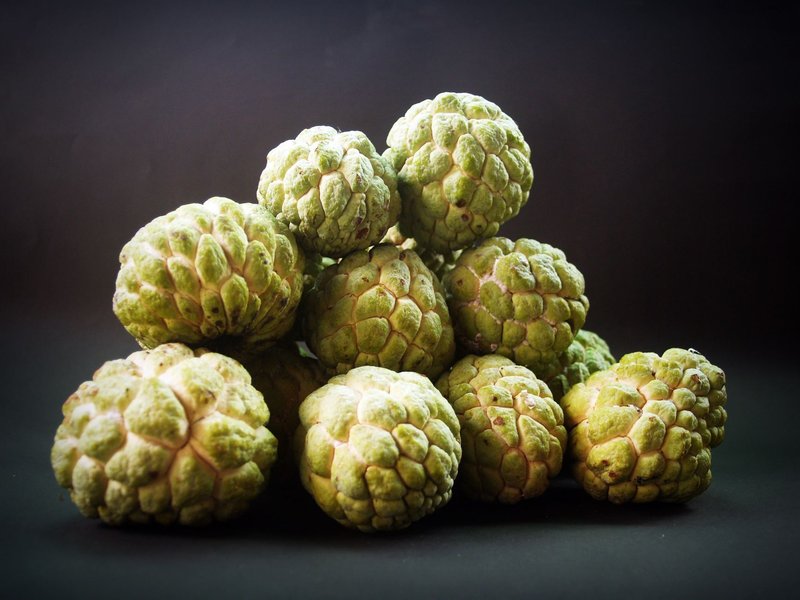
Mark Twain called it “the most delicious fruit known to men.” The flesh is white, creamy, and tastes like a blend of banana, pineapple, and bubblegum — Mark Twain wasn’t exaggerating much. It grows in the Andean highlands and now in Spain and Southern California.
Eat it like a soft-serve: cut in half, scoop with a spoon, spit out the black seeds (they’re mildly toxic, so don’t crunch them). It’s ripe when it gives like a soft avocado. Refrigerate only after it’s ripe, never before, or it’ll go bitter.
4. Rambutan
Rambutan looks like a sea urchin had a baby with a strawberry — red, hairy, alien. Inside it’s nearly identical to lychee: translucent, grape-like, sweet with a faint acidity. The “hairs” are soft and harmless. Native to Malaysia and Indonesia.
Slice the leathery skin around the middle with a thumbnail and pop the flesh out. Watch for the seed in the center; it clings to the flesh more than lychee does.
5. Dragon Fruit
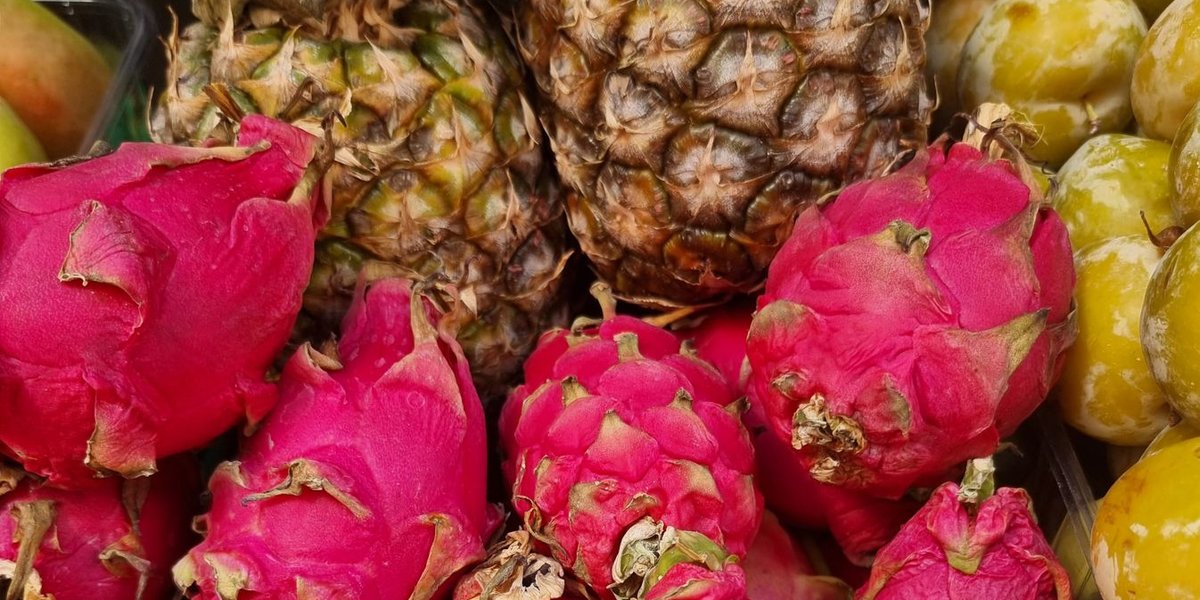
The Instagram fruit. Magenta or yellow skin, white or hot-pink flesh flecked with tiny black seeds like a kiwi. Here’s the honest verdict: most dragon fruit tastes like mild, watery melon — pretty but boring. The exception is the yellow-skinned variety (pitahaya amarilla), which is dramatically sweeter and worth seeking out.
Cut in half, scoop, eat chilled. Skip the pink ones at the grocery store unless they’re deeply colored inside; pale flesh means underripe and flavorless.
The custard-apple family
The Annona genus produces some of the best dessert fruits on earth, and they’re chronically underrepresented in stores because the ripe fruit is too soft to ship.
6. Atemoya
A cherimoya-sugar apple hybrid that’s become the easiest member of this family to find in Florida and Australia. Sweeter than cherimoya, with a texture like fibrous vanilla pudding. Scoop and spoon, same as its parent.
7. Sugar Apple (Sweetsop)
Bumpy green segments that pull apart almost like a soft artichoke. Each lobe holds a seed wrapped in sweet, grainy white flesh that tastes like custard with a sandy texture some people love and some don’t. Common across the Caribbean, India, and the Philippines — it shows up so often in island gardens that it earns a spot among the edible plants of the Bahamas and similar Caribbean flora.
8. Soursop
The tart cousin. Big, spiky, green, and noticeably sour — pineapple meets strawberry with a creamy backbone. Hugely popular as a juice and ice cream flavor across Latin America and the Caribbean. The flesh is stringy, so most people blend it. The leaves get sold as tea with health claims that, fair warning, the National Cancer Institute notes have not been proven in humans despite the internet’s enthusiasm.
9. Biriba
The wild card of the family. A yellow, scaly fruit from the Amazon with flesh that tastes like lemon meringue pie. It oxidizes to black within hours of cutting, which is exactly why you’ll never see it in a supermarket. If you find one, eat it immediately.
Tropical oddballs worth the effort
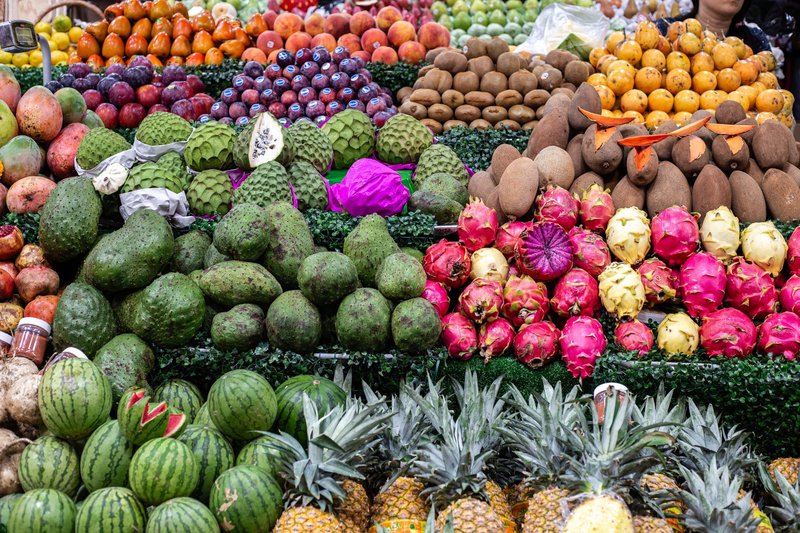
10. Mamey Sapote
A football-shaped fruit with rough brown skin and salmon-colored flesh that tastes like sweet potato blended with pumpkin pie and a touch of almond. Huge in Cuban and Mexican cooking, especially in milkshakes (batidos). Ripe when the flesh under a scratched-off patch of skin shows pink, not green.
11. Sapodilla
Looks like a plain brown potato, tastes like brown sugar and pear soaked in malt. The texture is grainy like a ripe pear. Native to southern Mexico. Eat only when very soft — underripe sapodilla is mouth-puckeringly tannic from the latex in the flesh.
12. Kiwano (Horned Melon)
Orange, spiky, and full of lime-green jelly studded with seeds. The looks write a check the flavor doesn’t quite cash — it’s mild, tart, somewhere between cucumber and underripe banana. More garnish than dessert. Native to sub-Saharan Africa, now grown in California and New Zealand. Slice it open and squeeze the jelly into your mouth or over a salad.
13. Feijoa (Pineapple Guava)
If you’ve spent time in New Zealand you know feijoa season is an event. The fruit is egg-sized, green, and tastes like pineapple, guava, and mint had a perfumed argument. Cut in half, scoop the jelly-like center with a spoon, leave the gritty outer flesh. The season is short — autumn — and the fruit barely travels, which is why it’s a backyard cult favorite and almost unknown in the U.S.
14. Jackfruit
The largest tree-borne fruit in the world; a single one can top 100 pounds. Ripe jackfruit tastes like a tropical bubblegum blend of mango, banana, and pineapple. Unripe, it’s the shredded “pulled pork” substitute that took over vegan menus. Buy it pre-portioned unless you own a machete and a tarp — the latex is sticky enough to gum up a knife.
15. Salak (Snake Fruit)
Named for its reddish-brown scaly skin, peeled like a hard-boiled egg. The flesh is crisp, dry, and intensely sweet-and-sour with an apple-pineapple tang and a slightly astringent bite. An Indonesian staple you’ll rarely see outside Southeast Asia.
16. Longan
Lychee’s smaller, browner sibling — the name means “dragon eye” because the black seed shows through the translucent flesh. Sweeter and muskier than lychee, with a hint of smoke. Sold fresh in summer and dried year-round across China and Thailand. Crack the brittle shell with a fingernail.
Truly obscure picks
This is where the list earns its title. These are the fruits the retailer roundups skim past because they can’t keep them on a shelf.
17. Jabuticaba
The Brazilian grape tree fruits directly on its trunk and main branches, so a mature tree looks like it’s covered in black marbles. The flesh is white, gelatinous, and tastes like a grape crossed with lychee. The skin is thick and tannic — most Brazilians squeeze the flesh straight into their mouth and discard the skin, or turn the whole thing into wine and liqueur. It spoils within three or four days of picking, which is the entire reason you’ve never seen one.
18. Pawpaw
North America’s largest native fruit, and a genuine surprise to most Americans who assume nothing tropical-tasting grows in Ohio. The flesh is custardy and tastes like banana-mango with a faint resinous edge. Pawpaws bruise instantly and rot within days, so they’re almost never sold commercially — your only realistic source is a farmers market in fall or a friend with a tree. The University of Kentucky runs the country’s main pawpaw research program if you want to grow your own.
19. Miracle Berry
A small red West African berry that does something no other fruit does: it rewires your taste buds for about an hour so that sour foods taste sweet. Lemons become lemonade, vinegar tastes like apple juice. The active compound, miraculin, binds to your sweet receptors. The berry itself is bland — you eat it for the trick, not the flavor. “Flavor tripping” parties are built around it.
20. Buddha’s Hand
A citron that grows in finger-like segments with no pulp or juice inside — it’s all fragrant white pith and zest. You don’t eat it raw; you zest it over dishes or candy the peel. The fragrance is intense lemon-blossom, and a single fruit will perfume a whole room. Prized in China and Japan as a gift and an offering.
21. Mangaba
A wild Brazilian fruit from the savanna, yellow with red flecks and a milky latex sap. The flavor is tangy and complex, almost peachy with a sour finish. It bruises so easily it’s harvested only by hand for local markets and ice cream, never exported. A true “you have to go there” fruit.
22. Safou (African Pear)
A dark blue-purple fruit from Central Africa that you eat cooked, not raw. Boiled or roasted for a few minutes, the flesh turns buttery and savory — closer to an avocado-pistachio spread than a fruit. Eaten with cornmeal or bread as a staple, not a dessert.
23. Cupuaçu
Durian’s cousin and chocolate’s relative — it’s in the same genus as cacao. The white pulp tastes like a tropical mash-up of pear, banana, and chocolate, with a creamy texture that makes it a star in Amazonian ice cream and smoothies. The seeds get pressed into “cupulate,” a chocolate alternative. Mostly sold as frozen pulp outside Brazil, though it’s a familiar sight in the Amazon basin markets you’ll also find among the fruits of Peru.
24. Rollinia (Biriba’s cousin, the lemon-meringue fruit)
Another Annona so delicate it’s the poster child for “ships terribly.” Pale yellow, soft as a water balloon when ripe, with flesh that genuinely tastes like lemon meringue or vanilla custard. You eat it within a day of ripeness or you eat brown mush. Grown across the Amazon basin and a handful of Florida specialty farms.
Quick reference: season, taste, and where to find them
| Fruit | Tastes like | Peak season | Where to find it |
|---|---|---|---|
| Durian | Custard + garlic + onion | Summer | SE Asian markets, frozen |
| Mangosteen | Lychee + peach | Summer | Thai/Indo import, seasonal |
| Cherimoya | Banana + bubblegum | Fall–winter | CA & Spanish farms |
| Rambutan | Lychee, sweeter | Summer–fall | Asian groceries |
| Dragon fruit (yellow) | Sweet melon | Year-round | Specialty grocers |
| Atemoya | Vanilla pudding | Late summer | FL & Australia |
| Mamey sapote | Sweet potato + pumpkin | Year-round | Latin markets |
| Feijoa | Pineapple + mint | Autumn | NZ; rare in U.S. |
| Jackfruit | Tropical bubblegum | Spring–summer | Asian groceries, pre-cut |
| Jabuticaba | Grape + lychee | Spring | Brazil only; frozen abroad |
| Pawpaw | Banana + mango | Fall | Farmers markets, U.S. |
| Miracle berry | Bland (sweetens sour) | Year-round | Online, fresh or tablet |
| Cupuaçu | Pear + chocolate | Rainy season | Frozen pulp abroad |
| Rollinia | Lemon meringue | Varies | Amazon; FL specialty farms |
How to actually buy and ripen rare fruit
The retailer roundups stop at “order now.” Here’s the part they leave out.
Buy from importers, not Amazon. Specialty produce distributors and Latin, Asian, or Caribbean grocery stores rotate stock with the actual harvest seasons. They’ll have mangosteen in July and cherimoya in December, and they’ll be cheaper and fresher than a mail-order box that spent four days in transit.
Ripen on the counter, refrigerate only after. This is the single biggest mistake. Cherimoya, sapodilla, mamey, and the whole custard-apple family will go bitter or simply never ripen if you chill them green. Leave them out until they yield to a gentle squeeze, then refrigerate to buy a day or two.
Frozen pulp is not cheating. For jabuticaba, cupuaçu, açaí, and soursop, frozen pulp is often how the fruit is eaten even in its home country, because the fresh fruit spoils in days. A bag of frozen cupuaçu pulp blended into a smoothie is the real thing, not a compromise.
Smell before you buy when you can. Durian, mangosteen, and feijoa all telegraph ripeness through scent. A vendor who won’t let you smell the fruit is a vendor selling you something past its window.
Start with the famous five to calibrate your palate, then chase the obscure ones when you travel or when a season lines up. The rarest fruit on this list isn’t the one with the highest price tag — it’s the one you have to be standing under the right tree, in the right country, in the right three-week window to taste at all. Those are the ones worth planning a trip around.