South America split off from the other continents early enough, and stayed isolated long enough, that its reptiles had millions of years to go their own way. The result is somewhere around 2,000 squamate species — the lizards and snakes alone — with entire families found nowhere else on Earth. Wikipedia’s reptile category for the continent is a bare list of links. This isn’t that. It’s a working guide to the animals you’d actually want to know if you’re planning a trip, doing homework, or just wondering what’s living in that river you’re not supposed to swim in.
TLDR
South America’s reptile roster breaks into four groups: snakes (anacondas, boas, and two genera responsible for nearly every venomous bite that matters — Bothrops and Micrurus), lizards (iguanas, tegus, and the semi-aquatic caiman lizard), turtles and tortoises (river specialists like the matamata, plus the Galápagos giant tortoise), and crocodilians (caimans mostly, with one true crocodile). Most of what you’ll encounter, even in the Amazon, is harmless. The handful of genuinely dangerous species are well studied and easy to identify once you know what to look for — covered species by species below.
Table of Contents
- Snakes of South America
- Lizards of South America
- Turtles and Tortoises of South America
- Caimans and Crocodiles of South America
- Reptiles You Might Actually Meet
Snakes of South America
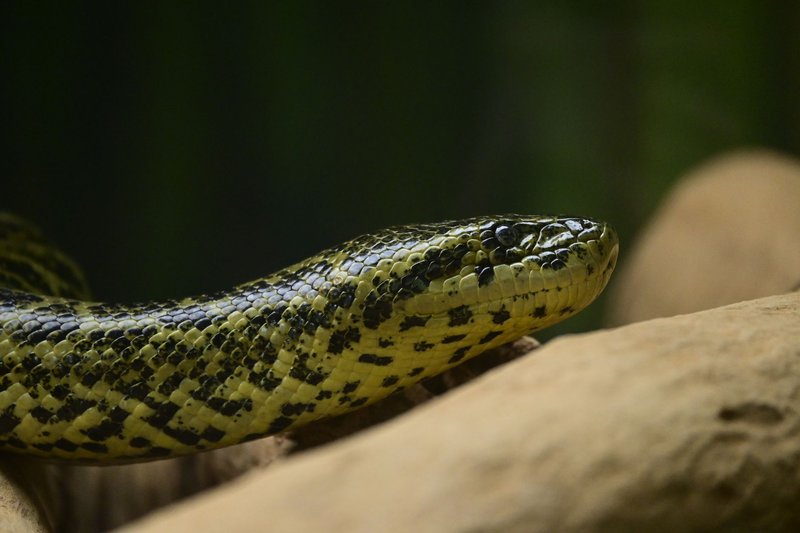
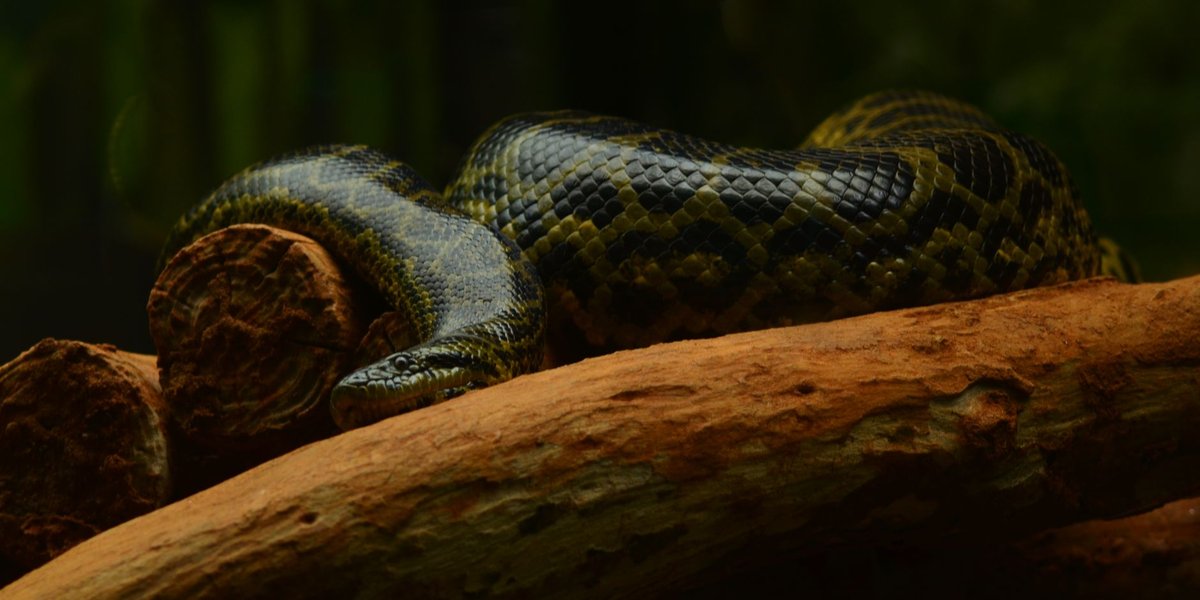
1. Green anaconda. The heaviest snake on the planet, by a wide margin. Adult females — dramatically larger than males, which is unusual among snakes — average around 15 feet, with the biggest confirmed individuals pushing past 25. What makes them the heavyweight champion isn’t length, though; it’s girth. A large anaconda can measure a foot across, which is why it beats out the longer reticulated python on sheer mass. They hunt by ambush in slow rivers and flooded forest across the Amazon and Orinoco basins, drowning prey rather than crushing it against something solid. National Geographic rates them as one of the few snakes capable of taking down a full-grown caiman.
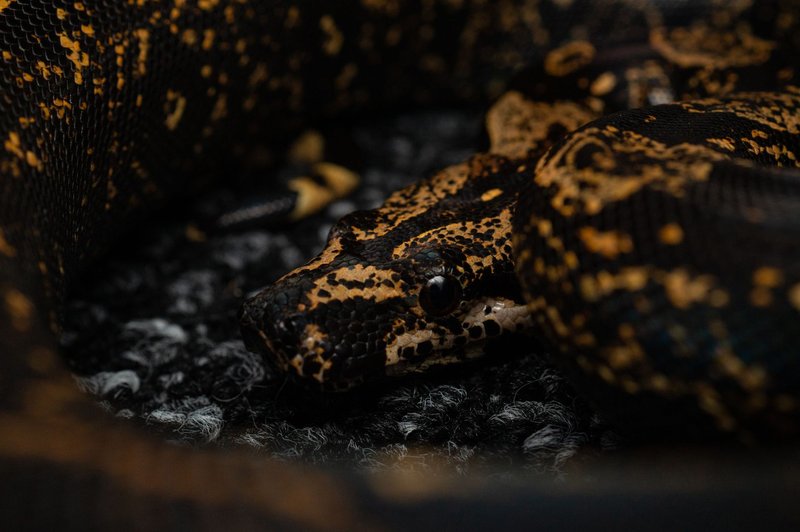
2. Boa constrictor. The anaconda’s drier, more widespread cousin. Boas range from northern Argentina up through Central America, and unlike anacondas they’re just as comfortable in dry scrub as in rainforest. They top out around 10 feet — respectable, but nowhere near anaconda territory — and kill the same way most constrictors do, by tightening with each exhale until the prey’s heart stops. Juveniles eat lizards and rodents; adults move up to birds and small mammals.
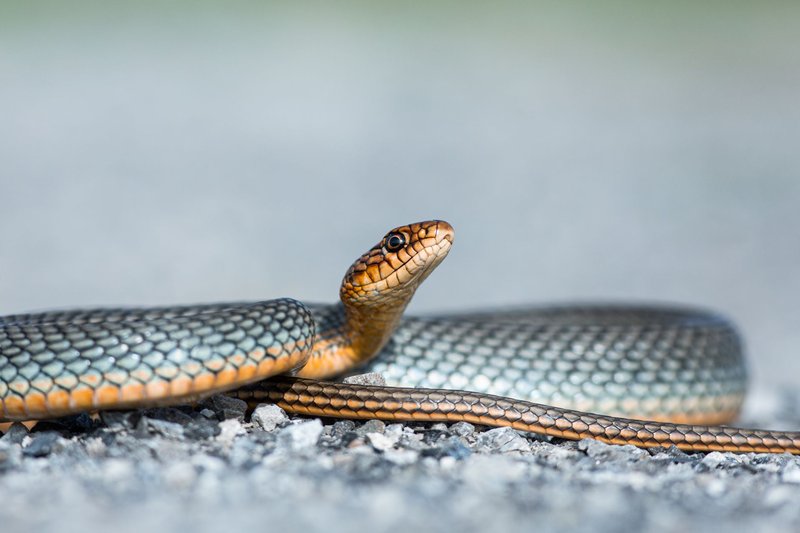
3. Fer-de-lance (Bothrops atrox). The species responsible for more snakebite deaths in Latin America than any other reptile. A single bite can deliver over 100 milligrams of venom, and the fatal human dose is roughly half that. What makes the fer-de-lance dangerous isn’t rarity — it’s the opposite. It’s common, it’s active at night near farmland and forest edges, and its camouflage is good enough that people step on it before they see it. If you’re hiking after dark anywhere in its range, from Colombia down through the Amazon basin, a flashlight and closed shoes aren’t optional.
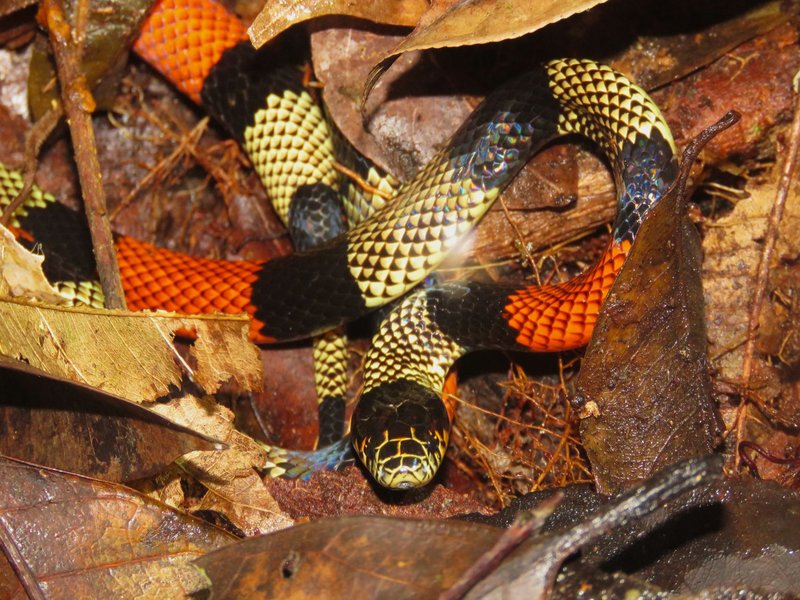
4. South American coral snake. Micrurus species carry neurotoxic venom that’s arguably more potent, drop for drop, than the fer-de-lance’s — but they bite far fewer people. Coral snakes are shy, spend most of their time underground or under leaf litter, and have small, backward-facing fangs that make it hard for them to bite anything larger than their usual prey of other snakes and legless amphibians. The red-yellow-black banding gets mimicked by several harmless species, which is where “red touches yellow, kill a fellow” comes from — a rhyme that works for North American coral snakes but isn’t reliable across every South American species, so don’t bet on it in the field.
Lizards of South America
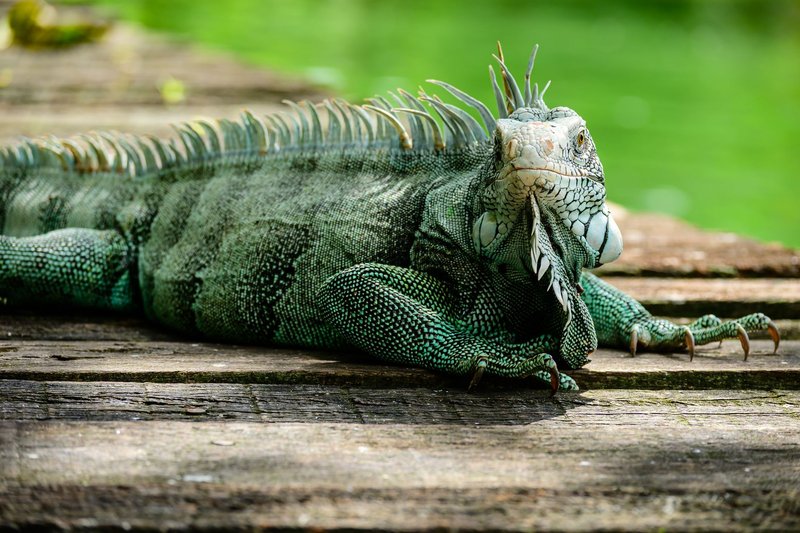
5. Green iguana. The lizard most people picture when they think “iguana,” and it’s a genuine giant of the group — up to 7 feet long including tail, and as much as 30 pounds. Despite the size, it’s almost entirely herbivorous, spending its days basking in the canopy and dropping into water below when threatened. Green iguanas range from Mexico through the Amazon basin and have also gone feral in Florida, which tells you something about how adaptable they are.
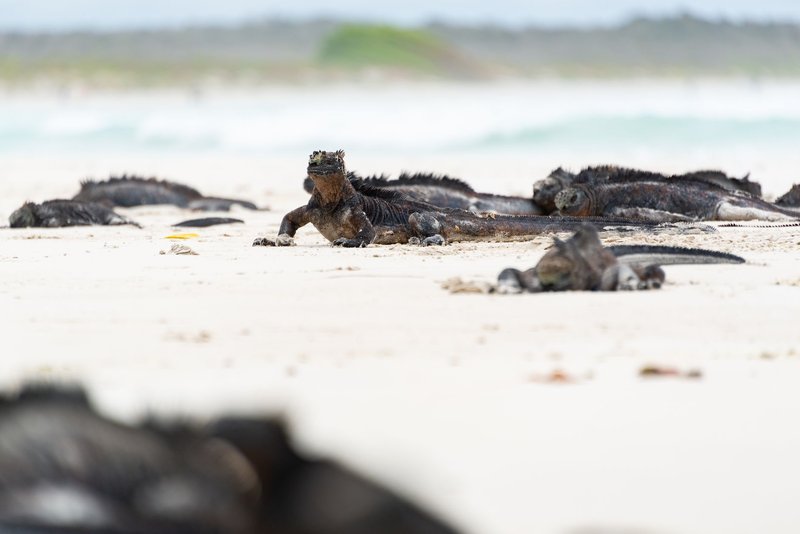
6. Marine iguana. Found only in the Galápagos, and found nowhere else on the planet — the world’s only lizard that forages in the ocean. Its ancestors are believed to have drifted out from mainland South America on debris millions of years ago and gradually adapted to a diet of marine algae. Marine iguanas dive for food, sneeze out excess salt through specialized glands, and turn a startling red-and-green during mating season on islands like Española. WWF lists habitat disturbance and introduced predators as the main threats to a species that has nowhere else to retreat to.
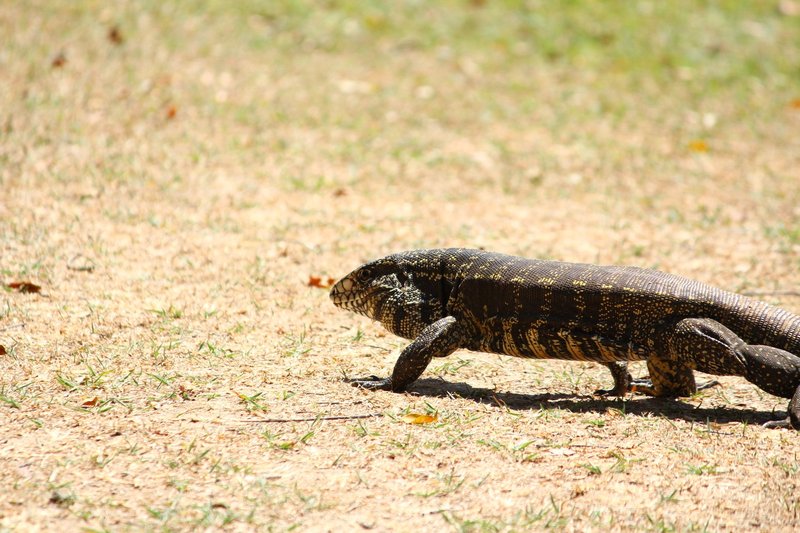
7. Argentine black and white tegu. A ground-dwelling omnivore that eats fruit, eggs, small animals, and pretty much anything else it can catch, and does it fast — tegus are among the quickest lizards in South America over short distances. They’re also one of the few reptiles capable of a limited form of endothermy, raising their body temperature above ambient air during breeding season, a trick more associated with mammals and birds than lizards.
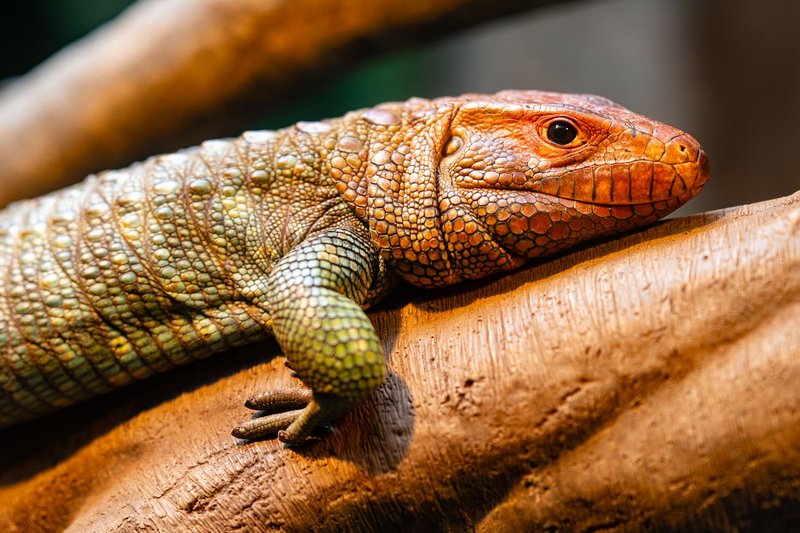
8. Northern caiman lizard. Built almost entirely around one food source: apple snails. Its molar-like rear teeth are shaped to crush shells, and it spends most of its time in or near slow Amazonian waterways hunting for them. The armored, ridged scales along its back give it a crocodilian look that has nothing to do with relation and everything to do with convergent evolution — different ancestry, same solution to living half in the water.
Turtles and Tortoises of South America
9. Matamata. Possibly the strangest-looking turtle alive. Its head is flattened, fringed, and covered in warty tubercles that break up its outline against leaf litter at the bottom of slow Amazon and Orinoco rivers. It doesn’t chase prey — it waits, motionless, then opens its mouth fast enough to create a pressure drop that sucks fish in whole. Matamatas can reach 18 inches and rarely surface except to breathe through a long, snorkel-like snout.
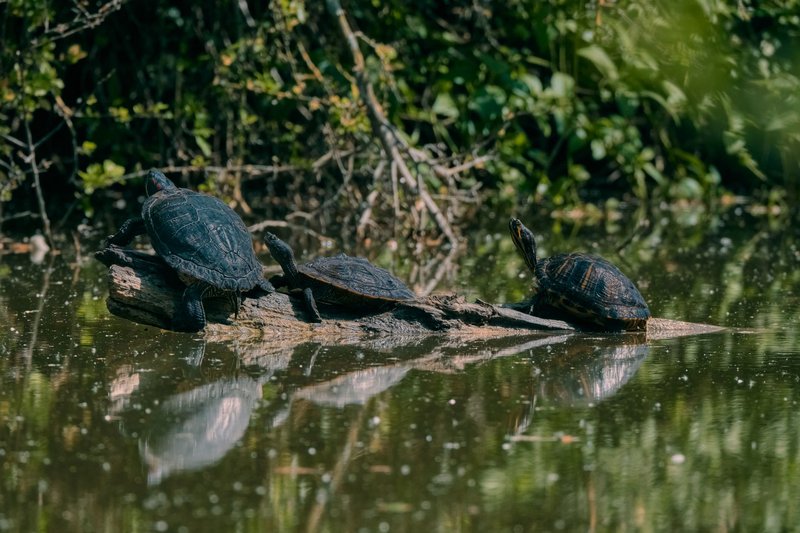
10. Yellow-spotted Amazon river turtle. One of the largest South American river turtles, growing to about 18 inches and 18 pounds. Like other podocnemid turtles, it’s side-necked — it tucks its head sideways under the shell’s rim rather than pulling straight back, a trait that splits turtles into two distinct evolutionary lineages worldwide. Females haul out onto sandbars during the dry season to nest, which makes egg-poaching a persistent conservation problem across the Amazon basin.
11. Yellow-footed tortoise. A forest-floor generalist found from Colombia down through the Amazon and into Argentina, eating fallen fruit, fungi, and carrion. It’s one of the larger tortoises in South America, with males showing a concave underside that helps them mount females during mating — a feature you can use to sex an adult at a glance.
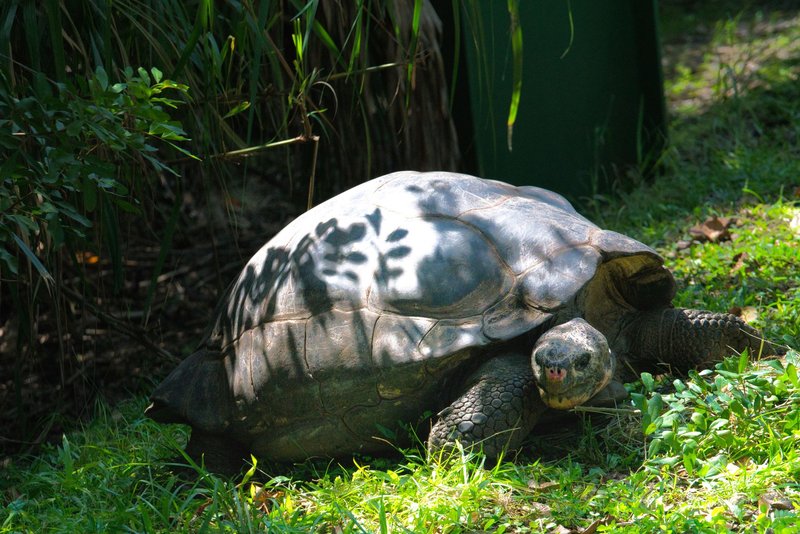
12. Galápagos giant tortoise. The archipelago’s namesake reptile and one of the longest-lived vertebrates on Earth, with some individuals documented past 150 years. Different islands produced visibly different shell shapes — dome-shelled tortoises on wetter islands with abundant ground vegetation, saddle-backed ones on drier islands where they need to stretch upward for cactus pads. It’s a textbook example of island adaptation, and it’s part of what pointed Darwin toward natural selection in the first place.
Caimans and Crocodiles of South America
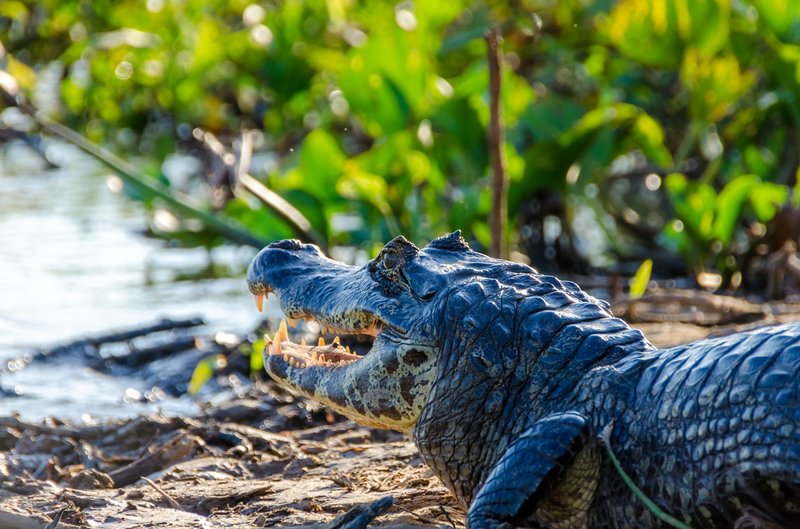
13. Black caiman. The largest predator in the Amazon basin and the biggest of all caiman species, with confirmed adults reaching 13 feet and unverified historical reports well beyond that. Skin hunting between the 1940s and 1970s nearly wiped the species out in parts of its range; CITES protections and falling demand let populations recover enough that it’s now rated Least Concern, though it remains hunted illegally in several countries and increasingly competes with the smaller, more adaptable spectacled caiman for territory.
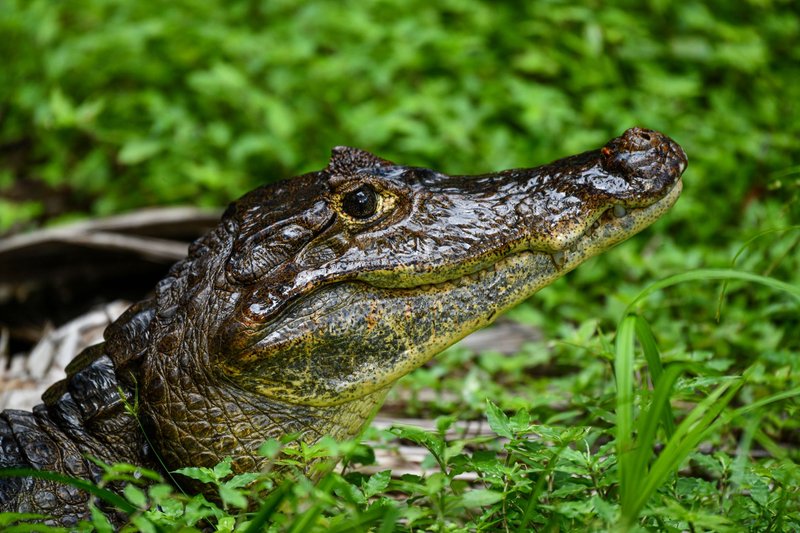
14. Spectacled caiman. The bony ridge between its eyes that looks like the bridge of a pair of glasses gives this species its name, and also its identifying feature at a distance. It’s the most common and widespread crocodilian in the Americas, found from Mexico down through most of South America, and it’s the one you’re statistically most likely to see on a river tour — tolerant of disturbed habitat in a way the black caiman generally isn’t.
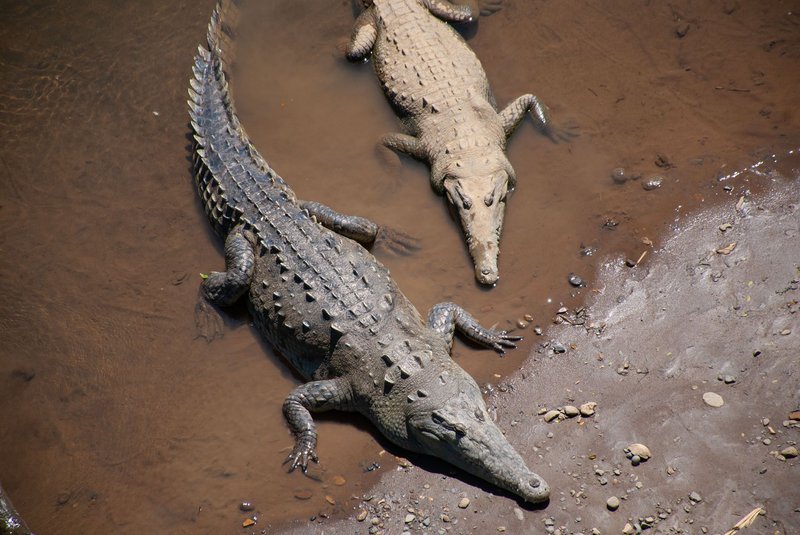
15. Orinoco crocodile. South America’s one true crocodile, and one of the rarest reptiles on the continent. It once ranged across the entire Orinoco basin in Colombia and Venezuela; decades of hide hunting collapsed the population to a few thousand individuals, and it now survives mainly through captive breeding and reintroduction programs. Males can reach 16 feet, making it one of the largest crocodilians alive, in a species most people outside its native range have never heard of.
Reptiles You Might Actually Meet
If you’re traveling through the Amazon or Orinoco basins rather than reading about them, the practical breakdown is simpler than the species list suggests. Caimans sunning on riverbanks are common and generally leave people alone unless cornered or guarding a nest. Boas and anacondas are far more often seen than felt. The snakes worth genuine caution are the pit vipers — fer-de-lance venom studies show real regional variation in potency, which is part of why local guides carry antivenom knowledge specific to their area rather than generic snakebite advice.
None of that should read as a warning to stay away. It’s the reason South America’s reptiles — dangerous minority included — earned the topical authority they have. A continent that spent tens of millions of years isolated built a reptile fauna nowhere else can match, and most of it is a lot less interested in you than you might expect.