TLDR
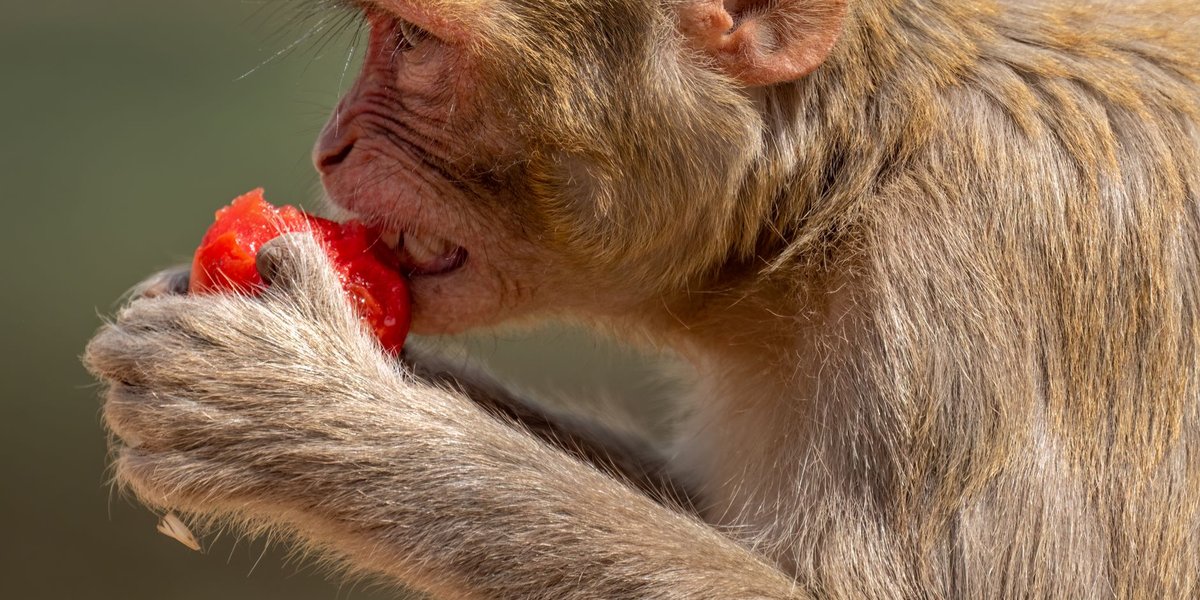
The highland mangabey — better known as the kipunji — is a fruit-heavy omnivore. Ripe and unripe fruit make up the bulk of its diet, backed up by leaves, bark, flowers, seeds, and the occasional insect. When fruit runs out, it switches to leaves, fungi, lichen, and soil, and in degraded habitat it will raid farm plots for maize and sweet potatoes — a habit that’s now tangled up with its survival as a species.
Table of Contents
- The Short Answer
- Primary Foods: Fruit Comes First
- Secondary Foods: The Supporting Cast
- Fallback Foods: What Happens When Fruit Runs Out
- Seasonal Shifts in the Kipunji Diet
- How Kipunji Forage
- Diet, Seed Dispersal, and Why This Matters for Survival
The Short Answer
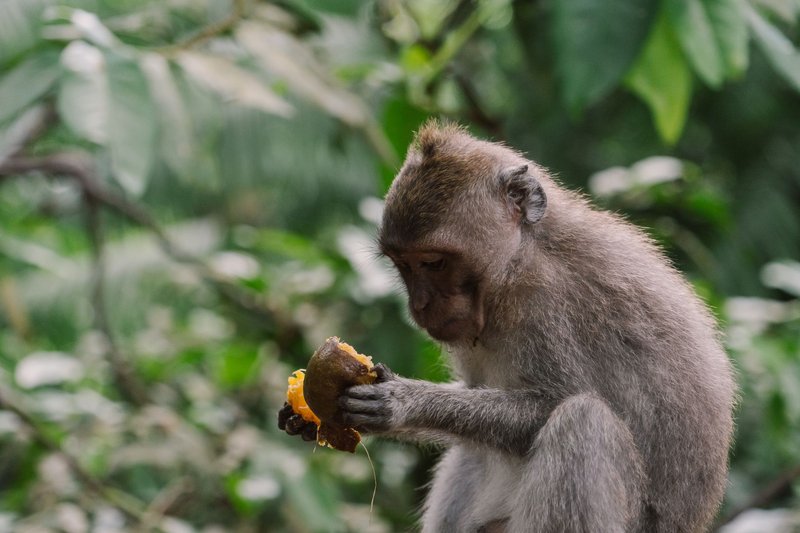
Kipunji were only described as a species in 2005, found in the Southern Highlands and Udzungwa Mountains of Tanzania, and researchers still don’t have decades of feeding data on them the way they do for baboons or vervets. What’s documented is consistent, though: this is a frugivore first, an omnivore when it needs to be. Fruit anchors the diet, and everything else — leaves, bark, insects, fungi — fills in around it depending on what the forest is producing that month.
That single fact explains most of the kipunji’s other behaviors, including the crop-raiding that’s become one of the biggest threats to the species.
Primary Foods: Fruit Comes First
Ripe fruit is the preferred item whenever it’s available, but kipunji don’t wait for it to ripen. Unripe fruit shows up in their diet regularly, which tracks with a species living in forest patches where fruiting trees aren’t guaranteed to produce on a convenient schedule. A troop that waited for perfectly ripe fruit every time would go hungry.
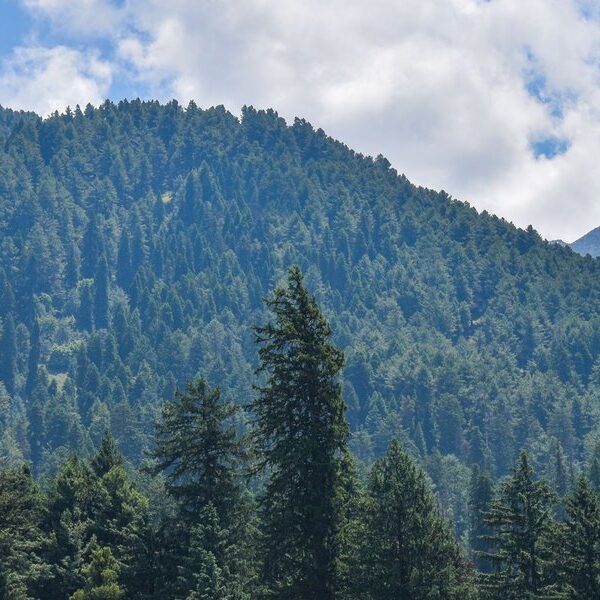
This puts kipunji in the same camp as other African forest primates that treat fruit as the default food and everything else as a buffer. The difference is habitat: kipunji live at higher elevations, in montane and mixed forest between roughly 1,300 and 2,450 meters, where fruiting trees are sparser and more seasonal than in lowland rainforest.
Secondary Foods: The Supporting Cast
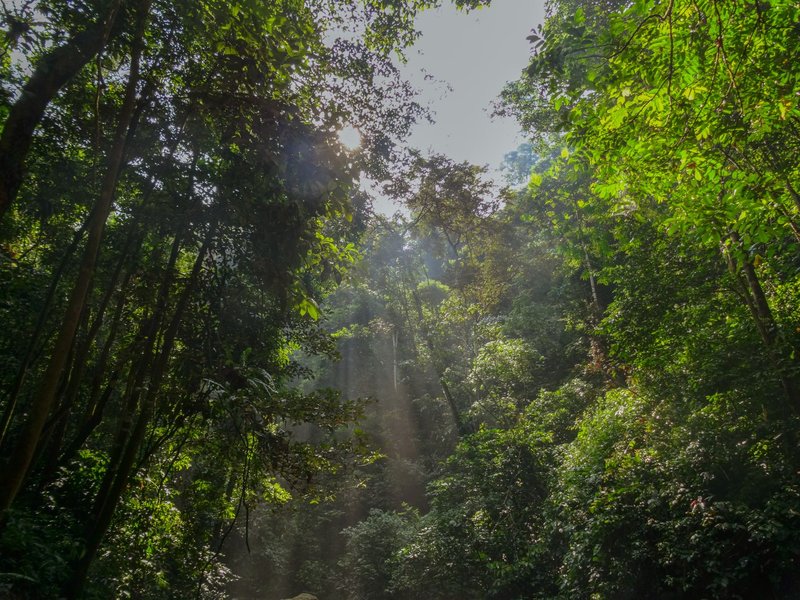
When fruit is scarce or a troop is simply passing through a patch of forest without much fruiting activity, kipunji fall back on a wider menu:
- Leaves — both young and mature, a steady filler food
- Bark — stripped from trunks and branches, likely for fiber or moisture
- Flowers — seasonal, opportunistic
- Seeds — often swallowed whole, which matters for the forest itself (more on that below)
- Shoots and pith — soft plant tissue, easier to process than mature bark
- Invertebrates — insects and similar prey, a protein source that shows up across nearly every mangabey species studied
None of this is unusual for a mangabey. What’s notable is how far kipunji are willing to push past “supporting cast” and into genuine survival mode when conditions get hard.
Fallback Foods: What Happens When Fruit Runs Out
This is the part that gets left out of the general primate encyclopedia pages, and it’s arguably the most interesting piece of the kipunji’s biology. In lean periods, kipunji have been documented eating:
- Fungi and lichen — low-calorie but available year-round
- Moss — scraped from bark and rocks
- Soil — geophagy, likely for minerals or to buffer plant toxins, a behavior also seen in gorillas and several Old World monkey species
- Maize and sweet potatoes — raided directly from farm plots bordering degraded forest
That last item isn’t a curiosity. Kipunji habitat has been fragmented by logging and agriculture, and troops living near the forest edge increasingly supplement a shrinking natural food supply with crops. It’s a direct line from habitat loss to diet to human-wildlife conflict, and it’s the kind of detail that gets a single throwaway sentence in most write-ups instead of the attention it deserves.
Seasonal Shifts in the Kipunji Diet
Kipunji diet isn’t fixed — it moves with the calendar. During fruiting seasons, fruit can dominate feeding time almost entirely. Outside those windows, the balance tips toward leaves, bark, and whatever else the forest offers. This kind of seasonal flexibility is common in fruit-dependent primates, but for a species confined to a small, fragmented range in the Southern Highlands, the margin for error is thinner. A bad fruiting year in a shrinking forest hits harder than the same bad year would for a species with a continent-wide range.
How Kipunji Forage
Kipunji move and feed in cohesive troops, foraging through the forest canopy and understory as a group rather than scattering individually. Detailed data on exact foraging frequency — how many hours a day, how often troops split into subgroups — is thin, largely because the species was identified so recently and field studies are limited by the difficulty of accessing its mountain habitat. What is clear from field observations is that troops range across mixed forest types in search of fruiting trees, adjusting their path based on what’s currently producing food, which is standard behavior for a frugivorous primate tracking a patchy resource.
Diet, Seed Dispersal, and Why This Matters for Survival
Swallowing fruit and seeds whole isn’t incidental — it makes kipunji seed dispersers for the trees they feed from, spreading seeds away from the parent tree as troops move through the forest. That’s a meaningful ecological role in a forest ecosystem already under pressure from logging and clearing.
The Kipunji is classified as Endangered, with a wild population estimated in the low thousands spread across a handful of forest fragments, according to conservation assessments published through BioOne’s Primate Conservation journal. The IUCN Red List tracks the species’ status as habitat continues to shrink.
That creates a loop worth understanding: less forest means less natural fruit, less natural fruit means more crop-raiding, and more crop-raiding means more conflict with the farmers whose land borders the kipunji’s last remaining habitat. A diet that looks straightforward on paper — fruit, leaves, the occasional insect — turns out to be one of the clearest windows into why this particular primate is in trouble, and what protecting its forest actually requires.