Every big fluffy dog looks the same in a photo: a cloud with a nose. The differences show up in month three, when you’re brushing for an hour, hauling a vacuum out daily, or wondering why your dog lies flat on the kitchen tile at 25°C.
This list covers 12 breeds that are genuinely large and genuinely coated, with the coat’s real demands and the main downside of each. Skip to the comparison table if you want numbers first.
Table of Contents
TLDR
- Best overall for families: Golden Retriever or Bernese Mountain Dog (the Bernese has a shorter life).
- Best for first-time owners: Golden Retriever. The others on this list are easier to get wrong.
- Least grooming: Chow Chow and Great Pyrenees need regular brushing but forgive a missed week more than Old English Sheepdogs do.
- Worst in heat: Newfoundland, Saint Bernard, Tibetan Mastiff and Alaskan Malamute.
- Biggest shedders: Samoyed, Malamute, Great Pyrenees. Seasonal “coat blows” fill bin bags.
Quick comparison
| Breed | Typical weight | Shedding | Brushing per week | Heat tolerance | Good with young kids |
|---|---|---|---|---|---|
| Samoyed | 35-65 lb | Heavy | 2-3 hours in blow season, 1 hour otherwise | Poor | Yes |
| Newfoundland | 100-150 lb | Heavy | 1-2 hours | Poor | Yes |
| Great Pyrenees | 85-115 lb | Heavy | 1-2 hours | Fair | With supervision |
| Bernese Mountain Dog | 70-115 lb | Heavy | 1-2 hours | Poor | Yes |
| Old English Sheepdog | 60-100 lb | Moderate | 3-5 hours or a trim | Fair | Yes, but boisterous |
| Alaskan Malamute | 75-85 lb | Heavy | 1-2 hours | Poor | With supervision |
| Chow Chow | 45-70 lb | Heavy | 1-2 hours | Poor | Not ideal |
| Leonberger | 90-170 lb | Heavy | 1-2 hours | Poor | Yes |
| Saint Bernard | 120-180 lb | Moderate to heavy | 1 hour (long-coat) | Poor | Yes, with space |
| Tibetan Mastiff | 70-150 lb | Seasonal, very heavy | 1-2 hours | Fair (cool nights) | Not ideal |
| Golden Retriever | 55-75 lb | Heavy | 1 hour | Fair | Yes |
| Kuvasz | 70-115 lb | Heavy | 1-2 hours | Fair | With supervision |
Weights are typical adult ranges for the breed; individual dogs and sexes vary. Brushing times are our estimates for keeping a pet coat mat-free, not show standards.
The 12 breeds
1. Samoyed
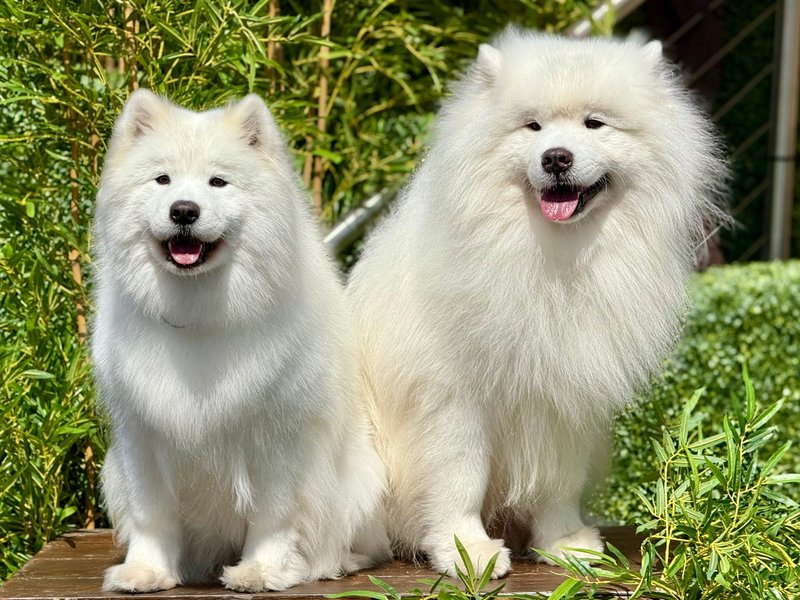
The Samoyed is the smallest dog here, but its coat is so voluminous that it reads as large. Males run up to roughly 65 pounds. The double coat comes from Siberian herding and sled work, and it is white, dense and unforgiving of neglect.
Samoyeds are social to a fault. They greet strangers, bark a lot, and fall apart if left alone all day. Expect a “Sammy smile” and a dog that follows you from room to room.
The catch: the coat blows twice a year, and the undercoat comes out in handfuls. Buy a slicker brush and an undercoat rake before you buy the dog.
2. Newfoundland
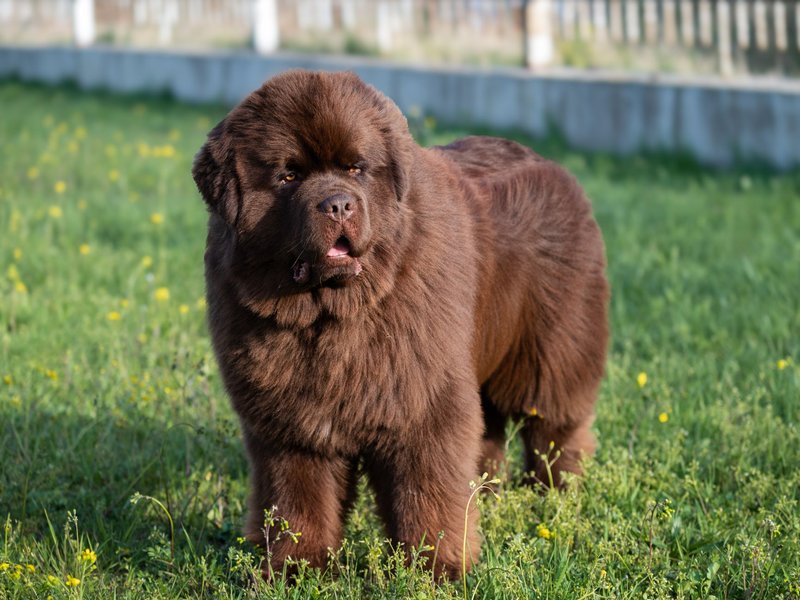
Newfoundlands were bred to haul fishing nets and pull people from cold water, which explains the webbed feet and the water-resistant coat. Males regularly top 130 pounds. Their temperament is among the gentlest of any large breed, and they tolerate toddlers who treat them like furniture.
The catch: drool, and plenty of it. They also overheat quickly. In a warm climate, a Newfoundland needs air conditioning, not just shade.
3. Great Pyrenees
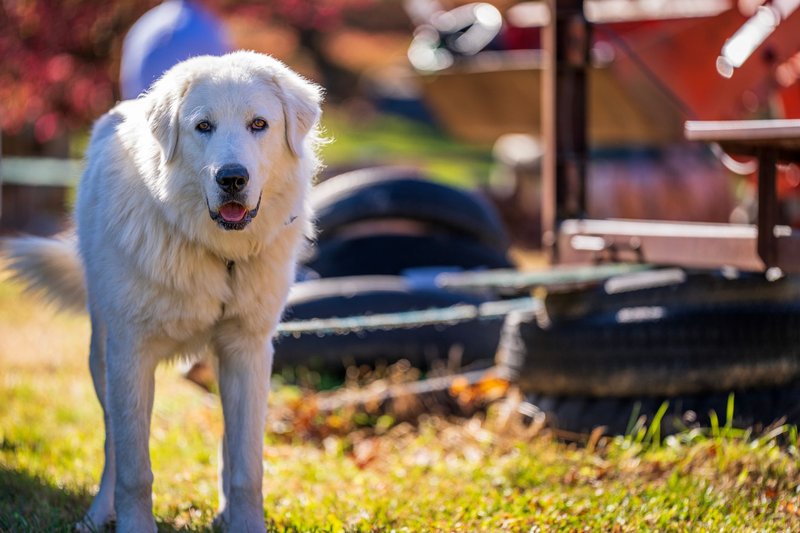
A livestock guardian from the Pyrenees mountains, bred to sit on a hillside all night and decide for itself whether a wolf is a problem. That independence is the whole personality. The dog is calm indoors, protective by instinct, and not much interested in your commands.
The white double coat sheds heavily but resists matting better than many breeds on this list.
The catch: nighttime barking and roaming. Without a fully fenced yard, a Great Pyrenees will patrol the neighborhood. It also learns recall slowly, if at all.
4. Bernese Mountain Dog
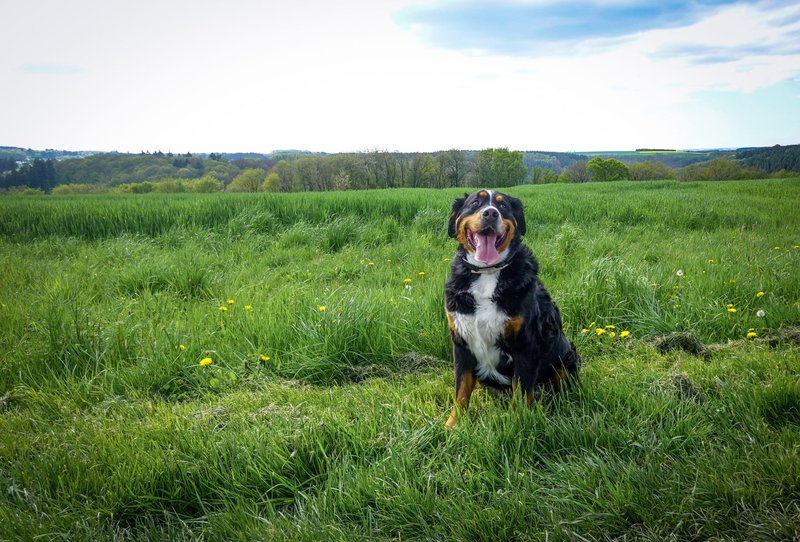
The tricolor coat, black, rust and white, is what sells the breed. The temperament backs it up: affectionate, steady, and good with children. Berners are Swiss farm dogs that pulled carts, and they still like having a job.
The catch: lifespan. The breed typically lives 7 to 10 years, and cancer is a major cause of death. Ask any breeder for health testing on both parents, and budget emotionally as well as financially.
5. Old English Sheepdog
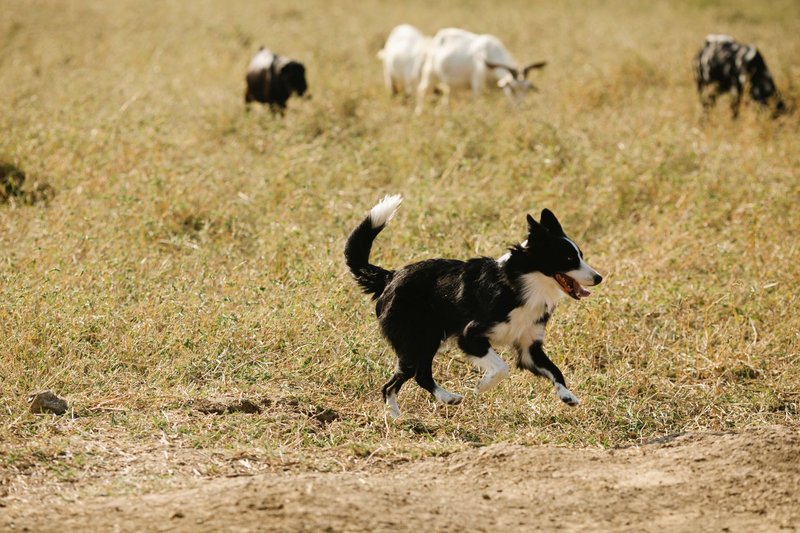
The shaggy “dulux dog” look is real, and it takes work. The coat mats at the armpits, behind the ears and on the legs unless you brush it down to the skin. Most pet owners keep it clipped short, which is a fair compromise.
Temperament is clownish and affectionate, with herding instincts that may nip at children’s heels.
The catch: grooming bills. Professional grooming every six to eight weeks is normal, and the beard collects water and food.
6. Alaskan Malamute
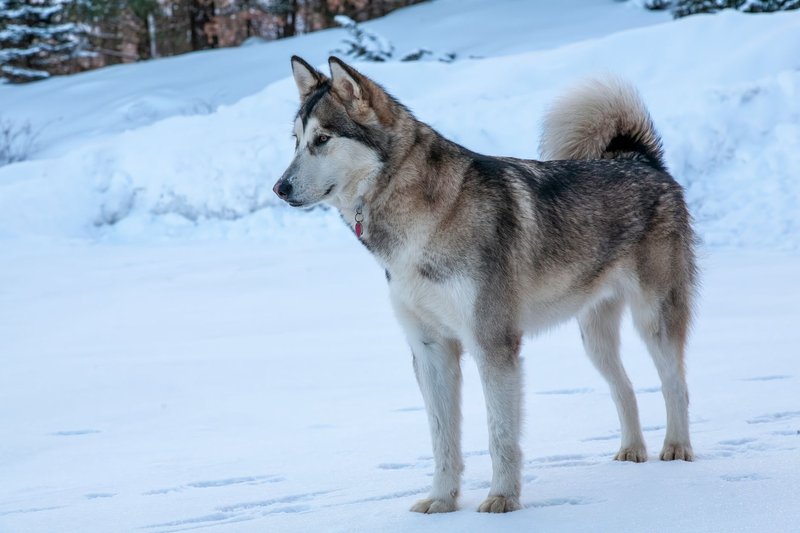
Built for hauling heavy freight across the Arctic, the Malamute is stronger than a Siberian Husky and bigger-boned. The coat is thick, coarse and bulky. This is a dog that wants to pull something, dig something, or escape something.
The catch: strength and prey drive. A Malamute can pull a grown adult off their feet, and it may kill small animals. First-time owners are often overwhelmed.
7. Chow Chow
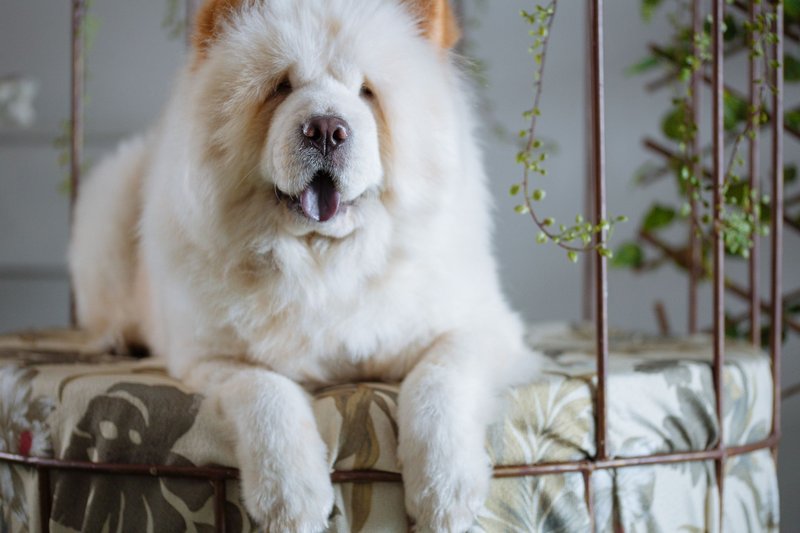
The Chow looks like a lion with a blue-black tongue. It is the most cat-like dog on this list: aloof, clean, reserved with strangers, and loyal to its own people.
The coat comes in a rough or smooth type. The rough type needs regular brushing, and the skin folds need checking.
The catch: temperament. Chows are not social, can be aggressive without early socialization, and generally don’t suit homes with small children or frequent guests. They also overheat in warm weather.
8. Leonberger
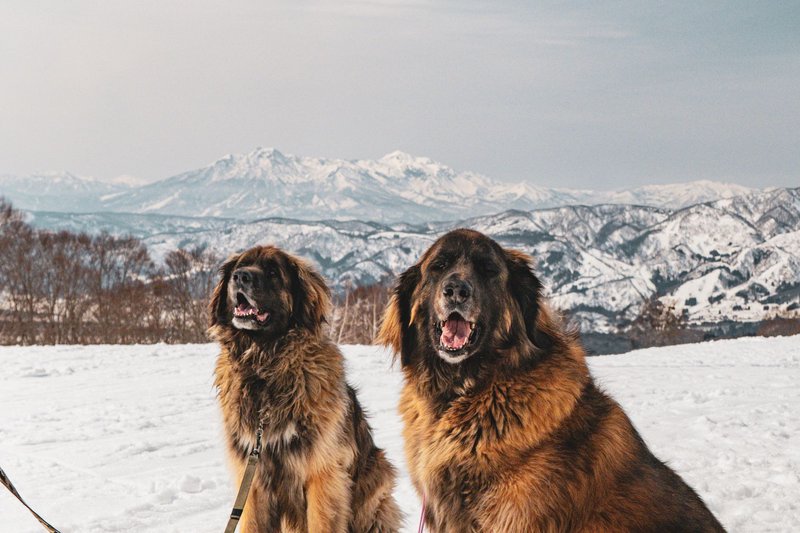
A German breed built to resemble the lion on the town crest of Leonberg. Males can reach 170 pounds. The water-resistant coat has a mane around the neck and chest, and a black mask completes the lion look.
Leonbergers are calm and sociable, and they like being near their people.
The catch: size, and shedding that scales with it. Expect a dog hair film on every surface, and a lifespan of around 7 to 9 years.
9. Saint Bernard
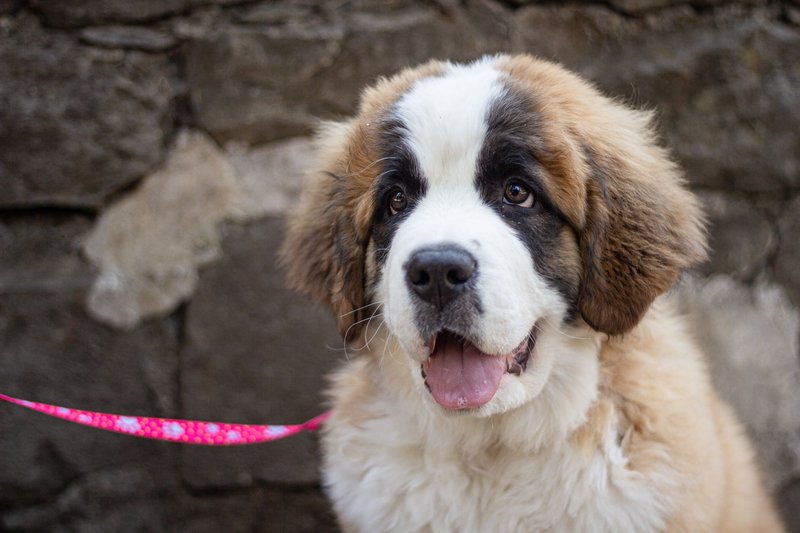
The rescue dog of the Swiss Alps, minus the brandy keg, which was always a myth. Saint Bernards come in short and long coats. The long-coat type is fluffier and needs more brushing, but even the short coat sheds.
They are patient and slow-moving, and they tolerate children well.
The catch: drool, a short lifespan of about 8 to 10 years, and a risk of bloat, a life-threatening stomach twist common in deep-chested large breeds. The American Veterinary Medical Association is a good starting point for learning the warning signs before you need them.
10. Tibetan Mastiff
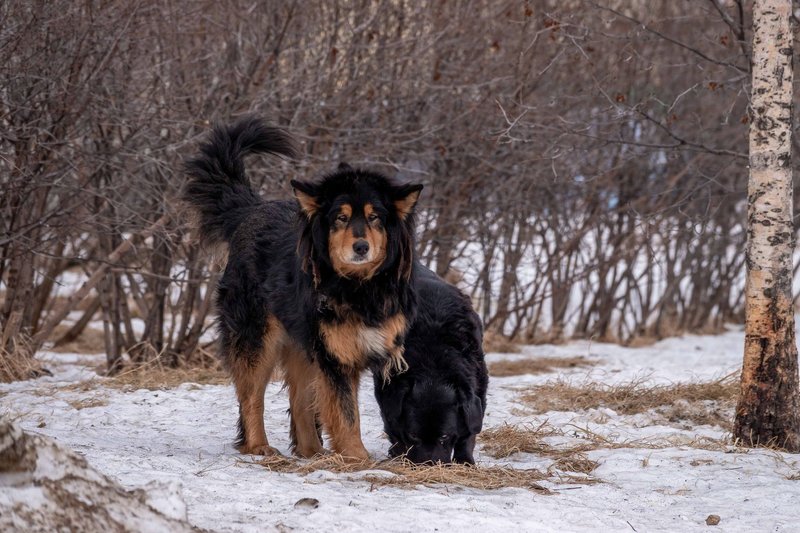
The Tibetan Mastiff has a heavy mane and a coat that suits Himalayan winters. It is a guardian breed, with a deep bark and a serious attitude toward strangers.
Unlike most dogs on the list, it sheds once a year, but dramatically. For a few weeks in spring, the undercoat comes off in sheets.
The catch: it isn’t a beginner dog. It needs firm training, early socialization and a tall fence, and it barks at night.
11. Golden Retriever
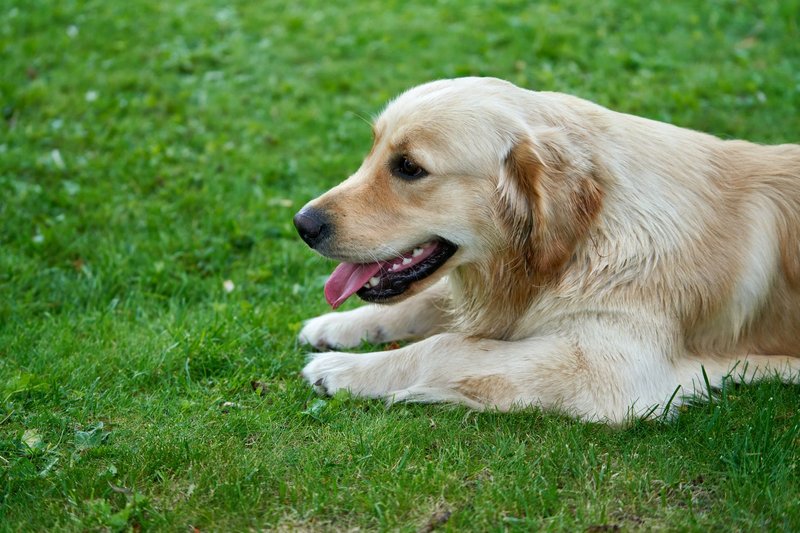
Goldens are not the largest or fluffiest on the list, but they are the easiest. A feathered double coat, a eager-to-please temperament and decades of breeding for family life make them the sensible choice if you want a big fluffy dog without a project.
The catch: shedding is constant, not seasonal. You will find golden hair in your food. They also need real exercise, an hour or more daily, and cancer rates in the breed are high.
12. Kuvasz
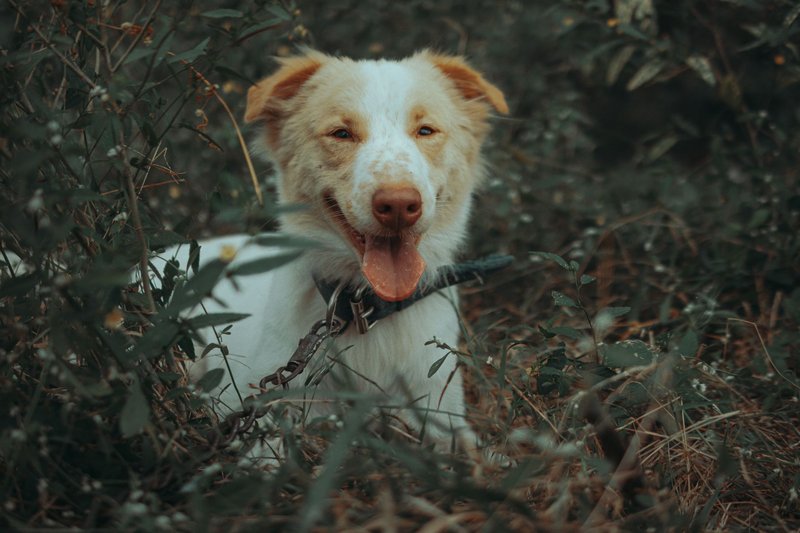
A Hungarian livestock guardian with a thick white coat that is wavy and surprisingly resistant to dirt. Kuvaszok are loyal and protective, and they take training better than a Great Pyrenees but still think for themselves.
The catch: they are wary of strangers and need an experienced owner who socializes them early. Rare in many countries, which makes finding a reputable breeder harder.
Pick by situation
First-time owners: Golden Retriever. If you want something fluffier, a Newfoundland is gentle enough to forgive mistakes, but the drool and the heat sensitivity are real.
Apartments: none of these are natural apartment dogs, but a Samoyed with daily exercise and a Saint Bernard with a ground-floor unit can work. Avoid the guardian breeds (Great Pyrenees, Kuvasz, Tibetan Mastiff) in shared walls. The barking will cause neighbor complaints.
Hot climates: the honest answer is that most of these dogs shouldn’t live there. If you must, choose a Golden Retriever, Great Pyrenees or Kuvasz, keep them in air conditioning, and walk them at dawn and dusk.
Families with toddlers: Newfoundland, Bernese Mountain Dog, Leonberger and Golden Retriever have the best reputations. Size matters here. A 130-pound dog doesn’t need to be aggressive to knock over a two-year-old.
Low shedding: no big fluffy dog sheds little. If you want the look with less hair, an Old English Sheepdog kept in a short clip is the closest option, though it swaps shedding for grooming bills.
What a fluffy dog really costs
Competitor lists skip this part, so here it is.
- Grooming: professional grooming for a large double-coated or long-coated dog runs from about $80 to $200 per session, depending on region. Old English Sheepdogs need it every 6 to 8 weeks. Most others can be home-brushed, which costs time rather than money.
- Food: a 100-pound dog eats roughly 5 to 7 cups of kibble a day, which can cost $80 to $150 a month for good food.
- Vet care: large breeds cost more for anesthesia, medication and surgery, because doses scale with weight. Hip and elbow dysplasia and bloat are common reasons for big bills.
- Time: a realistic weekly brushing commitment is one to three hours per dog, more during seasonal shedding.
- Lifespan: giant breeds like Newfoundlands, Leonbergers, Saint Bernards and Bernese Mountain Dogs often live 7 to 10 years. Smaller breeds on the list can live 12 or more.
Pet insurance is worth pricing before you buy, especially for breeds with known cancer or orthopedic problems.
FAQ
What is the biggest fluffy dog breed?
Among the breeds here, the Saint Bernard and the Leonberger lead, with males exceeding 150 pounds. Tibetan Mastiffs and Newfoundlands can also reach that weight.
What big fluffy dog breed is best for families?
Golden Retrievers, Bernese Mountain Dogs, Newfoundlands and Leonbergers have the best track records with children. Match the breed to your space and climate, not only its temperament.
Which big fluffy dogs shed the least?
None shed little, but Old English Sheepdogs (in a clipped coat) and Saint Bernards with short coats are generally lighter shedders than Samoyeds, Malamutes or Great Pyrenees. Brushing weekly removes loose hair before it lands on your floors.
Can fluffy dogs live in hot weather?
Some can with precautions: air conditioning, shade, water, and exercise only in the cool parts of the day. Never shave a double-coated dog to cope with heat. The coat insulates against heat as well as cold, and shaving can damage regrowth and increase sunburn risk.
Do fluffy dogs need haircuts?
Mostly no, with the exception of the Old English Sheepdog. For double-coated breeds, brushing does the job. Trimming is limited to paw pads, sanitary areas and tidy-ups.
Final word
The best big fluffy dog breeds aren’t the ones that photograph best. They are the ones whose coat, size and temperament match the life you already have. Pick for the heat, the hours and the budget you actually have, and the fluff becomes the easy part.