Bahrain has no lions, no crocodile rivers and no bear country. The animals that can hurt you here are small, mostly nocturnal, and usually avoidable: a few desert vipers, two scorpion species worth respecting, jellyfish and stingrays in the shallows, and stray dogs. The headline-grabbing threats, escaped crocodiles and big cats, come from the exotic pet trade, which is the reason the country just rewrote its animal laws.
Fatal encounters with wildlife are rare. Painful ones are not. This guide ranks the real risks, tells you where and when they show up, and covers first aid.
Table of Contents
- TLDR: the risk ranking
- Quick-reference table
- Venomous snakes
- Scorpions
- Jellyfish, stingrays and spiny fish
- Stray dogs
- Wasps, hornets and bees
- The exotic pet problem and the new law
- Emergency numbers and hospitals
TLDR: the risk ranking
- Stray dogs. The most likely animal to bite you on an ordinary day, and rabies is the reason a bite is never minor.
- Jellyfish and stingrays. Common in warm shallow water, painful, rarely dangerous to healthy adults.
- Scorpions. Frequent around farms, gardens and building sites. Stings hurt; serious illness is mainly a risk for small children.
- Wasps and hornets. Dangerous mostly for people with allergies.
- Venomous snakes. The scariest on paper and the least often met. Most bites follow someone picking up or stepping on a snake.
- Escaped exotic pets. Genuinely dangerous, genuinely uncommon, and now the target of a strict law.
Quick-reference table
| Animal | Where | When | Real risk | First move |
|---|---|---|---|---|
| Saw-scaled and horned vipers, Arabian cobra | Desert, farmland edges, rocky ground | Warm months, after dark | Low | Keep still, call 999, get to hospital |
| Scorpions | Gardens, farms, under stones and debris | Night, warm months | Low to moderate | Clean, cold pack, hospital for children |
| Jellyfish | Beaches and shallow bays | Warm months | Moderate (painful) | Rinse with seawater, remove tentacles |
| Stingrays | Sandy shallows | Summer | Low to moderate | Hot water soak, medical check |
| Stray dogs | Neighborhoods, industrial areas, farmland | Year-round | Moderate | Wash the wound, get rabies assessment |
| Wasps, hornets | Gardens, bins, farms | Warm months | Low (high if allergic) | Remove sting, antihistamine, 999 for swelling of throat |
| Exotic pets (big cats, crocodiles, primates) | Private properties, occasionally escaped | Any | Very low, severe when it happens | Keep away, call 999 |
Venomous snakes
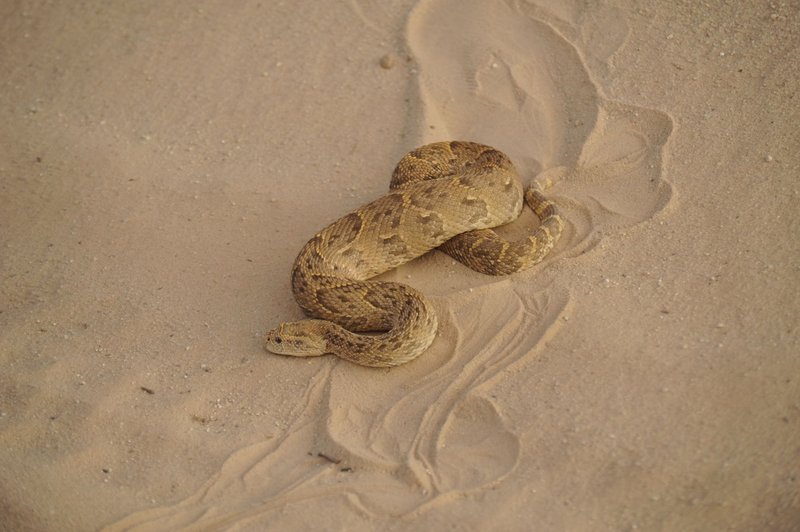
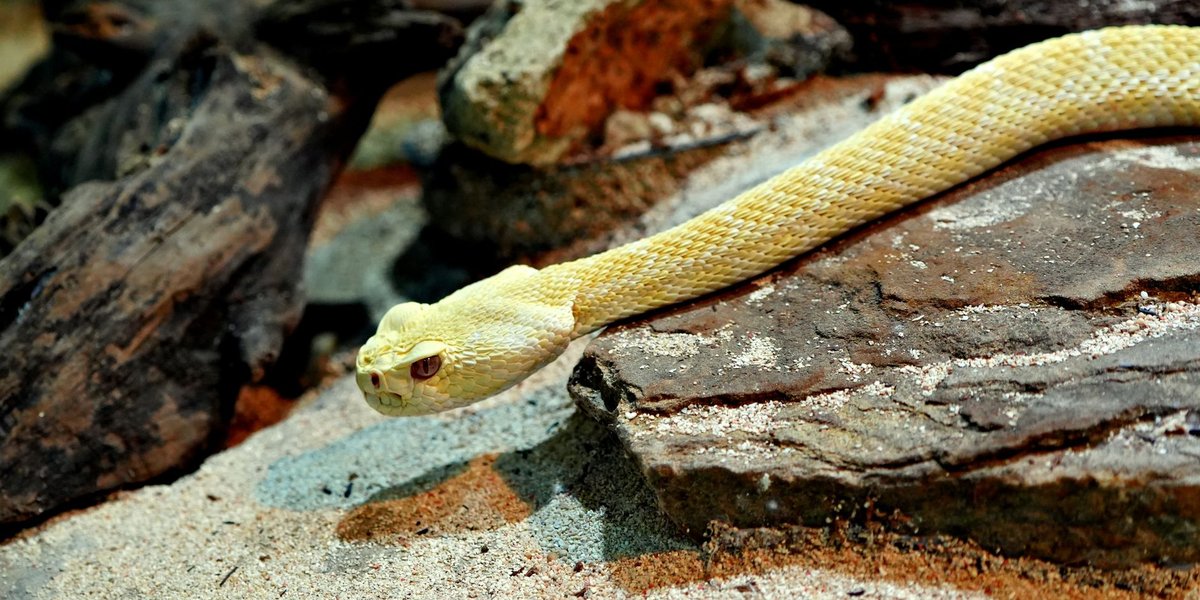
Bahrain’s venomous snakes are desert specialists. The ones to know are the saw-scaled viper, the Arabian horned viper and the Arabian cobra, a glossy black snake that hunts at night. Sea snakes also turn up in Gulf waters, though contact with people is unusual.
The vipers are the likelier culprits. They sit coiled under shrubs or half-buried in sand, rely on camouflage, and strike when stepped on. That is why the risk concentrates in open desert, palm farms and rocky scrub rather than in the city.
Snakes are most active on warm nights, so a flashlight and closed shoes do more for your safety than any remedy. Don’t reach into rock crevices or piles of debris with your bare hands.
If someone is bitten:
- Move away from the snake and keep the person calm and still.
- Remove rings, watches and tight clothing before swelling starts.
- Immobilize the limb at roughly heart level.
- Call 999 and go to a hospital. Antivenom is the only effective treatment.
- Skip the cut-and-suck routine, tourniquets, ice and “snake stones.” None of them help, and some make the damage worse.
The WHO fact sheet on snakebite envenoming backs the same advice: immobilize, get to a medical facility quickly, and ignore traditional first-aid myths.
Scorpions
Two species deserve a mention: the black fat-tailed scorpion (Androctonus crassicauda) and the yellow deathstalker (Leiurus quinquestriatus). Both are pale or dark, small and easy to miss. Both sting when pressed against skin, usually when a hand goes into a shoe, a glove or a pile of bricks.
For a healthy adult, a sting means sharp pain, numbness or tingling, and a bad night. Children and the elderly are the groups at real risk, because venom affects smaller bodies more severely.
Shake out shoes and clothes left outdoors, wear gloves when clearing garden or building debris, and check bedding if you sleep near a farm or desert camp.
After a sting, wash the area, apply a cold pack and keep the limb still. Take a child to the emergency room right away. Adults should go if they develop vomiting, sweating, muscle twitching or trouble breathing.
Jellyfish, stingrays and spiny fish
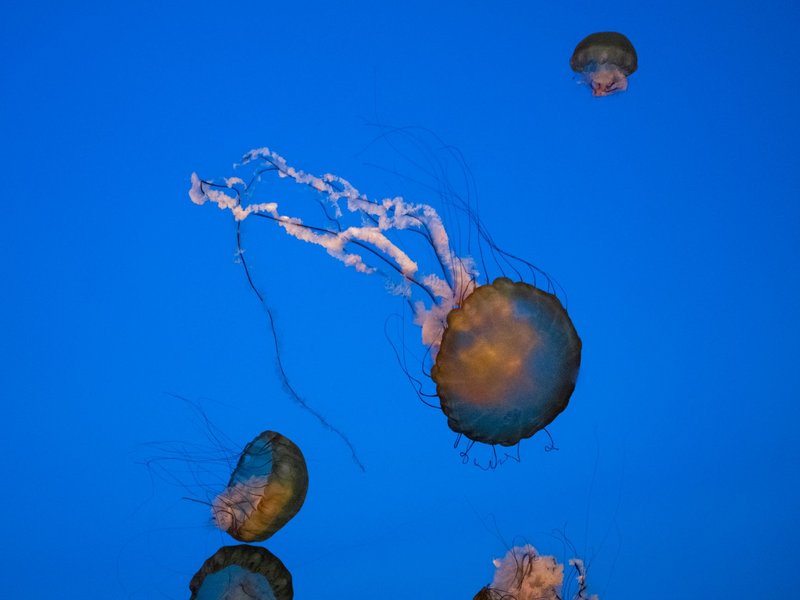
The Gulf warms up fast in summer, and jellyfish blooms follow. Most stings cause a red, burning welt that fades within hours.
- Rinse with seawater, not fresh water, which can trigger remaining stinging cells.
- Lift off tentacles with a towel edge or tweezers, not bare fingers.
- Treat with heat if pain persists, using water as hot as you can comfortably tolerate.
- Seek care for breathing trouble, chest pain or a sting that covers a large area.
Stingrays are the other shallow-water hazard. They lie partly buried in sand, and a barbed tail spine drives into the foot of anyone who steps on one. The shuffle walk, sliding your feet instead of lifting them, warns the ray to leave. For a stab wound, soak the foot in hot water, which breaks down the venom’s pain, then get it cleaned and checked, because spines break off and wounds infect.
Spiny fish, including some catfish with venomous fin spines, cause similar injuries for anglers. Handle catches with pliers or a towel and keep fingers away from the dorsal fin.
Stray dogs
This is the section most visitors skip, and it is the one that matters most. Dogs bite far more people than snakes in any country with a stray population. Packs gather near farms, construction yards and rubbish areas, and they get territorial around food and puppies.
Don’t run. Stand still, avoid eye contact and back away slowly. Never approach a dog that is eating or guarding young.
If bitten, wash the wound with soap and running water for several minutes and seek medical care the same day. Doctors will assess the need for rabies post-exposure treatment and a tetanus booster. Waiting for symptoms is a mistake: once rabies symptoms begin, the disease is almost always fatal.
Wasps, hornets and bees
The oriental hornet is common across the Gulf and builds nests in the ground and in walls. Bees and wasps turn up near farms and fruit stalls. A single sting is a nuisance. People with allergies face anaphylaxis, with swelling of the face or throat, wheezing or dizziness. That is a 999 call, not a wait-and-see.
Scrape a stinger out sideways with a card, cool the area, and take an antihistamine for itching. The NHS guidance on bites and stings covers when a sting becomes an emergency.
The exotic pet problem and the new law
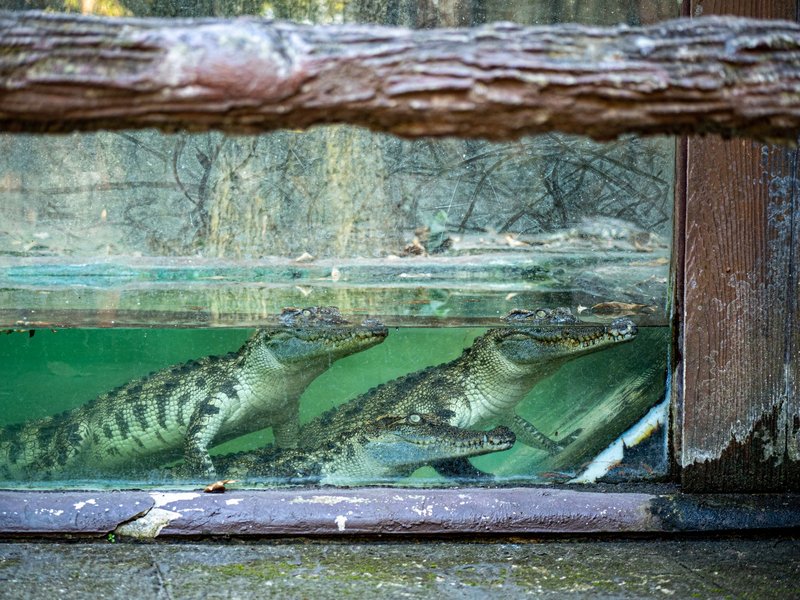
The most dramatic dangerous-animal stories in Bahrain involve pets that should never have been pets. In 2018 a 1.5-meter crocodile was caught near a home in Shakhoora after it escaped from private keeping, part of a wider crackdown on smuggled snakes, monkeys, crocodiles and tigers.
Authorities responded with a dangerous animals law. As reported by the Gulf Daily News, the main provisions are:
- Private ownership of dangerous animals is banned.
- Causing permanent disability carries a prison term of 3 to 7 years.
- A fatal attack carries a life sentence.
- Fines run from BD1,000 to BD10,000.
- Existing owners got a six-month grace period to hand over their animals.
If you meet an animal that is clearly someone’s escaped pet, a monkey on a roof, a large cat or a reptile in an open lot, keep your distance, keep children and dogs away, and call 999. Don’t try to catch it, feed it or film it from close up.
Emergency numbers and hospitals
- Emergency (police, ambulance, fire): 999
- Main public hospital: Salmaniya Medical Complex in Manama, with a 24-hour emergency department.
- Other options: King Hamad University Hospital in Busaiteen, the Bahrain Defence Force Hospital in Riffa, and private hospitals such as Royal Bahrain Hospital.
Tell staff what bit or stung you, when, and what the animal looked like. If you can photograph it safely from a distance, do that. Don’t bring the animal with you.
Bahrain is a safe place for wildlife encounters compared with most of the world. Wear closed shoes after dark, watch your step on sand, shuffle in shallow water, leave stray dogs alone, and the odds of ending up in an emergency room because of an animal stay very low.