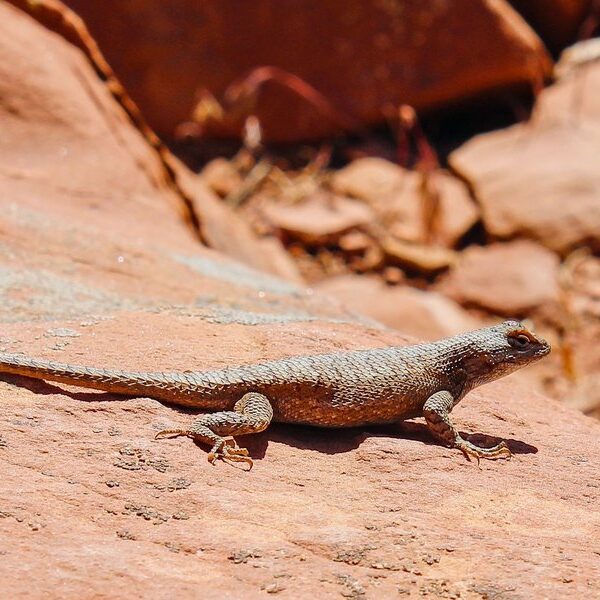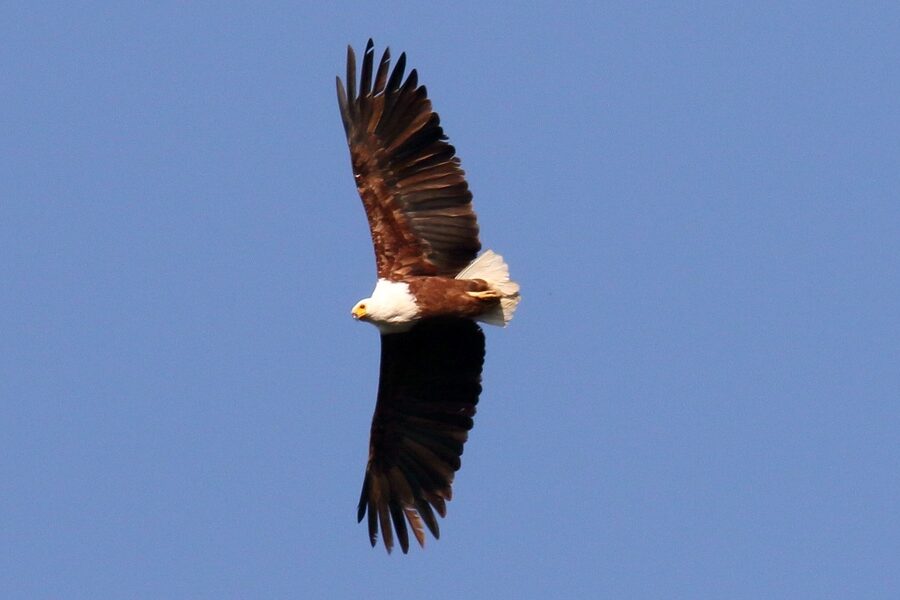
The animals of Ghana split cleanly by geography. The savanna in the north, centered on Mole National Park, has elephants, buffalo, antelopes and baboons. The rainforest in the south, around Kakum, has shy monkeys and birds you hear long before you see them. The coast and rivers add turtles, manatees and hippos. Pick the right region and the animals follow.
Ghana has roughly 225 mammal species, and checklists put the bird list somewhere between 724 and just over 750, depending on how recent taxonomic splits are counted. Most guides cover only the mammals. This one covers 18 species across five groups, with the scientific name, IUCN Red List status and the specific place in Ghana where you have a real chance of seeing each one.
Contents
Big mammals
Mole National Park, roughly 4,800 square kilometers in the northern savanna, is where most of Ghana’s large mammals live. Walking safaris with an armed ranger are the standard way to see them, and the dry season from December to March is the best window because animals gather at the few remaining waterholes.
African elephant
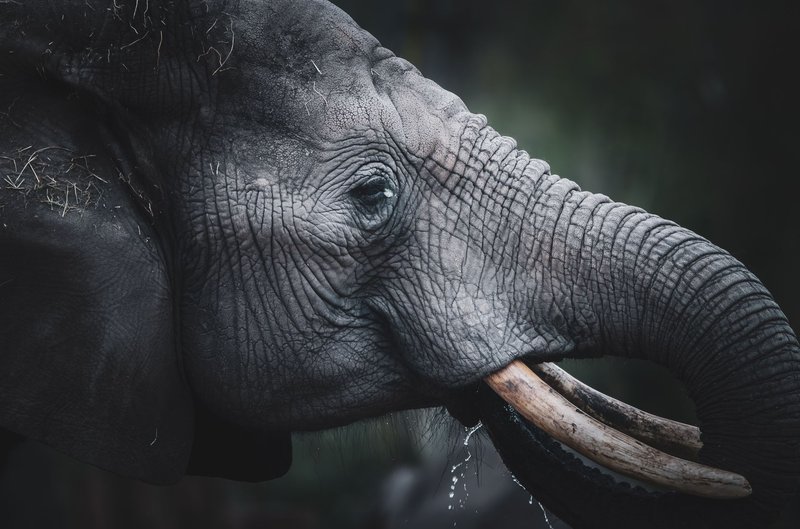
Mole holds Ghana’s best-known elephants, and they’re used to people on foot. Rangers walk you to a waterhole, keep a measured distance and read the herd’s mood for you. The Mole Motel’s hillside pool overlooks a waterhole, so in the dry season you can watch elephants drink while you eat lunch.
Ghana has two kinds. The savanna elephant at Mole was listed as Endangered and the forest elephant as Critically Endangered when the IUCN split them into two species in 2021. The forest elephant lives in the southern reserves such as Kakum and Ankasa, where it’s almost never seen.
Scientific name: Loxodonta africana (savanna), Loxodonta cyclotis (forest) IUCN status: Endangered (savanna), Critically Endangered (forest) Where to see it: Mole National Park
Hippopotamus
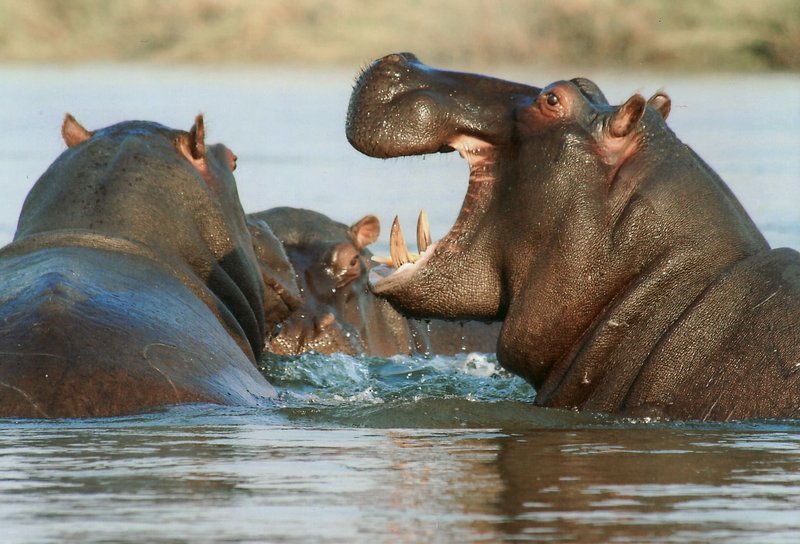
You won’t find a hippo-viewing platform here. At the Wechiau Community Hippo Sanctuary on the Black Volta, near the Burkina Faso border, you paddle a canoe along the river at dawn or dusk while the hippos surface a few dozen meters away. The sanctuary is run by the surrounding communities, and the fees go to them.
Hippos spend the day submerged and graze on land at night, so early morning and late afternoon are the times to go. Hippos also live in parts of the Volta system, but Wechiau is where the sightings are organized and reliable.
Scientific name: Hippopotamus amphibius IUCN status: Vulnerable Where to see it: Wechiau Community Hippo Sanctuary, Black Volta
Lion
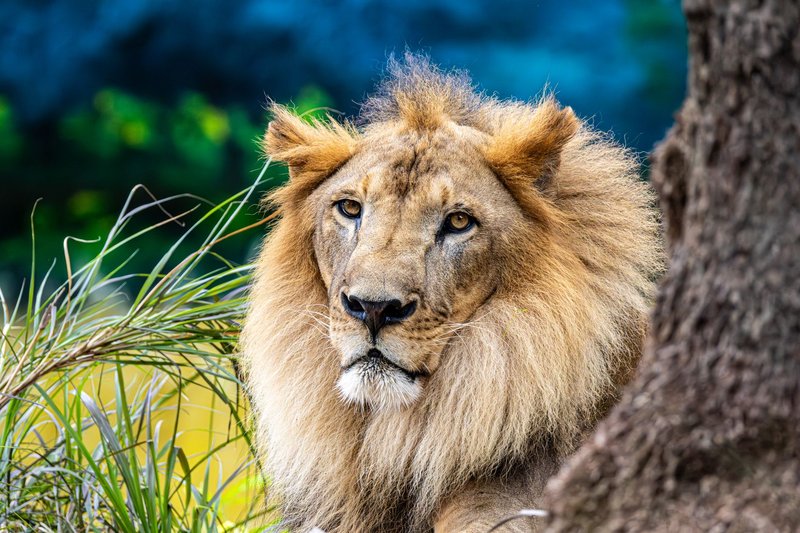
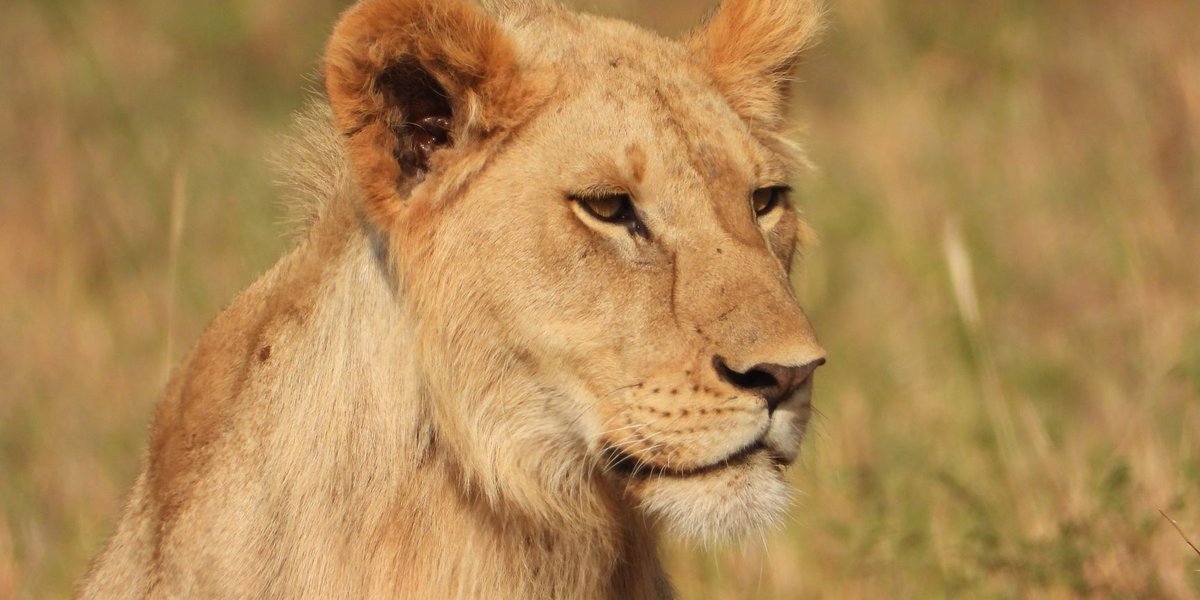
Lions are the most misunderstood animal on Ghana’s checklists. Globally the lion is Vulnerable, but the West African population is classified as Critically Endangered, and Ghana’s share of it is tiny and hard to confirm. A few lions persist in the Mole landscape. Sightings are rare enough that you shouldn’t book a trip for them. Ghana has plenty of other scarce species too, and the 12 rare animals in Ghana and where to see them guide covers the ones most likely to stay out of sight.
Treat a lion as a bonus on a Mole visit, not a target. The elephants, buffalo and antelopes are the reliable show.
Scientific name: Panthera leo IUCN status: Vulnerable (globally); West African population Critically Endangered Where to see it: Mole National Park, rarely
Hoofed grazers
African buffalo
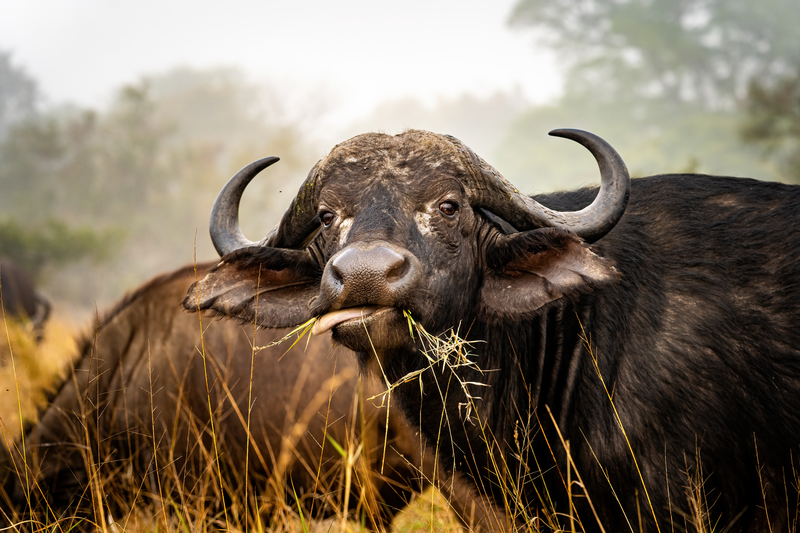
The buffalo is the animal rangers respect most. A lone bull, kicked out of the herd and in a bad mood, is more dangerous on foot than most of Mole’s other large animals, so you’ll be told where to stand and when to stay quiet. Herds graze the open plains and retreat to thick cover in the heat of the day.
Buffalo were reclassified as Near Threatened in the 2019 IUCN assessment, driven by declines across much of their range.
Scientific name: Syncerus caffer IUCN status: Near Threatened Where to see it: Mole National Park
Roan antelope
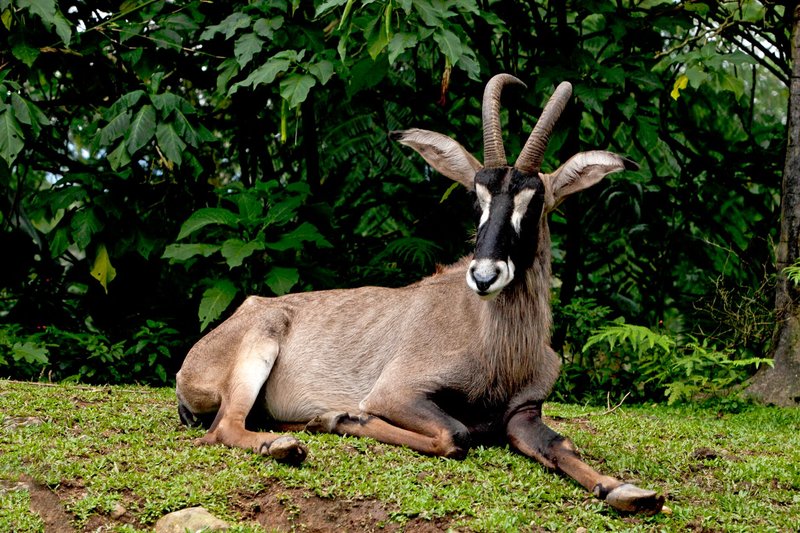
The roan is the second-largest antelope in Africa after the eland, with a horse-like build, a stiff mane, long tufted ears and a black-and-white face. It’s the antelope to look for at Mole, grazing in small herds on the open savanna.
It’s also a fine example of why a “Least Concern” label can hide a lot. The roan is widespread across Africa, but it needs big, open grassland, which is exactly what Ghana has been losing.
Scientific name: Hippotragus equinus IUCN status: Least Concern Where to see it: Mole National Park
Defassa waterbuck
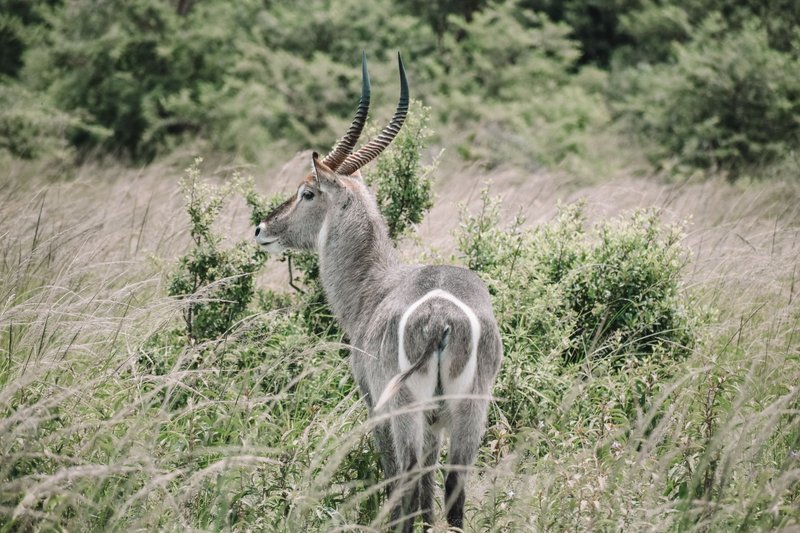
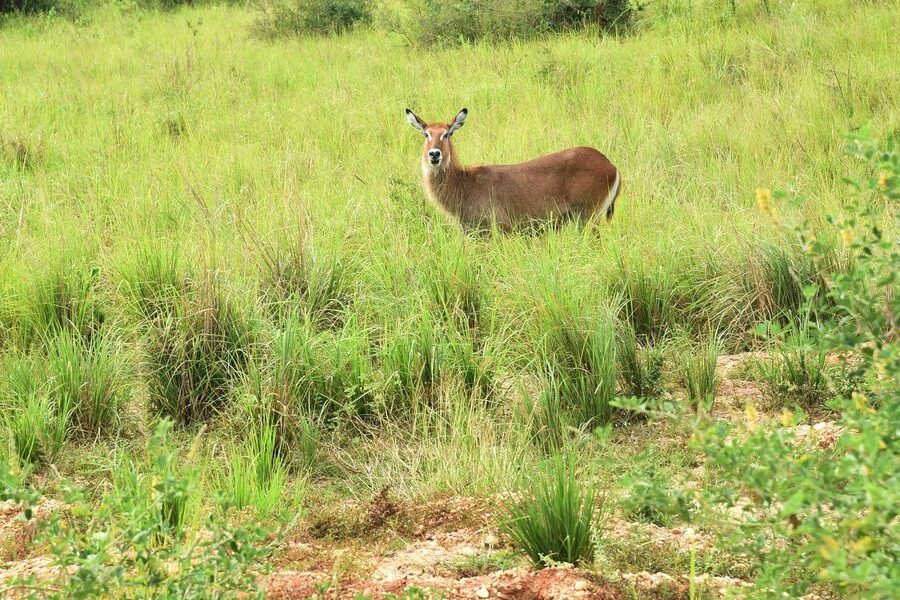
Look at the rump. A common waterbuck has a white ring on its backside; the defassa waterbuck found in Ghana has a solid white patch. The shaggy, oily coat makes it look permanently damp, and the animals stay near water because they need to drink often.
Mole’s waterbuck are easy to spot near the waterholes and along the escarpment below the park’s main hill.
Scientific name: Kobus ellipsiprymnus defassa IUCN status: Least Concern (species) Where to see it: Mole National Park
Common warthog
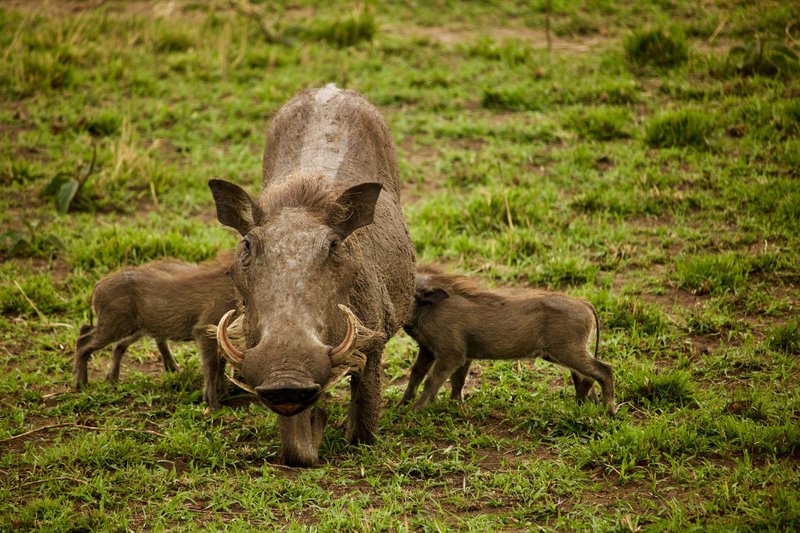
The warthog is the animal you’ll see first and most. Look for the tail, which goes straight up like a radio antenna when it trots off, and for the habit of dropping onto its front knees to root for food. Warthogs wander through the Mole Motel grounds and across the park’s main road.
Piglets follow their mother in single file with their tails up. It’s the cutest wildlife sighting in the park and the easiest.
Scientific name: Phacochoerus africanus IUCN status: Least Concern Where to see it: Mole National Park
Primates
Ghana is one of the better countries in West Africa for primates, and it’s one of the few places where you can watch monkeys protected by local belief rather than a fence.
Mona monkey
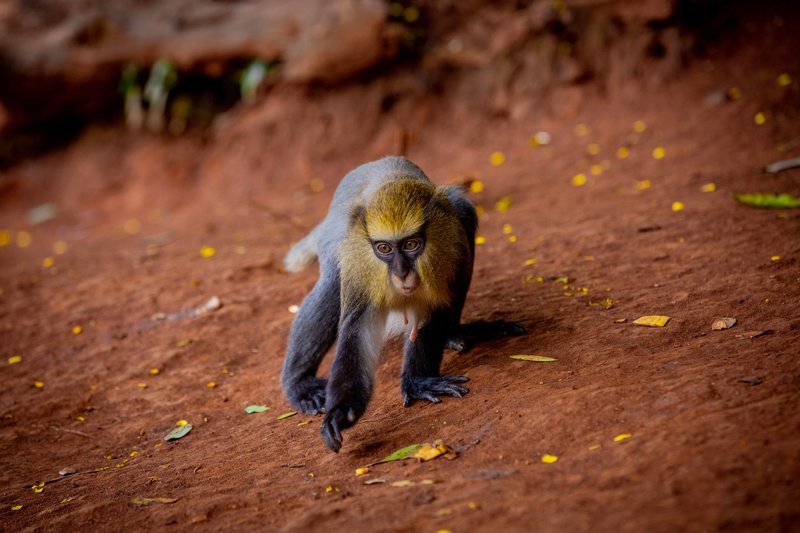
Boabeng-Fiema Monkey Sanctuary, in the Bono East region near Nkoranza, is a forest shared between two villages that have protected the monkeys for generations. Locals treat them as sacred and have a taboo against harming them. When a monkey dies, it gets a burial.
The mona monkeys are the sociable ones. They come down to the paths and tolerate visitors who stay calm. Guides lead short walks through the forest and tell you which troops to look for.
Scientific name: Cercopithecus mona IUCN status: Least Concern Where to see it: Boabeng-Fiema Monkey Sanctuary
White-thighed colobus
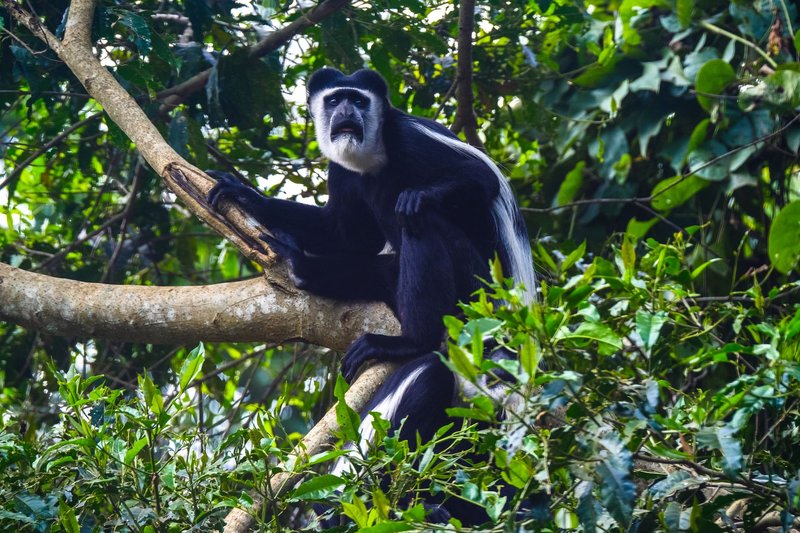
The sanctuary’s other monkey is the black-and-white colobus, and it behaves like a different animal. It stays high in the canopy, eats mostly leaves and moves in slow, deliberate leaps. White thighs and a white-fringed face stand out against black fur.
It’s also the one in trouble. The white-thighed colobus is Endangered, and Boabeng-Fiema holds one of its more secure populations in West Africa. It is one of several forest species at risk, alongside the others covered in endangered African rainforest animals.
Scientific name: Colobus vellerosus IUCN status: Endangered Where to see it: Boabeng-Fiema Monkey Sanctuary
Diana monkey
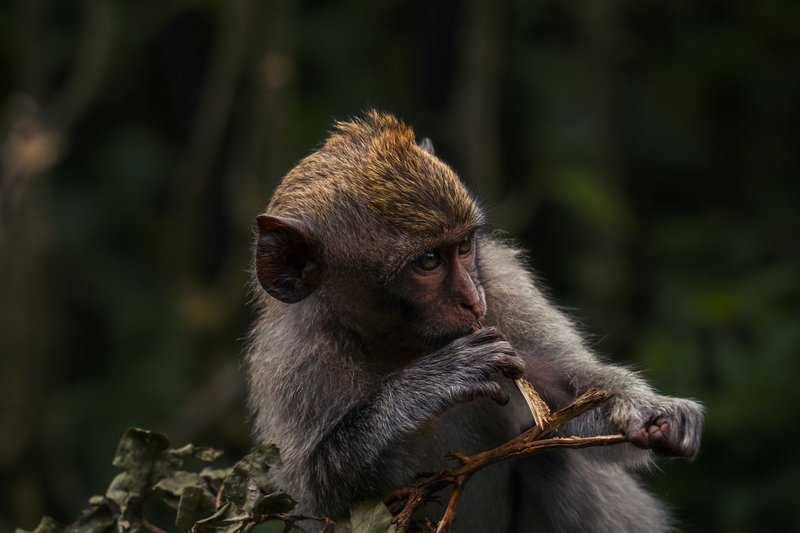
The Diana monkey is a southern forest species with a white beard, a white stripe down the thigh and an arched white brow. It lives high in the canopy, which is why Kakum National Park’s canopy walkway, a series of seven rope bridges strung between tall trees near Cape Coast, is the best vantage point.
Go at first light. By mid-morning the monkeys have moved on, and the walkway is full of school groups. Sightings aren’t guaranteed, but the walk is worth it for the birdlife even on a bad monkey day.
Scientific name: Cercopithecus diana IUCN status: Endangered Where to see it: Kakum National Park (also Ankasa Conservation Area)
Patas monkey
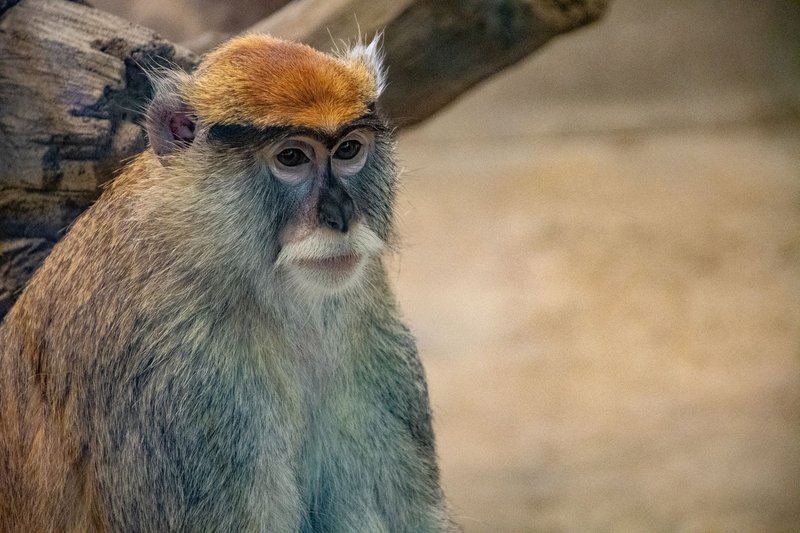
The patas monkey is built like a sprinter, with long legs and a reddish coat, and it is the fastest primate on the planet, capable of about 55 kilometers per hour. It lives on the ground in open savanna rather than in trees, and a troop is led by a single male who sits on a termite mound and watches for predators.
At Mole, look for them in the grassland rather than at the forest edge.
Scientific name: Erythrocebus patas IUCN status: Least Concern Where to see it: Mole National Park
Olive baboon
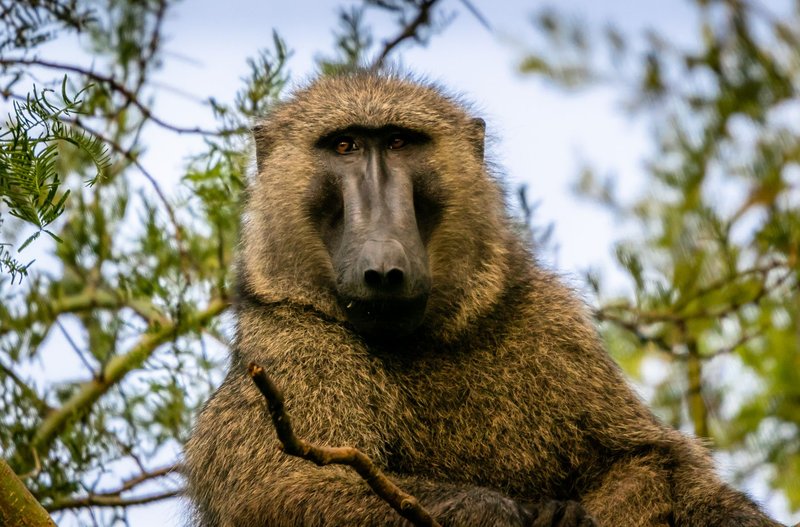
Mole’s baboons are the park’s other welcome party. Troops hang around the motel and the road, and they’ll take food from anyone who leaves a bag unattended. Keep your windows shut and your snacks out of sight.
Watch a troop for ten minutes and you’ll see a social structure that’s closer to a small-town soap opera than a wildlife documentary: grooming, bickering, juveniles wrestling in the dust.
Scientific name: Papio anubis IUCN status: Least Concern Where to see it: Mole National Park
Reptiles and marine life
Nile crocodile
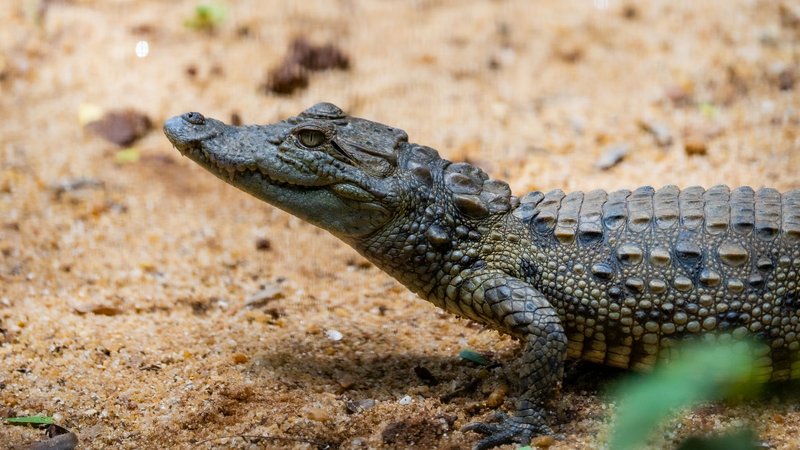
The Paga Crocodile Pond in the Upper East Region is the one place where you can stand next to a wild crocodile and walk away. The animals here are considered sacred and linked to the souls of ancestors. A guide lures one out with a live chicken, and visitors can then sit beside it for a photo.
West African crocodiles are increasingly treated as a species of their own, Crocodylus suckingi, rather than as Nile crocodiles. The IUCN assessment still covers the Nile crocodile as a whole, and that’s the status listed here.
Scientific name: Crocodylus niloticus IUCN status: Least Concern Where to see it: Paga Crocodile Pond, Upper East Region
Olive ridley turtle
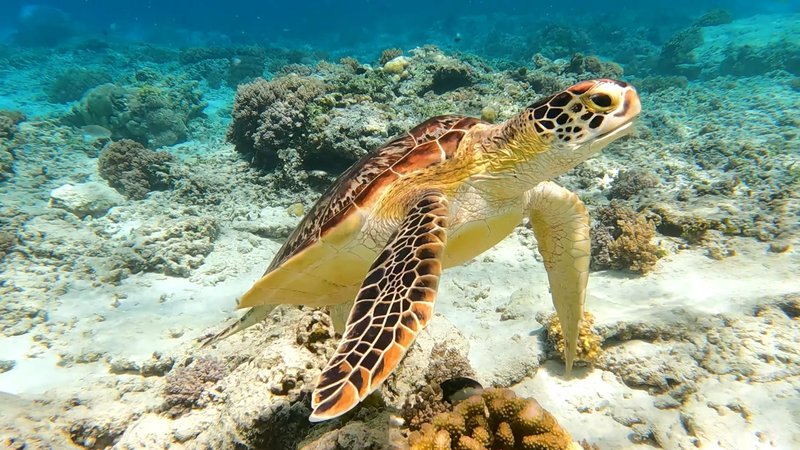
Ghana’s beaches host four sea turtle species: olive ridley, leatherback, green and hawksbill. The olive ridley is the most common nester, laying eggs on sections of the Volta Region coast, including around Keta and Ada. Nesting runs roughly from October to February, and local conservation groups run night patrols you can join.
Go at night, keep your torch pointed down or off, and stay behind the guide. Light and noise make a female abandon her nest.
Scientific name: Lepidochelys olivacea IUCN status: Vulnerable Where to see it: Beaches near Keta and Ada, Volta Region
West African manatee
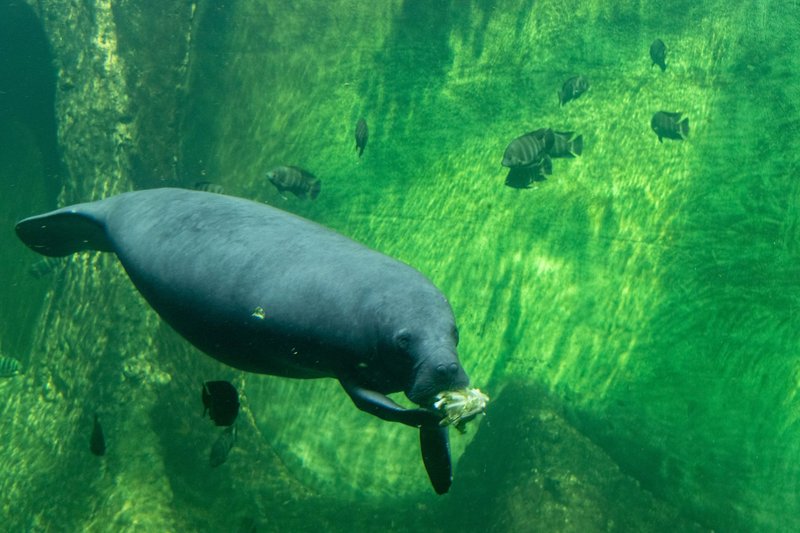
The manatee is the hardest animal in this guide to see. It lives in the Volta River, Lake Volta, and coastal lagoons such as Keta, where it moves slowly through murky water and surfaces only briefly to breathe. Most visitors will never see one, but it’s worth knowing it’s there, because the lagoons and rivers it lives in are also how a lot of Ghanaians make a living.
Fishing nets are one of its main threats. If you take a boat trip on the Volta, ask your guide about recent sightings.
Scientific name: Trichechus senegalensis IUCN status: Vulnerable Where to see it: Volta River and coastal lagoons, rarely
Birds
The bird list is where Ghana beats most of its neighbors, and where most guides stop short. You can see the northern savanna species at Mole and the forest specialists in the south in a single trip.
White-necked rockfowl
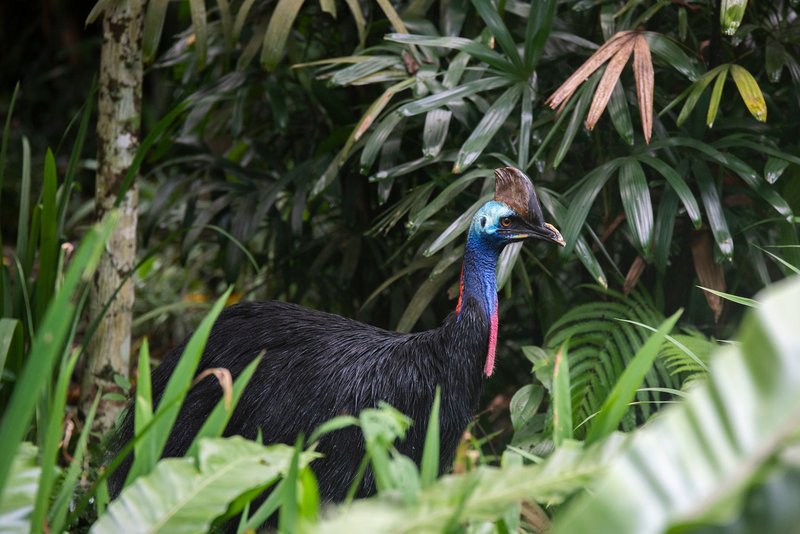
The white-necked rockfowl, also called the bare-headed rockfowl, has a bald yellow head with black patches, and it builds mud nests on cave walls and rock overhangs in the forest. It’s one of the most sought-after birds in West Africa, and birders travel for it.
In Ghana, the Atewa Range Forest Reserve in the Eastern Region is the best-known site, and BirdLife International recognizes Atewa as an Important Bird Area. The forest is also under pressure from mining proposals, which is part of why the species keeps a Vulnerable listing.
Scientific name: Picathartes gymnocephalus IUCN status: Vulnerable Where to see it: Atewa Range Forest Reserve (with a local guide)
Great blue turaco
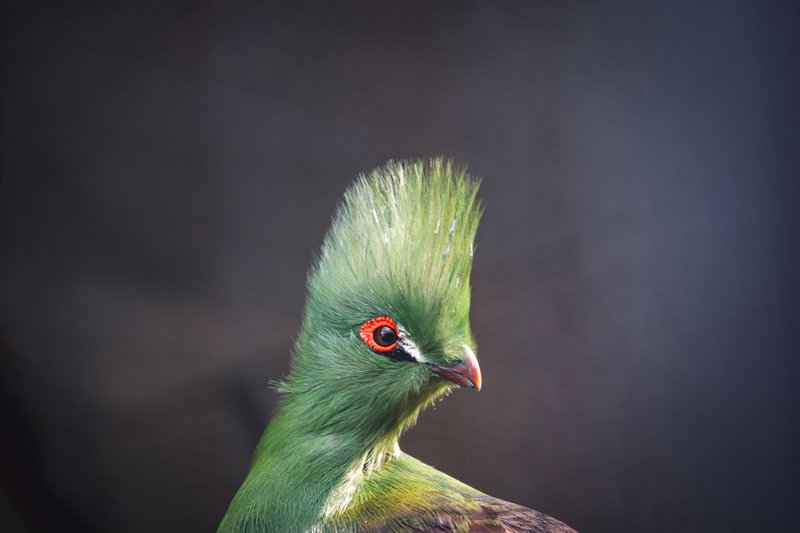
The great blue turaco is the largest turaco in the world, about the size of a small turkey. It has blue-grey plumage, a yellow-and-orange tail band and a crest. You’ll hear it first, a series of loud, croaking honks that carry across the canopy.
The Kakum canopy walkway is a good place to find one, because the bridges put you at the height where they feed on fruit.
Scientific name: Corythaeola cristata IUCN status: Least Concern Where to see it: Kakum National Park
Saddle-billed stork
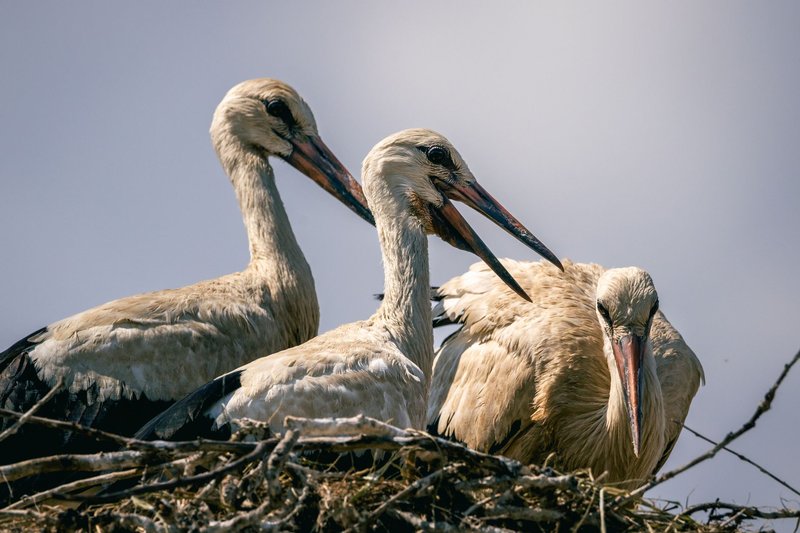
The saddle-billed stork stands about 1.5 meters tall, with a wingspan around 2.5 meters and a red-and-black bill topped with a yellow patch. It wades through shallow water hunting fish and frogs, and it’s an unmistakable shape at Mole’s waterholes and along the Black Volta.
A hide at a waterhole in the early morning gives you the best view, when the water’s still and the stork is hunting.
Scientific name: Ephippiorhynchus senegalensis IUCN status: Least Concern Where to see it: Mole National Park and the Black Volta
Animals of Ghana at a glance
| Animal | Habitat | Best place to see it | IUCN status |
|---|---|---|---|
| African elephant | Savanna, forest | Mole National Park | Endangered / Critically Endangered |
| Hippopotamus | Rivers | Wechiau Hippo Sanctuary | Vulnerable |
| Lion | Savanna | Mole National Park (rare) | Vulnerable |
| African buffalo | Savanna | Mole National Park | Near Threatened |
| Roan antelope | Open grassland | Mole National Park | Least Concern |
| Defassa waterbuck | Near water | Mole National Park | Least Concern |
| Common warthog | Savanna | Mole National Park | Least Concern |
| Mona monkey | Forest | Boabeng-Fiema | Least Concern |
| White-thighed colobus | Forest canopy | Boabeng-Fiema | Endangered |
| Diana monkey | Rainforest canopy | Kakum National Park | Endangered |
| Patas monkey | Open savanna | Mole National Park | Least Concern |
| Olive baboon | Savanna | Mole National Park | Least Concern |
| Nile crocodile | Ponds, rivers | Paga Crocodile Pond | Least Concern |
| Olive ridley turtle | Beaches | Keta and Ada coast | Vulnerable |
| West African manatee | Rivers, lagoons | Volta River | Vulnerable |
| White-necked rockfowl | Forest, rock caves | Atewa Range | Vulnerable |
| Great blue turaco | Rainforest | Kakum National Park | Least Concern |
| Saddle-billed stork | Wetlands | Mole National Park | Least Concern |
FAQ
What is Ghana’s national animal?
Ghana has no widely recognized, legally designated national animal. The coat of arms features two golden eagles as supporters and a lion on the shield, which is why those two come up in lists. Treat any source that names one definitively with some caution.
Does Ghana have the Big Five?
No. Ghana has no rhinos, which rules out the full set. Mole has elephants and buffalo, lions are extremely rare, and leopards are present but almost never seen. If the Big Five is the goal, East or southern Africa is the better choice. Ghana’s draw is the mix of savanna, forest and coast in one country.
What are the most dangerous animals in Ghana?
Hippos and buffalo cause the most serious encounters with large animals, followed by elephants and crocodiles. On a guided walk with an armed ranger, the real risk is low, because guides know how to read the animals. The more common dangers are small: snakes, with the saw-scaled viper responsible for most snakebites in West Africa, and mosquitoes. Ask your doctor about malaria prevention before you go.
What is the best time to visit?
December to March is best for the northern savanna, when animals concentrate at waterholes and the grass is short. The harmattan, a dusty wind from the Sahara, can hang over the north from December to February, so photos can look hazy. For the southern forests, the drier months are also easier for walking. Sea turtles nest roughly from October to February.
Which two places should I prioritize?
Mole National Park for the large mammals and savanna birds, and Kakum National Park for forest monkeys, birds and the canopy walkway. Add Boabeng-Fiema if your route goes through the middle of the country, and the Volta coast if you’re there in turtle season.