TLDR
- Vermont’s invasive species fall into three groups: aquatic (zebra mussel, spiny water flea, Eurasian watermilfoil, Asian clam), terrestrial plants (Japanese knotweed, common buckthorn, wild parsnip, garlic mustard, plus newly regulated kudzu, mile-a-minute and Japanese stiltgrass), and forest pests (emerald ash borer, hemlock woolly adelgid, beech leaf disease, spotted lanternfly).
- Boats and firewood move more invaders than anything else. Clean, drain and dry your boat, and burn firewood close to where you bought it.
- Knotweed and several other plants are now regulated as plant pests in Vermont. Check the rules before you sell, buy, move or dump any of them.
- Found something odd? Photograph it and report it at vtinvasives.org.
Contents
- Why invasive species in Vermont are a bigger problem than they look
- Quick reference table
- Aquatic invaders
- Invasive plants on land
- Forest pests
- What’s legal: Vermont’s plant pest rules
- What you can do
Why invasive species in Vermont are a bigger problem than they look
An invasive species isn’t just a non-native one. Plenty of non-native plants sit quietly in gardens for decades. An invasive one escapes, spreads fast, has no natural predators or diseases holding it back, and damages the ecosystem, the economy, or both.
Vermont is a good target for several reasons. Lake Champlain connects it to the St. Lawrence and the Great Lakes watershed. Interstate highways carry hitchhiking insects in from New York and Massachusetts. And a state with this much forest and shoreline has a lot of surface area for something to take hold.
The state runs its own Aquatic Invasive Species Program through the Department of Environmental Conservation, and in 2024 the Agency of Agriculture designated eight invasive plants as plant pests under state rules. What follows is the species-by-species rundown: what each one looks like, where it shows up, what it does, and what you should do about it.
Quick reference table
| Species | Type | Where in Vermont | Biggest harm | Your move |
|---|---|---|---|---|
| Zebra mussel | Aquatic | Lake Champlain, some inland lakes | Clogs intakes, coats hulls, razor-sharp shells | Clean, drain, dry |
| Spiny water flea | Aquatic | Lake Champlain | Eats the plankton young fish need | Clean gear and fishing line |
| Eurasian watermilfoil | Aquatic | Many lakes and ponds | Dense mats choke swimming and boating | Remove plant fragments before launching |
| Asian (golden) clam | Aquatic | Lake Champlain basin | Alters bottom habitat, fouls intakes | Report new finds |
| Japanese knotweed | Plant | Riverbanks, roadsides statewide | Crowds out streamside plants, destabilizes banks | Don’t spread it; regulated |
| Common buckthorn | Plant | Fields, forest edges | Shades out seedlings, poor wildlife food | Pull small ones, cut large ones |
| Wild parsnip | Plant | Roadsides, meadows | Sap causes skin burns | Cover up, mow before seed |
| Garlic mustard | Plant | Forest floors, trails | Suppresses native seedlings | Pull before seed set |
| Kudzu, mile-a-minute, Japanese stiltgrass | Plant | Rare or just arriving | Smothering growth, forest floor takeover | Report immediately |
| Emerald ash borer | Insect | Spreading across the state | Kills nearly all untreated ash | Buy local firewood |
| Hemlock woolly adelgid | Insect | Southern Vermont, spreading | Kills hemlocks | Check hemlocks, report |
| Beech leaf disease | Nematode | Confirmed in the state | Weakens and kills beech | Report symptoms |
| Spotted lanternfly | Insect | Not established; scattered finds | Damages crops and trees | Check vehicles, report |
Aquatic invaders
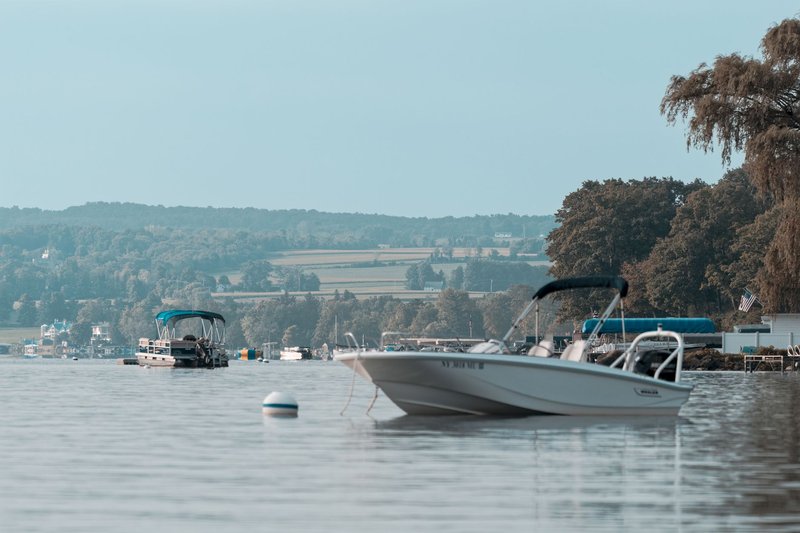
Aquatic invaders are the easiest to stop and the hardest to remove. Once something is established in a lake, eradication is almost never on the table. That’s why the state’s strategy leans so hard on prevention at the boat launch.
Zebra mussel
What it looks like: A fingernail-sized, D-shaped shell with dark and light stripes. They attach in clusters to hard surfaces: rocks, docks, boat hulls, water intake pipes.
Where in Vermont: Lake Champlain, where they’ve been established since the 1990s, and a handful of inland lakes such as Lake Bomoseen.
The damage: One mussel filters about a liter of water a day, stripping out the plankton that native species rely on. Clusters clog water intakes and engine cooling systems. Dead shells wash ashore with edges sharp enough to cut bare feet, so ask anyone who swims off a Champlain beach.
What to do: Clean, drain and dry. Inspect your boat, trailer and gear, drain every bit of water, and let it dry before it touches another lake. The state also runs boat washing stations with hot water at many access areas.
Spiny water flea
What it looks like: A tiny crustacean, about the length of a grain of rice, with a long barbed tail spine. You’re far more likely to see a clump of them than a single animal: they collect on fishing lines and downrigger cables as a gelatinous, jelly-like mass studded with tiny black eyes.
Where in Vermont: Lake Champlain.
The damage: It eats zooplankton, the same food young fish depend on, and its spine makes it hard for small fish to swallow. Fewer zooplankton means less food for the species anglers care about.
What to do: Wipe down fishing lines, rods, nets and live wells. Drain bait buckets on land, never into the lake.
Eurasian watermilfoil
What it looks like: Feathery underwater stems with whorls of four leaves at each node, each leaf split into 12 or more pairs of thin leaflets. Native northern watermilfoil looks similar but has fewer leaflet pairs, so confirm before you pull anything.
Where in Vermont: It’s been in Lake Champlain since the 1960s and has spread to many other lakes and ponds, mostly by fragments caught on boats and trailers. A single broken piece can root and start a new colony.
The damage: Dense mats at the surface block swimming and propellers, crowd out native plants, and drop oxygen levels when they die back.
What to do: Pull every plant fragment off your boat and trailer before leaving the access area. Vermont law prohibits transporting aquatic plants on boats and trailers. The state manages milfoil with hand-pulling, suction harvesting and benthic barriers on a site-by-site basis, so report new infestations rather than treating them yourself.
Asian clam (golden clam)
What it looks like: A small clam, up to about an inch and a half across, with a yellowish-olive to golden shell and thick, concentric ridges.
Where in Vermont: The Lake Champlain basin.
The damage: It reproduces quickly, packs the lake bottom in high densities, and fouls water intake pipes. It also changes the nutrient cycle on the lake bed.
What to do: Same as for zebra mussels. Clean, drain, dry. If you find shells, take a photo and report them.
Invasive plants on land
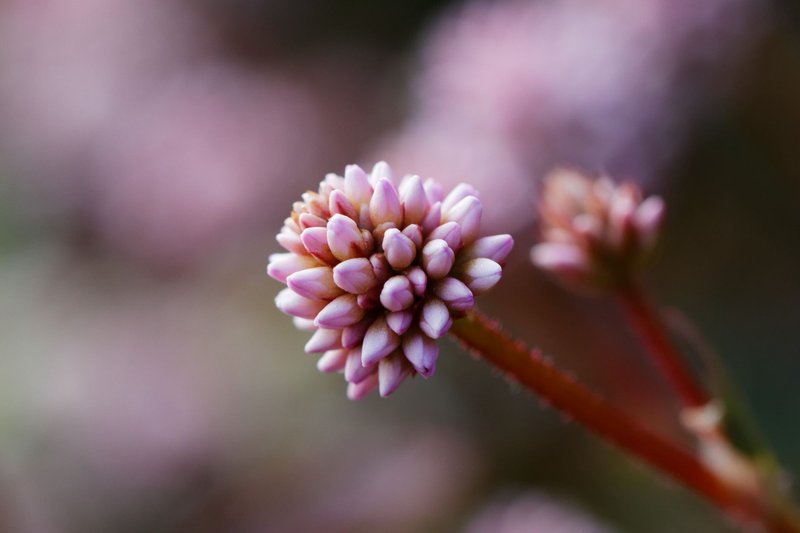
The best known invasive plants in Vermont came as garden ornamentals or erosion-control plantings and then simply kept going. The state’s invasive plant pages cover dozens of species. These are the ones you’re most likely to meet.
Japanese knotweed
What it looks like: Hollow, bamboo-like stems with reddish speckles, growing 6 to 10 feet tall by midsummer. Leaves are broad, shield-shaped, and arranged in a distinct zigzag along the stem. Creamy flower sprays appear in late summer.
Where in Vermont: Riverbanks, roadsides and disturbed ground across the state. Flooding makes it worse. A flood tears off rhizome fragments, carries them downstream, and a piece the size of a fingertip can sprout where it lands.
The damage: Dense stands crowd out native streamside plants whose roots hold banks together. Knotweed’s shallow roots don’t do that job well, which can leave banks more vulnerable to erosion. It also grows through pavement and around foundations.
What to do: Don’t mow it, don’t compost it, and don’t move soil that has knotweed in it. Mowing and tilling chop rhizomes into new plants. Repeated cutting at the right times and covering a patch can wear it down over several seasons, but a stand of any size is a multi-year project. Check the rules in the legal section below before you disturb or transport it.
Common buckthorn
What it looks like: A shrub or small tree up to 20 feet tall, with oval leaves and a small thorn at the tip of some twigs. Scratch the bark of a branch and the inner layer is orange. Buckthorn leafs out early in spring and holds its green leaves late into fall, after most native shrubs have dropped theirs, which makes it easy to spot.
Where in Vermont: Field edges, hedgerows, woodlots and open forest.
The damage: It forms dense thickets that shade out tree seedlings and wildflowers. Its black berries are low in the fat that migrating birds need, and they act as a laxative. Birds spread the seeds anyway.
What to do: Pull seedlings by hand when the soil is damp. Cut larger shrubs at the base and treat or repeatedly cut the stumps, because they resprout.
Wild parsnip
What it looks like: A tall plant, 3 to 5 feet in its flowering year, with flat-topped clusters of tiny yellow flowers and compound, toothed leaves. It looks like a lanky relative of Queen Anne’s lace with yellow blooms.
Where in Vermont: Roadsides, hayfields and meadows throughout the state.
The damage: It’s a human problem as much as an ecological one. The sap contains compounds that react with sunlight and cause phytophotodermatitis: blisters and burns that appear a day or two after contact, then leave dark marks that can last for months.
What to do: Wear long sleeves, long pants and gloves when you handle it, and avoid working on it on bright days. Cut or mow before the flowers set seed, and bag the cut material.
Garlic mustard
What it looks like: In its first year, a low rosette of rounded, scalloped leaves. In the second year it sends up a stalk topped with small white four-petaled flowers. Crush a leaf and it smells like garlic.
Where in Vermont: Forest floors, trails and shaded edges, especially in woods with disturbed soil.
The damage: It crowds spring wildflowers and releases chemicals that interfere with the soil fungi native tree seedlings partner with. Seeds stay viable in the soil for years.
What to do: Pull plants in spring before they flower, and pull the root as well. Bag and trash the plants rather than composting them. Plan on returning to the same spot for several years.
Kudzu, mile-a-minute and Japanese stiltgrass
These three are the newest additions to the state’s regulated list, and they’re listed for a different reason than the species above. They aren’t a widespread problem in Vermont. The rule is meant to stop them before they become one.
- Kudzu: A vine with large, three-part leaves and hairy stems that can climb and smother trees and buildings, growing up to about a foot a day in warm conditions.
- Mile-a-minute vine: A sprawling vine with triangular leaves, small barbs along the stems, and clusters of bright blue berries.
- Japanese stiltgrass: A sprawling annual grass with a pale silvery stripe running along the middle of each leaf. It spreads through forest floors and trails.
What to do: If you think you’ve found any of these, photograph it, note the location, and report it at vtinvasives.org. Don’t pull it first. Early detection depends on someone confirming the ID and mapping the spot.
Forest pests
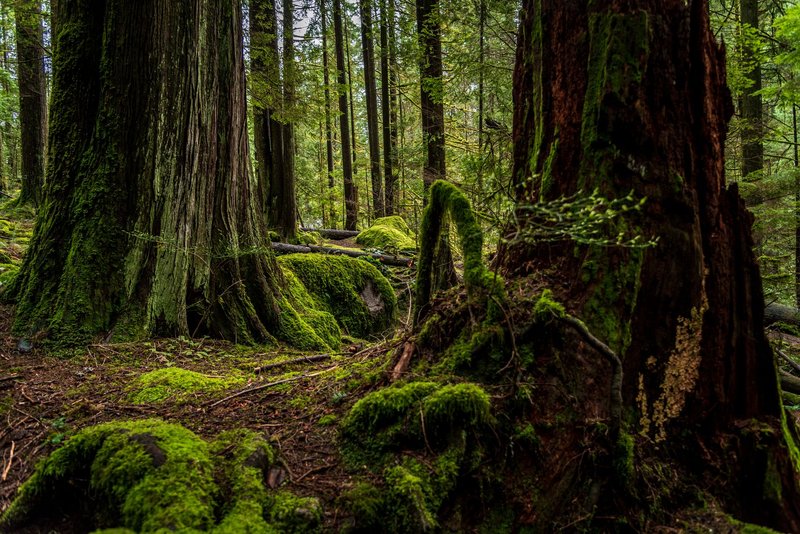
Forest pests spread differently than plants. Most of them move through the one thing humans carry across the state without thinking about it: firewood. Vermont’s forest products industry, maple sugaring and fall tourism all depend on the trees these insects target.
Emerald ash borer
What it looks like: A metallic green beetle about half an inch long. You’ll rarely see the beetle. You’ll see the damage: D-shaped exit holes about an eighth of an inch across, bark flaking off where woodpeckers have been feeding, and winding, S-shaped tunnels under the bark.
Where in Vermont: First confirmed in Orange, Vermont in 2018. It has since been found across much of the state, and ash trees are widely distributed here.
The damage: Larvae feed under the bark and cut off the tree’s flow of water and nutrients. Untreated ash trees die within a few years of the first signs of infestation. Dead ash is brittle, which turns trees along roads and yards into a safety hazard.
What to do: Buy firewood where you’ll burn it. Property owners with high-value ash can ask a licensed applicator about insecticide treatment, which can protect individual trees. Federal pages like the USDA’s emerald ash borer resources explain the options.
Hemlock woolly adelgid
What it looks like: A tiny aphid-like insect that coats itself in white, cottony wool. The giveaway is on the underside of hemlock branches, where the wool sits at the base of needles and looks like small cotton balls.
Where in Vermont: First found in Vermont in 2018 in Vernon, in the southeast corner of the state. It’s concentrated in southern Vermont and gradually moving north. Cold winters slow it, which is why northern hemlocks have held out so far.
The damage: It sucks sap from the base of the needles. Heavily infested hemlocks lose needles and can die within a decade or less. Hemlocks shade cold trout streams and shelter deer through winter, so losing them changes the whole stand.
What to do: Look at the undersides of branches on hemlocks near you, especially in late fall through spring when the wool is most visible. Report suspected infestations. For a prized yard tree, a licensed applicator can treat it.
Beech leaf disease
What it looks like: Dark bands between the leaf veins that look like stripes, usually most visible when you look up at the leaf from underneath against the light. As the disease progresses, leaves turn thick and leathery, and the canopy thins.
Where in Vermont: Confirmed in the state in recent years. It’s still being mapped, so the picture changes every season.
The damage: A microscopic nematode causes it. It can kill young beech within a few years and weaken mature trees, taking away a major food source for bears, turkeys and other wildlife that eat beechnuts.
What to do: Report trees with the banding pattern, especially in new locations. There’s no practical treatment for a forest stand, so detection is the point.
Spotted lanternfly
What it looks like: An inch-long insect with grey, black-spotted forewings that open to flash bright red hindwings with black spots and a white band.
Where in Vermont: Not established. Vermont has had scattered individual finds, usually hitchhikers on vehicles, but state officials haven’t confirmed a breeding population. Check vtinvasives.org for current status, since this one can change quickly.
The damage: Where it’s established in other states, it feeds on grapevines, fruit trees and maples, and leaves behind sticky honeydew that grows sooty mold. Its favorite host is another invasive, the tree of heaven.
What to do: If you’ve been to a state with lanternflies, check your car, camping gear and outdoor furniture before you head home. If you find one, take a photo, and report it before you squash it. The state wants to know where it showed up.
What’s legal: Vermont’s plant pest rules
Vermont handles invasive plants through its Agency of Agriculture, Food and Markets. In 2024 the state designated eight invasive plants as plant pests, according to Vermont Public, adding kudzu, mile-a-minute vine and Japanese stiltgrass to the regulated list alongside species such as Japanese knotweed.
In practice, the rules mean:
- You can’t sell, buy, or knowingly move regulated plants or plant parts. For knotweed, that includes rhizomes and soil contaminated with them.
- Nurseries and landscapers can’t sell them. If your landscaper brings in fill, ask where it came from.
- A permit process covers some movement, such as moving material for disposal or control. Check with the Agency of Agriculture before moving it yourself.
- Owning a plant isn’t a crime. Knotweed already growing on your property isn’t a violation. Spreading it is the problem.
Rules change, and the exact list and permit terms are set by the agency. Confirm the details with the Agency of Agriculture or vtinvasives.org before you do anything that involves moving plant material.
What you can do
Most of the work for stopping invasive species in Vermont is done by people doing small, boring things consistently.
On the water:
- Clean, drain and dry your boat, trailer, paddles, waders and fishing gear every time you leave a waterbody.
- Remove every plant fragment before you leave the launch. It’s required by law.
- Dump bait and live-well water on land.
- Use the boat inspection and washing stations where they’re offered.
In the woods and yard:
- Buy firewood near where you’ll burn it, or buy heat-treated, certified firewood. Don’t bring wood from home to a campsite and don’t take leftovers back.
- Brush mud and seeds off boots, tires, pets and gear before moving between sites.
- Don’t dump yard waste in the woods. Garden clippings are one of the most common ways invasive plants escape.
- Check what’s in your garden. If a plant on the regulated list is there, plan its removal, and don’t give cuttings away.
Report and volunteer:
- Report suspected sightings at vtinvasives.org with a clear photo, the date, and a location. A phone’s GPS pin works.
- Join the Vermont Invasive Patrollers, a volunteer network that trains people to survey local lakes, trails and forests for new invaders. The most useful detections tend to come from people who walk the same trail every week and notice what changed.
Vermont is lucky in one respect: many of the species above are still early enough in the process that a single sighting reported on time can change what happens next. You don’t need a degree or a permit to be useful. Learn the half-dozen species in your corner of the state, and you’ll be doing more than most of the people who read about the problem.