TL;DR
- Best guardians: German Shepherd, Akita, Rottweiler, Doberman Pinscher, Great Pyrenees. Loyal to their household, reserved with everyone else.
- Best shadow companions: Vizsla, Collie, Border Collie, Standard Poodle, Cavalier King Charles Spaniel. They follow you from room to room.
- Best family devotees: Labrador Retriever, Golden Retriever, Newfoundland, Boxer, Bernese Mountain Dog. Loyal to everyone in the house, which suits kids.
- Best small loyal breed: Cavalier King Charles Spaniel.
- The catch: the most devoted breeds are often the worst at being left alone. Loyalty and separation anxiety look similar from the outside and aren’t the same thing.
Table of Contents
- What loyalty in a dog actually means
- Quick comparison table
- Guardian breeds
- Shadow companions
- Family devotees
- The downsides of intense loyalty
- How to match a loyal breed to your life
- How to build loyalty in any dog
- FAQ
What loyalty in a dog actually means
Loyalty is a pattern you can observe. A loyal dog gravitates toward its family, tracks where you are in the house, checks in on walks, and stays settled when strangers are around because it trusts you to handle them. That’s it. No mystical bond required.
It’s also not the same as separation anxiety. A loyal dog is content when you’re near and can cope when you’re gone. A dog with separation anxiety panics when left alone: destructive chewing, nonstop barking, drooling, accidents indoors. The ASPCA’s guidance on separation anxiety lists these signs, and none of them are proof of devotion. Plenty of “loyalty” stories online are really anxiety stories.
One more caveat before the list. Breed is a tendency, not a guarantee. A large genetic study published in Science found that breed explained only about 9 percent of behavioral variation between individual dogs. The breeds below earned their reputations through centuries of selection for working closely with people, so the odds are in your favor. Your individual puppy’s temperament and upbringing still decide the outcome.
Quick comparison table
| Breed | Size | Energy | Trainability | Kid-friendly | Alone-time tolerance |
|---|---|---|---|---|---|
| German Shepherd | Large | High | High | Good with early socialization | Low |
| Akita | Large | Moderate | Moderate | Better with older kids | Moderate |
| Rottweiler | Large | Moderate | High | Good with firm training | Low to moderate |
| Doberman Pinscher | Large | High | High | Good | Low |
| Great Pyrenees | Giant | Low to moderate | Low to moderate | Good | Moderate |
| Vizsla | Medium | Very high | High | Good | Very low |
| Collie | Large | Moderate | High | Very good | Moderate |
| Border Collie | Medium | Very high | Very high | Mixed with small kids | Low |
| Standard Poodle | Large | Moderate to high | Very high | Good | Moderate |
| Cavalier King Charles Spaniel | Small | Moderate | Moderate to high | Very good | Low |
| Labrador Retriever | Large | High | High | Very good | Moderate |
| Golden Retriever | Large | Moderate to high | High | Very good | Low to moderate |
| Newfoundland | Giant | Low to moderate | Moderate to high | Very good | Moderate |
| Boxer | Large | High | Moderate | Very good | Low |
| Bernese Mountain Dog | Large | Moderate | Moderate to high | Very good | Moderate |
Ratings are generalizations for the breed. Individual dogs vary.
Guardian breeds
Guardians attach to their household and treat everyone outside it as a question mark. They aren’t aggressive by default. They’re watchful, and they want a job.
1. German Shepherd
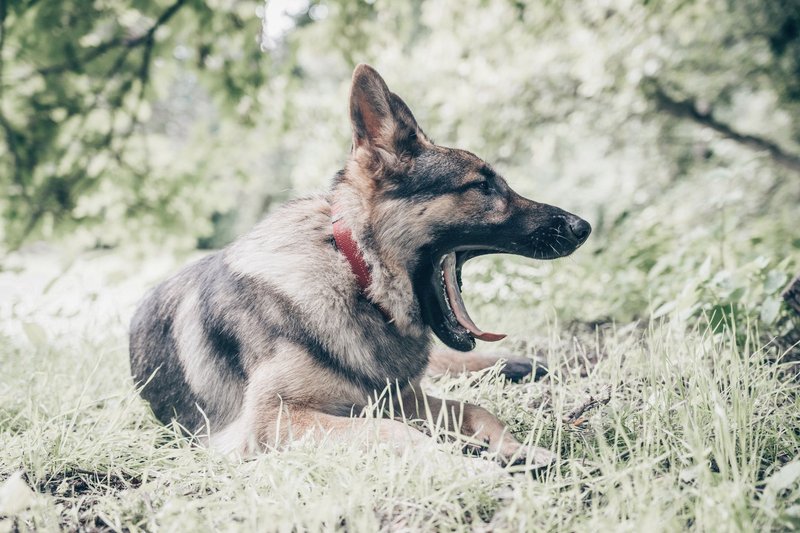
Captain Max von Stephanitz standardized the breed in Germany in the late 1890s with one goal: a herding and working dog that bonded tightly with its handler. That purpose is why a German Shepherd will park itself at your feet while you cook. It’s also why police and military units still use the breed. Expect a dog that wants to be involved in everything you do, and gets bored and neurotic if it isn’t.
2. Akita
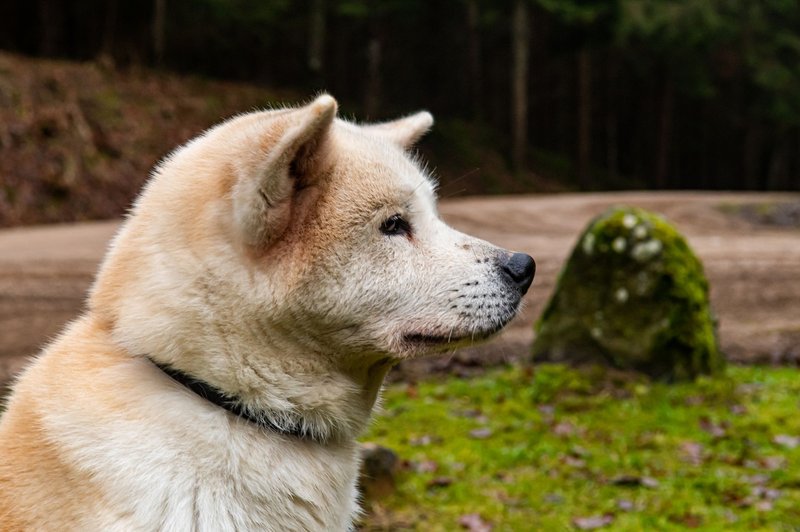
The Akita is the loyalty breed in popular memory because of Hachiko, the Akita who kept returning to Tokyo’s Shibuya Station for roughly nine years after his owner died in 1925. Bred in northern Japan for hunting bear and guarding, the Akita is deeply attached to its family and openly indifferent to strangers. They’re quiet, dignified and often dog-aggressive. This is not a breed for the dog park.
3. Rottweiler
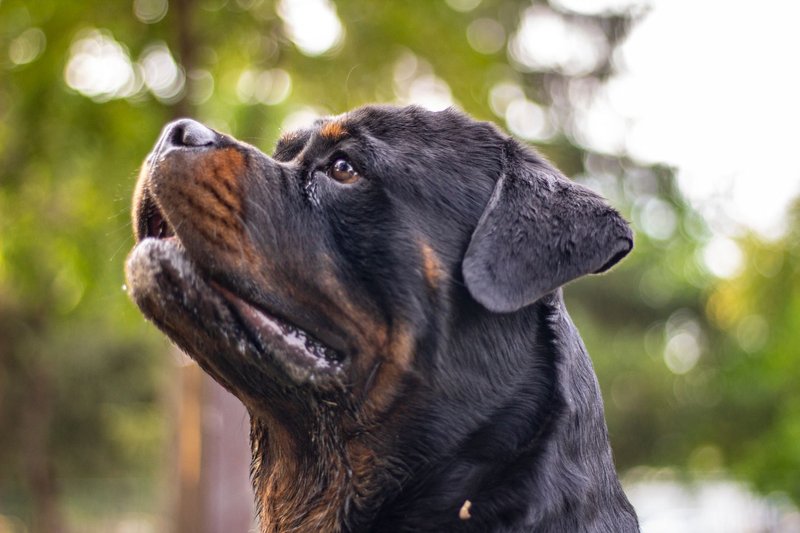
Rottweilers were drovers in the German town of Rottweil, moving cattle to market and guarding the butcher’s cash on the way home. That job rewarded a dog that stayed close, read its owner and acted without panic. Well-socialized Rottweilers are calm, goofy with family and leaning-on-your-legs affectionate. Poorly socialized ones are a liability. This breed punishes lazy owners.
4. Doberman Pinscher
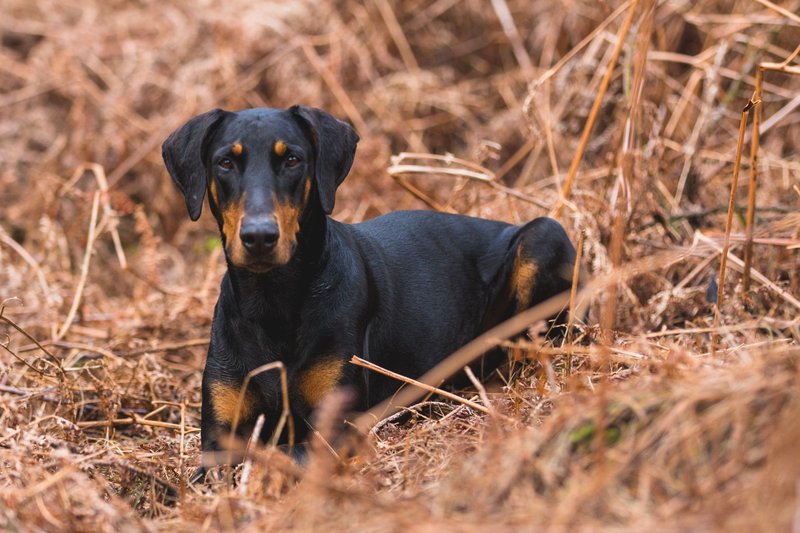
A German tax collector named Louis Dobermann wanted a protector for his rounds in the 1890s, and the breed carries his name. The Doberman is a lean, fast, highly trainable dog that shadows its person closely, which is why owners call them “Velcro dogs.” They’re also sensitive. Harsh handling backfires, and they hate being left out of the household.
5. Great Pyrenees
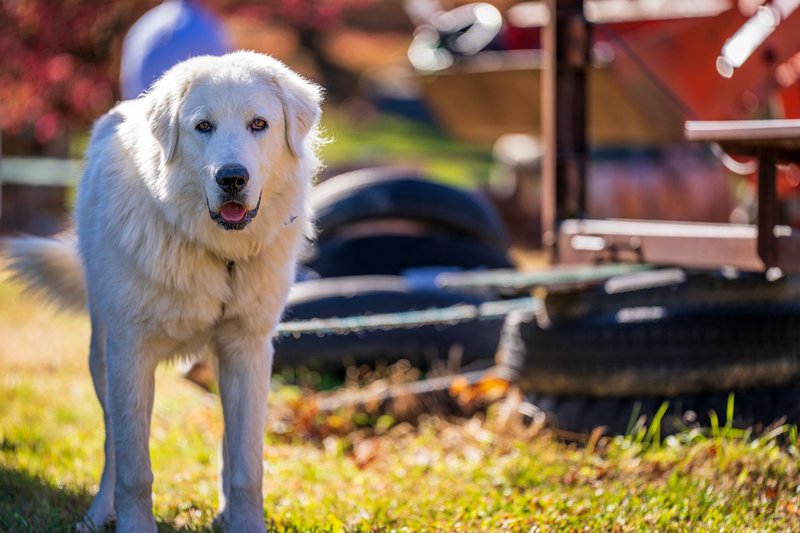
Great Pyrenees spent centuries guarding sheep in the mountains between France and Spain, often working alone at night. Their loyalty is protective and patient rather than clingy. Many will patrol your yard and bark at things you can’t see, so neighbors matter. They’re independent thinkers, so training takes patience, but their gentleness with children and smaller animals is well documented.
Shadow companions
Shadow dogs treat your location as the center of the universe. If you move, they move.
6. Vizsla
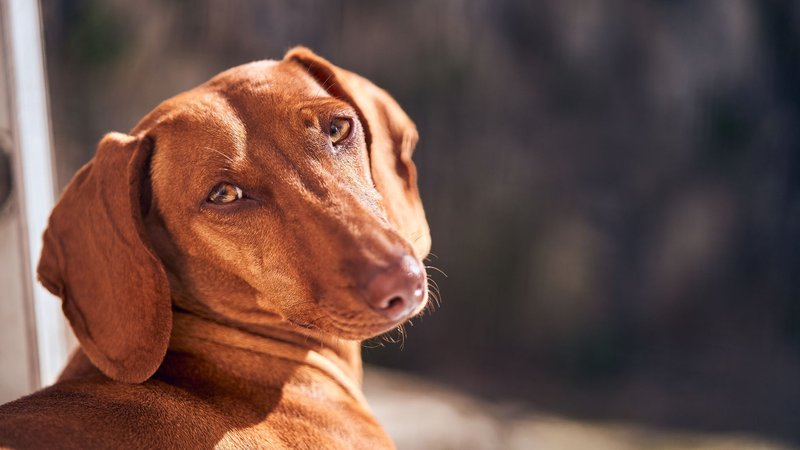
The Hungarian Vizsla was bred to hunt close to the hunter, staying in contact over open fields. That’s the origin of the “Velcro Vizsla” nickname. They lean, follow and lie on your feet. They also need serious exercise and do poorly when left alone for long stretches, so they suit active households with someone home for much of the day.
7. Collie
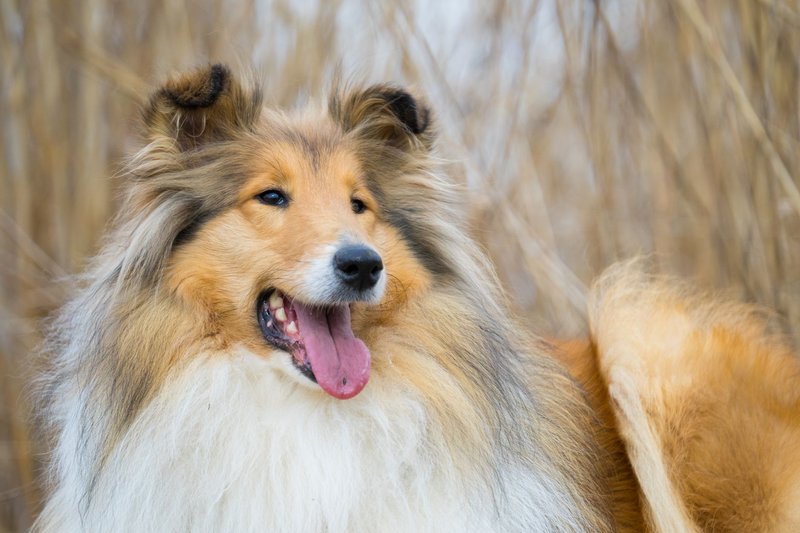
Collies herded sheep across Scottish hillsides and were bred to watch the shepherd for cues. The Rough Collie became famous through Lassie, and the loyalty trope isn’t entirely fiction: Collies are sensitive, attentive and tuned to household mood. They’re gentle with kids, vocal when excited, and need regular brushing.
8. Border Collie
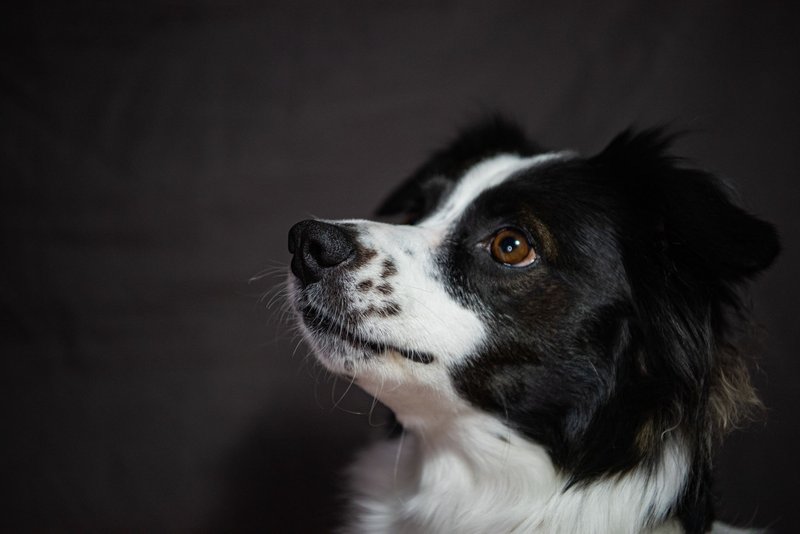
Border Collies were bred along the Anglo-Scottish border for precision herding, which means constant eye contact with the handler. They are among the most trainable dogs alive, and they will fixate on you the way they would on a sheep. The risk is that their devotion comes bundled with a brain that needs hours of work each day. In an apartment with no job, a Border Collie invents one, usually your couch.
9. Standard Poodle
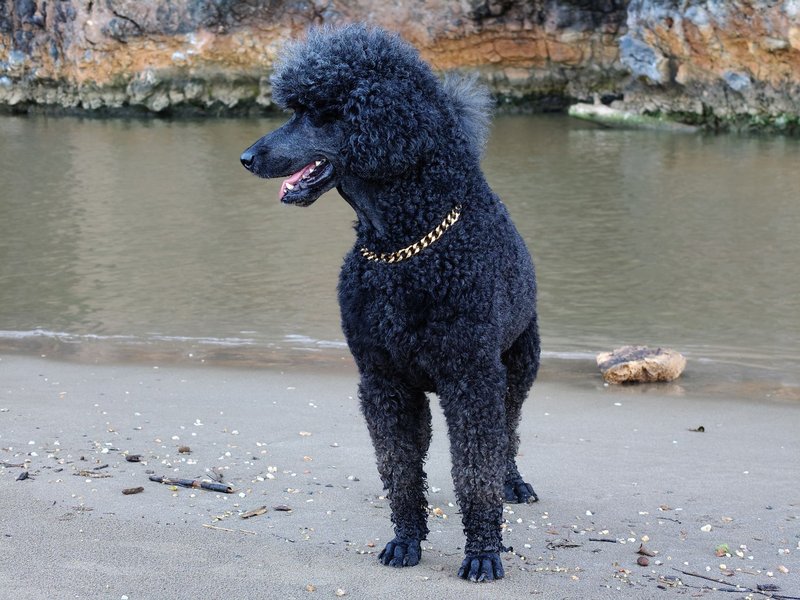
Forget the show-ring haircut. The Standard Poodle was a German water retriever, trained to work alongside hunters and fetch on command. That heritage explains the intelligence, the eagerness to please and the way a Poodle follows you around the house. It’s also a low-shedding option for allergy-prone families, though no dog is truly hypoallergenic.
10. Cavalier King Charles Spaniel
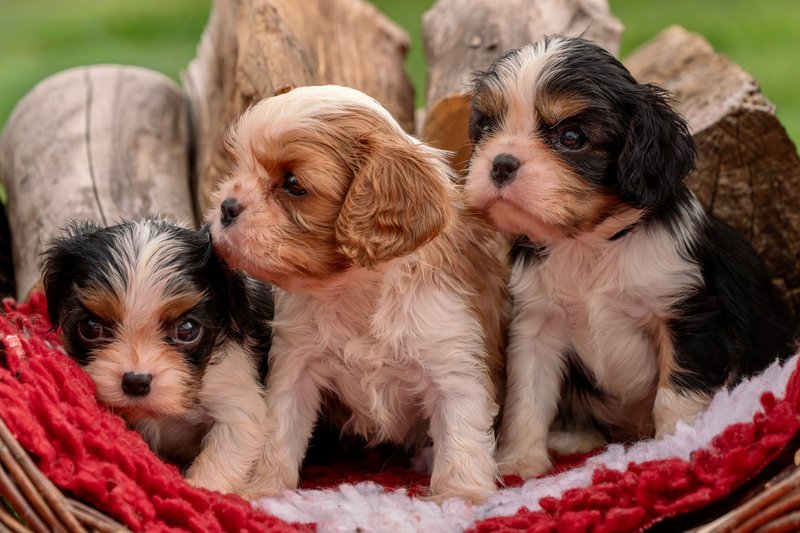
Cavaliers descend from toy spaniels that kept English royalty company, and Charles II was famously rarely seen without his. They are the standard answer to loyal small dog breeds: affectionate, gentle, happy on a lap. They’re also prone to separation distress, and the breed has a high rate of heart valve disease, so buy from a breeder who health-tests.
Family devotees
Family devotees spread their loyalty across everyone in the home. They’re the best fit for households with kids and visitors.
11. Labrador Retriever
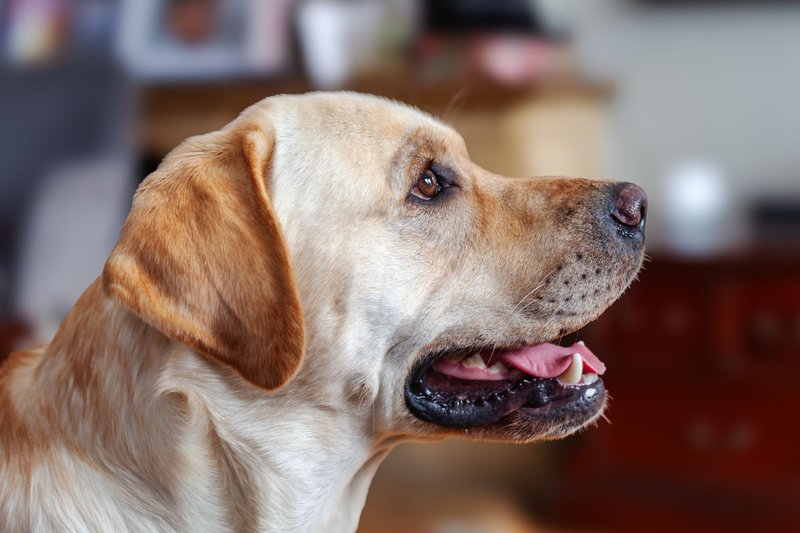
Labradors descend from the St. John’s water dogs of Newfoundland, who retrieved fish and gear for fishermen. A dog that hauls nets with you all day doesn’t develop opinions about who it likes best; it works for whoever’s in the boat. That explains the Lab’s friendly, eager, family-wide devotion. It also explains why it greets burglars with a tail wag.
12. Golden Retriever
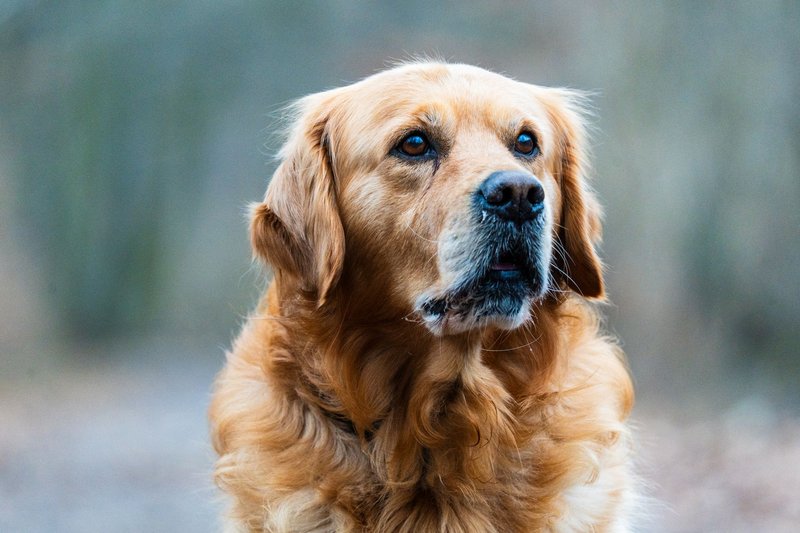
Lord Tweedmouth developed the Golden in 1860s Scotland to retrieve waterfowl without damaging it, which required a soft mouth and a willingness to wait for direction. Goldens read faces, seek physical contact and want to be wherever the family is. They don’t cope well with isolation, so a long workday alone is a poor match.
13. Newfoundland
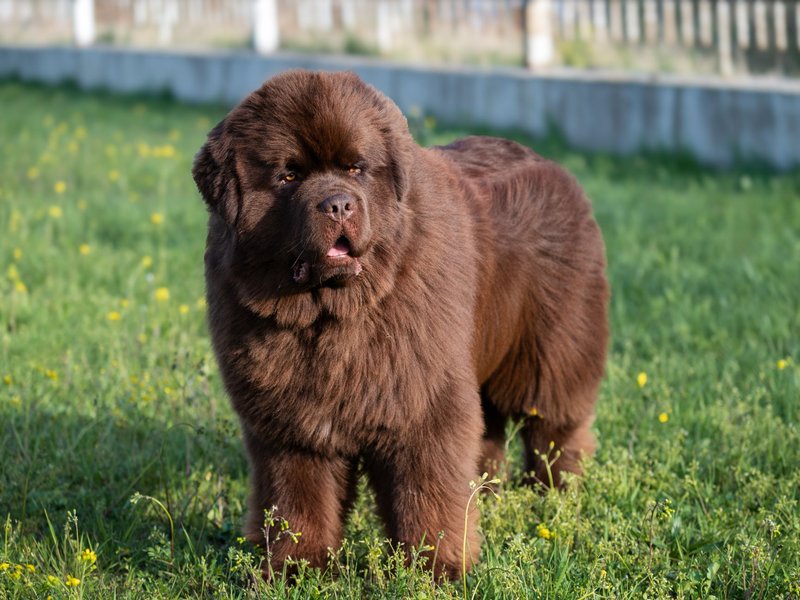
Newfoundlands pulled nets and rescued swimmers off the Canadian coast, and they still carry a drive to stay close to people near water. At 100 to 150 pounds, they are patient with children and calm indoors. They also drool, shed and need space. The loyalty is easy; the logistics are not.
14. Boxer
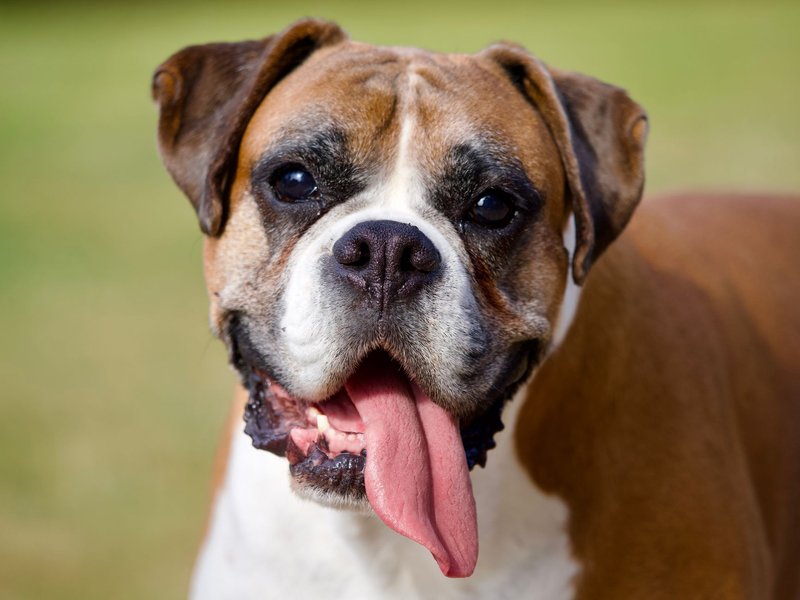
Boxers were developed in Germany in the 1800s from bull-baiting mastiff types and later used as guard and messenger dogs. The modern Boxer is a clown with a guard dog’s instincts: playful with kids, suspicious of unexpected visitors. They stay puppyish into their third year, so expect energy and chewing for a long time.
15. Bernese Mountain Dog
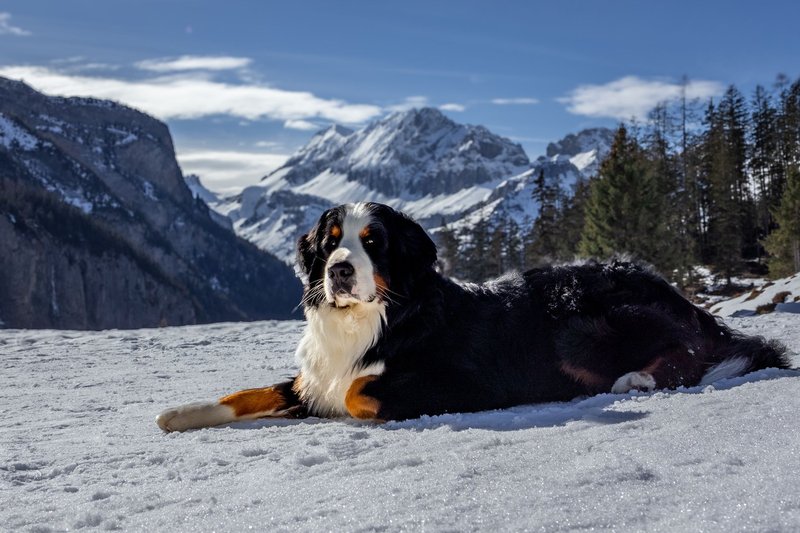
Berners pulled carts and drove cattle on Swiss farms, living alongside the family all day. They’re affectionate, steady and usually good with children. The tradeoff is lifespan: Bernese Mountain Dogs often live only seven to ten years, which is a hard thing to know going in. Our dog years to human years calculator converts a Berner’s age into human years.
The downsides of intense loyalty
Devotion has costs, and most listicles skip them.
- Clinginess. A shadow dog will follow you into the bathroom. If that annoys you, choose a more independent breed.
- Guarding behavior. Protective breeds can bark at delivery drivers, resource-guard, or react to strangers if not socialized early. Loyalty plus poor socialization is how bites happen.
- Separation distress. Velcro breeds such as Vizsla, Cavalier and Golden often struggle with long absences. Plan for daycare, a dog walker or a remote-work schedule.
- Stranger wariness. Akitas and Great Pyrenees are loyal to you precisely because they’re indifferent to everyone else. Guests may not get a warm welcome.
How to match a loyal breed to your life
- Apartment living: Cavalier King Charles Spaniel. It’s small, accepts moderate exercise and adapts to indoor life, but it doesn’t like being alone all day.
- First-time owner: Labrador Retriever, Golden Retriever or Standard Poodle. All are trainable and forgiving of beginner mistakes.
- Young children at home: Newfoundland, Bernese Mountain Dog, Collie or Golden Retriever. Always supervise, whatever the breed.
- Active outdoor household: Vizsla, Border Collie or German Shepherd. Make sure the exercise and mental work actually happen.
- Want a watchful dog: Rottweiler, Doberman or Great Pyrenees. Commit to serious early socialization and training.
How to build loyalty in any dog
A breed list only sets odds. Loyalty in any dog comes from the same few habits.
- Be the source of good things. Feed meals yourself, play daily and use rewards in training. Dogs attach to the person who makes life predictable and pleasant. To size those meals for your dog, see how much to feed your dog for its weight and age.
- Train with rewards, not fear. Harsh methods damage trust and can create anxiety, the opposite of what you want.
- Socialize early. Expose puppies to people, places and sounds between roughly 3 and 14 weeks, with positive experiences. A confident dog is a calmer protector. Large guardian puppies grow fast; our puppy growth calculator estimates the adult size.
- Teach alone time deliberately. Start with minutes, then build up. A dog that can relax apart from you is more secure, not less loyal.
- Be consistent. Clear rules and routines tell a dog what to expect from you.
FAQ
What is the most loyal dog breed?
There’s no single winner. The German Shepherd, Akita and Golden Retriever come up most often because of their history of working closely with people, but loyalty varies between individuals more than between breeds.
What are the best loyal and protective dog breeds?
The German Shepherd, Rottweiler, Doberman Pinscher and Great Pyrenees combine strong attachment to family with natural watchfulness. All need early socialization and consistent training.
Which loyal dogs are best for families?
Golden Retrievers, Labradors, Newfoundlands, Bernese Mountain Dogs and Collies are the usual picks because they tend to be patient and affectionate with kids.
What are the best loyal small dog breeds?
The Cavalier King Charles Spaniel is the small breed on this list. It was bred as a lap companion and thrives on closeness. If you want a small dog, expect to look beyond this list too.
Is a clingy dog the same as a loyal dog?
No. Clinginess that turns into panic when you leave is separation anxiety, not loyalty. If your dog destroys things or howls when alone, talk to a vet or certified behaviorist.