The dangerous animals in East Asia are not the ones that dominate the usual listicles. Tigers and pandas aren’t hurting anyone. The animals that injure and kill people here are bears in Japan’s autumn forests, hornets in the hills of Shaanxi and Honshu, pit vipers in rice-field margins, and a handful of marine creatures that spend the summer drifting into swimming beaches.
Almost all of them are dangerous but rarely deadly. A hornet is far more likely to put you in a hospital than a bear is, and a mamushi bite will wreck your week without ending your life if you get treated. This guide sorts them by threat type, gives each one a plain risk rating with real figures where they exist, and says what to do before, during and after an encounter.
The region covered is China, Japan, South Korea, North Korea, Taiwan, Mongolia and Hong Kong. Komodo dragons, king cobras in India and saltwater crocodiles in Borneo are not on it, because they don’t live here.
TLDR
- Highest chance of killing you: Asian giant hornets and their relatives. Japan alone records roughly 10 to 20 deaths a year from hornet, wasp and bee stings combined, more than from any other animal.
- Most feared, most newsworthy: brown and Asiatic black bears in Japan. Fiscal 2025 set a record, with at least 13 deaths. Still, you are statistically very unlikely to meet one.
- Most likely to bite you: mamushi and other pit vipers (Japan, Korea, China), plus macaques and wild boar near towns.
- Most underrated: ticks. Severe fever with thrombocytopenia syndrome (SFTS) has a fatality rate of 10 to 30 percent and is spreading in China, Korea and Japan.
- Most overrated: tigers, pandas, and “deadly” fugu in a licensed restaurant.
| Animal | Where | Real risk of death | Real risk of injury |
|---|---|---|---|
| Asian giant hornet | China, Japan, Korea, Taiwan | Low to moderate | Moderate |
| Brown bear | Hokkaido, NE China, Mongolia | Low | Low |
| Asiatic black bear | Honshu, China, Korea, Taiwan | Low | Low to moderate |
| Mamushi and pit vipers | Japan, Korea, China | Very low | Moderate |
| Habu | Okinawa, Amami | Very low | Low |
| Many-banded krait | Taiwan, southern China, Hong Kong | Moderate if untreated | Low |
| Wild boar | Japan, Korea, China, Hong Kong | Very low | Moderate |
| Box jellyfish, man o’war | Okinawa, Japanese and Chinese coasts | Very low | High |
| Fugu (pufferfish) | Japan, Korea, China | Very low if licensed | Very low |
| Ticks (SFTS, scrub typhus) | China, Korea, Japan, Taiwan | Moderate | High |
Table of contents
- How these ratings work
- Bears and wild boar
- Venomous snakes
- Hornets and other stinging insects
- Marine hazards
- Disease carriers
- Famous, but mostly bark
- Dangerous animals in East Asia, country by country
- Safety for hikers and beachgoers
How these ratings work
Every entry gets two ratings: risk of death and risk of injury, for an ordinary traveler or hiker who does not go looking for trouble. They are based on reported case counts and health agency figures, scaled by how many people share space with the animal. A few countries, North Korea above all, publish almost nothing, so entries mention gaps where they exist.
Where numbers are approximate, they say so. Wildlife statistics in this region are often reported by fiscal year, by prefecture or by news outlet, and they move.
Bears and wild boar
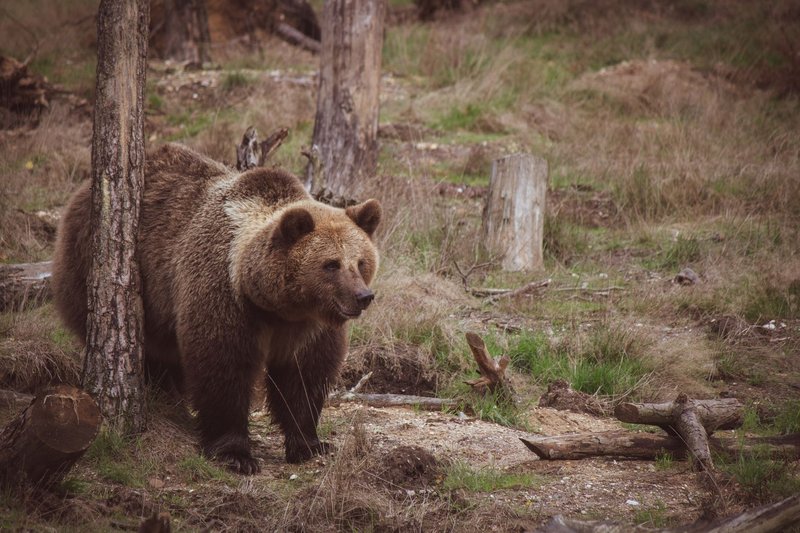
Ussuri brown bear
Where: Hokkaido, northeastern China (Heilongjiang, Jilin), Mongolia’s northern forests.
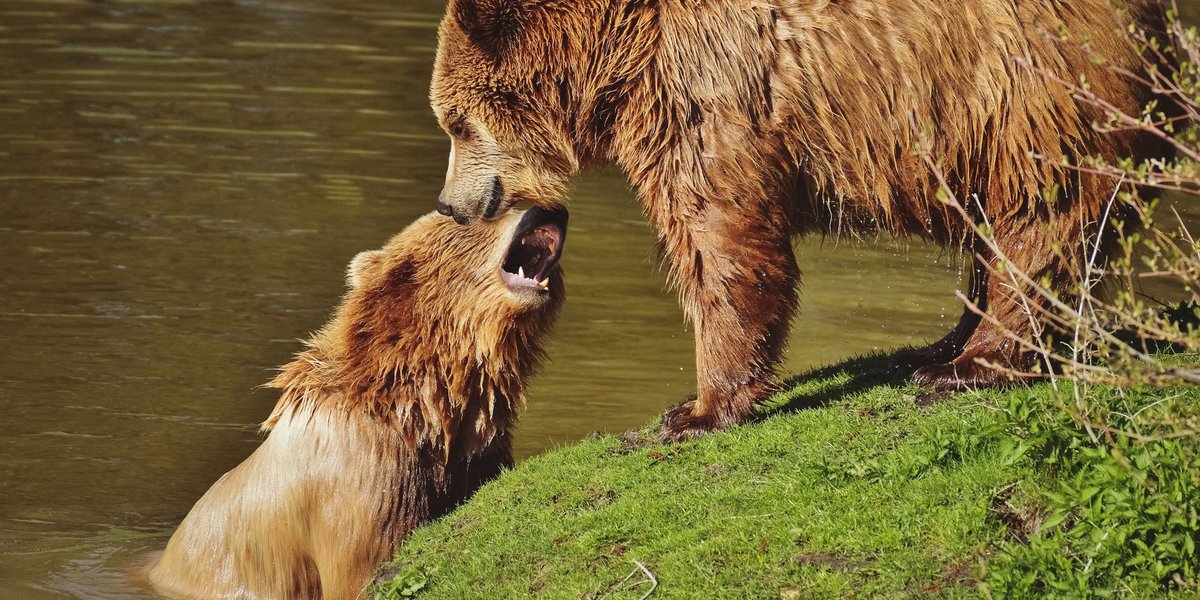
The Hokkaido brown bear (Ursus arctos lasiotus, locally called higuma) is the largest land animal in Japan, with a population of roughly 12,000. It holds the record for the worst bear attack in Japanese history: in December 1915, a single bear killed seven people in the settlement of Sankebetsu, in Rumoi, Hokkaido, before a hunter shot it.
Modern attacks are rarer and mostly happen to people alone in the mountains, foraging for wild vegetables in spring or hunting. Mongolia and northeastern China have brown bears too, but they sit in thinly populated forest where encounters are uncommon.
Real risk: low risk of death, low risk of injury. Serious attacks happen in single digits a year in Japan, almost always in remote terrain.
If you meet one: stop, don’t run, and back away slowly while talking in a calm voice. Don’t turn your back. Bear spray works and is commonly carried by Hokkaido hikers, and bells and radios help prevent surprise encounters.
If injured: control bleeding, get out, and seek hospital care at once. Bear wounds are prone to infection and may need rabies and tetanus review.
Asiatic black bear
Where: Honshu and Shikoku in Japan, central and southwestern China, South Korea’s Jirisan National Park (reintroduced population), Taiwan, North Korea.
Smaller than a brown bear and easily recognized by the white crescent on its chest, the Asiatic black bear is the one actually making headlines. Bear incidents in Japan have risen sharply in recent years, and the Ministry of the Environment’s bear data shows the trend. Fiscal 2023 produced 219 victims and six deaths, then a record. Fiscal 2025 broke that again, with at least 13 deaths, driven by a failed autumn crop of beech nuts and acorns that pushed hungry bears into towns, supermarkets and, in some cases, houses.
Taiwan’s Formosan black bear is endangered, shy and almost never involved in attacks. In Korea, the small Jirisan population is closely monitored.
Real risk: low risk of death, low to moderate risk of injury, higher in northern Honshu in September to November.
If you meet one: same rule as brown bears. Keep distance, don’t run, don’t climb a tree (black bears climb). Never leave food outside a tent or hut, and take bells seriously in Tohoku and Hokkaido forests during autumn.
Wild boar
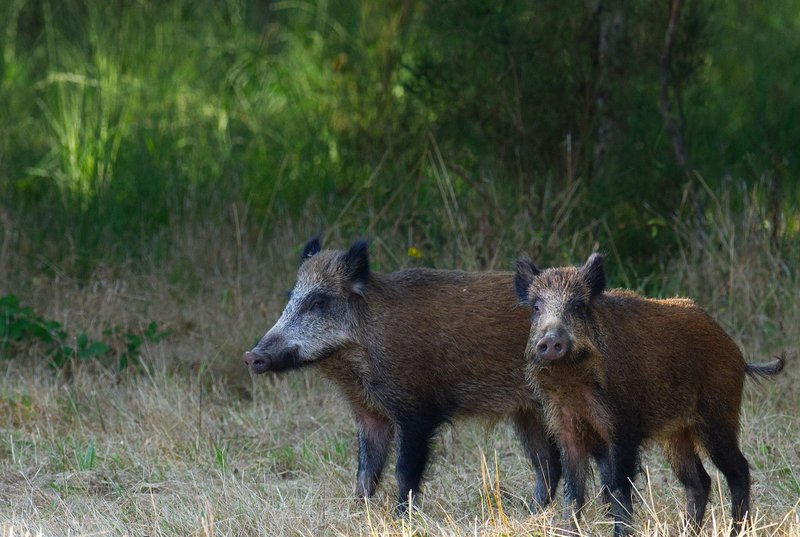
Where: all of the region apart from Mongolia’s steppes. Common in Japan, South Korea, China, and Hong Kong.
Boars rarely attack, but when they do they hit hard, charging low and slashing with their tusks, which causes deep leg wounds. They are the most common cause of large-animal injuries in many suburbs. In Hong Kong, boars wander into housing estates and parks and have bitten and knocked over residents. In Japan, they cause dozens of injuries a year, mostly in autumn and winter hunting season.
Real risk: very low risk of death, moderate risk of injury where boars live near people.
If you meet one: never get between a sow and her piglets, don’t feed them, and leave a path. If charged, put an obstacle between you and the boar, and climb something if you can.
Venomous snakes
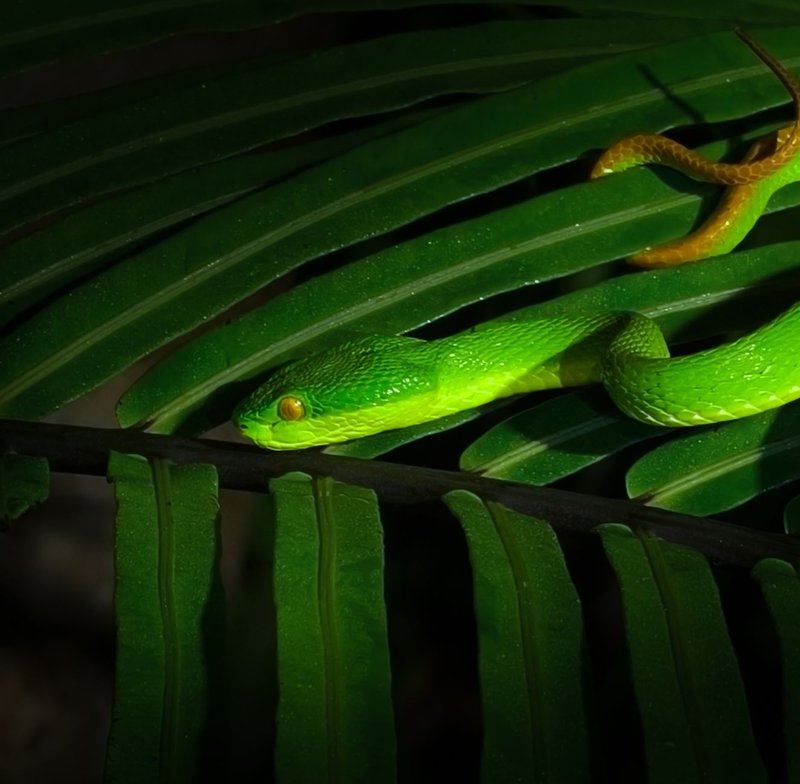
Venomous snakes are common across the region, but the death toll is small compared with South Asia or sub-Saharan Africa. The WHO estimates that snakebite kills between 81,000 and 138,000 people globally each year, concentrated in South Asia and Africa. East Asia contributes a fraction, thanks to hospitals that stock antivenom and shoes that cover ankles.
Mamushi and the Gloydius pit vipers
Where: Japan (all main islands), South Korea, northeastern China, Russia’s Far East.
The Japanese mamushi (Gloydius blomhoffii) is short, thick, brown with darker rings, and sits in leaf litter, stone walls and the margins of rice paddies. Japan records roughly 2,000 to 3,000 bites a year, mostly in summer and early autumn. Deaths are down to a few a year at most. Related species, the Korean short-tailed mamushi (G. brevicaudus) and Ussuri mamushi (G. ussuriensis), play the same role in Korea and northeast China.
Bites cause severe pain and swelling, then bruising and sometimes kidney trouble. Almost everyone treated survives.
Real risk: very low risk of death, moderate risk of injury.
If bitten: stay calm, immobilize the limb at heart level, remove rings and watches, and go to a hospital. Don’t cut, suck, ice or tie a tourniquet.
Habu
Where: Okinawa and the Amami Islands, Japan.
The habu (Protobothrops flavoviridis) grows to over two meters and bites hundreds of people a year across the Ryukyu archipelago. Okinawa’s hospitals are set up for it, and deaths are exceptionally rare now. Sugarcane fields, stone walls and tombs are typical haunts, and bites cluster in the evening. The smaller himehabu (Ovophis okinavensis) is also present.
Real risk: very low risk of death, low risk of injury.
If bitten: same as the mamushi. Get to a hospital; antivenom is available across the islands.
Many-banded krait and Chinese cobra
Where: Taiwan, southern China, Hong Kong.
Taiwan has six snakes of major medical importance, including the Taiwan habu, bamboo pit viper, Russell’s viper, Chinese cobra (Naja atra) and the sharp-nosed pit viper known in Chinese as the hundred-pacer, from the legend that you only get a hundred steps before dying. The legend is not literally true, but the bite is bad.
The many-banded krait (Bungarus multicinctus) is the one to know. It is nocturnal, docile, and its neurotoxic venom can cause paralysis. The bite is often painless and leaves little swelling. People bitten while sleeping or walking at night sometimes don’t realize it until muscle weakness starts hours later.
Estimates for China run from tens of thousands to over a hundred thousand snakebites a year, with deaths in the hundreds, mostly in rural areas far from antivenom. Taiwan sees on the order of a thousand venomous bites annually, with few deaths.
Real risk: moderate risk of death if untreated, low risk of injury for tourists.
If bitten: treat any suspected krait bite as an emergency even if it looks minor. Go to a hospital immediately, since breathing support can be needed.
Yamakagashi
Where: Japan, Korea, China, Taiwan.
The yamakagashi (Rhabdophis tigrinus) looks harmless: a slim green-and-red snake of streams and rice fields. It is rear-fanged, so bites are rare and usually need it to chew. But its venom disrupts blood clotting, and the snake stores toad toxins in neck glands, which it can squirt at threats. Toxins like these make it poisonous as well as venomous, a difference explained in this guide to poisonous forest animals. Deaths were documented in the 20th century and are unusual now.
Real risk: very low risk of death and injury. Know it, don’t panic about it.
Hornets and other stinging insects
Asian giant hornet
Where: Japan, China, South Korea, Taiwan. A relative, Vespa velutina, invaded Korea and Tsushima.
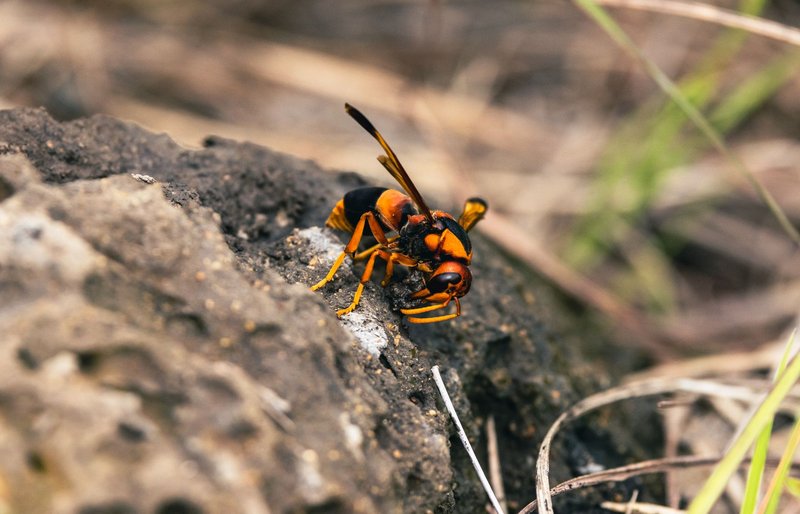
The Asian giant hornet (Vespa mandarinia, ōsuzumebachi in Japan) reaches 4 to 5 centimeters, with a sting that delivers venom able to damage tissue and kidneys in large doses. It is the animal in this region most likely to kill a hiker.
Japan reports roughly 10 to 20 deaths a year from hornet, wasp and bee stings combined, and hornets account for most. The worst single event on record was in 2013 around Ankang, in Shaanxi Province, China, where hornet attacks reportedly injured over 1,600 people and killed 42 across a few months, according to state media.
Season peaks from August to October, when colonies defend large nests. Nests sit in the ground, tree hollows, old buildings or hill-slope cavities. Dark clothing and strong scents provoke them.
Real risk: low to moderate risk of death, moderate risk of injury. The danger is multiple stings or anaphylaxis, not one sting.
If you meet one: don’t swat. Back away slowly and calmly. If a nest is disturbed and they pursue, run in a straight line, cover your head and neck, and keep running to shelter. In Japan, hardware stores sell hornet spray with long range.
If stung: wash the area, ice it, take an antihistamine. Seek emergency help for difficulty breathing, swelling of face or throat, dizziness, or more than a few stings.
Centipedes and mountain leeches
Chinese red-headed centipedes and the Japanese mukade (Scolopendra subspinipes) bite painfully in houses and woodpiles, sometimes causing swelling for days, but deaths are basically unheard of. Mountain leeches (yamabiru in Japan) swarm in damp forest in southern China, Taiwan and parts of Japan. They don’t carry disease here and don’t kill anyone, but they leave bleeding wounds. Gaiters and salt spray keep them off.
Marine hazards
Habu-kurage and Portuguese man o’war
Where: Okinawa for the habu-kurage (Chironex yamaguchii), Pacific coasts of Japan and southern China for the man o’war (Physalia).
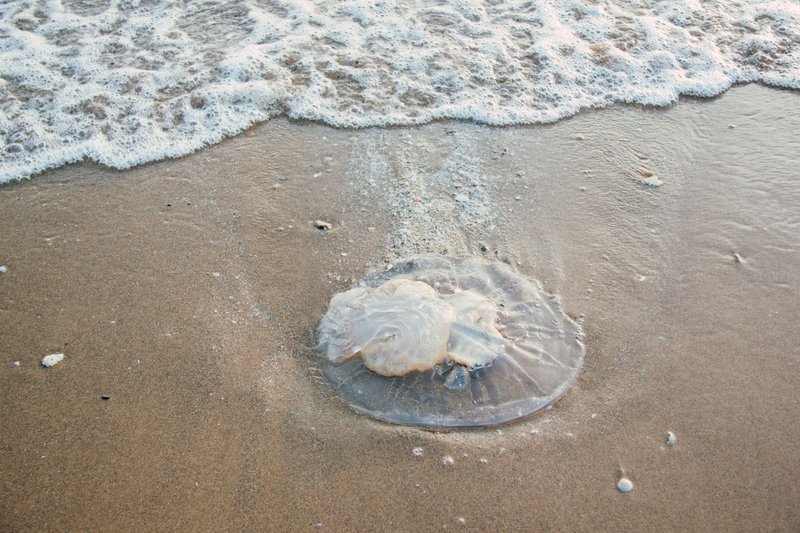
The habu-kurage is the region’s box jellyfish. Stings hurt immediately and leave whip-like welts, and severe stings can cause cardiac problems. Okinawa runs swimming nets and warning signs from roughly May to October, so beaches with nets are safe, and those without are a gamble. Man o’wars wash up in summer and early autumn and sting even when they appear dead on the sand.
Real risk: very low risk of death, high risk of injury if you swim outside protected areas in season.
If stung: leave the water, rinse with seawater, don’t rub, and pick off tentacles with tweezers or a gloved hand. For habu-kurage stings, vinegar is the standard first step in Okinawa. Ask a lifeguard, and treat chest pain or breathing trouble as an emergency.
Blue-ringed octopus and cone snails
Blue-ringed octopuses live in tide pools in southern Japan and around Taiwan. They are the size of a golf ball, and carry tetrodotoxin, the same poison as fugu. A cone snail (Conus geographus) found around Okinawa can sting with a harpoon-like tooth. Both are danger only if you pick them up. Don’t.
Real risk: very low for both, effectively zero if you don’t touch them.
Fugu
Where: Japan, South Korea, China.
Pufferfish carry tetrodotoxin in the liver, ovaries and sometimes skin, with no antidote. Japan has a long licensing system for chefs, and restaurant poisonings are essentially nonexistent. Cases are mostly amateur fishermen preparing a catch at home, a few dozen a year with deaths in single digits at most. China has also legalized sales of farmed fugu in recent years.
Real risk: very low in a licensed restaurant, high if you clean one yourself.
Disease carriers
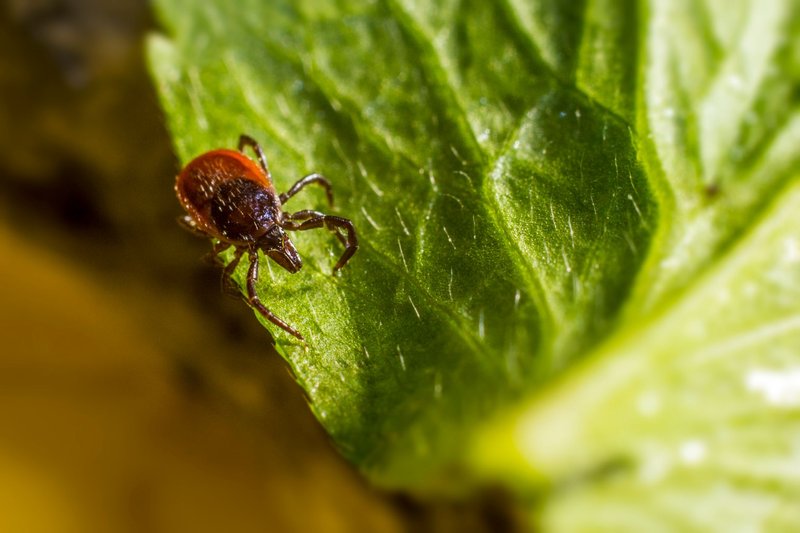
The most deadly animals in the region are often the smallest.
Ticks: SFTS and scrub typhus
Severe fever with thrombocytopenia syndrome was identified in China in 2009 and now circulates in Korea and Japan. It spreads through tick bites, and fatality in confirmed cases runs roughly 10 to 30 percent depending on country and age. Japan has reported record case counts in recent years, and has documented a handful of cases passed from sick cats and dogs to humans. Western Japan and Korea’s countryside have the most cases.
Scrub typhus, from chigger mites, causes thousands of cases in Korea each autumn, mostly among farmers and hikers. It’s treatable with antibiotics.
Real risk: moderate risk of death for SFTS, high risk of illness for scrub typhus, among people who spend time in tall grass or forest.
Prevention: long pants tucked into socks, DEET or picaridin repellent, and a full-body tick check after any hike. Remove ticks with tweezers close to the skin. Fever within two weeks of a bite means a doctor visit, with the tick bite mentioned.
Rabies
WHO’s rabies fact sheet notes that dogs cause virtually all human cases, and that nearly all deaths are in Asia and Africa. China has cut annual deaths sharply from the thousands it saw around 2007 but still has more cases than the rest of the region. Japan has had no domestic human cases for decades, and Taiwan has no recorded human cases, though wild ferret badgers there carry rabies. Any bite from a dog, monkey or bat in China or Mongolia calls for wound washing and post-exposure shots.
Marmot plague in Mongolia
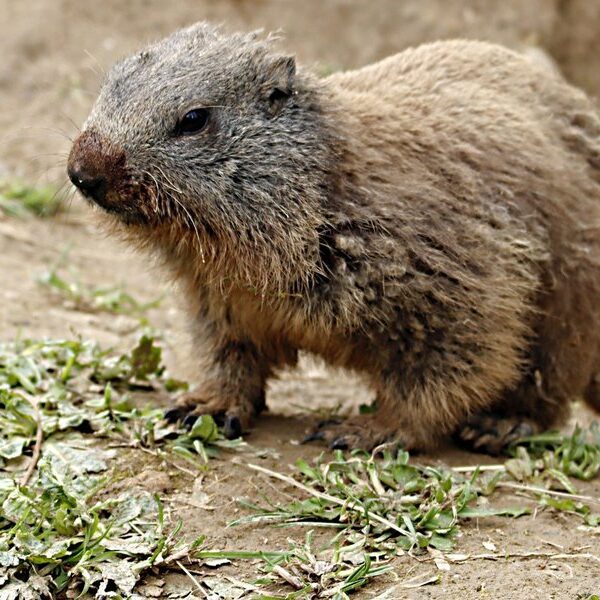
Mongolia and Inner Mongolia occasionally report bubonic plague, linked to hunting and eating marmots. Authorities issue seasonal warnings, and cases are rare and treatable with antibiotics. The rule is simple: never handle or eat marmot meat.
Famous, but mostly bark
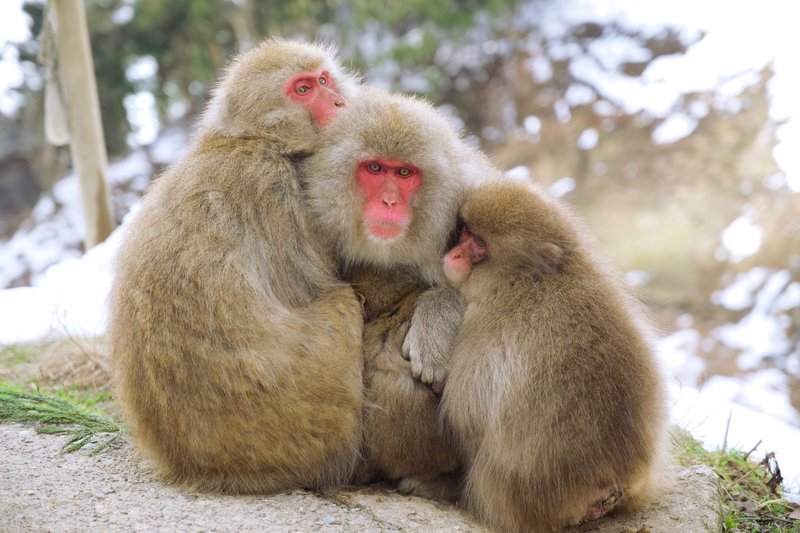
Macaques. Japanese macaques in Yamaguchi City bit and scratched dozens of residents in 2022, and the long-tailed macaques at Hong Kong’s Kam Shan Country Park bite hikers who carry food. Injuries are real, deaths are not. Don’t show teeth, don’t hold food, and don’t feed them.
Nara’s deer. The deer at Nara Park injure dozens of visitors every year, kicking and biting when people tease them with crackers. A bite there rarely needs more than a clinic.
Tigers and leopards. The Amur tiger and Amur leopard live in a few dozen to a few hundred individuals across northeast China and the Russian border. Attacks on people are almost nonexistent.
Giant pandas. Bears in the end, but captive handlers and rare tourists with phone cameras are the only people at risk.
Dangerous animals in East Asia, country by country
| Country or region | Main threats | What to know |
|---|---|---|
| Japan | Hornets, brown and black bears, mamushi, habu, ticks (SFTS), box jellyfish | Best data and best treatment in the region. Bears are the headline, hornets are the killer. |
| South Korea | Pit vipers, giant hornets, ticks (SFTS, scrub typhus), wild boar | Autumn is peak season for scrub typhus. Korean pharmacies and clinics are fast and cheap for tick-bite review. |
| China | Snakes (kraits, cobras, pit vipers), hornets, rabies, ticks | Largest numbers by far, mostly rural. Hospitals in big cities have antivenom. Remote areas may not. |
| Taiwan | Six medically important snakes, hornets, jellyfish, mountain leeches | Strong healthcare. Kraits and Taiwan habu are the snakes to know. |
| Hong Kong | Wild boar, macaques, snakes (krait, cobra, bamboo viper), hornets | Most incidents come from boars and monkeys near urban edges. |
| Mongolia | Marmot plague, brown bears, wolves, rabies | Low population density. Few attacks, long distances to care. |
| North Korea | Unknown | Reliable public data does not exist, and travel is tightly restricted. |
Safety for hikers and beachgoers
Before you go
- Check local bear, hornet and jellyfish warnings. Japanese prefectural sites and trailhead signs post recent sightings.
- Wear long pants, closed shoes and light-colored clothing. Dark colors draw hornets.
- Carry bear spray where bears live (Hokkaido, Tohoku, mountain regions of Honshu) and bells, but do not rely on bells alone.
- Use insect repellent with 20 to 30 percent DEET or picaridin, and do a tick check afterward.
- Swim only at nets-protected beaches in Okinawa between May and October.
On the trail
- Never reach into rock crevices, wood piles or tall grass without looking.
- Use a flashlight at night. Kraits and habu are active after dark.
- Never feed monkeys, deer or boar.
- Don’t touch tide-pool animals.
Emergency numbers
| Place | Ambulance |
|---|---|
| Japan, South Korea, Taiwan | 119 |
| China | 120 |
| Hong Kong | 999 |
| Mongolia | 103 |
After a bite or sting
- Move away from the animal and stay calm. Panic raises heart rate and spreads venom faster.
- Immobilize a bitten limb at about heart level. Remove rings and watches.
- Don’t cut, suck, burn, ice or tie a tourniquet.
- Note what the animal looked like or take a photo from a safe distance. It helps the doctor choose the antivenom.
- Go to the nearest hospital. For any suspected krait or cobra bite, treat it as an emergency even if you feel fine.
- For stings with breathing trouble, facial swelling or collapse, call the ambulance number immediately.
- For a dog, monkey or bat bite, wash the wound for at least 15 minutes and ask about rabies shots.
Most travelers in China, Japan, Korea and Taiwan will go home having seen a macaque and nothing worse. The dangerous animals in East Asia are real, but the risk comes from a short list of species in specific places and seasons. Learn that list, and the trip stays about the trip.