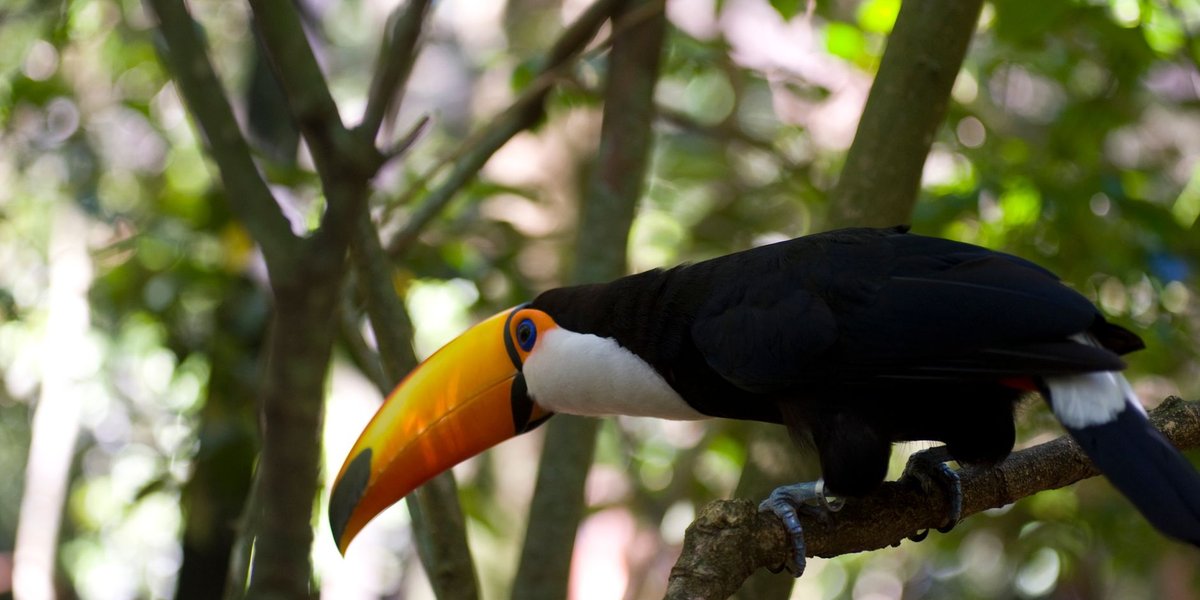
Most lists of animals only found in Costa Rica include sloths, scarlet macaws and resplendent quetzals. None of them is endemic. All three range well beyond Costa Rica’s borders, and the lists that pad themselves this way end up telling you almost nothing about what is unique to the country.
This list sorts it out. Seven of the twelve animals below live in Costa Rica and nowhere else on Earth. The other five are near-endemics: they live in Costa Rica and in the highlands of western Panama, one mountain range that happens to straddle a border. Each entry is labeled so you know which is which.
Contents
- Why Costa Rica has so many endemic animals
- Quick reference table
- The 12 animals only found in Costa Rica
- Animals commonly mistaken for endemics
- Where to see them
Why Costa Rica has so many endemic animals
Costa Rica covers about 51,000 square kilometers, roughly the size of Slovakia, yet it is usually credited with around 5 percent of the world’s species. Endemics pile up here for three reasons.
Mountains. Volcanic ranges run down the middle of the country: the Cordillera de Tilarán, the Central Volcanic range and the Talamanca range. A bird or frog that lives only at 2,500 meters on one slope can be separated from its nearest relative by a lowland valley it will never cross.
Microclimates. The Caribbean side gets rain nearly year-round. The Pacific side has a real dry season. The Osa Peninsula and Golfo Dulce region in the south sit in a wet pocket of their own. Small, specialized animals settle into one band of one slope and stay there.
Islands. Cocos Island sits about 550 kilometers off the Pacific coast and covers roughly 24 square kilometers. It is a UNESCO World Heritage site and has produced its own finch, flycatcher, cuckoo and lizards, none of which live anywhere else.
Quick reference table
| # | Animal | Type | Region | Status note |
|---|---|---|---|---|
| 1 | Golden toad | Endemic | Monteverde cloud forest | Extinct |
| 2 | Mangrove hummingbird | Endemic | Pacific coast mangroves | Endangered |
| 3 | Coppery-headed emerald | Endemic | Caribbean-slope foothills | Limited, forest-dependent range |
| 4 | Black-cheeked ant-tanager | Endemic | Osa Peninsula, Golfo Dulce | Threatened |
| 5 | Golfo Dulce poison dart frog | Endemic | Osa Peninsula, Golfo Dulce | Threatened |
| 6 | Cocos finch | Endemic | Cocos Island | Single-island range |
| 7 | Cocos Island anole | Endemic | Cocos Island | Single-island range |
| 8 | Volcano junco | Near-endemic | High volcanoes and páramo | Common within its range |
| 9 | Fiery-throated hummingbird | Near-endemic | Talamanca highlands | Common within its range |
| 10 | Yellow-thighed finch | Near-endemic | Highland cloud forest | Common within its range |
| 11 | Black-crowned palm-pitviper | Near-endemic | Highland cloud forest | Venomous, rarely seen |
| 12 | Wrenthrush | Near-endemic | Highland forest understory | Elusive |
The 12 animals only found in Costa Rica
1. Golden toad (Incilius periglenes)
Endemic. Monteverde cloud forest. Extinct.
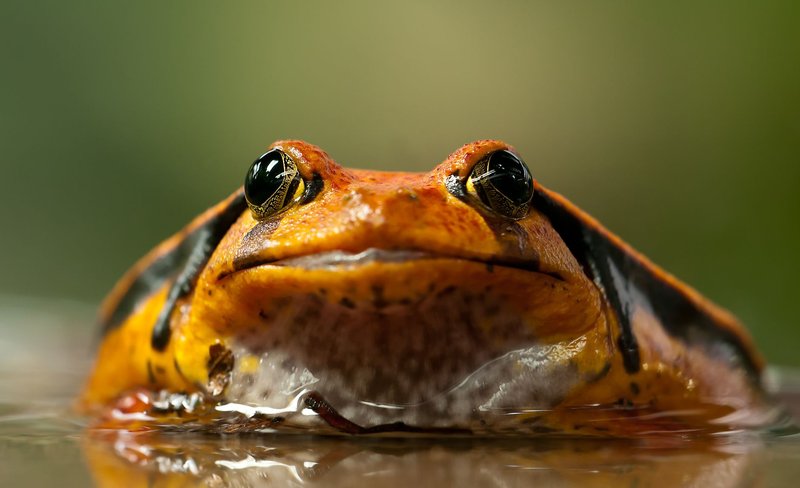
Males were a flat, glowing orange, so vivid that early naturalists reportedly took them for something painted. Females were black with red blotches and yellow edging. The species was found only in a patch of elfin forest a few square kilometers across near Monteverde.
In 1987, researchers counted about 1,500 adults at their breeding pools. In 1989, they found a single male. It was the last one ever recorded, and the IUCN Red List classes the species as extinct. Climate-linked drying of the cloud forest and the amphibian chytrid fungus are the leading explanations. You can’t see a golden toad. You can see the forest it vanished from.
2. Mangrove hummingbird (Amazilia boucardi)
Endemic. Pacific coast mangroves. Endangered.
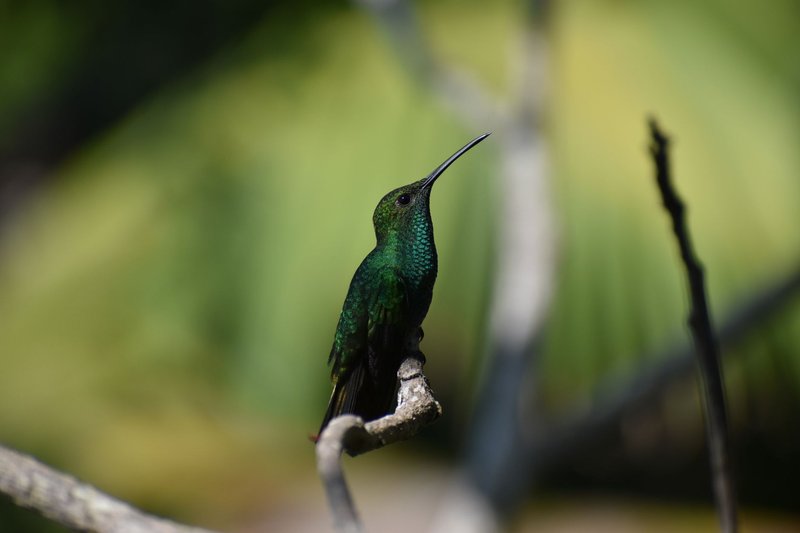
This is a green-and-white hummingbird that lives in a single habitat: mangroves along Costa Rica’s central Pacific coast, centered on the Gulf of Nicoya. Plenty of small green hummingbirds look similar, so range is the best identification tool. A hummingbird working the flowers of a mangrove stand on that coast is a strong candidate.
Its whole world is a thin strip of coastal forest that shrimp farms, development and charcoal cutting have shrunk for decades. Protecting mangroves is what protects this bird.
3. Coppery-headed emerald (Microchera cupreiceps)
Endemic. Caribbean-slope foothills and cloud forest edges.
A tiny hummingbird with a coppery crown on an otherwise green body. It stays in the mid-elevation forests of the Caribbean slope, where clearing for farmland has broken up its habitat. It rarely shows up at the busy feeders that draw other hummingbirds, which makes it one of the harder endemic birds to tick off. Foothill trails and hummingbird gardens on the Caribbean side are your best bet. For the other species worth planning for on the same trips, see Birds of Costa Rica: 15 Species Worth Planning For.
4. Black-cheeked ant-tanager (Habia atrimaxillaris)
Endemic. Osa Peninsula and Golfo Dulce lowland forest. Threatened.
A dark, sooty tanager with a blackish face. Ant-tanagers travel in noisy family groups and trail army-ant swarms, snapping up the insects that flee the column. This one is restricted to the lowland rainforest of the far southern Pacific corner, and the IUCN lists it as a threatened species.
Look for it in the forest of the Osa Peninsula, including Corcovado National Park. Listen first: the group’s scolding calls usually give them away before you spot them.
5. Golfo Dulce poison dart frog (Phyllobates vittatus)
Endemic. Osa Peninsula and Golfo Dulce lowlands. Threatened.
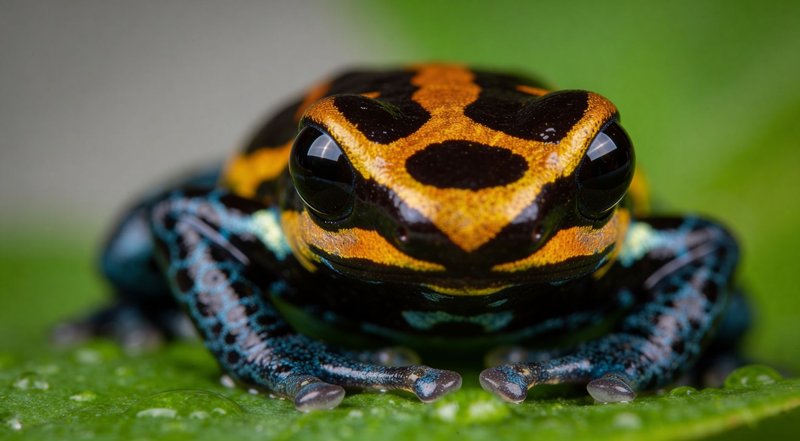
Black, with two bold orange-gold stripes running down its back and mottled blue legs. It is under three centimeters long and hops through leaf litter in daylight, which makes it easier to find than most frogs. It lives only in the humid lowlands around Golfo Dulce.
A frog with this tiny a range depends on the forest staying intact. On the Osa Peninsula, that forest is still largely standing, which is why the frog still turns up on guided walks.
6. Cocos finch (Pinaroloxias inornata)
Endemic. Cocos Island.
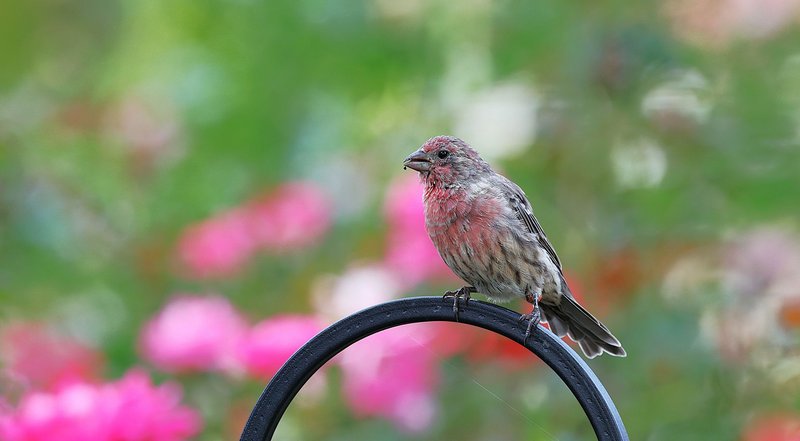
The Cocos finch is the only member of Darwin’s finch group that lives outside the Galápagos. It’s a plain, dark bird, but its behavior isn’t plain. With no competing finches on the island, one species fills feeding roles that several Galápagos relatives split between them: it takes insects, seeds, nectar and fruit, and forages on the ground and in the canopy.
Cocos Island lies inside Cocos Island National Park, and the finch is common there. The catch is getting to the island, covered in the visiting section below.
7. Cocos Island anole (Anolis townsendi)
Endemic. Cocos Island.
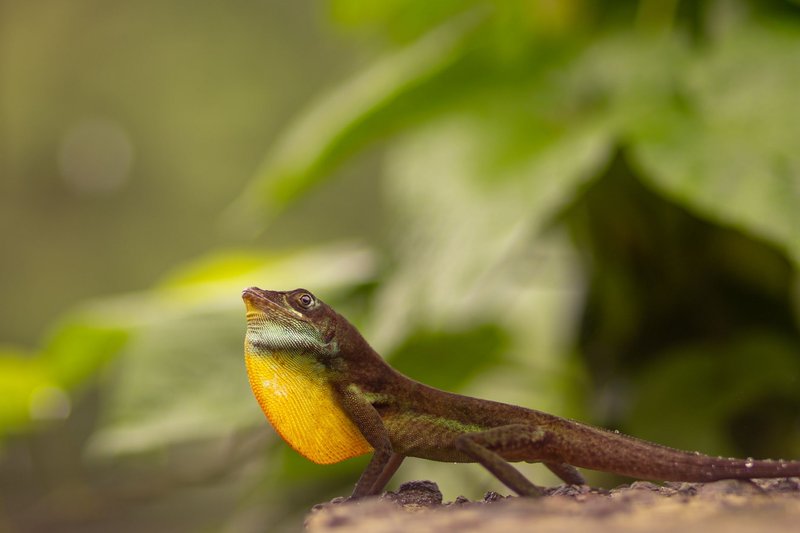
A small brown lizard that lives on a single island 550 kilometers offshore. It is a textbook case of how island isolation makes endemics: anoles are strong colonizers across the Caribbean and Central America, and this one arrived, got stranded and diverged.
Visits ashore on Cocos are brief and supervised by park rangers. The anole is among the lizards you may spot on the trails near the landing.
8. Volcano junco (Junco vulcani)
Near-endemic. Costa Rica and western Panama. High volcanoes and páramo.
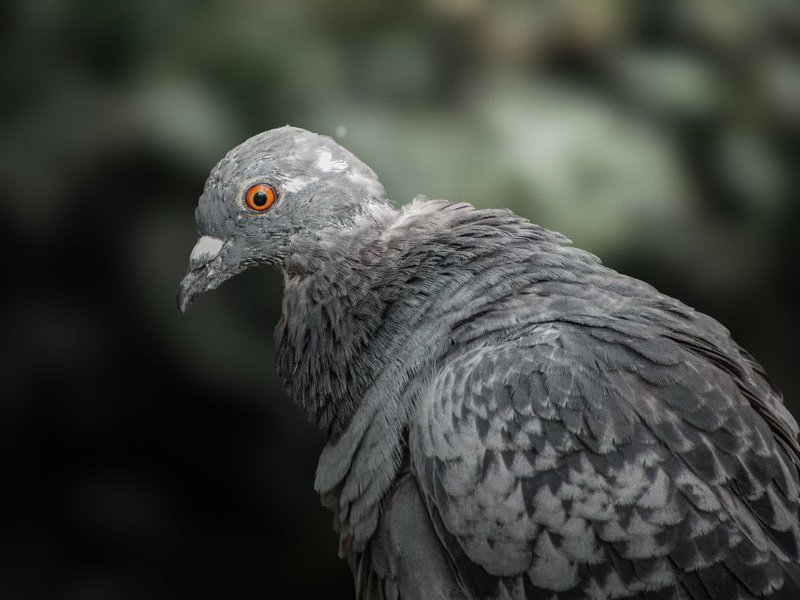
Dark gray, with yellow eyes and a stubby bill. It hops around the parking areas and summit scrub of high volcanoes, including Irazú and the Cerro de la Muerte highlands, mostly above 2,500 meters. Where it lives, it is tame enough to pick at crumbs near your boots. Its range extends to Volcán Barú in western Panama, so it is a near-endemic rather than a strict one.
9. Fiery-throated hummingbird (Panterpe insignis)
Near-endemic. Costa Rica and western Panama. Talamanca and central highlands.
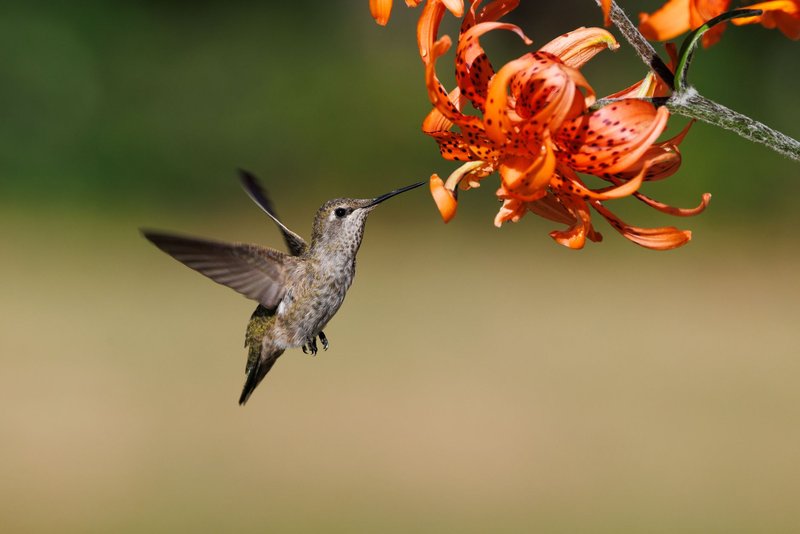
The throat shifts from orange to yellow to turquoise depending on the angle of the light, and a blue crown and a white spot behind each eye finish the look. It is a high-elevation hummingbird, common in the Savegre Valley and along the Cerro de la Muerte road, where feeders pull in dozens at once.
Males defend feeding territories aggressively, so expect plenty of chasing and midair squabbles.
10. Yellow-thighed finch (Pselliophorus tibialis)
Near-endemic. Costa Rica and western Panama. Highland cloud forest.
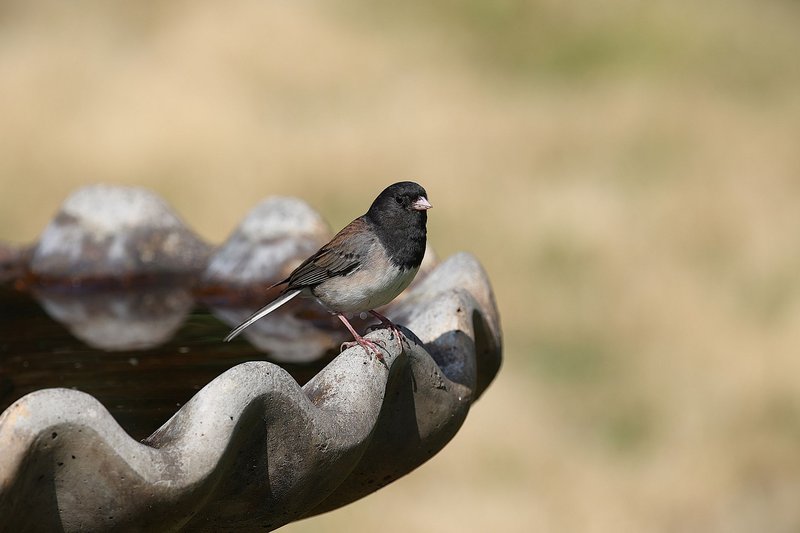
A black-and-gray finch with bright yellow feathers on its legs, as if it were wearing yellow trousers. Small flocks work the highland forest and show up at lodge feeders around Monteverde and Savegre, where it’s one of the easiest near-endemics to see. That makes it a good first bird for anyone starting a Costa Rica endemic list.
11. Black-crowned palm-pitviper (Bothriechis nigroviridis)
Near-endemic. Costa Rica and western Panama. Highland cloud forest.
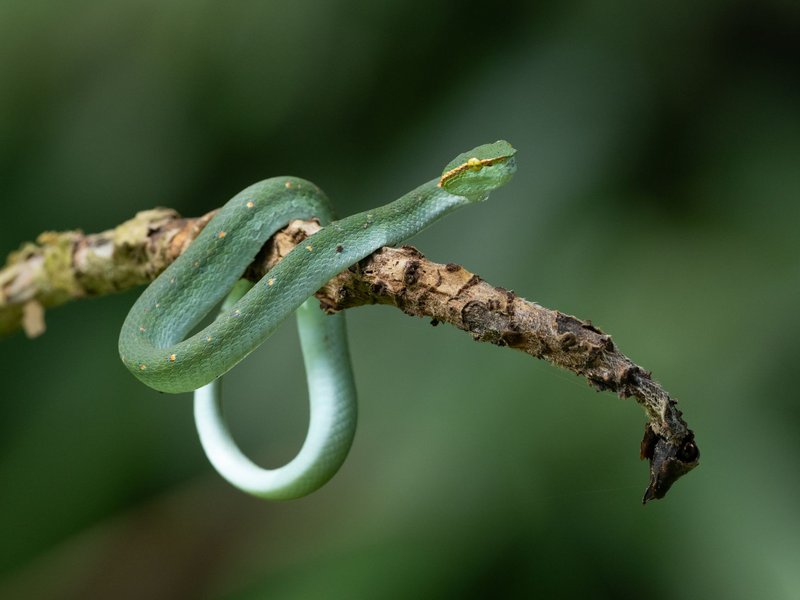
Bright green with black speckling, a prehensile tail and a pit viper’s triangular head. It waits on low branches in cloud forest for rodents and birds to come within reach. It is venomous, active mostly at night and often sits within arm’s length of a trail, so it’s something to spot on a guided night walk, not to handle. For the other snakes you are likely to meet on Costa Rican trails, see 9 Forest Snakes You’ll Actually Meet, By Region.
Ask the guide at a highland lodge. They usually know which bromeliad or branch has a resident palm-pitviper.
12. Wrenthrush (Zeledonia coronata)
Near-endemic. Costa Rica and western Panama. Highland forest understory.
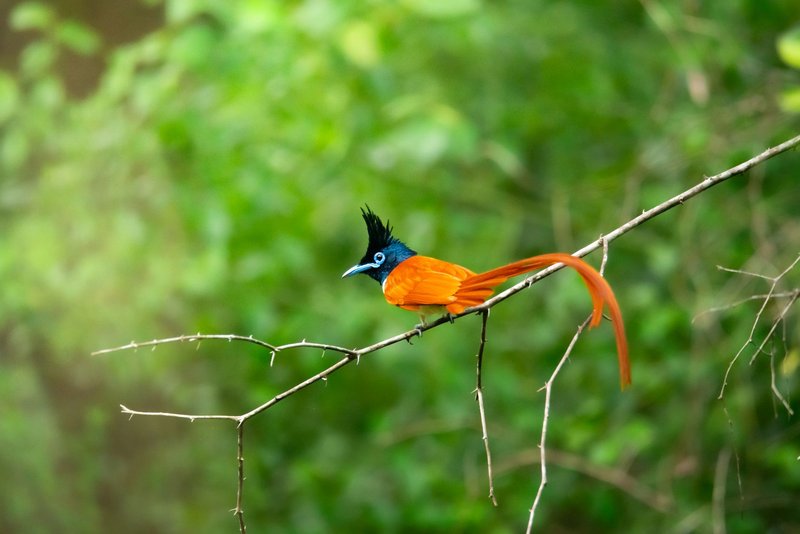
It is not a thrush or a wren. Taxonomists placed it in a family of its own, named after the Costa Rican naturalist José Zeledón. The bird is small, plump and dark with an orange crown patch, and it keeps to dense undergrowth, often walking on the ground. Spotting one usually means patience, a quiet trail and a good ear for a high, thin whistle.
It lives in highland forests such as those around the Savegre Valley and Monteverde. Of the twelve animals on this list, it’s probably the one birders talk about longest after seeing it.
Animals commonly mistaken for endemics
Other lists include these animals. They are iconic in Costa Rica, but they live in many other countries.
- Sloths. Brown-throated three-toed sloths and Hoffmann’s two-toed sloths both range across much of Central America and into South America.
- Resplendent quetzal. Its range runs from southern Mexico to western Panama. Costa Rica is one of the best places to see it, but it isn’t the only one.
- Scarlet macaw. A wide-ranging species found from Mexico down into South America, with healthy Costa Rican populations on the Pacific side, in the Osa area and around Carara.
- Red-eyed tree frog. It ranges from southern Mexico to Panama. It is the face of Costa Rica tourism and not endemic.
No sloth, monkey or big cat appears among the twelve either. The mammals most visitors come to see all range into neighboring countries. For the wider cast of animals visitors actually encounter, see Costa Rica’s Native Animals: Where and When to See Them.
Where to see them
You can see most of this list on one loop, but not all of it.
- Savegre Valley and Cerro de la Muerte. Fiery-throated hummingbird, yellow-thighed finch, volcano junco, and with luck the wrenthrush and palm-pitviper. Feeders and lodge guides make this the best single stop for near-endemics.
- Irazú Volcano. The volcano junco, with the crater as backdrop.
- Monteverde. Cloud forest species including the yellow-thighed finch. It is also the site of the vanished golden toad, and the local museum and reserve interpretive displays tell the story.
- Gulf of Nicoya and the central Pacific coast. Mangrove hummingbird. A boat trip through the mangroves with a local guide is the most reliable way.
- Osa Peninsula and Golfo Dulce. Black-cheeked ant-tanager and Golfo Dulce poison dart frog. Corcovado National Park is the heart of it.
- Cocos Island. The Cocos finch and anole. Access is by liveaboard dive boat from Puntarenas, roughly a day and a half each way, with a short ranger-supervised stop ashore. It is the hardest item on the list to reach.
Sightings are logged by region on eBird’s Costa Rica page, which is a useful way to check what has been seen recently on the trail you’re about to hike. Most of the animals above are small, shy or high on a mountain, so recent reports and a local guide improve your odds more than any gear you pack.