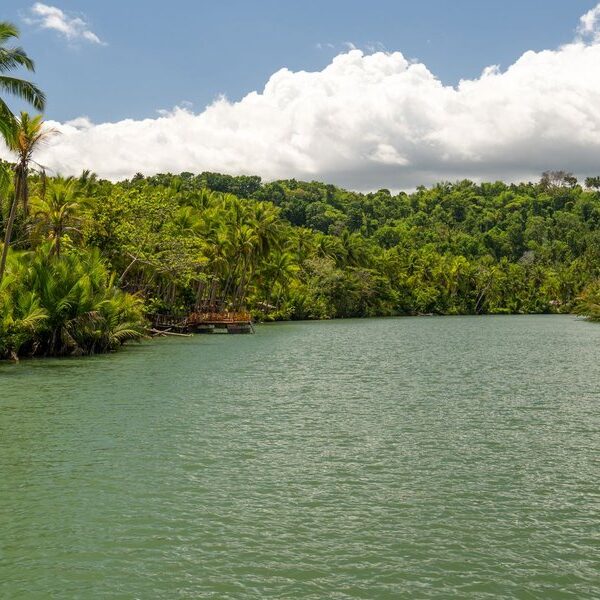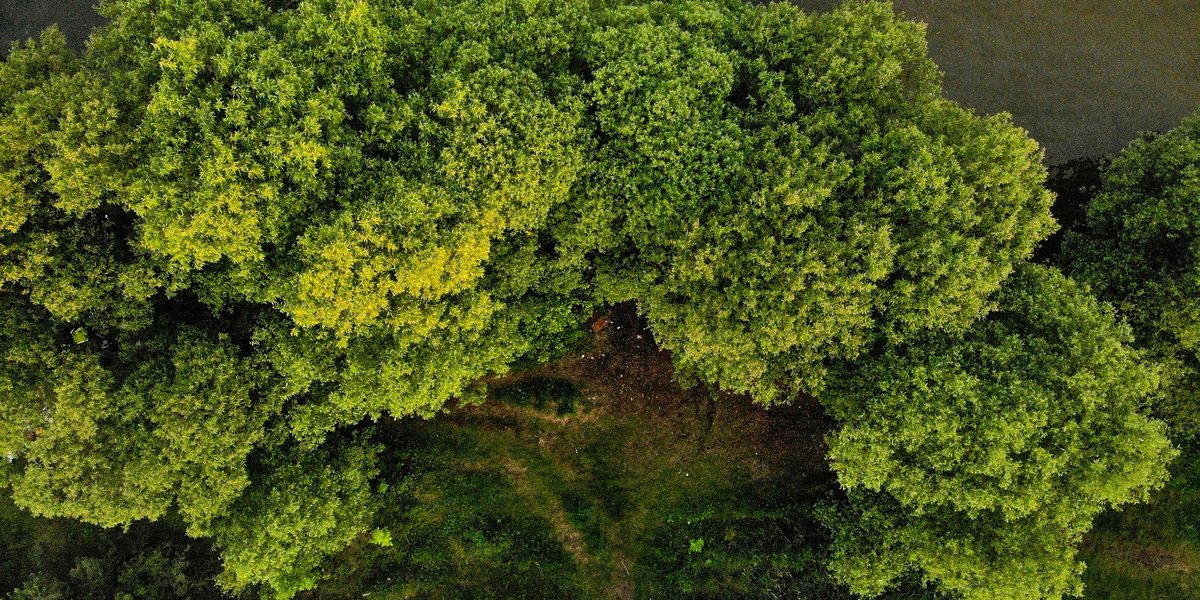
Green trees do four jobs at once: they cool the air around them, filter pollution, soak up stormwater, and make people measurably calmer. A street with a full canopy can run several degrees cooler than a bare one, and that gap matters more every summer. This post covers what green trees actually do, why their leaves are green in the first place, and which species fit shade, privacy, small yards or fast growth.
TLDR
- Green trees cut urban heat, filter air, slow runoff and improve mental health.
- Leaves are green because chlorophyll reflects green light while absorbing red and blue.
- Evergreens hold foliage year-round; deciduous trees drop it and cool your house better in summer while letting sun in during winter.
- Pick by job: red maple or tulip poplar for shade, Green Giant arborvitae for privacy, serviceberry or redbud for small yards.
- Plant in fall or early spring, and choose natives where you can.
Contents
- What green trees do for cities and people
- Why leaves are green
- Evergreen vs deciduous trees
- Types of green trees for landscaping
- How to choose and plant the right one
What green trees do for cities and people
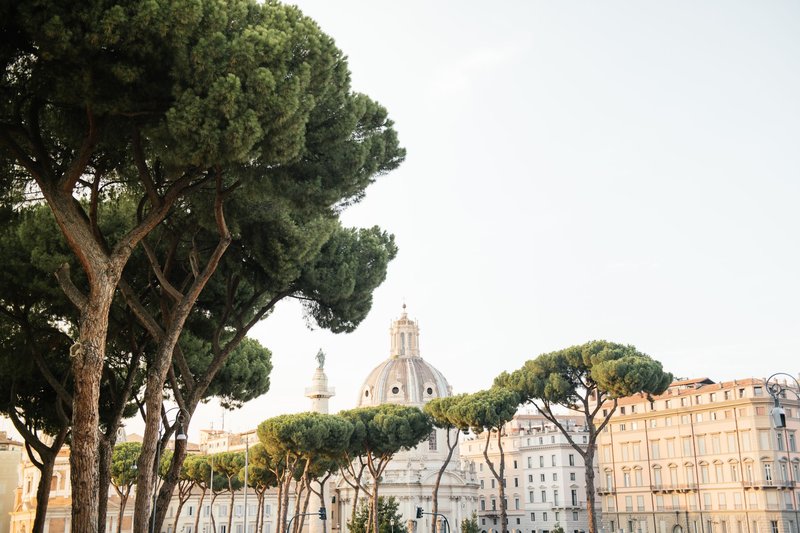
Start with heat. Pavement and rooftops soak up sun and release it slowly, which is why built-up areas run hotter than the countryside around them. The EPA says daytime temperatures in cities can be 1 to 7°F higher than in nearby rural areas, and the gap is often bigger at night. Trees fight this two ways: their canopy blocks sunlight before it hits the ground, and their leaves release water vapor, which cools the surrounding air.
The stakes are real. A European modeling study across cities estimated that bringing canopy cover to 30% could prevent roughly four in ten heat-related deaths. That is a public health number, not a landscaping one.
Air and water follow the same logic. Leaves trap dust and absorb gases like ozone and nitrogen dioxide. Roots and soil under a mature tree take in rain that would otherwise sheet off a driveway into storm drains, which cuts flooding and keeps oil and fertilizer out of streams.
Then there’s the part people feel before they can explain it. University of Washington Magazine makes the case that city trees function like preventive medicine, tying canopy loss in neighborhoods to worse health outcomes. Even a view of leaves from a window changes how people recover from stress. You don’t need a forest. A single big tree on a block counts.
Why leaves are green
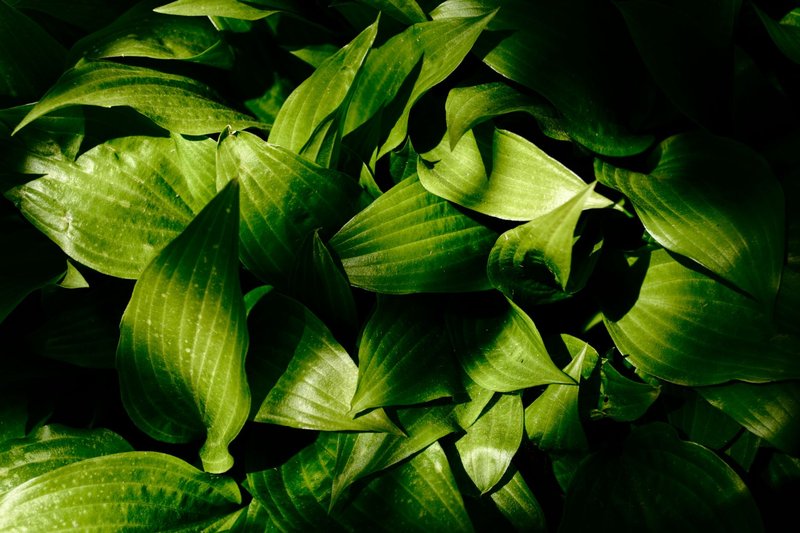
Sunlight looks white, but it’s a mix of colors. Chlorophyll, the pigment that runs photosynthesis, absorbs red and blue wavelengths and uses that energy to turn carbon dioxide and water into sugar. It doesn’t use green light well, so it bounces it back. Your eye catches what’s reflected, and the leaf looks green.
Chlorophyll is also the reason fall color exists. Leaves carry yellow and orange pigments called carotenoids all summer, but chlorophyll is so abundant it hides them. When days shorten, the tree stops making chlorophyll, the green fades, and the yellows show up. The reds come from anthocyanins, which many trees produce fresh in autumn. Penn State Extension walks through the pigment science in gardener-friendly terms.
Not every green is the same, either. Needles on a spruce run blue-green because of a waxy coating. New spring growth on a maple is a pale lime that deepens by July. A dark, glossy green, like southern magnolia, usually means a thick leaf built to last through winter.
Evergreen vs deciduous trees
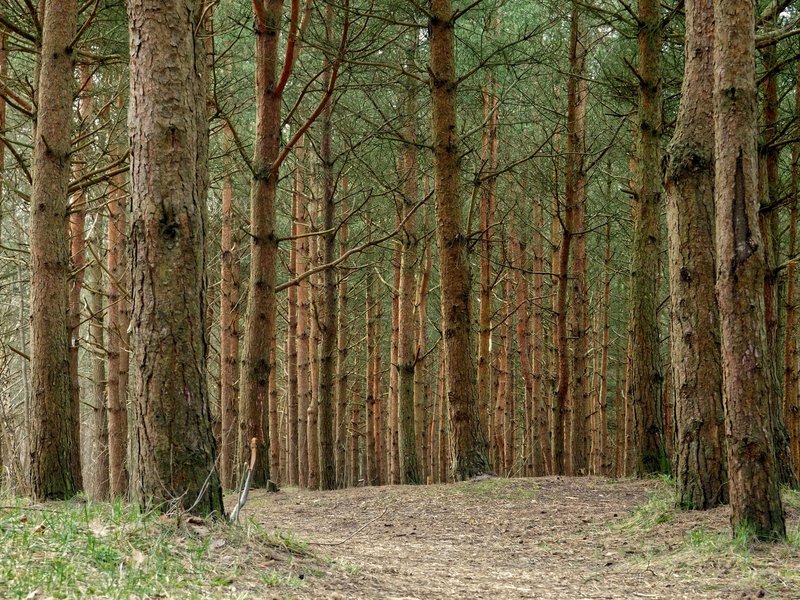
The two groups solve the same problem differently. Evergreens keep leaves or needles for two years or more, shedding a few at a time, so they photosynthesize whenever conditions allow. Deciduous trees drop everything in autumn and regrow it in spring, which saves the energy of keeping leaves alive through freezing weather.
That choice matters in your yard:
- Deciduous trees are better next to a house. Full leaf in summer blocks the sun on hot afternoons, then bare branches let low winter sun through to warm the walls.
- Evergreens are better for screening, windbreaks and winter structure. They keep working in January when everything else is bare.
- Broadleaf evergreens like holly and southern magnolia sit between the two. They have wide leaves but hold them all year, and they suit warmer climates.
One common mix-up: “green” doesn’t mean “evergreen.” A summer oak is as green as a pine. The difference is what happens in November.
Types of green trees for landscaping
Most lists of green trees stop at pictures. This one sorts by job. Heights are rough mature figures, and growth rates vary with soil and climate.
| Job | Tree | Mature height | What to know |
|---|---|---|---|
| Shade | Red maple | 40-60 ft | Good all-rounder; red fall color |
| Fast shade | Tulip poplar | 70-90 ft | Grows 1-2 ft a year; needs room |
| Fast shade | River birch | 40-70 ft | Handles wet soil; peeling bark |
| Privacy | Green Giant arborvitae | 40-60 ft | Dense, fast screen; plant far from walls |
| Windbreak | Eastern white pine | 50-80 ft | Soft needles; fast for a conifer |
| Small yard | Serviceberry | 15-25 ft | White spring flowers, edible berries |
| Small yard | Eastern redbud | 20-30 ft | Pink blooms, heart-shaped green leaves |
| Warm climates | Southern magnolia | 60-80 ft | Glossy evergreen leaves, large flowers |
| Winter green | American holly | 40-50 ft | Red berries on female trees |
A few notes beyond the table. Tulip poplar grows quickly but drops branches in storms, so give it space away from the house. Green Giant arborvitae is the standard answer for a fast privacy hedge, but at full size it’s enormous, so plant it with that in mind instead of two feet from a fence. Serviceberry earns its place in a small yard because it gives you flowers, fruit and fall color in a package that never overwhelms a lot.
For a fast-growing shade tree, the tradeoff is almost always lifespan. Quick growth usually means softer wood and more storm damage. A red maple is slower to start but holds up better.
How to choose and plant the right one
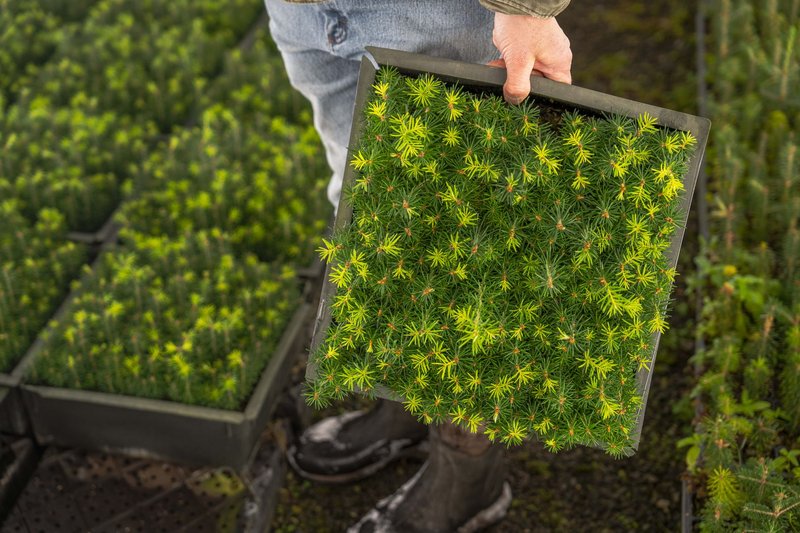
Start with your climate. The USDA Plant Hardiness Zone Map tells you the coldest winter a tree needs to survive, and every nursery tag uses it. Southern magnolia struggles in zone 5; white pine sulks in the Deep South.
Then look up, down and sideways. Check for power lines overhead. Check for septic lines, pipes and foundations below, because most roots spread wider than the canopy, not deeper. And measure the space: a tree that reaches 70 feet doesn’t belong 15 feet from the house.
Favor natives when you can. Native trees support far more insects and birds than imported ones, and they handle local soil and weather without much coaxing. Your state’s cooperative extension office or native plant society will have a regional list.
Timing is simple. Fall, about six weeks before the ground freezes, is ideal in most regions because roots grow while the top rests. Early spring works too. In hot, dry climates, plant in fall so the tree gets a gentler first winter instead of a brutal first summer.
Dig a hole as deep as the root ball and two to three times as wide. Set the root flare, where the trunk widens, level with the ground. Don’t bury it. Water deeply once a week for the first year, and spread two to three inches of mulch in a ring, kept a hand’s width away from the trunk. Mulch piled against the bark is the most common way people kill young trees.
Green trees repay patience. The one you plant this fall won’t cool your house next summer, but in a decade it will, and it keeps working for generations after that.