A vine is a plant with long, flexible stems that can’t hold itself up, so it climbs, trails or sprawls over something else. That’s the whole definition, and it’s why the useful way to sort vines isn’t by flower color. It’s by how each one climbs, because that decides what you can grow it on. This post covers the plants, not the six-second video app.
Below are 24 vine examples in four garden groups plus houseplants, each with its Latin name, a “best for” note, and an invasive warning where one applies.
Table of Contents
- How Vines Climb (and Why It Matters)
- Quick-Pick Table of Vine Examples
- Pick a Vine by Job
- Twining Vines
- Tendril and Leaf-Stalk Climbers
- Clinging Vines
- Sprawling Vines
- Houseplant Vines
- Edible Vines
- Invasive Vines to Avoid
- FAQ
- Choosing From These Vine Examples
How Vines Climb (and Why It Matters)
Extension guides, including Clemson’s vine selection factsheet, sort vines by climbing method. There’s a practical reason. Put the wrong vine on the wrong support and it either falls off or eats your house.
- Twining: the whole stem wraps around a support. Needs a post, wire, string or trellis. Won’t climb a flat wall.
- Tendrils and leaf stalks: thin, curling shoots grab onto anything slim. Needs wire, lattice or netting.
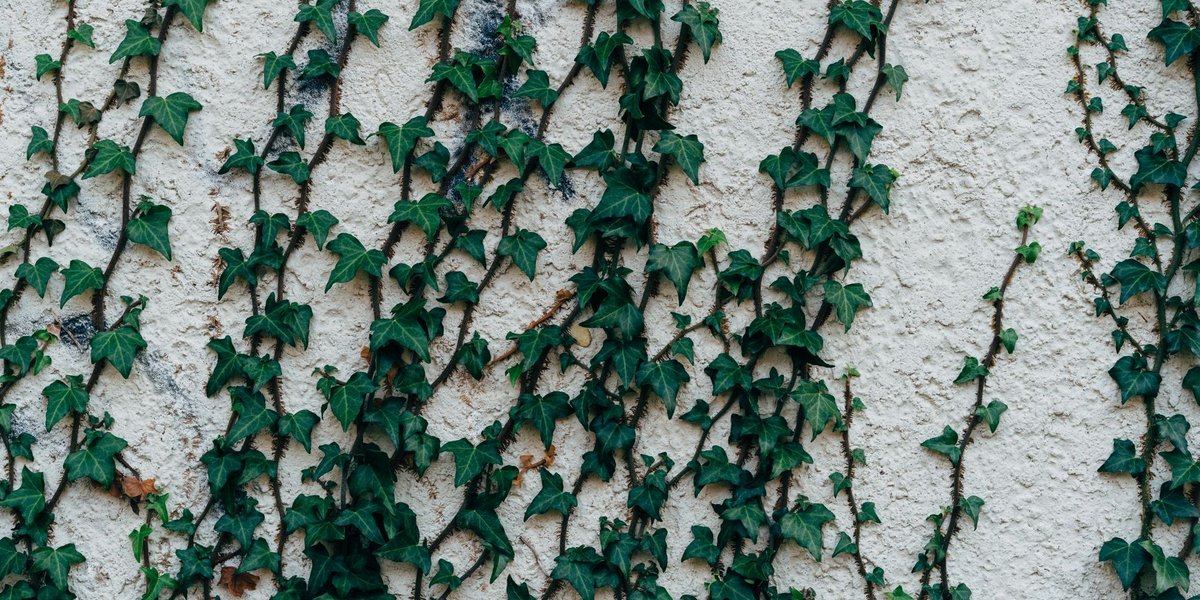
- Clinging: adhesive pads or aerial rootlets stick directly to bark, brick and siding. Needs nothing, which is the problem.
- Sprawling: long stems with thorns or no grip at all. They lean on a support and need you to tie them in.
Hardiness zones below refer to the USDA Plant Hardiness Zone Map. Find your zone first, then use the table.
Quick-Pick Table of Vine Examples
| # | Vine | Climbs by | Life cycle | Sun | Zones |
|---|---|---|---|---|---|
| 1 | Wisteria | Twining | Perennial | Full sun | 5-8 |
| 2 | Trumpet honeysuckle | Twining | Perennial | Sun to part shade | 4-9 |
| 3 | Morning glory | Twining | Annual | Full sun | Annual |
| 4 | Scarlet runner bean | Twining | Annual (perennial in 7-10) | Full sun | Annual |
| 5 | Hops | Twining | Perennial (dies back) | Full sun | 3-8 |
| 6 | Black-eyed Susan vine | Twining | Annual (perennial in 10-11) | Sun to part shade | 10-11 |
| 7 | Hardy kiwi | Twining | Perennial | Sun to part shade | 4-8 |
| 8 | Dutchman’s pipe | Twining | Perennial | Sun to part shade | 4-8 |
| 9 | Grape | Tendrils | Perennial | Full sun | 5-9 |
| 10 | Passionflower (maypop) | Tendrils | Perennial | Full sun | 5-9 |
| 11 | Sweet pea | Tendrils | Annual | Full sun | Annual |
| 12 | Clematis | Leaf stalks | Perennial | Sun on top, shade on roots | 4-9 |
| 13 | Crossvine | Tendrils with pads | Perennial | Sun to part shade | 6-9 |
| 14 | English ivy | Aerial rootlets | Perennial | Shade to sun | 4-9 |
| 15 | Boston ivy | Adhesive pads | Perennial | Sun to shade | 4-8 |
| 16 | Virginia creeper | Adhesive pads | Perennial | Sun to shade | 3-9 |
| 17 | Climbing hydrangea | Aerial rootlets | Perennial | Part shade | 4-8 |
| 18 | Trumpet creeper | Aerial rootlets | Perennial | Full sun | 4-9 |
| 19 | Climbing rose | Sprawling (thorns) | Perennial | Full sun | Varies |
| 20 | Bougainvillea | Sprawling (thorns) | Perennial | Full sun | 9-11 |
| 21 | Winter jasmine | Sprawling | Perennial | Sun to part shade | 6-9 |
| 22 | Pothos | Aerial roots | Perennial houseplant | Indirect light | 10-12 outdoors |
| 23 | Heartleaf philodendron | Aerial roots | Perennial houseplant | Low to indirect light | 10-12 outdoors |
| 24 | String of hearts | Trailing, loose twining | Perennial houseplant | Bright indirect light | 10-11 outdoors |
Pick a Vine by Job
- Fast growth in one season: hops, morning glory, scarlet runner bean.
- Shade: climbing hydrangea, Virginia creeper, Boston ivy, Dutchman’s pipe.
- Privacy screen on a fence: hops, trumpet honeysuckle, crossvine, grape.
- Hummingbirds and pollinators: trumpet honeysuckle, crossvine, scarlet runner bean, trumpet creeper, passionflower.
- Native to North America: trumpet honeysuckle, Virginia creeper, crossvine, passionflower, trumpet creeper.
- Cutting flowers: sweet pea, clematis.
Twining Vines
Twiners need something slender to wrap. A wire, a string, a pole. Most also have a preferred direction, which is why you can’t force a bean to twine the “wrong” way around its pole.
1. Wisteria (Wisteria sinensis, W. floribunda)
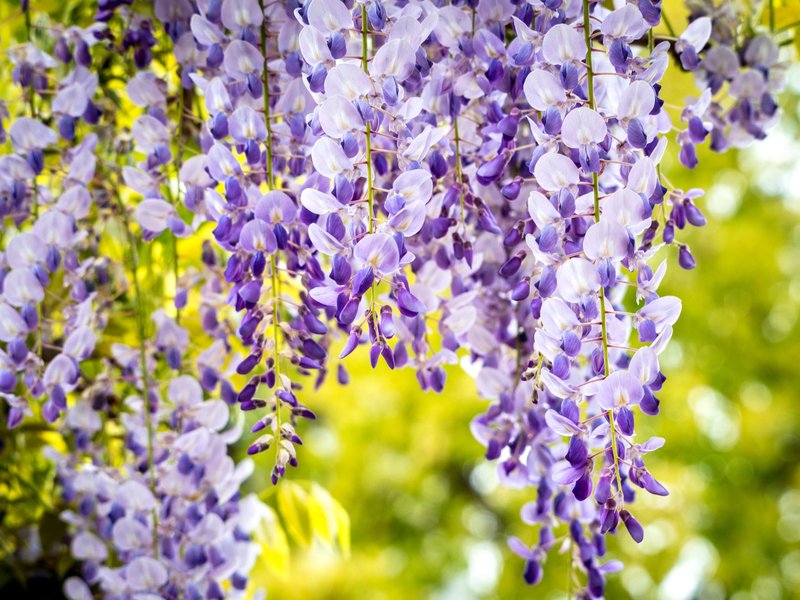
Wisteria is the vine that pulls down pergolas. Chinese wisteria twines counterclockwise and Japanese wisteria clockwise, and either one will crush a flimsy support within a few years. Plants grown from seed can take 7 to 15 years to bloom, so buy a grafted plant.
Best for: a heavy-duty pergola and a long wait for dripping spring flower clusters.
Invasive warning: Chinese and Japanese wisteria escape into forests across the eastern US. American wisteria (Wisteria frutescens, zones 5-9, cultivar ‘Amethyst Falls’) is the native substitute.
2. Trumpet Honeysuckle (Lonicera sempervirens)
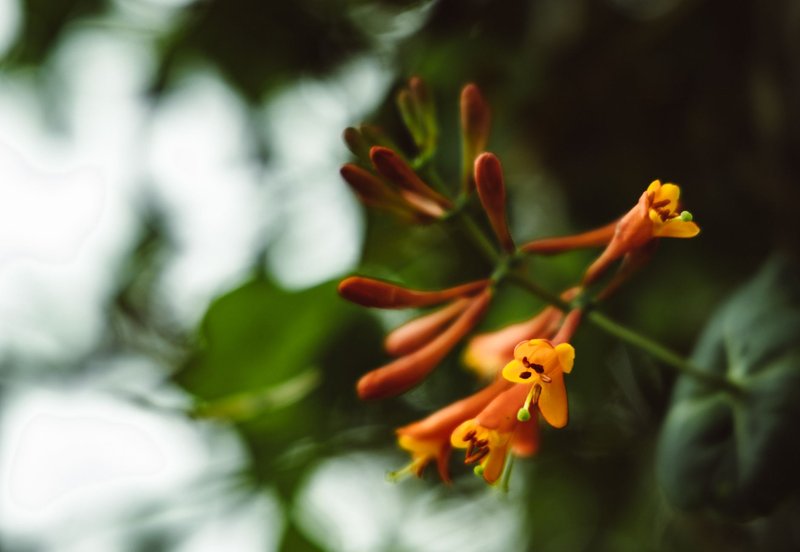
A native honeysuckle with coral-red, tube-shaped flowers that hummingbirds work all summer. It has no scent, which is the trade for being well-behaved. It blooms hardest in full sun and tolerates light shade.
Best for: hummingbirds on a fence or arbor.
Invasive warning: don’t confuse it with Japanese honeysuckle (Lonicera japonica), the fragrant white-and-yellow one that smothers shrubs across the Southeast.
3. Morning Glory (Ipomoea purpurea)
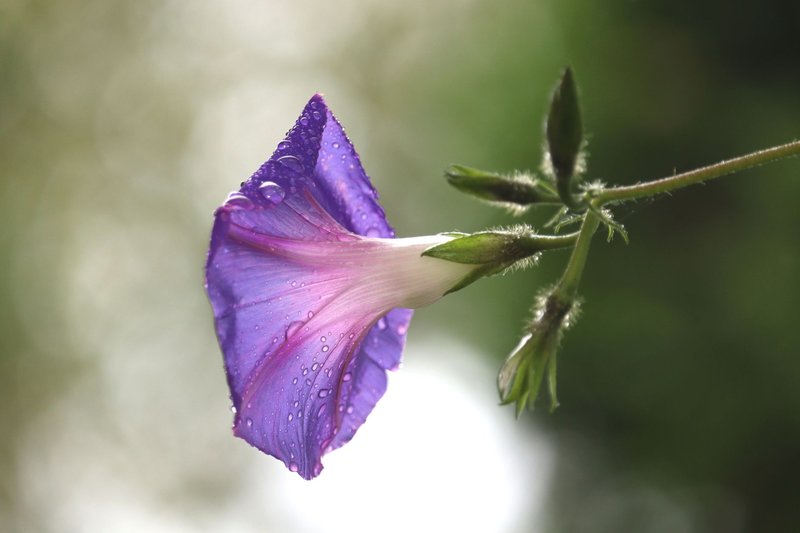
Each flower opens at dawn and is spent by afternoon, but a mature plant puts out dozens a day. It climbs 10 to 15 feet in a season from a seed you nick and soak overnight. The seeds are toxic if eaten.
Best for: covering a chain-link fence cheaply and fast.
Invasive warning: it self-seeds hard and counts as a weed in many farm regions. Deadhead if you don’t want it back next year.
4. Scarlet Runner Bean (Phaseolus coccineus)
This is a bean that works as an ornamental. Bright red flowers pull hummingbirds, and the pods are edible when young. In zones 7-10 the roots survive winter. Everywhere else you replant each spring.
Best for: a vegetable garden teepee that also feeds pollinators. Cook the dried beans before eating them, since raw ones are toxic.
5. Hops (Humulus lupulus)
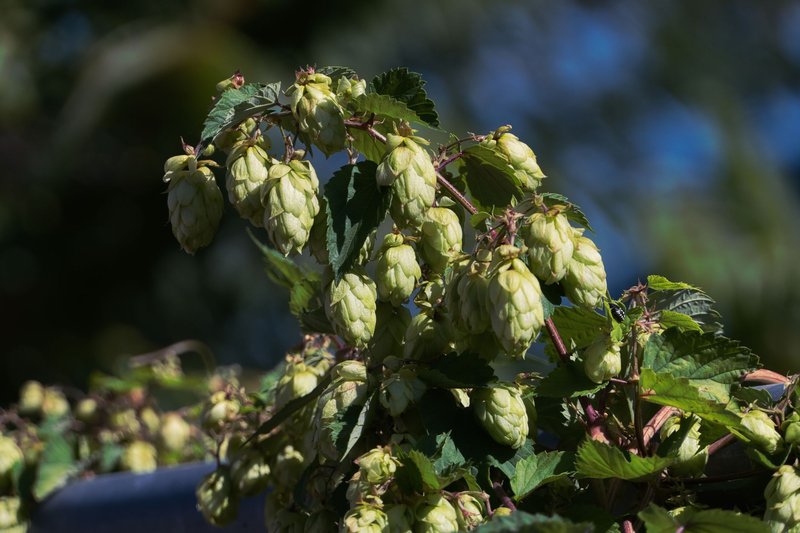
Hops die to the ground every winter and then climb 15 to 25 feet in a single season, wrapping clockwise on stiff little hairs. Growers call the stems bines rather than vines. The green cones are the beer ingredient, and the lobed leaves make a dense summer screen.
Best for: a fast privacy wall that disappears when you want winter light back.
6. Black-Eyed Susan Vine (Thunbergia alata)
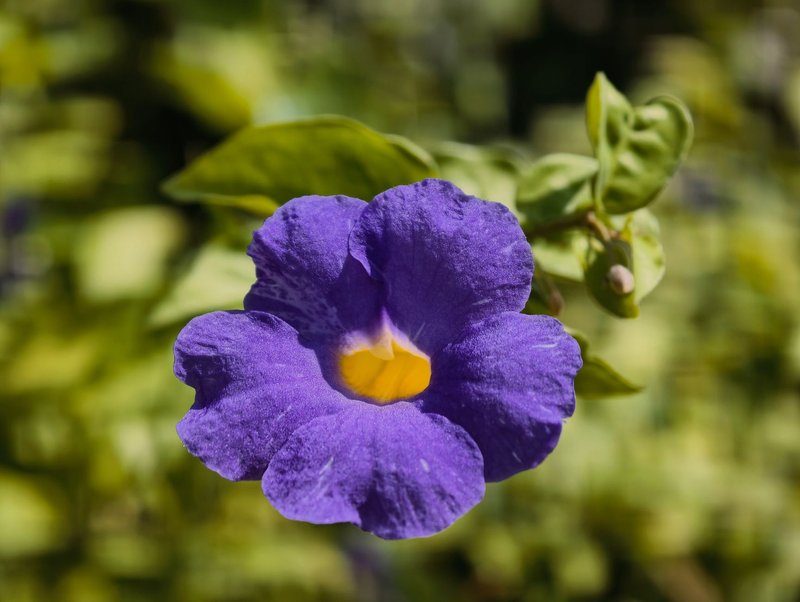
Orange, yellow or white flowers, each with a dark chocolate center, on a vine that stays around 6 to 8 feet. It’s a perennial only in zones 10-11 and an annual everywhere else. It does well in containers on a small obelisk.
Best for: a balcony pot or a short trellis.
Invasive warning: it can self-seed in frost-free regions, so check local advice if you garden in zone 10 or warmer.
7. Hardy Kiwi (Actinidia arguta)
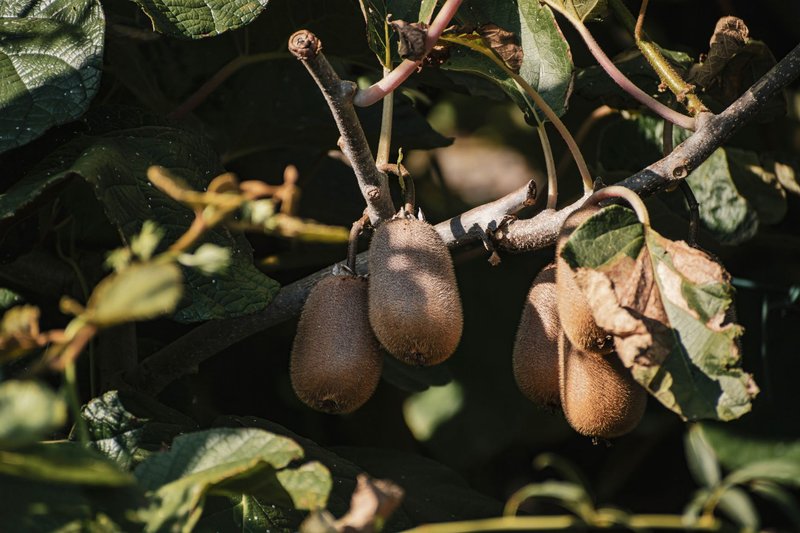
Grape-sized, smooth-skinned fruit you eat whole, from a vine hardy to zone 4. You need a male and a female plant to get fruit, and the vine grows 20 to 30 feet, so it needs a sturdy arbor. The fuzzy supermarket kiwi (Actinidia deliciosa) only does well in zones 7-9.
Best for: cold-climate gardeners who want a fruiting vine.
Invasive warning: it has escaped cultivation in parts of the Northeast. Check your state’s list before planting.
8. Dutchman’s Pipe (Aristolochia macrophylla)
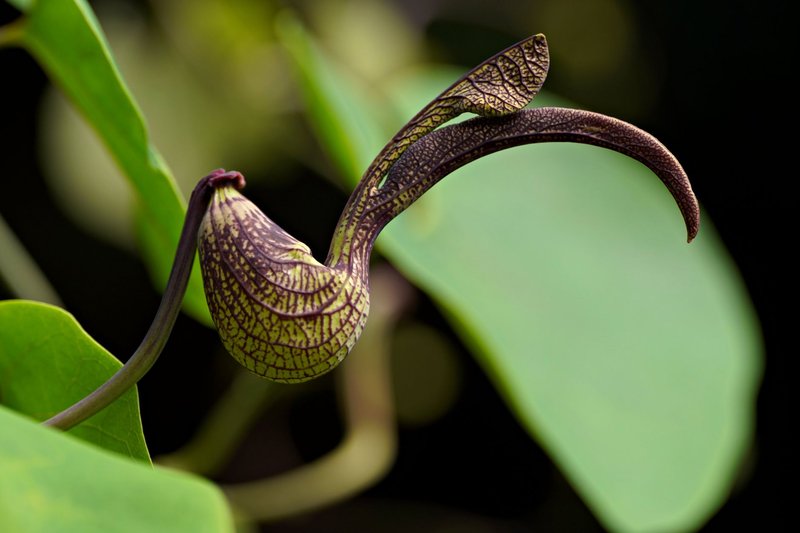
Dinner-plate-sized heart-shaped leaves form a dense screen, and the odd curved, pipe-shaped flowers hide among them. The reason to plant it is the pipevine swallowtail (Battus philenor), whose caterpillars feed on Aristolochia and little else.
Best for: shade screens and butterfly gardeners.
Tendril and Leaf-Stalk Climbers
These vines grab. Tendrils are thin, curling shoots that wrap whatever they touch. Give them wire, netting or lattice, not a fat post.
9. Grape (Vitis vinifera, V. labrusca, V. rotundifolia)
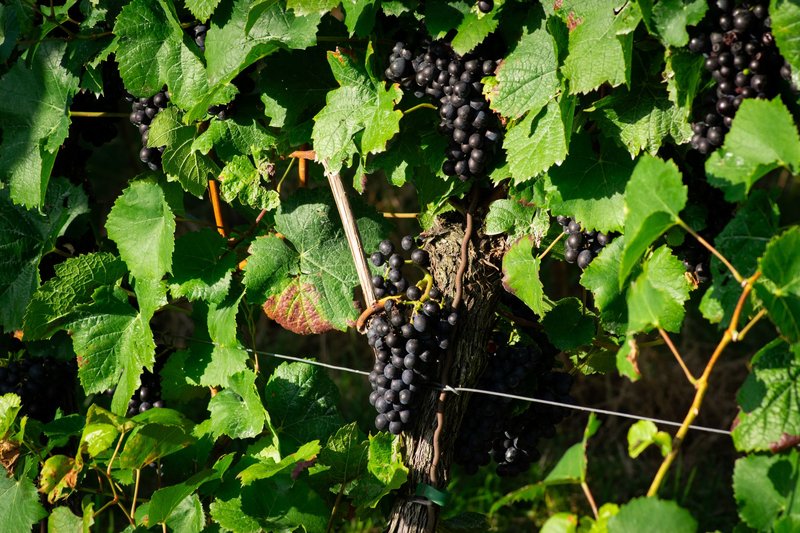
Grapes fruit on shoots that grow from last year’s canes, so annual winter pruning decides your harvest. European wine grapes (V. vinifera) struggle in humid or very cold regions. American types like ‘Concord’ (V. labrusca) are hardier, and muscadines (V. rotundifolia) suit the Southeast.
Best for: an arbor that gives shade in summer and fruit in fall.
10. Passionflower (Passiflora incarnata)
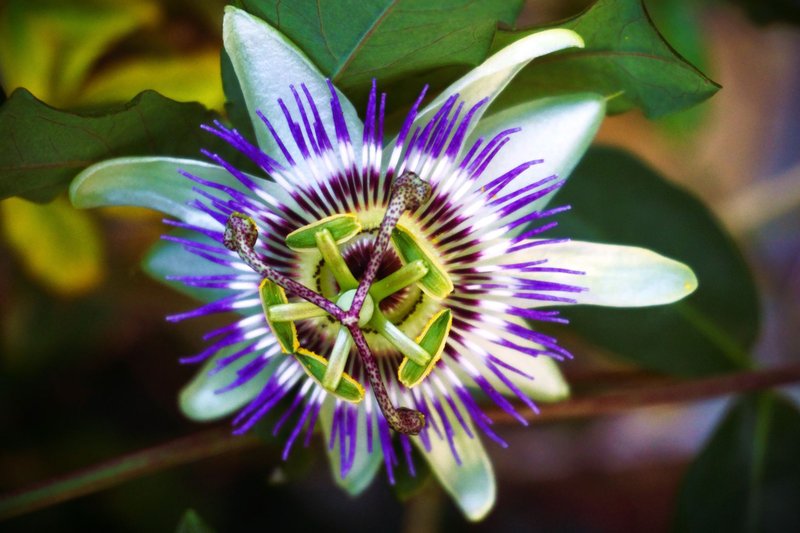
Also called maypop. The fringed lavender flowers look engineered, and each one lasts a single day. It’s native to the southeastern US, hardy to zone 5, and the host plant for Gulf fritillary butterflies. The egg-shaped fruit is edible.
Best for: a pollinator garden and an eye-catching bloom.
Invasive warning: it spreads by underground runners and pops up several feet from the parent. It’s native, but it’s not polite.
11. Sweet Pea (Lathyrus odoratus)
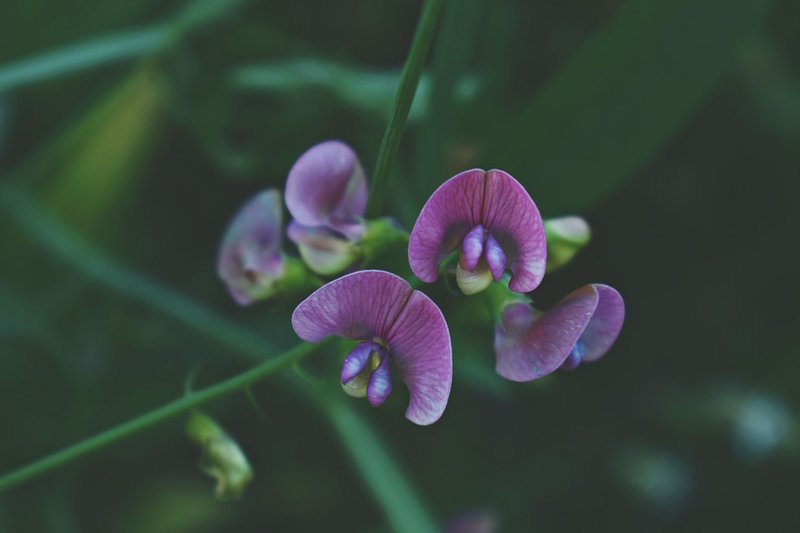
A cool-season annual that wants to be sown in early spring and quits blooming in summer heat. Pick flowers often and it keeps producing. The fragrance is the point. Unlike garden peas, sweet pea seeds are toxic, so don’t eat the pods.
Best for: cut flowers and scent on a cool-climate trellis.
12. Clematis (Clematis spp.)
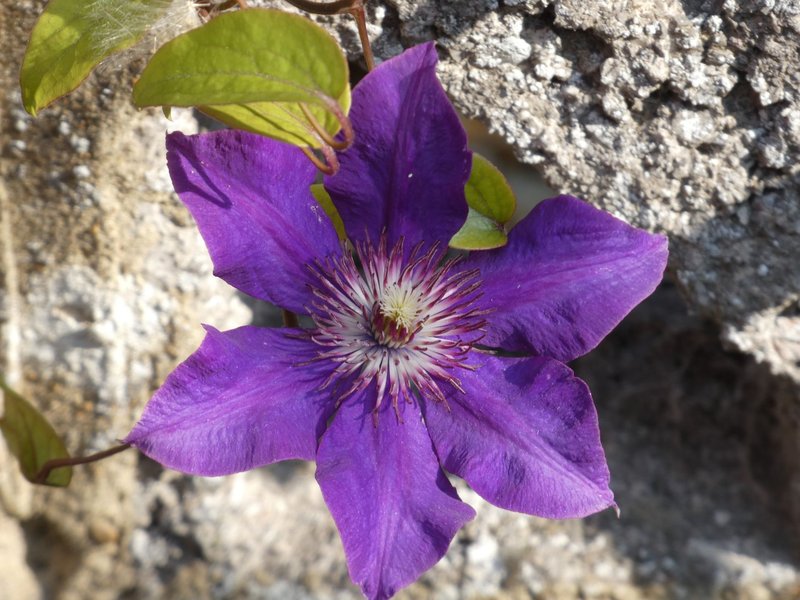
Clematis climbs by twisting its leaf stalks around thin supports. A thick post gives it nothing to hold. Plant it with the roots shaded and the top in sun. Pruning depends on the variety’s group (1, 2 or 3), so keep the plant tag.
Best for: a mailbox post wrapped in wire, or a lattice panel.
Invasive warning: sweet autumn clematis (Clematis terniflora) is invasive in much of the eastern US. Buy a named hybrid instead.
13. Crossvine (Bignonia capreolata)
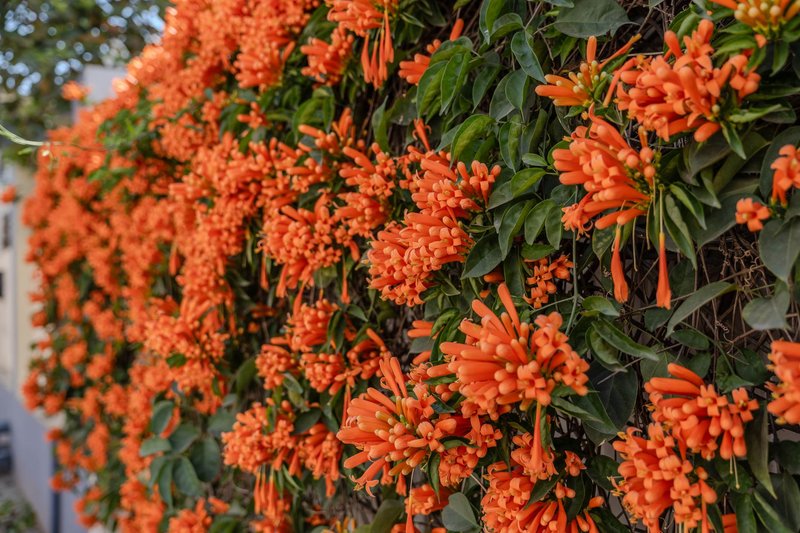
Cut a stem crosswise and the wood shows an X, which gives the plant its name. The orange-red trumpets are red outside, yellow inside, and hummingbirds visit. It’s native to the southeastern US, semi-evergreen, and its leaves turn reddish-purple in winter. The tendrils end in small adhesive pads.
Best for: a native alternative to trumpet creeper on a fence or wall.
Clinging Vines
Clingers attach with adhesive pads or aerial rootlets. They need no trellis, and they leave marks on whatever you let them climb. Keep them off wood siding, shingles and soft mortar.
14. English Ivy (Hedera helix)
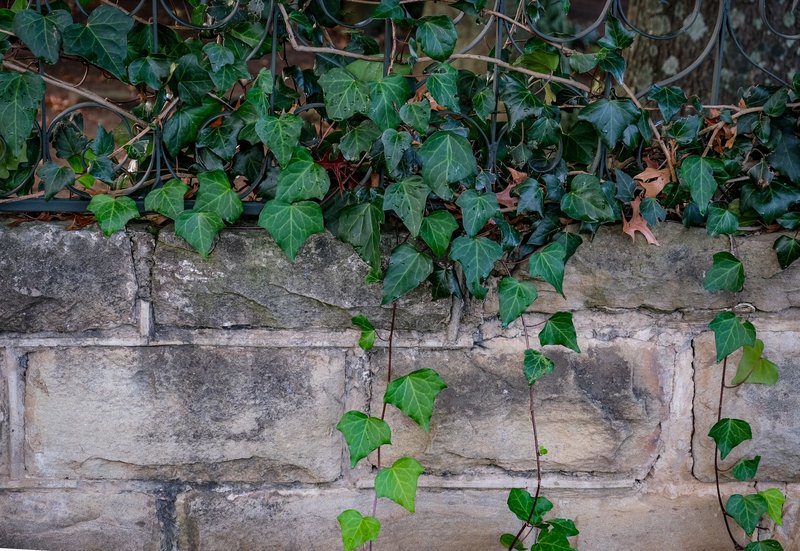
Evergreen and shade tolerant. It also pulls down trees by adding weight and shading their leaves, and the rootlets work into mortar and wood.
Best for: very little in North America. Use it in a container or a deep-shade spot where it can’t reach a tree.
Invasive warning: Oregon and Washington both list it as a noxious weed, and it’s invasive across much of the East. See the USDA invasive species resource for current guidance.
15. Boston Ivy (Parthenocissus tricuspidata)
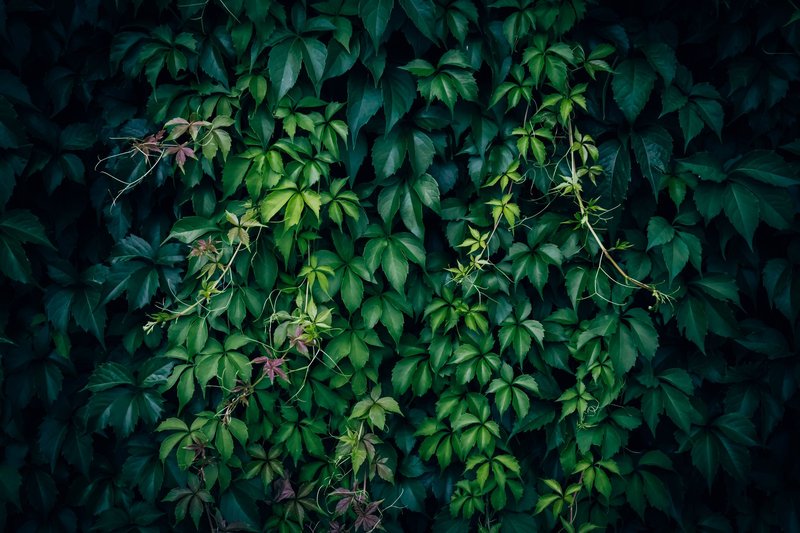
Despite the name, it’s native to Japan, Korea and China. Adhesive pads let it climb brick and stone, and the leaves turn scarlet in autumn. It’s one of the plants on the Wrigley Field outfield wall. Unlike English ivy, it’s deciduous.
Best for: covering a masonry wall that you don’t plan to repaint.
16. Virginia Creeper (Parthenocissus quinquefolia)
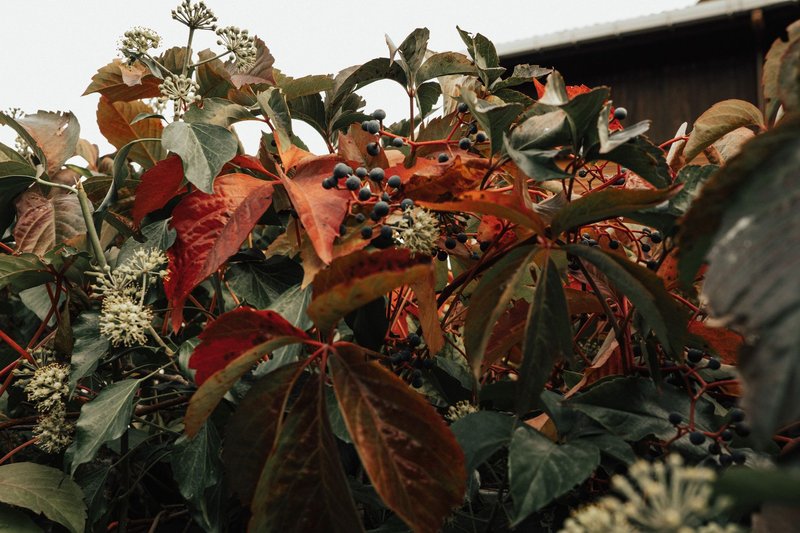
A native with five leaflets per leaf, which is how you tell it from poison ivy’s three. It’s hardy to zone 3, tolerates shade, and turns deep red in fall. Birds eat the blue-black berries, which are toxic to people.
Best for: a tough native for a north-facing wall or a tree trunk where English ivy is a bad idea.
17. Climbing Hydrangea (Hydrangea petiolaris)
The old gardeners’ rhyme is “sleep, creep, leap”: little happens for the first two years, then it takes off. Aerial rootlets hold it on masonry or a tree trunk, and the flat white flower clusters give way to peeling cinnamon-colored bark in winter. It can reach 30 feet or more and gets heavy.
Best for: a shady wall that needs year-round interest, if you can be patient.
18. Trumpet Creeper (Campsis radicans)
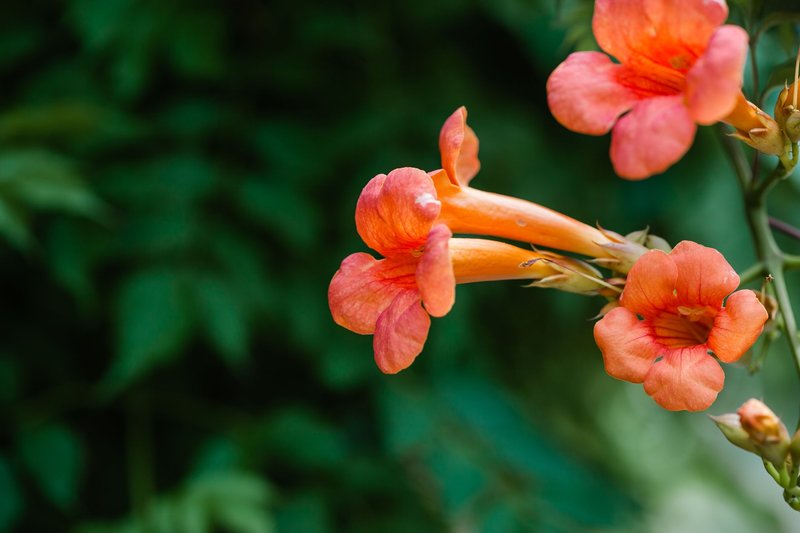
Orange trumpet flowers from midsummer, and hummingbirds go straight for them. It’s native to the eastern US and tolerates drought, poor soil and neglect. That tolerance is exactly why it’s hard to remove.
Best for: a sturdy fence post or dead tree stump far from the house.
Invasive warning: it suckers from the roots and seeds freely, and shoots can surface in the lawn yards away. Native, but aggressive. Give it a boundary.
Sprawling Vines
Sprawlers lean rather than climb. Thorns or long arching stems rest on a support, and you tie them in.
19. Climbing Rose (Rosa spp., for example ‘New Dawn’)
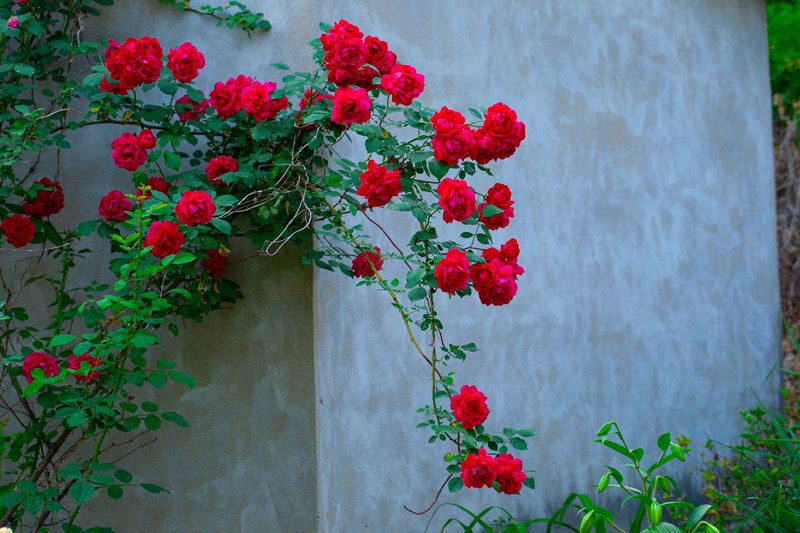
A rose isn’t a true vine. It has no tendrils and doesn’t twine, so it counts as a climber only if you tie the long canes to a support and the hooked thorns hold the rest. ‘New Dawn’ is a classic repeat-bloomer with pale pink flowers, hardy in zones 5-9.
Best for: arches and walls where you want fragrance and are willing to do the tying.
20. Bougainvillea (Bougainvillea glabra)
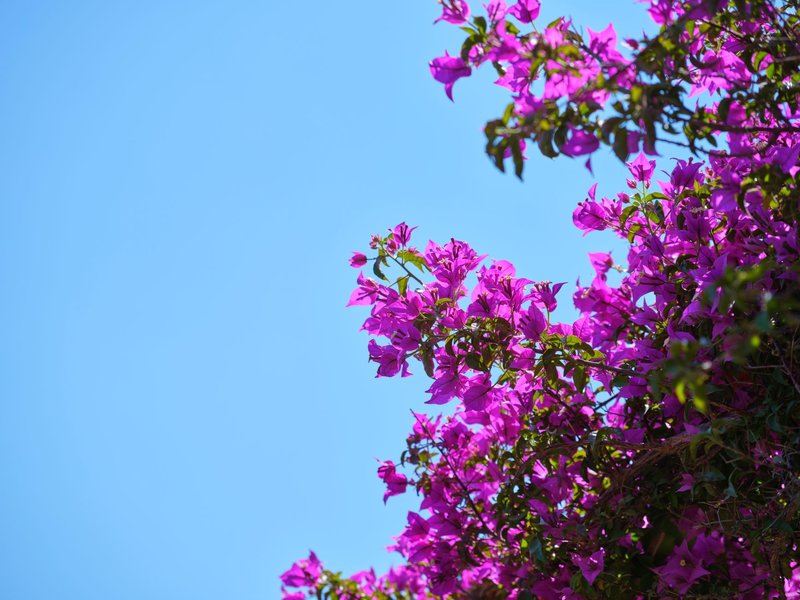
The vivid magenta, orange or white color comes from bracts, which are modified leaves. The actual flowers are the small white ones inside. It’s native to Brazil, thorny, and hardy only in zones 9-11. Blooms improve when the plant is a little dry, and overwatering gives you leaves instead of color.
Best for: hot, dry walls in warm climates, or a patio pot that moves indoors in winter.
21. Winter Jasmine (Jasminum nudiflorum)
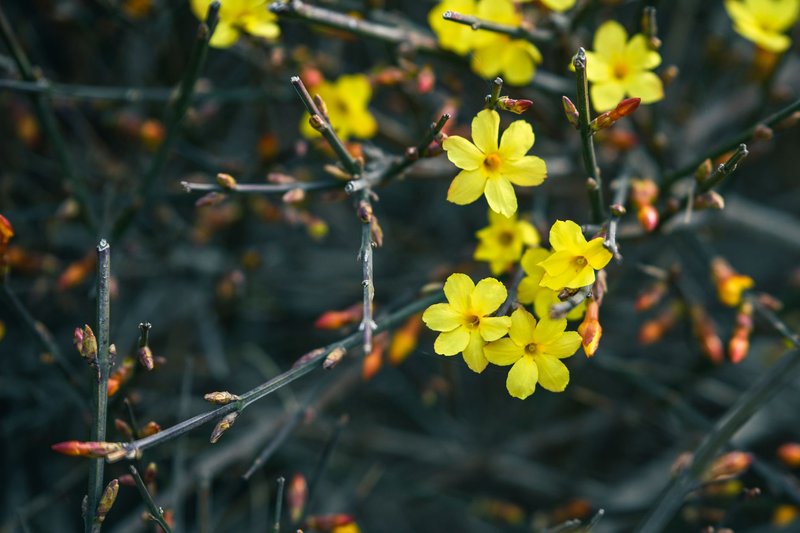
Yellow flowers appear on bare green stems from January to March, when almost nothing else is blooming. They have no fragrance, unlike summer jasmine. The arching stems root wherever the tips touch the ground, so it covers banks well and needs ties if you want it up a wall.
Best for: late-winter color and slopes that need erosion control.
Houseplant Vines
Indoors, vines climb by aerial roots or trail from hanging pots. All three below are grown outdoors only in frost-free zones.
22. Pothos (Epipremnum aureum)
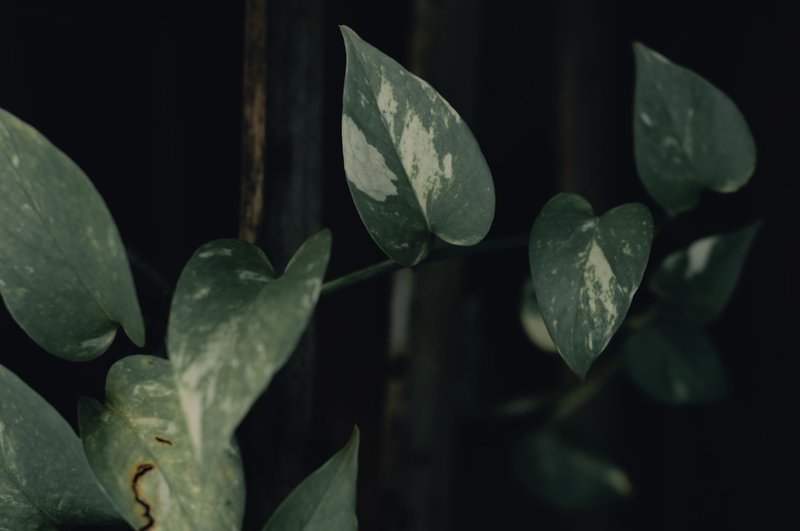
In its native Pacific range it climbs tree trunks and its leaves grow up to a few feet long. Indoors, give it a moss pole and the leaves get larger as the vine climbs. A hanging pot keeps them small. It’s toxic to cats and dogs.
Best for: beginners and low-light offices.
Invasive warning: it escapes in frost-free places like Florida and Hawaii, so don’t toss cuttings outdoors there.
23. Heartleaf Philodendron (Philodendron hederaceum)
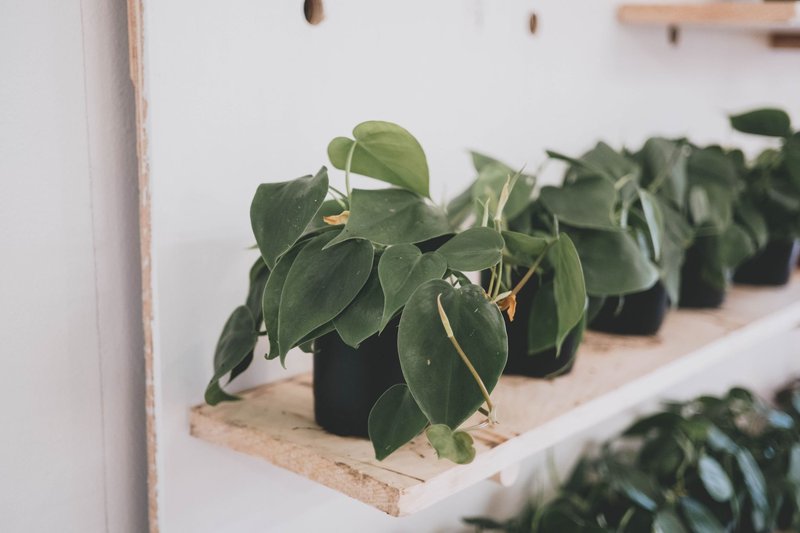
Native to Central America and the Caribbean. It looks like pothos, but the leaves are thinner, softer and more pointed, and small sheath leaves called cataphylls appear at the nodes. Pothos doesn’t produce them. It tolerates low light, and it’s also toxic to pets.
Best for: shelves and hanging baskets in dim rooms.
24. String of Hearts (Ceropegia woodii)
A South African succulent vine with silver-marbled heart-shaped leaves on thin, wire-like stems that hang 3 to 4 feet. Small tubers form along the stems and can be pressed onto soil to start new plants. Water it only when the soil dries, because overwatering kills it faster than neglect.
Best for: a bright window with a hanging pot.
Edible Vines
Four vines from the list produce food.
- Grape (#9): fruit, plus young leaves for dolmas.
- Hardy kiwi (#7): smooth-skinned fruit, with male and female plants needed.
- Passionflower (#10): maypop fruit, ripe when it turns yellowish and wrinkles slightly.
- Scarlet runner bean (#4): young pods and flowers, with dried beans cooked first.
Keep ornamental vines separate from edible ones. Morning glory seeds and sweet pea seeds are toxic, and the berries on Virginia creeper aren’t food.
Invasive Vines to Avoid
The plants below behave badly in many regions. Check your state’s invasive plant list before buying any of them.
- English ivy (Hedera helix)
- Chinese and Japanese wisteria
- Japanese honeysuckle (Lonicera japonica)
- Sweet autumn clematis (Clematis terniflora)
- Oriental bittersweet (Celastrus orbiculatus), which looks like American bittersweet (Celastrus scandens)
- Pothos, in frost-free regions
University of Maryland Extension’s vine guide is a good model of regional advice, with native and invasive vines side by side.
FAQ
What’s the difference between annual and perennial vines?
Annual vines complete their life cycle in one season, then die and must be replanted or reseed themselves. Morning glory and sweet pea are annuals. Perennial vines come back every year, such as wisteria, grape and clematis. Some, like scarlet runner bean and black-eyed Susan vine, are perennials in warm zones and treated as annuals elsewhere.
What’s the fastest-growing vine?
Among annuals, hops (15 to 25 feet in a season), morning glory and scarlet runner bean. Among long-lived plants, trumpet creeper, Virginia creeper and wisteria all outpace what most people expect, and they need regular cutting back.
Which vines damage walls?
Clinging vines: English ivy, Boston ivy, Virginia creeper and trumpet creeper. Their pads and rootlets get into mortar, paint and wood. Twining and tendril vines need a trellis and rarely hurt a wall, but a heavy wisteria can wreck the trellis itself.
Is a rose a vine?
Not strictly. Roses have no tendrils and don’t twine. A climbing rose is a plant with long canes that you tie to a support.
What are the best flowering vines for beginners?
Morning glory, sweet pea, scarlet runner bean and trumpet honeysuckle. All four are forgiving and grow quickly.
Choosing From These Vine Examples
Match the climbing method to the support first. Twiners get wire and posts, tendril climbers get thin lattice, clingers get a wall you don’t mind, and sprawlers get you with a roll of garden ties. Then check the zone and the invasive list. Of all these vine examples, a native like trumpet honeysuckle, crossvine or Virginia creeper is usually the safest first pick.